


Login
Get Instant Pricing On 23,000+ Aircraft

>

Understanding the true cost of private jet ownership extends far beyond the initial purchase price. Private jet operating cost represents a complex web of fixed and variable expenses that can easily exceed $1 million annually for larger aircraft. Buying a private jet varies widely from $2 million to $100 million, depending on the model and customization. Typically, financing a private jet requires a down payment of 10% to 20%, with the remaining balance financed over a period that can extend up to 20 years. Personal loans and mortgages are straightforward ways to finance a private jet purchase. Customized features in a private jet can significantly increase its purchase price, sometimes by millions of dollars. Choosing a pre-owned aircraft can substantially lower the upfront expense, with used jets generally priced 20% to 50% less than brand-new models. Whether you’re considering fractional ownership, evaluating charter alternatives, or planning your first aircraft purchase, comprehensive cost analysis is essential for making informed decisions.
The private aviation industry has evolved significantly, with new ownership models and cost structures emerging to meet diverse needs. From very light jets costing under $700 per hour to operate, to ultra-long-range aircraft requiring $7,600+ hourly, the range of operating expenses reflects the diversity of private jets available today. Interest rates for aircraft loans typically range between 6% and 8% for well-qualified buyers, adding an important financial consideration to the overall cost of ownership. Ongoing costs for operating a private jet typically range from $500,000 to $1,000,000 per year. Owners must also cover additional costs such as hangar fees, crew salaries, and aircraft insurance. This guide provides the detailed breakdown you need to understand these costs and plan effectively.
Private jet operating costs typically range from $661 per hour for very light jets to over $7,600 per hour for ultra-long-range aircraft, with most owners spending $500,000-$1.2 million annually
Fuel represents the largest variable expense at 25-35% of total operating costs, with consumption varying from 120 gallons per hour for light jets to 500+ gallons for heavy jets
Fixed costs, including insurance ($15,000-$85,000+ annually), hangar fees ($30,000-$200,000+), and crew salaries ($85,000-$300,000 per pilot), remain constant regardless of flight hours
Flying 200-400 hours annually typically justifies private jet ownership economics compared to charter alternatives, though utilization patterns significantly impact cost efficiency
Hidden costs like navigation updates, unexpected repairs, and regulatory compliance can add tens of thousands annually, making professional cost analysis essential for accurate budgeting
Private jet operating costs fall into two primary categories that fundamentally impact your ownership economics. Fixed costs remain constant regardless of how much you fly, while variable costs fluctuate directly with flight hours. This distinction is crucial for understanding when private jet ownership becomes cost-effective compared to chartering or fractional programs. Private jet leasing is typically categorized into wet leases and dry leases, offering different levels of services, which can also influence cost structures and operational flexibility. Capital leases allow the lessee to claim depreciation benefits for tax purposes, making them an attractive option for some buyers.
Fixed costs include insurance premiums, hangar fees, crew salaries, and regulatory compliance expenses. These ongoing costs continue whether your aircraft flies 50 hours or 500 hours annually. Variable costs encompass fuel, maintenance per flight hour, landing fees, catering, and other usage-dependent expenses. Private jet operational costs also include FBO costs, which cover catering, aircraft cleaning, and ground handling services. The balance between these categories determines your cost per flight hour and overall ownership efficiency.
Utilization rates dramatically affect operating economics. Aircraft flying 200-400 hours annually typically justify ownership compared to charter rates, as fixed costs are spread across more flight hours. However, owners flying fewer than 150 hours per year often find charter or fractional ownership more economical, as they avoid the substantial fixed cost burden of full ownership. Fractional jet ownership typically offers more consistent access to an aircraft than chartering, making it an attractive option for those with moderate but regular travel needs.
The breakeven analysis between ownership and charter depends on several factors, including aircraft type, typical trip profiles, and operational preferences. Large cabin business aircraft with high fixed costs require significant utilization to achieve cost efficiency, while very light jets with lower fixed expenses can justify ownership at fewer annual flight hours.
Insurance represents a significant fixed expense for private jet owners, with premiums varying dramatically based on aircraft value, pilot experience, and coverage requirements. Hull and liability insurance for very light jets generally begins at around $15,000 per year, whereas premiums for ultra-long-range jets can surpass $85,000 annually. Typically, private jet insurance costs fall between 1% and 3% of the aircraft's value each year. Newer, high-value aircraft incur larger premiums due to replacement costs, while older aircraft may face higher risk surcharges despite lower hull values.
Hangar and storage costs vary tremendously by location and facility type, representing another substantial fixed expense. Basic tie-down arrangements may cost $2,400 annually, while premium heated hangars in major metropolitan areas can exceed $200,000 per year. Creating a private aircraft hangar can cost from $30,000 to several million dollars, based on specifications and location. Hangar costs for private jets can vary widely, generally ranging from $1,500 to $3,000 per month for rental. The home base location of the aircraft can impact the cost of hangar space significantly, with major international airports being more expensive than smaller regional ones. Most owners budget $30,000-$100,000 annually for adequate hangar protection, with location being the primary cost driver.
Crew expenses constitute the largest fixed cost category for most private jet operations. Pilot salaries range from $85,000-$300,000 per person annually, depending on aircraft type and experience level. Larger jets typically require two pilots, with cabin attendants adding additional crew costs. Crew training and certification are ongoing expenses essential for safe operations. Beyond base salaries, owners must budget for training, recurrent education, overnight accommodations, and benefits packages.

Regulatory compliance and annual inspection costs typically range from $10,000-$50,000 per year, covering mandatory inspections, database updates, and regulatory filings. Aircraft management fees, when using professional management companies, generally add 10-15% of total operating costs but often provide economies of scale through volume purchasing and professional expertise.
Property taxes and registration fees vary by jurisdiction, but can add thousands annually to ownership costs. Some states impose significant annual taxes on aircraft value, while others offer more favorable tax environments for aircraft ownership. Strategic aircraft registration decisions can meaningfully impact ongoing fixed costs.
Fuel consumption represents the most significant variable expense in private aviation, accounting for 25-35% of total operating costs. Very light jets typically consume 120-200 gallons per hour, while heavy jets like the Gulfstream G650ER can burn 400-500 gallons per hour. Newer aircraft generally have lower maintenance costs and improved fuel efficiency than older jets, making them a more economical choice in the long term. With jet fuel averaging $5.96 per gallon in 2025, hourly fuel costs range from $720 for efficient light jets to over $3,000 for large cabin aircraft.
Annual fuel expenses vary dramatically with utilization patterns. Owners flying 150 hours annually in light jets typically spend $100,000-$200,000 on fuel, while heavy jet operators with 400 annual flight hours can exceed $800,000 in fuel costs alone. The emergence of sustainable aviation fuel (SAF) offers environmental benefits but currently commands premium pricing, adding 10-20% to fuel expenses. In a fractional ownership arrangement, individuals purchase a share of a private jet, typically ranging from 1/16 to 1/2 of the aircraft.
Maintenance costs typically represent 5-10% of aircraft value annually, encompassing both scheduled and unscheduled maintenance. Routine inspections, component replacements, and regulatory compliance maintenance form the baseline, while unexpected repairs can significantly impact budgets. Maintenance costs for private jets can quickly increase to $500,000 to $1,000,000 or more annually. Engine overhauls represent major expense events, potentially costing $1 million or more for larger jets.

Landing fees, handling charges, and navigation costs vary by airport and destination but accumulate quickly with regular operations. Major airports typically charge higher fees, while smaller facilities may offer cost advantages. International operations add complexity with overflight permits, customs fees, and foreign taxes that can substantially increase trip costs.
Catering, ground transportation, and passenger services represent discretionary variable costs that owners can control based on preferences and requirements. While individually modest, these expenses can accumulate meaningfully over annual operations, particularly for aircraft used for client entertainment or business development.
Very light jets offer the most economical entry point into private jet ownership, with hourly operating costs ranging from $700-$1,800 per flight hour. The Cirrus Vision SF50, at $661.53 per hour, represents exceptional value in this category. These aircraft typically feature single-pilot operation capabilities, significantly reducing crew costs compared to larger jets requiring two pilots.
Popular models, including the HondaJet HA-420 and Cessna Citation M2, deliver efficient operations for regional travel up to 1,000 nautical miles. Their lower fuel consumption and simplified maintenance requirements make them ideal for owners flying 100-300 hours annually. Insurance costs remain modest, typically $15,000-$25,000 annually, while hangar requirements are less demanding than larger aircraft.
The operational sweet spot for very light jets typically involves frequent short-haul flights where airline schedules prove inconvenient. These aircraft excel at connecting smaller airports not served by commercial aviation, providing significant time savings despite modest cabin accommodations.
Light and midsize jets represent the mainstream of private aviation, with operating costs ranging from $1,800-$3,200 per hour. Popular models include the Cessna Citation series and Embraer Phenom family, offering balanced performance, comfort, and operating economics. These aircraft typically consume 200-220 gallons per hour, positioning them in the operational sweet spot for 150-400 annual flight hours.
Crew requirements typically involve two pilots, with optional flight attendants for longer trips or passenger service requirements. Annual crew costs for this category range from $170,000-$400,000, depending on experience levels and benefit packages. Maintenance costs remain manageable, particularly for newer aircraft under warranty coverage.
The versatility of light and midsize jets makes them suitable for both business and personal travel, with transcontinental range and comfortable accommodations for 6-8 passengers. Their operational flexibility and cost structure often justify ownership for individuals or companies with regular travel requirements exceeding 200 hours annually.
Heavy and ultra-long-range aircraft command operating costs from $4,000-$7,600+ per hour, with some converted airliners exceeding $10,000 hourly. Examples include the Gulfstream G700, Bombardier Global 7500, and Boeing Business Jet variants. These aircraft deliver transcontinental and transoceanic capabilities but require substantial utilization to justify their operating expenses.
Fuel consumption for heavy jets ranges from 350-500+ gallons per hour, making fuel management crucial for cost control. Annual fuel expenses alone can exceed $800,000 for operators flying 400+ hours annually. Maintenance costs scale proportionally, with annual expenses potentially reaching $1 million for older, complex aircraft.

Crew requirements typically include two experienced pilots and one or more flight attendants, with annual crew costs often exceeding $500,000. These aircraft justify their premium operating expenses through productivity gains, time savings on long-haul flights, and the ability to access remote destinations unavailable to smaller jets.
The operational profile for heavy jets typically involves international travel, coast-to-coast flights, and situations where cabin comfort and range justify the substantial operating costs. Companies and individuals using these aircraft often value time savings and productivity gains that offset the significant financial commitment.
Navigation database updates represent a recurring cost often overlooked in initial budgeting, typically costing $3,000-$5,000 annually per aircraft. These updates are mandatory for IFR operations and must be maintained current for regulatory compliance. Avionics manufacturers charge subscription fees for chart updates, weather services, and navigation data that accumulate throughout the ownership period.
Weather delays and alternate airport fees create unplanned expenses that can impact operational budgets. Diversions due to weather, mechanical issues, or airport closures often result in unexpected landing fees, overnight hangar charges, and crew accommodations. These costs can easily reach several thousand dollars per incident and should be factored into annual operating reserves.
International operations introduce complexity and costs often underestimated by new owners. Overflight permits, customs handling, foreign taxes, and international airport fees can add thousands to each overseas trip. Some countries impose significant landing fees for private aircraft, while others require expensive permits obtained well in advance of travel.
Unexpected mechanical issues pose the greatest financial risk, particularly for older aircraft or complex systems. Component failures can ground aircraft for days or weeks, generating both repair costs and potential lost productivity. Major unscheduled maintenance events can easily reach five or six figures, making maintenance reserves essential for financial planning.
Technology upgrades and regulatory compliance modifications represent another category of unexpected costs. Mandatory avionics upgrades, such as ADS-B compliance, can cost hundreds of thousands of dollars. Environmental regulations and noise restrictions may require costly modifications or limit operational flexibility at certain airports.
Fuel management represents the most immediate opportunity for cost savings, given fuel’s 25-35% share of total operating costs. Purchasing fuel at competitive airports can save hundreds of dollars per trip, while flight planning optimization reduces consumption through efficient routing and altitude selection. Some operators achieve 10-15% fuel savings through strategic planning and fuel purchasing programs.
Maintenance scheduling during planned downtime reduces labor charges and minimizes operational disruptions. Coordinating routine inspections with aircraft modifications or upgrades maximizes efficiency and reduces total downtime. Proactive maintenance planning prevents minor issues from escalating into expensive repairs while maintaining regulatory compliance.
Professional management companies often provide volume purchasing discounts for fuel, insurance, and maintenance services. Their economies of scale can offset management fees through negotiated rates and operational expertise. Many private jet owners choose to engage professional management services to navigate the complexities of aircraft operations. Aircraft management fees for handling logistics and compliance can range from $50,000 to $250,000 annually. However, owners should carefully evaluate management costs against potential savings to ensure a positive return on investment.
Charter revenue generation offers another optimization strategy, allowing owners to offset costs through third-party use of their aircraft. However, commercial operations introduce regulatory complexity and insurance considerations that require careful evaluation. Part 135 charter operations may provide meaningful revenue but require substantial compliance investments.
Strategic basing decisions can significantly impact hangar costs, fuel prices, and operational convenience. Positioning aircraft at airports with competitive operating costs while maintaining accessibility to primary destinations requires careful analysis of travel patterns and cost structures.
Modern avionics systems are reducing maintenance complexity while improving operational efficiency. Next-generation flight management systems optimize fuel consumption through precise navigation and flight planning. Advanced weather radar and terrain awareness systems reduce weather-related delays and enhance safety margins, contributing to cost control through operational efficiency.
Predictive maintenance systems represent a significant advancement in cost management, using engine and component monitoring to predict failures before they occur. These systems analyze trends in engine parameters, component wear patterns, and operational data to schedule maintenance proactively. Early intervention prevents catastrophic failures and reduces unscheduled maintenance costs.
Next-generation engines, such as the Pratt & Whitney PW800 series, deliver meaningful fuel efficiency improvements compared to older powerplants. New engine technologies can reduce fuel consumption by 15-20% while extending maintenance intervals and reducing operating costs. However, these benefits must be weighed against higher acquisition costs and potential maintenance complexity.
Digital flight planning tools are optimizing routes and fuel consumption through real-time weather data, air traffic considerations, and fuel pricing information. These systems can identify cost savings opportunities and operational efficiencies that reduce both direct costs and trip times.
Engine health monitoring and trend analysis provide early warning of developing issues, allowing operators to address problems during scheduled maintenance rather than experiencing costly in-flight emergencies or unplanned groundings.
Maintaining adequate operating cost reserves is essential for managing the financial unpredictability of aircraft ownership. Most aviation professionals recommend maintaining 6-12 months of operating costs in reserve to handle unexpected maintenance events, fuel price volatility, and economic downturns. This reserve protects against cash flow disruptions and ensures continued aircraft availability.
Fuel price volatility represents a significant budget challenge, with jet fuel prices fluctuating based on crude oil markets, refinery capacity, and seasonal demand patterns. Building fuel hedging strategies or maintaining fuel price reserves helps manage this volatility. Some operators establish separate fuel reserves equal to 10-15% of annual fuel budgets to handle price increases.
Seasonal flying variations impact budget planning, as many private jet owners fly more during certain periods. Holiday travel, vacation seasons, and business cycles create uneven utilization patterns that affect cash flow and operational planning. Understanding these patterns helps optimize crew scheduling, maintenance planning, and budget allocation.
Using professional cost calculators provides baseline estimates but requires understanding their limitations. These tools often exclude hidden costs, regional variations, and individual operational preferences. Professional aviation consultants can provide more accurate assessments based on specific aircraft, operational profiles, and local cost factors.
Annual budget reviews should account for inflation, regulatory changes, and technology upgrades that may impact future costs. Fuel efficiency improvements, avionics upgrades, and maintenance program changes can significantly alter cost structures over time.
Professional aircraft management provides comprehensive services including insurance coordination, fuel purchasing, crew management, and maintenance oversight. Management companies typically charge 10-15% of operating costs but often deliver savings through volume purchasing, operational expertise, and risk management that can offset their fees.
Services typically included in management programs encompass insurance procurement and claims management, fuel purchasing programs with volume discounts, professional crew recruitment and training, scheduled and unscheduled maintenance coordination, and regulatory compliance management. These services reduce the owner's administrative burden while potentially improving cost efficiency.
The cost-benefit analysis of professional management depends on owner involvement preferences, operational complexity, and annual utilization. Owners flying fewer than 100 hours annually may find management costs difficult to justify, while those with complex international operations or high utilization often benefit significantly from professional oversight.
Self-management requires substantial aviation expertise, regulatory knowledge, and time commitment. Owners must understand maintenance requirements, crew management, insurance procurement, and regulatory compliance. The hidden costs of owner time and potential compliance mistakes often favor professional management for complex operations.
Consulting aviation professionals for a detailed cost analysis becomes essential when considering aircraft acquisition or evaluating operational changes. Professional assessments can identify cost savings opportunities, optimize operational procedures, and provide accurate budget projections based on specific circumstances.
Operating costs for 200 annual flight hours vary significantly by aircraft category. Very light jets typically cost $140,000-$360,000 annually, light jets range from $360,000-$640,000, midsize jets cost $500,000-$800,000, and heavy jets can exceed $1.2 million annually. These figures include both fixed costs (insurance, hangar, crew) and variable costs (fuel, maintenance, fees) but exclude aircraft depreciation and financing costs.
What percentage of private jet operating costs should be allocated to different expense categories?
Typical cost distribution allocates fuel expenses at 25-35% of total operating costs, maintenance at 20-30%, crew expenses at 15-25%, and insurance, along with other fixed costs, at 20-25%. However, these percentages vary significantly based on aircraft utilization, with higher flight hours increasing the proportion of variable costs like fuel and maintenance while spreading fixed costs across more hours.
New aircraft typically feature lower maintenance costs due to warranty coverage, improved fuel efficiency from modern engines, and reduced unscheduled maintenance. However, they also carry higher insurance premiums due to greater hull values and experience rapid depreciation. Pre-owned aircraft offer lower acquisition costs and potentially reduced insurance premiums but may require expensive upgrades, have higher maintenance costs, and lack warranty protection.
The most effective cost reduction strategies include optimizing fuel purchasing through competitive airport selection and volume buying programs, implementing proactive maintenance scheduling to prevent costly emergency repairs, utilizing professional management companies for volume discounts and operational expertise, strategic aircraft basing to minimize hangar and operational fees, and leveraging modern flight planning tools to optimize routes and fuel consumption.
Private jet ownership typically becomes cost-effective at 200-400 annual flight hours, depending on aircraft category and operational requirements. Below 150 hours annually, charter or fractional ownership programs often provide better economics. The breakeven point depends on factors including typical trip lengths, passenger requirements, schedule flexibility needs, and the premium placed on aircraft availability and customization.
Owning a private jet is a significant financial commitment involving a wide range of ongoing expenses beyond the initial purchase price. Understanding the private jet operating cost structure, including fixed costs like insurance, hangar fees, and crew salaries, as well as variable costs such as fuel, maintenance, and landing fees, is essential for prospective owners to make informed decisions. Whether considering new and used aircraft, pre-owned jets, or exploring fractional jet ownership, evaluating utilization patterns and operational needs helps determine the most cost-effective approach.
For those seeking the luxury and convenience of private jet travel without the full responsibilities of ownership, partnering with a reputable charter company like Jettly offers a flexible and cost-effective alternative. Jettly provides access to a diverse fleet of private jets with transparent pricing and exceptional service, making private aviation accessible to a broader range of travelers. Private flight club memberships provide access to a variety of jets without the complexities of ownership, offering another flexible solution for frequent travelers. Whether you opt for full ownership, fractional ownership, or private jet chartering, working with experienced professionals ensures optimized aircraft operations and ongoing management, helping you navigate the complexities of private aviation with confidence.
Share this post:
Jay Franco Serevilla
Sep 26, 2025
|
5
min read
Discover tips and trends in the industry.

5
min read
Cirrus SR22 Insurance Costs: What Owners Should Really Expect in 2026
Cirrus SR22 insurance costs can range from $2,500 to over $9,000 annually, influenced by factors like hull value and pilot experience. Understanding these costs and investing in training can help owners manage their insurance expenses effectively as they head into 2026.
Read More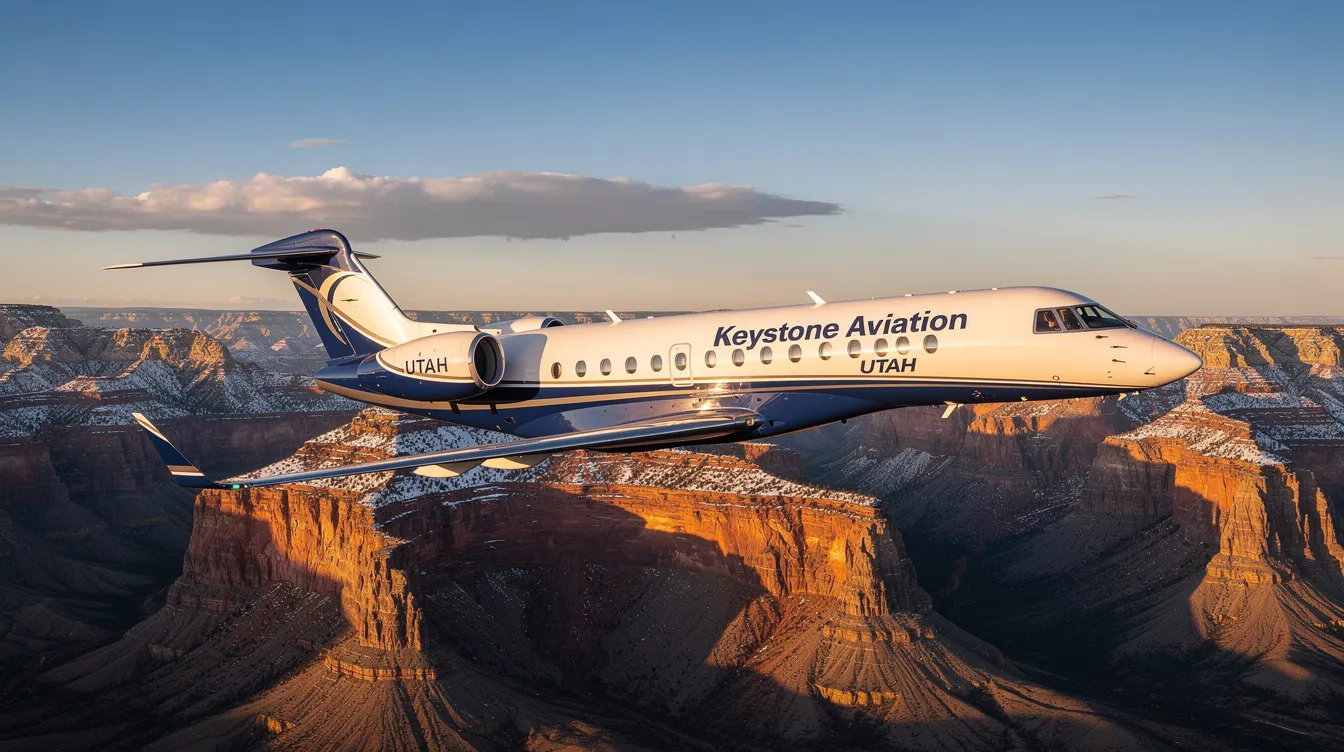
5
min read
Keystone Aviation Utah: Private Jet Charter & Aircraft Services in Salt Lake City
Keystone Aviation, now Elevate Jet, offers premier private jet charter services from Salt Lake City, Utah. With a diverse fleet and extensive local knowledge, they provide flexible and efficient travel options for both business and leisure. Partnered with Jettly, customers can access transparent pricing and a seamless booking experience.
Read MoreStay updated with our latest insights and tips to elevate your journey with us.
MEMBERSHIPS AND ASSOCIATIONS



Disclaimer: Jettly operates as a charter broker, offering access to a global digital jet charter marketplace. Jettly is not a direct air carrier and does not own or operate aircraft. All advertised flights are conducted by third-party air carriers that are fully licensed and hold the appropriate Part 135 or Part 121 certifications issued by the Federal Aviation Administration (FAA) or equivalent regulatory authorities under U.S. or foreign law. Jettly complies fully with the U.S. Department of Transportation's Part 295 and Part 298 Charter Broker regulations. Jettly does not carry additional liability insurance. Passengers are covered by aircraft operator insurance. TICO: 50023770


