


Login
Get Instant Pricing On 23,000+ Aircraft

>

Picture a private jet on runway 31C at Chicago Midway Airport on a busy Friday in April 2026. A southwest flight waits nearby, air traffic controllers manage tight spacing, and the tower decides who moves next.
This guide is designed for private jet travelers, aviation enthusiasts, and anyone interested in understanding what happens when a private jet is on the runway at a busy airport. We cover the procedures, safety protocols, and unique considerations that set private jet operations apart.
That short moment depends on detailed planning. Pilots analyze the route, wind speeds, weather, and NOTAMs to chart the safest, most efficient course during flight planning. Jettly is a digital private aviation platform, not an operator, connecting travelers with thousands of private planes worldwide through transparent pricing and flexible charter options.
Recent national transportation safety board reports involving private aircraft and Southwest pilots, along with broader data on the global fleet of private jets, make this a safety topic, not a sensational one.
A private jet on the runway is only the visible end of flight planning, safety checks, and air traffic control coordination.
Private aircraft follow the same runway rules as airlines, including hold short, readback, and takeoff clearance procedures.
Events at Chicago Midway Airport involving a private plane and Southwest pilots show why runway discipline matters.
Jettly helps travelers compare airports, aircraft, and departure windows to reduce delays and pilot deviation risk.
This guide explains what passengers see, what crews do, and how to book smarter.

A Citation XLS+ taxiing at Midway in March 2026 follows a set sequence:
Ground control issues taxi clearance.
The crew stops at the hold short line.
Final checks are completed.
The crew switches to the tower.
The tower may say, “Line up and wait.”
Final clearance: “Cleared for takeoff.”
Preparing a private jet for takeoff involves a highly coordinated sequence of checks and operations designed to ensure optimal performance and safety. A pilot must verify the assigned runway, such as 31C, 31L, or 31R, because similar identifiers can create confusion from the cockpit view.
Private jet crews follow the same runway rules as airline crews. They must not cross an active runway unless instructed, and modern operators increasingly use advanced tools for tracking private jets to support situational awareness and safety.
In February 2025, the National Transportation Safety Board reported an incident at Chicago Midway Airport involving a Flexjet Challenger 350 and a Southwest flight. The business jet crossed runway 31C as the southwest aircraft approached touchdown. Reports said separation was close: about 200 feet lateral and 175 feet vertical.
Investigators found the crew confused runway 31L with 31C, and a hold short instruction was not properly acknowledged. That is a classic pilot deviation: a pilot action that does not follow ATC instructions or regulations. A pilot deviation is an action by a pilot that does not comply with air traffic control instructions or aviation regulations, which can impact runway safety and operations.
There was no crash, fire, or tragedy. The southwest pilots took action, went around, and the rest of the operation continued safely. Still, the incident shows why disciplined communication matters.
At busy airports, air traffic control sequences southwest, cargo aircraft, general aviation, and charter traffic, often including high-capacity airliners such as the Boeing 737-800 on short-haul routes. Ground control manages taxi routes. Tower control manages takeoff, landing, and runway occupancy.
Common phrases include:
“Hold short runway 31C.”
“Line up and wait runway 31C.”
“Cleared for takeoff, runway 31C.”
A southwest pilot may fly several legs a day into hub airports. Charter captains may visit more varied fields, including Omaha on a Tuesday, but must stay sharp at complex airports and understand where private jets typically land. Jettly can help travelers select routes, times, and private charter aircraft that avoid peak queues.
At the threshold, the cabin may feel quiet, but the cockpit is busy. Crews confirm flap settings, trim, engine instruments, takeoff briefing, and runway heading.
The exact weight of passenger luggage and cargo is critical for calculating how much runway is needed for a safe takeoff. Short-field and winter calculations matter at Midway and regional airports, just as cost factors matter when using a private jet charter cost estimator, understanding what drives a single private jet flight cost, or reviewing a full breakdown of private jet operating costs for trip planning.
Operators available through Jettly must meet national rules such as FAA Part 135 in the U.S., and travelers can benefit from understanding how Part 135 charter companies operate and why they matter. Many modern private planes, including the Embraer Phenom 300E and Pilatus PC-24, include avionics that support runway awareness.
Not every aircraft fits every runway. Minimum runway length for private jets varies based on aircraft type, weight, and performance; light jets typically need 3,000 to 4,000 feet, while midsize and super midsize jets may require 4,000 to 5,000 feet or more.
|
Aircraft |
Runway note |
|---|---|
|
Daher TBM Series |
The Daher TBM Series, including models like the TBM 910 and TBM 940, can take off and land on runways as short as 2,380 feet. |
|
Pilatus PC-12 |
The Pilatus PC-12 can access runways as short as 2,650 feet, making it ideal for remote airstrips or smaller regional airports. |
|
Embraer Phenom 300E |
The Embraer Phenom 300E excels in short-field operations, providing access to airports with runways as short as 3,138 feet. |
When selecting a private jet suitable for short runways, critical factors include the aircraft's takeoff and landing distances, maximum weight limits, runway performance capabilities, and the ability to handle varying environmental conditions, as well as reviewing a guide to the best cross-country planes, exploring a broader guide to choosing the best personal plane, and understanding the complete guide to private jet rental costs for different aircraft categories.
Private aircraft can utilize smaller regional airports, allowing for closer landings to destinations and drastically reducing ground transit times. The choice of a private jet can significantly impact access to smaller airports, with many exclusive destinations requiring aircraft capable of operating on shorter runways, which makes it important to compare the best private plane manufacturers for different needs and consider the cheapest private aircraft options for different budgets, especially when you apply tips for booking the cheapest private jet flights around those fields.
Jettly offers instant access to pricing and over 20,000 aircraft for on-demand flights through marketplace-style services such as Zenflight’s instant-book private jet platform. Learn more about Jettly’s charter options at https://www.jettly.com.
The platform helps travelers compare aircraft categories, cabin sizes, range, comfort, and airport suitability, whether they prefer shared charter flights or full charters. That matters at Chicago Midway, Teterboro, Aspen-Pitkin County, and smaller regional fields.
Private jets have fewer logistical requirements than large commercial airliners, enabling rapid baggage loading and quick fueling. Passengers typically arrive just 15 minutes prior to departure when using private jets, avoiding long lines and crowded terminals. Private jets provide exceptional convenience by allowing passengers to drive directly to the aircraft, skipping traditional security lines and boarding immediately. These benefits align well with understanding what a jet card is and how it works, detailed jet card pricing and costs, and Jettly’s private jet memberships.
Parked away from the main commercial terminals, private jets offer a secure, discreet environment for high-profile individuals and executives. The cabin of a private jet functions as a secure flying conference room, allowing for confidential work and meetings, particularly attractive for frequent travelers reviewing the best jet card programs today, comparing NetJets card costs and program options, or using structured jet card programs.
Private jets typically feature premium, mirror-like high-gloss paint finishes designed to protect the airframe and project luxury. Most private jets position their turbofan engines near the rear of the fuselage rather than under the wings to lower cabin noise and protect the engines from ground debris. The wings of private jets are thin and heavily swept back to minimize aerodynamic drag at high cruising speeds. Private jets frequently utilize a T-tail design where the horizontal stabilizer is mounted at the top of the vertical fin.
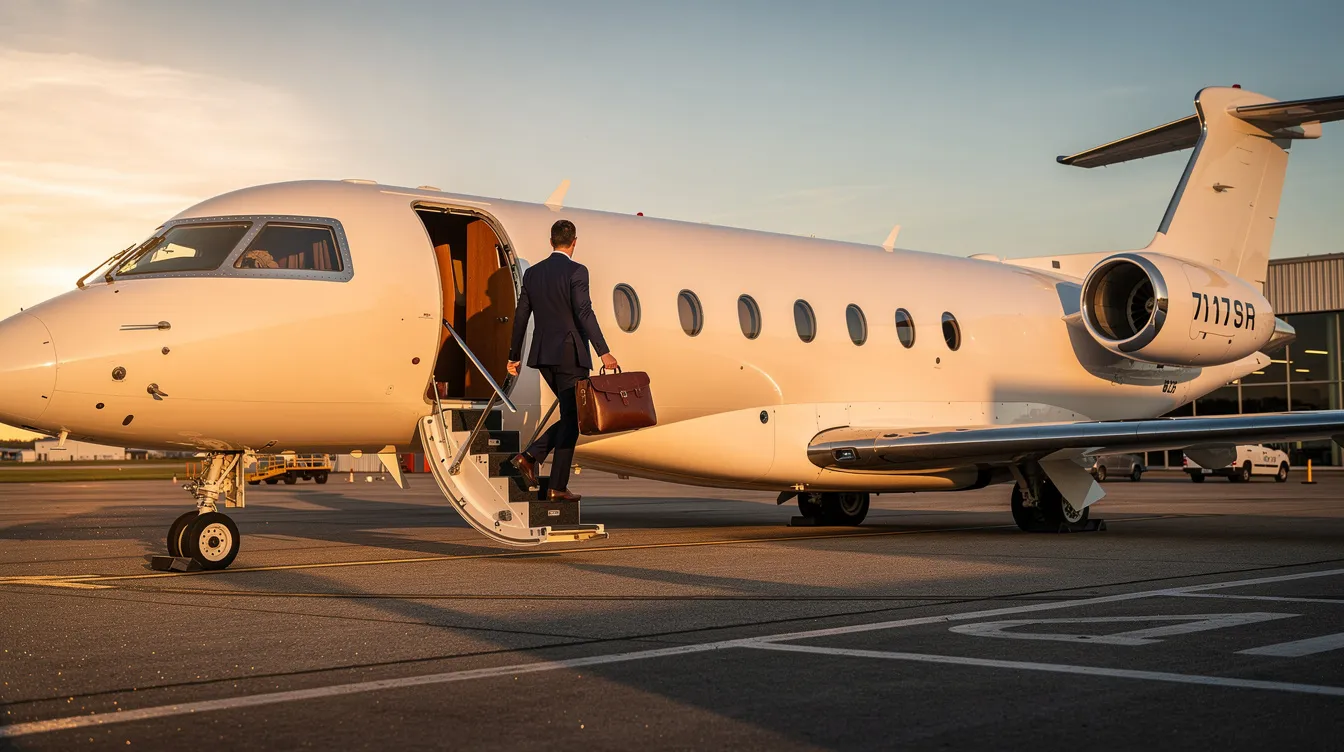
If the plane pauses, it usually means sequencing, not trouble. For frequent flyers, planning around likely delays and average leg times can help when using a jet card flight cost estimator or reading a guide to affordable airplane rental costs and options before setting up recurring trips.
Ask the crew about expected taxi times and how renting a plane typically works, especially if you are also considering private jet lease cost and contract options as an alternative to pay-per-trip charter.
Build a buffer for meetings and ground transport, especially when you are budgeting based on the broader costs of owning or using a private jet, comparing the cheapest private aircraft options for ownership, and exploring how to buy a seat on a private jet.
Expect delays behind southwest departures at peak times, especially when popular on-demand platforms such as XO charter flights and similar app-based services are feeding additional private traffic into already busy banks of arrivals and departures.
Understand that runway inspections or weather can change plans.
Use Jettly to compare airports, aircraft, and departure windows.
Online pictures, a deleted community post, or a quick comment may make any runway incident look dramatic. In practice, trained crews, controllers, and procedures create several safety layers, and many travelers compare industry leaders like NetJets in private aviation while selecting among the best private jet charter companies that prioritize these safeguards.
Here are common questions travelers ask about private jets on the runway, runway safety, and booking through Jettly, reflecting many of the themes covered in broader guides to the charter airlines and private aviation industry, examples of private jet charter operators like Dexter Air Taxi, and detailed breakdowns of private jet operating costs.
At quiet airports, it may be only a few minutes. At Chicago Midway Airport, waits can run 5–20 minutes depending on Southwest and other traffic, and at major hubs worldwide, such as New Delhi, for private jet charters or Abuja for private jet travel in Nigeria, runway flow can similarly influence wait times.
The tower may change a runway because of wind, construction, inspections, or inbound airline flow. Crews then recheck performance numbers and taxi routing, similar to how they would adjust planning for international private jet flights, private jet charters serving cities like Kolkata, or charter flights into destinations like Islamabad when routes, permits, or weather shift.
A pilot deviation means a pilot did not follow ATC instructions or regulations. These events are uncommon, reported, investigated, and followed by corrective action when needed, especially when flying with providers that emphasize safety on routes to major cities like Chennai, such as Jettly’s NetJets alternative private flying model.
Safety rules are the same. A private jet may get flexible routing when traffic allows, but it still fits into the same runway flow as commercial flights, whether it is a traditional full charter like a private jet charter in Atlanta, Georgia, a city-pair focused trip such as a private jet charter in Houston, Texas, or a crowdsourced, shared-seat private jet flight.
Jettly works with licensed operators whose crews and aircraft meet regulatory standards. Its platform supports better choices by matching the right private plane to the right airport and runway, coordinating services such as in-flight catering through Jettly Eats, while also offering multiple ways to get a seat on a private jet easily.
A private jet on a runway is part of a system involving air traffic control, pilots, airport markings, and tower decisions. The goal is simple: keep every passenger, crew member, and aircraft safely separated.
Careful aircraft selection, route planning, and departure timing reduce delays and lower pilot deviation risk. Jettly gives travelers clearer access to aircraft options, suitable airports, and instant pricing, along with guidance on affordable private jet charter.
Ready to experience private travel on your terms? Explore flight options, consider joining Jettly’s ULTRA high ticket affiliate program, or request a quote at https://www.jettly.com.
Share this post:
Jay Franco Serevilla
May 23, 2026
|
5
min read
Discover tips and trends in the industry.
5
min read
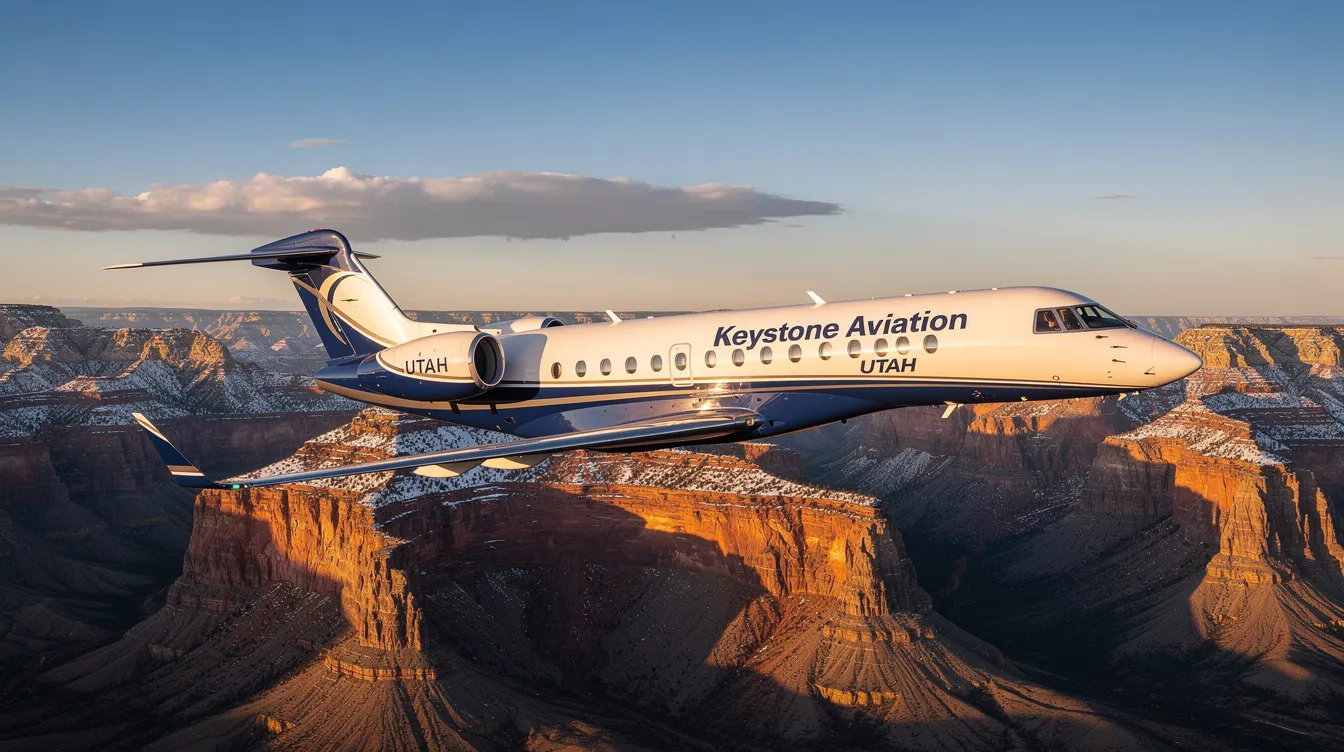
Keystone Aviation Utah: Private Jet Charter & Aircraft Services in Salt Lake City
Keystone Aviation, now Elevate Jet, offers premier private jet charter services from Salt Lake City, Utah. With a diverse fleet and extensive local knowledge, they provide flexible and efficient travel options for both business and leisure. Partnered with Jettly, customers can access transparent pricing and a seamless booking experience.
Read More
5
min read
Jet Route: How Private Jet Routes Work, What They Cost, and How to Book with Jettly
Jet routes are high-altitude corridors that private jets follow, impacting flight times and costs. Understanding these routes helps travelers optimize their private jet experience. Jettly simplifies the booking process, allowing users to compare options and secure flights efficiently.
Read MoreStay updated with our latest insights and tips to elevate your journey with us.
MEMBERSHIPS AND ASSOCIATIONS



Disclaimer: Jettly operates as a charter broker, offering access to a global digital jet charter marketplace. Jettly is not a direct air carrier and does not own or operate aircraft. All advertised flights are conducted by third-party air carriers that are fully licensed and hold the appropriate Part 135 or Part 121 certifications issued by the Federal Aviation Administration (FAA) or equivalent regulatory authorities under U.S. or foreign law. Jettly complies fully with the U.S. Department of Transportation's Part 295 and Part 298 Charter Broker regulations. Jettly does not carry additional liability insurance. Passengers are covered by aircraft operator insurance. TICO: 50023770


