


Login
Get Instant Pricing On 23,000+ Aircraft

>
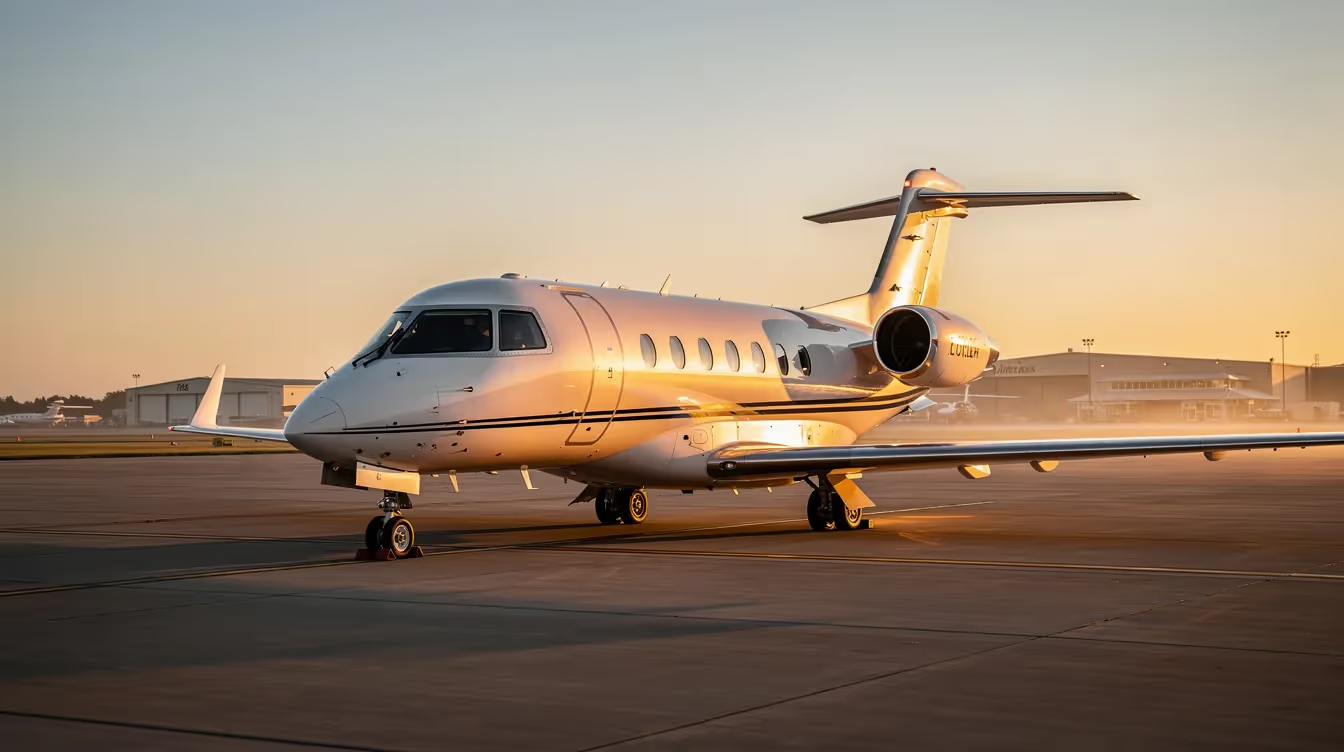
Private jet hours for sale represent a flexible and strategic way to access private aviation without the full commitment and complexity of aircraft ownership. This comprehensive guide is designed for business travelers, frequent flyers, corporate travel managers, and anyone considering private aviation for personal or professional journeys. We will cover the full scope of private jet hours for sale, including the different purchasing models—fractional ownership (timeshare), jet card programs, and on-demand charter credits—so you can make an informed decision tailored to your unique travel needs.
Understanding how private jet hours for sale work is essential for optimizing cost, maximizing flexibility, and ensuring convenience in your private travel experience. This article will walk you through pricing structures, program comparisons, aircraft types, and practical tips for evaluating and purchasing private jet hours. We will also highlight how Jettly’s digital charter marketplace offers a modern alternative to traditional models, providing transparent pricing and access to a diverse fleet without long-term commitments.
Private jet hours for sale typically come in three formats: fractional ownership shares (50–200 hours per year), jet cards (25–100 hour blocks), and on-demand charter through digital platforms like Jettly.
2024 pricing ranges from approximately $2,000–$3,500 per hour for light jets, $4,000–$7,000 per hour for midsize jets, and $8,000–$15,000+ per hour for long-range aircraft.
Jettly provides access to a diverse fleet of over 20,000 aircraft with instant pricing and transparent charter costs—no ownership shares or card deposits required.
Travelers flying under 100 hours annually often benefit most from on-demand charter, avoiding capital lock-up and unused hour expiration.
Compare models and get a real quote anytime via Jettly’s platform.
When providers sell private jet hours, they’re offering blocks of flight time structured through different programs. Fractional programs involve purchasing equity in a single aircraft or fleet, delivering 50–200 hours per year. Jet cards provide prepaid access to 25–100 hours of flight time on specific aircraft types. The main difference between jet cards and fractional ownership lies in their structure and suitability: jet cards offer lower upfront costs and flexibility for those flying fewer hours annually, while fractional ownership is more cost-effective for frequent flyers needing higher annual hours and comes with equity benefits. On-demand marketplace hours, like those available through Jettly, let travelers book trips without prepayment.
Under traditional programs from providers like NetJets or Flexjet, hours are pre-purchased and tied to a specific fleet category. Jettly takes a different approach: travelers access similar flying time through a global network of operators without signing a long-term commitment.
Hours typically include the airplane, crew, standard catering, and basic fees. Some providers emphasize transparency by including repositioning or ferry charges at no additional cost, which enhances cost predictability for clients. However, extras such as de-icing, special catering, or extended ground waits may appear as additional costs on the final invoice. For example, a 25-hour light jet card for U.S. East Coast flights in 2024 might seem straightforward, but understanding what’s included matters significantly.
Owning a private jet is often seen as the pinnacle of luxury and convenience, but the reality of aircraft ownership involves significant complexity and cost. For many discerning travelers and businesses, the operational costs, maintenance responsibilities, and long-term commitment of whole aircraft ownership can outweigh the benefits—especially if their travel needs fluctuate throughout the year.
This is where private jet fractional ownership comes into play. Fractional ownership allows multiple individuals or companies to share ownership of a single aircraft, dividing both the costs and the access. Instead of bearing the full financial burden of a private jet, fractional owners purchase a share—often as little as 1/16 or 1/8—entitling them to a set number of flight hours per year. Fractional jet ownership involves an initial purchase of a share in the aircraft, accompanied by ongoing operational and maintenance costs that vary widely based on the aircraft type and the size of the share. For a deeper look at those ongoing expenses, many travelers review a comprehensive breakdown of private jet operating costs. This model dramatically reduces operational costs, as expenses like maintenance, insurance, crew salaries, and hangar fees are split among all owners.
One of the key factors that makes private jet fractional ownership so appealing is the access it provides to a diverse fleet of aircraft. Unlike whole aircraft ownership, which ties you to a single plane, fractional programs typically offer a range of aircraft types—from light jets for quick regional hops to midsize jets and larger planes for longer journeys. This flexibility means fractional owners can select the ideal jet for each trip, and even upgrade or downgrade based on passenger count or destination, all while enjoying personalized service and predictable costs.
Fractional ownership programs are designed for frequent flyers who value convenience, reliability, and a high level of service. These programs usually require a long-term commitment, often three to five years, and involve an initial purchase price for the fractional share, monthly management fees, and fixed hourly rates for flight time. Buying hours through fractional ownership offers guaranteed availability, even on peak days, fixed hourly rates, and consistency for frequent flyers requiring a large upfront deposit. In return, owners benefit from guaranteed access to aircraft, streamlined scheduling, and the ability to plan private travel around their unique needs—while still needing to understand how much a private jet really costs overall compared with other access models.
When compared to jet card programs, fractional ownership offers more personalized service and lower hourly rates for those flying higher annual hours, but with a greater upfront investment and contractual commitment, as explored in this detailed fractional jet ownership guide. Jet card programs, on the other hand, provide flexibility and no long-term obligation, but may come with higher hourly rates and less customization, which you can evaluate with Jettly’s jet card flight cost estimator.
For those who want the advantages of private jet travel—such as privacy, comfort, and time savings—without the full responsibility and cost of owning a whole aircraft, fractional ownership strikes a compelling balance. It’s an excellent choice for businesses and individuals who demand flexibility, access to a diverse fleet, and predictable costs, all while minimizing the hassles of managing a single aircraft.
Ultimately, understanding the distinctions among whole-aircraft ownership, private-jet fractional ownership, and jet card programs is essential for making the right decision. By evaluating your travel needs, desired level of commitment, and budget, you can determine which program best aligns with your lifestyle. For many frequent flyers, fractional ownership delivers the perfect blend of convenience, cost-effectiveness, and personalized service—making private jet travel more accessible and enjoyable than ever before, especially when you compare the best fractional jet ownership companies.
Buyers can choose from three main categories: fractional ownership hours, jet card blocks, and on-demand charter hours. Each model serves different travel needs and has a distinct cost structure.
Private jet fractional ownership hours come from purchasing an equity share in an aircraft. A 1/16 share delivers approximately 50 hours annually, while a 1/8 share provides around 100 hours. These programs involve 3–5 year contracts with specific usage rules. Aircraft owners in fractional programs share costs and responsibilities through professional management and shared operations.
Fractional ownership costs typically include an initial acquisition cost ranging from $275,000 to over $1.2 million, monthly management fees covering insurance, crew training, and overhead ($8,000–$15,000+), and hourly occupied flight fees. This structured pricing protects owners from fluctuating market demand and can be weighed against alternative structures such as private jet leasing costs. Typically, fractional programs offer 50+ hours annually, aligning with heavy users.
Fractional owners typically receive guaranteed access with 4–10 hours’ notice, fleet interchangeability if their home plane is unavailable, and sometimes upgrade options. Operational safety is a priority; top providers adhere to stringent FAA Part 135 and Part 91 standards, while many obtain third-party certifications such as ARGUS Platinum and Wyvern Wingman. Proprietary internal audits of pilots, crew, and maintenance providers further ensure compliance with rigorous safety protocols.
However, aircraft ownership through fractional programs requires significant upfront capital and long-term commitment. Resale of fractional shares can be challenging if travel patterns change.
Jet cards provide prepaid access to 25–50-hour blocks for specific aircraft categories. These programs offer fixed hourly rates for 12–24 months, guaranteed availability within defined booking windows, and predictable costs for budgeting. Jet cards provide flexibility to try different jet sizes without a long-term commitment, making them ideal for travelers flying fewer than 50–100 hours annually.
2024 North American pricing shows light jet cards averaging $6,000–$8,500 per occupied hour all-in, midsize at $8,000–$11,000, and heavy jets exceeding $14,000 per hour. Most cards require six-figure upfront payments plus potential fuel surcharges, so understanding how jet card pricing works and what it includes is critical before committing.
Jettly offers an alternative in which travelers replicate card-style flying patterns with on-demand pricing—without locking in lump-sum deposits.
On-demand charter hours aren’t formally pre-sold. Travelers book point-to-point flights as needed, paying only for actual hours flown. Jettly’s platform allows users to search routes such as New York–Miami, Toronto–Vancouver, or Los Angeles–Las Vegas, use an airport locator, compare aircraft types, and see instant pricing—similar to how travelers evaluating affordable aeroplane rental options and costs compare different access models before booking.
This model suits travelers with variable schedules or sporadic requirements. Unlike card or fractional programs, there’s no acquisition fee, no long-term contract, and no expiration of hours. Chartering is the most cost-effective option if you fly fewer than 50–100 hours per year. Frequent flyers can still estimate annual usage for budgeting without pre-buying.
Costs vary by aircraft category, region, and program type. Tools like Jettly’s private jet charter cost estimator help benchmark these ranges, resources explaining how much it costs to rent a private jet further clarify what drives pricing, and 2024 market data provide clear ballpark numbers for planning.
|
Aircraft Category |
On-Demand Hourly Rate |
Typical Capacity |
Best For |
|---|---|---|---|
|
Turboprop |
$1,500–$2,500 |
4–8 seats |
Short hops under 500nm |
|
Light Jet |
$2,000–$3,500 |
6–7 seats |
Regional flights 2–3 hours |
|
Midsize Jet |
$4,000–$6,500 |
7–8 seats |
Cross-country 3–5 hours |
|
Heavy/Long-Range |
$8,000–$15,000+ |
9–14 seats |
Transcontinental/international |
|
A 2.5-hour New York–Miami trip on a light jet costs roughly $10,000–$14,000 on-demand in 2024, depending on aircraft and lead time. |
Each hourly rate builds from several elements: aircraft lease or ownership (40–50% of costs), crew salaries (20%), maintenance and insurance (15–20%), and hangar overhead.
User-visible line items typically include:
Base hourly rate
Repositioning (ferry) fees
Landing and handling charges
De-icing ($1,000–$5,500 when applicable)
Catering upgrades ($50–$200 per person)
International permits
Jettly reduces repositioning costs by 15–30% through smart aircraft matching across its 20,000+ network. Transparent, itemized quotes show exactly what’s included before booking, helping travelers budget for highly variable line items like private jet fuel costs in 2024.
Scenario 1: A business traveler flying 25 hours on light jets between Chicago and Toronto using Jettly on-demand charter: estimated annual budget of $50,000–$87,500. A comparable jet card would cost approximately $175,000 upfront.
Scenario 2: A regional executive team flying 75 hours on midsize jets within the U.S. and Mexico: jet card cost around $750,000 ($10,000/hour all-in) versus on-demand at $300,000–$487,500. Businesses can leverage jet card programs and fractional ownership to achieve greater cost-efficiency, flexibility, and improved access for corporate travel, and a detailed comparison of the best jet card programs available today can further refine which provider aligns with specific corporate needs, making these options valuable for companies seeking streamlined business operations.
Scenario 3: A family using 50 mixed turboprop and light jet hours for ski trips to Aspen and beach trips to the Bahamas: approximately $100,000–$175,000 on-demand, leveraging cheaper turboprops ($1,500–$2,500/hour) for short legs based on typical private jet charter pricing.
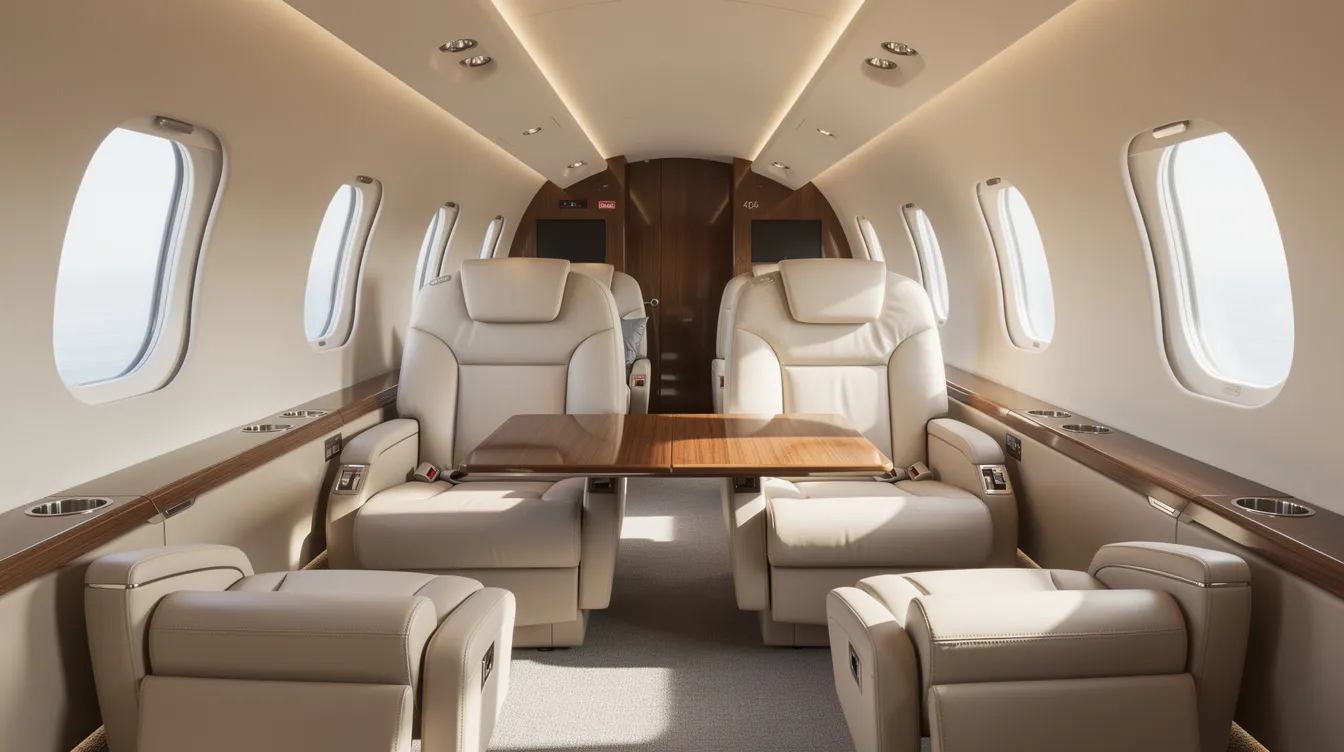
Selecting the right private jet is one of the most important decisions when considering private jet fractional ownership or any private travel solution. With a diverse fleet of private airplanes available through modern providers, and insights into the best private plane manufacturers for different budgets and needs or how to choose the best personal plane for your situation, matching the aircraft type to your specific travel needs ensures every flight is efficient, comfortable, and cost-effective.
Light jets are ideal for short regional trips, typically accommodating 6–7 passengers and offering access to smaller airports. These aircraft types are perfect for business meetings in nearby cities or quick weekend getaways, providing a balance of speed and operational costs.
Midsize jets offer greater range and cabin space, making them a popular choice for cross-country flights or trips with larger groups. With seating for 7–8 passengers and enhanced amenities, midsize jets are well-suited for both business teams and families seeking extra comfort on longer journeys.
For those with international or transcontinental travel needs, super-midsize and ultra-long-range jets deliver extended range, refined interiors, and advanced technology. These aircraft types can fly nonstop between continents, making them the preferred option for global executives and discerning travelers who value privacy and productivity in the air.
One of the key factors in maximizing the value of fractional ownership or on-demand charter is the ability to select from a diverse fleet. Unlike whole aircraft ownership, which limits you to a single jet, fractional programs and digital charter platforms like Jettly provide access to a wide range of aircraft types. This flexibility allows you to tailor each flight to your mission—choosing a light jet for a solo business trip or a larger cabin for group travel—without the constraints of a single aircraft, and it fits naturally within the broader landscape of private charter airlines and operators.
Understanding your typical passenger count, route length, and desired amenities will help determine which aircraft configurations best align with your travel needs. Whether you prioritize speed, cabin space, or operational efficiency, having access to the right jet for each journey is essential for getting the most out of your private aviation experience.
By leveraging a diverse range of private charter aircraft and matching aircraft types to each mission, you can enjoy the benefits of private jet travel—personalized service, time savings, and seamless operations—while optimizing both cost and comfort. This strategic approach is at the heart of modern private jet fractional ownership and on-demand charter, ensuring every flight is perfectly suited to your unique requirements.
Before investing in private jet fractional ownership or exploring jet card programs, it’s essential to conduct a thorough assessment of travel needs. This step ensures that your chosen program aligns perfectly with your lifestyle, travel habits, and long-term goals—delivering the right balance of cost, convenience, and flexibility.
Start by evaluating key factors that influence your private travel requirements:
Flight Frequency: Consider how often you plan to fly privately throughout the year. Frequent flyers who log dozens of hours annually may find that fractional ownership or jet card programs offer predictable costs and guaranteed access to a diverse fleet of private airplanes. Buying hours offers guaranteed availability, even on peak days, making it ideal for those with consistent travel needs. For those with less frequent needs, on-demand charter may be more cost-effective, as chartering depends on market availability and is generally best for those flying fewer than 50–100 hours per year.
Travel Destinations: Map out your most common routes and destinations. Are you flying short regional hops, cross-country business trips, or international journeys? The type of aircraft—whether a light jet for quick regional flights or midsize jets for longer distances—should match your typical travel profile. Fractional programs often provide access to multiple aircraft types, allowing you to select the best fit for each trip.
Passenger Count: Assess how many people typically travel with you. The required cabin size and amenities will influence your choice of aircraft and, by extension, the most suitable ownership or access model. Larger groups may benefit from midsize or super-midsize jets, while solo travelers or small teams might prefer light jets.
Flexibility and Scheduling: Determine how much flexibility you need in your travel schedule. Do you require the ability to book flights on short notice or during peak periods? Fractional ownership and jet card programs often provide guaranteed access, while on-demand charter offers ultimate flexibility without a long-term commitment.
Private jet travel offers unparalleled convenience by allowing travelers to fly on their own schedule, avoiding the long security lines and crowded terminals associated with commercial flights. Passengers can access a wider range of airports, including smaller regional airports that are often closer to their final destinations than commercial airlines. Private aviation also provides a seamless travel experience, often integrating ground transportation and in-flight catering, enhancing overall convenience.
When comparing private jet fractional ownership to whole-aircraft ownership, consider the operational costs and the level of commitment involved. Fractional programs allow owners to share expenses such as maintenance, insurance, and crew, significantly reducing the financial burden compared to full aircraft ownership. For a detailed breakdown of these elements, review a fractional jet ownership cost analysis alongside a broader look at the overall cost of a private jet. Jet card programs, on the other hand, offer fixed hourly rates and predictable costs without a long-term contract, making it important to understand what a jet card is, its costs, and benefits before deciding if it fits your flying pattern.
It’s also important to review each program's pricing structure. Some offer fixed hourly rates, while others may have variable pricing based on demand or aircraft type. Be sure to account for any additional costs, such as maintenance fees, insurance, and fuel surcharges, to get a complete picture of your total investment.
By carefully assessing your travel needs and understanding the key factors that drive your private jet usage, you can select a program that delivers maximum value. The right solution will enhance your productivity, minimize travel hassles, and provide a personalized service experience—without the high upfront costs or the long-term commitment of whole-aircraft ownership. Resources outlining the pros and cons of fractional private jet ownership can help clarify whether that path fits your profile. Ultimately, a tailored approach ensures that your private travel experience is as seamless and enjoyable as possible, allowing you to focus on what matters most.
The right way to buy hours depends on how often, how far, and how flexibly someone needs to fly. Estimate yearly flight time and map it against these profiles:
Occasional (under 25 hours): On-demand charter through Jettly offers zero commitment
Frequent (25–100 hours, predictable regional): Jet cards may provide value
Heavy (100–200+, consistent long-haul): Fractional programs offer guaranteed access with fixed hourly rates and consistent availability, ideal for frequent flyers willing to make a large upfront deposit
Key factors to consider: schedule predictability, capital availability, tolerance for long contracts, and whether routes fall within program service areas.
Business scenarios: A CEO who commutes monthly between New York and London saves 4–6 hours per trip compared to commercial. Startup teams visiting investors across North America benefit from personalized service and flexibility. Law firms needing last-minute deposition travel can book within 24–48 hours.
Personal travel: Multi-stop family vacations (Los Angeles–Jackson Hole–Cabo San Lucas), attending events across multiple destinations, or coordinating travel for elderly relatives without the hassle of connecting flights, potentially further lowering costs by sharing empty seats on private flights.
Jettly’s global network and instant pricing help in time-sensitive scenarios. The ability to choose aircraft size per trip, rather than being locked into a single aircraft type, optimizes both cost and comfort, much like instant-book charter services like Zenflight streamline access to private flights.
Travelers flying 80–200+ hours per year with consistent routes and strong demand for peak-period availability should consider fractional jet ownership or jet cards. Some corporations value potential tax treatment of fractional assets and multi-year fixed hourly rates.
Even these travelers can supplement with Jettly for special routes, one-off aircraft needs, or international trips outside their primary program region, using it as a flexible NetJets alternative.
Jettly is a digital charter marketplace connecting travelers to over 20,000 aircraft worldwide. Users search routes, select airports, compare aircraft categories (turboprop, light, midsize, heavy), and see instant pricing online.
This approach delivers the practical benefits of buying hours—predictable access to private travel time—without full ownership contracts, share purchases, or card deposits. Through flexible private jet memberships, members can track usage over time and build a personalized “virtual jet card” using real-time charter pricing.
Platform features:
Web and app-based booking
Instant quotes for popular routes
24/7 support for itinerary changes
Licensed operators meeting FAA Part 135 and equivalent international standards
Third-party safety certifications like ARGUS Platinum and Wyvern Wingman ensure rigorous safety audits
Transparent pricing with visibility into the base hourly rate versus extra fees
Traditional 25-hour jet cards require six-figure upfront payments. Jettly users pay per trip with no long-term commitment.
With Jettly, travelers switch between a turboprop, light jet, or large cabin jet depending on trip needs. Traditional programs often lock hours to a specific category.
If travel needs change due to business shifts or lifestyle changes, Jettly users simply fly less. There’s no worrying about unused hours expiring—a common issue with jet cards that forfeit balances after 12–24 months.

Start by analyzing needs: estimate annual hours, choose preferred aircraft types, define home airports, and typical routes. Request quotes from Jettly and compare them with quotes from any other programs under consideration.
Evaluation checklist:
Estimate yearly flight hours based on past travel
Identify the most frequent routes and the required aircraft range
Request itemized quotes showing all fees
Review safety credentials and operator vetting, including FAA Part 135 and Part 91 compliance
Understand cancellation policies and pricing during peak periods
Many discerning travelers start with an on-demand charter through Jettly before deciding whether they need a more rigid hour-based commitment.
What is the minimum term or hour purchase?
How are unused hours handled at contract end?
Are there peak-day restrictions or blackout dates?
What safety standards do operators meet?
What crew qualifications are required?
What insurance coverage applies to passengers?
Are hourly rates all-inclusive or subject to fuel surcharges?
How are taxes calculated for domestic versus international flights?
Jettly addresses these questions with transparent contracts, clear safety information, and detailed online quotes showing exactly what clients pay.
No. Jettly does not require purchasing a fixed block of hours. Travelers can book single trips or fly regularly without a long-term commitment. Some members estimate annual hours for budgeting, but this is optional and not contractually binding—unlike traditional 25- or 50-hour jet cards requiring upfront prepayment.
Yes. Private jet hours can often be used internationally, subject to provider coverage and regulatory requirements. Jettly supports international routes such as New York–London and Toronto–Cancún by working with licensed operators across multiple regions. Taxes, permits, and handling fees vary by country and are quoted separately.
Many jet cards have 12–24-month expiration timelines. Fractional contracts often reset annual allocations with limited rollover. Because Jettly uses on-demand charter, there are no “banked” hours to expire—clients simply pay per flight when they book.
Traditional programs may tie hours to a specific cabin class, allowing upgrades with rate adjustments. Jettly’s marketplace model makes switching easier: pick a turboprop for a short hop one week and a large cabin jet for a long-haul trip the next, based on availability and current pricing.
Most programs advertise booking windows from 4 to 48 hours’ notice, with longer lead times for peak days. Jettly often accommodates short-notice requests, but pricing and availability improve when booking several days ahead—especially for popular routes like Los Angeles–Las Vegas or New York–Miami.
Buying private jet hours for sale can take three main forms: fractional shares, jet cards, or flexible on-demand charter through digital platforms like Jettly. Each model serves different travelers based on annual hours of use, route patterns, and willingness to commit capital upfront.
For those seeking flexibility without the hassles of ownership, Jettly offers a modern, transparent alternative to traditional hour-based programs. The platform provides access to a diverse fleet of private aircraft, transparent pricing, and the ability to fly on your schedule, which can be especially compelling once you compare it with legacy options and typical NetJets jet card costs and structures.
Ready to experience private travel on your terms? Explore flight options, request a quote, or partner with the brand through its ULTRA high-ticket affiliate program at https://www.jettly.com. For pilots and aspiring owners, there are also niche options, such as fractional ownership of a Cessna 172, that illustrate how shared aviation can scale from small aircraft to jets.
Share this post:
Jay Franco Serevilla
Apr 11, 2026
|
5
min read
Discover tips and trends in the industry.

5
min read
What Is a Cessna? A Complete Guide for Private and Training Flights
Cessna is a renowned brand in general aviation, known for its reliable and versatile aircraft used in training, private flying, and charter services. This guide explores Cessna's history, popular models, and their roles in aviation, helping you choose the right aircraft for your needs. Whether you're a student pilot or a charter traveler, understanding Cessna can enhance your flying experience.
Read More
5
min read
What Days Are Best to Book Flights (and Fly) in 2026?
In 2026, Sundays are the best days to book flights, while Tuesdays, Wednesdays, and Saturdays are ideal for flying to save on domestic fares. Booking 1 to 3 months in advance for domestic flights and 3 to 6 months for international trips can lead to significant savings. Understanding these patterns can help travelers maximize their budget and enjoy more flexible travel options.
Read MoreStay updated with our latest insights and tips to elevate your journey with us.
MEMBERSHIPS AND ASSOCIATIONS



Disclaimer: Jettly operates as a charter broker, offering access to a global digital jet charter marketplace. Jettly is not a direct air carrier and does not own or operate aircraft. All advertised flights are conducted by third-party air carriers that are fully licensed and hold the appropriate Part 135 or Part 121 certifications issued by the Federal Aviation Administration (FAA) or equivalent regulatory authorities under U.S. or foreign law. Jettly complies fully with the U.S. Department of Transportation's Part 295 and Part 298 Charter Broker regulations. Jettly does not carry additional liability insurance. Passengers are covered by aircraft operator insurance. TICO: 50023770


