


Login
Get Instant Pricing On 23,000+ Aircraft

>

When buyers search “private jet for sale real,” they want current, verifiable listings with accurate pricing—not vague marketing claims from years past. The goal is to find genuine inventory with dates, locations, and transparent specs. Having up-to-date information and market data is essential for buyers to make informed decisions about jet features, pricing, and market trends.
In early 2026, brokerage platforms list hundreds of business aircraft globally at any given time. Listings reference models such as the Dassault Falcon 2000, Cessna Citation Ultra, and Embraer Phenom 300E, with updates through April 2026. Currently, 568 private jets are listed for sale on GlobalAir.com, with an average price of $4,032,633.
This distinction matters because outdated pages waste time. Meanwhile, many travelers discover that on-demand chartering through Jettly better fits their schedule and budget than committing capital to a depreciating asset.
Private jet for sale real listings in 2026 range from older light jets under USD $2M to late-model long-range jets above USD $20M.
New jets generally cost between $30 million and $80 million, while used models can be found for under $2 million.
Most private jets today fall within a price range of $30 million to $5 million, with some older jets depreciating to below $2 million, and some even below $1 million.
Inventory remains relatively low compared to historical levels, with only about 60% of the inventory available in 2018.
Pre-owned jets typically cost 20% to 50% less upfront but may require higher maintenance and have outdated avionics compared to new jets.
Whole ownership brings annual operating costs ranging from roughly USD $800,000 to over USD $2,000,000, in addition to the purchase price. For a midsize jet, annual fixed costs typically run between $800,000 to $1.2 million, while variable costs add $2,200 to $2,800 per flight hour depending on fuel prices and engine program enrollment.
Many buyers now compare real purchase offers with flexible charter options on platforms like Jettly before committing.
The private jet market is resilient, with high demand for late-model, program-enrolled aircraft projected for 2026.
Incentives such as the return of 100% bonus depreciation in the U.S. are significant drivers for year-end purchases of private jets.
A well-executed private jet acquisition, from initial search to closing, typically takes 60 to 120 days, assuming the buyer approaches the process with discipline and the seller is cooperative.
This article covers concrete 2024–2026 examples of jets for sale, a step-by-step buying checklist, and a charter vs. ownership comparison.
Readers flying under 250 hours annually often find on-demand charter more cost-effective than ownership, especially when using flexible private jet membership plans that avoid long-term ownership commitments, and resources that clearly explain how much it costs to rent a private jet on an hourly basis.
The private jet market is a dynamic landscape, offering a spectrum of options for those seeking luxury, flexibility, and enhanced productivity in their travel. Whether you’re considering light jets like the Cessna Citation CJ series for quick regional hops or large-cabin aircraft such as the Gulfstream G550 for intercontinental journeys, there’s a private jet for sale to match nearly any mission profile. These jets grant access to thousands of airports worldwide, many of which are inaccessible to commercial airlines, allowing business travelers and families to fly on their own schedule and reach remote destinations with ease.
As of July 2024, there are 24,270 private jets in operation worldwide, with approximately 63% registered in the United States. Private jets can access around 10 times as many airports in the US as scheduled airlines, providing greater flexibility and access to remote communities without airline service, especially when paired with an airport locator tool that helps identify suitable fields for each mission. This expanded access saves time and increases productivity, especially for business travelers with multiple stops.
Inside the cabin, private jets are designed for comfort and efficiency, with layouts tailored for both work and relaxation. Leading manufacturers—including Gulfstream, Dassault, and Bombardier—compete to offer the latest in range, technology, and passenger amenities. As you explore the market, it’s important to consider not just the initial sale price but also factors such as depreciation, ongoing maintenance, and the long-term productivity gains that private aviation can deliver. Understanding these elements will help you make a smart investment, whether you’re looking at light jets for short trips or large-cabin models for global access. With a wide variety of private jets for sale, the market continues to evolve, offering more choices and greater value for discerning buyers.
This section walks through concrete listing-style examples, mirroring how buyers actually see private jets for sale on brokers' websites. For some buyers, especially those exploring affordable, budget-friendly aircraft choices or evaluating the best personal plane for their needs, these examples help frame what is realistic at different price points. These are example formats based on market data, not Jettly inventory.
2010 Bombardier Challenger 605 based in São Paulo, Brazil, around 4,000 tt airframe hours, engines enrolled on Rolls-Royce CorporateCare, inspections current through August 2025, asking in the USD $11M–$13M range.
2018 Embraer Phenom 300E updated April 2026, nine-passenger cabin with fwd divan, engines on JSSI, typically priced around USD $13.5M–$14M depending on hours and avionics.
Early-2000s Cessna Citation Bravo in North America with fresh paint in 2025, mid-time engines, offered sub-USD $3M—a solid entry for two owners seeking light regional travel. Textron, as the manufacturer of Cessna aircraft, provides comprehensive maintenance programs and support, which can enhance reliability and value retention for Citation Bravo buyers.
2022 HondaJet Elite S with just 1,330 airframe hours, Honeywell MSP APU enrolled, shown in listings around USD $5M–$6M.
The manufacturer of a private jet—such as Gulfstream, Bombardier, or Textron for Cessna models—plays a critical role in value retention, reliability, and ongoing support, and understanding how much a private jet really costs over its lifecycle is essential before committing to a purchase. Established manufacturers maintain robust support networks and factory programs, which help preserve aircraft value and ensure operational assurance, while jets from discontinued manufacturers may face steeper depreciation due to limited support infrastructure.
Real listings always disclose total airframe hours, engine program status (e.g., Honeywell MSP APU, MSP Gold), avionics suite (e.g., Pro Line 21 with Synthetic Vision), and last major inspection dates, similar to the transparency NetJets, an industry leader in private aviation, emphasizes. This transparency separates genuine offers from marketing fluff.
This section provides a high-level 2026 price overview by jet category, based on typical market ranges rather than formal appraisals, complementing broader guides to the cheapest private aircraft options across categories for buyers focused on entry-level ownership.
Very light and light jets (e.g., Citation CJ4, Learjet 40XR, HondaJet, Cirrus Vision Jet): 2010s-era aircraft typically priced from USD $3M–$8M depending on age and hours. These are designed for regional missions under 2,000 nautical miles with 4–7 seats.
Midsize and super-midsize jets (e.g., Gulfstream G150, Cessna Citation Sovereign, Challenger 300, Hawker 900XP): Indicative ranges run from USD $6M–$16M in 2026. These aircraft balance range (up to 3,000 nautical miles) with comfortable seating for 8–10 passengers, and frequent flyers sometimes compare whole ownership to jet card programs with fixed hourly rates, or use a jet card flight cost estimator to lock in predictable charter costs.
Large-cabin and long-range jets (e.g., Falcon 900EX, Global 5000, Gulfstream G550/G650 class): Prices range from the low teens to above USD $50M for the newest flagships. Gulfstream aircraft in this segment support intercontinental flying exceeding 6,000 nautical miles.
Refurbishment impact: A full interior done in 2024 or avionics upgrades for ADS-B compliance can shift prices by millions. Dated paint or worn cabinets signal deferred expenses that buyers must factor into their offer, particularly on aircraft used for long cross-country travel missions.
Many first-time buyers focus on purchase price but underestimate ongoing costs and the true cost of a single private jet flight. This is why 20–30% of owners sell within three years of acquisition. The numbers below are approximate 2026-era ranges—always seek professional financial and legal advice.
Ownership costs include regulatory compliance with FAA standards, such as Part 91 for private operations and Part 135 for charter flights, to ensure safety and operational reliability. Understanding how Part 135 charter companies operate and are regulated is critical when comparing ownership to commercial charter options. Many prospective owners use a private jet charter cost estimator to compare these long-term commitments against pay-per-trip charter pricing.
Fixed annual costs: Crew salaries for pilots and flight attendants typically range from $85,000 to $300,000 per person annually. Hangar fees can run between $50,000 and $200,000, while insurance usually costs 1% to 3% of the aircraft’s value per year. These fixed costs often total between USD $800,000 and over USD $2,000,000, depending on jet size. For a midsize jet, annual fixed costs typically run between $800,000 to $1.2 million.
Variable costs per flight hour: Fuel is the largest variable expense, ranging from $1,000 to $4,000+ per hour. Light jets have lower hourly operating costs, typically $1,700 to $2,200, while ultra-long-range jets can cost $7,000 to $9,500+ per hour. Variable costs for midsize jets add $2,200 to $2,800 per flight hour, depending on fuel prices and engine program enrollment. Maintenance reserves, jet card solutions, and engine programs such as TAP Blue, ESP Platinum, and Rolls-Royce CorporateCare help prioritize predictable operating expenses, and a solid grasp of private jet card costs and pricing structures is vital when comparing options.
Major inspections and overhauls: 30-month inspections, C-checks, and landing gear overhauls can each run into six- or seven-figure sums—work that’s required regardless of flight hours.
A large-cabin jet like the Gulfstream G550 carries annual fixed costs in the range of $1.4 to $1.8 million, with variable costs of $3,500 to $4,500 per hour.
The initial purchase price is only the beginning of the financial commitment for owning a private jet.
Charter contrast: Paying only when flying through a platform like Jettly eliminates long-term asset risk, storage costs, and crew employment obligations. For those flying under 250 hours annually, this model often delivers better value, especially compared with short-term airplane rental arrangements or ad hoc leasing.
When purchasing a private jet, safety and security should always be at the forefront of your decision-making process. Modern aircraft, especially those from reputable manufacturers like Gulfstream, are equipped with advanced safety features, such as ADS-B, to enhance situational awareness and compliance with global airspace regulations. Enrollment in maintenance programs like Rolls-Royce CorporateCare or Honeywell MSP APU ensures that both engines and auxiliary power units are maintained to the highest standards, reducing the risk of unexpected downtime and costly repairs.
A thorough pre-purchase inspection is essential—this includes a detailed review of the aircraft’s service history, maintenance logs, and compliance with all required programs. Buyers should also evaluate the manufacturer’s support network; for example, Gulfstream aircraft benefit from a global network of service centers, which can be a significant advantage for ongoing maintenance and preserving the aircraft’s value. By prioritizing these safety and security measures, you not only protect your investment but also gain peace of mind, knowing your jet is equipped and maintained to deliver reliable performance on every flight; some travelers further optimize costs by using crowdsourced private jet flights and shared empty seats or buying a single seat on a shared private jet when chartering instead of owning and by understanding where private jets can land for optimal convenience and access, as well as leveraging advanced tools for tracking private jets in real time.
Serious buyers need a process to separate genuine market offers from outdated, mispriced, or incomplete listings. Here’s what to check:
Date stamps: Look for “updated April 2026” or similar. Pages that haven’t been refreshed for years often reflect sold or unavailable aircraft.
Core documentation: Real listings include serial number, year of manufacture, airframe and engine hours, maintenance program enrollment, and recent inspection history.
Pre-purchase inspection (PPI): Schedule an independent PPI at a reputable facility, such as Duncan Aviation or an OEM service center, before closing. Budget USD $25,000 to $75,000 for this critical step.
Before spending on a PPI, a disciplined buyer can eliminate most unsuitable aircraft by reviewing total airframe time, engine time since overhaul, and maintenance tracking records.
The pre-buy inspection itself runs for three to five days and produces a squawk list that serves as the basis for price renegotiation, seller-funded repairs, or deal termination if issues are sufficiently serious.
Regulatory compliance: Confirm the aircraft meets ADS-B Out, RVSM, FANS 1/A+, and any region-specific requirements for your mission profile, and consider insights from guides to the best private jet charter companies when evaluating operators for interim charter needs or deciding between shared charter flights and full private charters. It’s also helpful to understand broader global private jet fleet numbers and market trends to put individual listings and operator claims in context, as well as practical strategies for booking the cheapest private jet flights when you opt for charter instead of buying.
Price verification: Cross-check asking prices against multiple brokers' opinions, aircraft valuation tools (such as Aircraft Bluebook or JetNet), and recent transaction data.
A straightforward transaction often takes 60–120 days from initial search to closing, depending on complexity, and during this period, buyers may still rely on charter, with premium comforts such as Jettly Eats in-flight catering for private jets, and leverage strategies to easily and affordably get a seat on a private jet.
Mission analysis: Define typical routes (e.g., New York–Miami, Toronto–Vancouver, London–Dubai), passenger counts, and runway constraints at your home airports, using industry overviews like an ultimate list of charter airlines and private operators to understand which providers can realistically serve your missions.
Aircraft selection: Work with a broker to shortlist based on hours, maintenance status, and equipment like Wi-Fi, Synthetic Vision, and cabin configuration.
Offer and negotiation: Submit a letter of intent (LOI) with deposits (typically 5–10%), negotiating price, and who covers discrepancies found during PPI.
Pre-purchase inspection: Review logbooks, digital maintenance records, and FDR data to identify hidden deferred work before committing.
Closing: Complete escrow, title search, registration transfer (FAA N-number or other registry), and post-sale acceptance flight. Sign final documents only after confirmation of clear title and airworthy status.
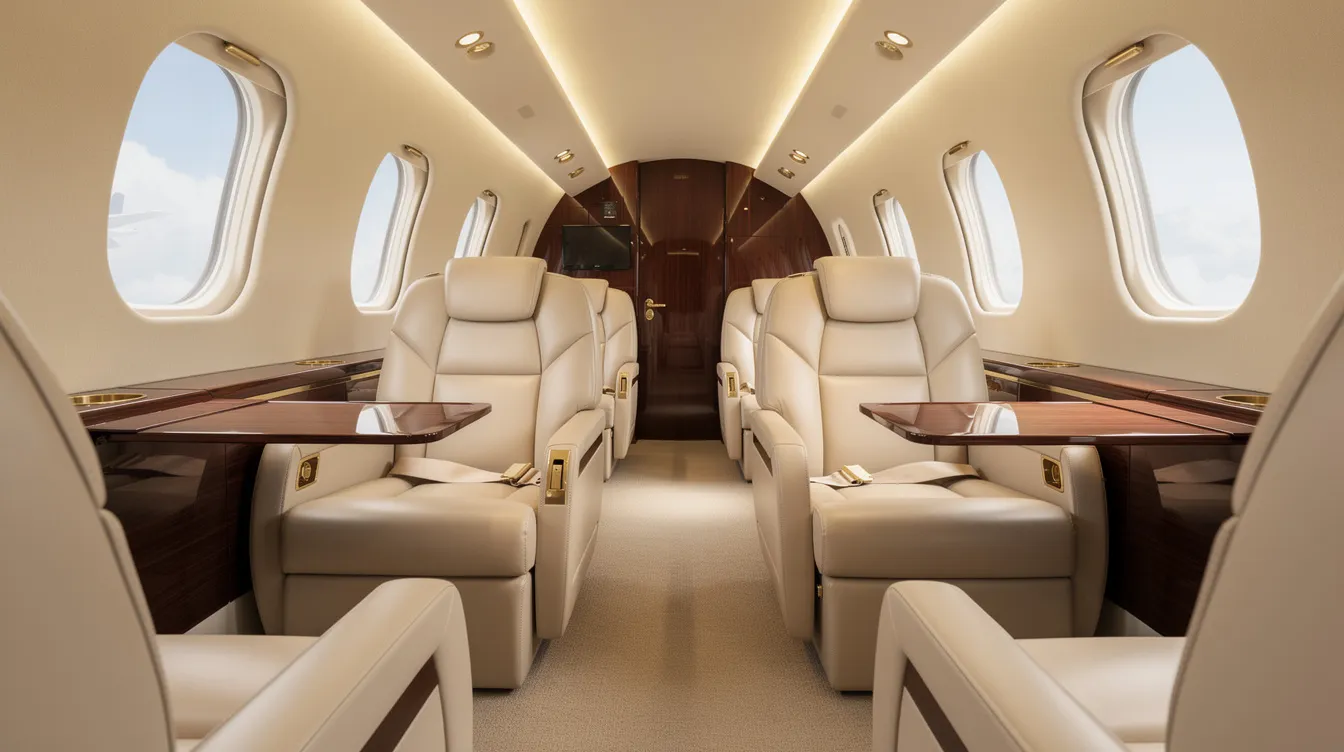
Securing the right financing and insurance is a crucial step in the private jet acquisition process, whether you’re basing your aircraft in hubs like New York or exploring private jet charter services in Kolkata, West Bengal, Chennai, Tamil Nadu, and similar emerging markets. Buyers have access to a range of financing solutions, including traditional loans and flexible private jet lease cost structures, tailored to fit the unique needs of the private jet market. Working with experienced aviation lenders or brokers can streamline the process, ensuring that your financing aligns with your cash flow and long-term ownership goals.
Insurance is another key consideration—comprehensive policies typically include hull coverage for the aircraft itself and liability protection for passengers and third parties. Comparing offerings from specialized aviation insurers helps ensure you receive the best terms and coverage for your specific aircraft and usage profile. Additionally, enrolling in maintenance programs can help stabilize costs and protect against unexpected expenses, making budgeting more predictable over the life of your investment. Some buyers compare these ownership outlays to affordable airplane rental options and cost structures as a lower-commitment alternative.
Throughout the purchase journey, from initial search to closing, the support of a knowledgeable broker can be invaluable, and some industry professionals even leverage opportunities like Jettly’s ULTRA High Ticket Affiliate Program to monetize referrals while guiding clients toward suitable charter and ownership solutions. They can guide you through the complexities of the market, assist with paperwork, and connect you with trusted partners for financing and insurance. By taking a proactive approach to these financial and risk management aspects, you set the stage for a smooth transaction and a rewarding ownership experience.
Many potential buyers search “private jet for sale real” but discover that on-demand charter better matches their hours and budget. Before making a multi-million dollar decision, consider the comparison.
Ownership threshold: Full ownership typically suits those flying 300+ hours per year. Charter or membership models fit those flying under roughly 200–250 hours annually.
Jettly access: The platform offers access to over 20,000 aircraft globally—from turboprops and light jets to large-cabin, long-range options—through a digital marketplace, positioning itself as a flexible NetJets alternative without fractional ownership commitments.
Private jets can access around 10 times as many airports in the US as scheduled airlines, providing greater flexibility and access to remote communities and ground infrastructure.
Approximately 38% of business aviation missions involve stopping at more than one destination, emphasizing the flexibility and productivity benefits of private jet travel.
Flying on a private jet offers greater privacy and security, as passengers travel only with known colleagues, friends, or family, avoiding the crowds and queues at commercial airline terminals.
Instant pricing: Jettly’s online booking lets customers compare aircraft and operators without long-term contracts or jet cards, and travelers can reference a detailed guide to affordable private jet charter costs to understand how trip variables affect pricing.
Transparent cost structures: Choose aircraft per trip—a light jet for a short regional hop, large-cabin for transatlantic missions—giving flexibility that ownership cannot match, while platforms listing a wide range of private charter aircraft make it easier to tailor each flight to your exact needs.
Test before buying: Those unsure about the purchase should use Jettly for 12–24 months to gather real usage data. View your actual flight patterns before making any ownership decision.
This section outlines trip patterns where owning a jet can be justified versus scenarios better served by charter.
High-frequency executive travel: A North American business team flying weekly between New York, Chicago, and Miami, logging 350–400 private hours per year in a midsize jet, may find ownership economics work.
Family travel patterns: A family traveling between Toronto and Vancouver monthly, plus ski trips and Caribbean holidays, totaling about 150 hours—often still better for charter through Jettly.
International operations: Frequent New York–London or Dubai–Zurich flights, where a long-range jet such as a Global 5000 or Falcon 900EX is evaluated against charter blocks. The math depends on the schedule's consistency.
Category testing: Jettly can cover all these mission types via charter, letting users test different aircraft categories (light, midsize, large-cabin equipped with various amenities) before investing capital.
Environmental considerations: Carbon offset options can be integrated into charter decisions, reducing the need to commit to a single high-consumption asset. Life-cycle efficiency improves when aircraft are matched to the mission, and understanding private jet emissions and cleaner ways to fly helps buyers make more responsible choices.
Jettly is not a sales broker for whole aircraft but a digital charter marketplace that can complement ownership or serve as a complete alternative, partnering with operators such as Dexter Air Taxi’s global private jet service to provide extensive access to aircraft.
Supplemental access: Owners sometimes charter a different aircraft through Jettly when their own jet is in maintenance or not ideal for a specific mission (e.g., very short runway, helicopter needed).
Usage analytics: Frequent charter users on Jettly can analyze their flight history, routes, and total spend to determine whether a private jet for sale is a financially justified purchase.
Transparent service: Jettly focuses on transparent pricing, regulated operators, and global network coverage, reducing the complexity of arranging ad-hoc flights to airports worldwide, with instant-book partners like Zenflight’s private jet charter marketplace extending that reach.
Learn more: Explore Jettly’s charter options at https://www.jettly.com.
Compare before committing: Touch base with the platform to compare the cost and flexibility of charter before making any purchase decision. This approach offers peace of mind without depreciation risk.

Most aviation consultants suggest whole ownership starts to make sense around 300–400 flight hours per year, depending on aircraft size and local costs. Those flying under roughly 200–250 hours annually often find on-demand charter or membership options through Jettly to be more cost-effective. Track 12–24 months of actual travel patterns before committing to a purchase.
Travelers can use Jettly’s marketplace to charter different categories—turboprop, light jet, midsize, and large-cabin—on real routes they fly. This helps buyers understand cabin space, range limits, and operating style before selecting a model to pursue on the sales market. Record feedback from each trip (comfort, performance, airport access) to inform future purchases.
While private aviation has a higher per-passenger footprint than commercial, several mitigation steps exist. Choose efficient aircraft types, fly direct routings, and use carbon offset or sustainability programs offered by operators. Chartering through Jettly allows travelers to select more efficient aircraft for each mission, rather than being locked into a single older, less efficient jet.
Engine programs (e.g., MSP Gold, JSSI, CorporateCare) are prepaid or pay-as-you-go plans that cover much of the cost of future engine maintenance. Aircraft with engines enrolled in reputable programs tend to hold value better and reduce the risk of sudden, large repair bills. Check enrollment status, coverage level, and whether hours are fully paid up when evaluating any offer.
Some owners place their aircraft with charter operators to generate revenue when not using it themselves. This can offset a portion of fixed and variable costs, but rarely turns the aircraft into a profitable standalone business after expenses. Discuss utilization targets, wear-and-tear implications, and regulatory requirements with a management company before pursuing this strategy.
Real private jets listed in 2026 feature transparent data: hours, maintenance programs, avionics, and clear pricing from reputable brokers.
Buyers must budget for substantial ongoing costs and use a structured process—mission analysis, PPI, and expert advice—before closing on any manufacturer’s aircraft.
For many executives and families, on-demand chartering through platforms like Jettly delivers private travel benefits without the ownership risk or productivity loss associated with asset management.
Before you pursue a private jet for sale in today’s market, consider testing your travel needs via charter.
**Ready to experience private travel on your terms? Explore flight options or request a quote at https://www.jettly.com.
Share this post:
Jay Franco Serevilla
Apr 11, 2026
|
5
min read
Discover tips and trends in the industry.
5
min read
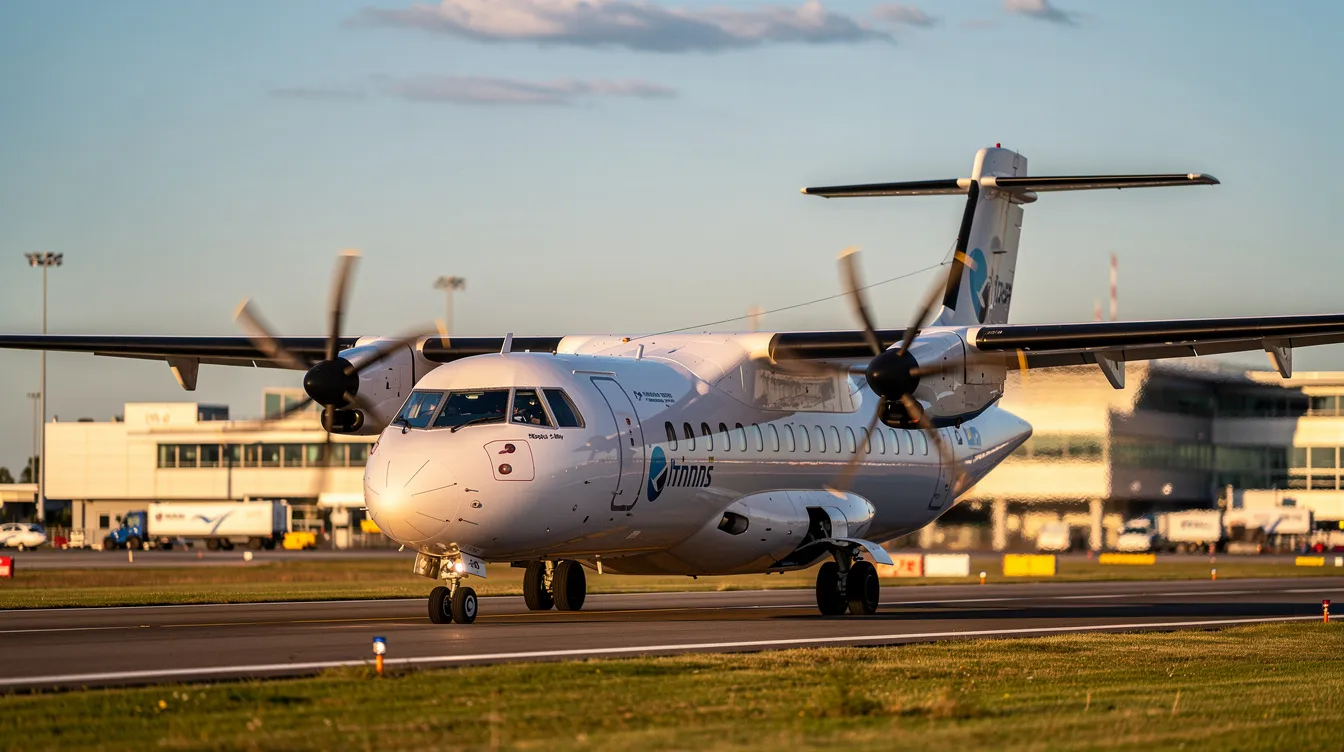
ATR 72: Guide to the Regional Turboprop (For Charter and Commercial Use)
The ATR 72-201 and ATR 72-202 are efficient turboprop aircraft designed for regional group charters, accommodating 66 to 72 passengers. With their reliable Pratt & Whitney engines and versatile landing gear, they excel in short- to medium-haul operations. Ideal for corporate shuttles, sports teams, and tour operators, these aircraft offer cost-effective alternatives to larger jets.
Read More
5
min read
Stebbins Aviation Inc: Charter Services, Location, and How Jettly Helps You Compare Options
Stebbins Aviation Inc, based at East Texas Regional Airport, has been providing charter services since 1987, specializing in Cessna Citation jets for short-haul flights. While it offers reliable local options, Jettly's digital marketplace provides access to a broader range of aircraft and instant pricing, making it a valuable resource for travelers with diverse needs.
Read MoreStay updated with our latest insights and tips to elevate your journey with us.
MEMBERSHIPS AND ASSOCIATIONS



Disclaimer: Jettly operates as a charter broker, offering access to a global digital jet charter marketplace. Jettly is not a direct air carrier and does not own or operate aircraft. All advertised flights are conducted by third-party air carriers that are fully licensed and hold the appropriate Part 135 or Part 121 certifications issued by the Federal Aviation Administration (FAA) or equivalent regulatory authorities under U.S. or foreign law. Jettly complies fully with the U.S. Department of Transportation's Part 295 and Part 298 Charter Broker regulations. Jettly does not carry additional liability insurance. Passengers are covered by aircraft operator insurance. TICO: 50023770


