


Login
Get Instant Pricing On 23,000+ Aircraft

>
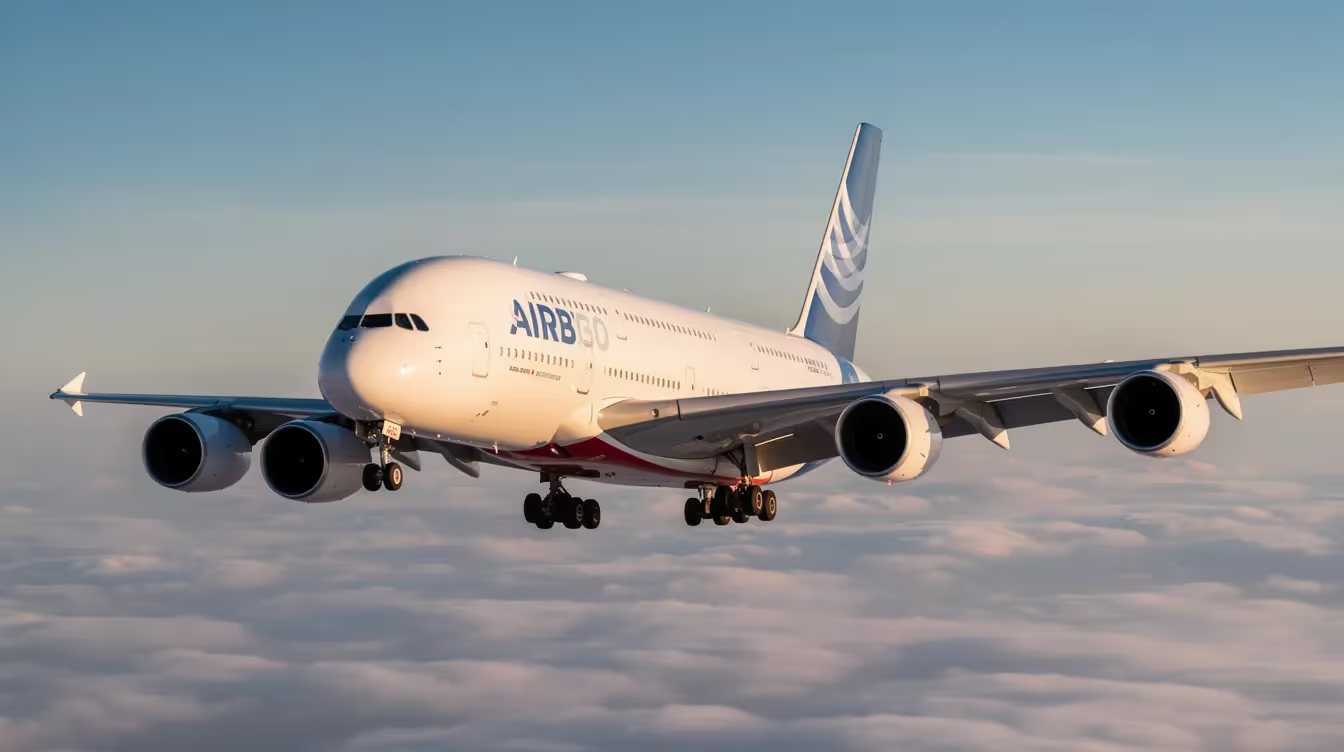
Even though Airbus delivered its final A380 in 2021, searches for the price of the Airbus A380 remain steady. The reasoning is straightforward: the world’s largest passenger aircraft continues flying daily with major airlines, attracting aviation enthusiasts, industry analysts, and high-net-worth individuals curious about what such a plane actually costs to buy and operate. Airline economics play a crucial role in shaping ongoing interest in the A380’s costs and operational viability, as airlines evaluate whether such a large aircraft fits their business models and market strategies.
When discussing “price,” three distinct dimensions come into play. Acquisition cost refers to the price paid to purchase the aircraft, either new (when available) or used. Operating costs include all ongoing expenses required to fly and maintain the aircraft, such as fuel, maintenance, crew salaries, and airport charges.
Airlines such as Emirates, Singapore Airlines, British Airways, Qatar Airways, and others continue deploying the A380 on high-demand long-haul routes, keeping interest in its economics alive. For travelers exploring private aviation options, understanding A380 costs provides useful context when comparing against efficient business jets. Jettly’s platform focuses on matching travelers with right-sized aircraft from its network of over 20,000 options—a more practical approach than chartering such a massive commercial aircraft, and one that also powers opportunities like its ULTRA high ticket affiliate program for partners who refer new clients.
This guide is intended for aviation enthusiasts, industry professionals, and private travelers interested in the economics and practicalities of Airbus A380 ownership and operation.
The asking price of an Airbus A380 reached approximately $445 million at peak production, though airlines typically secured 30–50% discounts, bringing real transaction prices closer to $220–$310 million.
Production ended in 2021 after just 251 deliveries, meaning buyers in 2026 can only acquire used airframes, with some trading between $25–$60 million depending on age and maintenance status.
Total operating costs run approximately $40,000–$55,000 per flight hour due to high fuel burn (11–13 tons per hour), complex maintenance demands, and larger crew requirements.
Major carriers like Emirates, Singapore Airlines, and Qatar Airways continue operating the aircraft on dense routes where high load factors justify its economics.
For private or charter use, the Airbus A380’s high cost and limited airport compatibility make long-range business jets—available through platforms like Jettly—a far more practical choice for most travelers.
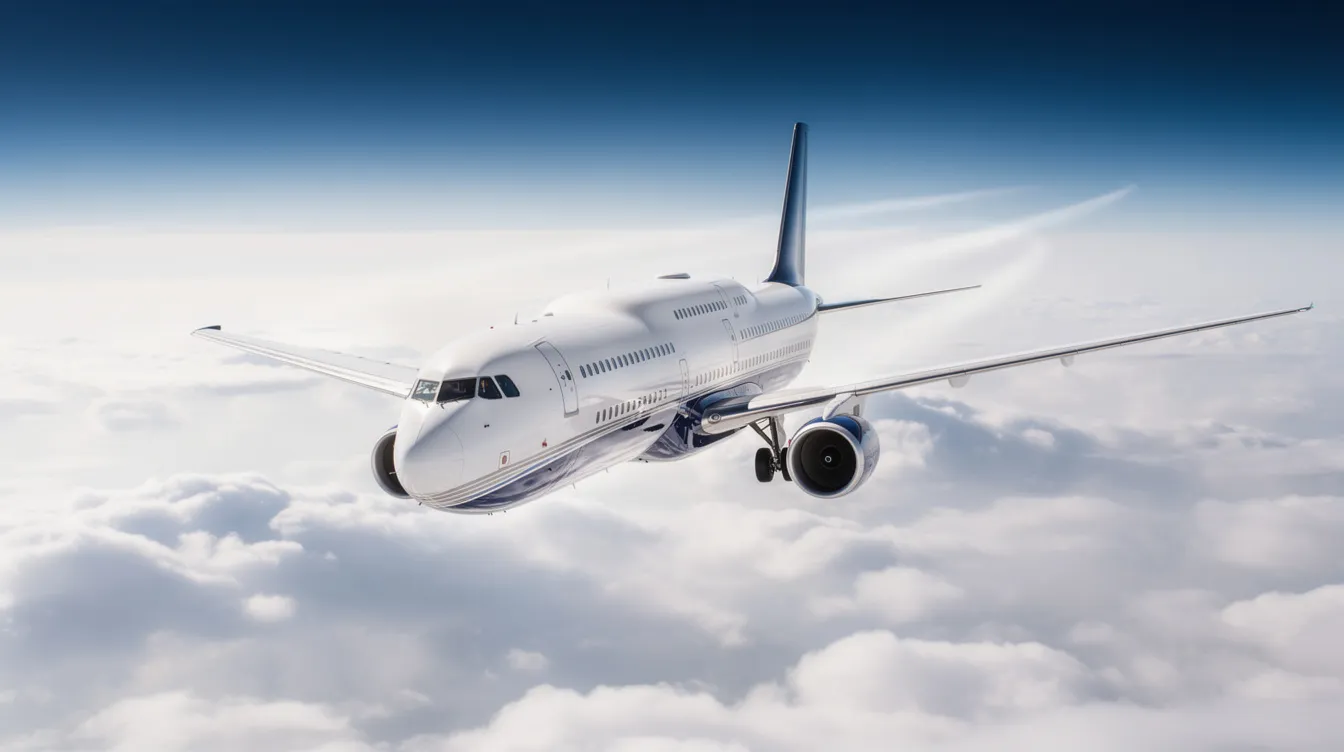
The list price of a new Airbus A380-800 provided clear sticker shock during its production years. Over ten years have passed since the A380's first delivery, and during that decade, both pricing and market expectations have evolved significantly. Here’s what the numbers actually looked like:
2016 list price: Around $432.6 million according to industry trackers
2018 and beyond: The asking price of an Airbus A380 stabilized at approximately $445 million, with the 2018 unit cost documented at $445.6 million
Typical transaction prices: Airlines rarely paid full list price; commercial discounts of 30–50% reduced effective purchase costs to roughly $220–$310 million per aircraft
The first A380 delivered to Singapore Airlines in 2007 illustrated how financing structures affect headline pricing. Through a sale-leaseback arrangement, that aircraft changed hands at approximately $197 million—well below list price while incorporating financial incentives that made the deal work for both parties.
For customized VIP configurations, costs escalated dramatically. A bare airframe at $450 million (pre-production halt) combined with $150–$200 million in interior completion—structural reinforcements, private suites, lounges, spas, and even garages—could push total acquisition costs toward $600 million or more for royal “Flying Palace” concepts.
In 2026, anyone seeking to acquire an Airbus A380 faces a simple reality: only used airframes exist. Production ceased in 2021, creating a small, specialized second-hand market shaped by early retirements and shifting airline strategies.
Several factors created this unusual market:
COVID-19 accelerated retirements: Air France parked all 10 of its A380S in 2020 (reactivating some by 2023), while Malaysia Airlines scrapped several units
Efficiency-driven decisions: Singapore Airlines retired older A380S early, and various lessors offloaded airframes as carriers shifted toward twin-engine aircraft
Limited buyer pool: Few operators can utilize such a large aircraft, suppressing demand
Indicative price ranges for used A380S fall between roughly $25–$60 million for flyable units. Values depend heavily on:
|
Factor |
Impact on Value |
|---|---|
|
Build year (2007–2010 vs later) |
Earlier builds fetch less |
|
Engine hours remaining |
Trent 900 overhauls cost $10–$15 million each |
|
Maintenance status |
Up-to-date checks command premiums |
|
Cabin condition |
Worn interiors require costly refurbishment |
Interestingly, teardown economics often trump whole-aircraft resale. Engines alone—particularly the Rolls-Royce Trent 900 or Engine Alliance GP7200—hold significant value, with annual shop visit reserves running $2–3 million per engine. Some lessors find parting out aircraft more profitable than finding new operators.
For anyone considering converting an ex-airline A380 into a private aircraft, expect to add $150–$250 million or more for interior redesign, structural modifications, regulatory certification, and custom systems. Total ownership cost quickly exceeds the used airframe purchase price several times over
Acquisition price tells only part of the story. Operating costs represent the real economic challenge of running the world’s largest passenger aircraft daily.
Total Airbus A380 operating costs typically fall between $40,000 and $55,000 per flight hour, influenced by factors such as fuel prices and route specifics. The average hourly operating cost in 2025 was estimated at around $29,000 for baseline figures, though commercial operations with full crew, maintenance reserves, and overhead push totals significantly higher.
Airlines evaluate these expenses through cost per seat mile metrics. When flying full on dense routes with 500–600 passengers, per-seat costs become competitive—sometimes reaching 4–6 cents per seat mile. However, operating expenses balloon to 10+ cents per seat mile when load factors drop below 70%.
These high costs, combined with airline preference for smaller, fuel-efficient twinjets, contributed directly to the A380 program’s end. Despite strong passenger demand for its spacious cabins, the aircraft simply couldn’t match the economics of modern twins on most routes.
For private operators or charter customers, hourly costs and limited airport compatibility make the A380 a niche choice at best. Long-range business jets offered through platforms like Jettly, supported by its private jet charter cost estimator, provide far more practical solutions.
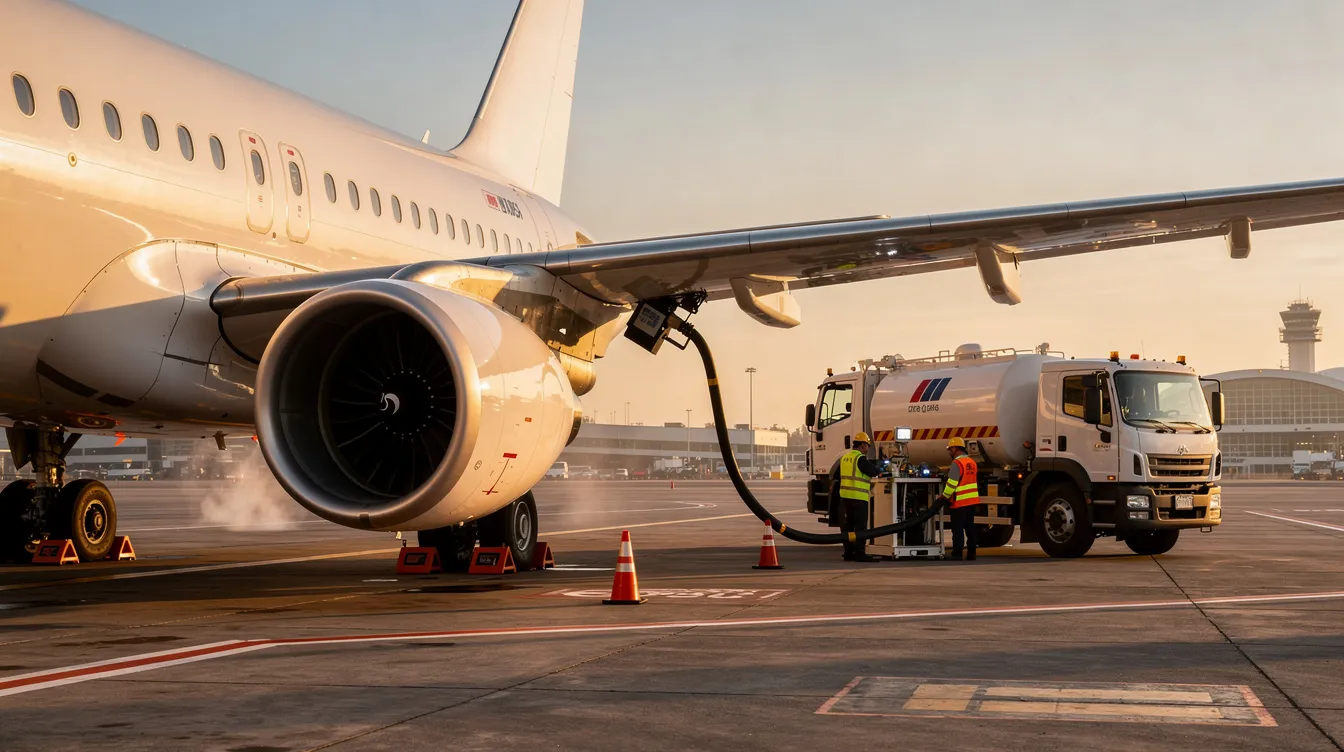
Fuel remains the largest contributor to Airbus A380 operating costs, and the numbers are substantial.
Key fuel consumption figures:
The aircraft consumes approximately 11–13 tons of fuel per hour, depending on weight and altitude
An 8-hour sector burns 88–104 tons of jet fuel
At 2025–2026 jet fuel prices ($0.80–$1.00 per liter), fuel costs alone reach $50,000–$80,000 per long-haul flight
The fuel efficiency story has two sides. Per passenger, the A380 performs reasonably well when carrying 500–600 passengers—fuel burn drops to approximately 3–4 liters per 100km per seat. However, absolute fuel use and carbon emissions remain very high regardless of passenger load.
Environmental considerations increasingly influence airline and traveler decisions:
Four engines (versus two on modern twinjets) inherently burn more fuel per trip
High fuel burn translates directly to a larger carbon footprint
Airlines face pressure to reduce emissions, favoring newer twin-engine aircraft that burn 25% less fuel per trip
For environmentally conscious travelers, Jettly’s approach of matching passengers to right-sized aircraft reduces unnecessary fuel burn compared with chartering an under-utilized large aircraft. A half-empty A380 carrying 250 passengers consumes the same fuel as a full one, making capacity matching critical for efficiency.
Beyond fuel costs, several non-fuel expenses drive the A380’s high cost structure.
Maintenance demands:
Maintenance expenses for the Airbus A380 encompass scheduled inspections, major checks, engine overhauls, and replacement of spare parts. These factors significantly elevate the overall operating costs due to the aircraft’s large size and the complexity of its systems.
|
Check Type |
Typical Cost |
Frequency |
|---|---|---|
|
A-check |
$50,000–$100,000 |
Every few months |
|
C-check |
$5–$10 million |
Every 18–24 months |
|
D-check |
$20–$50 million |
Every 6–10 years |
Crew costs:
The four engines—either Rolls-Royce Trent 900 or Engine Alliance GP7200—require specialized facilities, tooling, and engineering expertise. Annual engine reserves run $2–4 million per aircraft, and full engine overhauls can cost $10–15 million each.
A380 flights require larger flight and cabin crews than smaller widebodies:
Two pilots plus a relief crew on ultra-long-haul services
10–15 cabin crew (more on premium-heavy configurations)
Crew salaries add $10,000–$15,000 per flight hour
Airport and navigation charges:
The Airbus A380 requires reinforced runways, dual boarding bridges, and expanded ground handling teams, resulting in higher airport charges and landing fees compared to smaller wide-body aircraft.
Only 80+ airports worldwide can handle the A380’s 73-meter wingspan and maximum takeoff weight. Tools such as Jettly’s airport locator tool help travelers quickly identify suitable airports, and those that do typically charge premium rates:
Landing fees run $20,000–$50,000 per turn at A380-capable hubs
Extended ground support requirements add to per-flight costs
Gate assignments require specific infrastructure
Interestingly, some airports offer noise-adjusted discounts for the relatively quiet A380—Heathrow’s structure provided $4,300–$5,200 savings per landing versus Boeing 777 operations, potentially adding up to $15–19 million over a 15-year operational period.
The A380’s economics stem directly from design decisions made in the early 2000s, when Airbus bet heavily on hub-and-spoke network growth requiring very large aircraft. Airline economics played a significant role in shaping these decisions, as Airbus aimed to address the anticipated demand for high-capacity, long-haul routes while balancing operating expenses and market strategy.
Engineering choices that shaped costs:
Double-deck layout providing over 550 square meters of cabin floor space
Structure sized for potential stretched variants (never built)
Systems complexity serving 500+ passengers across multiple decks
Four-engine configuration for maximum range and reliability
The A380-800’s cabin has 550 square meters (5,920 sq ft) of usable floor space, which is 40% more than the next largest airliner, the Boeing 747-8. This capacity advantage came with corresponding weight and fuel penalties.
The demand miscalculation:
Original forecasts predicted airlines would need 1,200+ very large aircraft to serve growing hub airports. Reality proved different. In February 2019, Airbus announced it would end A380 production by 2021 after Emirates canceled an order for 39 aircraft, opting instead for A330-900s and A350-900s. The Emirates order had previously been crucial in extending the life of the A380 program and maintaining its financial viability, as it represented a significant portion of the remaining demand and production output.
During these challenging periods for the A380 program, Airbus' chief executive, Tom Enders, played a key role in overseeing production levels and strategic planning, working to maintain industry confidence and manage the program's future amid shifting market realities.
The A380’s design was optimized for a hub-and-spoke system, but airlines shifted towards a point-to-point system, leading to decreased demand for very large aircraft like the A380. Passengers increasingly preferred direct flights on smaller twins over connecting through congested hubs.
The financial gap:
Airbus needed to make more than $90 million profit from each A380 sale to cover the estimated $25 billion development cost, but the $445 million price tag was insufficient to cover production costs. With only 251 deliveries against a 1,200-unit break-even target, the program never achieved profitability.
Despite this high cost reality, many passengers continue to favor the A380. The aircraft delivers the quietest cabin experience available, with the A380 designed to reduce traveler fatigue with features such as a quieter interior, higher pressurization equivalent to 1,520 m (5,000 ft), and 50% less cabin noise compared to previous generations of aircraft.
Cabin configuration significantly impacts both acquisition cost and revenue potential for A380 operators. The aircraft’s massive interior allows configurations impossible on smaller jets.
Seating capacity ranges:
The A380 can accommodate up to 853 passengers in an all-economy layout, with a typical three-class layout accommodating around 525 passengers. In most airline configurations, the main deck is primarily used for economy seating and can seat several hundred passengers on the lower level alone, while premium cabins and business class are often placed on the upper deck. This flexibility lets airlines choose between:
|
Configuration |
Typical Seats |
Use Case |
|---|---|---|
|
All-economy |
600–853 |
Charter, pilgrimage flights |
|
High-density three-class |
500–550 |
Long-haul routes with mixed demand |
|
Premium-heavy |
400–480 |
Business-focused routes |
|
Ultra-premium |
350–420 |
Flagship services |
First class as flagship product
Premium cabins on the upper deck create experiences unavailable on other airlines. Emirates’ first class suites with onboard showers, Singapore Airlines’ private suites, and Qatar Airways’ Qsuite configurations represent tens of millions in additional cabin investment but generate premium yields that justify operating expenses on the right routes.
Iconic first class products include:
Fully enclosed suites with floor-to-ceiling doors
Onboard showers (Emirates offers two shower spas on each A380)
Private lounges and bars
Larger windows providing natural light
The wider cabin width enables these features. Airlines can install genuinely spacious first class and premium cabins without sacrificing too much economy seating—a balance harder to achieve on narrower aircraft.
VIP conversions:
Some retired airframes have been discussed for ultra-VIP “Flying Palace” projects. These conversions prioritize interior design over passenger count, incorporating:
Master bedrooms and en-suite bathrooms
Conference rooms and offices
Entertainment lounges
Custom galleys for onboard chefs
Such projects can push total costs to $600 million or more, with the airframe representing a small fraction of overall investment.

The A380 remains viable where passenger demand stays consistently high, and airlines can justify fuel burn and maintenance costs through strong yields. On shorter or medium-haul sectors, however, high-capacity narrow-bodies such as the Boeing 737-800 often provide a more efficient balance of range, operating cost, and seat count. Three carriers demonstrate successful strategies.
While Emirates is famous for its lavish onboard dining and lounge experiences, private travelers can mirror that level of service through dedicated in-flight catering solutions like Jettly Eats for private jets.
Emirates operates the world’s largest A380 fleet, with approximately 118 aircraft active as of mid-2020s. The Dubai-based carrier positions the A380 as its flagship product on trunk routes:
Dubai–London Heathrow (multiple daily frequencies)
Dubai–Sydney and Melbourne
Dubai–New York JFK and other US gateways
The crucial Emirates order played a significant role in extending the life of the A380 program and securing continued production, as the airline’s commitment provided financial viability for Airbus to keep the line open. Emirates generates $1–2 million revenue per flight on premium routes, leveraging 14 first-class suites (tickets exceeding $20,000 one-way) alongside well-appointed business and economy cabins. The airline has committed to operating A380S through 2039, continuously refreshing new interiors to maintain appeal.
As the first commercial A380 operator (October 2007), Singapore Airlines uses approximately 12 aircraft on premium-heavy routes:
Singapore–Sydney and Melbourne
Singapore–London Heathrow
Singapore–Frankfurt
The carrier invested heavily in cabin refurbishment programs, introducing new interiors that maintain its competitive position despite the aircraft ages of its fleet. Premium cabins drive profitability in these sectors where other airlines might struggle with A380 economics, while in the private sector, specialized operators such as Dexter Air Taxi’s private jet services focus on right-sized aircraft for similar premium travelers.
Qatar Airways operates a smaller A380 fleet of roughly 10 aircraft, demonstrating how carriers toggle deployment based on market conditions. The airline retired A380S during pandemic-driven declining demand, then reactivated them in 2024 as travel rebounded.
Routes like Doha–Los Angeles and Doha–London benefit from A380 capacity during peak seasons, while more passengers can be accommodated versus frequency additions on congested slot-constrained airports. In parallel, on-demand private jet marketplaces like Zenflight’s charter platform illustrate how technology-driven brokers match capacity to demand without committing to a single very large aircraft type.
All three airlines manage high cost structures by focusing A380S on limited, high-density long-haul flights where no smaller aircraft can match the combination of seating capacity and premium cabin appeal.
Some readers searching for A380 pricing are curious about private ownership or charter possibilities. While technically feasible, the economics rarely make sense compared to purpose-built business jets.
The A380 private ownership challenge:
Ultra-VIP A380 acquisition: $450–$600+ million including custom interior
Hourly operating costs: $40,000–$55,000 (potentially higher for private operations)
Airport access: Limited to 80+ A380-capable airports worldwide
Crew requirements: Larger teams than business jets
Hangar and parking: Specialized facilities required
Business jet comparison: Before committing to any particular option, many travelers run route scenarios through tools like a private jet charter cost estimator or a jet card flight cost estimator to understand how aircraft size, range, and pricing structures compare with the outsized economics of an A380.
Long-range business jets offer dramatically better economics for private travel.
|
Aircraft |
Purchase Price (Used) |
Hourly Operating Cost |
Range |
Passengers |
|---|---|---|---|---|
|
Gulfstream G650 |
~$15 million |
~$7,000 |
7,000 NM |
13–16 |
|
Global 7500 |
$60–70 million |
~$8,000–10,000 |
7,700 NM |
13–19 |
|
Boeing BBJ |
$40–60 million |
~$15,000–20,000 |
5,000+ NM |
25–50 |
|
Airbus A380 VIP |
$400–600+ million |
$40,000–55,000+ |
8,200 NM |
Custom |
A Gulfstream G650 purchased used for approximately $15 million operates at roughly $7,000 per hour—saving 70%+ versus A380 operations while accessing 5,000+ airports versus fewer than 100 for the double-deck giant.
The Jettly alternative: For many travelers comparing private aviation providers or looking for a NetJets alternative to fly private for less, Jettly’s on-demand model and broad private charter aircraft inventory offer a compelling counterpoint to owning or operating a very large aircraft like the A380
Platforms like Jettly provide on-demand access to over 20,000 aircraft worldwide without ownership requirements. Travelers can charter right-sized aircraft for each trip:
Light jets for 4–6 passengers on regional flights
Midsize jets for 8–10 passengers
Heavy jets for 12–16 passengers on transcontinental routes
Regional airliners for 50–100+ passengers when groups travel together
For groups of 10–30 passengers, chartering a heavy jet or multiple midsize jets through Jettly’s private charter aircraft network delivers more cost-effective and time-efficient solutions than operating any variant of the world’s largest passenger aircraft.
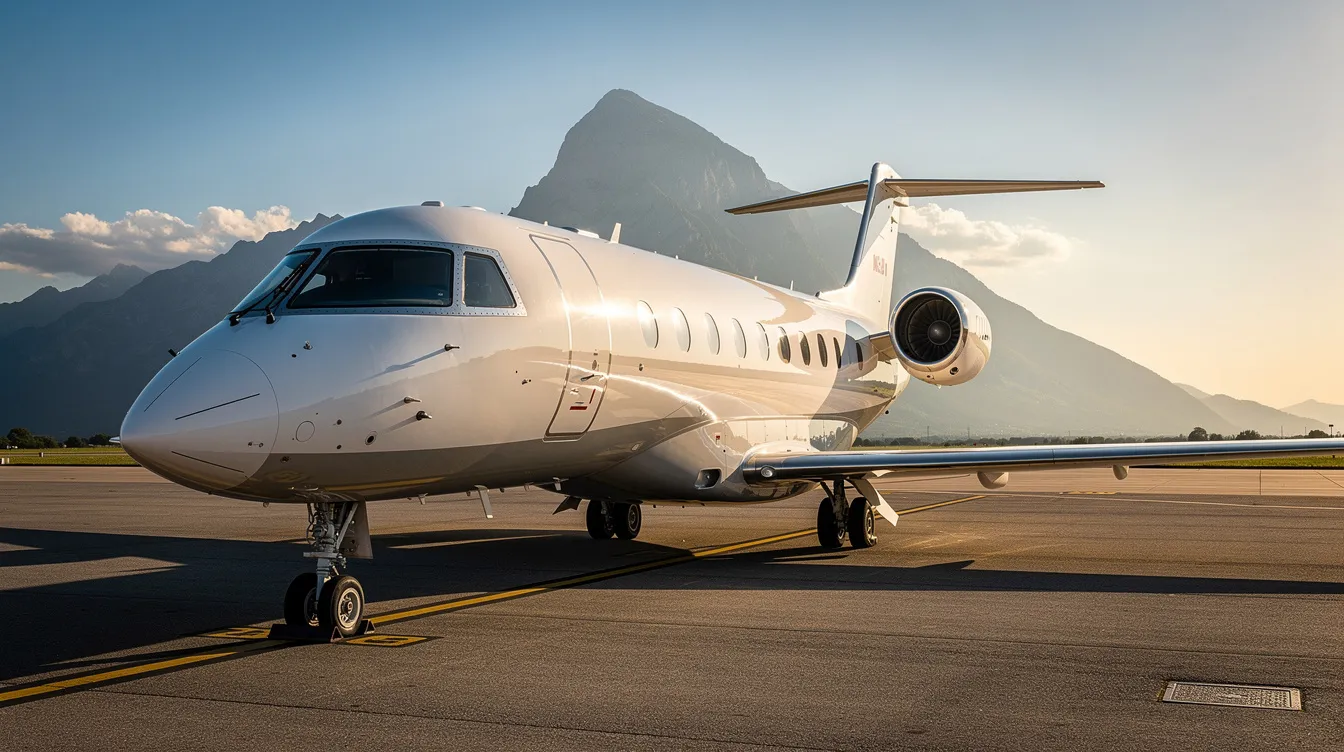
Jettly operates as a digital private aviation platform connecting travelers with aircraft suited to their specific needs—not oversized solutions that inflate costs unnecessarily.
Platform capabilities:
Instant pricing tools for transparent quote comparisons
Access to 20,000+ aircraft across light jets, turboprops, heavy jets, and regional airliners
No commission or low commission models keep costs predictable
Global coverage for domestic and international routing
Practical alternatives to large aircraft: For travelers primarily focused on budget and flexibility rather than sheer size, understanding affordable airplane rent costs and options can further refine which aircraft category makes the most sense.
While chartering a full Airbus A380 remains theoretically possible (though rare), Jettly typically sources more efficient options:
|
Travel Scenario |
Recommended Aircraft |
Typical Hourly Rate |
|---|---|---|
|
Executive team (4–6) |
Light jet |
$3,000–5,000 |
|
Corporate board (8–12) |
Midsize/Super-midsize jet |
$5,000–8,000 |
|
Sports team (50–80) |
Narrow-body airliner |
$15,000–25,000 |
|
Conference group (100+) |
Regional airliner or multiple aircraft |
Varies |
Operational advantages:
Charter through Jettly provides benefits impossible with fixed airline schedules or massive aircraft, while its guidance on affordable private jet charter helps travelers optimize total trip cost:
Access to smaller airports closer to final destinations
Reduced ground time with private terminals
Tailored departure schedules matching business needs
Right-sized capacity, avoiding empty-seat waste
Fuel efficiency improves dramatically when the passenger count matches the aircraft's capability. A half-empty A380 burns the same 11–13 tons per hour as a full one—wasteful for groups that could fly comfortably on aircraft consuming a fraction of that fuel, or even participate in crowdsourced private jet flights that share empty seats to reduce waste further.
Learn more about charter options and pricing at Jettly’s platform, or explore recurring access and wholesale rates through Jettly’s private jet memberships.
Used Airbus A380 prices vary depending on several factors, with indicative ranges falling between approximately $25–$60 million for flyable aircraft. Values depend heavily on build year (early 2007–2010 frames fetch less than later production), engine condition, maintenance status, and cabin configuration.
Very few buyers exist for such large aircraft, so negotiated prices can fall even lower when part-out or cargo conversion becomes the primary alternative. Some operators and lessors have marketed stored A380S under $50 million in recent years, prompting many high-net-worth individuals to compare these figures with the broader economics outlined in guides on how much a private jet costs.
These figures represent airframe and engine value only—they exclude any VIP conversion work, major refurbishment, or regulatory certification costs that would apply for non-airline use. A freighter version conversion, for instance, could add $50–100 million to the total project cost.
Full-aircraft A380 charters are rare but technically possible. Some operators have provided A380 charter services for large groups, special events, or one-off projects when demand justifies deploying such capacity.
Charter rates typically exceed several hundred thousand dollars for a single long-haul flight. A Dubai–New York sector could easily cost $300,000 or more once fuel, crew, landing fees, and operating margins are factored in. Most charter brokers report very limited demand given these economics.
For most corporate or leisure trips, chartering a long-range business jet or a smaller airliner through Jettly offers a far more efficient balance of cost, capacity, and airport access. Heavy jets serving 12–16 passengers at $7,000–10,000 per hour deliver better value for typical group sizes, especially for travelers who first explore how to buy a seat on a private jet rather than chartering an entire widebody.
Changing airline strategies favored frequent point-to-point flights with fuel-efficient twin-engine aircraft rather than very large aircraft serving limited hub airports. Production peaked at 30 units per year in 2012 and 2014 but couldn’t sustain momentum as orders dried up.
High operating costs, limited airport compatibility (only 80+ airports worldwide), and slower-than-expected demand led Airbus to end A380 production in 2021 after just 251 deliveries—far short of the 1,200 units needed to recoup development costs. The future of commercial aviation increasingly belongs to efficient twinjets that operate profitably across diverse route networks.
Despite its technical achievements, passenger comfort, and prestige value, the business case simply didn’t justify continued investment in new aircraft when most airlines preferred alternatives across a growing ecosystem of private and charter airlines.
Both the Airbus A380 and modern Boeing 747 variants (such as the 747-8) are expensive to operate, with cost comparisons depending on route structure, load factor, and configuration. The A380 typically has higher per-flight operating costs given its larger size and four engines.
However, the A380 can offer a lower cost per seat when flying full with 500–600 passengers versus the 747’s typical 400–450 seat configurations. On a per-seat-mile basis, a fully loaded A380 on a dense route may compete favorably.
Many airlines still prefer smaller, newer twinjets because they deliver lower total trip cost and easier fleet deployment—even when per-seat costs run similar on the largest jets. Flexibility and fuel efficiency on moderate-demand routes matter more than maximum capacity for most operators in 2026, just as discerning travelers compare the best private jet charter companies when evaluating flexible alternatives to scheduled widebody service.
Jettly matches customers with aircraft categories appropriate for their passenger count and route requirements. The platform’s network includes light jets, midsize jets, super-midsize jets, heavy jets, turboprops, helicopters, and regional airliners.
Practical examples include:
Light jet (4–6 passengers): Regional hops under 3 hours
Midsize jet (6–8 passengers): Cross-country flights of 3–5 hours
Heavy jet (10–14 passengers): Transcontinental or transatlantic trips
Narrow-body airliner (100–150 passengers): Corporate conferences, sports teams, or group events
This right-sized approach keeps costs predictable and efficient. Rather than paying $40,000–55,000 per flight hour for an A380 carrying a fraction of its capacity, travelers charter aircraft matching their actual needs—often saving 70% or more while gaining access to thousands of additional airports. Travelers exploring how to get a seat on a private jet can easily use those insights to choose the most efficient option. Explore options at Jettly.
The Airbus A380’s high acquisition cost, substantial fuel burn, and complex maintenance demands limit its viability to specific high-density markets where major carriers can fill 500+ seats flight after flight. List prices exceeded $430 million when new, yet second-hand values in 2026 have dropped to a few tens of millions of dollars—reflecting the challenge of operating such a large aircraft profitably.
Airlines like Emirates, Singapore Airlines, Qatar Airways, and Nippon Airways continue showcasing the A380 for premium cabins and signature first class experiences on their busiest routes. The aircraft delivers unmatched passenger comfort, cabin space, and prestige on sectors where passenger demand justifies its economics.
However, most airlines—and nearly all private travelers—find better value in smaller, efficient alternatives. Twin-engine aircraft like the Airbus A350 and Boeing 787 now dominate long-haul routes previously targeted for A380 deployment. For private aviation, business jets costing a fraction of A380 operating expenses deliver superior flexibility and airport access.
Ready to experience private travel on your terms? Explore flight options or request a quote at Jettly, or lock in predictable hourly pricing through its jet card programs.
Share this post:
Jay Franco Serevilla
May 11, 2026
|
5
min read
Discover tips and trends in the industry.
5
min read
N550AG Gulfstream G550: Registration, History, and Charter Guide
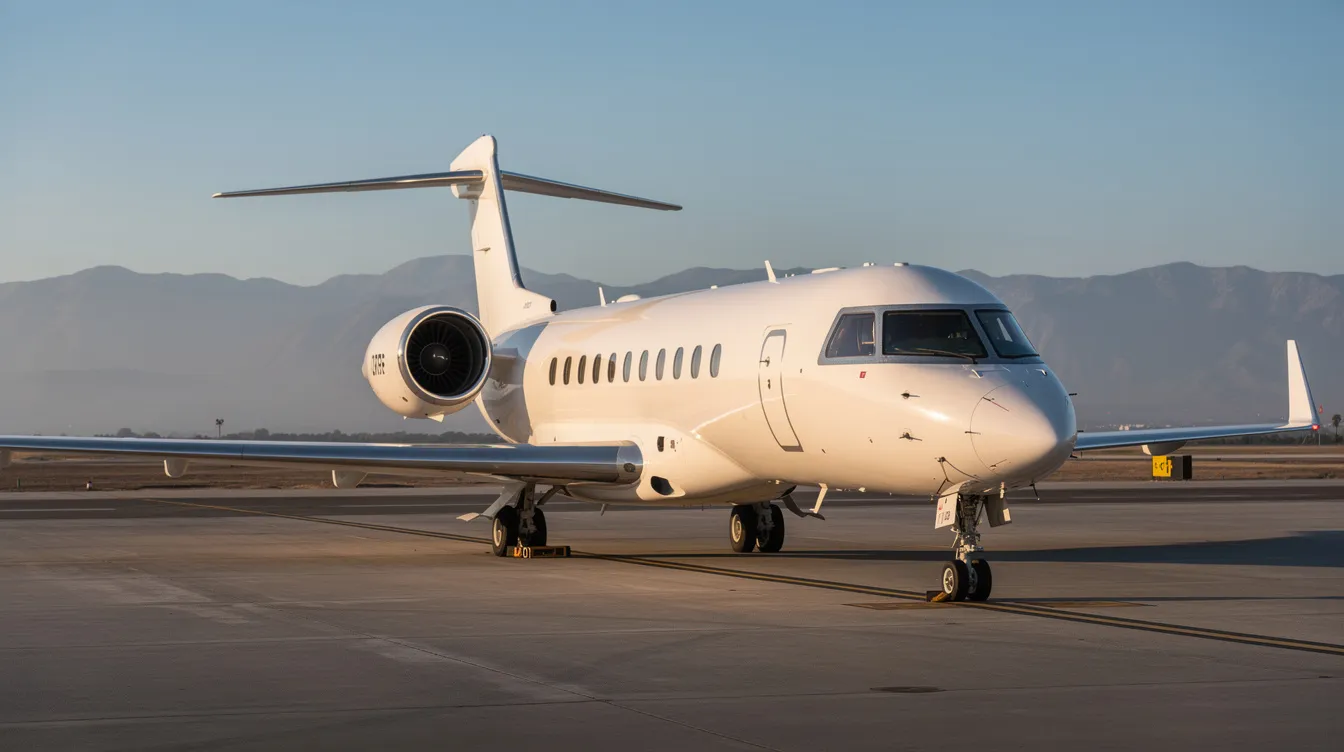
N550AG is a 2011 Gulfstream G550, known for its ultra-long-range capabilities and luxurious amenities. This article provides insights into its registration, specifications, and how to charter similar aircraft through platforms like Jettly. With a maximum range of 6,750 nautical miles, the G550 is ideal for both corporate and leisure travel.
Read More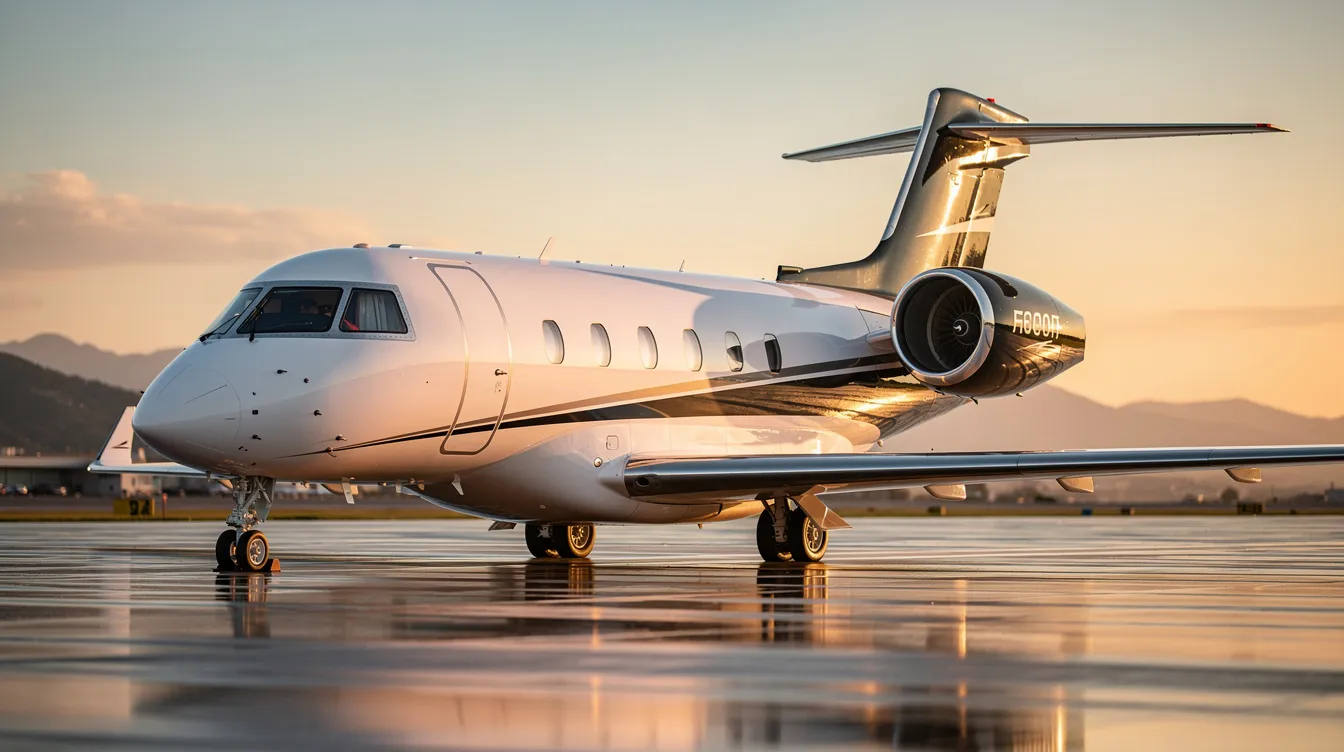
5
min read
Cap Jet: Private Jet Charter, Salary Caps, and Travel Flexibility Explained
The term 'cap jet' encompasses both private jet charter services and salary cap discussions in sports, particularly the New York Jets. This article explores how travelers can navigate private jet options while managing budgets, highlighting platforms like Jettly that enhance travel flexibility. It also touches on the industrial applications of cap jets in various fields.
Read MoreStay updated with our latest insights and tips to elevate your journey with us.
MEMBERSHIPS AND ASSOCIATIONS



Disclaimer: Jettly operates as a charter broker, offering access to a global digital jet charter marketplace. Jettly is not a direct air carrier and does not own or operate aircraft. All advertised flights are conducted by third-party air carriers that are fully licensed and hold the appropriate Part 135 or Part 121 certifications issued by the Federal Aviation Administration (FAA) or equivalent regulatory authorities under U.S. or foreign law. Jettly complies fully with the U.S. Department of Transportation's Part 295 and Part 298 Charter Broker regulations. Jettly does not carry additional liability insurance. Passengers are covered by aircraft operator insurance. TICO: 50023770


