



Login
Get Instant Pricing On 23,000+ Aircraft

>
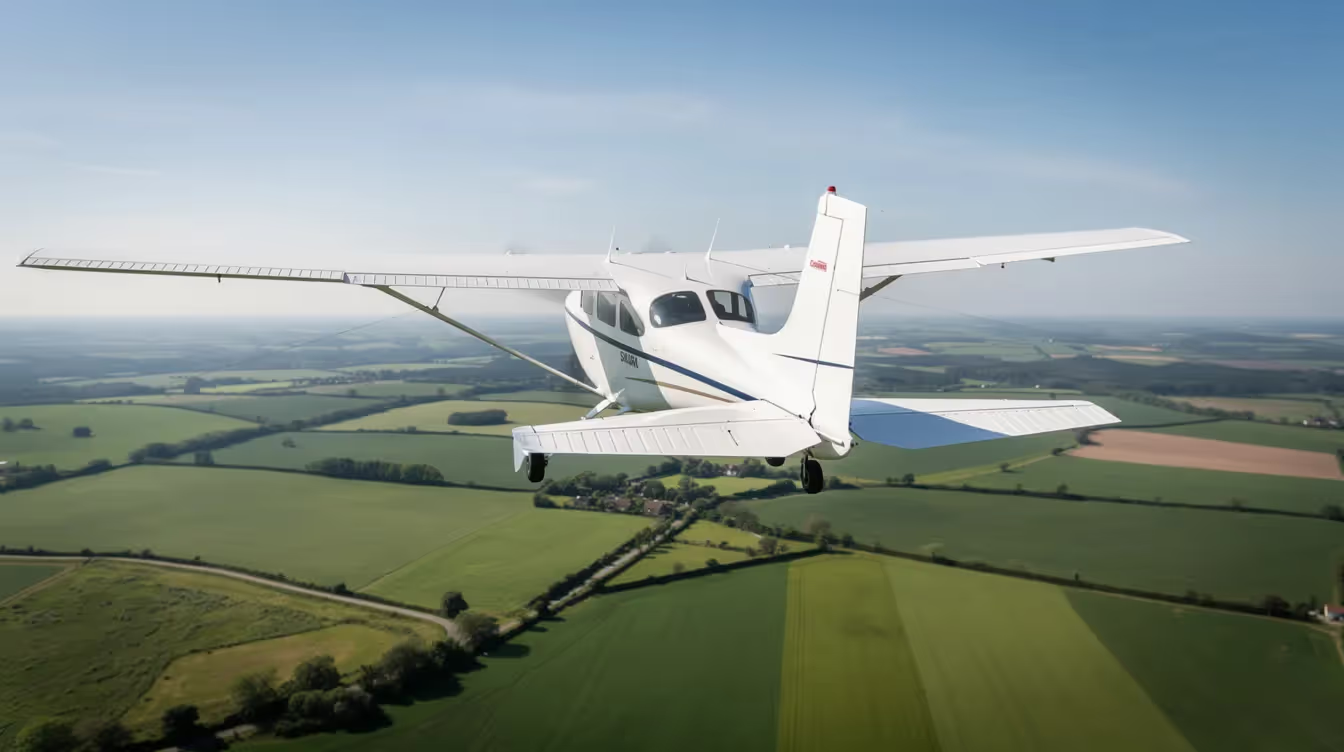
The latest Cessna 182 Skylane models are among the most sought-after four-seat aircraft in general aviation, with new units priced between $600,000 and $780,000 depending on options and configuration. Buyers should plan for additional expenses beyond the sticker price, as factors like avionics upgrades, taxes, and delivery fees impact the final amount.
– New Cessna 182 Skylanes in 2026–2027 typically list from the mid-$600,000s, with fully equipped versions reaching $750,000 or more
– Added features such as advanced Garmin avionics, premium interiors, and mission-specific equipment can increase the total
– Regional taxes, delivery, and dealer fees often push the out-the-door price higher than the factory base
– Used models cost significantly less, but may require expensive upgrades and maintenance
– Annual operating costs, including fuel, maintenance, and insurance, should be considered alongside the purchase price
The Cessna 182 Skylane stands as one of the most popular aircraft in general aviation history. The price of the new Cessna 182 is a question that comes up constantly among pilots evaluating their first aircraft purchase. A factory-new 2025–2026 Cessna 182 Skylane typically lists between $650,000 and $780,000, depending on options and configuration. This four-seat, single-engine, high-wing design has earned its reputation since 1956 as a versatile aircraft offering reliability, useful load capacity, and excellent visibility for pilots at every experience level. The series celebrated its 70th anniversary in 2026, underscoring its long-standing presence in the aviation community.
This article provides a comprehensive guide to the true cost of a new Cessna 182 Skylane for the 2026–2027 model years, including detailed pricing for factory-new models, available options, operating costs, and comparisons with used aircraft and charter alternatives. It is intended for prospective buyers, pilots, and aviation enthusiasts who are considering aircraft ownership or want to understand the financial realities of acquiring a new Cessna 182. Understanding the full cost of ownership is crucial, as purchasing a new aircraft represents a significant investment and involves ongoing expenses and operational considerations that go far beyond the sticker price.
When we refer to a "new Cessna 182," we mean the latest factory-new Cessna 182 Skylane models produced for 2025, 2026, and 2027. These aircraft are available in both the standard normally aspirated 182T Skylane and the turbocharged T182T variant. According to verified data, the Cessna 182T Skylane typically has a price range from approximately $600,000 to over $900,000, depending on configuration and options.<sup>[1]</sup> The base price of the turbocharged Cessna T182T, which includes upgraded avionics and features, is currently $760,000 as of 2024.<sup>[2]</sup> As of 2025, a new Cessna 182 Skylane can cost between $500,000 and $600,000, depending on the model and features.<sup>[3]</sup> Throughout this article, we clarify which model or configuration is being discussed to ensure price accuracy.
Why do so many pilots ask about the price of the new Cessna 182, specifically in 2026–2027? Recent factory guidance and market reports place the base purchase price of a new normally aspirated 182 Skylane in the mid-$600,000s. Fully equipped versions with Garmin G1000 NXi avionics—including the Garmin GFC 700 autopilot—advanced glass cockpits as standard features, a new style interior, and popular options often push totals toward $750,000–$780,000.
Historical context matters here. Earlier 182s in the mid-2000s sold for around $300,000–$400,000. Inflation, advanced avionics systems, and FAA certification expenses have nearly doubled list prices by the mid-2020s. The turbocharged T182T variant, powered by a Lycoming engine producing 235 horsepower and featuring upgraded avionics and features, typically carries a 10–15% price premium over the standard model. Its base price is currently $760,000 as of 2024<sup>[2]</sup>, with total pricing ranging from approximately $600,000 to over $900,000 depending on configuration and options<sup>[1]</sup>. From Jettly’s perspective, the new 182 represents an entry point into aircraft ownership—though many travelers choose on-demand charter to avoid tying up $700k+ in a single private aircraft.
Current base pricing from Textron Aviation starts in the mid-$600,000s for a normally aspirated 182 Skylane before options (2025–2027 models)
Avionics packages like the Garmin G1000 NXi with synthetic vision, premium interiors, and mission equipment can add $80,000–$120,000 to the final figure
Dealer-delivered prices often include training, delivery fees, and sales tax, pushing total out-the-door costs toward $750,000 or higher
Sales and use tax on aircraft purchases can vary by state, typically ranging from 4% to 9% of the purchase price
Used Skylanes from the 1960s through 2020s range from roughly $80,000 to $500,000+, though this article focuses on brand-new models
Total flying costs include operating expenses beyond the purchase price—travelers flying only a few times annually may find chartering through a platform like Jettly more practical than ownership
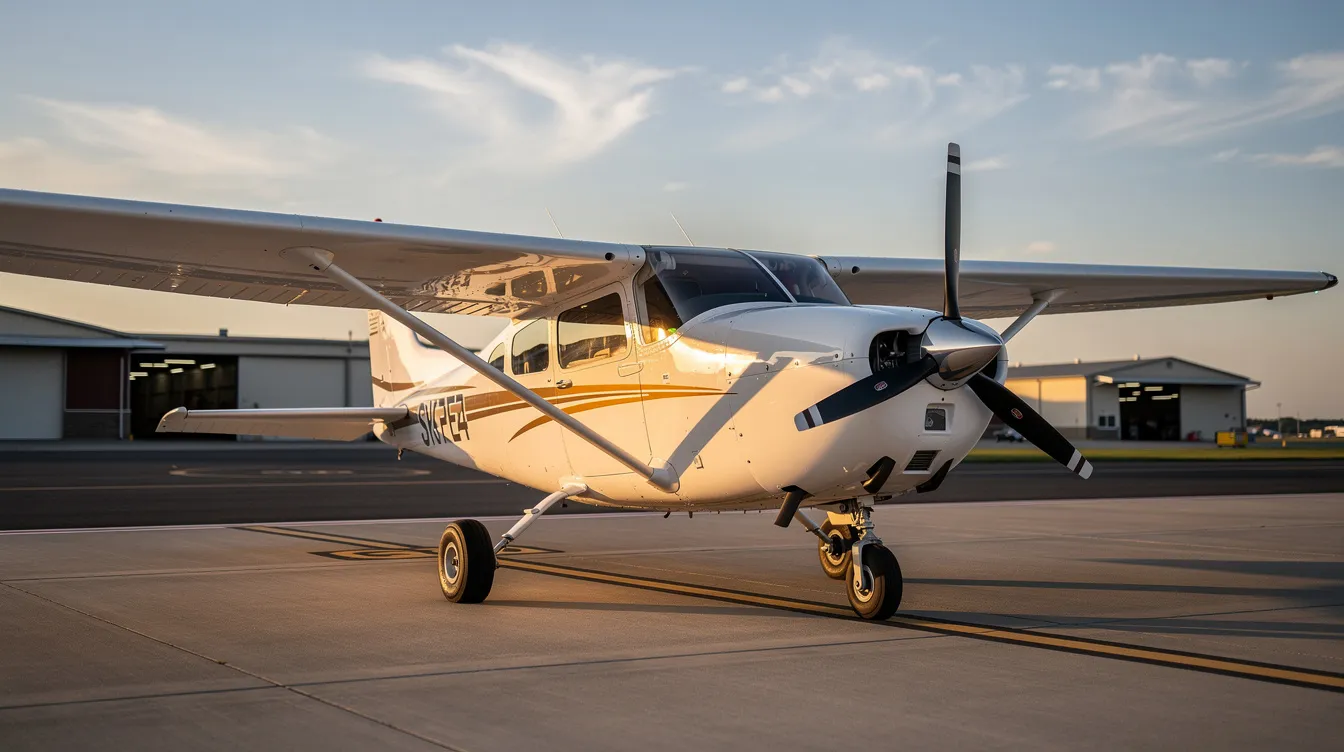
Textron Aviation, Cessna’s parent company, does not always publish complete retail price lists. However, dealer quotes and recent deliveries suggest a base price for the 2025–2027 Cessna 182 in the $600,000–$700,000 range before options, taxes, and delivery, depending on the model and features.<sup>[1][3]</sup>
Typical line-item components of the purchase price include:
Base airframe and engine (approximately 70–75% of total cost)
Garmin G1000 NXi avionics suite with Garmin GFC 700 autopilot and ADS-B In/Out compliance
Standard interior and paint schemes
Basic safety equipment and lighting packages
Example street price scenario: A 2026 Skylane with G1000 NXi, synthetic vision, ADS-B traffic displays, hot-weather kit, and premium leather-style interior might invoice around $730,000–$780,000 before local sales tax, depending on configuration and options.<sup>[1]</sup>
Regional variation significantly affects final costs. In the US, expect 6–8% sales tax plus $5,000–$15,000 in delivery and escrow fees. European buyers face 20–27% VAT and import duties totaling $50,000–$100,000 in extra costs. Asia-Pacific markets often trade at 15–25% above US base pricing due to currency fluctuations and import requirements.
The actual buyer price is typically negotiated through authorized Cessna dealers, influenced by trade-ins, fleet orders, or year-end timing.
The list price represents only the starting point. Upgraded avionics, interior choices, and mission-specific equipment can easily add $50,000–$120,000 to a new Skylane.
Avionics options within the Garmin G1000 NXi ecosystem drive significant cost increases:
Synthetic vision technology adds $20,000–$30,000
GWX weather radar, SafeTaxi, and ChartView expand situational awareness
Enhanced autopilot capabilities add $15,000–$25,000
Advanced ADS-B traffic integration for improved flight safety
Interior and paint considerations matter for both comfort and resale value. Premium leather, soundproofing materials, and custom paint schemes can add $20,000–$50,000+ to the cost beyond standard configurations. Many owners opt for these upgrades at the time of purchase rather than retrofitting later.
Operational equipment packages address specific mission requirements:
Cold-weather kits ($10,000)
Air conditioning systems
Built-in oxygen systems for higher altitude flying
Wheel fairings ($5,000–$8,000)
STC’d backcountry modifications like vortex generators ($15,000–$30,000)
Dealer fees and extras include delivery to the buyer’s home airport, initial pilot training packages, insurance facilitation, and paperwork services. Expect $5,000–$20,000 combined for these items.
Many pilots researching the price of a new Cessna 182 also compare it to a used Cessna from the 1960s through the 2010s. The aircraft's age is an important factor influencing both purchase price and maintenance costs—older models are generally cheaper to buy but may incur higher expenses due to wear, repairs, and deferred maintenance. Values vary significantly based on the aircraft’s age, total airframe time, and avionics equipment.
In addition to the initial purchase price, owning a Cessna 182 involves various recurring costs, including maintenance, insurance, and storage fees, which can significantly impact overall ownership expenses.
Insurance for a Cessna 182 typically runs between $530 and $1,200 per year, depending on factors such as pilot experience and intended usage.
|
Era |
Price Range |
Notes |
|---|---|---|
|
1960s–1970s |
$80,000–$150,000 |
Often requires $20,000–$50,000 in updates |
|
1980s–1990s |
$150,000–$250,000 |
Potential corrosion and panel obsolescence |
|
2010s–2020s G1000-equipped |
$350,000–$500,000+ |
Strong resale for low-time examples |
Market data shows an average asking price of $296,331 across 156 listings, with an average total airframe time of 3,139 hours.
Five-year acquisition comparison: Consider a new 2026 Skylane at $720,000 versus a 2006 182T at $320,000. The new aircraft includes 2-year factory warranty coverage, airframe and engine warranties, factory corrosion protection, and zero-time components. The older models require immediate ADS-B compliance upgrades ($30,000–$50,000) plus reserves for an engine overhaul. Insurance runs significantly lower on newer models ($1,500–$4,000 versus $3,000–$6,000 for older airframes).
For some travelers, neither option proves optimal. Mixing occasional piston rental with private jet charter through platforms like Jettly and using a private jet charter cost estimator covers long-range business trips where cruise speed and cabin size matter more than short regional flights.
The sticker price represents only part of the financial commitment. Operating costs for a new 182 can easily exceed $20,000–$35,000 annually for an owner flying 100–150 hours per year.
Fuel costs dominate variable expenses. The 182’s fuel consumption runs 13–14 gallons per hour of aviation gasoline (100LL). At $6–$8 per gallon in North America during 2025–2026, expect $78–$112 per flight hour in fuel alone. The aircraft’s fuel capacity is 88 gallons, giving the Cessna 182 a range of around 800 miles under optimal conditions, allowing for about 4 to 5 hours of flight time at 75% power. The Cessna 182 Skylane has a maximum takeoff weight of 3,100 pounds and a useful load of approximately 998 pounds, depending on options.
Maintenance costs are also a consideration, but the aircraft's popularity and the availability of parts help keep maintenance costs reasonable. High-quality components and regular upkeep are important to manage expenses effectively.
Annual inspection: $1,500–$3,000 (includes careful examination and verification of the aircraft's systems to ensure airworthiness)
Oil changes every 25–50 hours: $100–$150 each
Engine overhaul reserve: $30,000–$40,000 at 2,000-hour TBO
Propeller overhauls: included in reserve planning
The maintenance costs for a piston single remain manageable with proper planning.
Hangar or tie-down fees: $3,000–$10,000 per year
Hull and liability insurance: $530–$1,200 annually, depending on pilot experience and usage
Chart subscriptions and database updates: $1,000–$2,000 yearly
Sample fully-loaded hourly cost: At 100 hours annual utilization, expect $200–$300 per hour covering fuel, ongoing maintenance reserves, insurance, and hangar—illustrative only, not a quote.
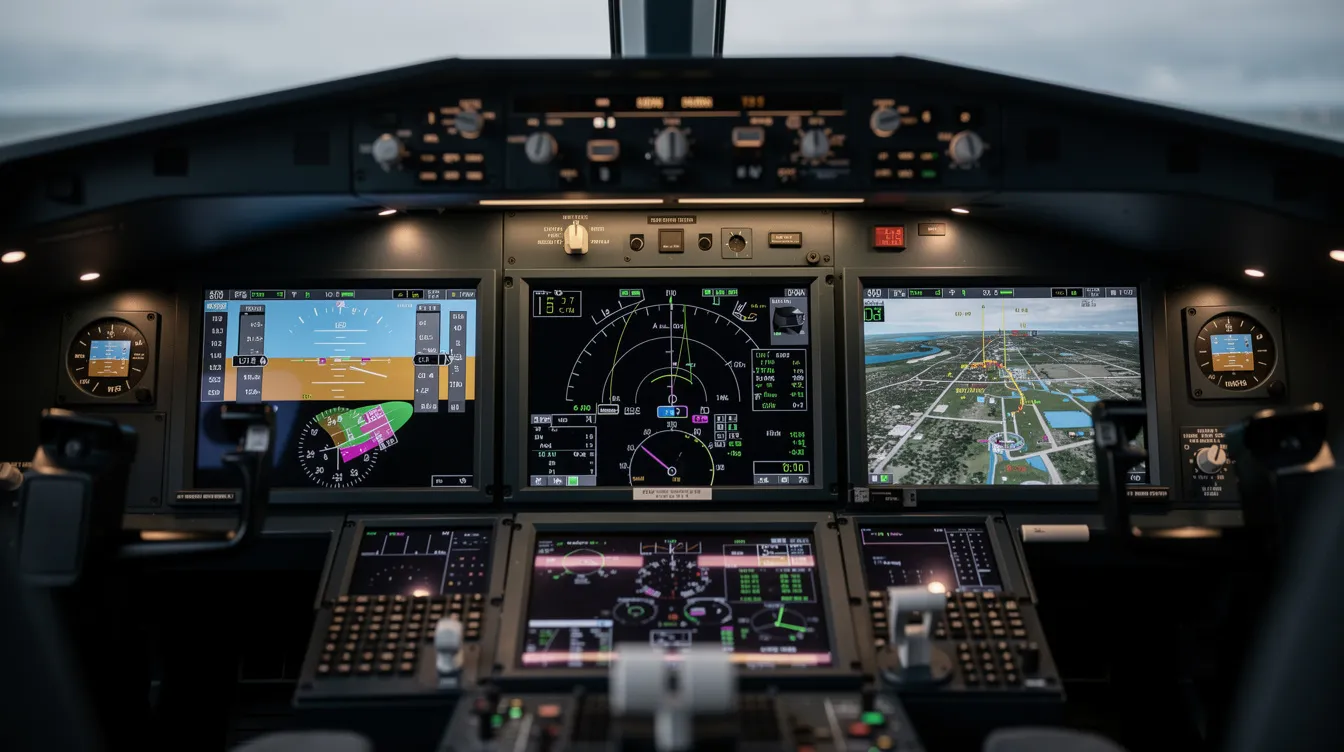
A factory-new Cessna 182 represents a dream airplane for many pilots wanting personal control and access to short, remote runways. Its popularity is partly due to its ability to access shorter airstrips, making it suitable for operations in areas with limited runway space—a key consideration for owners. But ownership ties up significant capital and requires time for maintenance coordination and regulatory compliance.
Private pilots flying 150–300 hours annually for regional trips
Backcountry access to strips with short takeoff distance requirements
Family visits within 600–800 nm max range
Seasoned pilot enthusiasts who enjoy hands-on flying and maintenance planning
Travelers flying only a few times per year
Trips covering 800–2,000+ nm in a single day
Groups regularly carrying more than 3 passengers plus luggage
Jettly’s inventory of light jets, turboprops, and midsize jets covers these missions with performance that the 182 simply cannot match, supported by a broad private charter aircraft network
Real-world example: Flying a personally-owned 182 from New York to Miami requires multiple fuel stops, 8–10 hours of flight time, and significant pilot fatigue. Chartering a light jet through Jettly covers the same route in 2.5 hours with four adults in comfort. The time savings alone often justify charter costs typically ranging from $3,000 to $4,500 per hour for light jets.
Consider a blended approach: owning a piston aircraft for local flying while using Jettly’s on-demand private jet charter and flexible private jet memberships for longer-range, time-critical trips.
Very few buyers pay cash outright. Most structure purchases are made through aviation lenders, leases, or partnerships. Careful budgeting proves crucial before signing a contract on a $700k+ Skylane.
Down payment: 15–25% of purchase price ($100,000–$180,000)
Interest rates: 4.5–6.5% through aviation lenders like AOPA Finance
Loan terms: 10–20 years
Monthly payments: $4,000–$6,000, depending on terms
Loan payments: approximately $50,000
Operating expenses: $15,000–$20,000
Engine/propeller reserves: $10,000
First-year total: $50,000–$70,000
Ownership structures include sole ownership versus partnerships. Sharing with 2–4 owners via an LLC can slash per-share costs 50–75%, though coordination adds administrative overhead and requires clear usage agreements.
The FAA recommends pilots understand all financial obligations before committing, including ongoing private jet operating costs. This contrasts sharply with the flexible, trip-by-trip budgeting of on-demand charter via platforms like Jettly—particularly attractive for business owners preferring to keep capital free for core operations rather than locked in aircraft equity.
A new Cessna 182 runs cleaner and more efficiently than older models, thanks to modern avionics and better engine management. However, operation still relies on leaded avgas in most regions, with industry transitions to unleaded alternatives ongoing. Performance specifications for the Cessna 182, such as takeoff distance and engine parameters, are typically calculated based on a standard day at sea level, providing a consistent basis for comparison.
Proper leaning techniques and engine monitoring reduce fuel burn 10–15% versus older predecessors
Many charter operators offer carbon offset programs through providers like TerraPass ($5–$10 per hour)
Modern RNAV/GPS routing cuts en route time 10–20%, lowering total fuel consumption
The Cessna 182 can take off or land over a 50-foot obstacle in less than 1,500 feet, meeting the U.S. Department of Defense's definition of STOL (Short Takeoff and Landing) aircraft
Private jet charters through Jettly can consolidate trips onto more fuel-efficient turboprops or light jets while still offering affordable private jet charter options compared with ownership
Some charter operators offer voluntary carbon offset options
Low operating costs per passenger mile improve when filling larger aircraft
The G1000 NXi’s flight planning tools, RNAV approaches, and direct routing capabilities help ensure safety while improving operational efficiency. Pilots benefit from reduced time in the air and lower total fuel used.
Environmental impact deserves consideration when choosing between owning a piston aircraft, chartering larger aircraft when needed, or combining both approaches, and whether shared charter flights vs. full charters better match your budget and sustainability goals.
Most current quotes place a new Cessna 182 Skylane in the mid-$600,000s for a basic configuration. Popular avionics upgrades, premium interiors, and mission equipment frequently push the final price toward $750,000 or higher. Maximum ramp weight and empty weight specifications remain consistent across configurations, but equipped pricing varies significantly by dealer and region. For the turbocharged T182T, the base price is $760,000 as of 2024, with total pricing ranging from approximately $600,000 to over $900,000 depending on configuration and options.<sup>[1][2]</sup>
Travelers comparing timelines for new aircraft deliveries often also explore the best private jet charter companies as an interim or long-term alternative.
Delivery timelines vary with Textron’s production backlog and dealer allocation. Buyers should expect anywhere from 6–12 months during low-demand periods to 12–24 months or more during peak demand. Strong general aviation markets as of early 2026 have extended wait times considerably.
Evaluating this trade-off resembles comparing options across a wide range of charter airlines and service models.
Ownership typically becomes financially competitive only when flying well over 100–150 hours annually at sea level or higher elevations. Travelers who only need a few trips per year usually spend significantly lower amounts overall by chartering aircraft through platforms like Jettly on an as-needed basis. Priced higher upfront, charter eliminates maintenance costs and capital commitment.
Textron typically provides manufacturer warranties covering the airframe for 2 years with unlimited hours and engine coverage for 2 years or 2,000 hours. Garmin avionics carry separate 2–5 year warranties. Buyers should confirm exact warranty coverage and duration in their specific purchase agreement, as terms may vary based on dealer arrangements.
A new 182 can serve certain commercial operations under Part 91 or Part 135 where regulations permit, including flight training operations with simple controls suited for student pilots. This requires appropriate certificates, maintenance programs, and commercial insurance. The ability to operate commercially adds complexity that many owners avoid. Travelers instead access professionally operated aircraft through Jettly rather than managing their own commercial operation with its regulatory burdens, relying on vetted Part 135 charter companies for safety and compliance.
2025–2027 Cessna 182T Skylane (new) — $650,000–$780,000. Factory-new, latest avionics, customizable options, warranties included.
2025–2027 Cessna T182T (turbocharged, new) — $760,000–$900,000+. Turbocharged engine, upgraded avionics, premium features.
2010s–2020s (used, G1000-equipped) — $350,000–$500,000+. Modern avionics, strong resale value, lower hours preferred.
1980s–1990s (used) — $150,000–$250,000. May require avionics upgrades, possible corrosion issues.
1960s–1970s (used) — $80,000–$150,000. Older airframes, likely in need of updates and refurbishment.
Most current quotes place a new Cessna 182 Skylane in the mid-$600,000s for a basic configuration. Popular avionics upgrades, premium interiors, and mission equipment frequently push the final price toward $750,000 or higher. Maximum ramp weight and empty weight specifications remain consistent across configurations, but equipped pricing varies significantly by dealer and region. For the turbocharged T182T, the base price is $760,000 as of 2024, with total pricing ranging from approximately $600,000 to over $900,000 depending on configuration and options.<sup>[1][2]</sup>
Travelers comparing timelines for new aircraft deliveries often also explore the best private jet charter companies as an interim or long-term alternative.
Delivery timelines vary with Textron’s production backlog and dealer allocation. Buyers should expect anywhere from 6–12 months during low-demand periods to 12–24 months or more during peak demand. Strong general aviation markets as of early 2026 have extended wait times considerably.
Evaluating this trade-off resembles comparing options across a wide range of charter airlines and service models.
Ownership typically becomes financially competitive only when flying well over 100–150 hours annually at sea level or higher elevations. Travelers who only need a few trips per year usually spend significantly lower amounts overall by chartering aircraft through platforms like Jettly on an as-needed basis. Priced higher upfront, charter eliminates maintenance costs and capital commitment.
Textron typically provides manufacturer warranties covering the airframe for 2 years with unlimited hours and engine coverage for 2 years or 2,000 hours. Garmin avionics carry separate 2–5 year warranties. Buyers should confirm exact warranty coverage and duration in their specific purchase agreement, as terms may vary based on dealer arrangements.
A new 182 can serve certain commercial operations under Part 91 or Part 135 where regulations permit, including flight training operations with simple controls suited for student pilots. This requires appropriate certificates, maintenance programs, and commercial insurance. The ability to operate commercially adds complexity that many owners avoid. Travelers instead access professionally operated aircraft through Jettly rather than managing their own commercial operation with its regulatory burdens, relying on vetted Part 135 charter companies for safety and compliance.
What is the current price range for a new Cessna 182 Skylane?
As of 2026–2027, a new Cessna 182 Skylane typically ranges from around $650,000 to $780,000, depending on configuration and selected options.
How much more does the turbocharged T182T version cost?
The turbocharged T182T variant usually starts at $760,000 and can exceed $900,000 when fully equipped with premium avionics and features.
What are the main factors that increase the final purchase price?
Avionics upgrades, interior customization, mission-specific equipment, regional taxes, dealer fees, and delivery charges all contribute to the total cost.
How do operating costs compare to the purchase price?
Annual operating expenses—such as fuel, maintenance, hangar fees, and insurance—can add $20,000 to $35,000 or more per year, depending on usage.
Is it more affordable to buy used instead of new?
Used Cessna 182s can be significantly less expensive, with prices from $80,000 to $500,000+, but often require additional investment in upgrades and maintenance.
How long does it take to receive a new Cessna 182 after ordering?
Buyers should expect delivery times ranging from 6–24 months, influenced by factory backlogs and order volume.
Does a new Cessna 182 come with a warranty?
Yes, new models typically include a 2-year factory warranty on the airframe and engine, with separate coverage for avionics.
Can a new Cessna 182 be used for commercial or charter operations?
Certain commercial uses are permitted with proper certification and insurance, though many owners prefer private or training use; charter platforms offer alternatives for those seeking commercial service.
A new Cessna 182 Skylane in 2025–2027 typically costs around $600,000–$780,000 out the door, depending on configuration and options.<sup>[1][3]</sup> Annual operating costs easily reach tens of thousands of dollars depending on utilization—with ongoing maintenance, fuel, and insurance adding up quickly.
Weighing the decision:
Pride of ownership, schedule control, and backcountry access appeal to dedicated pilots
Obligations include maintenance coordination, regulatory compliance, and hangar logistics
The high-wing design offers stability and generally easy handling for many pilots
For pilots flying often within a regional radius, the investment delivers genuine value. Flight schools and aerial photography operations also find the 182 well-suited to their missions. For occasional travelers, on-demand private flight solutions like Jettly provide far better value without capital commitment, especially when used as a NetJets alternative to traditional fractional ownership.
When evaluating the price of the new Cessna 182 against your actual travel needs, consider how the aircraft's age affects its value, condition, and ongoing operational costs—older models may be less expensive but can incur higher maintenance expenses. Also, assess whether the aircraft’s systems are in good condition and match your flying goals, as ensuring the functionality and safety of these systems is crucial for airworthiness. Compare newer models to older ones, understand what maximum takeoff weight and maximum landing weight mean for your typical missions, and factor in these considerations for a well-informed decision.
Ready to explore private travel on your terms? Compare ownership versus charter based on your real travel patterns. Use tools like Jettly’s airport locator tool, crowdsourced private jet flights and empty seat sharing, and jet card flight cost estimator, or explore world-class jet card programs. You can also learn how to buy a seat on a private jet, how to get a seat on a private jet easily, compare XO charter flights and smarter alternatives, review larger options such as the Boeing 737-800 charter details, or focus on regional services like private jet charter in Kolkata, West Bengal. Explore flight options or request a quote at https://www.jettly.com.
Share this post:
Jay Franco Serevilla
Apr 14, 2026
|
5
min read
Discover tips and trends in the industry.
5
min read
Business Class in Flight: Comfort, Cost, and Private Jet Alternatives with Jettly
Flying business class offers travelers enhanced comfort, priority services, and access to airport lounges, making long-haul flights more enjoyable. However, for those seeking ultimate privacy and flexibility, private jet charters through platforms like Jettly present a compelling alternative. This guide explores the benefits, costs, and comparisons between business class and private jet travel.
Read More
5
min read
Price of Helicopter Fuel: What It Really Costs to Fly
Understanding helicopter fuel prices is essential for charter flight customers, as fuel is the largest variable cost in helicopter operations. This article details current fuel prices, burn rates across various helicopter models, and regional price variations, helping customers make informed decisions. Jettly's transparent pricing model incorporates these factors, ensuring no surprises during booking.
Read MoreStay updated with our latest insights and tips to elevate your journey with us.
MEMBERSHIPS AND ASSOCIATIONS



Disclaimer: Jettly operates as a charter broker, offering access to a global digital jet charter marketplace. Jettly is not a direct air carrier and does not own or operate aircraft. All advertised flights are conducted by third-party air carriers that are fully licensed and hold the appropriate Part 135 or Part 121 certifications issued by the Federal Aviation Administration (FAA) or equivalent regulatory authorities under U.S. or foreign law. Jettly complies fully with the U.S. Department of Transportation's Part 295 and Part 298 Charter Broker regulations. Jettly does not carry additional liability insurance. Passengers are covered by aircraft operator insurance. TICO: 50023770


