


Login
Get Instant Pricing On 23,000+ Aircraft

>
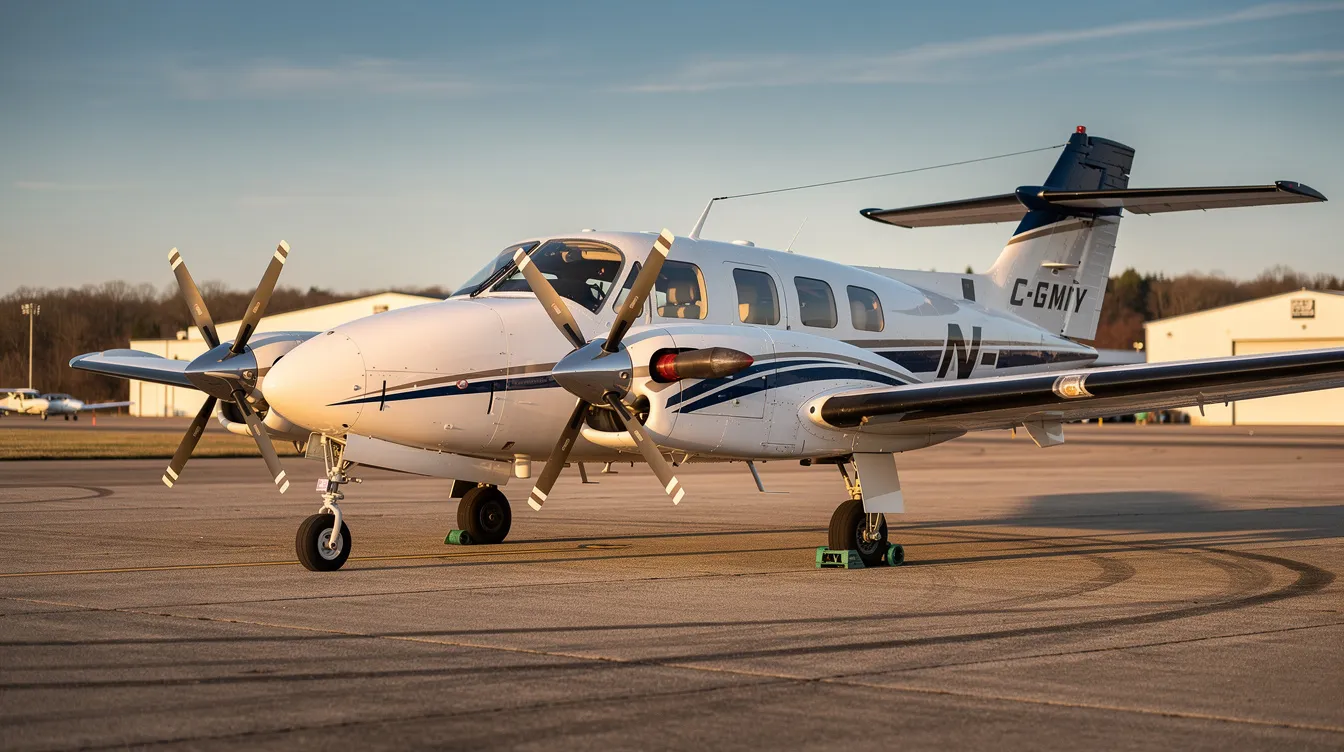
The Piper Seneca I, or PA-34-200, is the first-generation Piper Seneca: a six-seat light twin-engine aircraft introduced in the early 1970s with two 200 hp Lycoming IO-360 engines and a typical cruise speed of about 160 to 170 knots. It remains one of the most recognizable light twins in general aviation and continues to draw interest from private pilots, aircraft owners, and travelers seeking personal use, training, regional business flying, aircraft ownership, and on-demand charter.
Here’s what you need to know about the Piper Seneca I’s design, cabin layout, performance, operating limits, and how it fits into the broader PA-34 family and today’s market. For anyone deciding whether an aging light twin still makes sense to own—or whether access to newer Piper Seneca variants and comparable aircraft through platforms like Jettly is the more practical option—understanding the Seneca I’s strengths and tradeoffs is the starting point.
The Piper Seneca I (PA-34-200) was the first-generation Piper Seneca, powered by twin Lycoming IO-360 engines producing approximately 200 hp each, with a 6-seat layout and cruise speed around 160–170 knots.
Single-engine performance is the Seneca I's biggest limitation—its climb is weak at higher weights or density altitudes, making it better suited to low-terrain, fair-weather flying than to mountain or IFR-heavy operations.
Later variants like the Seneca II, Seneca III, and Seneca V offer turbocharged engines, improved handling, modern avionics, and stronger single-engine margins, which is why most air charter companies and training programs have moved on from the original model.
Realistic range with reserves is about 600–700 nautical miles, and acquisition prices on the used market sit well below those of later PA-34 models.
For travelers who fly occasionally, on-demand charter through a platform like Jettly typically offers access to newer PA-34 variants or comparable twins without the financial burden of owning a 50-year-old airframe.
The Piper PA-34 Seneca was first certified in 1971, and the Seneca I (officially PA-34-200) was the first production version. Piper developed it as a twin-engine version of the popular Piper Cherokee Six, retaining much of the fuselage and cabin design while adding a second engine for redundancy and multi-engine capability. The Piper PA-34 Seneca is a light twin-engine aircraft that typically accommodates one pilot and 5-6 passengers.
Production ran from roughly 1971 through 1974, after which Piper transitioned to the improved Seneca II (PA-34-200T). The Seneca I's typical mission profile when new included personal and business flying, multi-engine training, and light charter work for small feeder airlines and private individuals.
The layout is straightforward: low-wing, retractable landing gear, twin 200-hp Lycoming IO-360 engines in a counter-rotating arrangement, with the right engine's crankshaft turning in the opposite direction from the left. This counter-rotating engine setup reduces critical engine asymmetry during single-engine flight. The aircraft was not turbocharged, keeping systems simpler than those of later models.
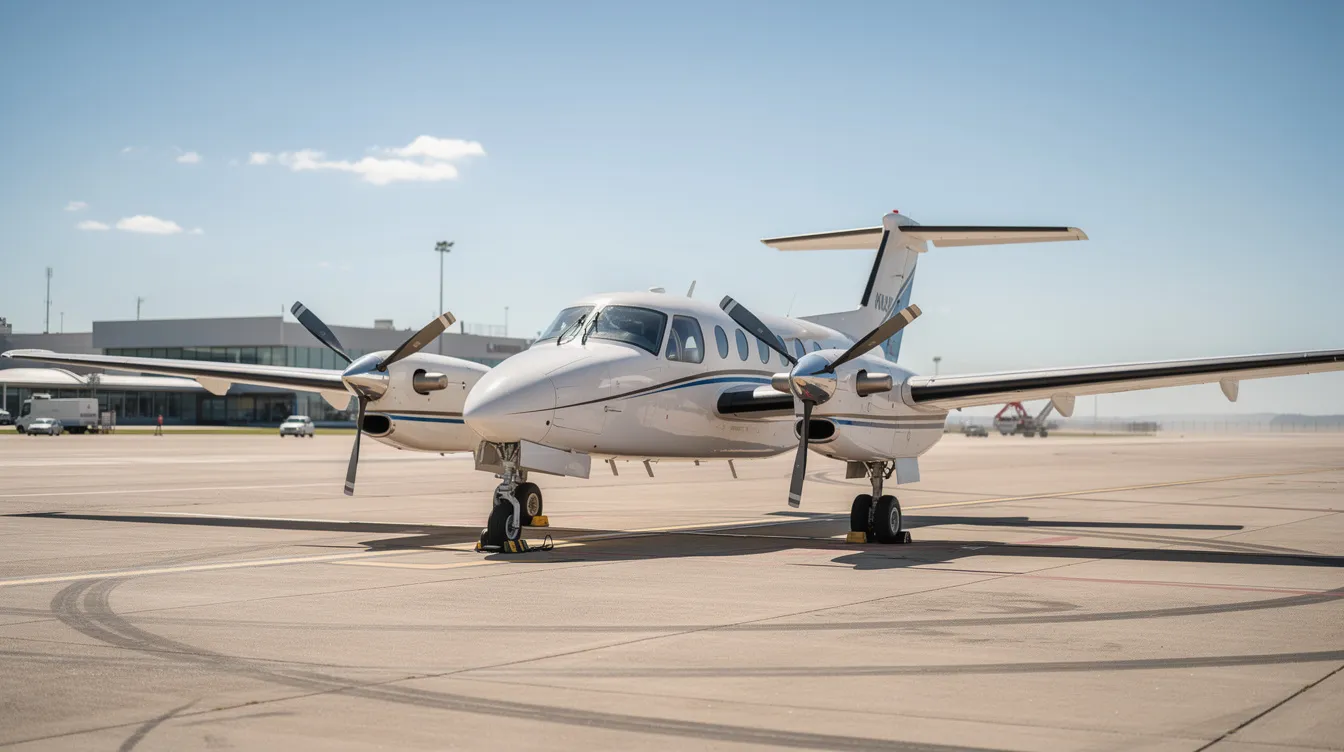
Understanding the Seneca I means comparing it with the models that followed. Each generation within the Piper PA-34 family addressed the limitations of its predecessor.
The Seneca I's roots trace back to the Piper Cherokee Six. Early design work even explored a three-engined design—a tri-motor aircraft concept with a nose engine—before Piper settled on the twin configuration. A third prototype and a subsequent test-flying program confirmed the twin layout, and during development, the wing dimensions were increased by two feet to support the aircraft's design evolution and handling before the prototype flew in its final form for certification. The original featured the Cherokee Six vertical tail, though a taller one appeared in later variants.
The Seneca II was introduced in 1974 with turbocharged engines—specifically, the Continental TSIO-360 E and EB—replacing the naturally aspirated Lycomings. The Seneca II retained the basic airframe but added enlarged control surfaces, a rudder anti-servo tab, and a stabilator bobweight for improved handling. Over 2,588 Seneca IIs were built during its production run, making it the highest-volume PA-34 variant.
The Seneca III (PA-34-220T) was introduced in 1981 with upgraded six-cylinder Continental TSIO-360-KB engines producing 220 hp with higher rpm limits. It also brought a one-piece windshield, optional electric flaps, and better cruise performance. Later models include refined instrument panels and 28-volt electrical systems.
The Seneca IV was certified in 1994 with a streamlined engine cowl and minor improvements, though production was limited. The Seneca V was introduced in 1997 with improved engine variants (TSIO-360-RB with intercoolers), redesigned cowls, relocated cockpit switches, and compatibility with modern avionics like Garmin GTN units and Garmin G1000 glass panels on later examples. The "T" Seneca designation applies to all turbocharged variants from the II onward.
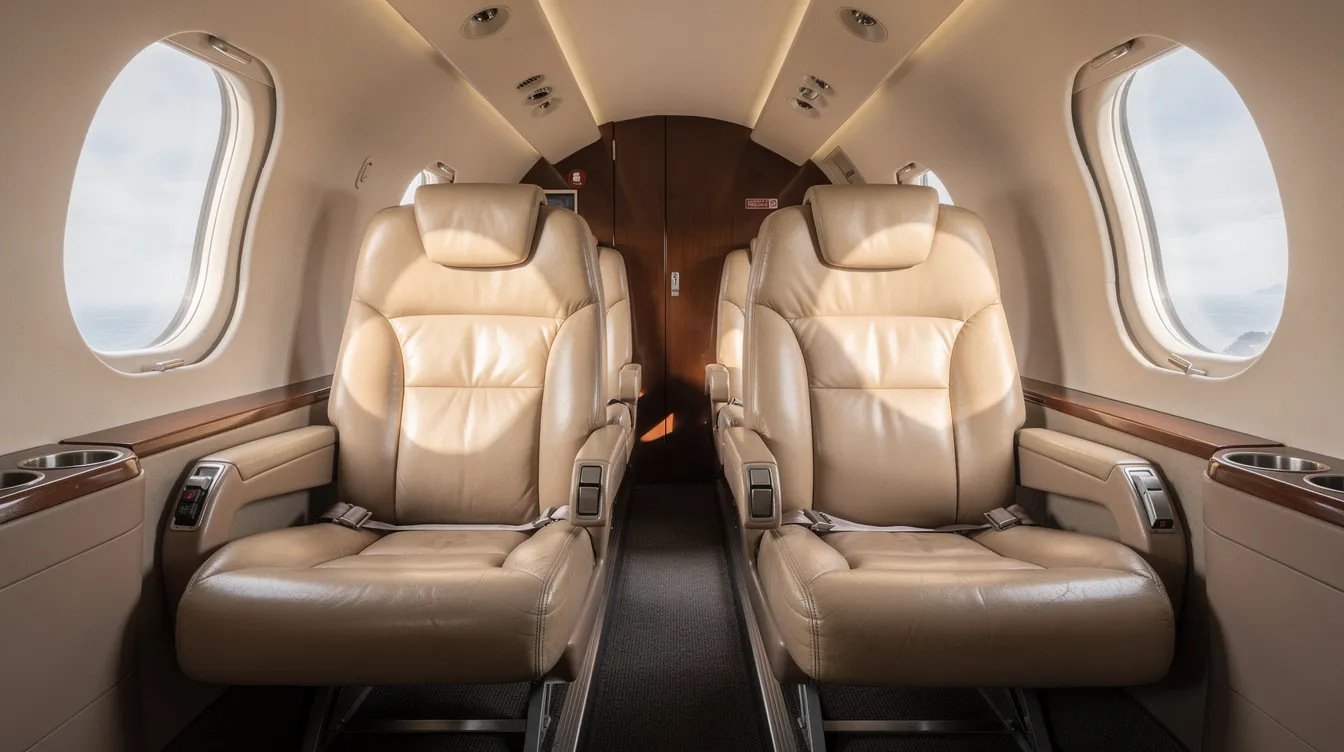
The PA-34-200 Seneca I cabin reflects its Cherokee Six heritage—practical, relatively spacious for its class, and functional rather than luxurious. The cabin width of the Seneca is 49 inches, with a relatively flat floor and decent headroom.
Seating follows a standard arrangement: pilot plus front passenger, with a 4-seat rear cabin. Club seating (facing seats) became common with the Seneca II, which offers optional club seating for more legroom. Passengers can enjoy a side-mounted writing table in the cabin on equipped models. Passenger comfort is enhanced in newer Seneca models with luxury interiors. The Seneca V features premium leather seats and luxurious carpets, along with excellent ventilation and air conditioning options.
Dual luggage compartments optimize weight distribution in the Seneca—a nose baggage area and a rear compartment. The useful load when new sits in the 1,300–1,400 lb range, though actual figures depend on installed equipment and any modifications over the decades.
Typical missions relevant to Jettly's audience include short-haul regional business meetings, weekend getaways to secondary airports, which can be found using an airport locator tool, and training flights requiring multi-engine experience. Modern charter clients, however, generally experience later Seneca variants or comparable piston twins and turboprops with upgraded interiors and avionics.
The Seneca I's performance is adequate for low-to-moderate terrain and shorter routes, but it is widely regarded as less capable than later PA-34 models. The aircraft is equipped for IFR conditions, and the Seneca offers significant payload flexibility and redundancy thanks to its twin-engine setup.
Core Seneca I figures:
Cruise speed: approximately 160–170 knots at typical altitudes
Fuel burn: 24–28 gallons per hour total (both engines)
Practical range: roughly 600–700 nautical miles with IFR reserves
Empty weight: 3,212 lb (1,457 kg)
For later PA-34 variants, the numbers improve considerably. The Piper Seneca has a maximum speed of 204 knots, a cruise speed of 188 knots, and a rate of climb of 1,550 ft/min. The maximum takeoff weight is 4,750 lb (2,155 kg) on later models, and the stall speed is 61 knots across the family.
Single-engine performance is the Seneca I's most discussed limitation. Climb on one engine is often described as "anemic," especially at higher max takeoff weight or in hot conditions. Pilots consistently note the aircraft is better suited to flat terrain and conservative dispatch decisions. The nose gear is also reported as less robust than on the Seneca III and later, making smooth surfaces and proper technique important.
By contrast, the Seneca II and Seneca V deliver improved control feel, higher single-engine service ceilings, and better climb margins—qualities that make them far more common in today's charter and training fleets and in the broader ecosystem of charter airlines and private operators. For a comparison with other twins, see the Baron 58 cruise speed and performance guide.
|
Feature |
Seneca I (PA-34-200) |
Seneca II (PA-34-200T) |
Seneca V (PA-34-220T) |
|---|---|---|---|
|
Engine Type |
Lycoming IO-360, 200 hp |
Turbocharged Continental TSIO-360 E/EB |
Turbocharged Continental TSIO-360 RB |
|
Cruise Speed (knots) |
160–170 |
~180 |
188 |
|
Max Takeoff Weight (lbs) |
4,570 |
4,570 |
4,750 |
|
Single-Engine Climb |
Limited, "anemic" |
Improved with enlarged control surfaces |
Best in series with intercoolers |
|
Control Surfaces |
Standard |
Enlarged ailerons, rudder anti-servo tab |
Further refinements, stabilator bobweight |
|
Cabin Features |
Basic seating, 49" width |
Optional club seating |
Premium leather, air conditioning |
|
Avionics |
Analog instruments |
Upgraded panels |
Garmin G1000 glass cockpit |
|
Typical Use |
Personal, light charter, training |
Business, IFR training, charter |
Charter, business, advanced training |
Many pilots encounter the Piper Seneca I as a used aircraft option rather than in active charter service. The Seneca is popular for business transportation and instrument flight training, but cost dynamics for ownership differ significantly from chartering through a platform like Jettly or exploring affordable airplane rental options.
Acquisition prices for a well-maintained Seneca I sit around $130,000–$150,000 on the current used market—well below later variants. The average price for a used Piper Seneca across all models is approximately $500,000, reflecting the premium that Seneca III and Seneca V command. Twin-engine maintenance and insurance costs run notably higher than for similar-era single-engine Piper PA aircraft, which is why many buyers first study how much a private jet costs before deciding how much capital to tie up in an aircraft.
Parts support for the Seneca I remains feasible through the broader PA-34 and Piper ecosystem, including facilities near Piper's headquarters in Vero Beach. But owners should factor in the age of these airframes—often 50+ years—when budgeting for maintenance and refurbishment, including items like bare-metal instrument panel replacements or cockpit switch upgrades.
Community sentiment among pilots often points toward skipping Seneca I ownership in favor of the Seneca II or other airplanes like the Twin Comanche, Beechcraft Baron, or Cessna 310 if cruise performance and resale value are priorities. For many travelers, on-demand charter of newer PA-34 Seneca variants removes ownership risk entirely and aligns better with the hourly economics discussed in guides on how much it costs to rent a private jet.
While the Seneca I played an important role in early multi-engine charter and training, most commercial operators now favor the Seneca II, Seneca III, Seneca V, or comparable new aircraft. The Piper Seneca is suited for short-haul business trips, but regulatory expectations and customer comfort standards have shifted.
Historically, the Seneca I served regional air taxi services, air charter companies in low-terrain regions, and multi-engine flight schools. ACMI wet lease rates vary by aircraft age and lease terms, and charter rates depend on journey length and airports served, similar to how modern brokers connect travelers with private jet operators like Dexter Air Taxi. Today, fewer Seneca I airframes remain in active charter fleets as operators have upgraded to models operated with turbocharged engines, modern avionics, and better single-engine margins.
Example charter scenarios well-suited to a PA-34 or similar twin include short hops like Toronto–Ottawa or Miami–Nassau, last-minute business trips where access to smaller airports is critical, and regional leisure trips with small groups. Travelers can even use a private jet charter cost estimator to compare these missions with other aircraft types. A platform like Jettly connects travelers with these aircraft through verified operators, removing the complexity of evaluating individual legacy airframes.
Jettly is a digital private aircraft charter marketplace giving users access to a wide network including Piper PA-34 Seneca variants, other piston twins, turboprops, and jets via its curated private charter aircraft inventory. The platform offers on-demand charter with instant pricing, transparent cost breakdowns, and online booking—so travelers do not need to purchase or manage older aircraft like the Piper Seneca I.
Jettly's inventory spans more than 20,000 aircraft worldwide. Users can select aircraft categories based on mission, budget, and passenger count or enroll in private jet memberships if they fly frequently. Charter options include personalized quotes based on requirements. The platform emphasizes verified operators, safety standards, and regulated charter flights, including oversight of maintenance and crew qualifications through small aircraft leasing and charter frameworks.
Travelers can charter ad hoc or explore membership options for frequent flyers seeking lower per-flight costs while applying tips for booking the cheapest private jet flights to keep budgets under control. Whether you're considering a pressurized Navajo, a landing at a regional strip, or simply comparing takeoff performance across aircraft, Jettly simplifies the process.
Ready to experience private travel on your terms? Explore flight options or request a quote at jettly.com.
A well-maintained Seneca can still serve for personal flying in low-terrain regions with fair weather. However, most modern private travelers prefer later PA-34 variants like the Seneca II or Seneca V, which offer stronger single-engine performance, updated avionics, and air conditioning. For those who fly only occasionally, on-demand charter through Jettly often makes more financial and practical sense than buying an older Seneca I.
The Seneca II introduced turbocharged Continental TSIO-360E engines, improved handling through enlarged control surfaces, and optional club seating. These upgrades make it more capable for IFR training, higher-altitude routes, and charter operations with better speed and safety margins. Many flight schools and charter operators upgraded to the PA-34-200T or Seneca III for these reasons.
The availability of specific Piper Seneca models depends on the region and the operator. Users can work with Jettly's team to request a PA-34-class aircraft or propose alternatives with similar seating and performance. When a specific model is not available, Jettly can typically source comparable piston twins or turboprops that meet the same flight profile.
On-demand charter, membership-based private flying, or occasional upgrades to light jets for longer routes are all accessible through Jettly. These options avoid capital outlay, hangar costs, maintenance surprises, and crew management while still offering access to aircraft in the Seneca's performance bracket—or pretty good upgrades beyond it. Travelers comparing options can start by understanding the cost of a private flight before committing to any ownership path. Learn more in Jettly's charter flights guide.
Regional business hops of 200–500 nm, family trips to secondary airports not well served by airlines, and multi-stop days where direct access and schedule control matter more than top speed. These missions play to the PA-34's strengths in cabin space and short-field access. For broader price comparisons across aircraft categories, Jettly also outlines how it offers affordable private jet charter. Explore available aircraft and example pricing at jettly.com.
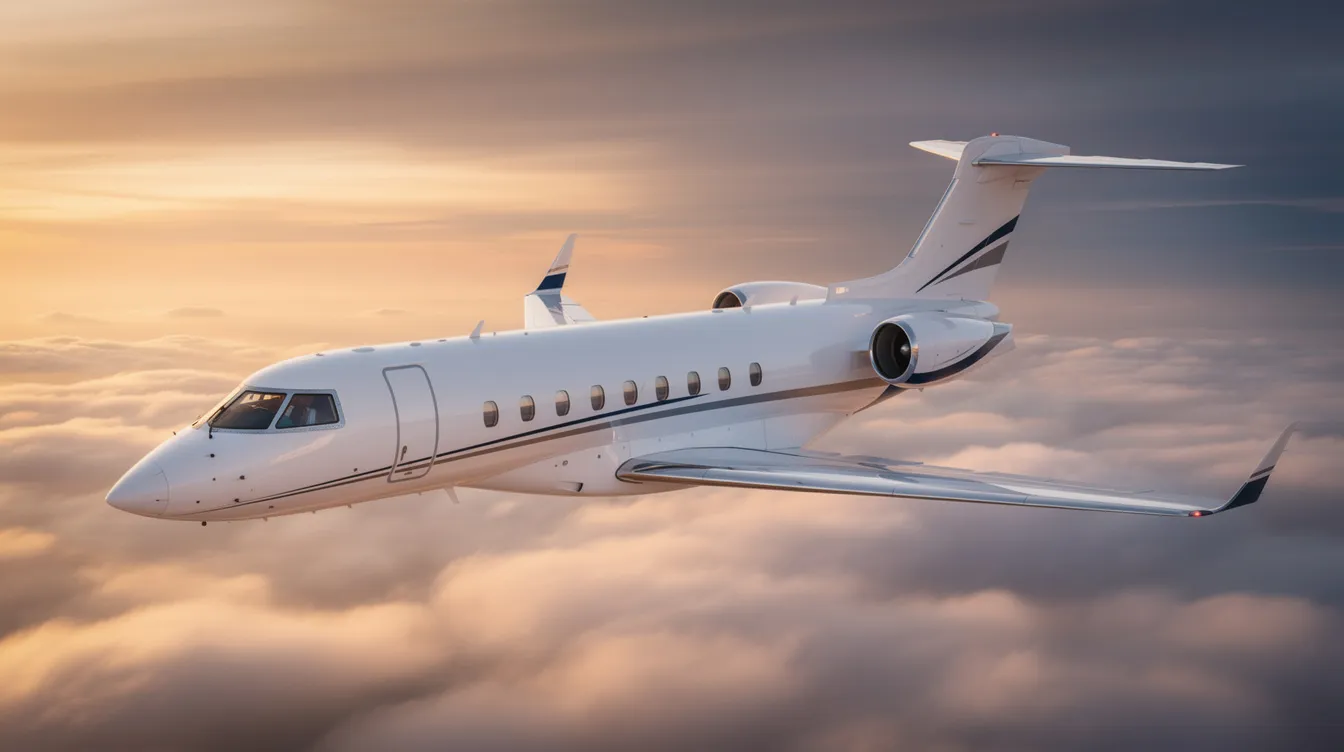
The Piper Seneca I remains a notable aircraft in the history of light twin-engine planes, offering solid performance and practical cabin space for its era. However, its limitations in single-engine climb performance and its dated systems make it less suited to modern private travel than later PA-34 variants. For travelers seeking the benefits of Piper aircraft with enhanced safety, comfort, and efficiency, platforms like Jettly provide convenient access to newer Seneca models and comparable aircraft without the complexities of ownership.
Jettly’s digital private jet charter marketplace connects users instantly with a global network of aircraft, including Piper Senecas, offering transparent pricing, easy booking, and flexible options tailored to business or leisure travel needs. Whether you want to experience the Piper Seneca’s capabilities or explore other aircraft in its class, Jettly simplifies private flight access with verified operators and personalized service. Learn more about Jettly’s charter options at https://www.jettly.com.
Ready to experience private travel on your terms? Explore flight options or request a quote at https://jettly.com/.
Share this post:
Jay Franco Serevilla
Jul 3, 2026
|
5
min read
Discover tips and trends in the industry.
5
min read
Best Time to Buy International Airline Tickets to Europe
Finding the best time to buy international airline tickets to Europe can save travelers hundreds of dollars. Booking 3 to 7 months in advance typically yields the best prices, especially during shoulder seasons. This guide offers insights on timing, fare tracking, and alternative airports to maximize savings and flexibility.
Read More
5
min read
When Do Plane Tickets Get Cheaper? Timing Your Booking for Better Flight Prices
Understanding when plane tickets get cheaper is essential for travelers looking to save on airfare. Generally, booking domestic flights 1 to 3 months in advance and international flights 2 to 8 months ahead yields the best prices. Factors like travel dates, day of the week, and seasonality significantly impact ticket costs, making it crucial to stay flexible and track fare changes.
Read MoreStay updated with our latest insights and tips to elevate your journey with us.
MEMBERSHIPS AND ASSOCIATIONS



Disclaimer: Jettly operates as a charter broker, offering access to a global digital jet charter marketplace. Jettly is not a direct air carrier and does not own or operate aircraft. All advertised flights are conducted by third-party air carriers that are fully licensed and hold the appropriate Part 135 or Part 121 certifications issued by the Federal Aviation Administration (FAA) or equivalent regulatory authorities under U.S. or foreign law. Jettly complies fully with the U.S. Department of Transportation's Part 295 and Part 298 Charter Broker regulations. Jettly does not carry additional liability insurance. Passengers are covered by aircraft operator insurance. TICO: 50023770


