


Login
Get Instant Pricing On 23,000+ Aircraft

>
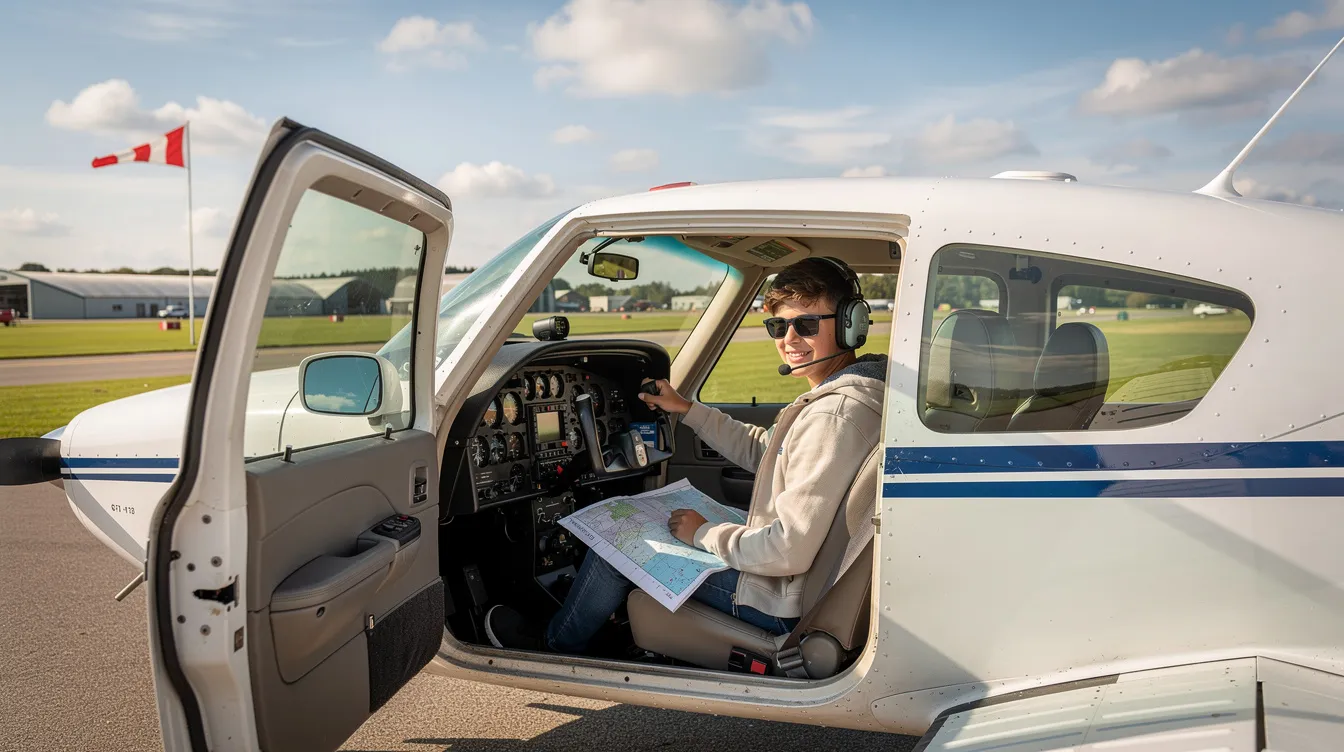
The pilot training price in 2026 ranges from a few thousand dollars for a basic sport pilot certificate to well over $100,000 for a full career-track program. This guide is for aspiring pilots, career changers, and anyone budgeting for flight training in the U.S. Whether you're an aspiring pilot exploring a first discovery flight or planning a professional aviation career, knowing the real flight school cost at every stage helps you budget with confidence. Understanding the full cost of pilot training helps you avoid surprises and plan your aviation journey with confidence.
Total flight training costs in the U.S. span roughly $4,500 for basic sport pilot training up to $130,000 or more for zero-to-airline programs. The final cost depends on your training goal, school type, and how consistently you train.
Here are the key milestones and average pilot training costs in 2026:
|
Training Milestone |
Typical Price Range |
|---|---|
|
Discovery flight |
$120–$250 |
|
Sport Pilot certificate |
$4,500–$8,000 |
|
Private Pilot License (PPL) |
$9,800–$15,000 |
|
Instrument Rating |
$8,000–$14,000 |
|
Commercial Pilot License (after PPL/IR) |
$20,000–$35,000 |
|
Multi-Engine Rating |
$4,000–$8,000 |
|
Full career-track (zero to commercial + instructor) |
$70,000–$110,000 before living costs |
|
Flight training costs depend heavily on aircraft rental rates, flight instructor fees, geographic location, and training frequency. Most students need more flight hours than the FAA minimum, which pushes the total cost above published estimates. |
Jettly focuses on private jet charter rather than primary pilot training, but understanding pilot training price helps its audience evaluate the professionalism and training quality behind every charter flight they book.
The total flight school cost starts with one question: what do you want to do with your pilot certificate? A weekend hobby requires a fraction of the investment needed for an airline pilot career.
Here is how typical 2026 price bands break down by goal:
Recreational / Sport Pilot: $4,500–$8,000. Lighter aircraft, fewer regulatory requirements, minimal flight hours.
Private pilot for personal travel: $9,800–$15,000. Covers 50–70 flight hours, ground instruction, FAA exams, and a private pilot certificate.
Private + Instrument for serious non-career flying: $15,000–$30,000 combined. Adds IFR capability for safer, all-weather flying.
Career-track through commercial pilot license and instructor ratings: $70,000–$110,000+. Includes private pilot training, instrument rating, commercial training, and CFI training.
A one-hour discovery flight—typically $120 to $250—is the lowest-risk way to test interest before committing thousands. Many flight schools offer introductory packages that credit the discovery flight toward a full training program.
Professional pilot career programs require far more training time, advanced ratings, and multi-engine aircraft, which explains the steep jump in private pilot license cost compared to the full career path. Students plan their budget around the endpoint, not just the first certificate.
In the current U.S. market, most comprehensive career-track programs run between $70,000 and $110,000 for tuition and training alone. Some accelerated academies—like ATP flight school formats—quote $85,000 to $150,000 when extras, housing, and contingency hours are factored in.
The main cost components that drive total training cost:
Aircraft rental: Single-engine aircraft wet rates typically run $130–$220 per hour. Multi-engine twins often cost $275–$375 per hour.
Flight instructor time: Flight instructors typically charge between $50 and $100 per hour for dual instruction.
Ground school: Online or classroom courses range from $300 to $1,500+.
Simulator sessions: $60–$120 per hour. Simulator training (using a flight simulator device to practice procedures and maneuvers on the ground) can reduce overall training costs by replacing some aircraft time.
FAA exams and checkrides: FAA written exam fees are approximately $175 per test, and checkride examiner fees typically range from $700 to $900. Students typically spend an additional $1,500 to $2,500 on exams and fees per certificate.
Books, headsets, and pilot supplies: Budget $500–$1,600 for materials and equipment.
"All-in" packages often bundle private pilot, instrument rating, commercial pilot certificate, and instructor ratings into a single training program. Modular schools price each certificate separately, offering more flexibility but higher risk of cost overrun.
Students should always ask whether estimates are based on FAA minimum hours or realistic averages. Most students need 50–70 hours for a PPL and 190–250 total hours for a CPL, depending on whether training falls under Part 141 or Part 61. Part 141 is a structured flight training program requiring a minimum of 35 flight hours for a private pilot certificate. Part 61 is a more flexible training path, allowing students to train at their own pace, but typically requires a minimum of 40 flight hours for a private pilot certificate.
Flight school cost figures rarely include housing, food, or transportation. For a 9–12 month program, these can add $10,000–$20,000 or more, similar to how understanding affordable aeroplane rental options and costs requires looking beyond headline hourly rates.
The private pilot license cost is usually the first major investment, and it sets the foundation for every advanced rating that follows. For a deeper look at lesson-by-lesson pricing, see Jettly's guide on pilot lessons cost.
In 2026, U.S. price ranges for a PPL look like this:
Typical total: $9,800–$15,000
Lower range: Rural schools with older trainers and lower overhead
Higher range: Busy metro areas with modern glass cockpit aircraft
Here are the main cost drivers:
Aircraft rental: A Cessna 172 or similar single-engine aircraft rents for roughly $150–$220 per hour wet, with a national median around $165 per hour.
Flight instructor fees: $50–$90 per hour, with a median near $66.
Ground school: Online or classroom, $300–$1,000 for materials and course access. Ground school efficiency can lower training expenses significantly by reducing time spent reviewing concepts in the aircraft.
FAA written exam: Approximately $175. Checkride fees run $700–$900 depending on the FAA designated pilot examiner.
Training under Part 141 requires a minimum of 35 flight hours for a private pilot certificate, but flight students typically log 50–70 hours before passing the practical exam. Training gaps, weather cancellations, and scheduling delays push costs upward.
Strategies to respect the initial budget:
Train consistently—fly two to four times per week to retain skills.
Prepare thoroughly at home before each lesson using ground study and practice procedures.
Use a simulator or chair-flying to reduce wasted aircraft time on fundamentals.
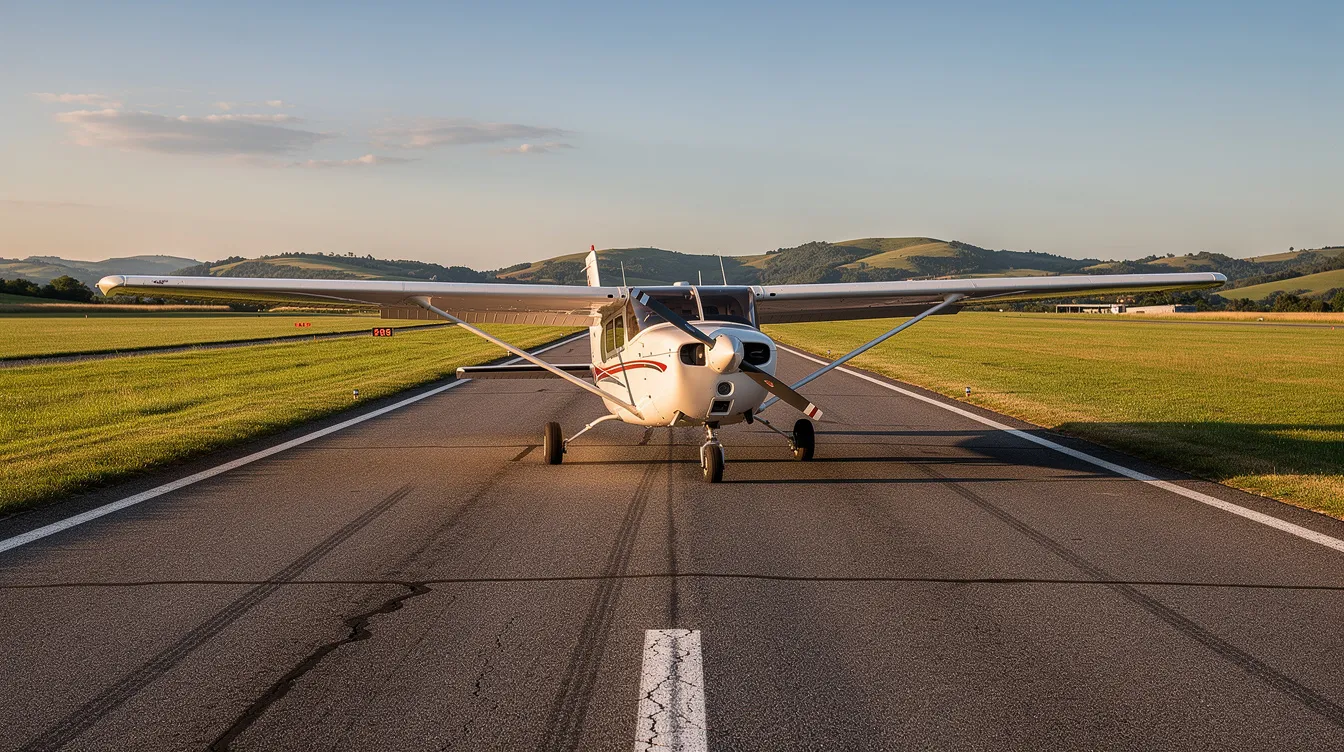
Moving beyond recreational flying into a professional aviation career requires stacking additional certificates: an instrument rating, a commercial pilot license, and often multi engine and certified flight instructor ratings.
Realistic 2026 ranges for each:
Instrument rating: $8,000–$14,000, depending on simulator usage and aircraft type. An Instrument Rating is an advanced qualification that allows pilots to fly under instrument flight rules (IFR), enabling safe flight in low visibility and clouds.
Commercial Pilot License: $20,000–$35,000 beyond PPL and IR. CPL training costs vary based on aircraft type and hours needed. Part 141 requires a minimum of 190 flight hours for CPL, while Part 61 requires a minimum of 250 flight hours.
Multi-Engine Rating add-on: $4,000–$8,000, depending on required hours and twin-engine aircraft rental rates. A Multi-Engine Rating qualifies pilots to operate aircraft with more than one engine, expanding career opportunities and aircraft options.
Certified Flight Instructor (CFI) training: $5,700–$15,000. CFII (instrument instructor) and MEI (multi-engine instructor) add several thousand more.
Career-track packages—covering the full training path from zero time through commercial and at least one instructor rating—generally quote $70,000–$110,000 for total costs. Training on advanced avionics and multi engine aircraft rental (often $275–$375 per hour) significantly increases upper-level training price.
For students completing cross country flying requirements, time-building hours toward commercial minimums represent a significant portion of the program cost.
Not all programs include the same elements, which makes headline prices difficult to compare. A missing line item can mean hundreds or thousands in unexpected charges.
Common inclusions in comprehensive training program pricing:
Aircraft rental with fuel for a defined number of flight hours
Flight instructor and ground instructor time
Access to ground school courses and training materials
Simulator sessions for instrument and emergency practice procedures
Basic pilot supplies (headset, logbook, charts) in some fixed-price packages
Costs often excluded from base quotes:
FAA exams and checkride fees (budget $1,500–$2,500 per certificate)
FAA Medical Certificate, which costs between $100 and $250
Headsets and electronics (iPad, EFB subscriptions)
Additional hours beyond syllabus minimums
Housing, commute, and visa fees for international students
Always request a line-item breakdown from every school. Check whether retake fees and extra flight hours are capped or billed at standard hourly rates. The most transparent schools treat exam and materials fees the way Jettly treats charter costs—itemized and predictable—helping student pilots avoid surprise expenses.
Many flight schools use a pay as you go model: students are billed per hour of aircraft rental plus instructor time. This can feel affordable at first, but the total pilot training price becomes unpredictable without a structured plan, much like general aircraft rental processes and costs where fees accumulate based on actual usage.
Typical 2026 hourly ranges:
|
Cost Component |
Hourly Rate |
|---|---|
|
Single engine aircraft rental (Cessna 152/172, Piper Archer) |
$130–$220/hr |
|
Multi-engine aircraft rental (Piper Seminole, Beechcraft Duchess) |
$275–$375/hr |
|
Flight instructor (dual instruction or ground) |
$50–$100/hr |
|
Simulator sessions |
$60–$120/hr |
|
Aircraft rental is usually billed based on Hobbs time—the engine running clock. Long taxi delays, holding patterns, and idle time all count. At busy controlled airports, you may lose 10–15 minutes of paid flight time before ever leaving the ground. |
Lower hourly rates do not always mean a lower total cost. A major difference between schools is efficiency: a well-structured training program with experienced instructors can reduce total hours to completion, saving thousands even at a higher hourly rate. Compare both hourly rates and realistic hours-to-completion for each pilot license or rating.
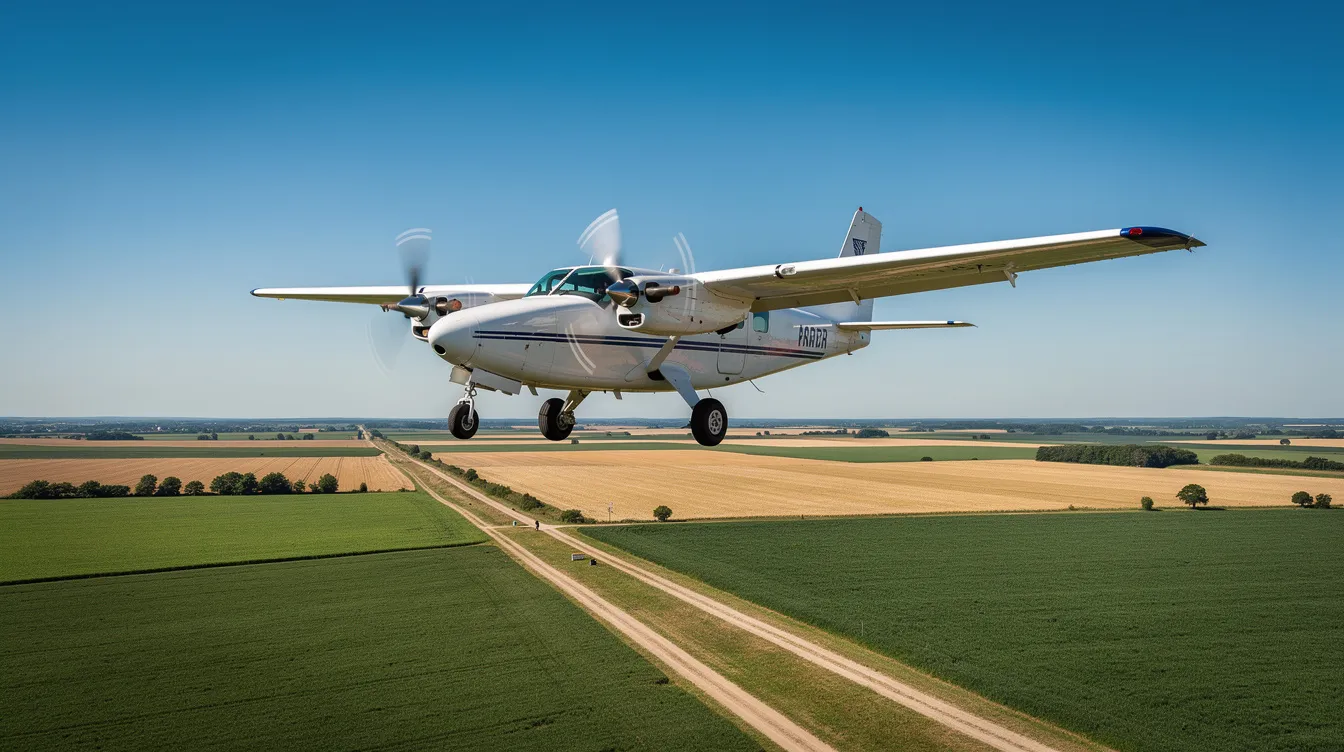
Flight training costs are only part of the picture. Living expenses can nearly double the total investment for full-time flight students who relocate for training.
Typical 2026 monthly ranges in U.S. training hubs:
Housing near mid-size airports: $800–$1,400/month (shared vs. solo)
Food and daily expenses: $350–$700/month
Transportation and insurance: $200–$500/month
Over a 9–12 month intensive program, these costs add $10,000–$20,000 or more—especially in large metro areas. Domestic students often underestimate this line item.
International students face additional expenses: visa processing, SEVIS fees, TSA clearance, initial travel, and health insurance, often totaling an additional $2,000–$4,000.
Prospective student pilots should also factor in lost income or reduced working hours during training when calculating the true pilot training price. The opportunity cost of pausing a career for 12 months can rival the tuition itself.
Fixed-price programs help students budget for total training costs with a single, predictable number. Pay-as-you-go training allows flexible payment for each lesson but can result in higher final bills if training drags out.
Advantages of fixed-price programs:
Known total tuition for a defined sequence of ratings
Often include aircraft rental, instructor time, ground school, and at least one exam attempt
Easier to finance through loans or sponsorships because of clear totals
Advantages of pay-as-you-go:
Suitable for hobby pilots or those only seeking a private pilot or sport pilot certificate
Allows training to pause for work or family commitments
Lower upfront commitment—no need to pay the full cost upfront
Surprise costs in pay-as-you-go systems typically come from extra review flights, repeated checkrides, and longer-than-planned training gaps. Students complete programs faster when they commit to a consistent schedule.
The analogy to private jet charter is useful here: just as Jettly offers transparent, on-demand pricing instead of complex ownership commitments and helps travelers understand the full costs of private jet ownership and charter, aspiring pilots should seek programs with clear terms and no hidden fees.
Many pilot candidates use a mix of savings, loans, veteran benefits, and scholarships to manage flight school costs. Financing options have expanded as the aviation industry faces a pilot shortage.
Main financing avenues:
Private student loans are common for flight training financing, available through banks or specialist aviation lenders.
Co-signed or income-share arrangements offered by some training programs.
Federal financial aid where training is linked to an accredited college or university.
GI Bill benefits can cover approved flight training for veterans enrolled in Part 141 schools, with a maximum tuition benefit of $17,661.89 under the Post-9/11 GI Bill in 2026.
Aviation scholarships are offered by various organizations annually, including AOPA, EAA, and Women in Aviation.
Practical steps to control overall pilot training price:
Obtain a precise written cost estimate for each training program before enrolling.
Plan training frequency and work schedule in advance. Students plan better when they see the full timeline.
Set aside a contingency budget of 10–20% for extra hours and checkride retakes.
Compare loan interest costs and payback periods against expected commercial pilots' earnings in your region. High-earning pilots often later choose time-saving solutions like private jet charter once their career path is established, especially after they understand detailed private jet operating costs and trade-offs.
Three controllable variables—training frequency, training environment, and aircraft choice—have a major impact on total cost beyond posted prices. Total piloting costs can vary based on training type and efficiency, location, and aircraft rental.
Training frequency:
Flying 3 to 5 times a week helps retain piloting skills better than flying less frequently. Training frequency affects total flight hours needed—long gaps between flight lessons lead to relearning, more flight time, and higher cost.
Location and airspace training:
Busy, controlled airports provide valuable ATC and airspace training experience but may increase Hobbs time due to taxi and holding.
Less congested fields can offer more actual flying per hour, lowering total hours required for each pilot certificate.
Beyond training, many new pilots eventually explore affordable aeroplane rental choices and pricing and broader aircraft rental processes for personal or business travel once they are licensed.
Aircraft and avionics:
Older trainers with basic instruments may rent cheaper per hour but require more time to build modern aircraft proficiency. Aircraft type significantly impacts training costs.
Newer modern glass cockpit aircraft cost more per hour but align better with contemporary airline and business aviation fleets, including advanced aviation technology found in many charter aircraft and in Jettly's private charter aircraft fleet.
The efficient path forward: prioritize consistent training and well-maintained engine aircraft, even if hourly costs are slightly higher. Skill development happens faster with regularity, reducing the total training cost and how many hours you ultimately need.
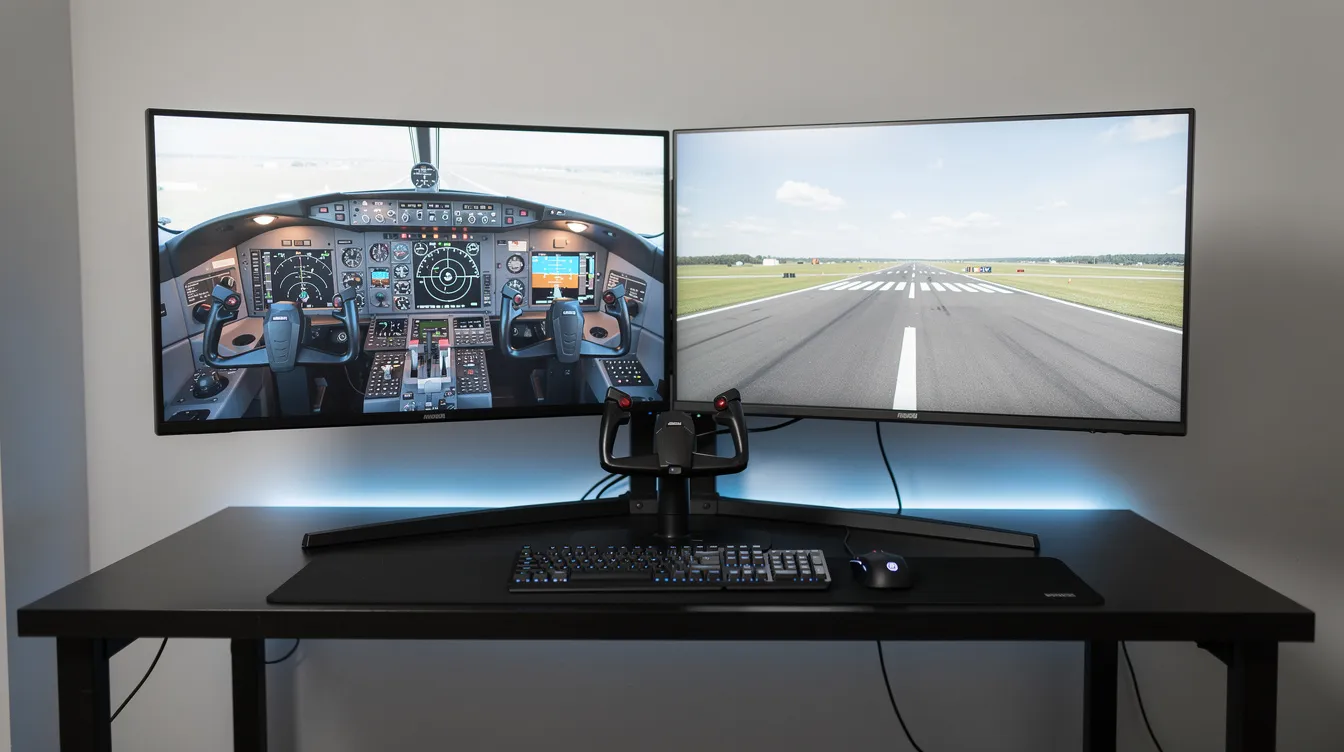
Whether flight training costs are "worth it" depends entirely on your long-term plans. A recreational private pilot has a different return on investment than someone chasing an airline transport pilot certificate.
Key factors for evaluating ROI:
Expected career path: Flight instructor, regional airline pilot, corporate pilot, or charter pilot. Each has a different timeline to profitability.
Time horizon: Most pilots need 1–3 years after starting training to reach income-earning roles. Time building through instructor or commercial training positions is part of the process.
Earning potential: Senior airline and corporate captains earn six-figure salaries. The median cost of a full professional pilot program ($70,000–$110,000) can be recouped within a few years of full-time commercial flying.
Personal budget tolerance: Flight experience is cumulative—every hour logged has lasting value, but the initial outlay requires commitment.
For those who only want occasional recreational flying, a lower-cost sport pilot or carefully budgeted private pilot path makes more financial sense than full commercial training.
Structured planning, realistic budgeting, and consistent training are what ultimately make pilot training price a manageable, high-value investment—especially when aligned with a clear aviation career or travel goal.
While pilot training builds the skills to operate aircraft, many high-net-worth individuals and executives ultimately choose to charter rather than personally pilot every trip, especially when they understand how private jet charter pricing works and how to keep it affordable. The skill sets overlap, but the use cases diverge.
Jettly's private jet charter platform and global aircraft network offers:
Digital access to 20,000+ aircraft worldwide
Instant pricing and booking for on-demand flights, supported by tools like Jettly's jet card flight cost estimator
A transparent cost structure with no long-term ownership commitments, reinforced by flexible private jet membership options
Training is a long-term skills investment. Charter is a time-saving, flexible travel solution for those whose primary focus is business or lifestyle—not operating the aircraft themselves. Some Jettly charter customers are pilots who progressed from initial flight experience to professional roles, then later value private jet charter to maximize their own time, often choosing Jettly as a cost-effective NetJets alternative.
If you're comparing the cost of learning to fly versus chartering for specific missions, both options have a place in a smart aviation strategy. Understanding total aviation and pilot training costs, along with how single private flight pricing is structured, helps you make informed decisions no matter which side of the cockpit you sit on.
Ready to experience private travel on your terms? Learn more about Jettly's charter options and transparent pricing, explore its jet card programs for frequent flyers, or request an instant quote at Jettly.com.
Share this post:
Jeff Ryan Serevilla
Sep 22, 2026
|
5
min read
Discover tips and trends in the industry.
5
min read
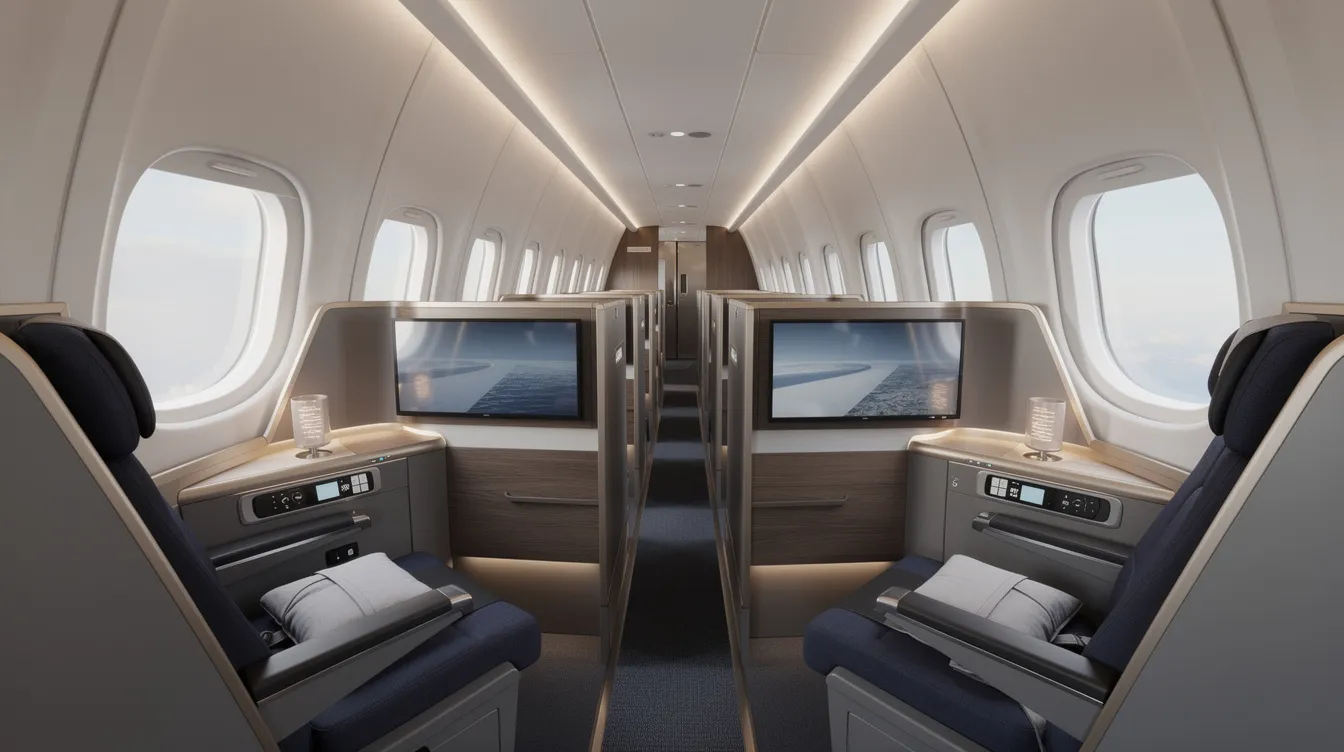
Business Class Travel: How It Compares to Private Jets with Jettly
Business class travel offers comfort and amenities for long flights, but many travelers are now considering private jet charters for greater flexibility and efficiency. This guide compares the two options, highlighting key features, costs, and the evolving needs of frequent flyers. As travel demands change, understanding the benefits of each can help travelers make informed decisions for their journeys.
Read More
5
min read
Aircraft Management Group Inc: Private Jet Management, Charter, and Digital Alternatives
Aircraft Management Group Inc. offers traditional aircraft management and charter services, focusing on operational oversight and safety for aircraft owners. In contrast, digital platforms like Jettly provide flexible, on-demand access to a vast fleet without ownership commitments, allowing travelers to compare options easily. This hybrid approach is increasingly popular among corporate travel departments.
Read MoreStay updated with our latest insights and tips to elevate your journey with us.
MEMBERSHIPS AND ASSOCIATIONS



Disclaimer: Jettly operates as a charter broker, offering access to a global digital jet charter marketplace. Jettly is not a direct air carrier and does not own or operate aircraft. All advertised flights are conducted by third-party air carriers that are fully licensed and hold the appropriate Part 135 or Part 121 certifications issued by the Federal Aviation Administration (FAA) or equivalent regulatory authorities under U.S. or foreign law. Jettly complies fully with the U.S. Department of Transportation's Part 295 and Part 298 Charter Broker regulations. Jettly does not carry additional liability insurance. Passengers are covered by aircraft operator insurance. TICO: 50023770


