


Login
Get Instant Pricing On 23,000+ Aircraft

>
Understanding the cost of pilot lessons is essential for anyone considering an aviation career or recreational flying in 2026. With hourly flight rates, instructor fees, testing expenses, and living costs all factored in, prospective pilots need a clear picture of what they’ll actually spend—not just the optimistic minimums schools sometimes advertise.
This guide breaks down every expense category, compares training structures, and explains how financing options can make flight training accessible.
Pilot lessons cost $150–$250 per hour for single-engine aircraft in 2026, with a typical Private Pilot License running $10,000–$20,000 and a full professional path reaching $80,000–$130,000+.
The total training cost includes far more than aircraft rental: instructor time, exams, gear, and living expenses all add up significantly.
Training frequency influences skill retention, with flying 3–5 times per week being more cost-effective than infrequent lessons due to reduced repetition.
Part 141 flight schools follow a structured curriculum, often leading to faster completion times, while Part 61 schools offer more flexibility.
Financing options include private student loans ($50,000–$130,000), GI Bill benefits for veterans covering 80–100% of tuition, scholarships ranging from $2,500 to $20,000, and federal financial aid such as Pell Grants ($5,000–$15,000 per year) and low-interest federal loans for students enrolled in partner college programs.
To control costs and make training accessible, it's important to choose the best flight school for your needs and investment.
Student pilots who later transition into business aviation or private jet charter can offset training costs with higher long-term earnings, and some even supplement income through Jettly’s ULTRA high-ticket affiliate program. Learn more about charter opportunities at Jettly.
The flight training cost for 2026 varies dramatically based on your goals. For a recreational private pilot certificate, expect to pay $10,000–$20,000. Aspiring pilots pursuing an airline career will invest $80,000–$150,000 or more for a complete zero-to-commercial pathway.
Hourly aircraft rental rates typically range from $100 to $250, depending on the model and whether fuel is included. Flight instructor fees usually range from $50 to $100 per hour, on top of that.
|
Training Milestone |
Typical 2026 Cost Range |
|---|---|
|
Discovery flight |
$120–$250 |
|
Private Pilot License (PPL) |
$8,000–$15,000 |
|
Instrument Rating |
$6,000–$12,000 |
|
Commercial (single + multi) |
$25,000–$45,000 |
|
Full career path (zero to CFI/CFII) |
$80,000–$130,000+ |
The estimated flight school cost for obtaining a Private Pilot License can range from $8,000 to $12,000, while the cost for an Instrument Rating is typically between $6,000 and $10,000. A Private Pilot License (PPL) also requires a FAA Knowledge Test (about $175) and a Medical Certificate ($125–$250), which should be included in your flight school cost calculations. Additionally, checkride fees for the FAA practical test are a necessary expense, often ranging from $500 to $800. These costs cover flight lessons, ground instruction, and all required testing, including checkride fees. A Commercial Pilot Certificate is necessary for pilots who wish to be compensated for flying, with costs generally ranging from $15,000 to $20,000.
Note that advertised minimums often exclude the extra flight hours most students need. While the FAA minimum for a PPL is 40 hours, the national average is closer to 60–75 hours. The rest of this article breaks down each cost component so you can build a realistic budget.
Pilot training can be pursued through four-year university degrees or stand-alone flight academies, and this choice dramatically affects both total cost and timeline.
|
Program Type |
Duration |
Total Cost |
Key Benefits |
|---|---|---|---|
|
University aviation degree |
4 years |
$120,000–$200,000+ |
Bachelor’s degree, federal aid eligible, some major airlines prefer |
|
Independent flight academy |
9–18 months |
$70,000–$120,000 |
Faster completion, focused curriculum, quicker ROI |
Universities include academic credits, general education classes, and potential access to federal financial aid. The admissions team at many schools can guide prospective students through cost planning, financing options, and application processes, including assistance with paperwork for VA benefits. Federal financial aid, such as Pell Grants worth $5,000 to $15,000 per year and low-interest federal loans, may be available to students who enroll in partner college programs. However, the slower pace inflates indirect expenses like housing.
Independent academies focus entirely on flying—Private, Instrument, Commercial, and certified flight instructor ratings—with tighter scheduling and more flight time per week. Accelerated flight training programs can typically be completed in about 9 to 12 months, while extended programs may take 12 to 14 months or longer.
Many future business or charter pilots start at academies, then move into private aviation roles or private charter aircraft operations accessible through platforms like Jettly.
Six main variables drive the real cost of pilot training: aircraft type, training frequency, location, school structure, instructor rates, exam fees, and the required medical exam.
|
Variable |
Impact on Cost |
|---|---|
|
Aircraft type |
Glass-cockpit adds $20–$50/hr over analog |
|
Training frequency |
Flying 3–5x/week reduces total hours needed and helps students spend less money overall |
|
Location |
Metro areas cost 20–40% more than rural areas |
|
School structure |
Part 141 typically requires fewer hours |
|
Instructor rates |
$55–$90/hr average, $90–$130 in major cities |
|
Exam fees |
$3,000–$5,000 across the full professional program |
|
Medical exam |
FAA-approved medical exam is a required cost for all student pilots |
The type of aircraft used for training significantly impacts costs, with single-engine planes like the Cessna 172 costing $150–$200 per hour, while multi-engine aircraft such as the Piper Seminole can exceed $300 per hour. The choice of aircraft type affects training costs, with older aircraft generally being cheaper to rent than newer models with advanced systems.
Flight school locations can impact costs, with metropolitan areas typically having higher expenses compared to rural regions. Warm-weather regions like Florida, Texas, and Arizona allow more flying days per month, often shortening training times by several months.
Ask schools for a detailed written estimate that spells out each driver, not just advertised minimum hours, just as travelers should use a private jet charter cost estimator or jet card flight cost estimator to understand which variables move prices up or down.
Every student—from weekend hobbyists to future airline pilots—pays a common set of direct costs: flight lessons, aircraft rental, instructor time, simulator usage, tests, and gear. Most students complete their training after reaching required milestones, such as a minimum number of flight hours and passing both written and practical exams.
For most students, aircraft rental plus flight instructor time typically represents 70–80% of the total cost of a Private Pilot License or Instrument Rating. Additional costs for pilot training can include materials like textbooks and headsets, which can range from a few hundred to over a thousand dollars, depending on the quality and type of equipment needed.
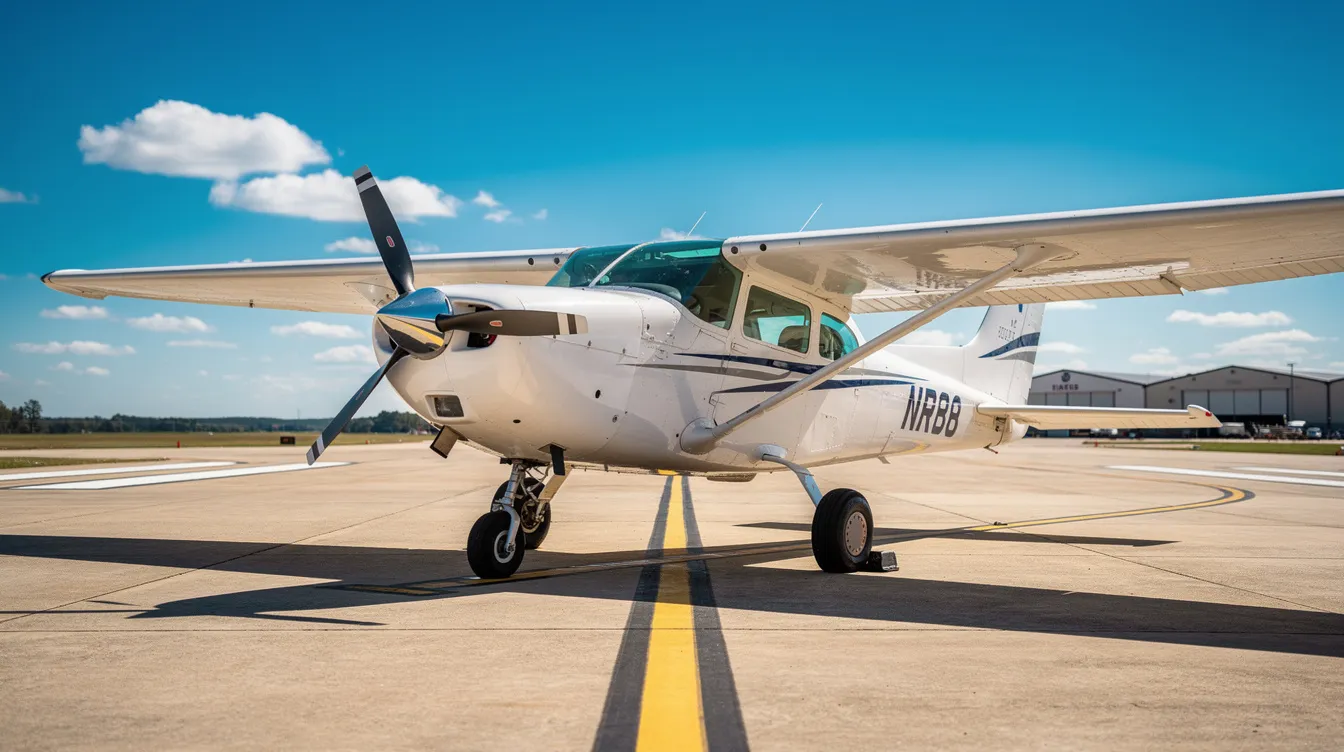
Hourly aircraft rental is the backbone of pilot lesson cost, charged via the Hobbs meter from engine start to shutdown.
Older analog-panel Cessna 152: $120–$160/hr wet
Common Cessna 172 / Piper Warrior: $150–$230/hr wet
Multi-engine trainers (Piper Seminole, Beechcraft Duchess): $280–$400/hr wet
Students typically log 60–70 hours for a Private Pilot License, with aircraft rental costs averaging $150–$200 per hour for single-engine planes and $275–$350 for multi-engine aircraft. A typical Private Pilot candidate needing 60–70 flight hours will spend $9,000–$14,000 in plane time alone.
Always confirm whether quoted rates are “wet” (fuel included) or “dry” (fuel billed separately).
Certified flight instructors bill by the hour for both in-air and ground instruction.
Average U.S. markets: $55–$90/hr
High-cost cities (New York, Los Angeles, San Francisco): $90–$130/hr
A Private Pilot student logging 50 hours of dual flight plus 30–40 hours of ground training could spend $5,000–$9,000 on flight instructor time alone.
Training frequency significantly impacts the duration of flight training. Students who fly 3 to 5 times per week tend to complete their training faster than those who fly less frequently, reducing total instructor hours.
Modern flight training often incorporates FAA-approved simulators to reduce cost while maintaining quality.
Simulator rates: $60–$120/hr (vs. $150–$350 for aircraft)
10–30 hours of simulator time can save several thousand dollars
Technology fees may include electronic flight bag subscriptions (ForeFlight, Garmin Pilot) and online ground school platforms. Ground school costs vary, with online courses typically ranging from $200 to $600, while in-person instruction can cost up to $2,000.
Beyond per-lesson costs, pilots pay for written exams (knowledge tests) and practical tests (checkrides).
FAA knowledge tests: $165–$195 each
Designated pilot examiner checkrides: $700–$1,200 single-engine; $1,000–$1,500+ multi-engine
The checkride, the final practical exam, typically costs between $800 and $1,200
FAA testing costs for flight training can add up to $3,000–$5,000 across a full professional program, including written exams and practical tests. Budget for possible retakes—a failed checkride requires both another DPE fee and refresher lessons.
First-time flight students often underestimate gear costs:
Textbooks and FAA handbooks: $150–$300 per rating
Navigation tools (E6B, plotters), logbooks: $50–$150
Entry-level aviation headset: $200–$350
Premium headsets (Bose A20, Lightspeed): $900–$1,400
Additional costs for pilot training can include materials like textbooks and headsets, which can range from a few hundred to over a thousand dollars. Budget $500–$1,500 for gear through Private and Instrument ratings.
Pilot lesson cost is only part of the financial picture. Indirect costs, such as housing, food, and transportation, can add thousands to the total cost of pilot training, especially if training is extended due to weather or scheduling issues. International students often face additional fees for visa processing and compliance, making their overall expenditures higher compared to domestic students, who typically encounter lower regulatory and processing costs.
Full-time students should budget $1,500–$2,500 per month for living expenses in U.S. training hubs—$18,000–$30,000+ over 9–18 months of study, which may be partially offset later by choosing affordable airplane rent options when flying recreationally, selecting the best cross-country plane for your travel journey, or renting a plane for additional time building.
|
Location |
Monthly Housing |
Food/Utilities |
Transport |
|---|---|---|---|
|
Smaller cities (Sanford, FL, Denton, TX) |
$700–$1,100 |
$400–$800 |
$200–$500 |
|
Major metros (Phoenix, San Diego, Miami) |
$1,000–$1,800 |
$400–$800 |
$200–$500 |
A student living near a Florida flight school for 10 months at $1,000/month rent, $500 food, and $300 transport totals about $18,000 in living costs on top of lesson fees.
A student living near a Florida flight school for 10 months at $1,000/month rent, $500 food, and $300 transport totals about $18,000 in living costs on top of lesson fees.
Some academies offer dorm-style housing or roommate matching to keep costs predictable, similar to how travelers can manage budgets by using flexible options to get a seat on a private jet easily or buy a seat on a private jet.
Non-U.S. citizens training in the United States face additional regulatory costs:
SEVIS I-901 fee: ~$350
Visa application: $160–$200+
TSA AFSP approvals: $130–$200 per rating
Health insurance: $150–$350/month ($1,500–$4,000/year)
Most international students should budget an additional $2,000–$5,000 beyond domestic training and living costs.
Two dominant pricing models exist: all-inclusive packages with fixed prices, and pay-as-you-go structures where every lesson is billed separately—concepts that mirror how jet cards, as prepaid private flight solutions, differ from on-demand trip-by-trip charter pricing and how private jet card costs compare with on-demand charter rates.
|
Model |
Pros |
Cons |
|---|---|---|
|
All-inclusive |
Predictable, easier financing |
Higher upfront commitment |
|
Pay-as-you-go |
Flexible, lower initial outlay |
Can exceed estimates if extra hours are needed |
The most common budget surprises involve needing more than the minimum FAA hours and retaking checkrides. Extra flight hours beyond the minimum can significantly increase total training cost due to additional aircraft rental and instructor fees, just as underestimating how much it costs to rent a private jet can stretch a travel budget.
Fixed-rate programs quote a single price per rating based on realistic average hours, not FAA minimums. A school might advertise a Private Pilot package at $13,000, including 65 hours of aircraft rental, all instructor time, knowledge test, checkride, and gear.
This approach benefits students using bank loans or GI Bill benefits, since lenders prefer defined tuition numbers. Some packages include limited remedial hours or discounted checkride retakes.
Pay-as-you-go is the classic model at many flight schools and FBOs. Students plan their training and pay separately after each flight portion.
No large upfront tuition
Easy pausing if finances change
However, if a student requires 20–30 more hours than expected at $150–$250/hr, the total training cost can overshoot estimates by several thousand dollars, similar to how underestimating expenses when renting a plane for travel or time building or overlooking ongoing private jet operating costs can strain a budget.
Pay-as-you-go students should set aside 15–25% above initial estimates for contingencies, much like travelers weighing shared charter flights vs. full charters need extra margin for variable trip costs.
How often a student flies matters more than where they train full-time when it comes to total pilot lesson cost. Training frequency affects overall costs; students who fly 3–5 times per week tend to complete their training faster and incur lower total expenses.
The average time to complete a Private Pilot License is approximately 3 months, while an Instrument Rating can take about 2 months with consistent training. Many pilots reach the important milestone of being able to fly solo before finishing their full training, and many pilots complete their training within these typical timeframes.
Accelerated PPL: 8–12 weeks
Part-time PPL: 6–12 months
Accelerated zero-to-CFI: 9–12 months
Part-time full path: 18–24+ months
The structure of the training program, such as whether it follows FAA Part 141 or Part 61 guidelines, can influence the overall cost, with Part 141 programs typically requiring fewer hours and providing more predictable timelines.
Longer timelines increase living expenses and delay entry into paid flying roles, where most pilots begin recouping their investment.
Common causes of overruns:
Needing more hours than FAA minimums
Weather delays stretching training across seasons
Failing to study between lessons
Failing checkrides and paying DPEs again
Mitigation steps:
Book regular, recurring lesson slots
Maintain structured self-study using FAA training materials
Use simulators when the weather prevents flying
Plan for 15–25% above school estimates
Few students pay the total cost of flight training in cash. Most combine savings, loans, VA benefits, and scholarships.
The total cost of flight training can range from $70,000 to over $150,000, depending on the program structure and additional expenses.
Private student loans are a common way to finance flight training, with lenders typically covering amounts between $50,000 and $130,000, allowing students to start repayment after graduation.
Some schools offer milestone-based payment plans—pay before Private, another portion before Instrument—reducing upfront burden without formal loans, similar in spirit to predictable-hour jet card programs for frequent private flyers and other best jet card programs.
Compare APRs, origination fees, and repayment terms carefully.
Veterans can utilize the VA GI Bill to fund flight training, which may cover 80% to 100% of tuition and fees, along with a housing allowance during training, making it easier later to afford private jet memberships for business or personal travel.
VA benefits require approved Part 141 schools. Veterans often benefit from structured career-track programs aligned with airline eligibility pathways.
Scholarships typically don’t cover full costs but meaningfully reduce financing needs.
AOPA, Women in Aviation, Ninety-Nines, NBAA, and EAA offer awards
Typical ranges: $2,500–$20,000+
Federal financial aid may be available through partner college programs, potentially providing Pell Grants worth $5,000–$15,000 per year
Start scholarship searches 6–12 months before training begins.

Although pilot lessons cost tens of thousands of dollars, rising global pilot demand and strong salary growth create attractive long-term returns. The typical career path involves progressing from private pilot to airline pilot, with training programs and certifications specifically designed for those aiming to work as airline pilots, or eventually exploring how much a private jet costs and ongoing private jet operating costs if they are considering ownership or management roles.
|
Career Stage |
Typical 2026 Earnings |
|---|---|
|
Flight instructor |
$25,000–$50,000/year |
|
Regional airline FO/entry charter |
$70,000–$90,000+ |
|
Major airline captain / large-cabin jet captain |
Six figures |
Obtaining an airline job as a flight instructor or regional first officer is a key step in building flight experience and increasing earning potential. To qualify for an Airline Transport Pilot certificate, pilots must log a minimum of 1,500 flight hours, often achieved by working as a flight instructor after obtaining a Commercial Pilot Certificate.
Three broad career paths exist:
Scheduled airlines (regional and major)
Cargo operations (feeder carriers to global freight)
Business and private charter aviation
Charter pilots may start earning competitive salaries with fewer total flight hours than major airline roles, especially when flying for top private jet charter companies, working with industry leaders in private aviation like NetJets, or choosing a flexible NetJets alternative like Jettly. Pilots with strong customer service skills thrive in private charter environments.
Once pilots accumulate 1,500+ hours and relevant jet type ratings, they become eligible for roles flying private jets for charter operations or corporate flight departments, where understanding private jet charter costs helps them communicate value to clients.
Digital platforms like Jettly connect travelers with certified Part 135 charter companies, creating consistent demand for qualified crews on light, midsize, and heavy jets worldwide and supporting strong private jet pilot salary potential. Common routes include New York–Miami, Los Angeles–Las Vegas, and Toronto–Vancouver.
Pilots who trained in glass-cockpit environments make smoother transitions into modern private jet cockpits, which are widely used across the charter airlines and private operators landscape and involve managing complex private jet operating costs. Explore how pilot skills translate into charter missions at Jettly.
Hourly aircraft and instructor rates are often $20–$50 lower at smaller airports compared to major metro areas. A Private Pilot License in a smaller city might cost $12,000 versus $18,000 in New York or Los Angeles.
However, students must balance savings against factors like fewer flying days due to weather, limited examiner availability, and less exposure to controlled airspace. Sometimes flying fewer days per month in a cheaper area ends up costing more overall due to skill decay requiring additional flight experience, just as choosing the wrong departure point with an airport locator tool for private jet travel can add time and cost to a trip.
Purchasing a training-grade aircraft like an older Cessna 152 can reduce hourly costs, but large upfront purchase prices, maintenance, hangar fees, and insurance often erase savings for students in accelerated programs.
Ownership makes more sense for long-term recreational pilots or groups sharing costs. If considering this path, review a guide to choosing the best personal plane, explore the best private plane manufacturers for every budget and need, consult an experienced mechanic, and confirm your school accepts student-owned aircraft for training.
Online ground training typically costs $200–$600 compared to in-person instruction at $70–$90 per hour, potentially totaling $2,000. For disciplined self-learners, online courses offer significant savings.
However, students who struggle studying alone may spend more money on remedial one-on-one instruction later. Regardless of format, students must meet FAA knowledge test standards and obtain instructor endorsement before taking the written exam.
Plan for 15–30% above advertised estimates. Since the FAA minimum for a Private Pilot License is 40 hours, but the national average is 60–70 hours, under-budgeting is common among students relying on minimum costs only.
Ask schools for the actual average hours to completion for recent graduates. Having funds midway through training or approved credit prevents interruptions if pilot training costs run higher than expected, much like understanding private jet lease costs helps travelers avoid unexpected financial strain.
The core pilot career path—Private, Instrument, Commercial, Multi-Engine, and ATP certificate—is the same foundation for both airline and private jet careers. No special training is required initially.
Later, pilots moving into charter or corporate roles need type ratings for specific jets (Citation, Gulfstream, Challenger), often paid by employers. Experience in glass-cockpit trainers during initial training makes these transitions smoother.
Pilot lessons cost anywhere from a few thousand dollars for basic recreational flying up to $80,000–$130,000+ for a full professional track in 2026. Aircraft type, training pace, program structure, and living expenses drive most variation.
Careful school selection, structured syllabi, consistent flying, and realistic budgeting with a 15–25% contingency are key to controlling costs. For those aiming at airline careers or private charter work, training investment typically pays back within several years of professional flying.
To become a pilot in the United States, individuals typically start by earning a Private Pilot Certificate, then progress to Commercial Pilot training and additional ratings based on their goals. Whether your career path leads to airlines or business aviation, informed planning transforms a high upfront cost into a sustainable, rewarding aviation career.
Ready to experience private travel? Explore charter options at Jettly.
Share this post:
Jay Franco Serevilla
May 6, 2026
|
5
min read
Discover tips and trends in the industry.
5
min read
Propeller Planes: How Propeller Aircraft Compete with Jets in Modern Private Aviation
Propeller planes are increasingly relevant in modern private aviation, offering cost-effective solutions for regional and remote flights. They excel in accessing short and unpaved runways, making them ideal for connecting communities that jets cannot reach. This guide explores the advantages of propeller aircraft, their operational mechanics, and how they compare to jets.
Read More
5
min read
Cessna 172 Insurance Cost: What Aircraft Owners Really Pay (2026 Guide)
This comprehensive guide explores the insurance costs for Cessna 172 owners in 2026, detailing typical premiums and factors that influence rates. With costs ranging from $150 to $1,400 annually for private pilots, the guide also offers practical tips for managing expenses while ensuring adequate coverage.
Read MoreStay updated with our latest insights and tips to elevate your journey with us.
MEMBERSHIPS AND ASSOCIATIONS



Disclaimer: Jettly operates as a charter broker, offering access to a global digital jet charter marketplace. Jettly is not a direct air carrier and does not own or operate aircraft. All advertised flights are conducted by third-party air carriers that are fully licensed and hold the appropriate Part 135 or Part 121 certifications issued by the Federal Aviation Administration (FAA) or equivalent regulatory authorities under U.S. or foreign law. Jettly complies fully with the U.S. Department of Transportation's Part 295 and Part 298 Charter Broker regulations. Jettly does not carry additional liability insurance. Passengers are covered by aircraft operator insurance. TICO: 50023770


