


Login
Get Instant Pricing On 23,000+ Aircraft

>
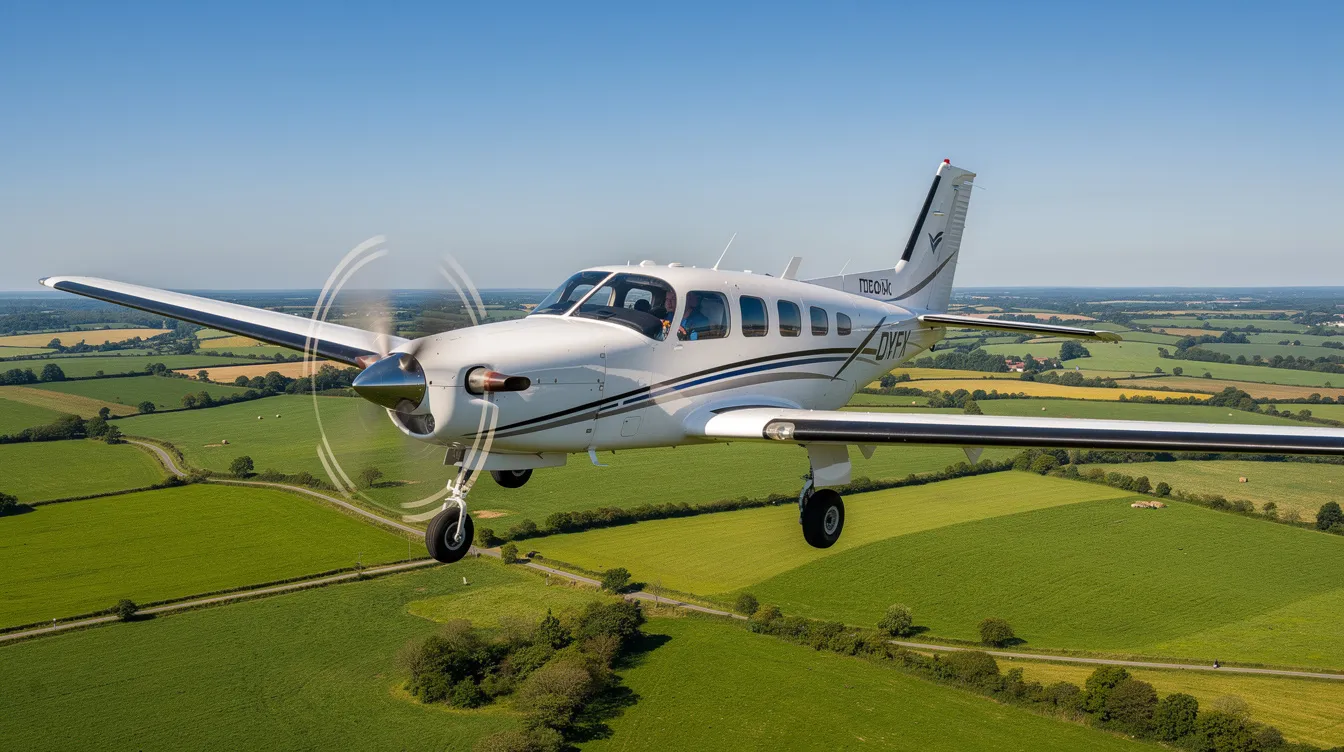
The term p46 plane can mean two very different aircraft. One is a cancelled World War II fighter prototype. The other is a pressurized single engine cabin aircraft that flies charter passengers across continents today. This guide covers both, with a focus on why the modern Piper PA-46 family has become a practical choice for private aviation travelers.
The p46 plane designation refers to either the Curtiss XP-46, a 1939–1941 military fighter prototype, or the Piper PA-46, a pressurized six-seat cabin aircraft family first certified in 1983.
Most travelers searching for the p46 plane today are interested in Piper PA-46 charter options such as the Malibu Mirage, Malibu Meridian, and M-Class turboprops, all available through platforms like Jettly.
PA-46 models cruise roughly 210–274+ knots depending on variant, carry up to six occupants in pressurized cabins, and offer ranges exceeding 1,000 nautical miles.
These aircraft are popular for regional business trips and family travel because they offer lower operating costs than light jets while accessing smaller airports closer to final destinations.
The phrase p46 plane appears across aviation forums, charter listings, and history pages, but it can point to two entirely different aircraft. The first is the Curtiss XP-46, an American prototype fighter aircraft developed in the early 1940s for the United States Army Air Corps. The second is the Piper PA-46, a civil pressurized single engine airplane family built by Piper Aircraft beginning in the 1980s. This article explains both, with the bulk of the discussion focused on charter use of the modern Piper line.
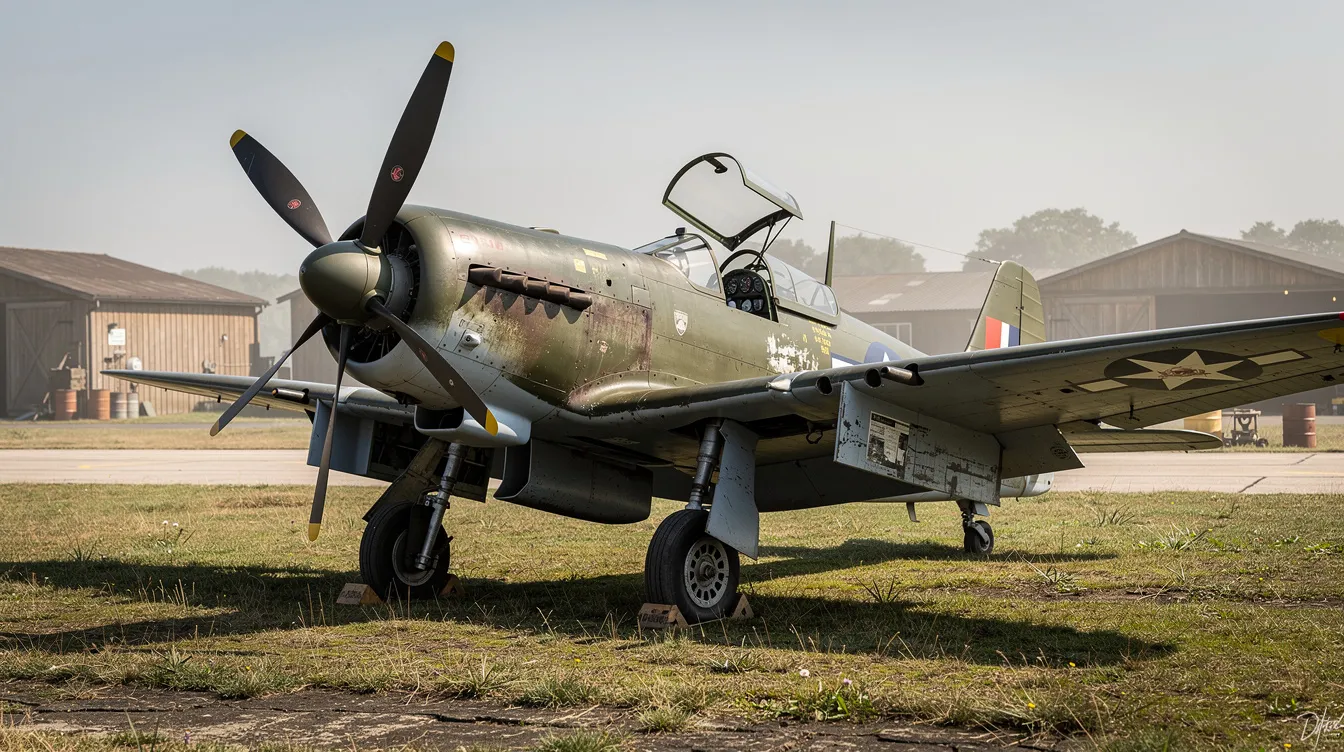
The Curtiss XP-46 was ordered in September 1939 as a next-generation fighter designed to replace the P-40 Warhawk. It flew in early 1941 but was cancelled when it failed to meaningfully outperform upgraded P-40 variants.
In contrast, the Piper PA-46 is a family of cabin-class aircraft—including the Malibu, Malibu Mirage, Malibu Meridian, and later M-Class models—used today for private flying and charter on digital platforms like Jettly.
If your interest is world war history or military aviation research, the XP-46 section below is for you. If you are looking for travel, charter, or aircraft performance data, the Piper PA-46 sections that follow will cover everything you need.
The Curtiss XP-46 was a single engine, low-wing monoplane fighter ordered by the army air forces just before U.S. entry into World War II. It reflected a pre-war push across the USA and Europe for faster, more heavily armed fighter aircraft. The XP-46 aimed to overcome the limitations of the P-40 aircraft, which had been used in combat by units including the famous American Volunteer Group—better known as the Flying Tigers.
Curtiss Wright built two prototypes, each powered by an Allison V-1710-39 liquid-cooled V-12 engine producing 1,150 hp. The XP-46's design was influenced by contemporary European fighters and included features such as self-sealing fuel tanks and additional armor. Planned armament featured two .50-caliber nose guns plus eight .30-caliber guns in the wings, with electric flaps and wide-track inward-retracting landing gear.
The first prototype flew in February 1941. The U.S. Army Air Corps had hoped for speeds near 410–425 mph, but actual performance reached only about 355 mph. The British Purchasing Commission also considered a production version before cancelling in favor of improved P-40 models.
The XP-46 was ultimately canceled as it offered little improvement over upgraded P-40 models like the P-40D. The U.S. Army Air Corps prioritized upgrading the P-40 over producing the XP-46, and only two prototypes—serial number 40-3053 and 40-3054—were built before cancellation. Still, the project of the XP-46 significantly influenced the development of subsequent Curtiss fighter designs, and its engine was redirected to the P-40D production line. The airframe served as a study in balancing firepower, protection, and weight in single-seat fighters of that era.
In modern general aviation and charter contexts, p46 plane almost always refers to the Piper PA-46 family—a line of six-seat, pressurized, single engine cabin-class aircraft. The PA-46 family includes piston and turboprop variants designed for owner-pilots and charter operations alike, with continuous upgrades since the beginning of production in the early 1980s.
The core piston models include the PA-46-310P Malibu, first certified in September 1983 with over 400 units delivered, and the PA-46-350P Malibu Mirage, which began production in October 1988. Piper also offered an unpressurized version, the PA-46R-350T Matrix, introduced in 2008 as a lower-cost option and closely related to today’s Piper Matrix charter and spec profiles.
On the turboprop side, Piper introduced the PA-46-500TP Malibu Meridian in 1997, which received FAA certification in September 2000 with a Pratt & Whitney PT6A-42A engine. This led into the M-Class rebranding: M350 (piston), M500 (turboprop), M600, and the M700 Fury unveiled in 2024 as the latest model—all built on the same PA-46 airframe lineage. Piper added an emergency autoland system in 2020.
The PA-46 sits in a unique niche between owner-flown single engine planes and entry-level business jets, making it a practical step-up aircraft for private owners and an efficient charter choice.
The PA-46 story starts with the first Malibu prototype flight in August 1982 and FAA certification in September 1983. The original PA-46-310P Malibu featured a pressurized cabin and a 310 hp Continental TSIO-520-BE engine, cruising around 210–215 knots—a significant improvement over typical unpressurized singles of that era.
Malibu Mirage production commenced in October 1988 to address engine reliability issues. The shift to a 350 hp Lycoming TIO-540-AE2A improved climb performance and pilot confidence. Throughout the 1990s, Piper made various changes: upgraded de-icing systems, wing and landing gear strengthening, new interior designs, and a transition from analog avionics to Garmin G1000 glass cockpits. The addition of electric flaps and new features like optional glass windshields refined the airplane further.
The turboprop version arrived when the PA-46-500TP Malibu Meridian was announced in 1997 and certified in 2000. The PT6A-42A engine produces 500 shp, with larger tail surfaces and a maximum takeoff weight of 5,092 pounds. The M500 cruises at 260 knots at 30,000 feet, operating at higher altitudes than piston models, placing it in a performance class comparable to other Piper designs such as the Piper Aerostar 600.
The M-Class rebranding followed: the M350 continued the piston branch, while the M600 received FAA certification on June 18, 2016, with an extended wing and a maximum cruise speed of 274 knots. The M600's NBAA IFR range is 1,484 nautical miles. The M700 Fury, unveiled in 2024, is powered by a 700 shp PT6A-52 engine, offering more fuel capacity and approval for certain unpaved field operations. Each variant preserves the proven PA-46 fuselage and cabin layout while delivering new features in avionics, range, and safety.
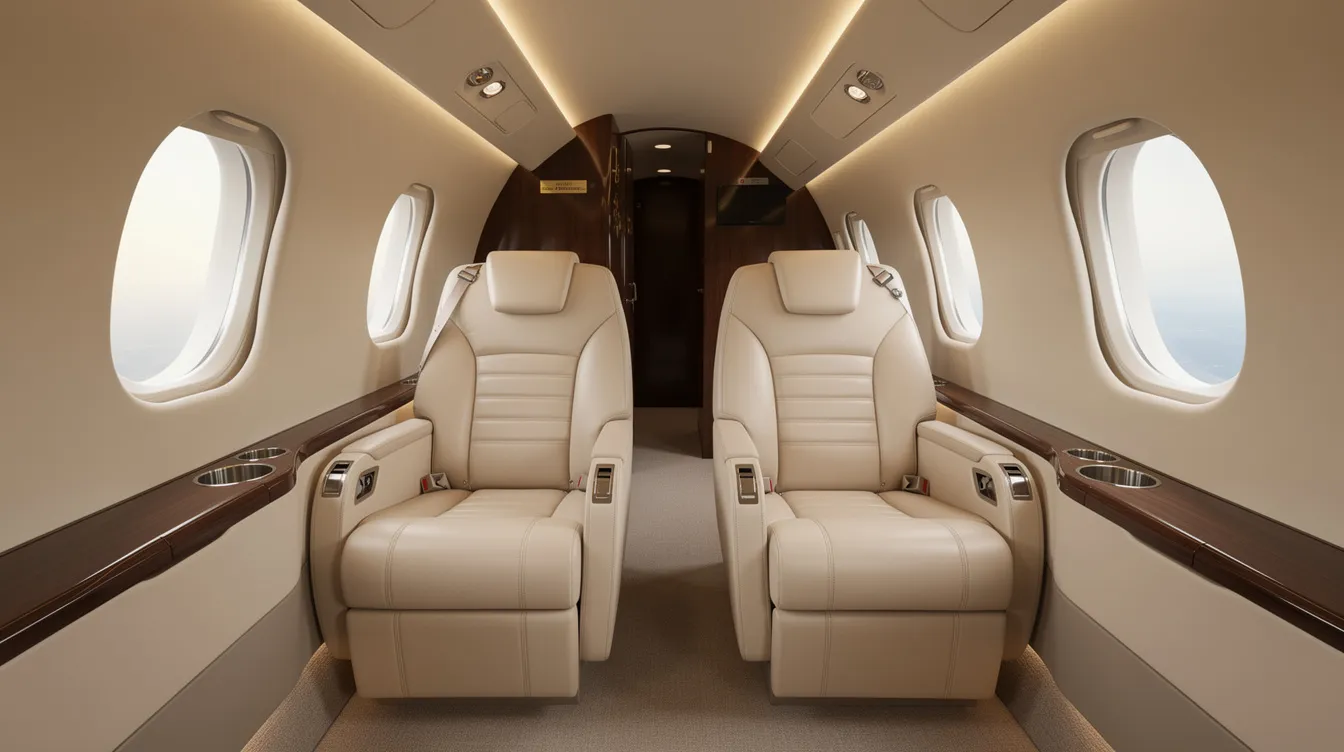
While specifications vary by variant, all PA-46 versions share common traits: single engine power, pressurized cabins (except the Matrix), cabin-class seating for up to six passengers, and performance that supports non-stop regional missions.
|
Model |
Engine Type |
Cruise Speed (knots) |
Range (nautical miles) |
Max Takeoff Weight (lbs) |
Fuel Type |
|---|---|---|---|---|---|
|
Malibu 310P |
310 hp Continental TSIO-520-BE |
~210-215 |
~1,000+ |
~4,340 |
Avgas |
|
Malibu Mirage |
350 hp Lycoming TIO-540-AE2A |
~220-225 |
1,343 |
~4,340 |
Avgas |
|
Malibu Meridian (M500) |
500 shp Pratt & Whitney PT6A-42A |
260 |
~1,100 |
5,092 |
Jet-A |
|
M600 |
600 shp Pratt & Whitney PT6A-42A |
274 |
1,484 |
~6,000 |
Jet-A |
|
M700 Fury |
700 shp Pratt & Whitney PT6A-52 |
274+ |
1,484+ |
~6,000+ |
Jet-A |
Piston models (Malibu, Malibu Mirage, M350) cruise around 210-225 knots, have ranges such as the M350's 1,343 nautical miles, and operate efficiently on avgas with lower operational costs.
Turboprop models (Meridian, M500, M600) cruise at speeds over 260 knots, with the M500 cruising at 260 knots at 30,000 feet and the M600 reaching a maximum cruise speed of 274 knots. The M600's NBAA IFR range extends to 1,484 nautical miles. Turboprops use Jet-A fuel and can operate at higher altitudes than piston variants.
Key design elements include laminar-flow wings, pressurization systems maintaining comfortable cabin altitudes, de-ice equipment for wider weather operations, and modern autopilot suites supporting single-pilot IFR flight. The M500 has a maximum takeoff weight of 5,092 pounds. Empty weights for turboprops range around 3,400–3,600 pounds, leaving useful payload for passengers and luggage.
To put these numbers in perspective: an M600 can fly New York to Chicago non-stop in about 2.5 hours with reserve fuel capacity to spare. The PA-46 family’s ability to cruise at speeds over 270 knots and ranges exceeding 1,000 nautical miles makes it competitive with some light planes and turboprops costing significantly more per hour, a factor that matters when analyzing how much a private jet costs across different ownership and charter models.
The PA-46 safety record has drawn scrutiny. As of January 2019, 225 accidents involving PA-46 aircraft were reported. The highest accident concentration occurred between 1989 and 1991 with early Malibu and Malibu Mirage models. Investigations attributed most mishaps to pilot decision-making, icing encounters, and insufficient transition training for pilots stepping up from simpler aircraft—issues that also surface when owners move into more affordable planes and budget-friendly aircraft choices without adequate preparation.
Regulatory responses followed. FAA airworthiness directives, Piper service bulletins, and pilots association training recommendations emphasized recurrent instruction in high-altitude operations, pressurization management, and emergency descent procedures—key considerations when evaluating the best personal plane for owner-pilots. The M350 includes anti-hypoxia tools to support emergency descent if cabin pressurization is lost. The M500 features Electronic Stability and Protection (ESP) for safety.
Since 2020, Piper has added an emergency autoland system to modern PA-46 and M-Class models. Transport Canada approved the HALO emergency autoland system on August 3, 2023, allowing a passenger to activate automatic landing if the pilot becomes incapacitated. PA-46 aircraft are certified for Flight Into Known Icing (FIKI) conditions. Piston variants use avgas, while turboprops use Jet-A fuel.
For charter customers using platforms like Jettly, the safety framework is stronger than ad-hoc private flying. Commercial charter operations rely on certified operators maintaining aircraft to strict inspection intervals and employing pilots with structured PA-46 training and currency, with maintenance tracking often noting annual inspections or Airworthiness Directive work completed in April.
The Piper PA-46 family fits between smaller four-seat pistons and more expensive light jets in the charter ecosystem. It is often used by small teams or families needing non-stop regional travel without the cost of larger twin-engine turboprops like the King Air.
Why do charter customers choose PA-46 aircraft? The PA-46 offers lower operating costs than light jets, pressurized comfort versus non-pressurized alternatives, and the ability to access smaller airports—saving ground-transfer time on business trips. Chartering PA-46 aircraft is cost-effective for regional trips under 1,200 nautical miles.
Typical missions include routes like New York to Nashville, Los Angeles to Sun Valley, or Toronto to Halifax, generally carrying 2–4 passengers with luggage. Travelers often start trip planning with a private jet charter cost estimator before deciding that the PA-46's club-seating cabin layout and key features—pressurization, range, and speed—make these trips practical without the expense of a jet.
Jettly integrates PA-46 aircraft into its marketplace, connecting travelers with operators worldwide flying Malibu Mirage, Meridian/M500, and M600 models. Turboprop charter rates for PA-46 aircraft typically fall between $1,800 and $2,800 per hour, well below most light jets.
Charter clients regularly compare the PA-46 against other aircraft categories or browse broader private charter aircraft options. Understanding these trade-offs helps match the right airplane to each trip.
PA-46 vs. four-seat pistons (Cessna 182, Cirrus SR22): The PA-46 adds two more seats, full-cabin comfort, pressurization for high-altitude weather avoidance, and higher cruise speeds. A light plane like the SR22 cruises around 180 knots; the PA-46 M350 cruises over 210.
PA-46 turboprops vs. twin-engine turboprops (King Air 200): A King Air carries more passengers and baggage with twin-engine redundancy, but the single engine PA-46 burns less fuel and costs less per hour. For groups of 2–5, the extra capacity of a larger turboprop would go unused.
PA-46 vs. entry-level light jets (Citation Mustang, Phenom 100): Jets are faster and may climb higher, but the PA-46 family can operate from shorter runways than jets, access smaller regional airports, and deliver similar total travel times on routes under 800–1,000 nautical miles at lower hourly cost, especially when using affordable private jet charter pricing strategies.
Consider a 600-nautical-mile business trip: a PA-46 Meridian covers the distance in about 2.3 hours, while a light jet does it in roughly 1.7 hours. But if the PA-46 can use a closer airfield—say, 30 minutes nearer your office—especially one identified with an online airport locator tool, the door-to-door time difference shrinks to half an hour or less, at a meaningfully lower price.
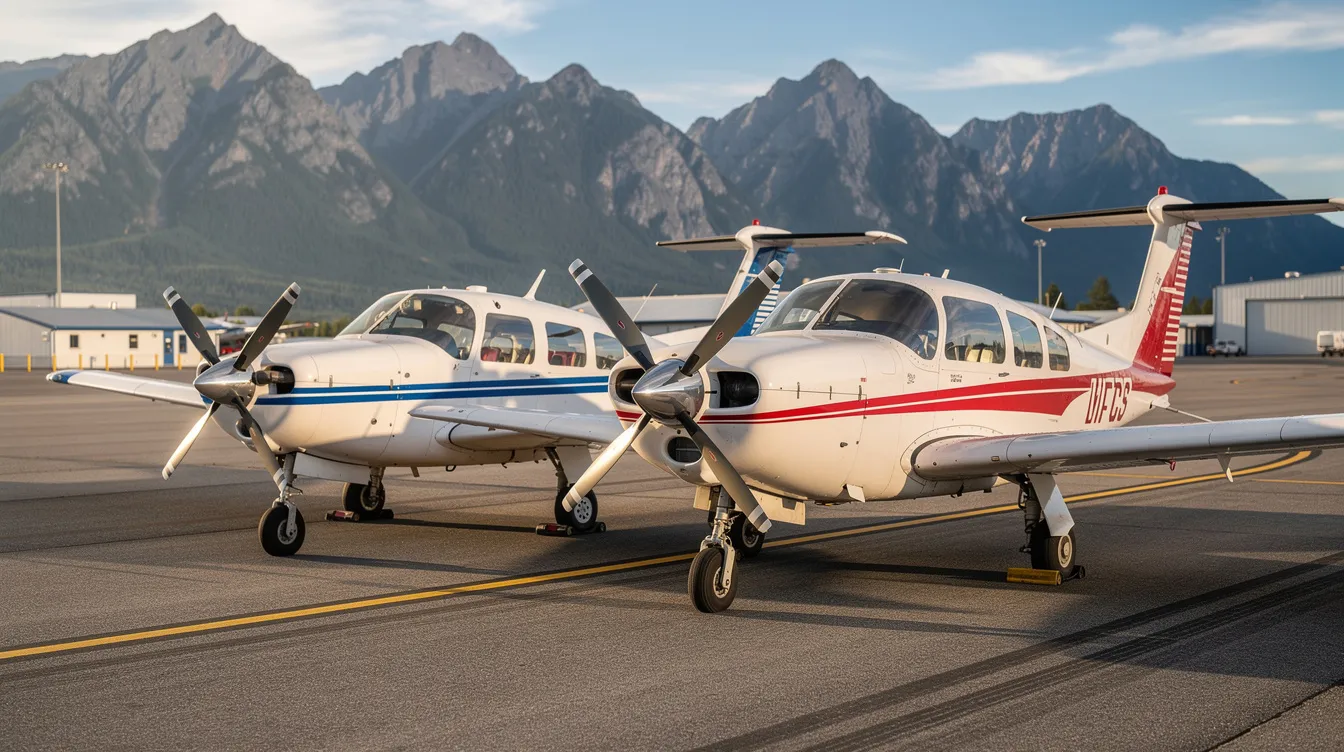
Jettly, as a digital private aviation platform, enables travelers to search, compare, and book Piper PA-46 aircraft alongside thousands of other jets and turboprops, while also offering an ULTRA high ticket affiliate program for partners who refer new clients. The booking process is straightforward.
Start by entering departure and arrival airports, dates, and passenger count. Use filters to narrow results to single engine turboprop or specifically Piper PA-46 models. Then review instant pricing estimates and aircraft profiles—including photos, year of manufacture, avionics, interior condition, and luggage capacity. Jettly's cost estimator adjusts rates based on aircraft category, route, and fuel.
On the security service side, Jettly and its payment partners perform security verification on user logins and transactions to protect against fraud and malicious bots. This security verification step is brief and ensures secure access without slowing the booking experience, whether you’re chartering a whole aircraft or buying a seat on a private jet through shared flight options.
Frequent travelers can opt for private jet membership models that provide lower service fees or enhanced support, while occasional flyers can book PA-46 flights on a purely on-demand basis—no jet cards or long-term commitments required. Jettly connects travelers with PA-46 operators worldwide across its global network.
For example, a family booking a Malibu Mirage from Miami to the Bahamas for a weekend could have delivered quotes within minutes, compare aircraft by model year and interior, and confirm the flight the same day. Those who don’t need the whole airplane can also explore methods for getting a seat on a private jet easily through shared options. Learn more about PA-46 charter options at Jettly's PA-46 page.

These questions cover topics not fully addressed above, from the historic XP-46 to practical details for charter customers considering a Piper PA-46 for their next flight.
No. The Curtiss XP-46 and Piper PA-46 share only a similar designation and both are single engine aircraft, but they come from entirely different eras and manufacturers. The XP-46 was a 1940s military fighter prototype built by Curtiss Wright, while the PA-46 is a civil cabin-class aircraft line built by Piper Aircraft since the 1980s. There is no design lineage or parts commonality between them.
A typical PA-46 configuration offers dedicated baggage space in the rear of the cabin, with some models also providing a nose or wing locker. For 3–4 passengers, several medium suitcases plus soft bags fit comfortably. For full six-seat occupancy, baggage capacity is more limited due to weight and balance, similar to many private planes for families where loading must be carefully managed. Charter operators usually ask for approximate weights in advance to confirm what can safely be carried.
Yes. Many PA-46 aircraft are certified and equipped for IFR operations and are routinely used on night and instrument departures and arrivals, particularly the turboprop version variants with advanced Garmin avionics and autopilots. Charter regulations require operators and pilots to meet specific training, currency, and equipment standards before conducting IFR or night flights, which are typically overseen under Part 135 charter company rules.
Piston and turboprop PA-46 aircraft handle relatively short, paved regional runways—often under 3,000 feet depending on weight, elevation, and temperature. For longer sectors, many travelers compare models and mission profiles similar to those in guides on finding the best cross-country plane. The M700 Fury received FAA approval for certain unpaved field operations in 2024, expanding potential airfield access. Actual use of grass or gravel strips depends on operator policies, runway condition, and regulatory approval in each country of operations.
Single engine aircraft like the PA-46 generally burn less fuel per hour and per passenger on short regional routes than larger jets. The fuel capacity of a turboprop PA-46 is around 170–260 gallons depending on model, compared to 300+ gallons for many light jets—and the PA-46 covers similar distances on those routes. Many charter operators now offer voluntary carbon-offset programs, and travelers can ask Jettly support about efficiency options or tips for booking the cheapest private jet flights when booking.
The dual meaning of p46 plane spans nearly a century of aviation. The Curtiss XP-46 remains a footnote in world war military history—a prototype that flew but never reached production or combat. The Piper PA-46 family, on the other hand, has delivered thousands of aircraft to private owners and charter operators since 1983 and continues evolving with models like the M700 Fury.
PA-46 aircraft such as the Malibu Mirage, Malibu Meridian, and newer M-Class models combine pressurized single engine efficiency with cabin-class comfort. They seat up to six, offer cruise speeds of 210–274+ knots, and deliver ranges well over 1,000 nautical miles.
For many regional itineraries—executive day trips, family holidays, or last-minute personal travel—the PA-46 can be a cost-effective alternative to light jets, especially when booked through a digital platform with transparent pricing and broad aircraft choice.
Ready to experience private travel on your terms? Explore flight options or request a quote at https://www.jettly.com.
Share this post:
Jay Franco Serevilla
Jul 21, 2026
|
5
min read
Discover tips and trends in the industry.

5
min read
Tickets to Key West: How to Find the Best Commercial and Private Flights to EYW
Finding the best tickets to Key West involves understanding the unique airport logistics and seasonal pricing. This guide provides insights on commercial and private flight options, including tips for securing the best deals and navigating Key West International Airport. Whether you choose a budget-friendly commercial flight or a tailored private jet experience, planning ahead is essential for a smooth trip.
Read More
5
min read
NetJets Inc: How the Private Aviation Giant Compares to On‑Demand Charter
NetJets Inc is a leader in private aviation, offering structured programs like fractional ownership and jet cards. In contrast, on-demand charter services like Jettly provide flexible, per-trip access without long-term commitments. This article compares the two models, highlighting costs, fleet options, and service differences to help travelers choose the best option for their needs.
Read MoreStay updated with our latest insights and tips to elevate your journey with us.
MEMBERSHIPS AND ASSOCIATIONS



Disclaimer: Jettly operates as a charter broker, offering access to a global digital jet charter marketplace. Jettly is not a direct air carrier and does not own or operate aircraft. All advertised flights are conducted by third-party air carriers that are fully licensed and hold the appropriate Part 135 or Part 121 certifications issued by the Federal Aviation Administration (FAA) or equivalent regulatory authorities under U.S. or foreign law. Jettly complies fully with the U.S. Department of Transportation's Part 295 and Part 298 Charter Broker regulations. Jettly does not carry additional liability insurance. Passengers are covered by aircraft operator insurance. TICO: 50023770


