


Login
Get Instant Pricing On 23,000+ Aircraft

>
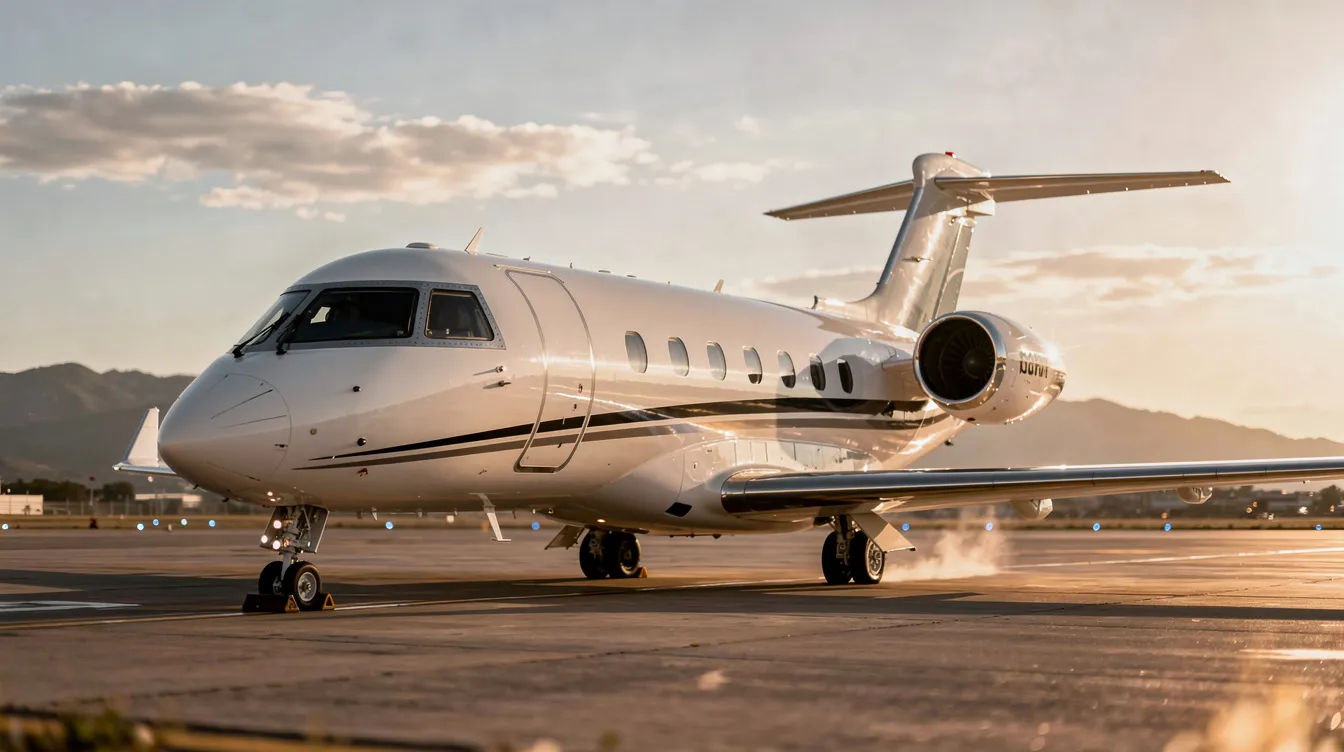
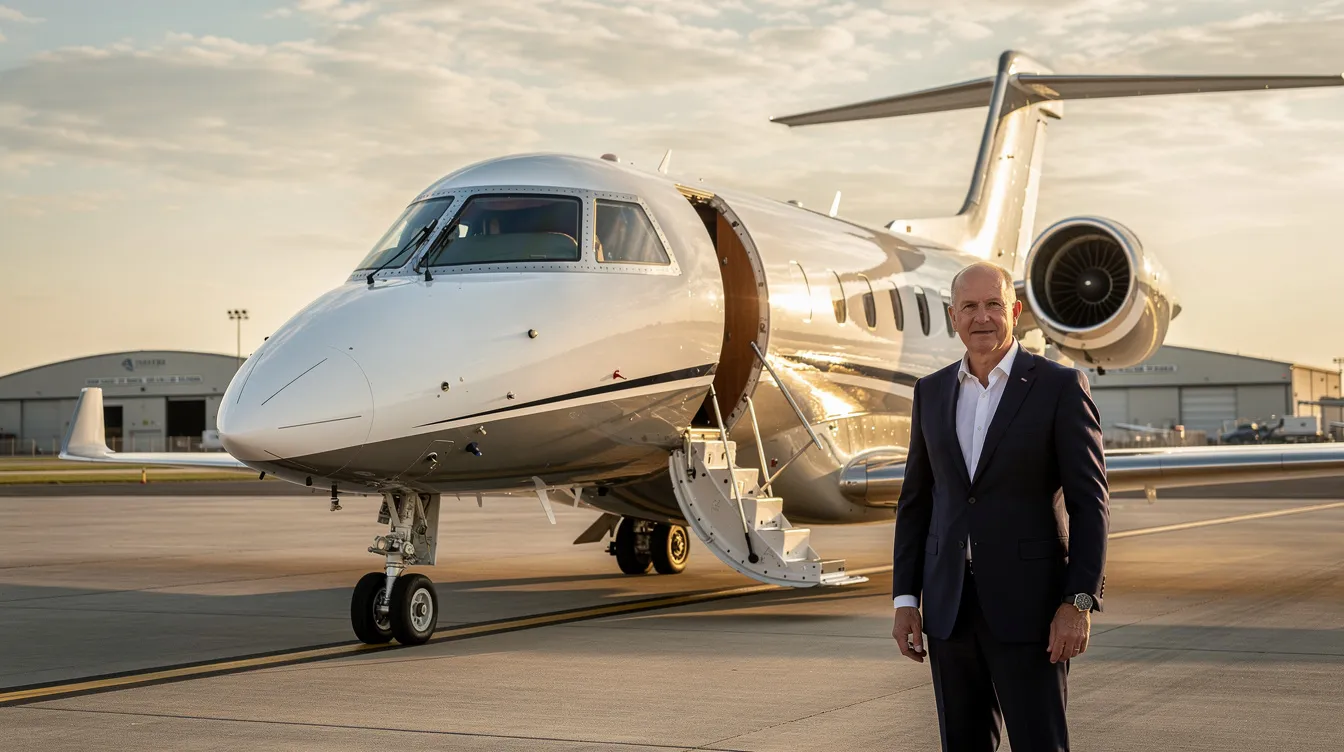
Owning a private plane is a major financial and operational commitment, but for frequent flyers, it can deliver unmatched convenience, flexibility, privacy, and control over travel schedules. Private jet ownership lets you avoid commercial airline constraints like fixed departure times, long security lines, and connecting flights, while gaining access to smaller airports closer to your destination for meaningful time savings on both business and personal trips.
For corporate executives, high-net-worth individuals, and families who fly often enough to consider buying instead of booking, the real question is whether those advantages justify the costs and responsibilities. This guide looks at private plane ownership models, fixed and ongoing expenses, maintenance, tax considerations, environmental impact, and the less obvious risks of ownership, then compares buying with chartering so you can decide which option best fits your travel needs, budget, and schedule.
From a cost perspective, there are several ownership models available, including outright ownership, fractional ownership, and jet card programs, and each makes financial sense in different usage and budget scenarios. Outright ownership involves buying and operating your own aircraft or own plane, and many buyers only consider an own jet after reaching several million dollars in net worth or income; purchase prices typically range from $2 million to $100 million, and annual operating expenses can reach 5-10% of the aircraft's value, with a very light jet usually seating 4 to 6 passengers and ongoing costs often reaching $500,000 to $1,000,000 annually.
Fractional ownership offers a cost-effective alternative by allowing multiple owners to share expenses and usage. Fractional ownership typically involves shares ranging from 1/16th to 1/4th of an aircraft or fleet. Jet card programs provide prepaid flight hours without the responsibilities of ownership. Jet card programs offer prepaid flight hours without ownership commitment. These programs are ideal for less frequent flyers, while private jet memberships can offer additional flexibility and access for varying travel needs.
|
Ownership Model |
Description |
Typical Upfront Cost |
Usage Flexibility |
|---|---|---|---|
|
Outright Ownership |
Full ownership and control of the aircraft |
$2M to $100M (initial purchase price) |
High; own schedule |
|
Fractional Ownership |
Shared ownership with multiple parties |
Share of aircraft cost (1/16th to 1/4th) |
Moderate; shared access |
|
Jet Card Programs |
Prepaid flight hours without ownership |
No upfront aircraft cost |
High flight hours prepaid |
Ownership costs encompass a variety of fixed and variable expenses, including hangar fees, maintenance costs, fuel costs, insurance, landing fees, and the need to pay pilots as an ongoing operating expense, which mirror many of the inputs in a private jet charter cost estimator. Hangar fees alone can range from $1,500 to $20,000 per month, depending on location and aircraft size. A proactive maintenance schedule is essential to minimize aircraft downtime and unforeseen repairs; annual inspection and recurrent pilot training are mandatory expenses. Maintenance includes routine inspections and engine overhauls, which are central considerations in any fractional ownership aircraft Cessna 172 program, helping ensure regulatory compliance with aviation authorities and safety standards. Operating costs vary by aircraft type: a light jet typically seats 6 to 8 passengers and is well-suited to business travel, similar to many options available through private charter aircraft services. A midsize jet offers more cabin space and amenities like onboard WiFi. Large cabin jets can carry up to 19 passengers. Ultra-long-range jets can cover distances up to 10,000 km.
Hangar fees
Insurance
Crew salaries
Management fees
Fuel costs
Landing fees
Catering
Ground transportation
Routine inspections
Engine overhauls
Unscheduled repairs
Pre-flight safety checks are part of routine inspection and compliance work.
Owners are also responsible for ensuring crew training meets requirements.
|
Cost Category |
Examples |
Estimated Range |
|---|---|---|
|
Fixed Costs |
Hangar space, insurance, crew salaries, management company fees |
$1,500 - $20,000/month (hangar); $30,000 - $50,000/year (insurance) |
|
Variable Costs |
Fuel, landing fees, catering, ground transportation |
Varies by flight; fuel is 25-35% of operating costs |
|
Maintenance |
Routine inspections, engine overhauls, and avionics upgrades |
Varies; critical for safety and regulatory compliance |
Private plane ownership also carries environmental considerations, which some travelers weigh against the option of using affordable private jet charter instead of full ownership. Private jets typically have a larger carbon footprint per passenger compared to commercial flights, leading many aircraft owners to participate in carbon offset programs and adopt fuel-efficient technologies to mitigate their environmental impact. The industry is progressively embracing sustainability initiatives to balance luxury travel with responsible aviation practices.
Despite the substantial initial investment and ongoing ownership costs, owning a private jet offers unmatched benefits such as complete control over flight schedules, enhanced privacy and security, and the ability to access remote or smaller airports, so the decision often comes down to whether to own jet access outright or use alternatives such as fractional ownership. For high-net-worth individuals and businesses with frequent travel needs, the significant time savings and operational flexibility often make whole aircraft ownership financially sensible, though many do not seriously consider private flight access until their income or net worth reaches several million dollars, and many also evaluate the best fractional jet ownership companies as an alternative path into private aviation. However, prospective owners should conduct a thorough cost-benefit analysis, considering factors like aircraft type, usage patterns, and maintenance commitments, and weigh fractional jet ownership cost in detail alongside the pros and cons of fractional private jet ownership to determine if private plane ownership aligns with their financial situation and travel requirements.
Aircraft values can depreciate significantly over time, impacting the long-term financial outlook for owners.
Unexpected maintenance or regulatory issues can ground an aircraft, affecting travel plans and operational reliability. By contrast, private flying can make a same-day round trip more practical by reducing delays and airport friction.
Owners must ensure compliance with all aviation regulations and safety standards, including aircraft registration and completing an Aircraft Registration Application form, which can require ongoing attention and resources as part of broader risk mitigation.
Learn more about Jettly’s charter options at https://www.jettly.com.
The main ownership models include outright ownership, fractional ownership, and jet card programs. Outright ownership offers full control but comes with high upfront and operational costs. Fractional ownership allows sharing costs and usage among multiple owners. Jet card programs provide prepaid flight hours without ownership commitments.
Annual operating costs can range from $500,000 to $1,000,000, covering fuel, maintenance, insurance, hangar fees, crew salaries, and other operational expenses. Costs vary depending on aircraft type, usage, and location.
Yes, owning a private jet can provide tax benefits, such as depreciation deductions and business expense write-offs, especially when used for business purposes. However, tax advantages depend on individual circumstances and should be discussed with a tax advisor.
Owning a private plane provides unmatched flexibility and control over travel schedules but requires high operational costs and responsibilities. Chartering offers tailored solutions with no ownership commitment, and it may suit travelers who want flexibility without needing to pay pilots or manage aircraft responsibilities directly, making it suitable for occasional flyers or those seeking minimal notice travel options.
Private jets have a larger carbon footprint per passenger than commercial flights. Many owners participate in carbon offset programs and adopt fuel-efficient technologies to mitigate environmental impact, reflecting a growing commitment to sustainability in private aviation.
Owning a private plane offers a significant advantage in flexibility, convenience, and time savings for frequent travelers who value control over their travel experience. While the financial commitment is substantial, including upfront purchase costs and ongoing expenses such as maintenance, insurance, and crew salaries, the benefits often outweigh these costs for those with regular travel needs. Understanding the various ownership models—from outright ownership to fractional shares and jet card programs—can help prospective owners choose the best fit for their lifestyle and budget. Additionally, environmental considerations and regulatory responsibilities are important factors to address when owning a private jet. For those seeking the convenience of flying private without the full responsibilities of ownership, charter operators provide a viable alternative with access to a wide range of aircraft on short notice. Ready to experience private travel on your terms? Explore flight options or request a quote at https://www.jettly.co.m
Share this post:
Jay Franco Serevilla
Jun 28, 2026
|
5
min read
Discover tips and trends in the industry.

5
min read
Which Airlines Have the Most Accidents? (And What That Really Means for Safety)
When evaluating airline safety, historical accident totals can be misleading. Airlines with the most accidents, like American Airlines and Aeroflot, have improved significantly due to modern safety standards and regulations. Today, flying is statistically the safest form of long-distance transport, with a focus on accident rates per million flights providing a clearer picture of safety.
Read More
5
min read
Jet Airways: From Full-Service Icon to Modern Travel Alternatives
Jet Airways, once a leading full-service airline in India, ceased operations in 2019 and is now under liquidation. With no new tickets available, travelers are seeking alternatives for their air travel needs. Private jet charter services like Jettly offer flexible and convenient options for those looking to navigate the skies post-Jet Airways.
Read MoreStay updated with our latest insights and tips to elevate your journey with us.
MEMBERSHIPS AND ASSOCIATIONS



Disclaimer: Jettly operates as a charter broker, offering access to a global digital jet charter marketplace. Jettly is not a direct air carrier and does not own or operate aircraft. All advertised flights are conducted by third-party air carriers that are fully licensed and hold the appropriate Part 135 or Part 121 certifications issued by the Federal Aviation Administration (FAA) or equivalent regulatory authorities under U.S. or foreign law. Jettly complies fully with the U.S. Department of Transportation's Part 295 and Part 298 Charter Broker regulations. Jettly does not carry additional liability insurance. Passengers are covered by aircraft operator insurance. TICO: 50023770


