



Login
Get Instant Pricing On 23,000+ Aircraft

>
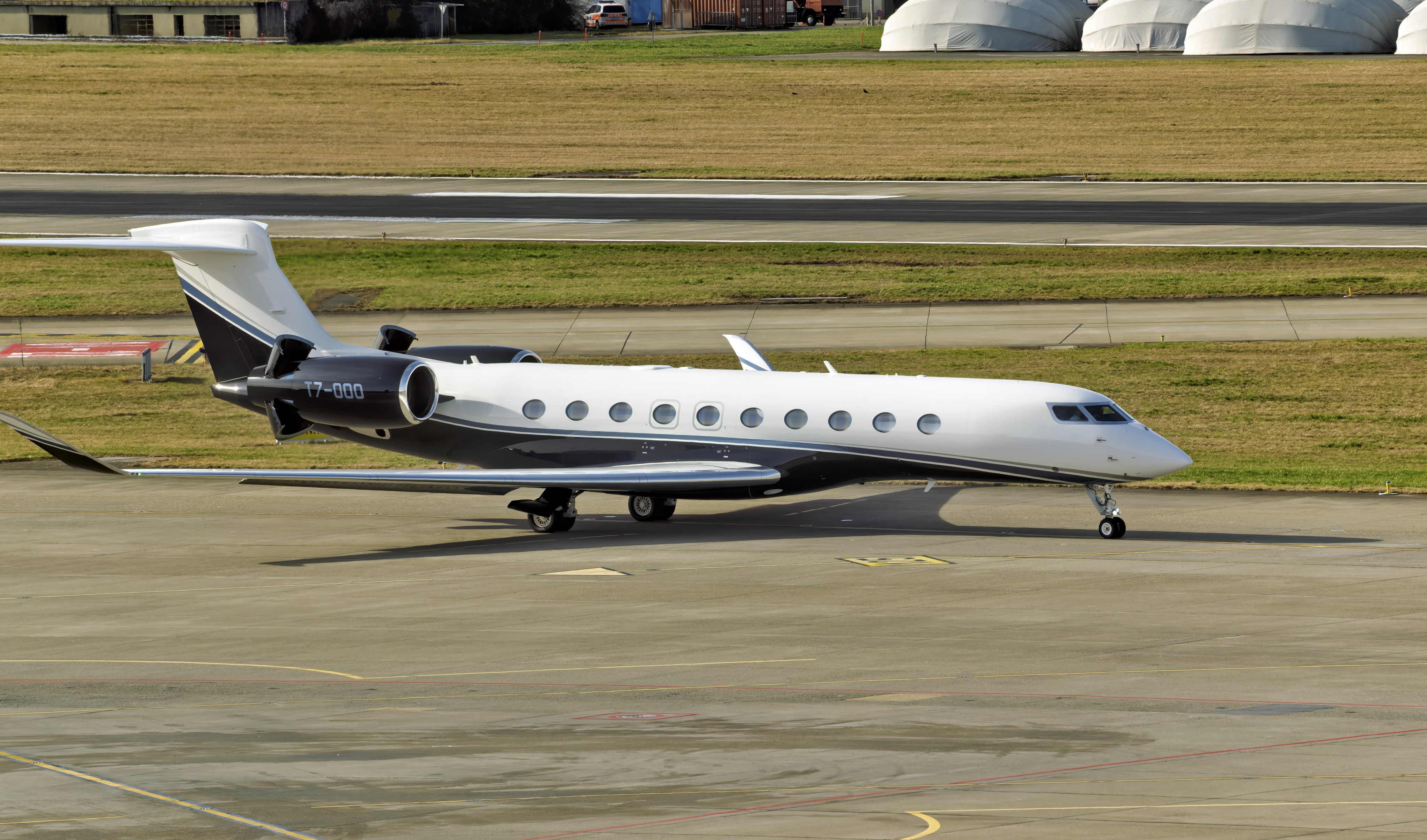
Oprah Winfrey, the “queen of all media,” and the first black woman billionaire, has a uniquely inspiring story. She literally went from wearing dresses made of potato sacks as a child to being one of the 1%.
Even after quitting her long-running TV show, she remains one of the most influential and recognizable figures in the world. Unless you’ve been living under a rock, you know who Oprah Winfrey is, regardless of your geographic location.
While we could spend hours talking about her incredible life, today, we’ll focus on a lesser-known fact: her preference for private planes. Over the years, Oprah has owned several private jets and is currently flying in a lavish Gulfstream G700, the epitome of luxury aviation.
In this article, Jettly looks at what made Oprah become a private jet owner and the perks she enjoys the most.
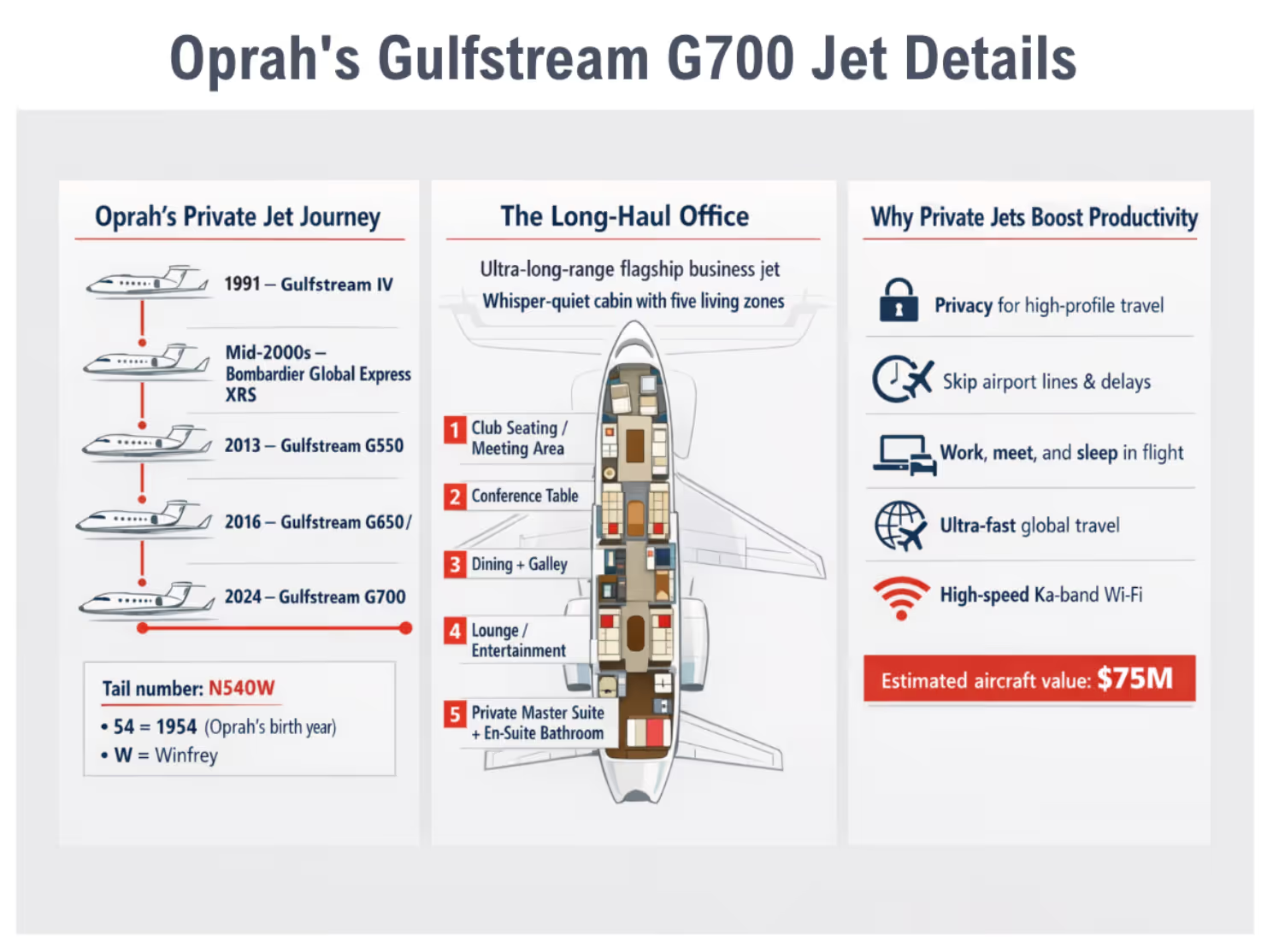
Her journey as an airplane owner started in 1991, when she purchased her first jet, a Gulfstream IV (G-IV). She reportedly decided to buy it after a fan encounter during a four-hour delay at Chicago’s O'Hare International Airport convinced her that commercial travel was no longer compatible with her privacy.
Since then, Oprah owned four other aircraft:
As a fun tidbit of information, Oprah’s jets consistently use the tail number N540W. The 54 refers to 1954 (her birth year), and the “W” stands for Winfrey.
Based on the Celebrity Private Jet Tracker site, Oprah’s jets mostly fly across the US, but she also takes international trips to events or for leisure. The media mogul is famous for preferring to use her personal plane, but this is not always possible. Even private jets need maintenance or emergency repairs from time to time.
Still, engagements don’t tend to wait for your plane to be ready, so Oprah has occasionally had to use charter services. This is where private jet rental companies usually step in.
If the personal G700 isn’t available, a private jet rental company can offer a wide range of fully equipped jets (like a G600, G650, or even a Global Express XRS ) as a temporary replacement.
Private jet rental companies often have celebrities as clients, since most don’t want to deal with the long-term financial and operational burden of owning a plane. Even frequent flyers, who benefit from the stability of having an aircraft at their beck and call, still prefer fractional ownership over full ownership.
Owning a private jet comes with a wide range of perks, such as privacy, comfort, speed, and the luxury of skipping security and boarding lines. Oprah fully understands all of this and has famously called her private jet “one of the best investments” she ever made.
During her peak “queen of all media” career, every second was precious, and a private plane allowed her to work, sleep, and maintain a demanding schedule without the inconveniences associated with commercial international travel.
This is why all the customizations she made focus on functional luxury, sound suppression, and productivity. You won’t find any unnecessary bling in her planes. Oprah’s jets are configured to act as a home and office in the sky.
For instance, her G650ER was divided into four separate areas:
The G700 is an upgrade in both size and comfort, due to its ultra-large, whisper-quiet cabin (even for the ultra-long-range business jet class) and five interior zones. The zones can be converted, as needed, into a dining area (galley), club seating, a conference room, a grand en-suite bathroom, and more.
We don’t yet know what customizations Oprah chose for her G700, but it’s clear why she opted for this jet model: It is the perfect long-haul office in the sky.
Oprah isn’t the only (or the first) celebrity to buy a private jet for the comfort and convenience it offers. Warren Buffett famously named his plane The Indispensable, a nod to the value it brought to his business travel.
Having a home and an office in the sky makes perfect sense from a business standpoint.
Share this post:
Jay Franco Serevilla
Mar 16, 2026
|
5
min read
Discover tips and trends in the industry.
5
min read
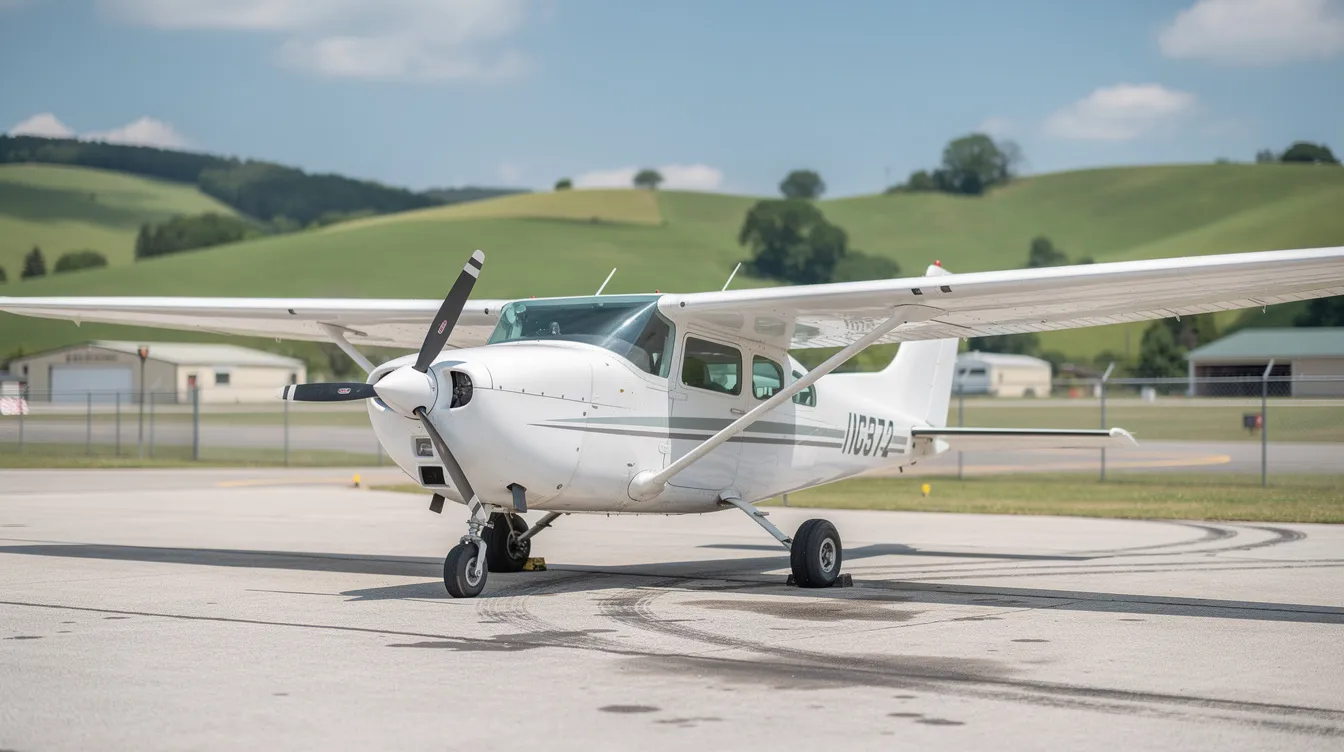
Cessna 182 Cost of Ownership in 2026: Fixed Costs, Operating Costs, and Realistic Budgets
In 2026, owning a Cessna 182 Skylane involves navigating fixed and variable costs that can range from $180 to $350 per flight hour. Fixed costs typically amount to $6,500 to $19,500 annually, while variable costs, including fuel and maintenance, can add another $100 to $200 per hour. Understanding these expenses is crucial for pilots considering ownership versus alternatives like chartering.
Read More
5
min read
US Military Base Oman: Strategic Access, RAFO Thumrait, and Travel Options
Oman hosts U.S. military access through key facilities like RAFO Thumrait, Masirah Island Airbase, and Duqm Port, but does not have sovereign U.S. bases. This strategic partnership enhances regional security and logistics while maintaining Omani sovereignty. Travelers can utilize civil airports in Muscat and Salalah for access, with private jet services available through Jettly.
Read MoreStay updated with our latest insights and tips to elevate your journey with us.
MEMBERSHIPS AND ASSOCIATIONS



Disclaimer: Jettly operates as a charter broker, offering access to a global digital jet charter marketplace. Jettly is not a direct air carrier and does not own or operate aircraft. All advertised flights are conducted by third-party air carriers that are fully licensed and hold the appropriate Part 135 or Part 121 certifications issued by the Federal Aviation Administration (FAA) or equivalent regulatory authorities under U.S. or foreign law. Jettly complies fully with the U.S. Department of Transportation's Part 295 and Part 298 Charter Broker regulations. Jettly does not carry additional liability insurance. Passengers are covered by aircraft operator insurance. TICO: 50023770


