


Login
Get Instant Pricing On 23,000+ Aircraft

>
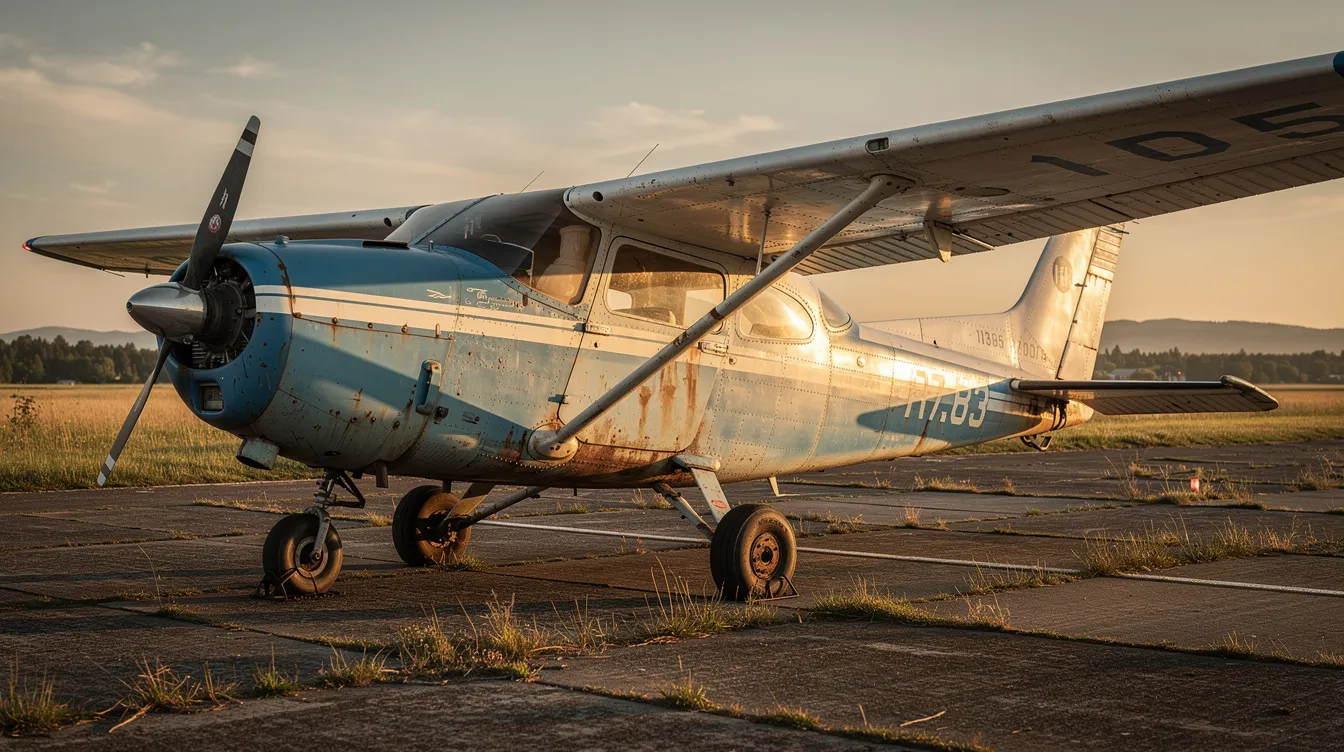
Old Cessna aircraft remain some of the most recognizable and widely flown airplanes in the world. From the iconic Skyhawk trainer to early Citation business jets, these machines continue to serve pilots, owners, and charter customers decades after rolling off the production line in Wichita.
Old Cessna aircraft covers classic single-engine pistons like the 172 and 182, vintage Cessna Caravan turboprops, and early Cessna Citation jets still active worldwide.
Many pre-2000 Cessna models remain highly capable for training, private ownership, and charter when maintained under strict regulatory standards.
Clyde Cessna and the brief 1927 Cessna Roos Aircraft Company partnership laid the foundation for a brand that now spans everything from the Skyhawk to long-range Citation jets.
Jettly gives customers on-demand access to older but well-maintained Cessna aircraft across categories, often at lower charter rates than brand-new jets.
Readers can learn more about chartering old Cessna aircraft or request instant pricing via Jettly's platform at https://www.jettly.com.
The story of the Cessna brand begins with Clyde Cessna, a Kansas farmer turned aviator who built and flew his own airplane as early as 1911. Inspired by early aviation shows, he moved to Wichita—a city that would eventually earn the title "Air Capital of the World"—and began refining monoplane designs that prioritized cantilever wing construction over the strut-braced biplanes common at the time.
In 1927, Cessna partnered with Victor H. Roos to form the Cessna Roos Aircraft Company. Roos resigned within a month, and by December of that year, the small aircraft company started operating under the name Cessna Aircraft Company. That partnership, however brief, marks the beginning of a legacy that reshaped general aviation aircraft design worldwide.
Cessna's early cantilever wing designs—no external bracing, cleaner aerodynamics—became a defining style choice that influenced the stability, speed, and efficiency of later single-engine models. During the Great Depression, the company survived by building CR-series racing aircraft with his son Eldon, keeping the brand visible through competition wins and distance records. Clyde Cessna retired in the mid-1930s, handing control to his nephews Dwane and Dwight Wallace, who guided the company into postwar production. Clyde Cessna died on November 20, 1954, but the company he created was already building the aircraft that would define an era. After World War II, Cessna became known for high-wing aircraft—a design philosophy that still defines its most popular piston models and cements its place among the best private plane manufacturers.
Notably, Cessna was one of the "Big Three" in aviation manufacturing alongside Beechcraft and Piper, a testament to its significant role in shaping general aviation.
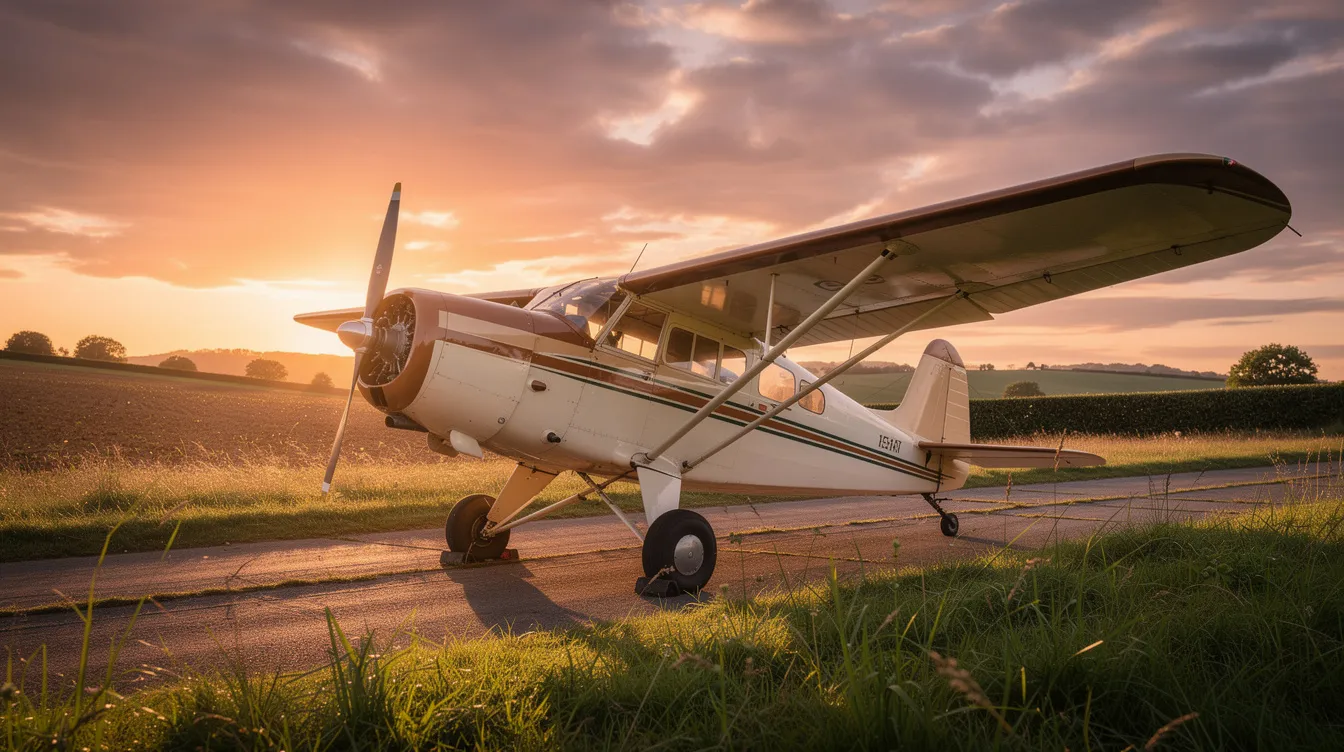
Cessna aircraft built between the 1960s and 1990s remain popular for a straightforward reason: they work. Proven airframes, predictable handling, and wide parts support make older Cessna models a practical choice for pilots, owners, and charter customers alike. Older Cessna aircraft are famous for reliability and versatile use, which is why legacy Cessna models are often used for training and personal travel.
Compared to contemporary composite trainers, older Cessna single-engine pistons—such as a 1968 Cessna 172I or P206C—offer durability, mechanical simplicity, and cockpit layouts that thousands of pilots already know. Older Cessna aircraft remain foundational to general aviation due to their reliability.
Operating economics favor these planes, too. The acquisition price is significantly lower than new-production airframes. Fuel burn at cruise sits around 8–10 gallons per hour for most piston models, and retrofitting Garmin glass avionics makes them capable of modern IFR operations. A 1970s Cessna 172 still serves as the primary training airplane at hundreds of flight schools. An older Cessna 206 regularly carries families and supplies to remote lakes and unpaved strips in Alaska and East Africa—missions where utility and load capacity matter more than a new interior.
This section focuses on legacy single-engine Cessna aircraft widely available on the used and charter markets. The Cessna 150 and 172 are key legacy models in general aviation.
|
Model |
Role |
Engine Power |
Cruise Speed (knots) |
Useful Load (lbs) |
Typical Use Case |
|---|---|---|---|---|---|
|
Cessna 172 Skyhawk |
Trainer / Recreation |
~160 hp |
~120 |
~870 |
Flight training, personal flying |
|
Cessna 150/152 |
Primary Trainer |
100-110 hp |
~100 |
~500-600 |
Flight schools, initial pilot training |
|
Cessna 177 Cardinal |
Trainer / Touring |
~160 hp |
~125 |
~850 |
Better visibility, touring flights |
|
Cessna 182 Skylane |
Touring / IFR |
230 hp |
135-145 |
1100-1300 |
Family travel, light IFR flying |
|
Cessna 180 Skywagon |
Utility / Backcountry |
~230 hp |
~140 |
~1000 |
Heavy-duty utility, bush flying |
|
Cessna 206 Stationair |
Utility / Charter |
~300 hp |
~140 |
~1300 |
Remote charters, float operations |
Cessna 172 Skyhawk. The Cessna 172 was introduced in 1956 and is the absolute standard for flight schools and recreational flying. The Cessna Skyhawk is the most popular single-engine aircraft, and the most popular training aircraft ever built—Cessna produced over 43,000 Skyhawks, the most sold aircraft in history. The Skyhawk is favored for its forgiving flight characteristics, slow landing speed, and lenient stall behavior. Typical cruise runs around 120 knots with a useful load of nearly 870 lbs. Modern versions feature a sophisticated glass cockpit with GARMIN G1000 avionics, but even older variants fly reliably worldwide. The Cessna 172 is renowned for its stability and use in flight training.
Cessna 150/152. The Cessna 150 is known as the quintessential primary flight trainer—a two-seat airplane that taught millions of pilots to fly. The Cessna 152 was introduced in 1977 as an update to the 150, with minor engine and aerodynamic improvements.
Cessna 177 Cardinal. The Cessna 177 Cardinal features a cantilever wing and better visibility compared to the 172, making it a predecessor in design philosophy to later models.
Cessna 182 Skylane. Introduced in the 1950s with 230 hp, the Cessna 182 Skylane is favored for longer family travel and light IFR flying. Higher useful load (1,100–1,300 lbs), faster cruise (~135–145 knots), and strong takeoff performance on shorter strips make it a step up from the 172.
Cessna 180 Skywagon. The Cessna 180 Skywagon is designed for heavy-duty utility operations—tailwheel landing gear, rugged airframe, and backcountry capability.
Cessna 206/Stationair. Six seats, large cargo doors, and excellent performance for float operations and air taxi work. The Cessna Turbo Stationair HD can carry five passengers and can land on short dirt airstrips—making it a favorite for remote charter and utility missions.
Maintenance notes. Key factors for any old single-engine Cessna include engine time since major overhaul (SMOH), annual inspections, and corrosion checks on the airframe. Older Cessnas are prone to internal corrosion and require thorough inspections. Avionics upgrades like GTN-750 or G1000 NXi retrofits bring these aircraft up to current standards.

Old Cessna aircraft also includes earlier turboprop Caravans and older Cessna Citation business jets that remain active in charter fleets across the globe.
Cessna Caravan. Early Caravan models from the mid-1980s feature a single-engine turboprop with a 675-horsepower PT6A-114A engine, high payload, and the ability to operate from unpaved strips. The Cessna Grand Caravan EX can carry up to 14 occupants, making it ideal for regional cargo and passenger delivery. For more on specs, see Jettly's Cessna Caravan specs guide.
Early Citation Jets. The original Citation I and II from the 1970s–1980s offered small cabins, straight wings, and cruise speeds around 350–400 knots—modest compared to today's Cessna Citation M2 jet, which has a cruising speed of up to 404 knots and a maximum range of 1,550 nautical miles. But early Citations remain efficient for short business hops under 1,000 nm. Many older Cessna Citation aircraft now have modernized interiors with Wi-Fi, updated avionics through programs like Garmin's CJ2 retrofit, and cabin refurbishments that keep them competitive in charter. Explore the full Cessna Citation family for more details.
Regulatory and safety standards apply equally regardless of age. Charter operators must comply with Part 135 standards—mandatory inspections, engine overhauls on schedule, and strict pilot training requirements.
Many travelers fall into the choice between being an owner of an older Cessna aircraft and chartering on demand through a platform like Jettly.
Buying pros: Control over schedule, aircraft customization, lower capital price compared with new airframes. A 1970s 172 or 1980s Caravan can be a solid investment for frequent flyers.
Buying drawbacks: Hangar fees, insurance, maintenance reserves, engine overhauls, avionics upgrades, and pilot training add up fast. Performing a pre-buy inspection by a knowledgeable mechanic is essential when buying older Cessnas. Complete logbooks dating back to manufacture are crucial for aircraft value. Damage history and internal corrosion can significantly affect the sale price and airworthiness, while complete records also help an owner sell the aircraft with confidence.
Chartering through Jettly and using its affordable private jet charter tools bypasses these ownership burdens. No capital risk, access to a global fleet, and the flexibility to match aircraft type—piston aircraft, turboprop, or Citation jet—to each mission. A business traveler can charter an older Citation for a regional hop through a broad private charter aircraft network. A family can book a Cessna 206 for a weekend getaway to a lakeside cabin. Jettly's platform offers transparent pricing, on-demand quotes, and membership options that reduce per-flight costs for frequent customers.
Jettly is a digital private jet charter marketplace—not a direct operator—giving customers access to over 20,000 aircraft worldwide, including older Cessna models across every category.
A user searches by route (Toronto–Montreal, Los Angeles–Las Vegas), date, and passenger count using an airport locator tool, then filters by aircraft class: light jet, turboprop, or piston. Many partner operators offer classic Cessna aircraft—Caravans, 172s, 182s, and legacy Citation jets—all maintained under strict safety and regulatory standards, equipped for modern operations, including branded services such as Dexter Air Taxi.
Instant pricing lets users use a private jet charter cost estimator to compare an older Citation against a newer light jet, or consider a Caravan rental instead of a regional turboprop for short sectors. No hidden fees, transparent costs, and optional private jet memberships create a balance between flexibility and value. Explore options and request quotes at https://www.jettly.com.
Old Cessna aircraft are tools matched to specific missions—not just vintage collectibles sitting in a window display at an aviation museum.
Training and time-building: Older Cessna 172s, 152s, and 182s deliver cost-effective hours with stable handling and availability at smaller airports worldwide, frequently used by operators listed in the ultimate list of charter airlines. Several years of proven service make them the go-to for flight schools.
Regional business trips: Older Citation jets handle sub-1,000 nm missions (New York–Chicago, London–Geneva) where speed and comfort matter more than the latest model year, especially when compared with a NetJets alternative like Jettly.
**Remote and adventure travel: A Cessna 206 or Caravan can reach short, unpaved, or water-adjacent strips that scheduled airlines cannot serve—perfect for customers who want to fly into places the skies rarely see commercial traffic or participate in crowdsourced private jet flights and empty-seat sharing.
Medical, cargo, and utility: Reliability and payload on older Caravans and 200-series Cessnas outweigh cabin styling. These planes create real-world value in regions serving communities far from major airports, similar to how NetJets, as an industry leader, leverages a diverse fleet to reach secondary fields.
Proper maintenance and modernization are what keep decades-old Cessna aircraft safe and competitive. The balance between quality upkeep and smart upgrades determines whether an airplane built decades ago can match current performance expectations.
Core inspections: Annual and 100-hour inspections, logbook reviews, and airframe checks for corrosion, control cables, and landing gear on aging Cessnas.
Engine management: Continental and Lycoming piston engines require monitoring of time since major overhaul, cylinder compressions, and oil analysis. PT6A turbines on Caravans follow strict hot-section and overhaul cycles.
Avionics upgrades: Garmin GTN-750, G5 instruments, G1000 NXi panels, and ADS-B Out transponders (GTX-330ES) bring older aircraft into compliance with modern IFR and airspace requirements.
Cabin refurbishments: New seating, soundproofing, LED lighting, and room for updated interior layouts keep older Citation jets competitive in the charter world, ensuring passenger comfort on every flight.
Older airframes raise sustainability questions, but efficient operations and offsets help mitigate impact. Right-sizing the aircraft to the mission is the single biggest efficiency lever. A classic single-engine piston burning 9 gallons per hour on a 300 nm leg is far more efficient than positioning a heavy jet for the same route.
Modern engine management, lighter interiors, and aerodynamic clean-ups—fairings, wheel pants, gap seals—improve fuel efficiency even on planes produced several years or decades ago. Some charter customers choose to purchase carbon offsets through partner programs that platforms like Jettly can help facilitate.
Total trip efficiency also matters: direct routings, flying from closer secondary airports, and minimizing positioning flights all reduce environmental impact regardless of aircraft age.
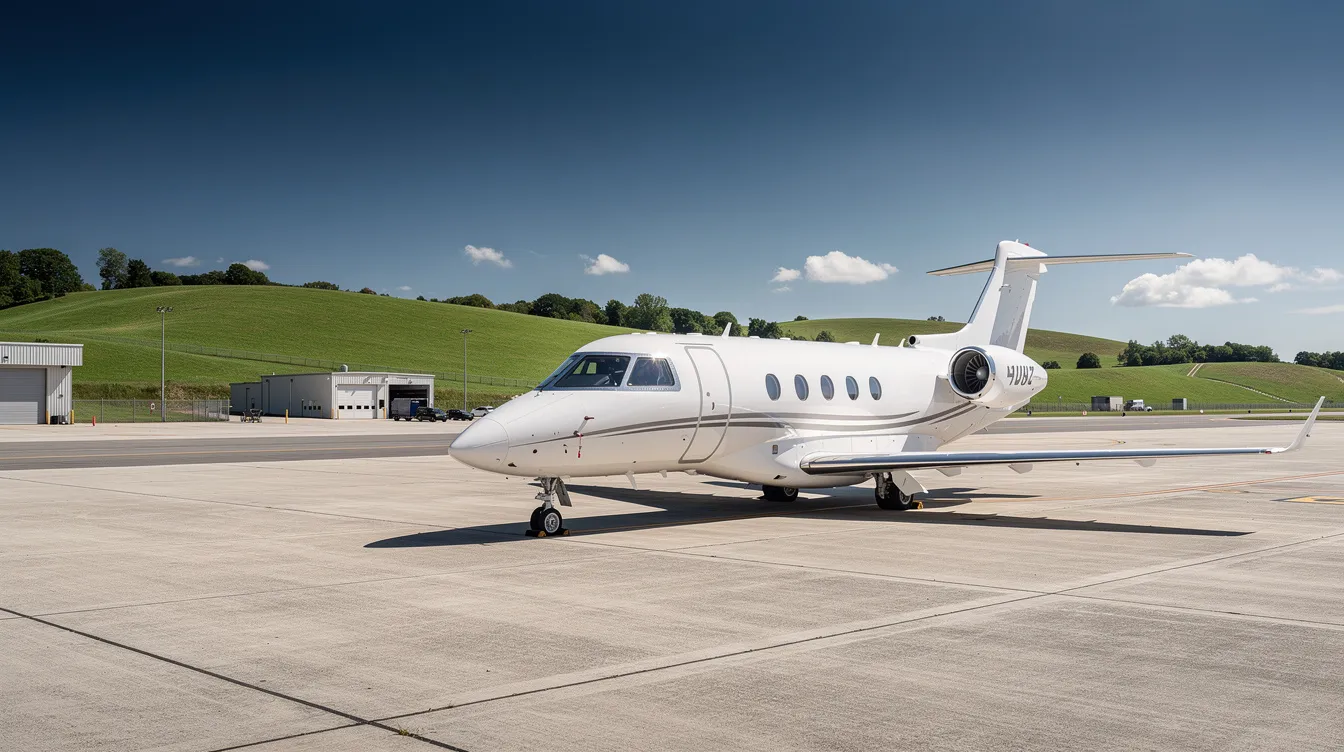
Safety depends on maintenance and regulation, not age alone. Charter operators must comply with Part 135 or equivalent standards, including regular inspections, pilot training, and documented maintenance. When booking through a platform like Jettly, users can review operator credentials and maintenance history before confirming a flight.
The platform allows users to filter by aircraft category—piston, turboprop, or light jet—and see specific examples like Caravan or Citation. Customers can also request certain types, such as a single-engine Cessna 172 for short hops or a Citation for business trips, when submitting a quote request. Exact tail numbers may vary based on availability.
Many older Citation jets in charter fleets have refurbished interiors with leather seating, fold-out tables, and often Wi-Fi. Cabin features vary by operator and refurbishment level—review cabin photos, seat maps, and amenity listings on Jettly before confirming a flight.
Hourly charter rates on older Cessna aircraft are often lower than on brand-new jets due to acquisition cost differences and aircraft category. However, pricing also depends on route, demand, and operator. Use Jettly's instant pricing tools to compare aircraft options side by side for the same itinerary.
Many old Cessna aircraft are upgraded with Garmin or similar avionics by broad aftermarket and manufacturer partners, adding glass cockpits, GPS, ADS-B Out, and full IFR capability. The exact avionics suite varies by aircraft, so check the equipment listed in each quotation or aircraft profile on Jettly.
Old Cessna aircraft—from classic single-engine trainers to early Cessna Citation jets and Caravans—still deliver strong value, reliability, and mission flexibility when properly maintained. The history stretching from the Cessna Roos days through today's global fleet proves this brand's legacy is built on practical design and enduring quality, not just nostalgia.
Jettly connects travelers with a wide range of these aircraft worldwide, offering transparent pricing, membership options, and on-demand booking. Whether the picture in your mind is a bush plane on floats or a Citation jet for a business march through several cities, the right aircraft is available.
Ready to experience private travel on your terms? Explore live availability, compare aircraft types, and request instant quotes at https://www.jettly.com.
Share this post:
Jay Franco Serevilla
Jun 25, 2026
|
5
min read
Discover tips and trends in the industry.

5
min read
Falcon 10X Cockpit: Inside the NeXus Flight Deck of Dassault's Ultra-Long-Range Flagship
The Dassault Falcon 10X cockpit features the advanced NeXus flight deck, integrating cutting-edge technology for enhanced safety and pilot efficiency. With its fighter-derived controls and automation, it promises smoother long-haul flights and improved airport access, making it a game-changer for private jet travelers. As it prepares for service in 2027, the Falcon 10X sets a new standard in ultra-long-range business aviation.
Read More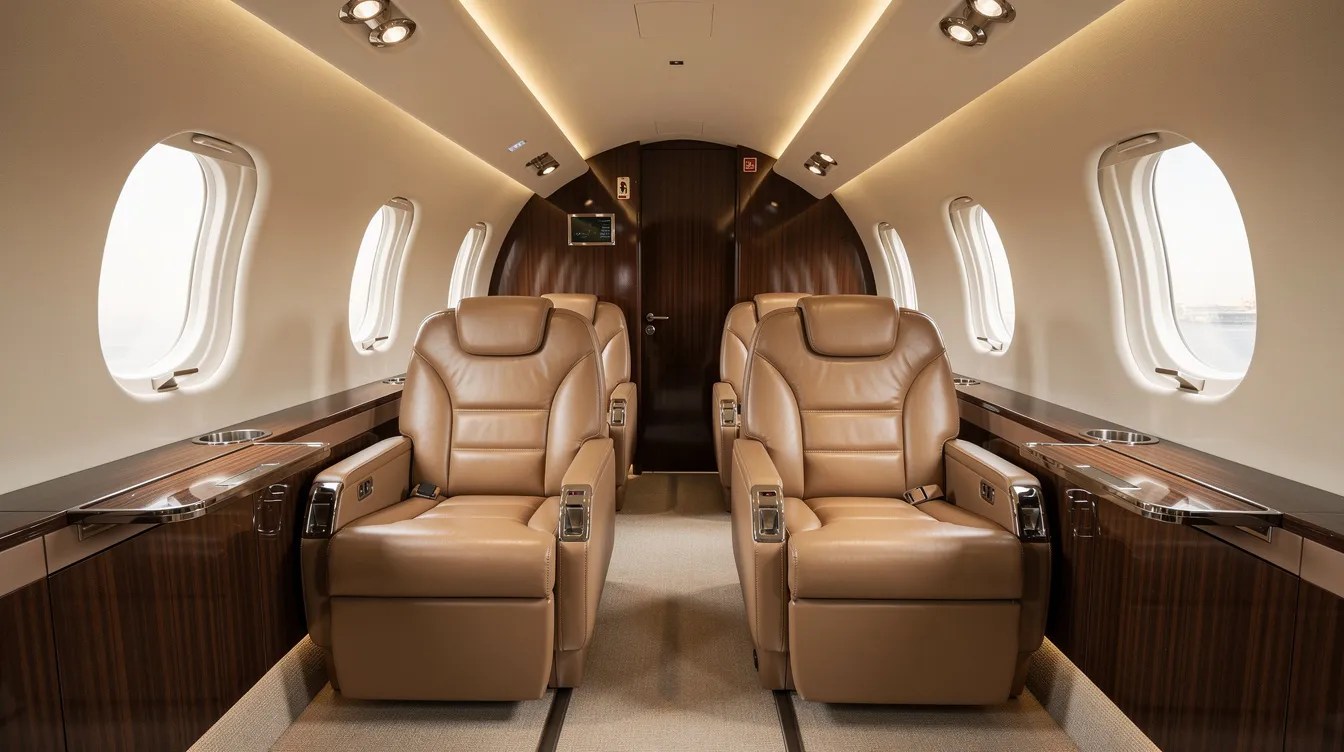
5
min read
Seating Capacity on Private Jets: How Much Space You Really Get
Choosing the right private jet begins with understanding seating capacity, which affects comfort, space, and cost. This guide details how different jet categories accommodate passengers and how Jettly's platform helps match your group size with the ideal aircraft. Learn about seating layouts and practical considerations for a smooth flying experience.
Read MoreStay updated with our latest insights and tips to elevate your journey with us.
MEMBERSHIPS AND ASSOCIATIONS



Disclaimer: Jettly operates as a charter broker, offering access to a global digital jet charter marketplace. Jettly is not a direct air carrier and does not own or operate aircraft. All advertised flights are conducted by third-party air carriers that are fully licensed and hold the appropriate Part 135 or Part 121 certifications issued by the Federal Aviation Administration (FAA) or equivalent regulatory authorities under U.S. or foreign law. Jettly complies fully with the U.S. Department of Transportation's Part 295 and Part 298 Charter Broker regulations. Jettly does not carry additional liability insurance. Passengers are covered by aircraft operator insurance. TICO: 50023770


