



Login
Get Instant Pricing On 23,000+ Aircraft

>
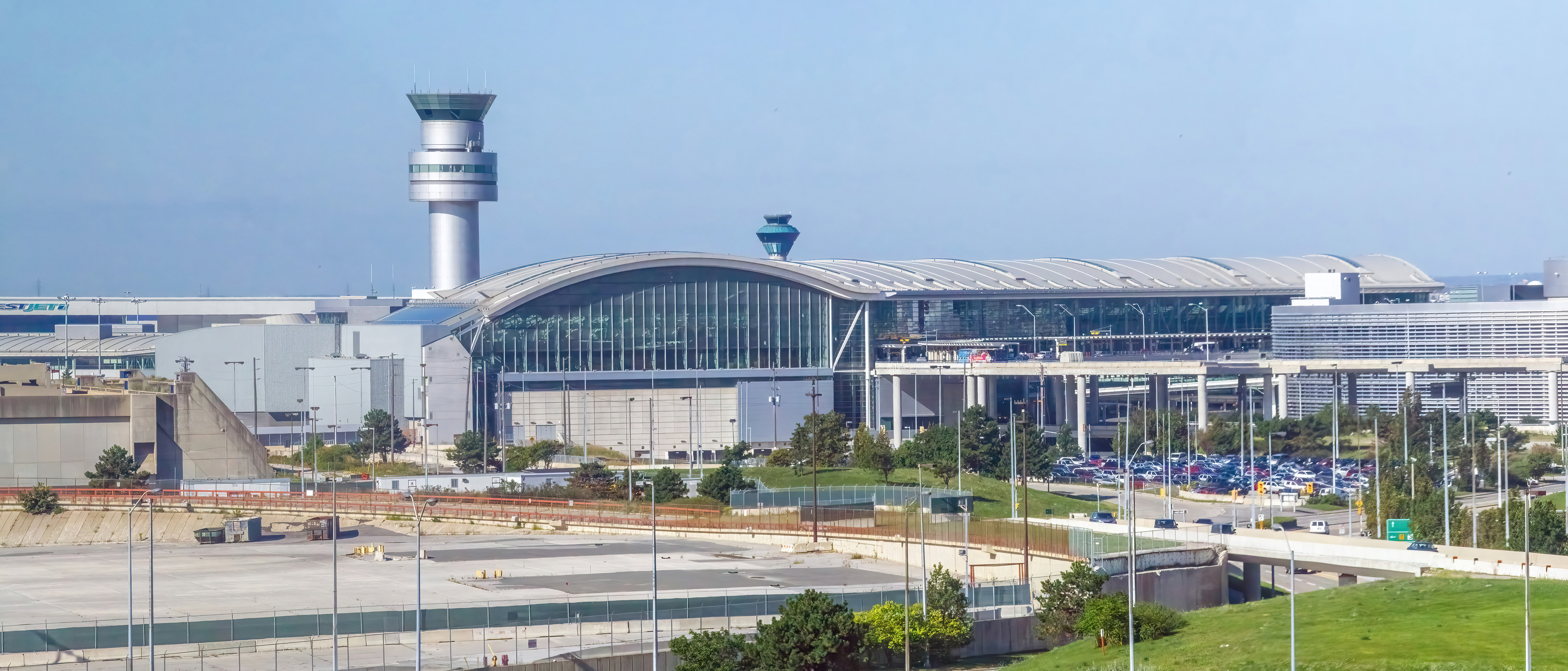
High-net-worth travellers and executives whose schedules run on precision cannot see the stress of commercial air travel as merely a vague inconvenience. It is a measurable operational burden. And the data shows that connecting flights amplify that burden exponentially.
In 2024, system‑wide arrival punctuality dropped to 61% during peak summer months, according to the Annual Network Operations Report from EUROCONTROL. At the same time, Air Traffic Flow Management (ATFM) delays per flight increased by 64% year over year, highlighting a network under strain.
Add one connection on top of that, and the traveler inherits more time in transit and greater exposure to volatility. A layover is an additional failure point. The psychological fallout amplifies the undesirable outcomes, aside from lost productivity and potential extra costs. Jettly, a private jet charter and fractional ownership service, provides the following breakdown of the available data to illustrate the imperfection of journeys reliant on connecting flights.
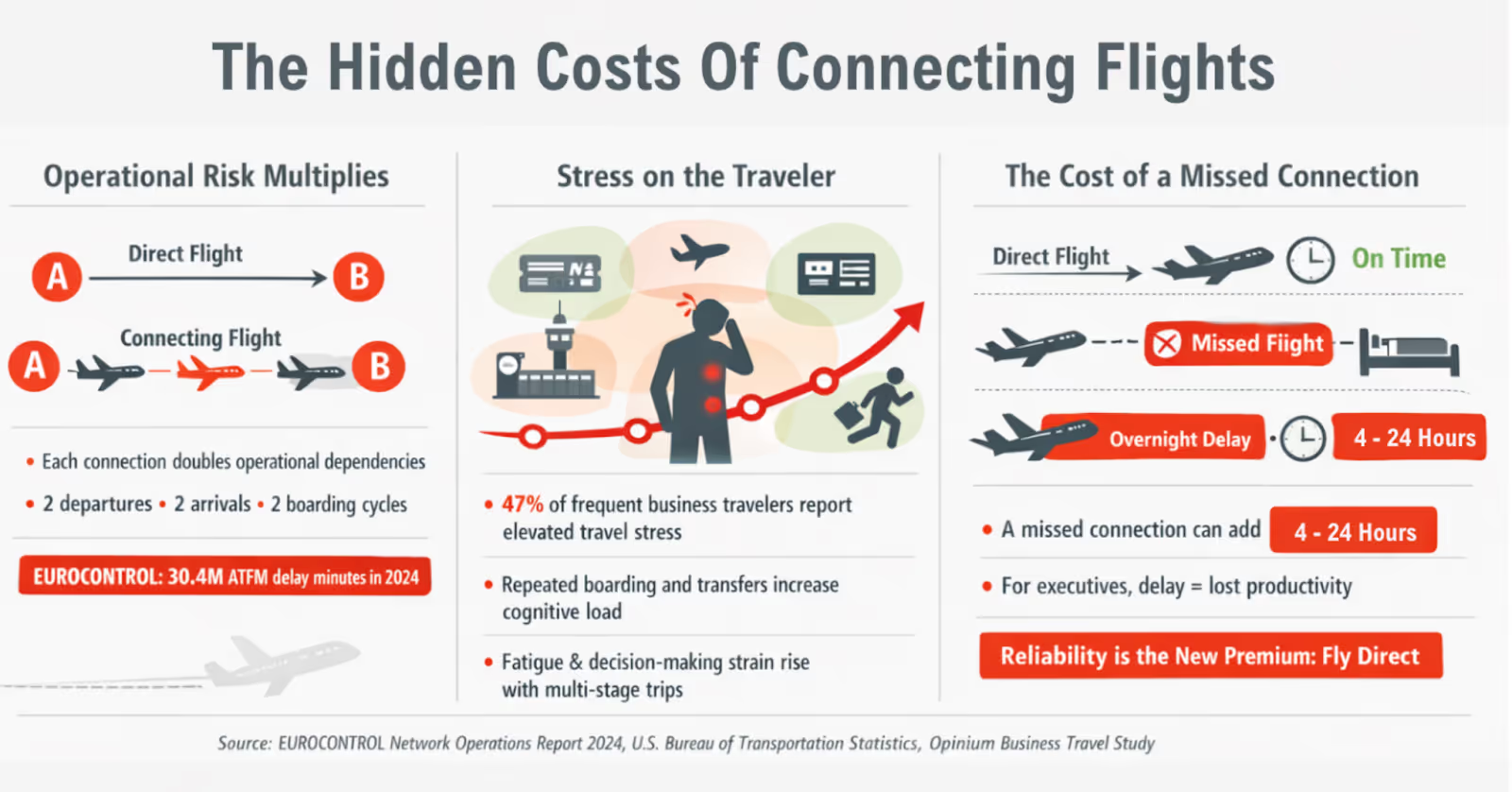
The hidden cost of connecting flights starts with structural math. Every added segment doubles the dependency chain: two departure slots, two arrival slots, two taxi‑out events, two boarding cycles, and a minimum connection time that becomes increasingly fragile as delays accumulate.
The aforementioned EUROCONTROL report shows that even a 15‑minute delay on an inbound leg is enough to break tight connection banks during peak hours. It also frames the broader issue that total ATFM delay minutes reached 30.4 million in 2024, up 114% from 2015. That growth translates into a greater likelihood that any given connection will encounter congestion, not to mention heightened potential for gate conflicts and departure pushbacks.
In parallel, analysis from the U.S. Bureau of Transportation Statistics' 2025 Airline Service Quality data shows that missed-connection events frequently stem from gate shortages and en‑route sequencing delays. The 77.3% of on-time arrivals might be better than Europe’s, but it still leaves a major margin for disruption and delays that individual travelers must not ignore.
While nonstop flights can still suffer delays, they avoid the compounding effect where one disruption cascades into the next, an effect that becomes especially visible in hub‑and‑spoke networks. In turn, strategy-focused travelers stand to benefit from improved reliability and reduced stress when choosing private aviation over commercial flights.
Operational risk tells half the story. The other half happens inside the traveler’s body. Each boarding event, gate transition, and tight transfer window acts as a discrete stressor. Boarding initiates an alertness spike. Takeoff pushes cardiovascular acceleration. Deplaning produces a short, intense period of uncertainty. Multiply these cycles, and the total physiological load expands.
Psychological research reinforces this pattern. A review on frequent business travel from Opinium highlights that 47% of regular business travelers report elevated stress levels, with fatigue, reduced cognitive function, and decision‑making strain linked directly to multi‑stage itineraries.
The report also notes that dense travel schedules increase cortisol exposure, magnifying sensitivity to delays and uncertainty. This evidence aligns with broader behavioral studies showing that repeated disruptions in unfamiliar environments heighten anxiety responses and impair executive functioning. In other words, each added travel segment extends the journey and resets the stress cycle.
One study by MIT researchers shows that delay severity increases as the day progresses due to cumulative operational disruptions. For travelers connecting through large hubs, this is significant. The second leg often occurs in the afternoon or evening, the exact window when network delays spike.
This forces travelers into extended monitoring behavior: checking screens, recalculating buffer times, anticipating gate changes, and continually updating plans. That cognitive load erodes the mental clarity needed for business-critical tasks at the destination.
For private clients, time is measured in opportunity cost. A missed connection on a domestic itinerary can add 4 to 18 hours of delay, depending on service frequency. International itineraries can push that penalty beyond 24 hours. Given that many executive schedules are costed internally at thousands of dollars per hour, the risk-adjusted cost of a layover can far exceed any marginal fare savings.
Moreover, EUROCONTROL notes that 38.3% of 2024’s total delay minutes occurred in just two months, July and August, when business travelers are still active but leisure travel saturates capacity. Travellers planning multi‑leg trips during these periods can expect volatility to be essentially predictable.
Corporate travel teams are increasingly recognizing that the fastest itinerary on paper is not always the most reliable in practice. Reliability has become the premium.
With traffic rising and ATFM delays climbing year over year, hub congestion is likely to persist. Airlines are responding with schedule padding, but even with buffers, the system remains vulnerable.
As a result, nonstop flights and private charters are no longer being selected primarily for comfort. They are being selected for risk reduction.
The stress cost of connecting flights is not subjective. It is rooted in rising ATFM delays across major regions, degrading punctuality during peak months, increased physiological and psychological load from repeated travel cycles, and results in documented stress impacts on frequent travelers.
Nonstop flights remove a meaningful portion of that volatility. Those with demanding schedules and high cognitive stakes on arrival must consider them an operational safeguard.
Share this post:
Jay Franco Serevilla
Mar 16, 2026
|
5
min read
Discover tips and trends in the industry.
5
min read
N588AT Gulfstream G-V Charter Guide: Cabin, Specs, and How to Book with Jettly
The N588AT Gulfstream G-V is a premier heavy jet designed for intercontinental travel, offering a spacious cabin for up to fourteen passengers. This guide provides insights into its specifications, onboard amenities, and the booking process through Jettly's platform, making it an ideal choice for both business and leisure travel.
Read More
5
min read
N888XY Gulfstream V (GV) Guide: Specifications, History, and Charter Options
N888XY is a 1997 Gulfstream V heavy jet known for its unique color-shifting exterior and luxurious features. With a range of up to 6,700 nautical miles, it offers spacious accommodations for up to 14 passengers, making it ideal for both business and leisure travel. This guide covers its specifications, history, and charter options, providing insights for potential travelers.
Read MoreStay updated with our latest insights and tips to elevate your journey with us.
MEMBERSHIPS AND ASSOCIATIONS



Disclaimer: Jettly operates as a charter broker, offering access to a global digital jet charter marketplace. Jettly is not a direct air carrier and does not own or operate aircraft. All advertised flights are conducted by third-party air carriers that are fully licensed and hold the appropriate Part 135 or Part 121 certifications issued by the Federal Aviation Administration (FAA) or equivalent regulatory authorities under U.S. or foreign law. Jettly complies fully with the U.S. Department of Transportation's Part 295 and Part 298 Charter Broker regulations. Jettly does not carry additional liability insurance. Passengers are covered by aircraft operator insurance. TICO: 50023770


