



Login
Get Instant Pricing On 23,000+ Aircraft

>

Manston International Airport, also known as Kent International Airport, sits on the northeastern tip of Kent in southeast England. Once a wartime forward base and later a regional commercial airport, the airfield closed to regular traffic in 2014 and is now at the center of a major freight-led redevelopment. For private jet travelers and logistics planners eyeing Kent, understanding where the project stands - and what alternatives exist right now - is essential.
Manston Airport (IATA: MSE, ICAO: EGMH) in Manston, Kent, England, is currently a closed international airport with no scheduled flights. RiverOak Strategic Partners is leading a redevelopment targeting roughly 2028 for reopening as an airfreight hub.
The airport's runway measures 2,752 meters long - one of the longest in the UK - and its location in southeast England historically supported Second World War, Cold War, and later commercial operations.
A £500 million investment is planned for the airport's redevelopment under a Development Consent Order, with infrastructure for cargo services, aircraft recycling, maintenance, and limited future passenger and business aviation.
There are no active terminal car parks or scheduled services at Manston today. Travelers use nearby airports such as London City, Biggin Hill, Gatwick, Southend, and Lydd.
Jettly, as a digital private jet charter broker, helps travelers access Kent and southeast England now via alternative airports, offering instant pricing, empty leg options, and tailored routing while Manston remains closed.
Manston International Airport - formerly RAF Manston and at various times branded as Kent International Airport and briefly London Manston Airport - is a closed civil airport located in Manston, Kent. The site is closed to active commercial air traffic, though limited activities continue on the airfield.
The airport is situated near the village of Manston in the parish of Minster in Thanet, roughly 11 nautical miles northeast of Canterbury and a few miles from Ramsgate and Margate. The site falls within the Thanet District of Kent.
Over the decades, the airfield carried several names reflecting efforts to attract commercial traffic: from its military identity as RAF Manston, through the Kent International rebranding in 1989, to a short-lived London Manston Airport label aimed at capturing London-area demand.
Since regular commercial operations ceased in May 2014, the airfield has been used intermittently as an emergency lorry park, a filming location, a venue for aviation events, and for limited non-passenger operations.
For future private jet users and logistics planners, Manston matters as a potential new access point for Kent, the London corridor, and cross-Channel freight flows - the kind of development Jettly tracks for its MSE Airport guide.
Manston Kent sits on the Isle of Thanet in coastal Kent. By road, the airport is located about 90 minutes from London via the A299, M2, and M25. Drive times to Canterbury are about 30 minutes from Manston.
Historically, Kent International was served by local roads including the A299 Thanet Way, rail links via stations at Ramsgate and Canterbury, and coach or taxi connections along the coast. Those transport links still serve visitors to the area.
Key nearby airports currently used instead of Manston include:
|
Airport |
Code |
Private Jet Suitability |
Approx. Drive to Ramsgate |
|---|---|---|---|
|
London City |
LCY |
Good (short runway limits) |
~2 hours |
|
London Biggin Hill |
BQH |
Excellent for private jets |
~1.5 hours |
|
London Gatwick |
LGW |
Full-service, busy |
~2 hours |
|
SEN |
Growing private jet use |
~1.5 hours |
|
|
LYX |
Small, uncongested |
~1 hour |
|
|
Heathrow |
LHR |
Major hub, slot-constrained |
~2.5 hours |
Private jet users can compare these airports on Jettly's airport locator tool by runway length, fees, slot availability, customs, and transfer times.
A practical example: a traveler heading to Ramsgate today would typically land at Biggin Hill or London City, then connect by car or helicopter, with Jettly coordinating both air and ground segments, including optional in-flight catering through Jettly Eats.
Manston's air traffic patterns mirrored wider shifts in European charter, low-cost, and regional aviation, which is why its redevelopment is watched closely by the industry.
Manston Airport played a critical role during the Battle of Britain. Located close to the front line, the airfield was a heavily bombed forward base during the Second World War, sustaining repeated Luftwaffe raids in 1940 that forced partial evacuations and the construction of underground shelters.
The airfield functioned as an emergency landing ground where heavily damaged Allied aircraft touched down. Many of these aircraft were stripped for spare parts to repair other planes, earning Manston a grim but vital reputation as a "graveyard" that kept operational squadrons in the air.
Key historical milestones at Manston during the World War II period:
Heavy Luftwaffe bombing campaigns in 1940 during the Battle of Britain
Construction of dispersal facilities to keep operations running despite the airfield being heavily bombed
RAF 616 Squadron became the first jet-equipped squadron on 27 July 1944, flying Gloster Meteors against V-1 flying bombs aimed at London
The airport was used for testing Barnes Wallis' bouncing bomb concept in the wider Manston area
Heavy bombers and fighter-bomber units used the airfield as a forward base throughout the conflict
After 1945, Manston remained a key airbase, shifting gradually from wartime operations to Cold War deterrence and then to mixed military-civil roles.
During the 1950s, Manston served as a Strategic Air Command base during the Cold War. The US Air Force stationed fighter-bomber units there - including the 406th Fighter-Bomber Wing operating F-84 Thunderjets and F-86 Sabres - until around 1958, reinforcing NATO's presence along the northern edge of the English Channel.
Manston later became a joint RAF and civilian airfield, handling charter flights and cargo flights while the RAF retained responsibility for runway maintenance, air traffic control, and fire services.
The 1989 rebranding to Kent International Airport brought a new terminal and the launch of summer charter services to Mediterranean destinations. Throughout the 1990s and early 2000s, various owners and operators attempted to grow the airport, setting the stage for the later commercial expansion and eventual closure.
RiverOak Strategic Partners purchased Manston Airport in July 2019 with the goal of transforming it into a modern freight-led airfreight hub, supplemented by aircraft recycling, maintenance, and future business and charter aviation.
After the 2014 closure, various redevelopment proposals circulated. RiverOak Investments initially pursued a compulsory purchase order through Thanet District Council, then shifted toward the Development Consent Order process when local CPO support stalled.
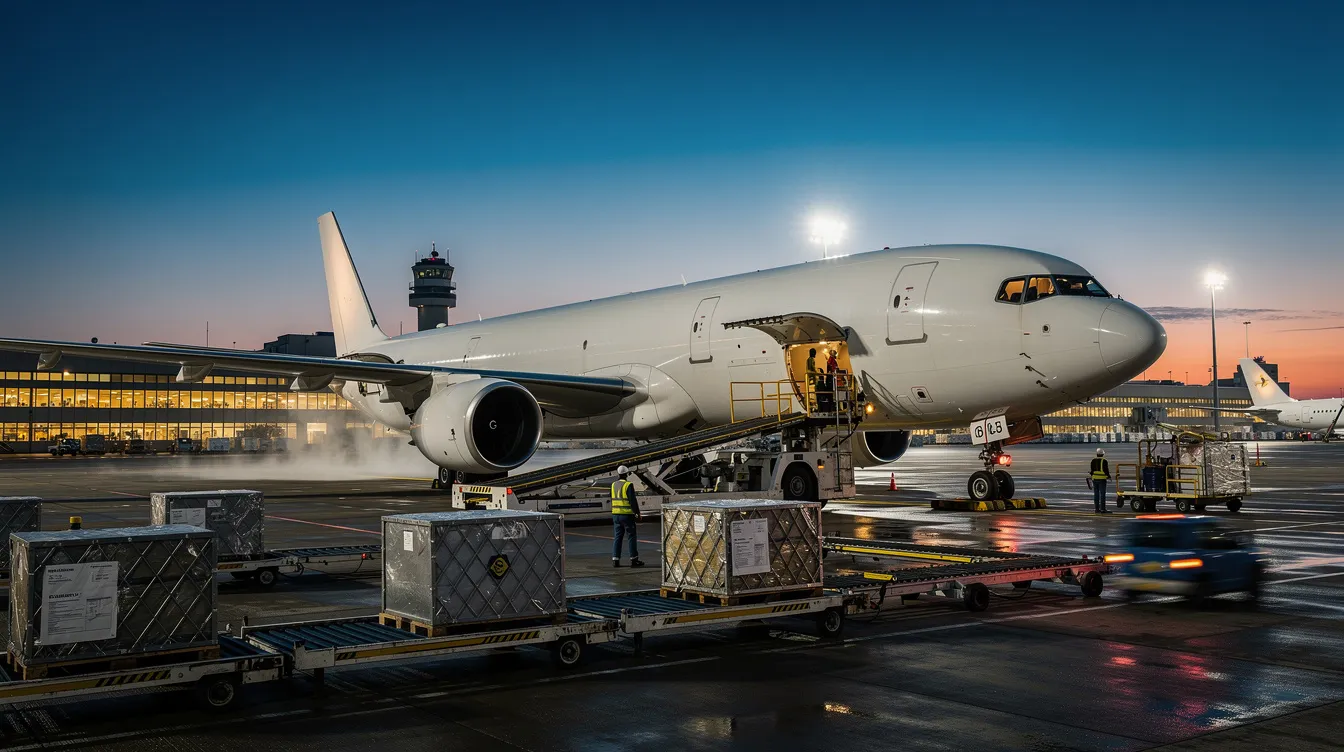
RSP's current plan involves a £500 million investment to create a cargo-focused facility. The proposed infrastructure includes a 65,000 m² cargo terminal, dedicated widebody stands, warehousing, and logistics space. Expected cargo capacity at Manston is over 1 million tonnes per year, with the project aiming for at least 10,000 air cargo movements per year.
Manston aims to become an alternative to congested cargo facilities at London airports like Heathrow and Stansted. Proposed passenger services will include a terminal and stands for four narrow-body aircraft, alongside potential business aviation access, which may appeal both to charter customers and to those weighing affordable aeroplane rental options or even longer-term budget-friendly aircraft ownership choices.
Manston Airport plans to reopen as a freight hub by 2028, though timelines have shifted - with more recent projections suggesting 2029 as realistic. For logistics firms and potential Jettly customers, this means reduced trucking distances for air freight in southeast England and new options for time-critical charter air freight.
Due to its scale and strategic implications, Manston's redevelopment required UK Nationally Significant Infrastructure Project approval via a Development Consent Order.
Key milestones in the process:
Initial DCO application submitted in 2018
First Development Consent Order granted in July 2020
Decision quashed following judicial review in February 2021
Redetermined Development Consent Order approved in August 2022
Court of Appeal rejected further legal challenges in May 2024, leaving the consent intact
The redevelopment plans received approval from the UK government after substantial legal challenges. Public examinations covered demand forecasts for the airfreight hub, noise and night-flight concerns, environmental impact, and questions over viability. The airport's redevelopment will involve community consultations and regulatory reviews as construction progresses through the CAP 1616 airspace change process.
For charter customers and operators using brokers like Jettly, these regulatory outcomes determine when Kent International can re-enter route planning tools as an active airport for cargo and charter flights.
Manston's runway is 2,752 meters long, one of the longest in the UK, and roughly 61 meters wide - capable of handling large freighters, widebody aircraft, and heavy business jets.
Manston Airport's historical facilities included boarding areas and baggage handling in a purpose-built passenger terminal, along with a large hangar used for aircraft maintenance. Operators such as AvMan Engineering performed work on commercial and military types. Much of this infrastructure has been mothballed since 2014.
Current and historic non-passenger operations at the site include:
Aircraft maintenance in the large hangar
Helicopter operations by operators partly adjacent to the eastern side of the field
Use as an emergency lorry park during Operation Stack and Operation Brock for cross-Channel disruptions
Use as a filming location for TV and film productions
Manston Airport hosted temporary activities post-closure, including community events and motor racing
Coastguard helicopter refuelling and crew changeovers (from January 2026)
Aviation heritage sites on or near the northern edge of the airfield - including the RAF Manston History Museum and the Spitfire and Hurricane Memorial Museum - reflect the airfield's long military history.
Manston has a historic and recent role in search and rescue operations, and safety oversight will be critical once commercial and non-passenger operations resume.
RAF SAR activity ran from 1961 to 1994, using helicopters such as the Westland Whirlwind, Wessex, and Sea King. Bristow Helicopters held contracted SAR roles in the early 1970s, performing notable rescues. In January 2026, Bristow Group positioned two AW139 helicopters at Manston to support HM Coastguard, marking a return of SAR helicopter operations.
Manston's approaches pass near communities such as Ramsgate, Cliffsend, and Manston village, shaping airspace design, noise considerations, and community consultation for both SAR and future hub traffic - including overflying aircraft patterns that remain contentious.
Once reopened, the airport and any charter flights arranged through platforms like Jettly will operate under UK Civil Aviation Authority regulations, with certified third-party carriers responsible for flight safety, airspace compliance, and adherence to any Manston-specific procedures and NOTAMs.
Since commercial passenger operations at Kent International stopped in 2014, Manston Airport has no large public terminal car parks currently in use. The airfield's land is being reconfigured for redevelopment and interim lorry parking.
Previously, the airport offered short-stay and long-stay surface lots serving charter and scheduled flights, plus drop-off zones, disabled bays, staff parking, and freight vehicle areas - typical of a UK regional commercial airport.
Realistic parking and access options today, for travelers balancing total trip cost alongside airport choice and local transport, are similar to how flyers weigh affordable aeroplane rental options:
Railway station car parks at Ramsgate, Canterbury, and Ashford
Local council-run car parks in Ramsgate and Margate (typical alternatives include local council-run car parks nearby)
Private parking providers along the A299 corridor
Travelers rely on regional ground transport for access to Manston
For private jet travelers arriving at southeast England airports, pre-booked ground transport - taxis, chauffeur services, or car hire - is the practical approach. Jettly can help coordinate these connections from airports like Biggin Hill, Southend, or Lydd while also advising on affordable private jet charter options that fit specific budgets and schedules.
Future plans may include dedicated long-stay and short-stay car parks as part of RiverOak Strategic Partners' freight hub development, but detailed layouts and tariffs will be confirmed closer to any restart of operations.
Jettly is a digital private jet charter broker connecting travelers to more than 20,000 private charter aircraft globally. The platform offers on-demand access, instant pricing, and transparent costs - practical tools for anyone planning travel to Kent and for understanding private jet operating costs in the broader context of business aviation budgets.
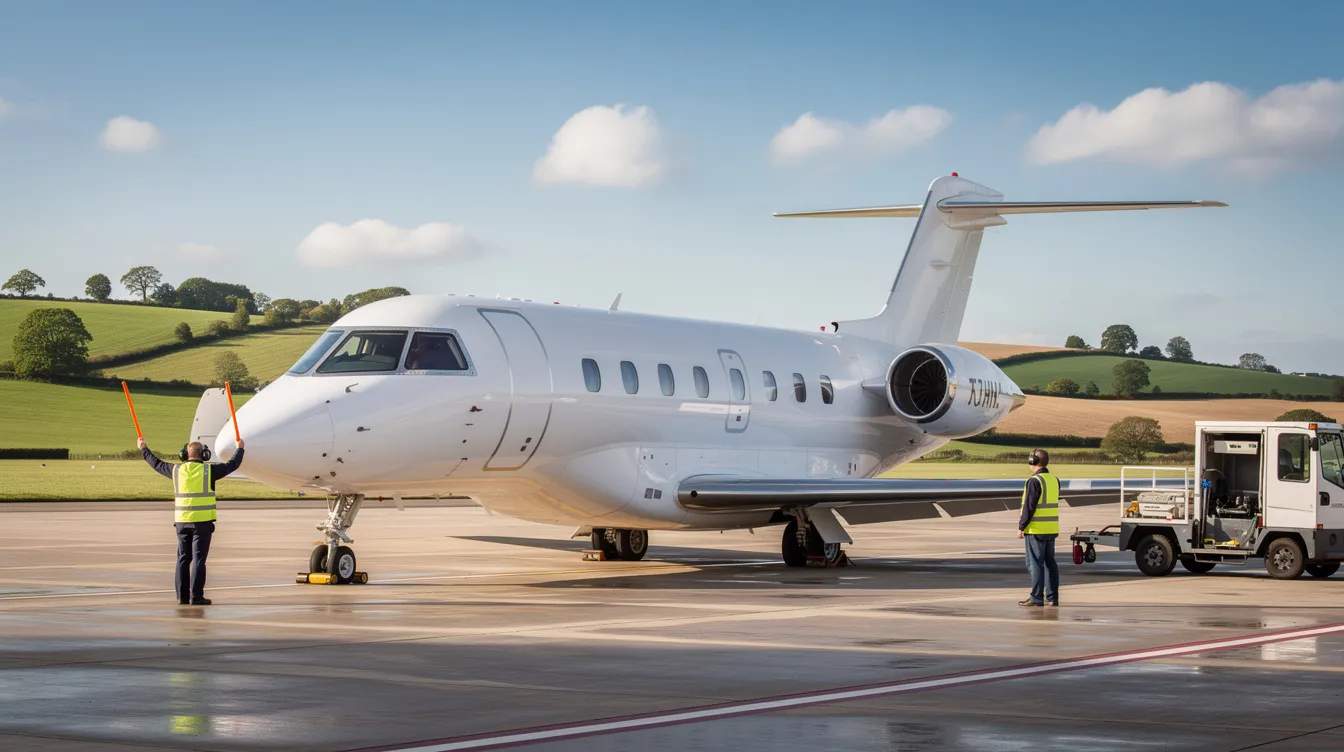
Private jet operations are currently limited at Manston Airport. Travelers bound for Manston Kent or wider southeast England can use Jettly to select the most suitable open airport based on runway constraints, operating hours, handling fees, and ground transfer times. Learn more in the how to charter a private jet guide.
Jettly's platform matches aircraft categories - turboprops, light jets, midsize jets, heavy jets - to real trip needs: passenger count, baggage requirements, range, and runway performance at shorter regional strips in Kent, with structured options through its jet card programs.
Cost-control features include comparing private jet memberships versus on-demand pricing, using empty leg flights when timing aligns, and viewing multiple operator bids to keep charters competitive.
Practical use cases:
A corporate team flies into London City via Jettly, then drives to a logistics site near Dover, using brokered operators such as Dexter Air Taxi
A family charters into Biggin Hill for a holiday in Kent, with Jettly coordinating ground transport through partners like Zenflight
A time-critical cargo charter routes into Gatwick or Southend, pending Manston's planned airfreight hub opening, reflecting the same global network Jettly uses for Chennai, Kolkata, and Mumbai private jet charters, much as it does for Houston charter customers moving time-sensitive cargo , similar to how Jettly arranges missions for its Atlanta private jet charter clients
Manston's redevelopment is a multi-year project. It should be treated as a medium- to long-term option rather than an immediate solution for passenger or private jet traffic, so many travelers look at NetJets alternatives like Jettly to retain flexibility in the meantime.
Business and logistics planners should incorporate Manston into long-range strategies for airfreight and regional distribution in southeast England - particularly for time-sensitive cargo that could benefit from a closer airfreight hub than Heathrow or Stansted.
Jettly monitors infrastructure changes at Manston for future private flights. Private jet access at Manston depends on final redevelopment plans, licensing, and airspace approvals. Aviation enthusiasts and frequent private flyers should monitor updates from RiverOak Strategic Partners, Thanet District Council, and the UK Department for Transport, while reviewing Jettly's private jet memberships if they expect to use the airport regularly once it reopens.
Prospective private jet users can pre-plan future missions via Manston using Jettly's advisory support: scenario pricing with the jet card flight cost estimator, aircraft type comparisons via the cost calculator, and identification of alternative airports if MSE's timeline shifts.
Ready to fly into Kent or southeast England today? Explore charter options and get instant quotes for alternative airports at https://www.jettly.com, or, if you serve travel clients yourself, consider Jettly's ULTRA high-ticket affiliate program to earn by referring passengers.
Below are common questions about Manston's current status, future use, and how private flyers can plan around the redevelopment, including budgeting via tools like Jettly's jet card flight cost estimator.
As of late 2026, Manston Airport is not open to scheduled commercial passenger flights or routine private jet arrivals and departures. Limited activities such as SAR helicopter operations, maintenance, and occasional events may take place under strict control. Travelers should plan all trips through open nearby airports in southeast England and confirm any changes via official RiverOak or Manston communications.
Public statements from RiverOak Strategic Partners have pointed toward a 2028 opening window for a freight-led airport, though more recent projections suggest 2029 is realistic given construction, financing, and regulatory factors. Treat all timelines as indicative and check updated sources when making long-term plans involving Kent International.
Redevelopment plans prioritize airfreight, aircraft recycling, and maintenance, but concept documents reference the potential for business aviation and charter flights using the long runway and relatively uncongested airspace. Once Manston is published as open for business aviation, charter brokers like Jettly can list it as a routable option, subject to operator approvals and any operating restrictions.
For private jet and charter users, London Biggin Hill, London City, Southend, and Lydd are typically the most convenient for Thanet and wider Kent. For commercial airline passengers, London Gatwick, London City, and London Stansted offer the broadest route networks. Jettly can help compare these options side by side, balancing runway performance, costs, and onward transfer times to destinations like Ramsgate, Margate, and Canterbury.
Jettly, operating as a charter broker, can provide scenario planning: provisional routing via future Manston versus current alternatives, indicative cost ranges, and aircraft recommendations for expected mission profiles, often as a flexible NetJets alternative for frequent travelers. Potential users can create an account, speak with Jettly's team to document future requirements, and receive updated advice as Manston's redevelopment crosses key milestones. Explore options at https://www.jettly.com.
Manston International Airport remains closed to scheduled passenger and routine private jet traffic, but its approved redevelopment could restore a freight-led role in Kent, with reopening targeted for around 2028. Until the airport is available for charter operations, travelers should use open alternatives such as London Biggin Hill, London Southend, or Lydd and confirm current airport access before booking.
Learn more about Manston Airport and its redevelopment. Jettly monitors changes at Manston and helps travelers compare aircraft, routes, and instant quotes for nearby airports. Explore private jet charter options, compare empty leg flights, or review membership options. Jettly is a charter broker; flights are operated by properly certified third-party carriers.
Explore current options or request a quote at https://www.jettly.com.
Share this post:
Jay Franco Serevilla
Nov 8, 2026
|
5
min read
Discover tips and trends in the industry.
5
min read
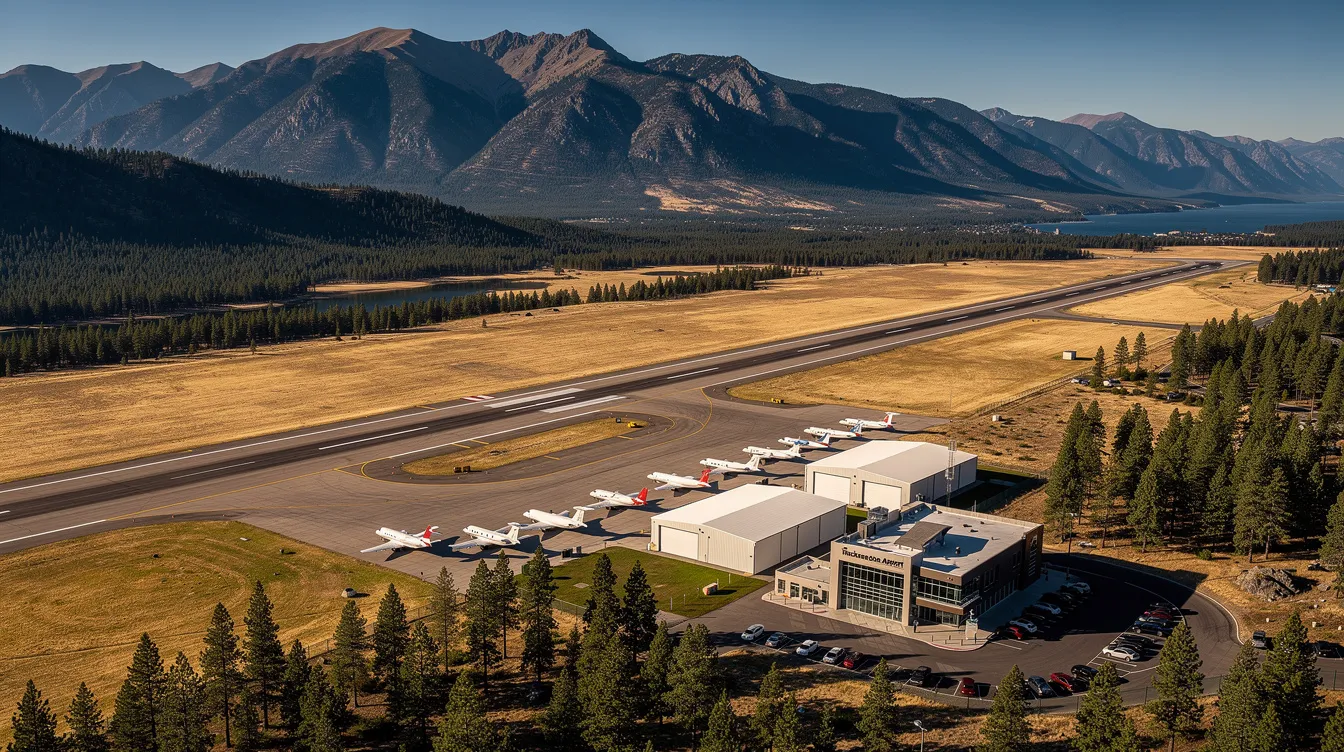
KTRK Airport Guide for Truckee Tahoe (Codes, Runways, Curfews, FBOs, and Private Jet Logistics)
Truckee Tahoe Airport (KTRK) is a key private aviation gateway to the Lake Tahoe region, offering essential information on runways, curfews, and FBO services. This guide provides insights into airport logistics, aircraft suitability, and the unique challenges of flying in mountainous conditions, ensuring a smooth travel experience for private jet charters.
Read More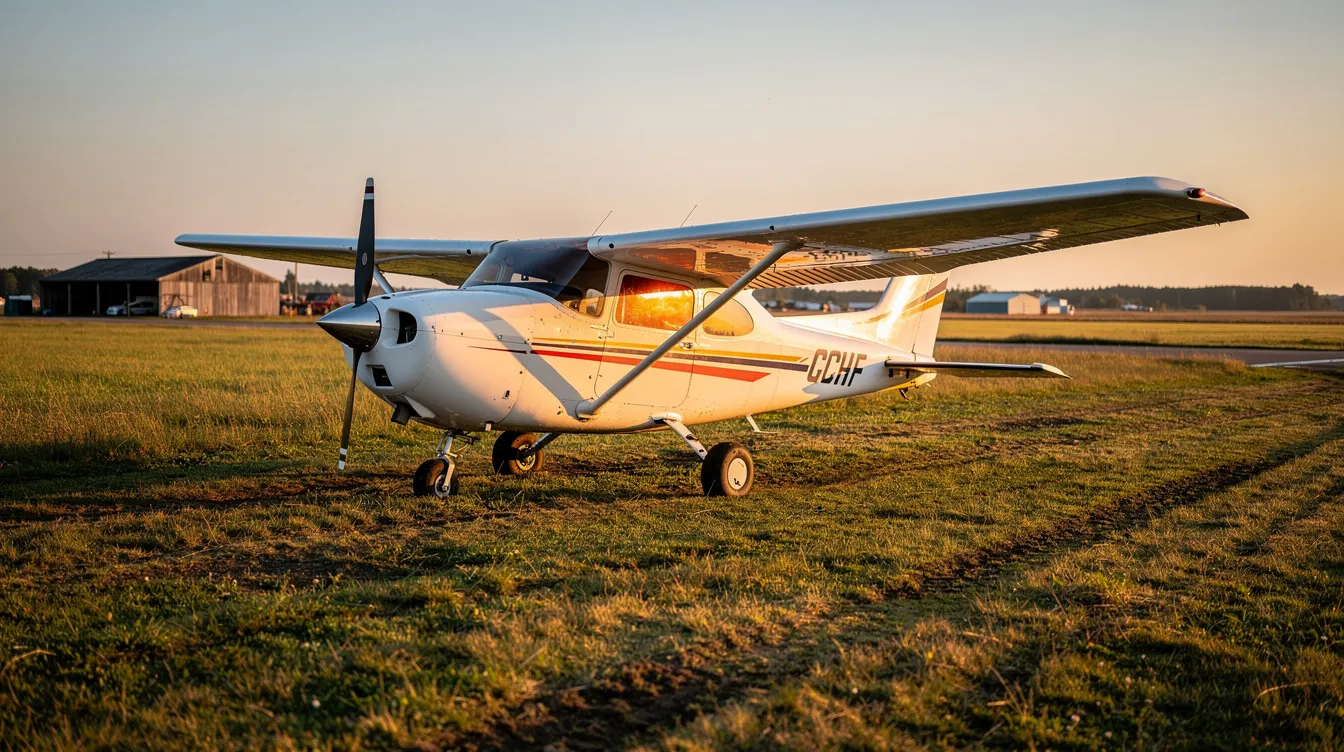
5
min read
Cessna 182 Operating Cost: What It Really Costs to Fly a Skylane in 2026
Understanding the operating costs of a Cessna 182 Skylane in 2026 involves analyzing both fixed and variable expenses. Hourly costs typically range from $180 to $210, with annual expenses between $25,000 and $40,000, influenced by factors like fuel prices and aircraft condition. This guide provides insights into budgeting for ownership and when chartering may be more economical.
Read MoreStay updated with our latest insights and tips to elevate your journey with us.
MEMBERSHIPS AND ASSOCIATIONS



© 2026 Jettly Inc. All rights reserved.
Disclaimer: Jettly operates as a charter broker, offering access to a global digital jet charter marketplace. Jettly is not a direct air carrier and does not own or operate aircraft. All advertised flights are conducted by third-party air carriers that are fully licensed and hold the appropriate Part 135 or Part 121 certifications issued by the Federal Aviation Administration (FAA) or equivalent regulatory authorities under U.S. or foreign law. Jettly complies fully with the U.S. Department of Transportation's Part 295 and Part 298 Charter Broker regulations. Jettly does not carry additional liability insurance. Passengers are covered by aircraft operator insurance. TICO: 50023770


