


Login
Get Instant Pricing On 23,000+ Aircraft

>
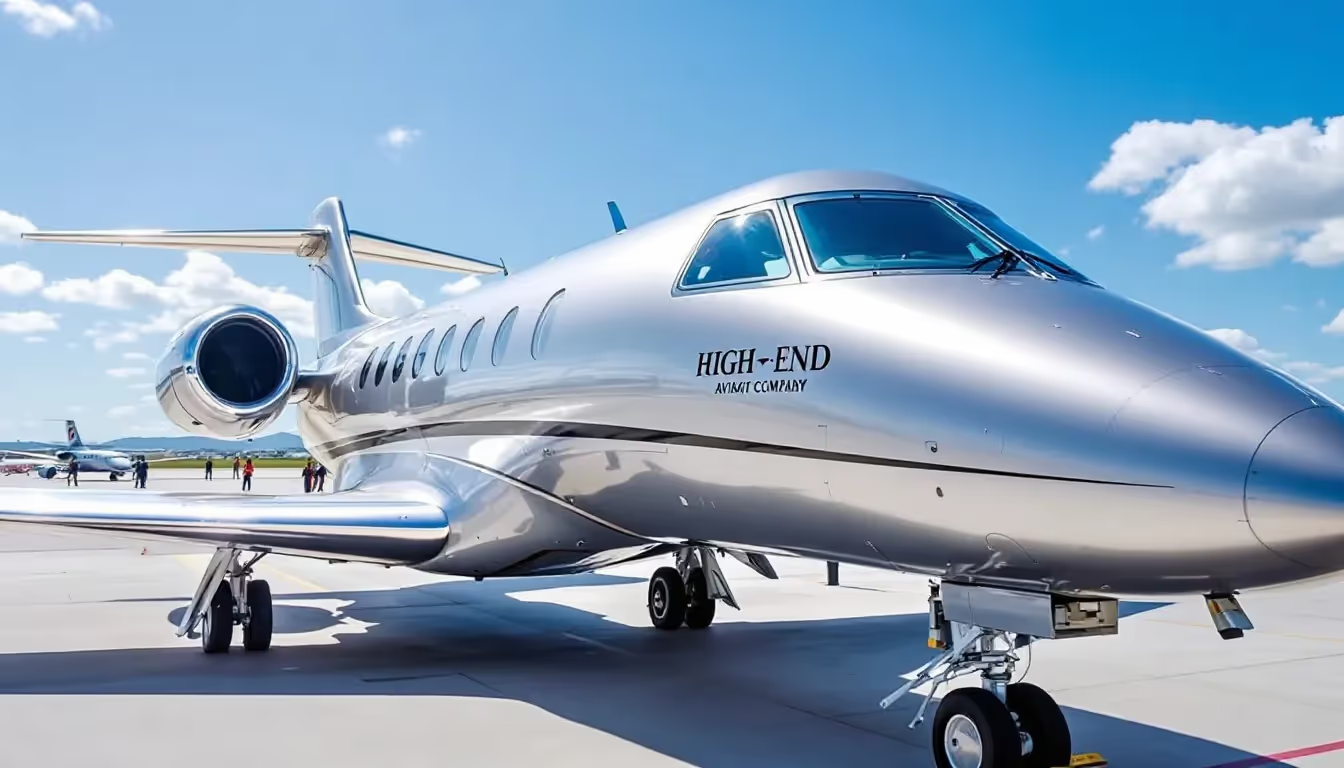
Luxury private jet travel is more than just an opulent experience; it’s a strategic solution for those who value time, privacy, and flexibility. Whether for business or leisure, flying private eliminates long airport lines, security delays, and rigid commercial flight schedules. Instead, travelers enjoy personalized itineraries, exclusive terminals (FBOs), and luxury service at every step.
The private aviation industry offers a broad spectrum of aircraft, ranging from very light jets (VLJs) like the Embraer Phenom 100 to ultra-long-range jets such as the Gulfstream G700. Each comes with its own capabilities, comfort levels, and, naturally, price tags. Understanding the luxury private jet cost involves more than just looking at ticket prices. Owning or using a private jet involves not only the initial purchase but also ongoing operational costs, such as maintenance, crew, and fuel. Maintenance for a midsize jet requires $3 million to $5 million over a decade.
The cost to purchase a new luxury private jet starts at around $5 million for a light jet and can exceed $100 million for larger models. It includes ownership, operational overhead, chartering fees, and a variety of variable expenses, all of which require thoughtful planning. Private jet travel comes with substantial costs, making it a significant financial commitment beyond the upfront investment.
Let’s break down the real costs of flying private, whether you own the jet or choose to charter.
Private aviation represents the pinnacle of personalized travel, offering individuals and businesses the ability to fly on their own terms. Unlike commercial flights, private jet travel allows you to set your own schedule, choose your preferred airports, and enjoy a level of comfort and privacy that’s simply unmatched. With a diverse fleet ranging from nimble light jets perfect for short hops to ultra-long range jets capable of intercontinental journeys, private jets cater to a wide variety of travel needs.
Chartering a private jet has become increasingly popular among those who value efficiency, discretion, and luxury. Whether you’re traveling for business or leisure, private jet chartering provides a seamless experience, bypassing crowded terminals and lengthy security lines. The private aviation industry continues to evolve, offering more options and flexibility than ever before, making it easier for travelers to access the benefits of private jet travel without the complexities of ownership. The charter process can also be managed by private flight advisors, ensuring a smooth and personalized booking experience.
The price of a private jet varies significantly depending on the aircraft’s size, range, manufacturer, and features. A very light jet may cost around $2–3 million, while a long-range or VIP-configured aircraft like a Bombardier Global 7500 or Airbus ACJ320neo can exceed $70–100 million.
Light Jets (e.g., Citation CJ3+): $6–9 million
Midsize Jets (e.g., Hawker 800XP): $9–16 million
Heavy Jets (e.g., Gulfstream G650): $60–75 million
Turbo Props: Charter starts at around $2,000 an hour, offering a cost-effective option for shorter regional flights.
Buyers often need to factor in pre-purchase inspections, broker fees, and taxes, all of which add to the acquisition cost.
Ownership doesn't stop at the purchase. Annual operational costs can range from $500,000 to $5 million+, depending on flight hours and aircraft type. Maintenance for a midsize jet can potentially require $3 million to $5 million over a decade. Fuel costs can fluctuate significantly, making them one of the largest expenses associated with private jet ownership. Key components include:
Fuel: Often the most variable cost, especially for long-range flights, as fuel costs can fluctuate significantly.
Maintenance: Routine inspections (like A, B, C, and D checks), repairs, and parts.
Crew Salaries: Pilots, copilots, and flight attendants.
Hangar Fees: Storage at home and destination airports.
Insurance: Liability and hull coverage.
Depreciation and Financing: If the purchase was financed, loan payments and asset depreciation apply.
Deicing Fees: These can cost between $1,500 and $15,000, depending on aircraft size.
Many owners contract third-party management companies to handle day-to-day operations, compliance, and maintenance. Management fees can run between $100,000 and $200,000 annually, depending on the services provided. Additionally, crew salaries for a private jet can total over $200,000 annually, further adding to the operational costs. Crew overnight accommodation fees may be added if crew members need to stay away from their base location. Annual operating costs for a private jet can range from $500,000 to over $1 million, depending on the jet's size and flight hours.
To offset costs, some owners allow chartering of their jets when not in use. While this can generate income, it adds wear and tear and reduces flexibility.
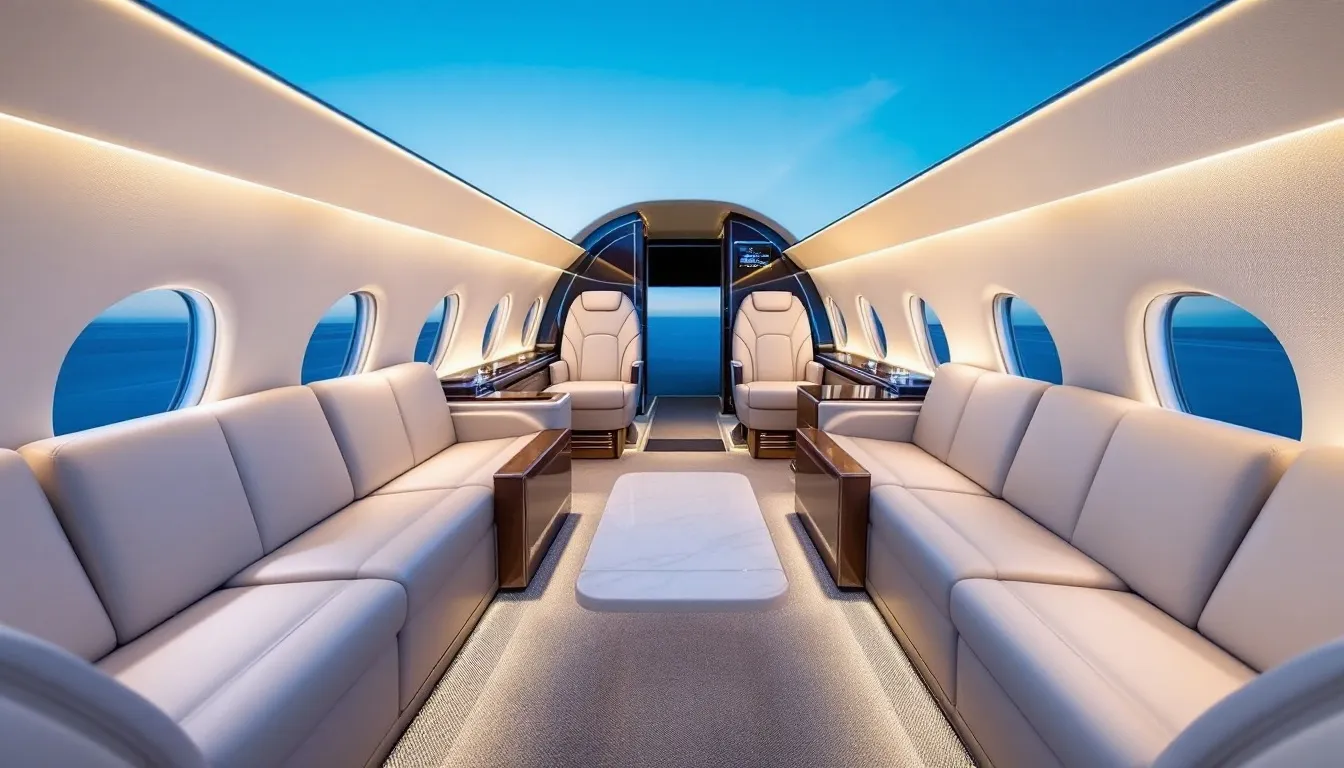
For many, the idea of owning a private jet is appealing, but the significant financial commitment and ongoing operational expenses can be daunting. For travelers who fly less than 150 hours a year, purchasing a private jet typically does not make financial sense. Fortunately, there are several alternative options that allow you to enjoy the perks of private jet travel without the responsibilities of full ownership. Full ownership provides control and customization benefits, but comes with substantial costs and responsibilities.
Chartering a private jet is one of the most flexible and cost-effective solutions, allowing you to pay only for the flights you need. This option is ideal for those who fly occasionally or want to avoid the long-term costs associated with maintenance, crew salaries, and storage.
Fractional ownership programs offer another alternative, enabling you to purchase a share of a private jet and access it for a set number of hours each year. This model provides many of the benefits of ownership, such as guaranteed availability and consistent service, but at a fraction of the cost. Jet cards offer prepaid flight hours at a fixed hourly rate, providing predictable pricing.
Leasing an aircraft is also an option for those who require more frequent access to a private jet without the upfront investment of a full purchase. Leases can be structured for short or long terms, providing flexibility to match your travel patterns. Leasing involves lower upfront costs but often has higher hourly rates compared to ownership.
Each of these alternatives can be tailored to your specific needs and budget, making private jet travel accessible to a wider range of travelers while minimizing the financial risks and commitments of full ownership.
When it comes to private jet travel, choosing the right aircraft is key to ensuring a comfortable and efficient journey. The private aviation market offers a wide array of private jets, each designed to meet different travel requirements and preferences.
Very light jets are perfect for short trips and small groups, offering cost-effective solutions for flights up to three hours. Light jets provide a bit more space and range, making them ideal for regional travel with a small team or family.
For those needing to travel longer distances or with larger groups, midsize and super midsize jets offer increased cabin space, enhanced amenities, and the ability to fly nonstop on longer routes. Long-range jets and ultra-long-range jets are the ultimate in luxury and performance, capable of intercontinental flights with spacious cabins, advanced technology, and premium features.
Each aircraft type comes with its own set of features, such as in-flight entertainment, Wi-Fi, and customizable seating arrangements. Charter rates vary depending on the aircraft’s size, range, and amenities, ensuring there’s a private jet option to suit every itinerary and budget. Shorter flights generally cost less than longer flights because longer flights consume more fuel, making fuel consumption a key factor in pricing.
Chartering offers access to private aviation without the financial commitment of owning an aircraft. When you rent a private jet, you have the option to book the entire aircraft for exclusive use, ensuring privacy and customization. Customers can charter a private jet without paying for maintenance, crew salaries, insurance, or interest. It is recommended to secure a private jet charter in advance to ensure availability. Charter flights offer flexible, on-demand travel options for those who do not wish to own a jet. It is ideal for occasional flyers or those who value flexibility over long-term investment. The cost to charter a private jet typically starts between $3,000 and $5,000 for small jets.
Private jet charter pricing typically ranges from $3,000 to over $20,000 per flight hour, depending on the aircraft type and other factors. The cost of chartering a private jet starts at around $5,000, depending on aircraft type, making it accessible for a range of budgets and travel needs.
Hourly rates for private jets can vary from $2,000 to over $14,000 per flight hour, influenced by factors such as aircraft type and route specifics.
Aircraft category
Route distance
Flight duration
Availability and demand
Airport fees and service charges
Approximate hourly rates:
Light Jet: $3,000–$5,500
Midsize Jet: $5,500–$8,000
Heavy Jet: $8,500–$15,000
Ultra Long-Range Jet: $15,000–$20,000+
Ultra-Luxury VIP Airliners: $16,000–$23,000 per billable flight hour
Large and Ultra Long Range Jets: $8,000–$14,000 per hour within the US, making them a premium choice for long-distance domestic travel.
Heavy jet charter costs closer to $10,000 an hour, making them a premium choice for long-distance travel.
For example, a round-trip from New York to Los Angeles on a midsize jet can cost $35,000–$50,000 depending on timing and extras.
Fuel surcharges (especially for longer routes)
Fuel costs (fuel consumption and efficiency of the aircraft can significantly impact the overall charter price)
Fuel prices (fluctuating market fuel prices may result in variable surcharges that affect the total cost)
Airport landing and ramp fees
International flights (cross-border travel may incur additional fees, such as landing permits and customs charges)
Overnight crew expenses (crew overnight and per diem fees can range between $200 and $400 per crew member per night)
De-icing in winter
In-flight catering
Ground transportation
Additional services (optional extras like catering, ground transportation, and in-flight entertainment can increase the overall charter cost.
Customs and international handling fees
Federal Excise Tax (charged at a rate of 7.5% on all domestic flights within the US).
Peak demand for travel can lead to increased private jet costs during certain times of the year.
Charter services, like those offered at Jettly.com, provide transparent pricing, extensive aircraft selection, and concierge-level support to ensure seamless bookings.
Calculating the full cost of a private jet flight involves more than multiplying the hourly rate by the flight time. To accurately determine the total flight cost, you must consider all variables, including flight distance, fuel, crew, and additional fees. Air traffic control delays can increase flight time, leading to additional charges. This comprehensive approach ensures you understand the total cost associated with private jet travel.
Base Hourly Rate: Charged for time in the air (and sometimes on the ground).
Fuel Surcharge: Varies with jet type and market rates.
Crew Charges: Per diem or overnight expenses.
Handling Fees: Services at departure and arrival airports.
Catering: Standard or luxury meal packages.
Taxes: Applicable depending on region and route.
Repositioning Charges: If the aircraft has to fly empty to pick you up.
3 hours each way at $6,000/hour = $36,000
Fuel surcharge: $2,000
Overnight fee: $1,500
Catering: $800
Total Estimated Cost: $40,300
Understanding these details empowers travelers to make cost-efficient decisions, whether booking a spontaneous weekend trip or scheduling recurring business flights.
Private jet users often fly through FBOs (Fixed Base Operators), located within or adjacent to major airports. These terminals offer expedited boarding, luxury lounges, direct-to-aircraft service, and privacy. Aircraft operators coordinate essential services at these facilities, such as providing Wi-Fi access and setting daily minimum flight hours for different types of aircraft.
Landing Fees: Based on aircraft weight and airport size, typically ranging from $150 to $500.
Ramp Fees: Charged for aircraft parking and ground crew service, varying from $100 to $500 per flight.
Hangar Fees: Especially in areas with limited space or extreme weather.
Handling Charges: Include baggage support, fueling coordination, and security screening.
Costs vary significantly:
Small regional airport: $100–$500
Major international airport: $1,000–$3,000+
Booking through established charter platforms like Jettly ensures travelers gain access to preferred FBOs with competitive pricing and reliability.
For those considering ownership, various financing avenues exist:
Traditional Loans: Often available through aviation-friendly banks.
Leases: Operational or finance leases, depending on flexibility needs.
Fractional Ownership: Shared jet programs like NetJets or Flexjet.
Jet Cards and Memberships: Pay-as-you-go models that lock in hourly rates.
These options allow more predictable budgeting while granting access to a range of aircraft and services.
When planning private aviation expenses, factor in:
Flight frequency (monthly/annually)
Preferred aircraft class
Typical routes and trip durations
Service preferences (standard vs. luxury add-ons)
An annual private aviation budget might range from $100,000 for light jet charter use to $1 million+ for consistent long-range travel.
Jettly’s transparent pricing tools and membership plans can help users compare real-time costs and manage aviation expenses more effectively.
While flying private is a luxury, there are ways to make it more accessible:
Chartering a private plane or taking advantage of private jet offers can provide affordable access to luxury air travel, especially when compared to ownership or traditional commercial flights.
When a jet returns empty from a one-way trip, it's available at a discounted rate. These empty leg or deadhead flights can be up to 75% cheaper than standard charter rates. Shared charter programs allow customers to purchase a set number of flight hours or seats on a private jet, often at a lower cost than traditional charter services. Cost-saving strategies for chartering include taking advantage of empty leg flights and shared charter programs, which can significantly reduce expenses while maintaining the luxury of private travel.
Set jet models offer semi-private flights where travelers share the aircraft with a small group but enjoy private jet-style amenities and terminals, a cost-effective hybrid.
Joining programs like Jettly’s membership tiers gives access to better rates, waived booking fees, and on-demand concierge services.
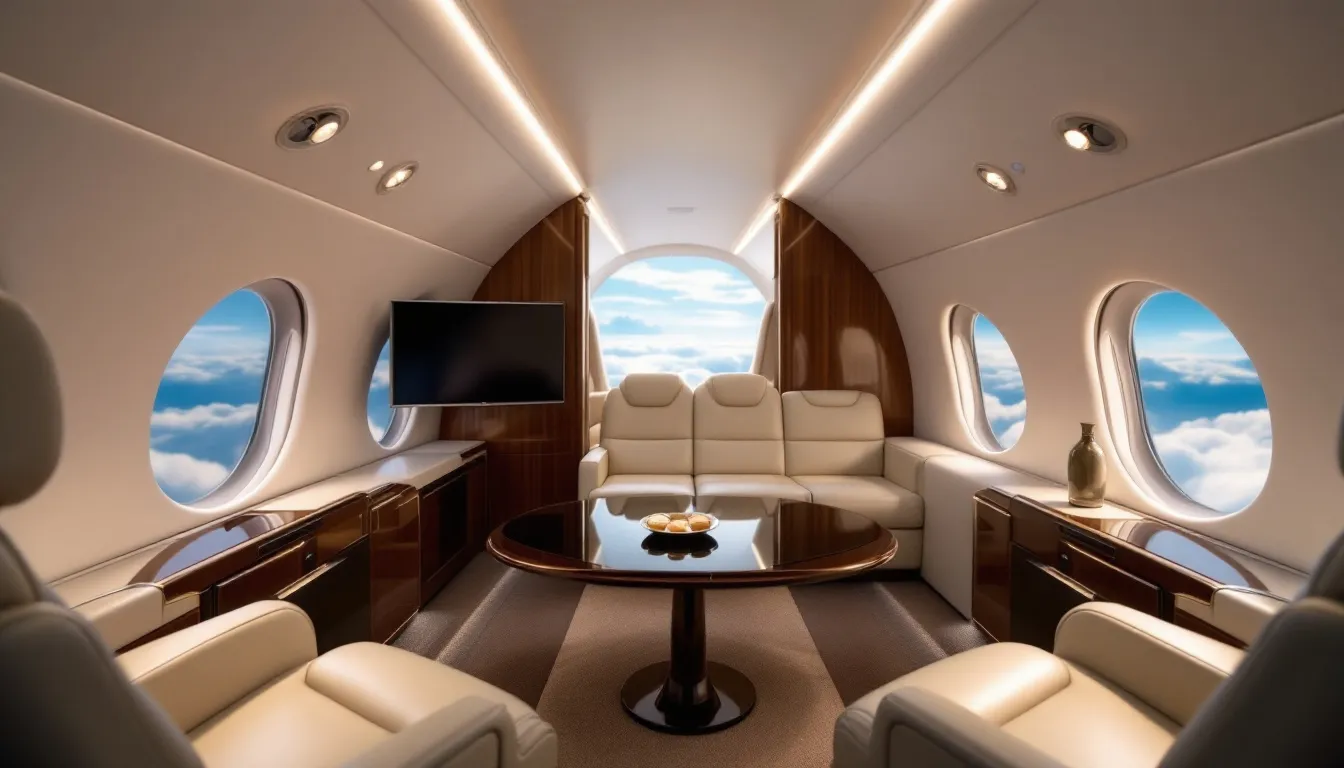
Flying privately is about more than just getting from point A to point B; it’s about transforming the journey itself into a memorable experience. From the moment you arrive at a private terminal, you’re greeted by attentive staff and whisked through security in minutes, allowing you to board your private jet with ease.
Onboard, the private jet flight experience is tailored to your preferences. Enjoy plush seating, gourmet in-flight catering, and personalized service from a dedicated crew. Custom catering costs can vary significantly, typically from $600 to $1,000 for lunch for four passengers. Wi-Fi charges can range from $3.00 to $8.50 per megabyte, depending on the region. Whether you need to work in a quiet environment, relax with your favorite entertainment, or celebrate a special occasion, flying privately ensures your needs are met.
Private jet travel also offers unmatched flexibility. You can depart on your own schedule, choose from thousands of private airports, and even make last-minute changes to your itinerary. This level of convenience and comfort is why so many travelers are choosing to fly privately, making every trip as enjoyable as the destination itself.
The experience of private jet travel heavily depends on the charter company. Look for:
Transparent pricing
Access to multiple aircraft categories
Access to a wide range of aircraft types and aircraft models to suit different travel needs
Safety certifications (e.g., ARG/US, Wyvern)
24/7 customer service
Global access and network coverage
Jettly offers a tech-forward, membership-based model for booking private jet charters. With real-time flight availability, straightforward pricing, and concierge service, it serves both seasoned jet-setters and newcomers looking for flexibility and control. Their fleet includes private aircraft ranging from smaller jets to larger jets, providing options for any group size or destination.
Luxury private jet cost depends on a wide array of variables , from the aircraft's size, ranging from smaller aircraft to super midsize jets, to ownership structure, airport fees, and service preferences. The aircraft's size directly impacts the private jet price, as larger jets like super midsize jets generally have higher operational costs compared to smaller aircraft. Whether opting for full ownership or occasional charter, understanding these factors helps travelers plan intelligently.
Private aviation is no longer reserved only for the ultra-wealthy. With modern charter platforms, membership programs, and pricing transparency, it’s possible to enjoy the benefits of private flight on terms that work for your lifestyle and budget. Understanding the differences in private jet prices across various aircraft categories, from smaller aircraft to super midsize jets, is key to making informed travel decisions.
Ready to take off with confidence? Explore your options, compare real-time rates, and start your journey with Jettly, a smarter way to fly private.
Share this post:
Jay Franco Serevilla
Sep 11, 2025
|
5
min read
Discover tips and trends in the industry.
5
min read
Cessna 182 Useful Load: Real-World Numbers, Tradeoffs & Planning
The Cessna 182's useful load is crucial for pilots when planning flights, as it determines how much weight can be carried, including passengers and fuel. This guide explores the useful load across various Cessna 182 models, highlighting trade-offs and practical loading scenarios for effective flight planning.
Read More
5
min read
How Much Is Airplane Fuel? Jet Fuel Prices, Costs, and What They Mean for Private Flights
As of May 2026, airplane fuel prices in the U.S. range from $7.00 to $9.20 per gallon for Jet A, significantly impacting private flight costs. Understanding these prices is crucial for frequent flyers, as fuel constitutes a major portion of charter expenses. Jettly offers transparent pricing that incorporates real-time fuel costs to help travelers budget effectively.
Read MoreStay updated with our latest insights and tips to elevate your journey with us.
MEMBERSHIPS AND ASSOCIATIONS



Disclaimer: Jettly operates as a charter broker, offering access to a global digital jet charter marketplace. Jettly is not a direct air carrier and does not own or operate aircraft. All advertised flights are conducted by third-party air carriers that are fully licensed and hold the appropriate Part 135 or Part 121 certifications issued by the Federal Aviation Administration (FAA) or equivalent regulatory authorities under U.S. or foreign law. Jettly complies fully with the U.S. Department of Transportation's Part 295 and Part 298 Charter Broker regulations. Jettly does not carry additional liability insurance. Passengers are covered by aircraft operator insurance. TICO: 50023770


