



Login
Get Instant Pricing On 23,000+ Aircraft

>
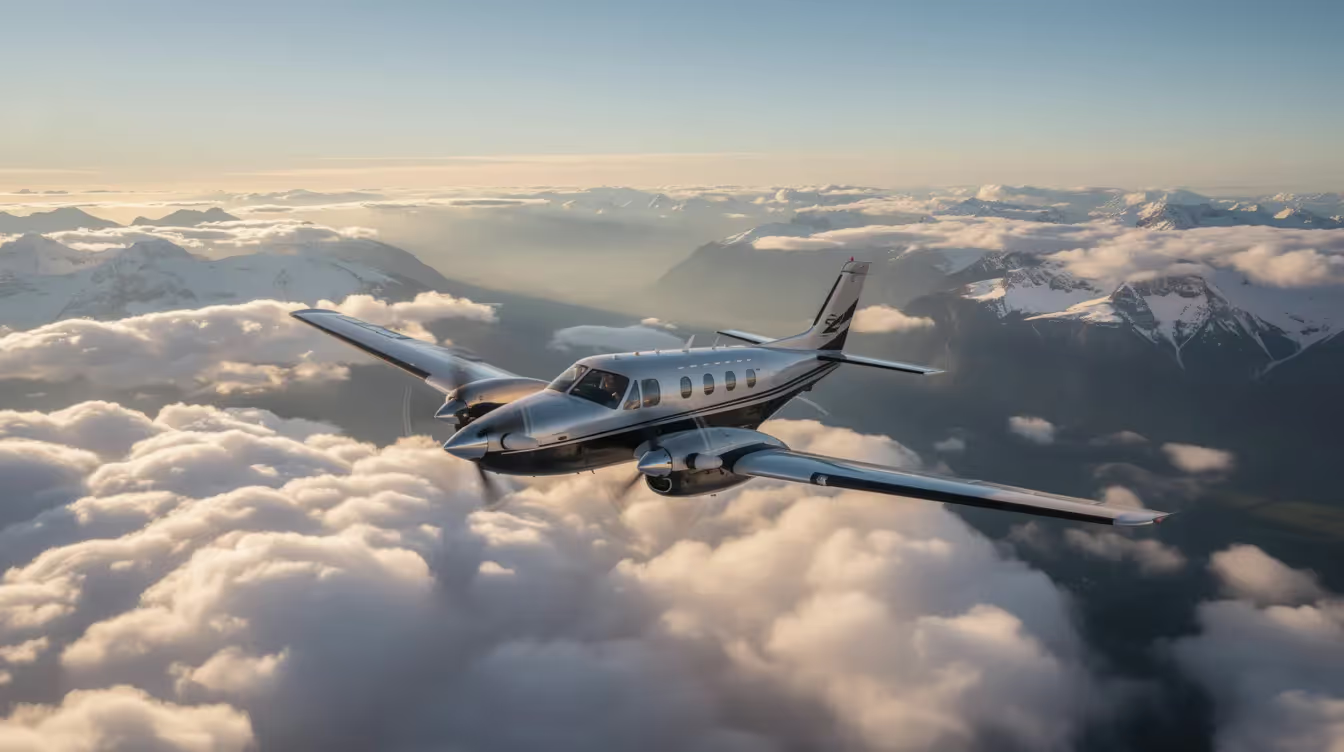
When selecting a single-engine aircraft for long, non-stop journeys, range and efficiency are crucial considerations. Modern turboprops lead the category, but several piston models also offer impressive capabilities for regional travel.
– Turboprop singles like the Daher TBM 960 and Piper M600/SLS achieve ranges over 1,600 nautical miles, outpacing piston models.
– Real-world range depends on factors like fuel load, weather, passenger weight, and cruise settings—true usable distances are typically less than brochure figures.
– Turboprops combine range with speed, advanced avionics, and the flexibility to use shorter runways.
– Piston singles such as the Cirrus SR22 G6 offer over 1,000 NM range, making them practical for many business and leisure regional flights.
– Charter platforms like Jettly help travelers match the right aircraft to mission needs, maximizing efficiency and comfort.
Finding the longest-range single-engine aircraft matters when planning nonstop trips across regions or continents. Whether flying for business or leisure, understanding which aircraft can cover your route without a fuel stop saves time and simplifies logistics. This guide breaks down the top performers in both turboprop and piston categories, explains what determines real-world range, and shows how Jettly connects travelers with these aircraft through its digital charter platform.
Top Aircraft Models and Their Ranges:
Piper M600/SLS: Range around 1,400–1,700 NM.
Daher TBM 960/940: Range around 1,400–1,700 NM.
Epic E1000 GX: Range around 1,400–1,700 NM.
Cirrus SR22 G6 (piston single): Can exceed 1,000 NM, but turboprop singles dominate the “longest range” category for practical business travel.
General Range Factors and Platform Notes:
Range is highly sensitive to fuel load, passenger weight, weather, and cruise profile, so published values differ from real-world results.
Modern single-engine turboprops meet strict safety standards, with proven engine reliability and redundant avionics.
Jettly does not sell aircraft; instead, it offers charter access to long-range single-engine turboprops and jets through its digital platform with transparent pricing.
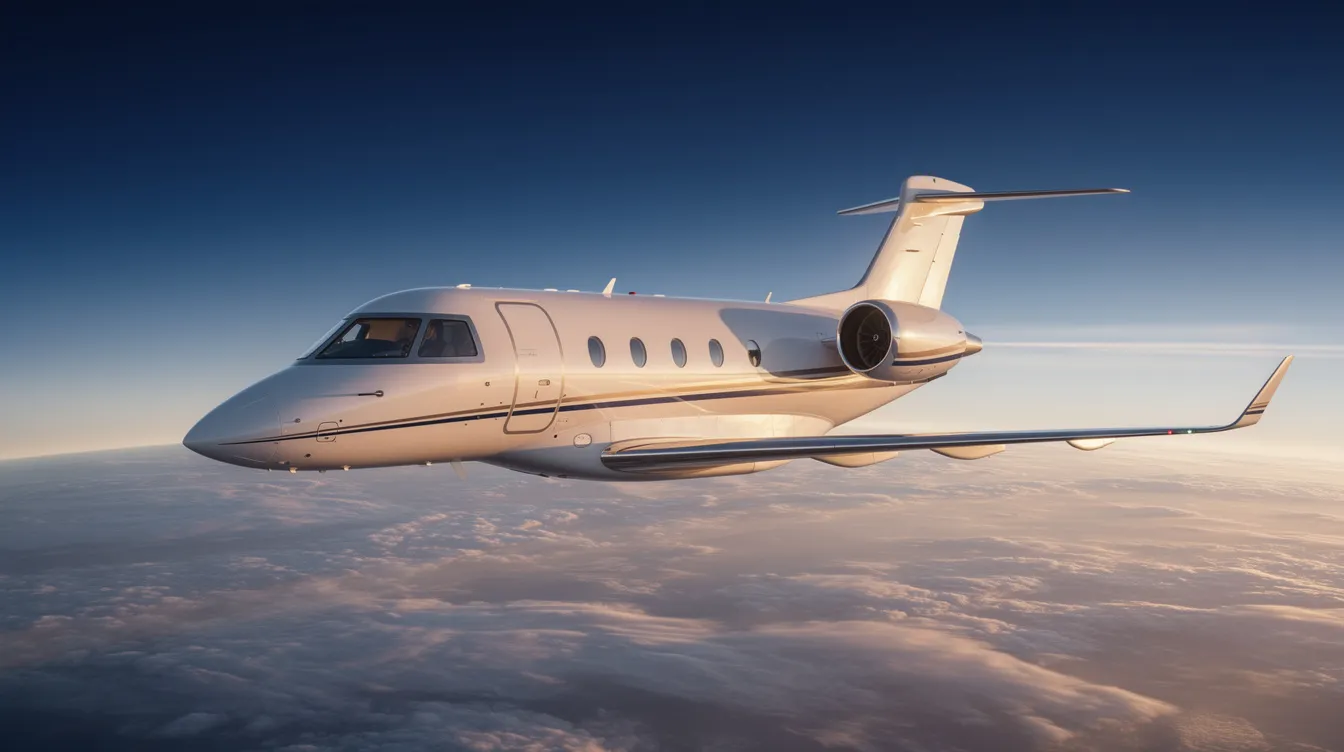
Travelers and aircraft owners search for the longest-range single-engine aircraft when planning nonstop routes and managing trip costs. Understanding what “range” actually means prevents surprises during flight planning.
Range definition: Published range typically refers to the still-air NBAA IFR range with reserves—not to the absolute distance until fuel exhaustion. This standardized figure includes regulatory fuel reserves for alternates and holding.
Mission profiles vary: Ferry range with auxiliary tanks differs significantly from normal passenger missions. A single-engine piston aircraft configured for ferry flights may carry extra fuel in the area where passengers would normally sit.
Piston vs. turboprop divide: Piston singles like the Cirrus SR22 G6 achieve roughly 1,021 NM in economy cruise. Turboprop singles such as the Piper M600/SLS, TBM 960, and Epic E1000 GX fly 1,400–1,700 NM, making them the leaders for practical business travel.
Key terms to understand:
Maximum takeoff weight (MTOW): The certified maximum weight at takeoff, including fuel, passengers, and cargo
Useful load: Weight available for fuel, passengers, and baggage after accounting for the empty aircraft weight
Fuel consumption: Gallons burned per hour at a given power setting and altitude
Two aircraft with similar fuel capacities can have very different usable ranges. Several factors explain why.
Fuel capacity and type: The Cirrus SR22 G6 carries approximately 92 US gallons of Avgas. The TBM 960 holds about 292 US gallons of Jet-A. More fuel means more range, but fuel type also affects availability at remote airfields.
Engine type and altitude: Turbocharged engines allow planes to maintain power at higher altitudes (up to 25,000 ft), where the air is thinner and aerodynamic drag is reduced. Pressurization allows aircraft to operate above 20,000 ft, further reducing drag and improving fuel efficiency. Piston engines lose efficiency above 10,000–15,000 feet unless turbocharged. Turboprop engines operate efficiently at FL280–FL310, where reduced drag and favorable winds extend range.
Aerodynamic efficiency and materials: Composite materials used in aircraft design create lighter, more aerodynamic airframes, increasing speed and efficiency. Clean airframes, retractable landing gear, and high-aspect-ratio wings reduce drag. The TBM 960 and Epic E1000 GX feature these design elements, while fixed-gear trainers like the Cessna Skyhawk, which has a maximum range of 640 nautical miles and a cruise speed of 124 KTAS, sacrifice range for simplicity.
Payload trade-offs: More passengers and cargo mean less fuel capacity. A full cabin with baggage may reduce range by 15–25% compared to a two-person crew with minimal load. The Cessna T206 Turbo Stationair HD, known as the 'SUV of the skies' for its durability and significant payload capacity, is popular among pilots needing to transport heavy loads.
Cruise power settings: Long-range cruise at 55–65% power burns less fuel per hour than maximum cruise speed at 85–100% power. Pilots balance speed against endurance based on mission requirements.
Weather impact: Weather plays a significant role. A 50-knot headwind can reduce effective range by 10–15%, while tailwinds extend it proportionally.
Modern single-engine turboprops occupy the top spots for operational range while remaining charter-friendly and efficient. These aircraft routinely link city pairs such as New York–Miami, London–Athens, or Dubai–New Delhi nonstop.
Daher TBM 960 (introduced 2022): Approximately 1,730 NM max range with reserves at long-range cruise. Maximum cruise speed around 330 knots, service ceiling FL310, fuel consumption approximately 57 gallons per hour. The TBM 960 represents the fastest certified single-engine turboprop in civilian use.
Piper M600/SLS (certified 2016): NBAA IFR range around 1,650 NM with Garmin G3000 avionics, pressurized cabin, and single-pilot operation capability. Equipped with electronic stability and a three-axis autopilot for reduced pilot workload.
Epic E1000 GX (US certified 2020): Range approximately 1,385–1,450 NM depending on power setting. High-performance cruise speeds exceeding 320 knots with carbon-fiber airframe construction for reduced drag and improved efficiency.
Pilatus PC-12 NGX: Around 1,765 NM range for four passengers, 290 knots cruise, service ceiling approximately 30,000 feet. Often classified in a different utility class due to its larger cabin that can accommodate up to nine passengers.
These turboprops feature high-resolution displays, touchscreen controllers, and advanced avionics, including Cirrus IQ connectivity options on some models.
While piston singles do not match turboprop range at high speeds, some aircraft models exceed 1,000 NM on efficient profiles. These aircraft serve pilots and operators seeking lower operating costs for regional missions.
Cirrus SR22 G6 and SR22T: Maximum range approximately 1,021 NM (1,174 statute miles) with reserves. Maximum cruise speed 213 knots, useful load 1,246 lbs, maximum operating altitude 25,000 feet, enabled by turbocharging and pressurization. The SR22T turbocharged variant maintains high performance at altitude. Cirrus aircraft are among the highest-selling single-engine piston aircraft, known for their performance and efficiency with upgrades that reduce drag and enhance fuel efficiency. They also feature the Cirrus Airframe Parachute System for added protection, creating an unmistakable presence in personal aviation.
Diamond DA50 RG: Entering the U.S. market in 2024 with FAA certification, this aircraft is recognized for its efficient performance, composite construction, and luxurious appeal. It is a strong contender in the single-engine piston category, combining modern design with advanced aerodynamics.
Piper M350 (Malibu Mirage): Approximately 1,343 NM range at long-range cruise. Pressurized cabin with seats for up to six passengers, cruise speed around 213 knots. Realistic business-use endurance of 5–6 flight hours makes it suitable for serious regional travel.
Beechcraft Bonanza G36: Range approximately 920 NM, cruise speed 176 knots, seating for six. Known as the “Cadillac of small airplanes” for its smooth handling and comfortable cabin.
Mooney Ovation/Acclaim family: Approximate 900–1,200 NM class ranges depending on configuration and model year.
Some ferry-configured singles with auxiliary tanks have flown intercontinental legs, but these special-purpose configurations sacrifice passenger cabin space and comfort.
Adding extra fuel significantly extends the range for aircraft delivery and special missions. A modified Cessna 172 with auxiliary cabin tanks has crossed oceans in multiple legs.
Auxiliary tank options: Wing tanks, tip tanks, and fuselage tanks increase usable fuel when certified or configured under ferry permits. Some operators increase fuel capacity by 40–60% for delivery flights.
Trade-offs exist: Higher maximum takeoff weight, center-of-gravity shifts, reduced baggage capacity, and degraded handling qualities limit everyday use. Stall speed may increase with heavier fuel loads.
Ferry vs. charter: A piston single ferried across the North Atlantic uses multiple legs and auxiliary tanks. Standard charter configurations prioritize passenger comfort and cargo space over extreme range.
Jettly charters use standard passenger configurations that balance range, comfort, and safety. Operators maintain proper load calculations and flight plan margins rather than pushing extreme ferry setups, often leveraging Jettly’s airport locator tool for private jet charter planning to match aircraft performance with suitable airfields.
Many travelers comparing single-engine turboprops are actually deciding between chartering a turboprop and booking a business jet or light jet.
Range and speed comparison: A TBM 960 achieves roughly 1,600–1,700 NM at approximately 300 knots. A very light jet covers 1,100–1,400 NM at 350–420 knots. Turboprops trade some speed for superior range and efficiency.
Cost differences: Single-engine turboprops usually have lower hourly operating costs than comparable jets. The TBM 960 burns approximately 57 gallons per hour, compared with 80–120 gallons for typical light jets.
Airport access: Turboprops often operate from shorter runways and smaller airfields than jets, increasing flexibility and reducing ground transfer times. This opens possibilities at airports that jets cannot serve.
Environmental considerations: Lower fuel burn per passenger compared with larger jets on similar sectors reduces emissions. Efficient routing via direct flights to smaller airports reduces the total trip carbon footprint, even on longer international private-jet flights.
Jettly’s platform lets users compare turboprop vs jet quotes for the same route, using a private jet charter cost estimator to show transparent cost breakdowns for range-sensitive missions, and complementing broader guidance on how much a private jet really costs to own or charter, as well as a dedicated, complete guide to private jet rental costs.
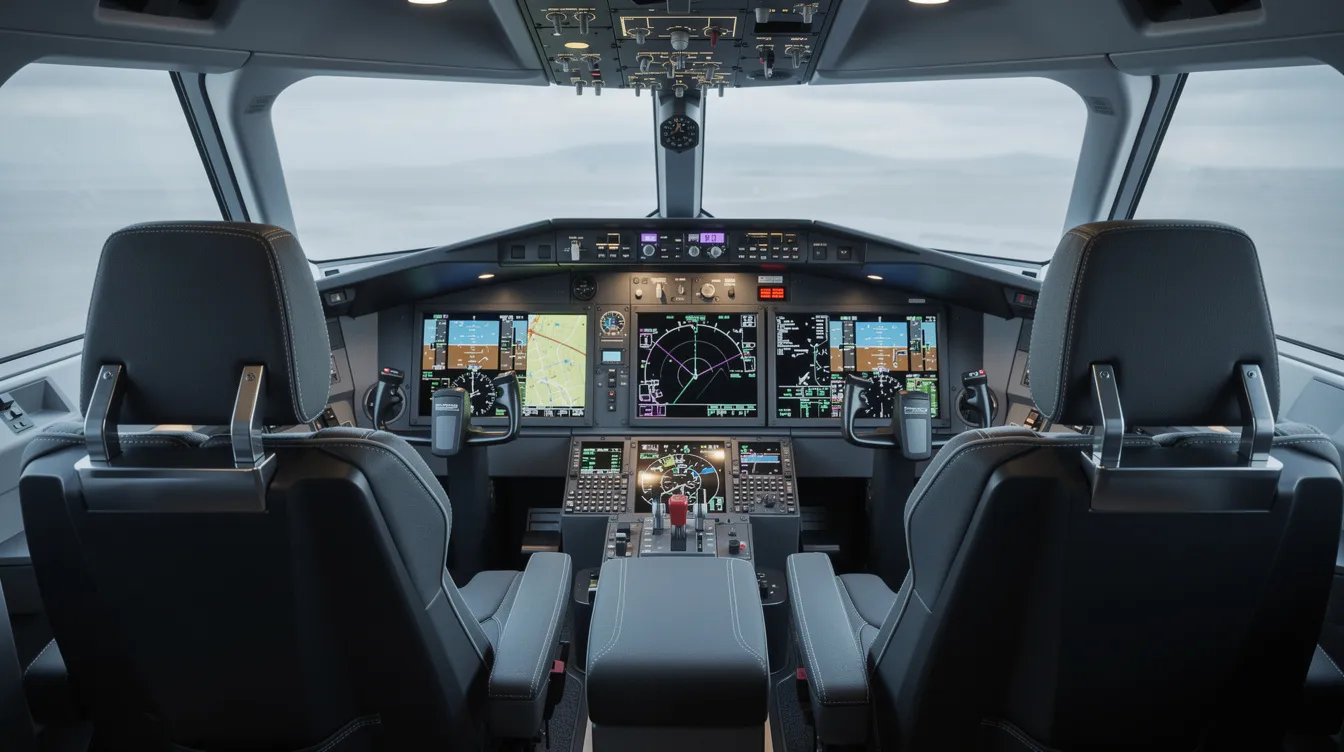
Jettly operates as a digital private jet charter marketplace, frequently brokering flights on high-performance single-engine turboprops and jets through its network of over 20,000 private charter aircraft worldwide.
Business travel scenario: A business team flying non-stop between secondary cities like Denver–Nashville or Toronto–Halifax on a TBM or PC-12 avoids poor airline connections. They can also reduce per-seat costs by crowdsourcing private jet flights and sharing empty seats when mission profiles allow, thereby making it easy to get a seat on a private jet. Step inside the cabin and work productively during flight hours that would otherwise be wasted.
Leisure travel: Families fly single-engine turboprops non-stop to remote ski destinations or island airports with short runways that commercial jets do not serve. Watch the skies from windows while enjoying a first-class experience in the cabin, especially when paired with curated in-flight catering for private jets.
Medical and time-critical trips: The combination of range, speed, and access to smaller airports makes these aircraft valuable for urgent medical transport or disaster relief logistics, whether you’re departing from major hubs like Atlanta, Georgia private jet charter services or smaller regional fields.
Jettly’s platform offers instant pricing, multiple aircraft options, and affordable private jet charter, with transparent cost breakdowns and tips for booking the cheapest private jet flights. Operators in the network maintain strict safety standards and create customized itineraries based on mission requirements.
Learn more about Jettly’s charter options at https://www.jettly.com.
Understanding the true usable range helps travelers match aircraft type to their most frequent routes. Here are concrete examples showing which aircraft cover popular sectors.
North American routes:
New York–Miami (~1,100 NM): Covered by TBM 960, Piper M600, and even Cirrus SR22T with planning
Los Angeles–Seattle (~830 NM): Achievable by all long-range piston and turboprop singles
Chicago–Dallas (~1,050 NM): TBM 960 and M350 handle easily; Bonanza G36 at its limit
European and Middle Eastern routes:
London–Rome (~1,500 NM): TBM 960 and M600 with careful planning; accounts for weather factors
Paris–Marrakesh (~800 NM): Covered by most long-range singles; visibility and ground conditions vary seasonally
Dubai–Riyadh (~1,050 NM): Achievable by all turboprop singles with standard reserves
When conditions or payload reduce endurance, scheduling a fuel stop is wiser than pushing the absolute range envelope. Advance planning with adequate reserves prioritizes safety and passenger comfort, whether you are planning regional hops or a dedicated private jet charter in Kolkata, West Bengal.
Jettly’s support team can advise on aircraft selection and potential fuel-stop airports for complex itineraries with multiple landing options, while resources like a guide to affordable airplane rent and charter costs and a focused explainer on understanding single private jet flight costs help travelers understand how pricing varies by aircraft type and route length.
Many readers want the “longest range single engine aircraft,” but practical decisions balance cabin size, cost, and time savings, much like choosing among the best private plane manufacturers for different budgets and needs. Not every trip requires maximum range capability.
Platform filtering: Jettly allows filtering by aircraft category (single-engine turboprop, light jet, midsize jet) and estimated non-stop range for a chosen route
When turboprops excel: Missions up to 1,200–1,400 NM, smaller airports, lower operating costs, 2–6 passengers
When jets make sense: Longer sectors, more passengers needing cabin space to accommodate cargo and baggage, and travelers who benefit from structured jet card programs for frequent flyers backed by a comparison of the best jet card programs today, insights into the best private jet charter companies and providers, or time-critical schedules requiring higher cruise speeds that may call for a deeper look at comprehensive jet card cost structures
Booking flexibility: Private jet memberships and on-demand models with transparent pricing eliminate long-term ownership commitments or fractional contracts
For those seeking the longest range single-engine aircraft for their next trip, Jettly matches aircraft to mission parameters without requiring deep technical knowledge. Travelers who prefer shared options can also review guidance on how to buy a seat on a private jet through shared and empty-leg flights. Request a quote to compare options and operate efficiently for your specific life and business needs.
Ready to experience private travel on your terms? Explore flight options at https://www.jettly.com, or consider joining Jettly’s ULTRA high-ticket affiliate program for private jet referrals if you regularly connect clients or contacts with premium travel services or discuss topics like celebrity private jets and luxurious air travel with your audience.

Daher TBM 960 — Turboprop, 1,730 NM max range, 330 KTAS cruise, 5–6 seats, pressurized, ideal for business/charter use.
Piper M600/SLS — Turboprop, 1,650 NM max range, 274 KTAS cruise, 5–6 seats, pressurized, used for business and leisure travel.
Epic E1000 GX — Turboprop, 1,450 NM max range, 325 KTAS cruise, 4–6 seats, pressurized, suitable for business or personal missions.
Pilatus PC-12 NGX — Turboprop, 1,765 NM max range, 290 KTAS cruise, 6–9 seats, pressurized, favored for utility and charter operations.
Cirrus SR22 G6 — Piston, 1,021 NM max range, 213 KTAS cruise, 4–5 seats, not pressurized, commonly used for personal and business flights.
Piper M350 — Piston, 1,343 NM max range, 213 KTAS cruise, 5–6 seats, pressurized, suited for business/private travel.
Beechcraft Bonanza G36 — Piston, 920 NM max range, 176 KTAS cruise, 6 seats, not pressurized, ideal for personal or business flying.
Mooney Ovation/Acclaim — Piston, 900–1,200 NM range, 197–242 KTAS cruise, 4 seats, not pressurized, designed for personal use.
Among certified, commercially relevant single-engine aircraft, the Daher TBM 960 leads with approximately 1,730 NM max range with reserves. The Piper M600/SLS follows closely at around 1,650 NM. Experimental or specially modified ferry aircraft can fly farther using auxiliary tanks, but these configurations are niche cases—not typical charter or owner-flown production setups.
Modern single-engine turboprops and piston aircraft used in charter operations meet strict regulatory and maintenance standards set by the aviation industry. These aircraft feature proven engine reliability, redundant avionics including electronic stability systems, and robust climb rates for terrain clearance. Major providers such as NetJets, the industry leader in private aviation, along with a broad list of charter airlines and private operators worldwide, have helped set high expectations for safety culture across the sector. Regulators and operators apply conservative fuel planning, and pilots file instrument flight plan routes with alternates. Commercial charter safety standards remain high regardless of engine count.
Real-world missions rarely match aircraft data from brochures. Operators factor in headwinds, ATC routing changes, passenger weight, and desired fuel reserves. Most planning assumes 80–85% of the published max range for comfortable margins. When conditions or full fuel loads further reduce endurance, operators schedule fuel stops rather than push limits.
Jettly often can source specific models such as TBM, PC-12, or Piper M-Class through its global operator network, subject to availability on requested dates and routes. Travelers planning city pairs such as Dubai–New Delhi can also benefit from dedicated private jet charter services in New Delhi, India, when arranging longer itineraries. If you are comparing fractional programs, Jettly can also serve as a NetJets alternative for flying private with more flexible access to similar aircraft. Indicate your preferences for aircraft type, cabin features, flaps configuration, or budget when requesting a quote so the platform can match options to your mission.
For travelers comparing overall trip cost and efficiency, a jet card flight cost estimator can help quantify the trade-offs between turboprops and jets on specific routes.
For many 500–1,200 NM missions, single-engine turboprops burn less fuel per flight than comparable light jets while cruising at slightly lower speeds. The TBM 960, at approximately 57 gallons per hour, versus 80–120 gallons for light jets, demonstrates this efficiency advantage. Overall efficiency also depends on passenger count, routing, and airport choice—Jettly can compare options for a specific itinerary on one page with transparent pricing.
What is the longest-range single-engine aircraft available for charter?
The Daher TBM 960 currently offers the greatest range among production singles, reaching approximately 1,730 nautical miles with standard reserves in real-world charter configurations.
How does weather affect the actual range of single-engine aircraft?
Headwinds can significantly reduce range, while tailwinds can extend it; pilots and operators typically plan for 10–15% less than the published maximum to account for adverse weather and operational reserves.
Can I specify a particular aircraft model when booking a charter flight?
Yes, many charter platforms, including Jettly, allow travelers to request specific aircraft models, subject to availability and route requirements.
Are turboprop singles more efficient than light jets for shorter routes?
For missions up to about 1,200 nautical miles, turboprop singles typically burn less fuel and can access smaller airports, making them more efficient than light jets on many routes.
What features enhance the safety of long-range single-engine flights?
Modern singles are equipped with advanced avionics, redundant systems, pressurized cabins, and proven engine technologies that meet rigorous industry safety standards.
How do auxiliary fuel tanks impact aircraft range?
Auxiliary tanks can extend range considerably but often reduce passenger or baggage capacity and are generally used only for ferry flights or special missions.
Is a single-engine aircraft suitable for international flights?
Some single-engine turboprops can handle international hops, especially within continents, but longer crossings may require fuel stops and special planning; standard charters prioritize comfort and safety over extreme range.
How does Jettly help travelers choose the right long-range aircraft?
Jettly’s platform filters aircraft by range, type, and other features, providing instant quotes and expert advice to ensure the right fit for each mission.
Choosing the longest range single-engine aircraft depends on balancing range, efficiency, comfort, and mission needs. Single-engine turboprops like the TBM 960 offer impressive nonstop ranges, lower fuel consumption, and access to smaller airports, making them ideal for many business and leisure travelers. Piston singles provide cost-effective options for shorter trips with a respectable range. Jettly’s digital charter platform connects travelers to a wide selection of long-range single-engine aircraft, offering instant pricing, flexible booking, and transparent information to simplify private travel planning. Ready to experience private travel on your terms? Explore flight options or request a quote at https://jettly.com.
Share this post:
Jay Franco Serevilla
Apr 14, 2026
|
5
min read
Discover tips and trends in the industry.

5
min read
Passenger Airline Crashes: History, Safety, and What Modern Travelers Should Know
Passenger airline crashes are rare, with commercial aviation being the safest mode of mass transportation today. In 2023, there were zero fatal accidents involving passenger jets, highlighting the effectiveness of safety regulations and advancements in technology. This article explores the history of airline crashes, safety measures, and what travelers should know about aviation safety.
Read More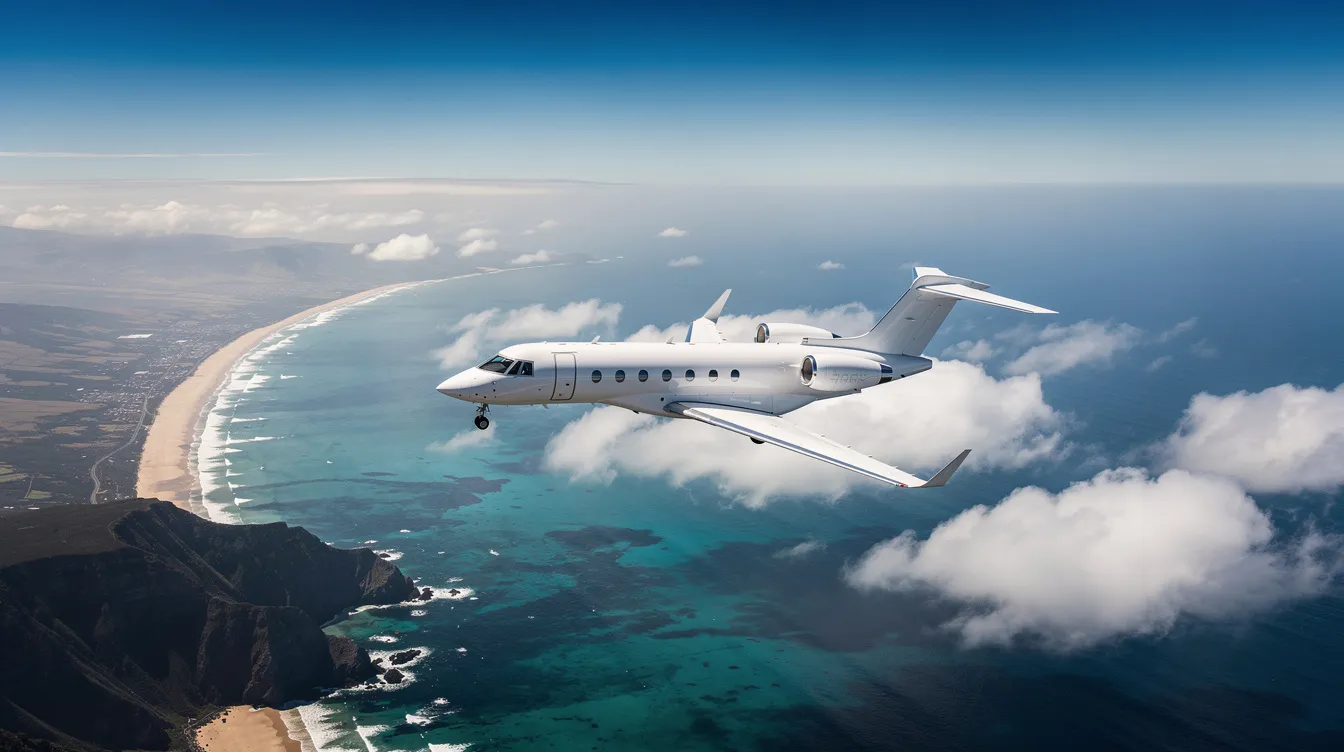
5
min read
Worldwide Jet Charter: A Practical Guide to Global Private Flights with Jettly
Worldwide jet charter has transformed private air travel into a practical solution for executives, families, and urgent travelers. With access to over 20,000 aircraft globally, Jettly offers flexible, efficient, and direct flights that save time and enhance the travel experience. This guide outlines how jet charter works, its benefits, and how to navigate the booking process seamlessly.
Read MoreStay updated with our latest insights and tips to elevate your journey with us.
MEMBERSHIPS AND ASSOCIATIONS



Disclaimer: Jettly operates as a charter broker, offering access to a global digital jet charter marketplace. Jettly is not a direct air carrier and does not own or operate aircraft. All advertised flights are conducted by third-party air carriers that are fully licensed and hold the appropriate Part 135 or Part 121 certifications issued by the Federal Aviation Administration (FAA) or equivalent regulatory authorities under U.S. or foreign law. Jettly complies fully with the U.S. Department of Transportation's Part 295 and Part 298 Charter Broker regulations. Jettly does not carry additional liability insurance. Passengers are covered by aircraft operator insurance. TICO: 50023770


