


Login
Get Instant Pricing On 23,000+ Aircraft

>

Are you a prospective light sport aircraft (LSA) buyer or a pilot considering your first airplane purchase? Understanding the LSA market is crucial for making informed decisions and ensuring a cost-effective entry into aviation. With options ranging from affordable legacy projects to premium, high-performance builds, the LSA market offers a unique opportunity for pilots to own and operate an aircraft with fewer barriers than traditional certified planes. This comprehensive guide is designed to help you—whether you’re a first-time buyer, a pilot returning to flying, or an aviation enthusiast—navigate the process of searching, evaluating, and financing light sport aircraft for sale in 2025–2026.
This guide helps buyers compare light sport aircraft for sale across the full spectrum—from carbon cub STOL machines built for backcountry adventures to sleek low-wing composite cruisers designed for fast cross-country travel. For those still researching, Jettly offers on-demand private charter as a flexible alternative while you shop.
Light sport aircraft are FAA-defined, two-seat, single-engine airplanes that pilots can fly with a Sport Pilot certificate and a valid driver's license in place of a traditional medical. Owning an LSA provides a cost-effective way to enter aviation compared to traditional certified aircraft.
Buyers can choose between factory-built S LSA, experimental E LSA, and ultralight aircraft, each with different regulatory, maintenance, and commercial-use implications.
When reviewing listings for models like Carbon Cub, Bristell, Porto Risen, or Aerospool WT-9, check total time (TT), avionics (Garmin glass, ADS-B), engine hours, and inspection history before making an aircraft purchase.
Not ready to buy? Travelers can still enjoy private aviation flexibility by chartering through Jettly's on-demand platform at jettly.com while evaluating their options.
Light Sport Aircraft (LSAs) are defined by the FAA with specific operational parameters. To qualify, a powered fixed-wing airplane must be a two-seat aircraft with one engine, an unpressurized cabin, and a fixed-pitch propeller (or ground-adjustable). The maximum gross weight is 1,320 pounds on land (1,430 lbs on water), with a maximum stall speed of 45 knots and a maximum airspeed of 120 knots in level flight. LSAs can only carry a maximum of one passenger.
The LSA category is distinct from ultralight aircraft under FAR Part 103. True ultralights are single-seat machines with an empty weight limit of 254 lbs, requiring no pilot certificate and no airworthiness certificate. Some European models marketed as "ultralights"—like the Porto Risen 912 ULS—actually fall closer to the LSA category under USA rules.
Flying an LSA requires a Sport Pilot certificate. Pilots often need only a valid driver's license instead of an FAA medical certificate, which makes the light sport category attractive for new pilots and those returning to fly after a medical lapse. Sport pilot privileges are limited to daytime VFR operations.
The broader LSA category also includes gliders and powered parachutes, plus gyroplanes and weight-shift aircraft. LSAs can be either factory-built or experimental, as per FAA definitions. This article focuses on powered fixed-wing sport aircraft for sale, though buyers should note that listings in the light sport space can span all of these types.
Common airframe layouts include high-wing bush designs (Carbon Cub SS, Sport Cub S2), low-wing composite cruisers (Bristell B23, Aerospool WT-9 Dynamic), amphibious LSAs (Super Petrel LS), and fast performance ultralights (VL3 Evolution, Tarragon).
Listings for light sport aircraft for sale typically fall into several certification types. Each affects how you can operate, modify, and maintain the airplane.
Special Light-Sport Aircraft (S-LSA) are factory-built, ready-to-fly machines with an FAA special airworthiness certificate. They can be used for flight training, rental, and personal use. Examples include the 2024 Bristell B23 LSA and 2018 Super Petrel LS.
Experimental Light-Sport Aircraft (E-LSA) are often kit-built or converted from an S-LSA. Owners gain more flexibility in maintenance and modification, but E-LSAs are generally restricted from commercial operations such as rental or paid instruction. Carbon Cub EX-3 and EX-2 builds are well-known examples. For more on kit aircraft, see Jettly's guide to the most affordable kit planes.
Ultralight vehicles under Part 103 are very light, typically single-seat machines that may not require N-numbers or airworthiness certificates. Some European models like the Porto Risen 912 ULS or Aerospool WT-9 are closer to LSAs when evaluated under FAA standards.
LSAs can include factory-built and experimental aircraft, so buyers should always confirm the certification basis in each listing—especially if the plane will be used for dual controls instruction or rental. Look for clear labels like "S-LSA," "E-LSA," or "Experimental" before making contact.
Wing configuration changes visibility, handling on rough fields, cabin access, and resale appeal. Evaluating mission profile is essential when considering LSAs for purchase.
High-wing taildraggers like the Carbon Cub SS, Sport Cub S2, and Carbon Cub FX-3 provide excellent downward visibility and superior takeoff and landing performance from grass, gravel, or backcountry strips. They land short with ease and deliver the classic bush-plane dream. The trade-off: tailwheel handling demands more training and rudder skill.
Low-wing composite designs like the Bristell B23, Aerospool WT-9 Dynamic, and Tarragon typically cruise faster, feel more sporty, and offer modern styling with refined roll response. Nosewheel-equipped low-wing LSAs are often chosen for primary training because of easier ground handling.
Before browsing listings, list your top three priorities:
STOL and backcountry performance
Cross-country speed and efficiency
Water operations or amphibious capability
Low-cost local recreational flying and fun
Match those priorities to high-wing, low-wing, or amphibious configurations. This saves time and sharpens your search.
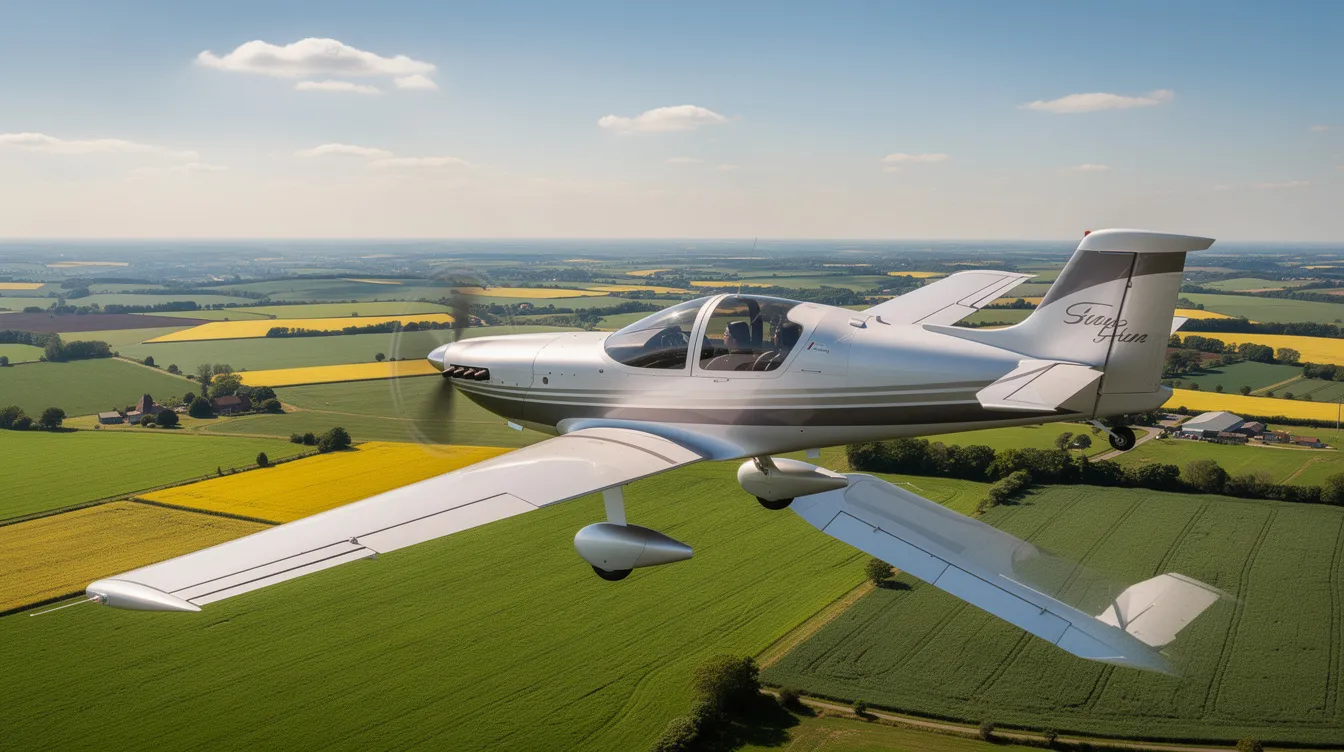
Most light sport aircraft for sale pages repeat a core group of proven models. These give helpful benchmarks for performance, price, and equipment across the market.
Carbon Cub variants (SS, FX-3, EX-2/EX-3) remain the benchmark STOL and backcountry LSAs. Recent listings show a price range of approx $249,900–$349,900 for low-time examples equipped with features like 35-inch Alaskan Bushwheels, Oregon Aero deluxe interior, electric trim, and Garmin G3X glass panels. These are meticulously maintained machines built for serious off-airport adventures.
Modern low-wing cruisers like the 2024 Bristell B23 LSA—priced at $295,000—feature composite construction powered by the Rotax 912 engine, the standard for most LSAs known for being lightweight and reliable. New Rotax 915iS options push cruise speeds to the top of the category. Typical LSA cruising speeds range from 100 to 120 knots with ranges of 400 to 600 nautical miles, making cross-country travel practical. Many support Dynon avionics or Garmin glass cockpits.
Performance ultralights like the 2025 VL3 Evolution, listed for $439,000, push the generation of carbon-fiber structures and high cruise speeds. The 2018 Lightning LSA starts at an auction price of $249,900. European-built models like the 2023 Pelegrin Limited Tarragon offer refurbished or high-spec builds in the present market.
Amphibious LSAs like the 2018 Super Petrel LS remain popular with coastal and lakefront owners seeking water operations. Pricing for complete amphibious setups with new engines typically runs higher than land-only equivalents.
When reviewing listings, it’s important to know what to look for to make an informed purchase. Use the following checklist to evaluate each aircraft:
Total airframe time and engine hours: A 2018 Lightning LSA with 45 hours TT tells a different story than a 2009 Sport Cub S2 with 890 hours TT. Low time generally signals less wear, but very low hours on an older airframe can indicate storage issues. Always evaluate an aircraft's useful load to ensure it can carry expected passengers and baggage.
Avionics and equipment: Modern LSAs frequently include digital glass panels for avionics. Look for Garmin G3X, GTN navigators, or Dynon suites with ADS-B in/out, synthetic vision, and digital autopilots. Safety gear like ballistic parachutes, front and rear cameras, and alternator redundancy adds value. Note whether the plane is equipped with these items or if you'll need to retrofit.
Inspection status: Details like "fresh annual underway," "refurbished by manufacturer in 2024," or "last updated July 7, 2026" signal active maintenance and transparent ownership. Check filters, logs, and logbooks for complete records. Consider maintenance records and aircraft category when evaluating any listing.
Documentation: Request complete logbooks, AD/SB compliance summaries, and any STC or modification paperwork before making an offer, and confirm the listed location matches the aircraft's actual base, such as Heber City. Confirm whether the sale price includes VAT, local sales tax, or export costs. A pre-purchase inspection by a qualified mechanic is recommended for any LSA, whether it's in excellent condition or listed as a subject-to-inspection project.
Light sport aircraft prices range from $11,500 to $683,450 across the full market. Where you land depends on age, condition, equipment, and certification type.
|
Category |
Price Range |
Examples |
|---|---|---|
|
Legacy / Basic |
Under $50,000 |
A 2007 Zenith 601 XLB listed for $49,250; older Champ or Pietenpol builds |
|
Mid-Range S-LSA |
$100,000–$200,000 |
Older SportCub, mid-time Super Petrel LS |
|
Premium Composite |
$250,000–$440,000+ |
Carbon Cub SS/FX, 2024 Bristell B23, VL3 Evolution |
Many LSAs are designed for recreational flying and have lower operational costs than larger aircraft, especially when compared with the economics of owning or operating a private jet. They are fuel-efficient, burning around 4–5 gallons per hour on average with Rotax 912/914/915 engines. Ownership costs typically include insurance and maintenance fees, hangar or tie-down, and engine overhaul reserves.
Some aviation lenders and credit unions will finance an S LSA purchase over 10–15 years for qualified buyers. Experimental or ultralight aircraft may require personal loans or a cash purchase due to limited collateral recognition. For a broader look at aircraft purchase costs, see how much is a plane to buy.
Buyers should compare these ownership costs to on-demand access via platforms like Jettly, where travelers can fly on private charter aircraft such as light jets, turboprops, or helicopters without tying up capital in a single airplane. Use Jettly's charter cost estimator and its overview of affordable private jet charter pricing to see how the numbers compare for your typical travel page.
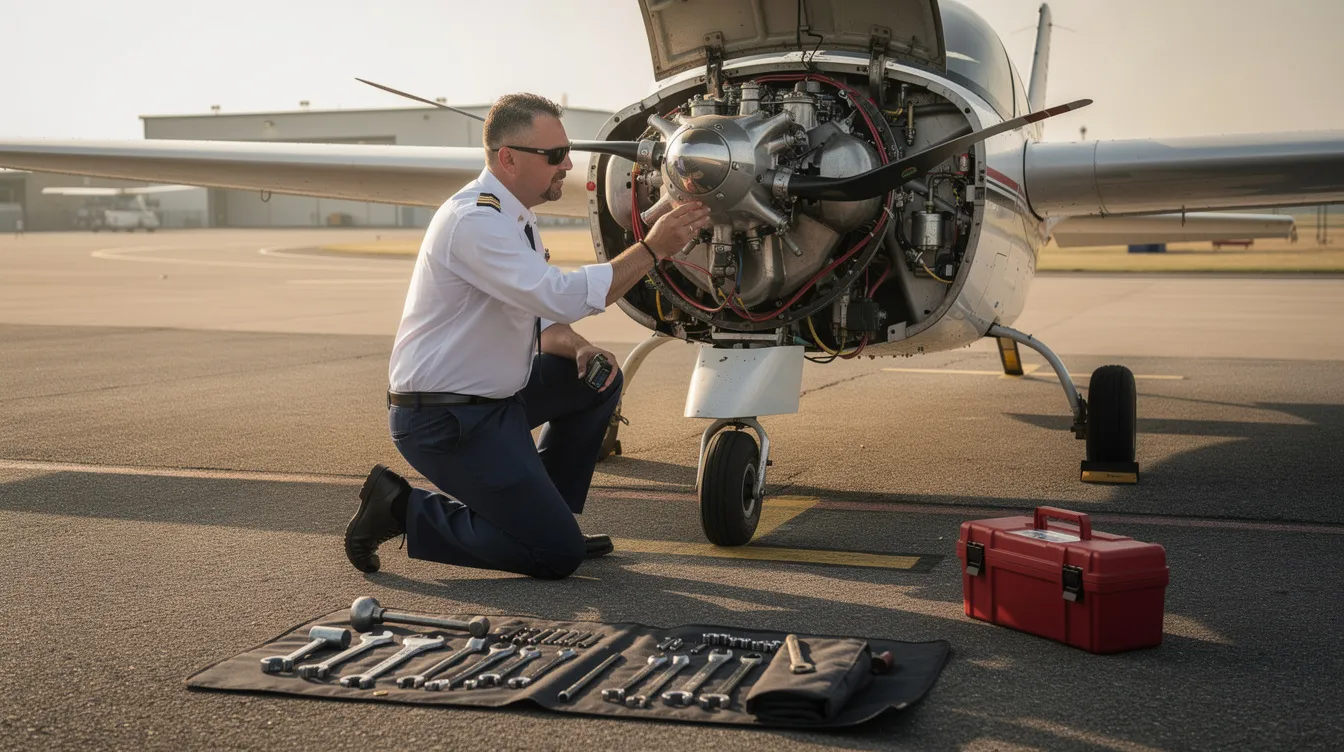
Although light sport aircraft are simpler and often slower than larger GA aircraft, safe operation depends on training, discipline, and adherence to FAA regulations, just as when you fly rented or affordably hired aeroplanes through clubs or charter. LSA can only be flown under visual flight rules.
The sport pilot certificate requires a minimum of 20 flight hours, a knowledge test, and a practical flight test. Many buyers first rent or receive training in LSAs before shopping for their own plane. Working with experienced instructors who understand LSA-specific handling is a smart investment in safety and skill.
Modern LSAs increasingly feature ballistic parachute systems, glass cockpits with synthetic vision, ADS-B traffic and weather displays, and autopilots that reduce pilot workload. These features make a meaningful difference, especially for pilots flying in busy airspace or unfamiliar areas.
S-LSAs require maintenance and inspections by an A&P mechanic or Light Sport Repairman per manufacturer standards. E-LSAs may allow more owner participation with the right repairman certificates. Under the FAA's MOSAIC rule (effective October 2025 for pilot privileges, July 2026 for new aircraft certification), sport pilots can add endorsements for retractable gear, controllable-pitch propellers, and other features—expanding what LSA ownership can support.
For trips that exceed the LSA's comfort zone—long-range winter IFR travel, multi-city business itineraries, or flights with more than one passenger—charter services like Jettly and other top private jet charter companies fill the gap without requiring a second aircraft.
Buyers can search dedicated light sport aircraft marketplaces, general aviation classifieds, manufacturer demo fleets, and local flying clubs or explore affordable aeroplane rental options while they evaluate ownership. Online listing sites typically let you filter by category, stock availability, certification type, and location, so you can review listings by sales base, such as Heber City.
Brokerages handle premium models like Carbon Cub and Bristell, while factory-direct outlets offer 2024–2026 inventory and demo flights. For those exploring ultralight aircraft specifically, Jettly's ultralight airplane for sale guide covers that segment in detail.
Broker vs. private owner:
Brokers: Provide structured support, documentation, and pre-purchase inspection coordination but may add fees.
Private sellers: May offer better price negotiation but require more buyer due diligence on logs, number verification, and compliance.
Jettly provides a useful bridge while you shop. A buyer can continue to transport themselves on-demand by private jet or turboprop—booking digitally with transparent pricing or exploring affordable aeroplane rent options—while evaluating multiple LSA options and completing training. Some owners continue using Jettly after their purchase for longer business trips or group travel where a two-seat light sport aircraft would not be practical, sometimes leveraging tools like a jet card flight cost estimator to plan frequent itineraries.
Light sport aircraft excel at short-range, fair-weather, one- or two-person trips. But LSAs are not suitable for carrying four adults or large baggage loads. When the mission demands more, charter fills the gap.
Scenarios where Jettly's global charter marketplace or structured jet card programs for frequent flyers is a better fit:
Last-minute business meetings across multiple cities
Family vacations requiring a cabin-class jet and an understanding of the charter airline and private jet landscape
Medical or urgent travel where speed, redundancy, and all-weather capability are essential
Jettly offers access to light jets, midsize and heavy jets, turboprops, and helicopters—over 20,000 unique aircraft worldwide—bookable digitally with instant pricing, as highlighted in comprehensive guides to the charter airlines and private aviation market. No jet cards or fractional ownership required. Learn more about how on-demand charter works.
Consider a Carbon Cub owner who uses the LSA for weekend backcountry flights around Idaho but books a New York–Miami private jet through Jettly for business, using strategies for easily getting a seat on a private jet. Or a Bristell pilot who charters a turboprop for ski trips with friends and gear under the sun.
Combining LSA ownership for personal "fly for fun" missions with on-demand charter for complex itineraries gives pilots maximum flexibility and time savings—the secret to getting the most from both worlds.
Below are common questions covering regulations, resale, international use, and how charter complements LSA ownership—topics not fully addressed in the sections above. For general inquiries about private charter, including Jettly's range of private charter aircraft, visit Jettly's website.
Many LSAs can cross borders, but pilots must comply with both FAA rules and the destination country's regulations, including customs, immigration, and equipment requirements such as specific radios, transponders, or ELTs. Some countries do not recognize US sport pilot privileges or may impose restrictions on experimental or ultralight aircraft. For complex cross-border trips—especially with tight schedules—many owners compare the economics of their LSA to private jet ownership and charter costs and choose to charter through Jettly instead.
Popular brands like Carbon Cub and well-equipped Bristell LSAs tend to retain value better due to strong demand and recognizable performance. LSAs maintain their resale value well over time, providing investment stability. Buyers should look at multi-year listing histories to see how asking prices have moved, and prioritize aircraft with complete logs, no damage history, and current avionics. Limited-support or niche ultralights can be harder to sell.
Prospective owners should first rent or receive instruction in LSAs similar to their target aircraft to confirm comfort with tailwheel versus tricycle gear, cockpit layout, and cruise speed handling. For longer or more complex trips during evaluation, travelers often turn to private charter via Jettly or explore ways to get a seat on a private jet rather than stretching an LSA beyond its ideal mission profile.
Many owners do use LSAs to reach nearby meetings or job sites, but operations must stay within regulatory limits—day VFR, two seats, and any restrictions specific to the aircraft's certification. Weather, payload, and speed constraints often make LSAs best for regional trips. Jettly's charter options are generally more suitable for time-sensitive, multi-city business itineraries, and some travelers also evaluate private jet lease costs when their flying needs expand beyond what an LSA can cover.
Some pilots eventually move to larger certified aircraft or rely more on private charter or private jet memberships as passenger loads, range requirements, or scheduling demands increase. Selling a well-maintained, popular LSA model through specialized marketplaces is usually straightforward with full documentation and current inspections. Jettly can effectively replace the need to upgrade by giving former LSA owners on-demand access to a range of aircraft—from light jets to turboprops—whenever the mission requires more capability.
The main decision points come down to high-wing versus low-wing, S-LSA versus E-LSA or ultralight, mission profile, and budget. Options range from modest legacy projects to premium Carbon Cub or VL3-type aircraft that sell at the top of the market.
Study listings carefully. Check hours, avionics, inspection history, and price trends from 2024 to 2026. Request full documentation and schedule an independent pre-purchase inspection before you commit. Factor in training, insurance, hangar space, and realistic annual utilization when deciding whether a particular light sport aircraft for sale fits your flying and financial plans. Save time by narrowing your search to the wing configuration and weight class that match your real-world use.
Jettly serves as a complementary solution—delivering private travel flexibility and transparent charter pricing while you shop for an LSA, and long after you become an owner, functioning as a flexible NetJets alternative for private flying.
Ready to explore private travel on your terms? Request a quote or browse flight options at jettly.com and review Jettly's guide to affordable private jet charter costs.
Share this post:
Jay Franco Serevilla
Jul 22, 2026
|
5
min read
Discover tips and trends in the industry.

5
min read
Citation X for Sale: Charter, Pricing & Buying Insights with Jettly
The Cessna Citation X offers exceptional speed and comfort for private jet travelers, with options for both ownership and chartering through platforms like Jettly. This guide provides insights into pricing, specifications, and the benefits of chartering versus buying, helping potential buyers and travelers make informed decisions. Whether you fly frequently or occasionally, understanding the market dynamics can enhance your private aviation experience.
Read More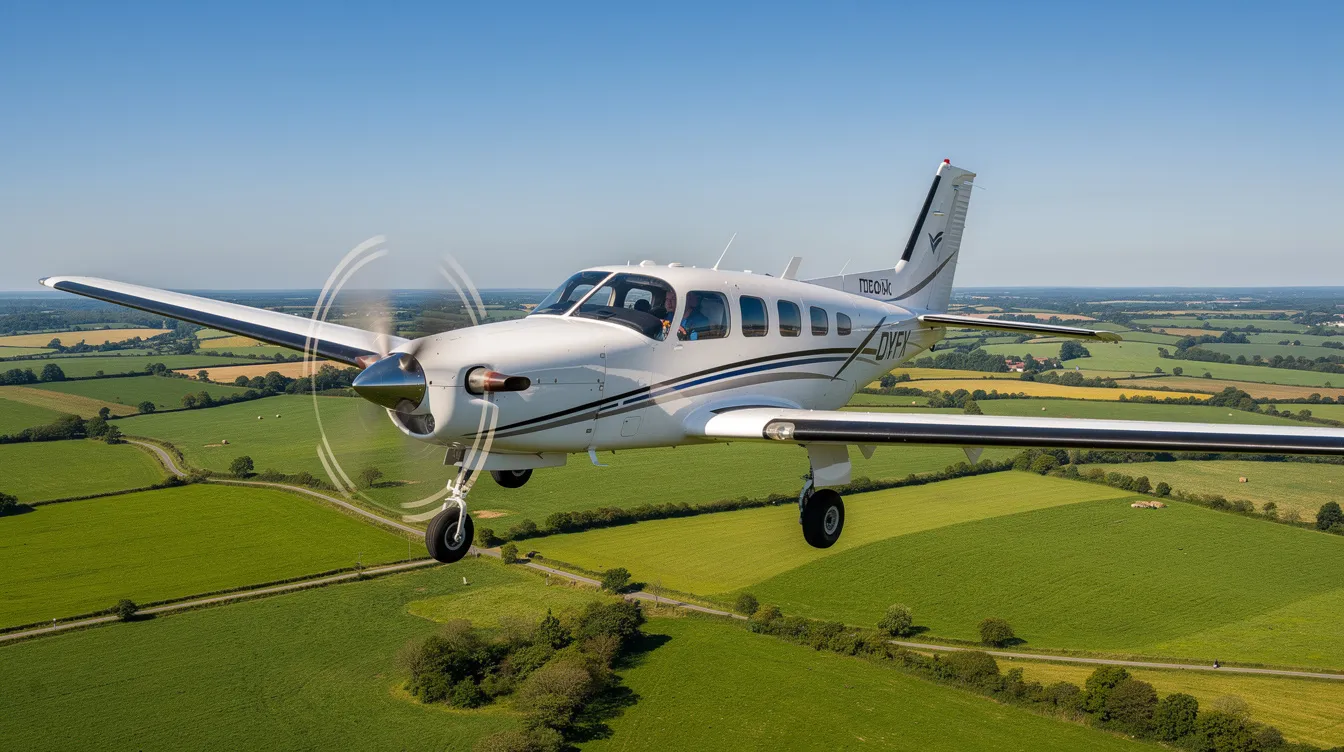
5
min read
P46 Plane: From World War II Prototype to Modern Piper PA‑46 Charter Favorite
The term 'P46 plane' refers to both the historical Curtiss XP-46 fighter prototype and the modern Piper PA-46 family of aircraft. The Piper PA-46, known for its pressurized cabin and efficiency, has become a popular choice for private aviation and charter services. This guide explores both aircraft, focusing on the advantages of the Piper PA-46 for travelers seeking comfort and cost-effectiveness in regional flights.
Read MoreStay updated with our latest insights and tips to elevate your journey with us.
MEMBERSHIPS AND ASSOCIATIONS



Disclaimer: Jettly operates as a charter broker, offering access to a global digital jet charter marketplace. Jettly is not a direct air carrier and does not own or operate aircraft. All advertised flights are conducted by third-party air carriers that are fully licensed and hold the appropriate Part 135 or Part 121 certifications issued by the Federal Aviation Administration (FAA) or equivalent regulatory authorities under U.S. or foreign law. Jettly complies fully with the U.S. Department of Transportation's Part 295 and Part 298 Charter Broker regulations. Jettly does not carry additional liability insurance. Passengers are covered by aircraft operator insurance. TICO: 50023770


