



Login
Get Instant Pricing On 23,000+ Aircraft

>

Leasing plane solutions have become a cornerstone of modern aviation, serving commercial airlines, corporate flight departments, and private users alike. Rather than purchasing an aircraft outright, operators secure possession and operational rights for a defined period—typically 12 to 120 months—without acquiring legal title. This arrangement allows lessees to operate the aircraft without the residual value risk, which remains with the lessor.
This guide is designed for business aviation managers, corporate flight departments, and private individuals considering aircraft leasing as an alternative to ownership or charter. Understanding leasing options is crucial for optimizing costs, flexibility, and operational control in private and business aviation.
This structure differs significantly from private flight charter through Jettly, where each trip is booked independently. A lease represents a long-term capacity solution, while charter offers trip-based flexibility without ongoing commitments, particularly when using platforms that make it easy to get a seat on a private jet.
The aircraft leasing industry has grown substantially since the post-2020 travel recovery, with supply chain delays for new deliveries pushing more operators toward leased aircraft through 2026. This guide walks through lease types, regulations, financial aspects, and when leasing makes more sense versus chartering via Jettly, complementing broader resources on how renting a plane works.
Leasing a plane lets operators and businesses access aircraft without purchasing, with options ranging from 12-month wet leases to 10-year dry leases.
The three core structures—wet (ACMI), dry, and damp leases—differ based on who provides crew, maintenance, and insurance.
Leases can improve cash flow and provide tax-deductible operating expenses for qualifying business use under IRS Section 162, while shifting residual value risk to the lessor.
Platforms like Jettly help travelers compare charter versus lease needs before committing to long-term agreements.
Readers flying fewer than approximately 200 hours annually may find private jet charter via Jettly more cost-effective than a long-term plane lease.
Most leasing plane contracts are formal lease agreements that detail the terms, responsibilities, and restrictions between the lessor and lessee. These agreements generally fall into three main categories, each assigning operational control and responsibilities differently.
A wet lease sees the lessor provide aircraft, flight crew, maintenance, and insurance, and requires the lessor to hold an FAA or EASA Air Operator's Certificate (AOC) and meet commercial standards. The lessee handles fuel, airport fees, and scheduling. Terms typically span 1-24 months, making this ideal for seasonal peaks—European carriers often wet-lease narrowbodies like the A320neo during summer surges.
Under a dry lease arrangement, the lessor supplies only the aircraft without crew. The lessee must operate the aircraft under its own air operator's certificate, manage maintenance, and carry insurance. Dry leases typically fall under Part 91 regulations for personal use or Part 135 when operating with paying passengers. These longer-term agreements typically last from 2 to 10 years and suit high-utilization corporate users who want full operational control.
A damp lease hybridizes both approaches. The lessor provides aircraft, flight crew, and maintenance, while the lessee supplies cabin crew for service customization. This arrangement, common in the UK and EU markets, lets airlines preserve language capabilities and branding standards.
Key types of aircraft leases include dry leases, wet leases/ACMI, and finance leases. A finance lease is a long-term structure where the lessee is treated as the owner for tax and accounting purposes, while an operating lease is a medium-term agreement where the lessor owns the aircraft and retains residual risk.
Truth-in-leasing regulations require that the FAA be notified in writing within 24 hours of the start of a dry lease. This notification must outline the responsibilities for crew, fuel, maintenance, and insurance, with records kept for 90 days after the lease ends.
The meanings of wet and dry leases remain broadly similar worldwide, but regulatory details differ between jurisdictions.
In the UK and EU, a wet lease typically means the aircraft operates under the lessor’s Air Operator’s Certificate, while dry lease arrangements place operation under the lessee’s AOC. Damp leases are particularly popular where airlines wish to maintain their own cabin crew for brand integrity.
Under federal aviation regulations (FARs) in the US (Part 91 and Part 135), regulatory compliance is essential. “Truth-in-leasing” requirements demand clear documentation within 24 hours of lease commencement, specifying responsibilities for crew, fuel, and maintenance for 90 days post-term. Lease agreements frequently impose limits on annual flight hours and geographic operating ranges, and exceeding these limits can result in significant penalties.
Cross-border leases demand particular attention. Aircraft operators should involve an experienced aviation attorney when the base of operations, registration, and routes span multiple jurisdictions and understand key aspects of international private jet flights. Other considerations, such as regulatory, political, or economic issues, may also influence the choice of lessor or lease structure, especially in emerging markets or specific regional contexts.
Leasing converts aircraft access from a capital expenditure to predictable operating expenses, making it an attractive option for those seeking financial flexibility and liquidity preservation, especially when compared with affordable airplane rent options. This shift fundamentally changes how businesses approach private aviation.
Monthly lease payment calculations, often referred to as rentals, typically run 0.8-1.5% of the aircraft’s fair market value. Rental costs are influenced by factors such as aircraft type, lease duration, and prevailing market conditions. For example, a business aircraft like the Bombardier Challenger 3500 (valued at $27-30 million new) might carry dry lease rates of $160,000-$200,000 per month over a 5-year term.
For qualifying business use, lease payments are often treated as fully deductible operating expenses under IRS Section 162, providing significant tax advantages compared to ownership. However, lessees generally miss out on significant tax benefits like accelerated depreciation that owners can claim (typically 7-year MACRS), and ownership ties up significant capital and balance sheet capacity.
Sale-and-leaseback arrangements offer another avenue to generate income. A company sells an owned aircraft to a lessor and leases it back, unlocking capital while retaining access. This strategy can help generate income for aircraft owners and lessors. Post-COVID, airlines raised over $20 billion through such transactions.
Leasing arrangements can also provide a steady stream of income for those managing multiple aircraft, helping to spread risk and improve cash flow across a diverse fleet. Additionally, leasing allows for access to newer aircraft models more frequently, ensuring access to the latest safety and fuel-efficiency technology.
|
Factor |
Leasing |
Ownership |
On-Demand Charter (Jettly) |
|---|---|---|---|
|
Upfront Cost |
Security deposit + 1st month |
20-30% down payment |
None |
|
Monthly Cash Flow |
$150K-$500K (midsize jets) |
Variable maintenance/ops |
Pay per trip |
|
Balance Sheet Impact |
Off-balance sheet option |
Asset liability recorded |
None |
|
Flexibility |
Moderate (term-bound) |
Low |
High |
|
Residual Value Risk |
Lessor bears |
Owner bears |
None |
A leasing plane contract can be highly customized, with the specifics typically detailed in formal lease agreements. The lessor’s quality matters as much as the aircraft models themselves. It is crucial to negotiate and thoroughly understand these lease agreements, as they define the terms, responsibilities, and restrictions for both parties.
Term length (3-10 years typical for dry leases)
Minimum annual hours (often 400-500)
Geographic operating radius
Hourly or monthly caps with penalties for overuse
Early termination provisions
Maintenance responsibilities and reserves ($200-$500/hour flown)
Inspection rights during the term
Return conditions: engine cycles remaining, interior standard, paint condition
Lessees are typically prohibited from making significant interior modifications or specialized technology upgrades to the aircraft, as outlined in most lease agreements.
Fleet age (aircraft under 10 years ideal)
Safety certifications (ARGUS Platinum, IS-BAO Stage 3)
Financial strength and investment-grade ratings
Regional expertise for your routes
Using Jettly’s private jet charter cost estimator and marketplace data for charter pricing provides a useful benchmark when negotiating lease terms—ensuring you don’t overpay relative to chartering similar missions.
The right choice depends on annual flight hours, route predictability, and capital considerations, as well as whether shared charter flights or full charters better suit your travel style.
For businesses or individuals flying 200-400 hours annually on similar routes with predictable schedules, a lease arrangement often delivers the best value. You gain consistent access without tying up capital in ownership, similar to structured jet card programs for private travel. However, for very high-frequency travelers exceeding 400 hours per year, the cumulative cost of leasing may eventually surpass ownership expenses.
Owning aircraft makes sense at very high utilization (500+ hours) or for specialized missions. However, the aircraft owner accepts residual value and remarketing risk—the purchase price today may not hold.
On-demand charter through Jettly, including its range of private jet memberships, typically proves more efficient for travelers flying fewer than 200 hours annually, or those with irregular schedules and varied destinations.

A Toronto-Vancouver executive flying 300 hours annually might lease a midsize jet at $180,000/month—significantly less than equivalent charter costs of roughly $8,000/hour.
A New York-Miami family flying 100 hours yearly saves approximately 40% using Jettly’s on-demand platform, supported by its guidance on affordable private jet charter costs, versus carrying a $2 million annual lease.
A Los Angeles-Vegas entertainment group with sporadic travel avoids $1 million+ in idle costs by chartering through Jettly and understanding single private flight costs rather than maintaining a leased aircraft.
When leasing a plane, the operator’s quality and maintenance program impact safety far more than whether the airplane is leased or owned.
Current maintenance records compliant with OEM programs
Crew training certifications and recurrent requirements
Third-party audit registrations (ARGUS, Wyvern Wingman, IS-BAO)
Liability protection documentation
Avionics modernization status
Connectivity options (Ka-band Wi-Fi, satellite communications)
Telematics for tracking hours and cycles against lease limits
Sustainability Considerations: Modern commercial aircraft and business jets increasingly support sustainable aviation fuel (SAF) blends up to 50%. Lessors now track fuel consumption via telematics, and many offer carbon offset programs to reduce environmental impact.
Jettly users can similarly prioritize operators with strong safety and sustainability practices when booking private charter aircraft flights—achieving high standards without entering a lease agreement.

The financial success of a leasing plane strategy often hinges on how well return conditions are managed near term’s end.
50-70% remaining engine life
Landing gear cycles under 60% of the limit
Completion of scheduled maintenance checks
Acceptable cosmetic standards for cabin and exterior
Arrange a pre-return technical inspection 6-12 months before lease expiry. This allows time to address findings and negotiate practical solutions. Disputes over “commercially reasonable” standards occur in roughly 30% of cases—independent appraisers can help resolve these.
Exceeding agreed utilization, skipping required maintenance, or returning the aircraft in substandard condition triggers significant charges—sometimes $1 million or more.
Smaller users wanting to avoid such complexities may prefer Jettly’s on-demand charter model or a NetJets alternative through Jettly rather than committing to a long-term lease.
Leasing tends to become cost-effective when annual utilization reaches roughly 200-500 flight hours with relatively stable routes. Below 150-200 hours annually, on-demand charter through Jettly usually offers similar convenience with less financial commitment. Review at least 12-24 months of travel data, or consider learning how renting a plane works before committing to any leasing plane agreement.
Individuals can lease aircraft directly, but many choose to form a limited liability company for liability protection and tax benefits planning. Personal use requires fair market charges to avoid IRS scrutiny. Those not wanting to create an entity or manage regulatory responsibilities can book flights on demand through Jettly’s airport locator and charter booking platform instead.
Safety depends on the operator’s maintenance program, crew training, and regulatory compliance—not whether the same aircraft is leased or owned. Request documentation of maintenance history, safety audits, and pilot qualifications before signing. Jettly works only with vetted, regulated operators, helping charter customers access high safety standards without a lease and offering access to a broad list of private charter airlines.
Interior modifications generally require written lessor approval and are limited to changes preserving the aircraft’s fair market value. Acceptable upgrades typically include new upholstery, lighting, or in-flight connectivity—subject to agreement on costs and restoration at lease end. Chartering via Jettly lets customers simply select private charter aircraft with preferred interiors, avoiding modification responsibilities.
Corporate jet dry leases commonly run 3-10 years, with 5- and 7-year terms common for newer aircraft. Short-term wet leases can be as brief as a few months for seasonal operations. Shorter terms carry higher hourly rate costs but offer flexibility. Those unsure about long-term plans can use Jettly’s charter platform or review a guide to affordable airplane rent options to fly and understand patterns before committing.
Leasing a plane offers control and availability similar to ownership while preserving cash and shifting residual value risk to the lessor. For businesses with consistent, higher annual flight hours and clear operational plans, leasing unlocks access without capital constraints.
However, leasing plane options work best when utilization justifies the monthly lease payment; otherwise, tools like a jet card flight cost estimator can help compare alternatives. For lower or irregular usage, on-demand private flight charter via Jettly or its crowdsourced shared private flights platform typically delivers similar convenience with greater flexibility and no end-of-lease obligations.
Before committing, compare leasing plane solutions against charter and ownership on total cost, flexibility, and risk. The right structure depends entirely on your flight profile.
Ready to experience private travel on your terms? Explore flight options or request a quote at https://www.jettly.com.
Share this post:
Jay Franco Serevilla
Apr 16, 2026
|
5
min read
Discover tips and trends in the industry.
5
min read
Zimex Aviation: Specialist Missions, Fleet, and Career Opportunities
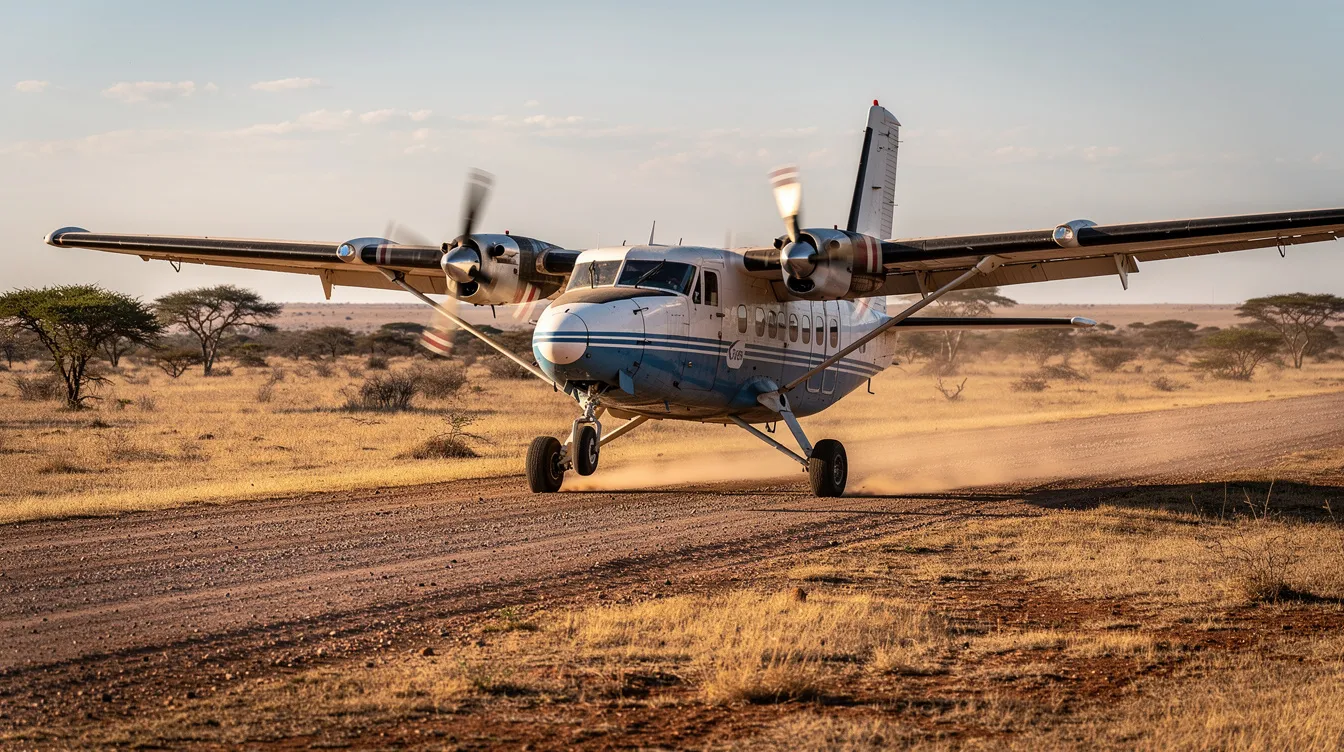
Zimex Aviation, established in 1969, specializes in flying to remote and challenging environments where conventional airlines often cannot operate. With a diverse fleet of turboprop aircraft, Zimex provides essential services such as oil and gas logistics, humanitarian airlift, and express cargo. The company emphasizes safety and operational excellence, making it a key player in the global logistics and humanitarian support sectors.
Read More
5
min read
Air X: Private Aviation, Diversified Fleets, and Jet Support Explained
Air X represents a category of private jet charter operators known for their diversified fleets and integrated jet support, ensuring flexibility and safety. With over 7,050 flights in 2023, AirX Charter exemplifies excellence in private aviation, catering to corporate executives and high-net-worth individuals. Digital platforms like Jettly enhance access to these services, allowing travelers to book tailored flights effortlessly.
Read MoreStay updated with our latest insights and tips to elevate your journey with us.
MEMBERSHIPS AND ASSOCIATIONS



Disclaimer: Jettly operates as a charter broker, offering access to a global digital jet charter marketplace. Jettly is not a direct air carrier and does not own or operate aircraft. All advertised flights are conducted by third-party air carriers that are fully licensed and hold the appropriate Part 135 or Part 121 certifications issued by the Federal Aviation Administration (FAA) or equivalent regulatory authorities under U.S. or foreign law. Jettly complies fully with the U.S. Department of Transportation's Part 295 and Part 298 Charter Broker regulations. Jettly does not carry additional liability insurance. Passengers are covered by aircraft operator insurance. TICO: 50023770


