


Login
Get Instant Pricing On 23,000+ Aircraft

>
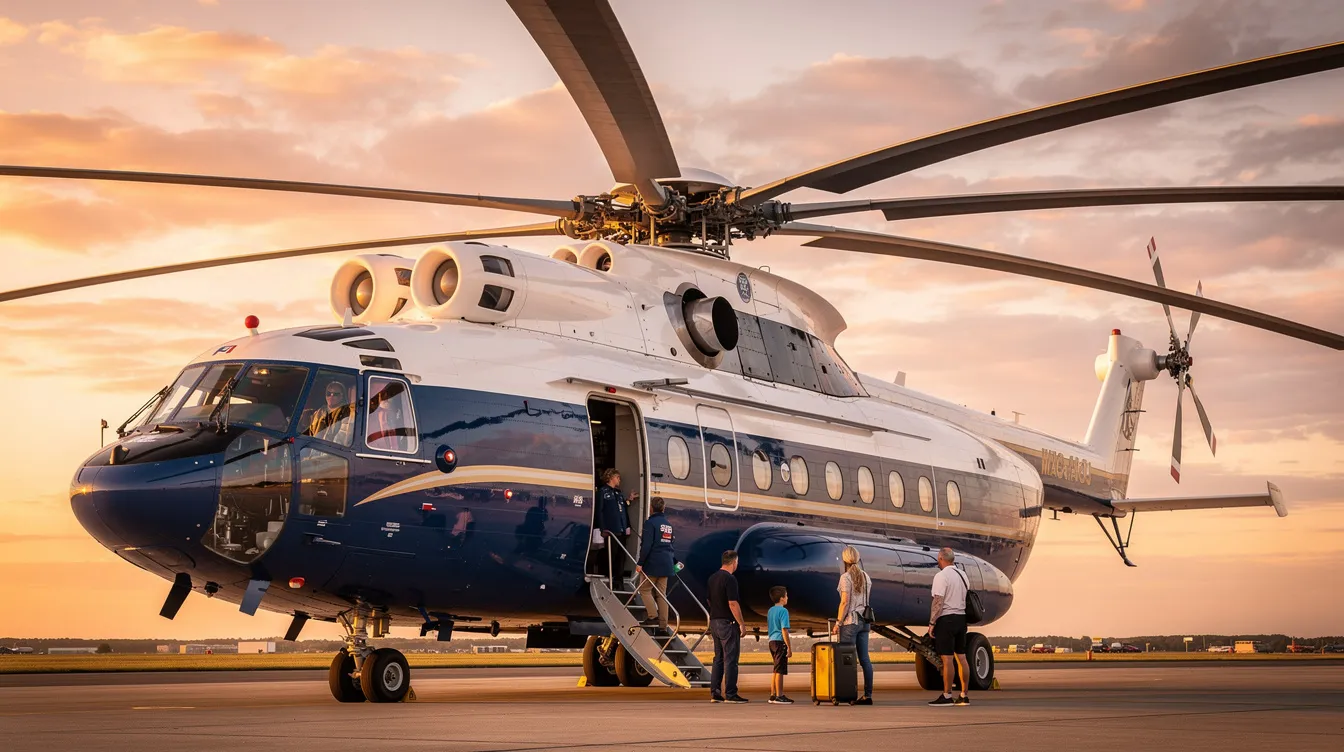
The largest passenger helicopter ever built is the Mil Mi-26, capable of carrying up to 63–83 people in specific passenger configurations and up to 85 soldiers in its transport variant.
Among civil helicopters, the Sikorsky S-92 leads the class with up to 19 passengers, advanced safety features, a spacious cabin with customizable interiors, and a range exceeding 1,000 km.
Large passenger helicopters serve critical roles in offshore energy, search and rescue, and VIP transport operations worldwide.
Private charter platforms like Jettly focus primarily on fixed-wing aircraft but can help clients access helicopters for short-range transfers and specialist missions.
When people ask about the largest passenger helicopter, the answer depends on how you define "largest." By maximum passenger capacity rather than gross weight or main rotor diameter alone, the Mil Mi-26 stands apart. This Soviet-designed heavy transport helicopter can be configured to seat up to 63–83 people in specific passenger configurations, with a maximum takeoff weight exceeding 56,000 kg.
But heavy-lift military designs like the Mi-26 or the CH-53E Super Stallion are worlds apart from the civil helicopters most travelers will encounter. For private and corporate clients booking through platforms like Jettly, the most relevant large passenger helicopters seat 8 to 19 people and are built for comfort, reliability, and certified safety.
Passenger capacity refers to the maximum number of people a helicopter can safely transport, which varies between civil (airline-style) and military (troop) configurations. Civil configurations typically use airline-style seating with comfort and safety features, while military configurations may use denser layouts to maximize troop transport.
This article covers the biggest capacity helicopters ever built, the role of modern platforms like the S-92 in civil aviation, and how charter customers can think about helicopters versus private jets.
|
Helicopter |
Max Takeoff Weight |
Passenger Capacity |
Primary Role |
Length / Size |
|---|---|---|---|---|
|
Mil Mi-26 |
~56,000 kg (123,000 lb) |
63–83 (passenger), up to 85 (troops) |
Military/cargo/humanitarian |
40 meters length, 32 m rotor diameter |
|
CH-53K King Stallion |
~39,900 kg (88,000 lb) |
Up to 37 (troop) |
Military assault/logistics |
99 feet length, 30 ft cargo compartment |
|
Sikorsky S-92 |
~12,020 kg (26,500 lb) |
Up to 19 (civil) |
Offshore, SAR, VIP |
Length approx. 17.1 m, four-blade composite rotor |
The Mil Mi-26, NATO codename "Halo," first flew on 14 December 1977 and entered serial production in the early 1980s. Developed to replace earlier Soviet heavy-lift types, it remains the largest and heaviest helicopter in mass production anywhere in the world.
Its specifications are staggering. The Mi-26 has an empty weight of around 28,200 kg and a maximum takeoff weight of approximately 56,000 kg. An eight-blade main rotor spanning 32 meters drives the aircraft, which measures 40 meters in length including the main rotor. The cargo hold measures roughly 12.1 m long, 3.25 m wide, and 3.2 m high, comparable in cabin volume to a small regional airliner.
Powered by two D-136 turboshaft engines, each producing 11,400 horsepower, the Mi-26 achieves a maximum speed of 295 km/h and a range of approximately 800 km. The helicopter is equipped with three GE381B engines for additional power.
In its passenger variant, the Mi-26 can be configured to seat up to 63–83 people in specific passenger configurations. In its military transport variant, it can carry up to 85 soldiers. Its cargo capacity allows for transporting vehicles, construction equipment, and heavy machinery, with a maximum internal cargo capacity of 36,000 lbs and an external sling load capacity of 20,000 kg.
However, the Mi-26 is not a charter aircraft by any practical measure. Its cabin is utilitarian, with high noise and vibration levels. Nearly all operators are military or state enterprises. Operating costs, crew training requirements, and landing infrastructure demands place it far outside the reach of standard private charter.
The CH-53E Super Stallion, built by Sikorsky Aircraft, is the largest and heaviest helicopter in regular service across the western world. It entered U.S. Marine Corps operation in 1981 and has been a workhorse for amphibious assault support ever since.
Powered by three engines with a seven-blade main rotor, the CH-53E has a gross weight of approximately 73,500 lb (~33,300 kg). Its successor, the CH-53K King Stallion, which achieved initial operational capability in April 2022, extends this with a total length of 99 feet and a cargo compartment about 30 feet long.
The CH-53K can transport up to 37 personnel internally in addition to crew, lift up to 20 tons internally or on an external suspension system, and lift roughly 27,000 lbs externally. It features composite rotor blades and modern avionics designed for heavy-lift military transport missions.
These aircraft are not relevant for private charter travelers due to lack of civil certification and VIP interiors.
The Sikorsky S-92 is the preferred choice among large civil passenger helicopters for offshore energy, search and rescue, and VIP transportation worldwide. Now part of Lockheed Martin following the 2015 acquisition, Sikorsky built the S-92 to meet the most demanding civil standards.
Engines: two General Electric CT7-8A turboshaft engines
Cruise speed: approximately 279 km/h (151 knots)
Range: about 539 nautical miles (1,013 km)
Cabin capacity: up to 19 passengers plus two crew
Baggage capacity: 4.0 cubic meters
Four-blade composite main rotor
Full-width rear ramp for cargo loading
Auxiliary lubrication system for oil pressure loss
Bird strike capability
Engine burst containment
Health and usage monitoring system
The S-92 features a fully composite four-blade main rotor system designed for reliability and reduced maintenance effort. Its original maximum takeoff weight was 26,500 lb (~12,020 kg), but the gross weight expansion program raised this to approximately 27,700 lb (12,565 kg), giving operators more payload flexibility for fuel or passengers.
Safety is where the S-92 truly stands apart. The FAA has called it the "safest helicopter in the world." S-92 helicopters have surpassed 2 million flight hours globally. The aircraft includes:
Automatic flight control system
Terrain awareness and warning systems
Dual autopilot
Crash-resistant fuel systems
Auxiliary lubrication system that allows the aircraft to fly safely even after a loss of main gearbox oil
Since Sikorsky is owned by Lockheed Martin, the S-92 benefits from military-grade systems integration. The VH-92A variant serves as Marine One for the U.S. President, and 13 nations use the S-92 for head of state transport.
The S-92 is used for offshore oil and gas transport, moving up to 19 workers at a time between shore bases and deepwater platforms while carrying personnel, equipment, and supplies to remote offshore installations. Offshore configurations include high-density seating, extra flotation equipment, and avionics tuned for over-water navigation. The S-92 is also utilized for firefighting missions in Canada, demonstrating its versatility across mission types.
In search and rescue missions, the S-92 conducts operations in harsh conditions with winch equipment, medical kits, stretchers, and mission consoles. North Sea SAR contracts and Canadian coastal rescue programs rely on the type for all-weather capability and rapid deployment.
For VIP transport, custom interiors can include club seating, meeting tables, and advanced communications systems. The S-92 can accommodate up to 19 passengers in VIP transport, though most executive layouts reduce that number to provide ample room and a spacious ground-level feel. Thirteen nations use the S-92 for transporting heads of state, making it the air platform of choice for governments that demand both security and capability.
For private travelers, the mission type shapes the helicopter choice. Offshore operators favor rugged, high-capacity layouts. Corporate and government users prioritize low noise, comfort, and connectivity. Understanding helicopter passenger capacity by type helps match the aircraft to the mission.
The S-92 cabin offers stand-up height for most passengers and around 700 cubic feet of internal space, providing a noticeably more comfortable experience than smaller types like the Bell 429 GlobalRanger, Sikorsky S-76, or lighter models such as the Eurocopter EC30 helicopter.
The S-92 has an active vibration control system that reduces cabin vibration by approximately 30% compared to older designs. The S-92 also features noise-reducing technology for passenger comfort, making 1–2 hour offshore legs far less fatiguing. The S-92 is known for its spacious and configurable interior, shifting between 19-seat commuter, EMS, or executive layouts.
VIP fit-outs typically include leather club seating, work tables, in-flight connectivity, noise-cancelling headsets, and dedicated baggage compartments. Executive layouts use fewer seats to create more personal space and a quieter environment. The S-92 is ideal for VIP transport due to its luxury features combined with certified safety systems.
While helicopters cannot match the cabin of a large-cabin private jet, they deliver point-to-point access and time savings that jets cannot. For travelers pairing a jet leg with a helicopter transfer, reviewing typical helicopter rental costs and pricing helps set realistic expectations, and the experience remains smooth and efficient.
Digital charter platforms like Jettly offer on-demand access to thousands of aircraft with instant pricing and transparent booking. While the platform's core inventory centers on private charter aircraft from light jets to heavy jets, many itineraries integrate helicopter charter legs for last-mile access to remote resorts, yachts, or city-center helipads.
The logic is straightforward. Helicopters excel for short hops under 250–300 km, direct landing at smaller sites, and flexibility. Jets handle regional or long-haul legs at higher cruise speed and lower per-mile cost. A traveler might book a transcontinental flight on a private jet, then transfer by helicopter to an island property or remote industrial site, while a separate cross-country airplane selection guide can inform which fixed-wing types best suit those longer legs.
Cost drivers for helicopter rental include aircraft type, mission profile, location, and minimum scheduled flight times. Using a private jet charter cost estimator can help travelers understand how similar variables affect fixed-wing pricing. Working with vetted operators through a digital platform simplifies pilot and crew vetting, insurance verification, and regulatory compliance with the FAA and local civil aviation authorities.
Learn more about Jettly's charter options at https://www.jettly.com.
Large passenger helicopters consume more fuel per hour than smaller rotorcraft, but they can be efficient per passenger when flying at full capacity. A 19-seat S-92 carrying a full crew change offshore burns significantly less fuel per person than multiple smaller helicopter trips.
Operators optimize route planning, payload management, and climb profiles to reduce unnecessary fuel consumption. Modern HUMS and predictive maintenance technology extend aircraft life and reduce unscheduled ground time. Emerging sustainable aviation fuel (SAF) trials in rotorcraft fleets, along with carbon-offset options, give environmentally conscious charter customers additional choices.
For private travelers, helicopters are most sensible when they replace multiple surface transfers over difficult terrain or water, rather than substituting for efficient jet routes on longer sectors. Understanding what drives the cost of one private flight can further clarify when a jet leg is justified. Digital charter platforms help travelers compare aircraft categories and trip structures, making it easier to choose efficient combinations of jets and helicopters.
The Mil Mi-26 holds the title as the largest passenger helicopter ever built, but the Sikorsky S-92 is the leading large civil passenger helicopter that matters for offshore, search and rescue, and VIP missions. Western military types like the CH-53E serve defense roles, not commercial charter.
For most private and corporate travelers, the ideal solution combines private jets for longer legs with helicopters for short transfers, selected by mission profile, distance, and required landing sites.
Ready to plan a trip that combines jets and helicopters? Explore options or request a quote at https://www.jettly.com.
Heavy-lift giants like the Mil Mi-26 are almost exclusively operated by state or specialized industrial operators. They are rarely available for standard VIP or leisure charter due to limited fleets, high operating costs, specialist crew training requirements, and the need for reinforced landing areas that can safely support their weight.
Most charter-friendly helicopters carry between 4 and 12 passengers. Larger types like the S-92 offer up to 19 seats in commuter or offshore configurations, while VIP layouts reduce that to 8–12 for more space. For a detailed breakdown, see this guide on how many seats are in a helicopter.
For longer distances and intercity routes, private jets are typically more cost-efficient and faster. Helicopters become the better value for short hops where they eliminate long ground transfers or provide access to locations without runways. The break-even point is usually around 200–300 km.
Range varies by type. The S-92 can fly around 539 nautical miles depending on payload and conditions. Smaller VIP helicopters often operate on legs under 150–200 nautical miles for comfort and flexibility. Understanding helicopter flight cost factors can help in planning fuel stops and multi-leg itineraries.
Define your origin, final destination, group size, event schedule, and flexibility. Then contact a digital charter platform like Jettly, which can suggest combinations of jet and helicopter segments and provide transparent quotes for each leg, whether you're flying domestically or arranging private jet charter services in regions like Kolkata, West Bengal. Start at https://www.jettly.com.
Choosing the largest passenger helicopter depends on your mission requirements and operational context. The Mil Mi-26 remains the unmatched heavyweight champion in passenger capacity and external load capability, ideal for military and heavy cargo roles but impractical for private charter. The CH-53K King Stallion offers advanced performance and troop transport capacity for military missions but is not suited for civilian use.
For civil and private travelers, the Sikorsky S-92 stands out as the largest passenger helicopter with a blend of safety, performance, and comfort. Its 19-passenger capacity, advanced safety systems, and versatile cabin make it the preferred choice for offshore transport, search and rescue, and VIP missions worldwide. Platforms like Jettly facilitate access to helicopters like the S-92 for short-range transfers and specialist trips, complementing private jet travel with flexibility and convenience.
Understanding the trade-offs between helicopter types, passenger capacity, and mission profiles helps travelers and operators select the right aircraft. Whether you need heavy-lift capabilities, efficient offshore transport, or seamless last-mile connectivity, the right helicopter enhances your travel experience while saving time and effort.
Ready to experience the convenience and flexibility of helicopter charter alongside private jets? Explore flight options or request a personalized quote at https://www.jettly.com.
Share this post:
Jay Franco Serevilla
Jul 26, 2026
|
5
min read
Discover tips and trends in the industry.
5
min read
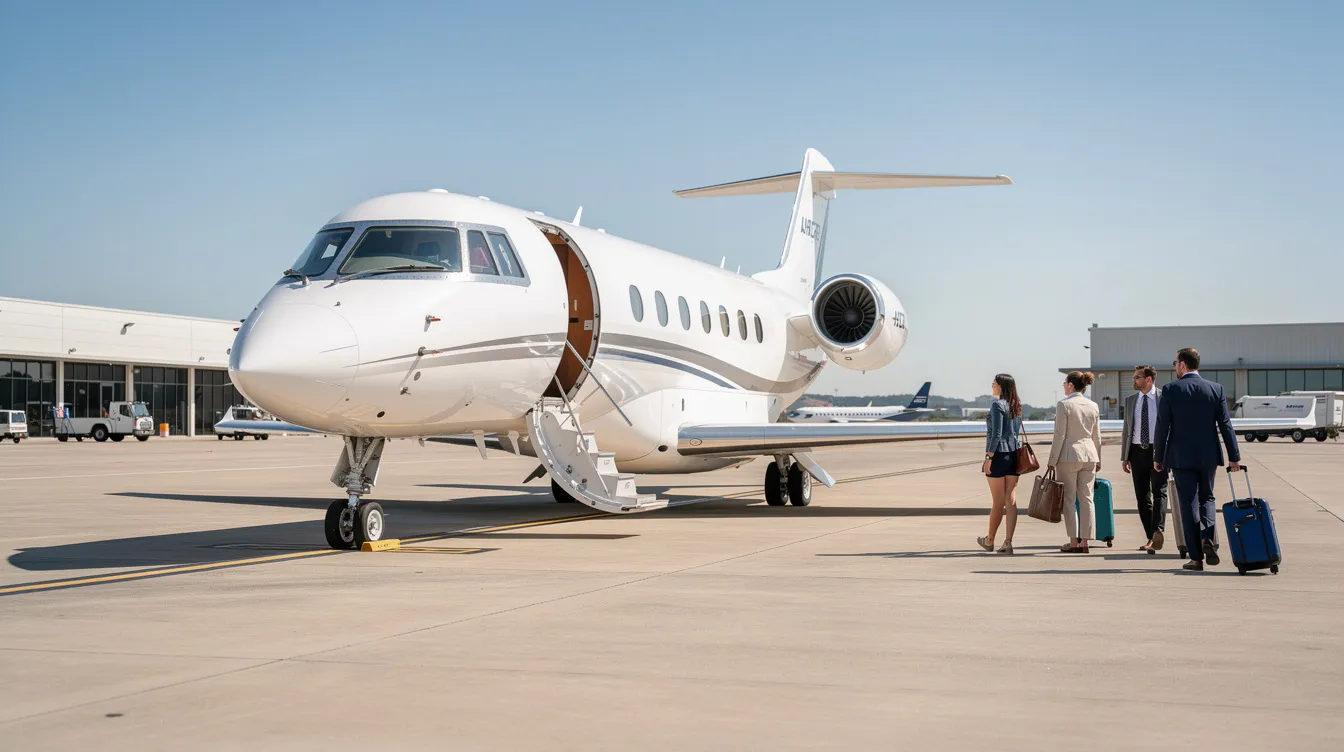
Private Plane Flight Times: How Long Your Charter Really Takes
Private plane flight times are significantly shorter than commercial travel, influenced by factors like distance, aircraft type, and weather conditions. Understanding these variables is crucial for efficient scheduling and cost management, especially for corporate travelers and families. Jettly offers tools to provide accurate flight time estimates, enhancing the private flying experience.
Read More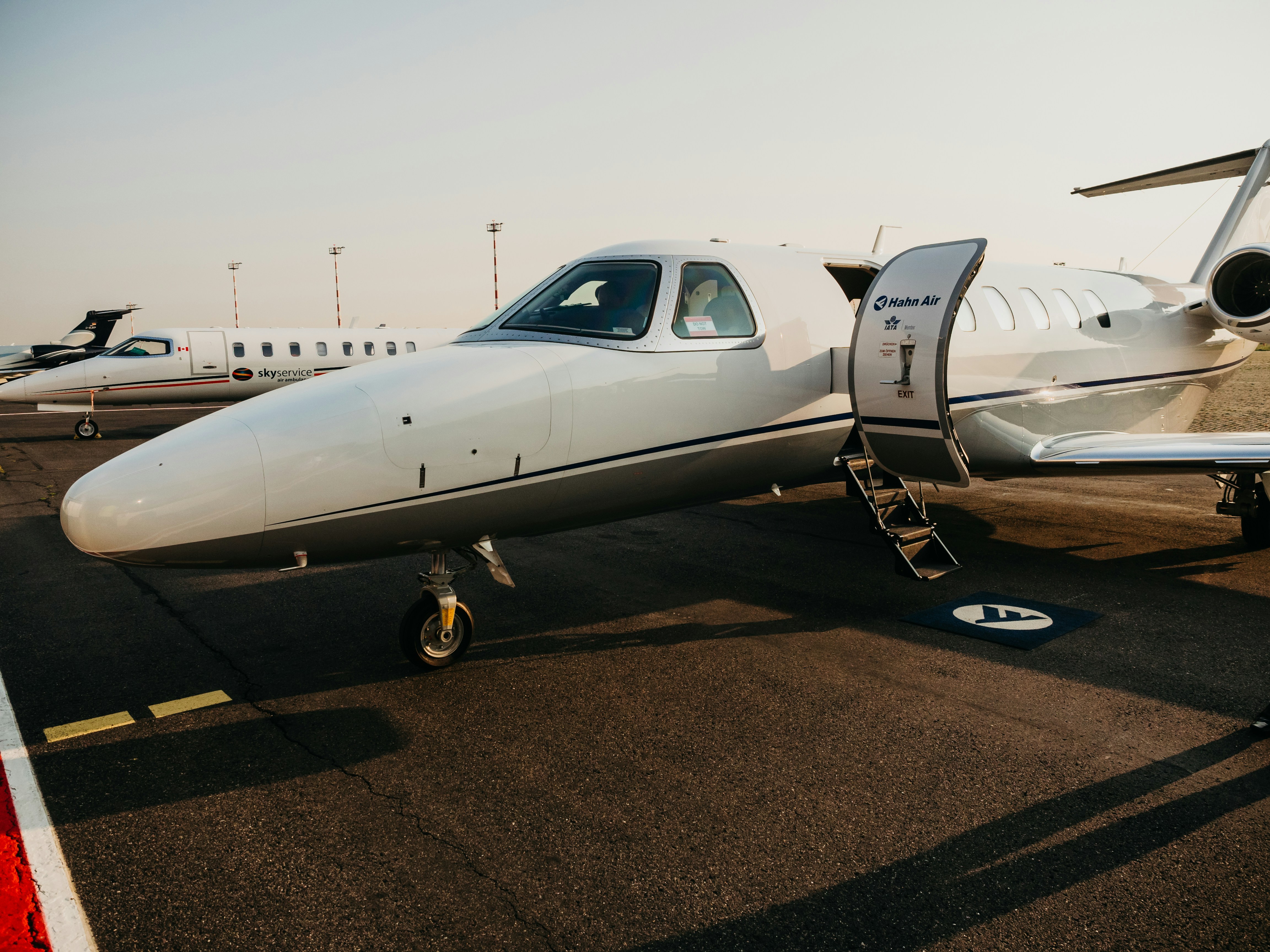
5
min read
Private Jet Cost Comparison: Light Jets vs. Heavy Jets
This article compares the costs of light jets and heavy jets for private travel, highlighting key factors such as hourly rates, passenger capacity, and trip efficiency. Light jets are more cost-effective for shorter domestic flights with smaller groups, while heavy jets excel in long-range travel and larger passenger capacities. Understanding these differences can help travelers make informed decisions based on their specific needs and budgets.
Read MoreStay updated with our latest insights and tips to elevate your journey with us.
MEMBERSHIPS AND ASSOCIATIONS



Disclaimer: Jettly operates as a charter broker, offering access to a global digital jet charter marketplace. Jettly is not a direct air carrier and does not own or operate aircraft. All advertised flights are conducted by third-party air carriers that are fully licensed and hold the appropriate Part 135 or Part 121 certifications issued by the Federal Aviation Administration (FAA) or equivalent regulatory authorities under U.S. or foreign law. Jettly complies fully with the U.S. Department of Transportation's Part 295 and Part 298 Charter Broker regulations. Jettly does not carry additional liability insurance. Passengers are covered by aircraft operator insurance. TICO: 50023770


