



Login
Get Instant Pricing On 23,000+ Aircraft

>
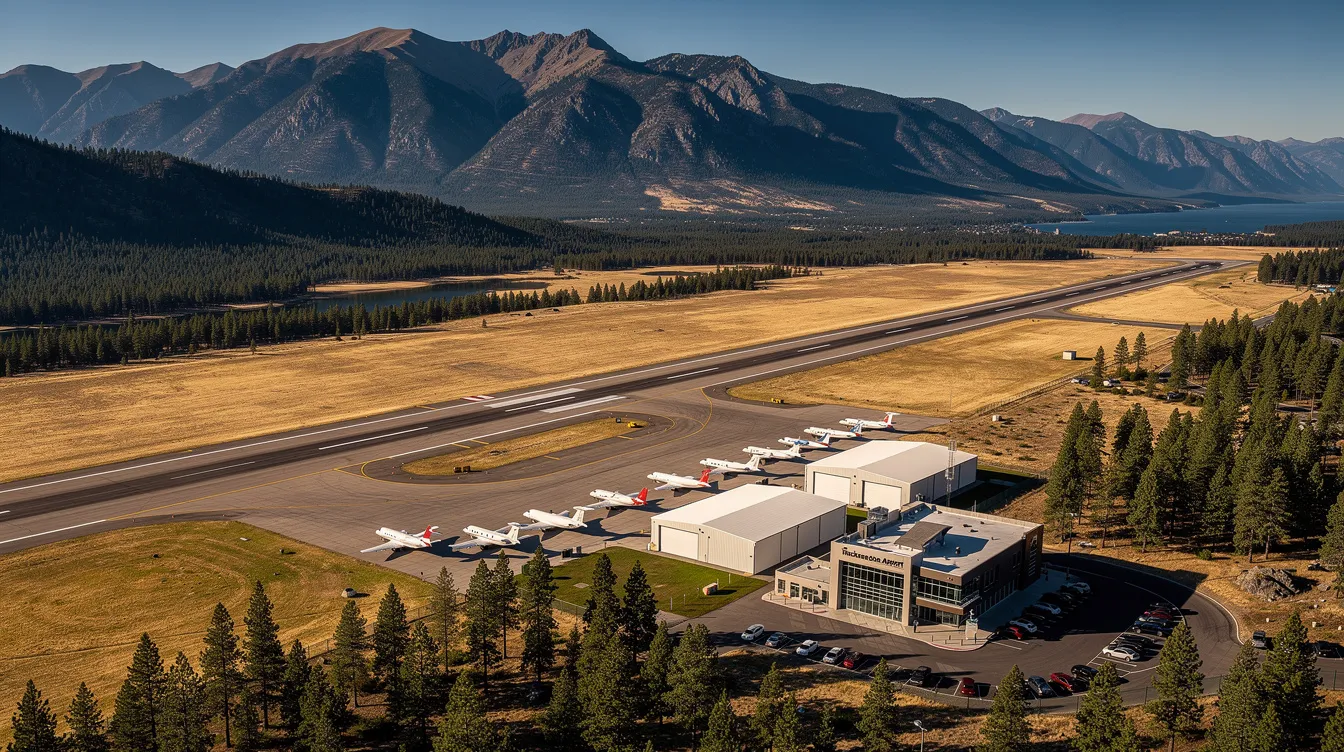
KTRK is the ICAO airport code used for Truckee Tahoe Airport in Truckee, California, one of the handiest private-aviation gateways to the Lake Tahoe region. This KTRK airport guide gathers the facts that actually shape a trip: identifiers, runway data, operating restrictions, FBO services, mountain weather realities, and ground transfers. Read it first, then price your private jet charter to Lake Tahoe with a broker that coordinates the whole flight.
Methodology note: runway, hours, and restriction details should be verified against official airport and FAA publications and checked for NOTAM changes near departure.
What is the KTRK airport code? KTRK is the ICAO airport code used for Truckee Tahoe Airport in Truckee, California.
Can private jets fly into KTRK? Yes, private jets regularly use KTRK, but the best aircraft choice depends on runway length, mountain weather, and seasonal performance limits.
Does KTRK have a curfew? KTRK may have noise-abatement or night operating restrictions that can change by season or NOTAM, so confirm current rules with the airport and your FBO before booking.
Truckee Tahoe Airport sits in the Sierra Nevada at roughly 5,900 feet, which makes it a favored private jet airport near Lake Tahoe for travelers who want less ground time to the north and west shores. The high-mountain setting means weather and runway performance drive nearly every dispatch decision, especially in winter.
|
Field |
Detail |
|---|---|
|
Official airport name |
Truckee Tahoe Airport |
|
ICAO code |
KTRK |
|
IATA code |
TKF (confirm current value) |
|
FAA LID |
TRK (confirm current value) |
|
City / region |
Truckee, California (Lake Tahoe region) |
|
Elevation |
About 5,900 ft MSL (confirm exact value) |
|
Time zone |
Pacific (PST / PDT) |
|
Coordinates |
About 39.32 N, 120.14 W |
|
Runways |
2 |
|
Longest runway |
About 7,001 ft (Runway 11/29) |
|
Field conditions |
Mountain field; snow, ice, and density-altitude effects common |
|
Published hours |
Confirm current hours, tower/UNICOM status, and ATIS with the airport |
|
Primary FBO(s) |
On-airport FBO services (confirm current provider) |
|
Nearby alternates |
Larger regional airports within driving distance (confirm with operator) |
Values above reflect widely published KTRK data and should be confirmed against the current FAA Airport Master Record and KTRK airport publications before you file or book. Identifiers can appear in three systems, so you may see the ICAO code (KTRK), an IATA code, and an FAA location identifier used in different tools.
An FBO (fixed-base operator) is a private-terminal facility that handles passengers, fueling, parking, and services for private aircraft. At KTRK you leave from this private terminal rather than a commercial gate, which keeps check-in short and the ramp-to-car handoff quick. If this is your first time flying private, that single difference reshapes how you plan the day.
Travelers choose a private jet to Tahoe through KTRK to trim the drive compared with larger commercial airports farther from the lake. The KTRK airport code you see most often is the ICAO identifier, KTRK, though tools may show an IATA or FAA code too. Mountain weather can still move a plan fast, so pick the airport for your destination and keep a backup in mind.
Private flights work differently from the commercial routine. You arrive at an FBO, not a crowded terminal, and Jettly guidance puts most travelers at the private terminal about 15 to 30 minutes before departure, with bags going straight from car to aircraft. For private aviation, KTRK's biggest advantage is convenience on the ground: you typically arrive at an FBO and can be on the road within minutes of landing. That is the appeal of a private jet airport near Lake Tahoe, and it is why Tahoe private aviation keeps growing.
|
Destination |
Typical drive time |
Winter notes (chains/4WD) |
Recommended vehicle |
|---|---|---|---|
|
Truckee town center |
5-10 min |
Plowed main roads; chains rarely needed |
Sedan or SUV |
|
Northstar California |
15-20 min |
Snow common; 4WD helpful |
SUV |
|
Palisades Tahoe (Olympic Valley) |
25-35 min |
Mountain passes; chains possible |
AWD/4WD SUV |
|
Tahoe City / West Shore |
30-40 min |
Lakeside roads icy in storms |
AWD/4WD SUV |
|
Kings Beach / North Shore |
25-35 min |
Snow banks narrow lanes |
SUV |
|
Incline Village, NV |
35-45 min |
Mt. Rose Hwy can close in storms |
4WD SUV |
|
South Lake Tahoe |
60-75 min |
Longer alpine drive; check passes |
4WD SUV |
Drive times above are approximate and shift with season, traffic, and time of day, so confirm with current mapping before you travel. An alternate airport is a pre-planned backup airport a flight can use if weather, runway conditions, or restrictions prevent a safe landing at the intended airport. When a winter system settles over the Sierra, aircraft sometimes divert to a larger regional field, so your ground plan should carry a contingency. Weighing options like charter flights to Reno gives you a reliable all-weather backup within driving distance when a private jet to Tahoe cannot complete the last few miles by air.
At mountain airports, runway length and weather matter as much as luxury. KTRK runways and the field's elevation set hard limits on which aircraft can operate with full passengers and bags on a given day.
The KTRK airport has two runways. The primary runway, 11/29, runs about 7,001 feet of asphalt, and the crosswind runway, 2/20, measures roughly 4,654 feet. Confirm current lengths, widths, lighting, and published instrument approaches against FAA sources before planning, since the field offers RNAV (GPS) procedures that terrain can complicate. Pilots check real-time conditions close to departure, and official FAA WeatherCams imagery helps crews read mountain visibility that a text forecast alone can miss.
Density altitude is how "high" the air behaves based on pressure and temperature; higher density altitude reduces aircraft climb and takeoff performance. A warm summer afternoon near 5,900 feet can push density altitude well above the physical field elevation, which trims allowable payload and sometimes forces a fuel stop. This is why takeoff distance matters far more here than at a sea-level airport.
Winter adds snow, ice, reduced braking action, low visibility, and gusty canyon winds. These runway and weather conditions can push departure windows earlier, add deicing time, and raise the odds of using an alternate. Deicing at departure and deicing after arrival are separate events, and charges and policies vary by operator; Jettly membership deicing coverage applies to members so they skip surprise deicing fees, which is not a blanket promise on every booking. At KTRK, runway length and mountain weather are the two biggest variables that determine which private jets can land comfortably and with full payload.
|
Runway |
Dimensions / surface (verify) |
Typical use notes |
Aircraft implications |
Winter considerations |
|---|---|---|---|---|
|
11/29 |
About 7,001 ft long, 100 ft wide, asphalt |
Primary runway; prevailing use |
Supports many light to super-midsize jets with the right performance numbers |
Snow removal priority; braking action reports matter |
|
2/20 |
About 4,654 ft long, 75 ft wide, asphalt |
Crosswind option |
Shorter length favors turboprops and smaller jets |
Cross-canyon winds and ice reduce usability |
Restrictions change. Always reconfirm hours, noise rules, and NOTAMs close to departure.
An airport can be open yet still need prior arrangement for service. Published hours tell you when the field and its facilities normally operate, but after-hours arrivals or departures may require a callout and a fee. KTRK is known for an active community noise-abatement program, and voluntary quiet hours may apply, so treat any KTRK curfew question as something to verify rather than assume.
Check the current noise abatement and any KTRK curfew policy directly with the airport and your FBO before you lock a schedule. An "official" rule is one connected with or arranged by someone in a position of responsibility, per the Cambridge Dictionary, so lean on the airport's own publications rather than secondhand summaries.
A NOTAM (Notice to Air Missions) is an official operational notice about time-sensitive changes such as runway closures, lighting outages, or temporary restrictions. In winter, NOTAMs frequently cover snow removal, braking action, and lighting work, and any of these can move your departure. Solid flight planning basics means your operator reviews NOTAMs, weather, and alternates as one package, not as separate afterthoughts. KTRK may have noise-abatement or night operating restrictions, so confirm current hours and any curfew policy with the airport and your FBO before you book your private jet charter.
|
Item |
Status |
Verify via |
|---|---|---|
|
Published airport hours |
Confirm current daily hours |
Airport website, FAA Airport Master Record |
|
After-hours procedures |
Possible callout and fee |
FBO direct |
|
Noise abatement notes |
Active program; voluntary quiet hours possible |
Truckee Tahoe Airport District publications |
|
Seasonal considerations |
Snow removal, winter NOTAMs |
Current NOTAMs, FBO |
|
Curfew status |
Verify before booking |
Airport plus FBO |
Your KTRK FBO is a small private terminal where the car meets the ramp. You pull up, hand off luggage, clear a quick check-in, and walk to the aircraft, usually 15 to 30 minutes before departure. There are no long lines and no public gates, which is the privacy benefit regular private flyers value most on any private jet charter into a mountain field.
KTRK is served by on-airport FBO services. Confirm the current provider name(s), hours, and after-hours callout procedures before departure, since mountain fields can run reduced winter staffing. Ramp handling is the set of ground services that support the aircraft on arrival and departure, including marshalling, parking, baggage loading, and coordinating fuel and ground equipment.
Six things to verify with your KTRK FBO before you fly:
Current FBO hours and holiday schedule
Direct FBO phone and after-hours callout policy
Parking and hangar availability for your dates
Deicing availability and lead time
Catering order cutoffs
Ground transport and pet access
Typical services to confirm with your KTRK FBO include fueling, hangar and ramp parking, lavatory service, ground power, catering coordination, deicing coordination, a passenger lounge, a meeting room, Wi-Fi, and crew amenities. Peak winter weekends fill parking fast, so reserve early. Jettly coordinates directly with the FBO during pre-flight planning, and since operators and FBOs share the same safety-first habits, you can read more on private jet safety to see how that coordination protects you. At KTRK, your FBO is your private terminal: confirm hours, parking, and after-hours procedures early, especially during peak winter weekends.
|
FBO (verify name) |
Hours |
After-hours |
Fuel / handling |
Hangar / parking |
Deicing coordination |
Passenger amenities |
Crew amenities |
Notes |
|---|---|---|---|---|---|---|---|---|
|
On-airport FBO services |
Verify |
Callout likely |
Jet A, full handling (verify) |
Limited; reserve in peak season |
Coordinated (verify availability) |
Lounge, Wi-Fi, restrooms |
Flight planning, rest area |
Peak-season reservations; pets welcome on many aircraft; executive car access |
Start with the mission, not the brochure. Route length, party size, baggage, and season point you toward a category long before a specific tail number enters the picture. Good aircraft selection at KTRK balances cabin comfort against runway and weather margins.
Turboprops and very light jets handle short regional hops and shrug off the shorter runway with ease. Light jets cover most West Coast city pairs with four to six passengers and ski gear. Midsize and super-midsize jets add range, cabin room, and better payload headroom in winter. Heavy and large-cabin jets make sense for longer legs or bigger groups, though they ask more of the runway and performance numbers on a cold, loaded day.
Winter payload realism matters. Performance calculations can trim how much weight an aircraft carries on a given day, so building buffer time and sizing up a category often buys reliability. A short regional trip shows the point: a light jet is frequently more practical than a heavy jet once you weigh the runway and a small passenger count. For a Tahoe weekend with four to six guests plus luggage, a midsize or super-midsize cabin usually beats a larger jet on cost and flexibility and still clears winter margins. When the group and bags grow, a heavy cabin earns its place, and our heavy jets overview breaks down those tradeoffs.
In air charter, the certificated air carrier (the operator) retains operational control of the flight, including safety and dispatch decisions. Charter runs under FAA Part 135, and some fractional-style programs operate under Part 91K; the operating carrier keeps operational control either way. Jettly provides access to over 23,000 aircraft worldwide across more than 190 countries, and same-day charters can sometimes be arranged in 3 to 6 hours depending on aircraft positioning and crew readiness. The best private jet for KTRK is the one that clears the runway and weather margins for your exact day, not necessarily the biggest or most expensive cabin. That approach makes a private jet charter to Lake Tahoe both safer and smarter, and it keeps aircraft selection tied to real KTRK conditions.
|
Category |
Typical passengers |
Baggage / ski gear |
Strengths |
Tradeoffs |
When to size up |
Typical trips |
|---|---|---|---|---|---|---|
|
Turboprop |
4-8 |
Good for gear, flexible |
Short-runway friendly, economical |
Slower cruise |
Heavy snow, long legs |
Regional hops |
|
Light jet |
4-6 |
Moderate; gear fits |
Efficient, strong value |
Tighter cabin, range limits |
Full loads in winter |
West Coast city pairs |
|
Midsize / super-midsize |
6-9 |
Generous; skis and boards |
Range, comfort, winter payload |
Higher cost than light |
Max passengers plus bags |
Tahoe weekends, cross-country |
|
Heavy / large-cabin |
8-16 |
Ample |
Long range, stand-up cabin |
Needs more runway and performance |
Rare at short fields |
Transcon, international legs |
A smooth KTRK private jet charter looks like this: a car collects you at home, drops you at the FBO, your bags move to the aircraft, you take off within minutes, and an SUV meets you on arrival for the drive to the lake. The whole point of this KTRK airport guide is turning airport facts into that kind of day.
Request your itinerary. Send dates, times, passenger count, bags, and any pets through the platform or app.
Review aircraft options. Compare vetted aircraft and operators matched to KTRK's runway and weather.
Select your aircraft. Pick the category and tail that fits your mission and budget.
Sign and secure payment. Confirm the charter agreement and fund the booking; deposits sit in insured escrow.
Coordinate pre-flight. Your flight coordinator lines up the FBO, catering, deicing, and ground transport.
Depart from the FBO. Arrive 15 to 30 minutes ahead and walk to the aircraft.
Advertised flights are operated by properly certificated third-party carriers under FAA Part 135 or Part 121, or a foreign equivalent. Book 24 to 72 hours ahead for the best availability, though same-day lift is sometimes possible in 3 to 6 hours when aircraft and crews are positioned nearby.
A winter and mountain preparation checklist worth saving:
Build a flexible schedule buffer around storms.
Expect possible deicing and ask who covers it.
Pack ski and board gear in soft bags for easier loading.
Book a 4WD or AWD SUV for mountain roads.
Confirm an alternate airport plan with your operator.
Carry tire chains or confirm the vehicle has them.
Set a communications plan with your coordinator.
Pad meeting times so weather cannot wreck your agenda.
Charge devices; mountain cell coverage is patchy.
What drives your KTRK price: aircraft category, billable flight hours, positioning, peak dates, deicing risk, and taxes and fees. Jettly's estimates fold in the U.S. 7.5% federal excise tax and roughly $4.50 to $5.20 per-passenger segment fees, and every number is an estimate, not a binding quote. Run your route through the charter cost calculator for a route-specific figure, and read up on jet fuel basics to understand how winter fueling and deicing factor in. Charter rules sit in the FAA Dynamic Regulatory System for anyone who wants the regulatory detail.
A sample winter run shows how a charter flight to Truckee holds together. A Friday morning trip from Southern California heads up for a ski weekend; your coordinator watches an incoming system, moves wheels-up two hours earlier, and confirms deicing at departure. The FBO reserves parking for the busy weekend, catering is set with a morning cutoff, and an AWD SUV waits on the ramp. A backup plan routes to a larger all-weather field with a ground transfer on standby, so a diversion becomes an inconvenience rather than a ruined trip. For KTRK in winter, the best reliability strategy is simple: build time flexibility, confirm FBO after-hours procedures, and plan an alternate airport and ground transfer in advance.
|
You provide |
Jettly coordinates |
|---|---|
|
Dates and times |
Vetted operator options |
|
Passenger count |
Aircraft availability |
|
Baggage and ski gear |
FBO handling |
|
Pets |
Catering and deicing |
|
Ground transfer needs |
Recovery options |
|
Preferred departure flexibility |
Executive car service for members |
Many international business itineraries start locally. KTRK can serve as the quiet departure point for a leadership team, then connect through a customs-capable gateway for the long-haul segment. That structure keeps control and privacy high from the first mile.
Multi-leg planning usually looks like KTRK to a major hub, then the international leg on a long-range aircraft. Jettly is a charter broker marketplace, and advertised flights are operated by third-party carriers under FAA Part 135 or Part 121, or a foreign equivalent, with the operator retaining operational control. For the long legs, comparing the longest range jets helps match cabin and range to the route.
Duty of care is the set of policies and practices used to identify and reduce travel risk for employees and travelers, including itinerary oversight and contingency planning. Jettly's Corporate Safety and Duty of Care membership supports risk assessments, compliance adherence, and managed travel for corporate teams. Travelers searching for the best corporate jet charter for international business trips usually care about three things: reliability, privacy, and recovery when plans move. The platform's instant-quote tool supports multi-city itineraries, the iOS and Android apps keep trip management in one place, and access spans over 23,000 aircraft across more than 190 countries. For international business travel, the "best" corporate jet charter is the one that can reliably match the right operator and aircraft to your route, timing, and risk requirements, then support recovery when plans change.
Planning an international trip from a KTRK start, keep this checklist handy:
Valid passports and any visas for every traveler
Government-issued ID for the domestic legs
Customs routing through an international-capable airport
Timing buffers for customs, fueling, and crew duty limits
Pet, catering, and ground transport needs at each stop
For a deeper plan, read our guide to international private jet charter.
Ready to price your trip? Here is what happens next.
Send your itinerary and get vetted aircraft options, with instant quotes and multi-city support in the app or on the platform.
Your flights run on third-party operators certified under FAA Part 135 or Part 121, with the carrier holding operational control.
Reach the 24/7 team any time at +1-866-448-2358 or departures@jettly.com.
A charter agreement is the contract that confirms the aircraft, operator, itinerary, price, and operational terms for a specific charter flight. To book your flight, request an itinerary, review aircraft options, and confirm by signing the charter agreement and securing payment. Member perks sweeten the math: a 10-hour minimum callout, Jet Card flight hours that do not expire, and deposits held in insured escrow. To trim the bill, see how to save on private jet charter before you commit to a KTRK airport trip.
KTRK is the ICAO airport code for Truckee Tahoe Airport. Some systems use different identifiers, such as an IATA code or an FAA location identifier, so confirm the full set in the airport facts table before you book or file a flight plan.
Yes, private jets can and do operate into KTRK, but aircraft suitability depends on runway performance and real-time weather. Runway length near 7,001 feet, a field elevation around 5,900 feet, density altitude on warm days, and winter braking action all shape the decision, which is why operators plan alternates.
KTRK restrictions can include published operating hours and noise-abatement guidance, so confirm current rules with the airport, FBO, and NOTAMs. The field is known for an active noise program and possible voluntary quiet hours, and those specifics can change by season.
KTRK is served by on-airport FBO services, so confirm the current provider name(s), hours, and after-hours procedures before departure. Ask about peak-season parking reservations, deicing coordination, and ground transportation access when you call.
Most private flyers arrive at the FBO about 15 to 30 minutes before departure, though your operator may request more time. In winter, add buffer for road conditions and extra bags like ski gear, and remember pets are welcome on many operators' aircraft.
Private jet charter costs to KTRK vary by aircraft category, flight time, positioning, peak dates, and winter deicing risk. As a rough guide, Jettly's on-demand bands run about $2,800 to $4,500 per hour for light jets and $4,000 to $8,000 per hour for midsize to super-midsize cabins, plus the 7.5% federal excise tax and per-passenger segment fees; these are estimates, not quotes, so price your exact route and date.
Sometimes, since empty-leg availability depends on where aircraft need to reposition, so inventory changes constantly and routes are fixed to specific windows. When an empty leg matches your window, it can cut cost sharply versus standard on-demand charter, and you can search current empty legs through Jettly.
For winter trips, prioritize runway performance and weather margins first, then cabin size, which often points to a midsize or super-midsize category as a practical balance. Final suitability always depends on real-time conditions and the operator's performance calculations.
KTRK rewards travelers who plan around the mountain. Get the facts right, match the aircraft to the runway and weather, confirm the KTRK curfew and FBO details, and build a winter buffer, and you turn a tricky alpine field into an easy door-to-slope day. Tahoe private aviation rewards that kind of preparation. Whether it is a quick charter flight to Truckee or a multi-leg corporate run, a private jet charter to Lake Tahoe through KTRK works best with a partner that vets operators, coordinates the FBO, and plans your contingencies. Jettly pairs a global marketplace with hands-on coordination so your trip holds together when the weather does not, with every flight operated by a certificated third-party carrier that retains operational control. Price your route, review your options, and book with confidence.
FAA Airport Master Record - Pathway for verifying KTRK identifiers, elevation, and runway data.
FAA WeatherCams - Workflow reference for checking mountain airport visibility imagery.
Cambridge Dictionary - Definition of "official" used in the restrictions section.
FAA Dynamic Regulatory System - FAA regulatory portal for Part 135 charter rules.
Share this post:
Jay Franco Serevilla
Nov 8, 2026
|
5
min read
Discover tips and trends in the industry.
5
min read
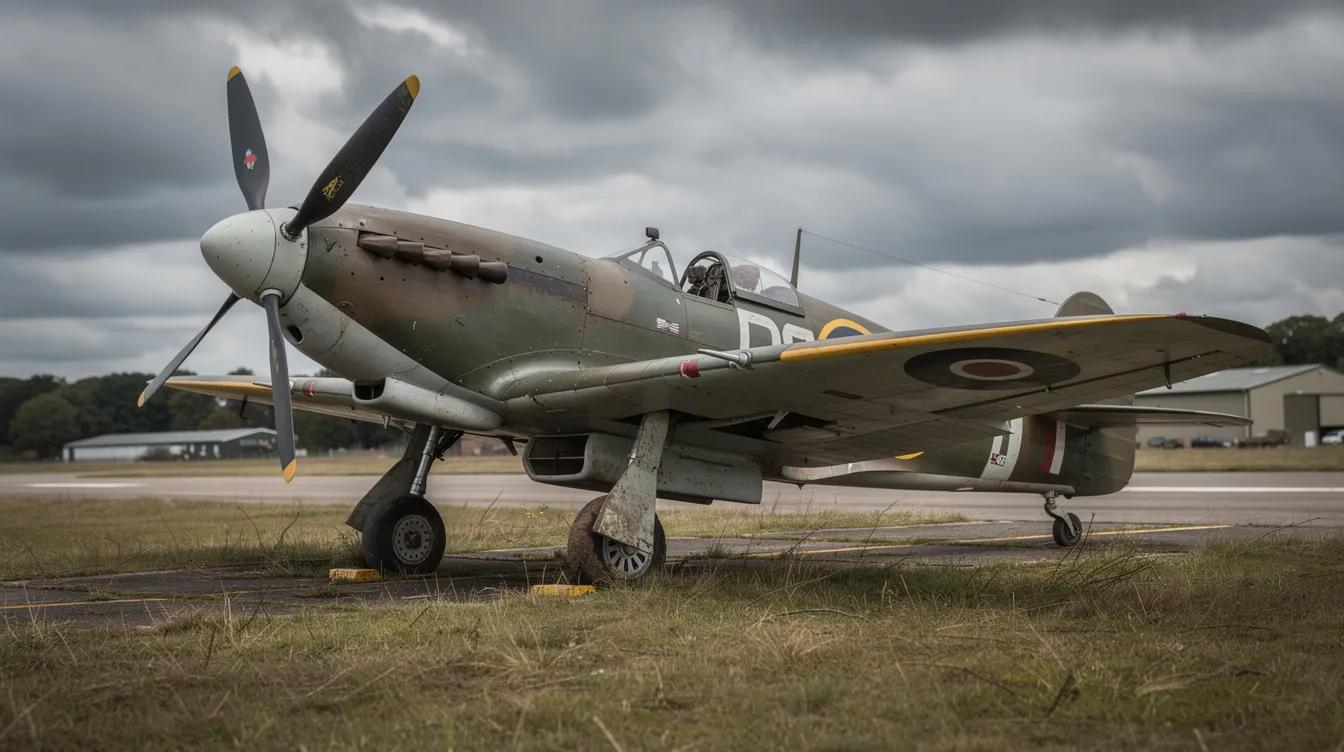
Manston International Airport (Kent International) – History, Redevelopment, and Private Jet Access
Manston International Airport, formerly a wartime base, is undergoing redevelopment to become a freight hub by 2028. Currently closed to commercial flights, private jet travelers can utilize nearby airports like London Biggin Hill and Southend. Jettly offers tailored private jet charter solutions for accessing Kent and the surrounding areas during this transition.
Read More
5
min read
Conor McGregor Private Jet: Inside the "McGregor Jet" Experience and How to Charter One
Conor McGregor's private jet lifestyle is defined by chartering high-end aircraft rather than ownership. His most notable trip was aboard an Embraer Lineage 1000 from Dublin to Dubai, showcasing the luxury and practicality of chartered flights. This article delves into McGregor's jet habits, the features of the aircraft he uses, and how anyone can book similar experiences.
Read MoreStay updated with our latest insights and tips to elevate your journey with us.
MEMBERSHIPS AND ASSOCIATIONS



© 2026 Jettly Inc. All rights reserved.
Disclaimer: Jettly operates as a charter broker, offering access to a global digital jet charter marketplace. Jettly is not a direct air carrier and does not own or operate aircraft. All advertised flights are conducted by third-party air carriers that are fully licensed and hold the appropriate Part 135 or Part 121 certifications issued by the Federal Aviation Administration (FAA) or equivalent regulatory authorities under U.S. or foreign law. Jettly complies fully with the U.S. Department of Transportation's Part 295 and Part 298 Charter Broker regulations. Jettly does not carry additional liability insurance. Passengers are covered by aircraft operator insurance. TICO: 50023770


