


Login
Get Instant Pricing On 23,000+ Aircraft

>
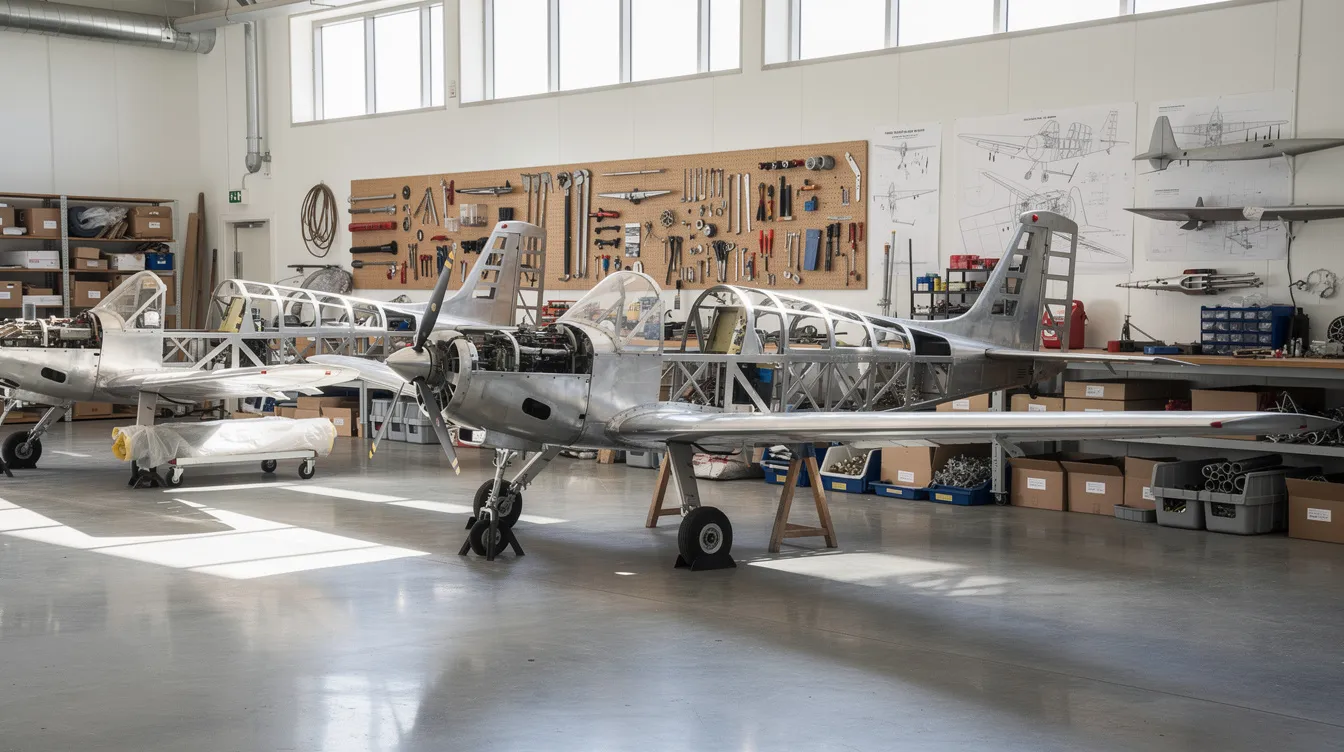
Kitplanes have quietly grown into one of the most accessible paths to aircraft ownership in 2026. With over 33,000 homebuilt experimental aircraft now licensed by the FAA, the market for kit planes continues to expand as pilots look for affordable, customizable alternatives to factory-certified airplanes.
This guide is designed for prospective builders, pilots, and aviation enthusiasts interested in the latest trends, costs, and practical considerations for kitplane ownership and travel alternatives in 2026. Understanding the landscape of kitplanes and their alternatives is crucial in 2026, as the aviation industry evolves with new technologies, changing regulations, and a growing demand for flexible, cost-effective flying options. Whether you are considering building your own aircraft, seeking to compare costs, or exploring when private jet charter might be the smarter choice, this guide will help you make informed decisions.
Kit planes are aircraft sold as kits that builders assemble themselves, typically under the FAA's Experimental Amateur-Built category. In 2026, they represent a significant and growing share of the general aviation fleet.
Total project costs for most two-seat kit planes typically land between $50,000 and $90,000, with simpler single-seat builds coming in well under that. Many proven designs deliver better performance than comparable certified aircraft at a fraction of the purchase price.
Popular models like the Kitfox Series 7 and Van's RV series offer flexible mission profiles from backcountry STOL to cross-country cruising, making them ideal for hands-on owners and pilots who enjoy the building process.
Engine options, avionics choices, and construction complexity are the primary drivers of both cost and build time, with typical builds ranging from 500 to 2,000+ hours.
For fast, multi-passenger, long-distance, or all-weather trips, platforms like Jettly offer on-demand private jet charter that complements kitplane ownership rather than competing with it.
Kit planes are homebuilt aircraft that arrive as kits of parts, materials, and instructions for the builder to assemble. In the United States, kitplanes are classified as Experimental-Amateur Built and require majority construction by the builder. The FAA's 51% Rule mandates that the individual complete at least 51% of fabrication and assembly to qualify for a special airworthiness certificate.
Modern kit planes have evolved dramatically from their wood and fabric origins. Richard VanGrunsven advanced all-metal construction through his RV series, while Chris Heintz helped shape Zenith aircraft, and both remain tied to some of the most popular new designs in aviation. Richard VanGrunsven advanced all-metal construction through his RV series, while Chris Heintz helped shape Zenith aircraft, and both remain tied to some of the most popular new designs in aviation. Today's kits often feature pre-punched components for easier assembly, and composite materials allow for advanced "elastic tailoring" in airframe designs that would have been impossible a generation ago.
The missions of kit planes differ fundamentally from certified aircraft or chartered business jets. A typical weekend flight might involve two pilots flying a Kitfox Super Sport 200 miles to a grass strip for lunch, camping gear in the back, no schedule pressure. That's a world apart from a family of four needing to reach a meeting across the country by noon. For the latter, a platform like Jettly provides access to turboprops and jets that can fly in any weather, carry passengers, and cover distances a homebuilt simply cannot match, supported by tools such as its airport locator platform to find suitable departure and destination fields.
Buyers often weigh three very different tools: homebuilt aircraft, used certified aircraft, and on-demand private jet charter. Each serves different needs and budgets.
Traditional aircraft are manufactured fully assembled under strict certification standards. Used certified aircraft like a Cessna 172 or Piper Cherokee cost between $30,000 and $60,000 to purchase, but certified aircraft have higher maintenance and regulatory costs over time. Kit aircraft offer more customization than certified aircraft, and kit aircraft typically have lower ongoing maintenance costs since owners of kitplanes can perform their own maintenance and modifications without needing a certified mechanic.
Kitplanes can be more affordable compared to new factory-certified aircraft while delivering comparable or better speed and equipment. The trade-off is time: building requires hundreds to thousands of hours. In contrast, buying a certified airplane gives immediate access to flight, and chartering eliminates ownership burdens entirely.
Private jet charters eliminate ownership burdens and hangar fees. Chartering a jet provides access to a global fleet of aircraft through platforms like Jettly. The comparison breaks down simply: build-and-own a kitplane for maximum control, low per-hour cost, and weekend fun; buy certified for proven resale value and faster access; or book on-demand charter with one of the best private jet charter companies for multi-passenger trips, 500+ nautical mile legs, IFR capability, and flexible, time-critical business or family travel.
Not all homebuilt aircraft are equal. Proven designs with strong builder support, detailed documentation, and active communities are the safest bet for the majority of builders, especially first-timers.
Mission profile: Define whether you want local fun flying, STOL backcountry access, or cross-country cruising. A STOL airplane like the Kitfox STi demands different features than a speed-focused cruiser. The Murphy Rebel accommodates up to 1,600 lb gross weight, making it a solid choice for load-carrying utility missions. Some builders also look at Zenith designs by Chris Heintz for similar utility or float-capable flying.
Airframe price: Most airframe kits fall between $20,000 and $60,000, with simpler single-seat metal or tube-and-fabric designs on the low end. Lighter designs with lower empty weight can also reduce operating costs and ease payload tradeoffs, so budget accordingly.
Engine options: Engine selection drives performance and cost more than almost any other decision. Details are covered in the dedicated engine section below.
Support network: Designs like the Sonex-B, Van's RV series, and Kitfox Series 7 have large active builder communities, factory support, and detailed manuals that reduce risk.
Build time: Target build times under 1,500 hours for a manageable part-time project. Cruise speeds for popular designs range from 90 to 150 knots. The Sonex-B kit achieves a cruise speed of 150 mph, proving that affordable kits can deliver strong performance.
Resale value: Proven designs with popular engines, complete build logs, and clean maintenance records sell more easily on the used market. Less common or experimental construction types carry more resale risk.
Resources: Publications like Kitplanes Magazine provide flight testing reviews, builder reports, and articles that help builders prove which designs deliver on their promises. Back issues are a valuable archive for comparison shopping.
Kitplanes usually fall under the Experimental category and require a special airworthiness certificate, so research the regulatory details before committing to a project.
Modern kit planes cluster into clear mission-based categories. Here's a snapshot of the most relevant in 2026:
Ultralight / single-seat: The Aeromarine LSA Merlin can be built in about 300 hours and single-seat kit planes often cost under $25,000. These are optimized for solo recreation, minimal maintenance, and maximum affordability.
Two-seat cross-country cruisers: The Van's RV-9/9A kit typically requires about 2,000 hours to build but delivers excellent cruising speed and a comfortable cockpit. The Sonex-B is a lighter, faster-to-complete alternative. These designs share common engine options like Rotax 912/915, Continental O-200, and Lycoming O-320/O-360.
STOL / bush / backcountry: The Just Aircraft Highlander is a standout STOL kit plane, and the Kitfox Series 7 STi with its thick high-lift wing and large tires can achieve takeoff rolls under 150 feet. This category demands rugged landing gear and low stall speeds.
High-performance / cross-country speed: Lancair's Propjet kit cruises at 370 knots at 24,000 feet, representing the extreme end of what homebuilt experimental aircraft can achieve. These complex composite builds are for experienced builders seeking fast civilian plane performance in a homebuilt package.
Retro / classic-style replicas: Designs like the Baby Ace and Cub-style replicas use wood, fabric, and sometimes fiberglass to capture nostalgia. They prioritize fun and slow-flight enjoyment over speed or load.
Base airframe kit prices range from $5,000 to $35,000, but the finished, flyable cost is always significantly higher. Here's how the money breaks down in 2026:
Airframe kit: $5,000–$35,000 depending on materials, size, and whether you choose a quick-build option.
Engine and propeller: Engine costs range from $8,000 to $30,000 depending on type. A basic Rotax 912 sits at the lower end, while a turbocharged Rotax 916 iS or Lycoming O-360 pushes toward the top.
Avionics and instruments: Avionics can cost between $1,200 and $30,000. A basic VFR panel with an electric starter and simple gauges is cheap; a glass cockpit with EFIS, autopilot, and ADS-B compliance costs much more.
Paint, interior, tools, and workshop setup: These often-overlooked costs add thousands. Total completion costs often run between $25,000 and $60,000 on top of the base kit.
Inspections and registration: FAA fees and initial condition inspections are modest but required.
Total project costs typically land between $50,000 and $90,000, though complex builds with premium equipment can exceed $120,000.
Ongoing fixed costs include hangar or tie-down fees (highly variable by region, from $100/month at a rural grass strip to $800+ at metro airports), insurance (several thousand dollars per year), and routine maintenance. Fuel burn for a typical two-seat homebuilt runs 4–8 gallons per hour.
For owners who fly only a handful of long cross-country trips per year, comparing the annual cost of ownership against tools like Jettly's private jet charter cost estimator and the pay-per-trip model of private jet charter often reveals that chartering makes more financial sense for those specific missions, while the kitplane covers everyday local flying at low cost.
Engine choice is often the single biggest driver of both performance and total project cost for kit planes. Here are the most common engine families used in homebuilt aircraft:
|
Engine Family |
HP Range |
Typical Cost |
Best For |
|---|---|---|---|
|
AeroVee (VW-based) |
60–80 hp |
$8,000–$12,000 |
Ultralights, light two-seat |
|
Rotax 912 / 912 ULS |
80–100 hp |
$15,000–$22,000 |
Light sport, efficient cruising |
|
Rotax 915 iS / 916 iS |
135–160 hp |
$25,000–$35,000 |
STOL, high-altitude, performance |
|
Continental O-200 |
100 hp |
$12,000–$18,000 |
Classic two-seat trainers |
|
Lycoming O-235 / O-320 / O-360 |
115–180 hp |
$15,000–$30,000 |
Cross-country, heavier airframes |
|
ULPower |
97–130 hp |
$14,000–$20,000 |
Light-sport, modern efficiency |
Engine selection directly impacts cruise speed, climb rate, fuel burn, and whether the airplane fits into light sport aircraft weight and speed limits. The Rotax 915 iS is popular in STOL builds like the Kitfox Series 7 STi, while heavier Lycoming engines suit cross-country designs that prioritize speed and useful load.
Turbocharged or fuel-injected options add complexity and cost but can deliver dramatically better performance from high-altitude or short strips. Some of these missions overlap with what turboprop charter aircraft can handle, especially when the combination of altitude, weather, and passenger count makes a homebuilt impractical.
Realistic expectations for build time and complexity will make or break a kitplane project. Building a kitplane can take hundreds to thousands of hours over several years, and the building process requires significant planning and understanding of aviation regulations.
Here are example build-hour ranges for different kit types:
Single-seat metal (quick-build): 300–600 hours. Build time for the Aeromarine LSA Merlin is about 300 hours.
Two-seat metal or tube-and-fabric: 700–1,500 hours. Sonex-B build time is approximately 700–1,200 hours. The KR-2S build time is around 800 hours.
Four-seat or composite projects: 1,500–2,500+ hours. Van's RV-9/9A typically takes about 2,000 hours to build.
Well-documented kits from the Kitfox Series, Sonex, and Van's provide detailed assembly manuals and factory support that significantly reduce risk for first-time builders. A typical kitplane project involves choosing an aircraft design, buying the kit, and completing inspections at key milestones.
The company behind each design matters. Builder-assist centers, local EAA chapters, and online communities provide hands-on help. Publications such as Kitplanes Magazine offer technical articles, flight testing reports, and builder logs that happen to cover exactly the details novice builders need.
For busy professionals who demand immediate travel solutions while building over multiple years, combining a long-term homebuilt project with on-demand charter through Jettly, potentially via jet card-style prepaid access or broader private jet memberships, covers both the passion and the practical need.
The FAA's Experimental Amateur-Built and Experimental Light Sport Aircraft categories place responsibility for construction quality squarely on the builder. The FAA requires builders to comply with the 51% Rule for certification, and most nations require amateur-built aircraft to be marked as such.
Safety requires careful adherence to plans, proper documentation of every build step, thorough ground testing, and conservative initial flight envelopes during Phase I flight testing (typically 25–40 hours of restricted operations).
The numbers are sobering. Homebuilt aircraft have a 21.6 accident rate per 100,000 flight hours. Homebuilt aircraft account for 10% of the GA fleet but 27% of accidents. In 2012, homebuilt aircraft had an accident rate 3–4 times higher than certified aircraft. Early test hours and second-owner transitions carry the highest risk, making meticulous record-keeping and pre-purchase inspections critical for reliability and safety, just as careful cost and risk analysis is essential when evaluating how much a private jet costs for alternative travel options.
Insurance availability and cost depend on pilot experience, total hours, aircraft type, and intended use. Premiums for homebuilt aircraft typically run several thousand dollars per year, with higher rates for high-performance or turbocharged engines.
By contrast, professionally crewed charter aircraft operate under Part 135 charter commercial regulations with certified maintenance, standardized procedures, and trained crews. For those prioritizing managed safety for passengers, services like Jettly provide that assurance automatically.
Kitplanes Magazine is a long-running monthly magazine focused on homebuilt aircraft, widely regarded as a homebuilt aircraft authority. Readers can use flight reviews, builder reports, and technical articles to compare designs, engine options, avionics choices, and long-term ownership experiences. Digital subscriptions offer access to current issues, annual archives, and back issues for research.
Additional resources include EAA chapters for in-person support, builder forums for real-time troubleshooting, YouTube build channels for visual guidance, and manufacturer support portals like the Kitfox Series 7 assembly documentation. These resources and broader guides on choosing the best personal plane help prospective owners decide whether a kitplane, a certified aircraft, or a charter-first strategy through platforms like Jettly best fits their situation.
Personal flying and private jet charter are complementary, not competing, options for many aviation enthusiasts and business travelers. The right tool depends on the specific trip.
Kit planes excel at: weekend local flying, "$100 hamburger" runs to nearby grass strips, backcountry or STOL adventures, light-sport recreation, and regional VFR cross-country flights with one or two people. The fun and control of owning your own airplane is hard to replace, but some pilots still compare these benefits with affordable airplane rental options when deciding how to access aircraft.
Jettly makes more sense for: multi-passenger business trips, tight same-day schedules across multiple cities, international travel, and flights in instrument meteorological conditions or at night on fixed deadlines. Jettly's platform aggregates a large global inventory of turboprops, light jets, midsize, and heavy jets through its private charter aircraft network, giving kitplane owners access to the right aircraft when their homebuilt is not the right tool for the job.
Think of your kitplane as a passion and local-travel solution. Use Jettly as the flexible, time-saving alternative for longer or more demanding missions in the rest of the world.
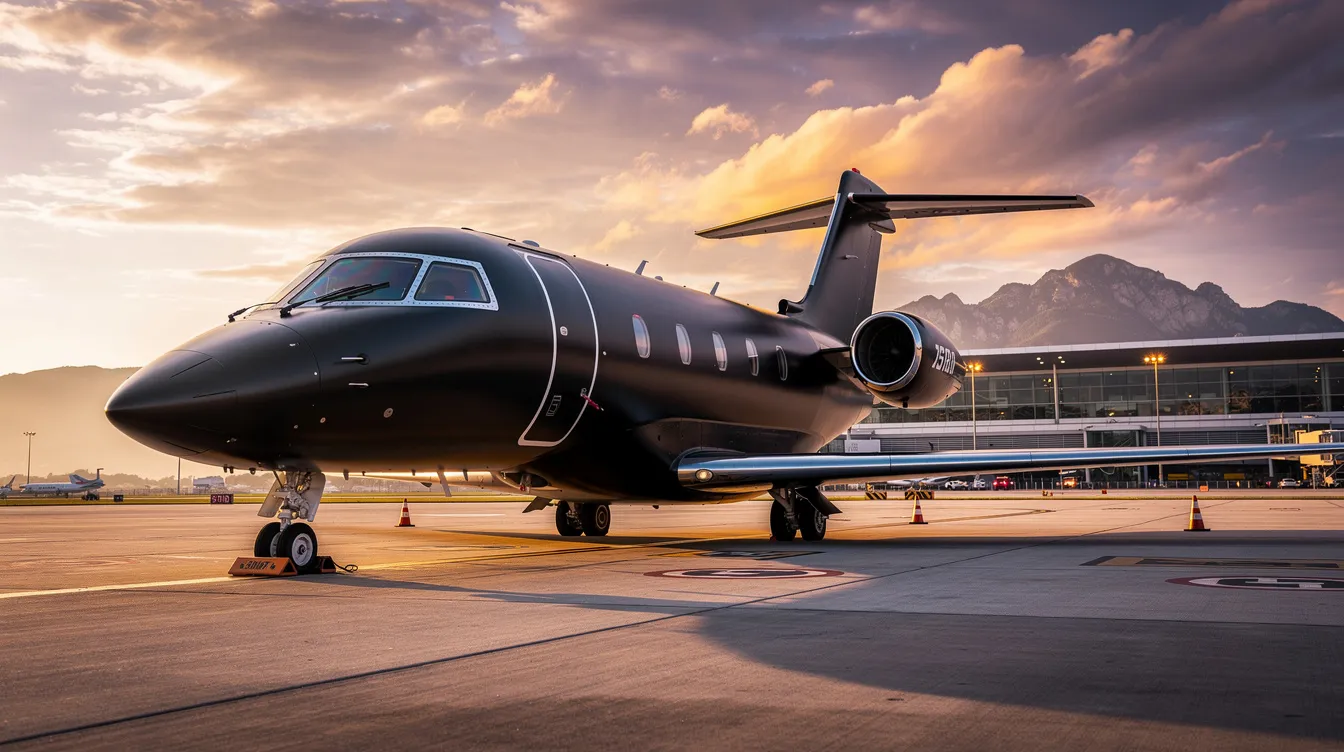
Start by thinking about both your building goals and your broader travel needs for the next 5–10 years. What trips will you realistically fly yourself, and which are better carried by charter?
Set a realistic budget with a 10–20% contingency. Choose a kit that matches your available time and skills, and decide early between a basic VFR panel and an advanced glass cockpit—that decision alone can swing your avionics cost by $20,000 or more.
Plan for training: earning or upgrading pilot certificates, transition training into tailwheel or high-performance types, and recurrent proficiency flights. Map which trips you want to fly in your homebuilt versus which are better covered by private jet charter, factoring in weather, passengers, and schedule rigidity.
For the missions your kitplane won't cover, Jettly offers instant pricing, private jet memberships, and access to a worldwide fleet. Explore options at jettly.com to see how charter fits into your overall travel strategy.
The following questions cover common topics not fully addressed above, focusing on licensing, timelines, safety, and how charter integrates with personal flying.
Most homebuilt aircraft in the Experimental Amateur-Built category require at least a Private Pilot License. Some designs that meet light-sport aircraft weight and speed limits can be flown by Sport Pilots under FAA Sport Pilot rules. Check your local regulations, as requirements vary by country and by the specific aircraft's airworthiness certificate.
Many first-time builders take 2–5 years of part-time work to complete a kit. Simple or quick-build kits can reach first flight in 12–24 months, while complex four-seat or composite projects may take longer. The industry average build time ranges from 500 to 2,000+ hours depending on the design and builder experience.
Owners can generally use their kit planes for personal transportation to business meetings under applicable regulations. However, homebuilt aircraft cannot be operated as commercial air carriers or used to carry passengers for hire. For charter-like operations or flying clients, professionally operated jets accessed through platforms like Jettly are required.
Safety in homebuilt aircraft depends heavily on build quality, maintenance discipline, and pilot proficiency. Chartered jets are maintained by certified operators under commercial regulations with professional crews and standardized procedures. The difference in oversight and redundancy is significant, particularly for night flying, instrument conditions, or carrying passengers unfamiliar with light aircraft.
A practical strategy is to use your homebuilt aircraft for local and regional leisure flights—the trips you love—while relying on Jettly for long-distance, multi-passenger, or time-critical trips. Visit jettly.com for instant pricing and booking to see how on-demand charter fills the gaps your kitplane cannot.
Modern kitplanes offer an accessible, affordable path into aircraft ownership with customizable performance and the deep satisfaction of building something that actually flies. The industry continues to grow, with proven designs, better support, and stronger communities than ever before.
Homebuilt aircraft and kit planes excel at personal, recreational, and regional missions. They are not always the right answer for complex schedules, international routes, or poor-weather operations. That's where Jettly fits in—a digital private jet charter platform offering on-demand access to turboprops and jets worldwide, transparent pricing, and both membership and on-demand options.
Ready to cover the trips your kitplane can't? Explore private jet charter options or request a quote at https://www.jettly.com.
Share this post:
Jay Franco Serevilla
Sep 23, 2026
|
5
min read
Discover tips and trends in the industry.
5
min read
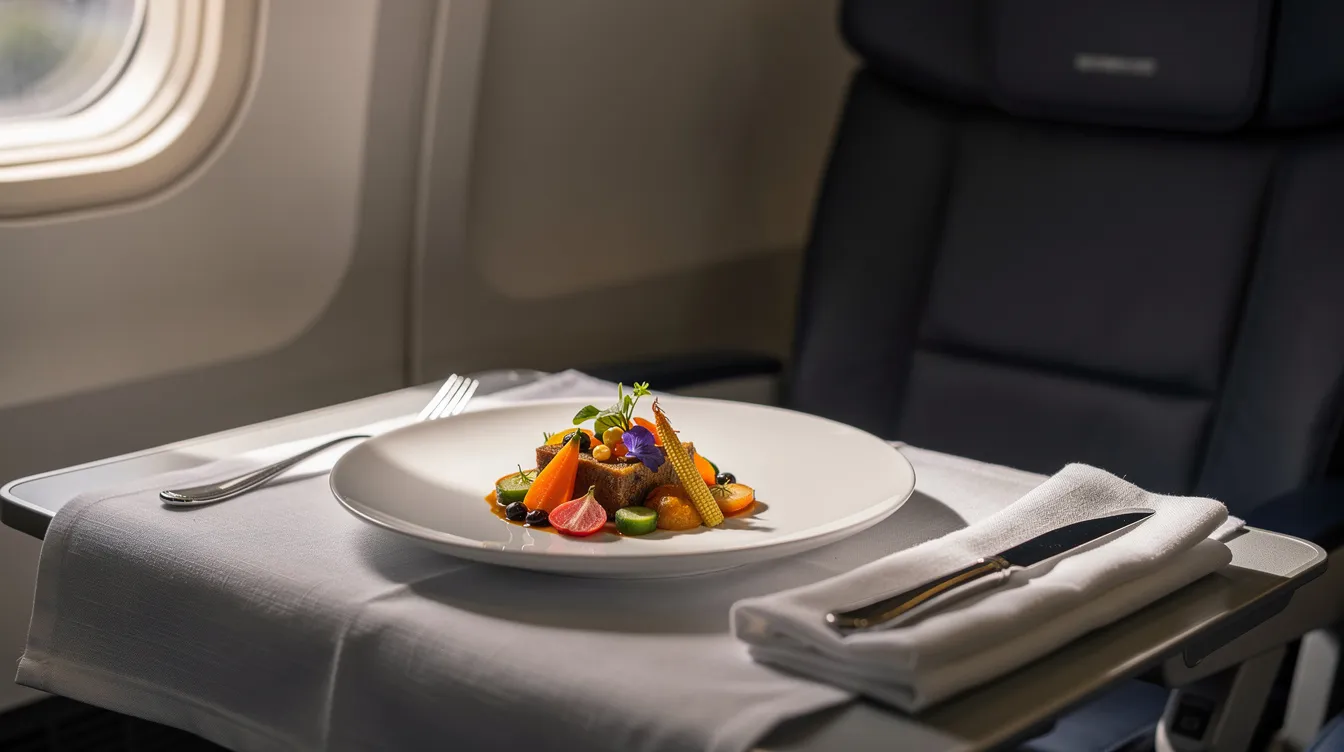
Flying Chef: How In-Flight Culinary Excellence Is Redefining Private Jet Travel
The emergence of flying chefs is transforming private jet travel by offering personalized, high-quality dining experiences at cruising altitude. These culinary professionals elevate in-flight meals, adapting menus to passenger preferences and ensuring gourmet quality. As luxury travel evolves, flying chefs are becoming essential for discerning travelers seeking exceptional onboard dining.
Read More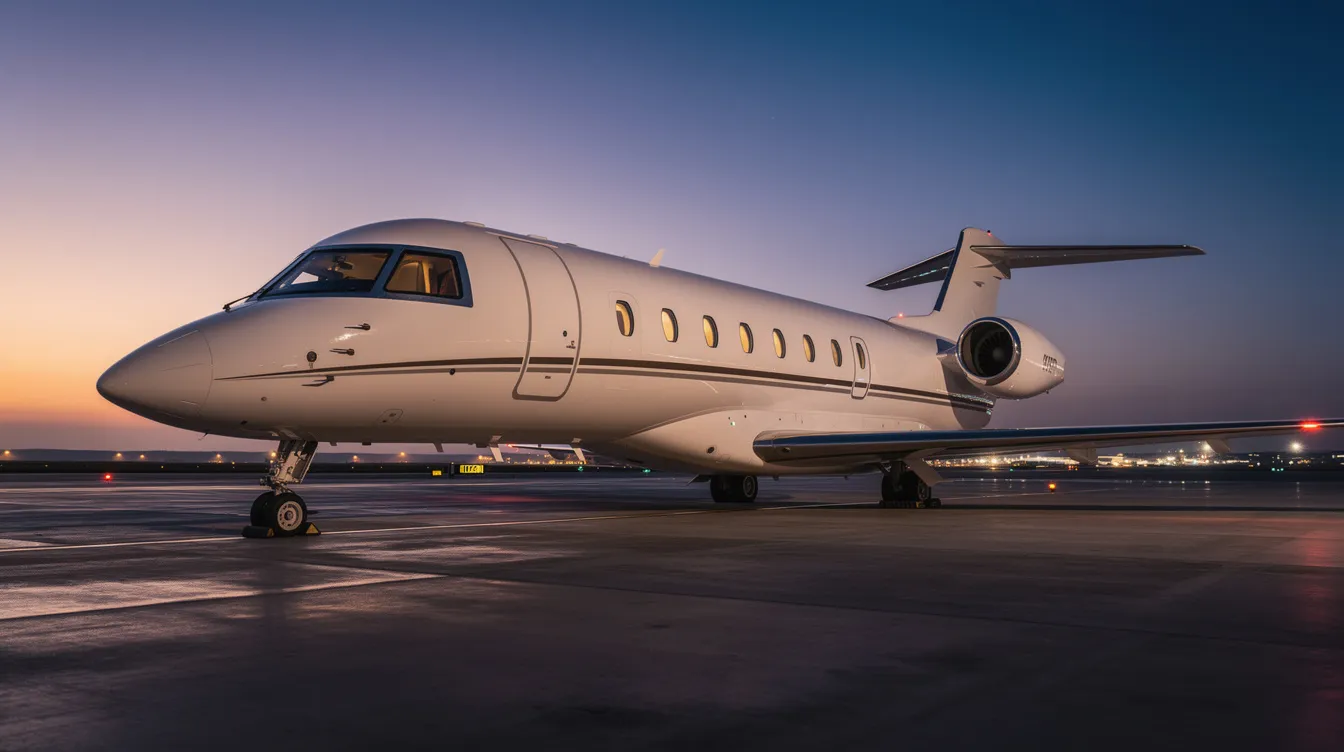
5
min read
Gulfstream G550 N550EW: Ultra Long Range Private Jet Charter Guide
The Gulfstream G550 N550EW is an ultra-long-range private jet ideal for both business and leisure travel. With a range of over 6,700 nautical miles and luxurious amenities, it offers exceptional comfort and operational flexibility. This guide covers the aircraft's features, booking process, and pricing, making it a valuable resource for potential travelers.
Read MoreStay updated with our latest insights and tips to elevate your journey with us.
MEMBERSHIPS AND ASSOCIATIONS



Disclaimer: Jettly operates as a charter broker, offering access to a global digital jet charter marketplace. Jettly is not a direct air carrier and does not own or operate aircraft. All advertised flights are conducted by third-party air carriers that are fully licensed and hold the appropriate Part 135 or Part 121 certifications issued by the Federal Aviation Administration (FAA) or equivalent regulatory authorities under U.S. or foreign law. Jettly complies fully with the U.S. Department of Transportation's Part 295 and Part 298 Charter Broker regulations. Jettly does not carry additional liability insurance. Passengers are covered by aircraft operator insurance. TICO: 50023770


