


Login
Get Instant Pricing On 23,000+ Aircraft

>
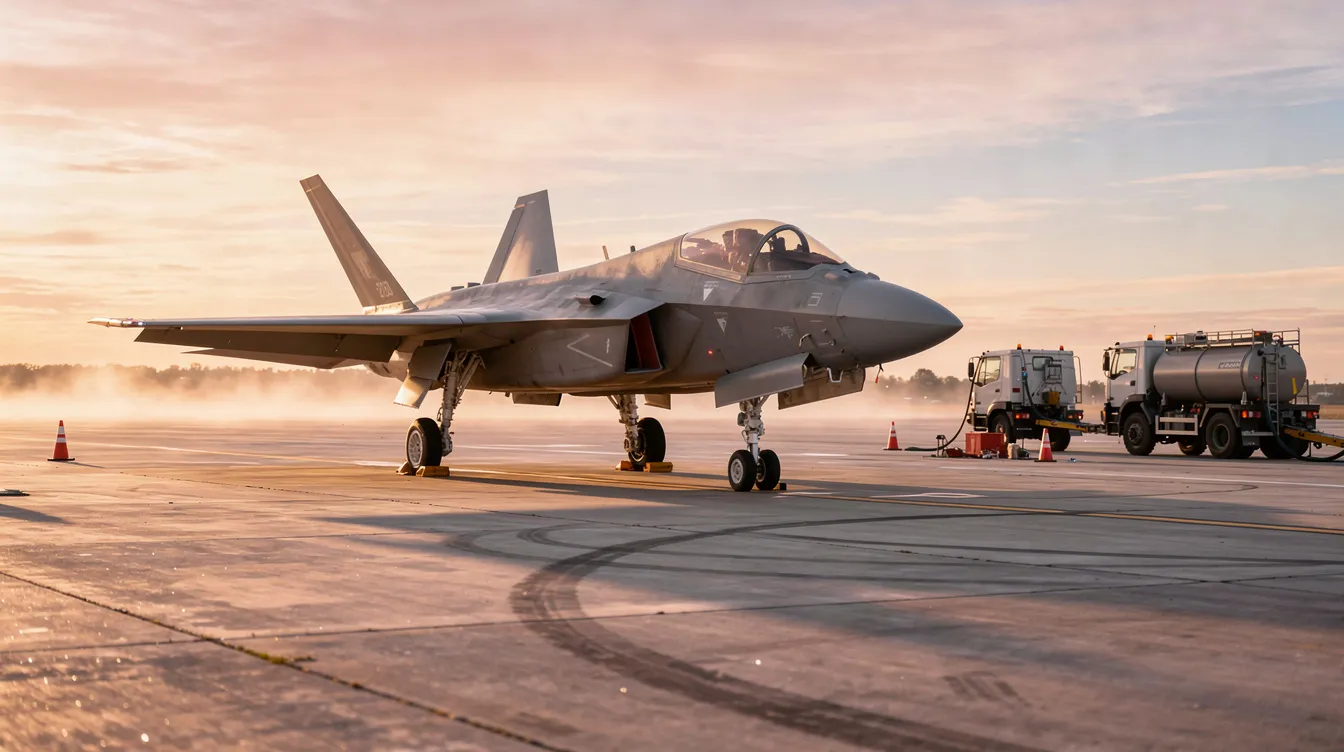
JP 4 fuel shaped decades of military aviation before safety concerns drove its retirement. This article breaks down what JP-4 is, why it mattered, the health and environmental risks it carries, and how modern jet fuel standards protect today's private aviation travelers.
JP-4, or jet propellant-4, is a wide-cut jet fuel that blends roughly 60–65% gasoline with 35–40% kerosene. It is more volatile and flammable than kerosene-based fuels like JP-5 and JP-8.
The USAF adopted JP-4 as its primary jet fuel in 1951 and used it through the Cold War. The air force completed a full phase-out by the end of 1995, replacing it with JP-8 for improved safety.
Concerns about JP-4 exposure intersect with veteran health issues, environmental contamination at military bases, and the PACT Act of 2022, which expanded benefits for veterans exposed to toxic substances including burn pits and jet fuels.
Modern private jet charter platforms like Jettly use civil fuels (Jet A / Jet A-1), not legacy military fuels. Travelers face minimal exposure risk compared with service members who handled JP-4 during military service.
This article covers technical properties, health effects, environmental data, regulatory context, and what all of it means for both veterans and private aviation customers today.
JP-4 is a wide-cut aviation turbine fuel designed for turbine-powered engines used in military aircraft. The U.S. Air Force adopted it in the early 1950s, and it remained the primary aviation fuel through Vietnam-era operations and well into the Cold War. JP-4 is a colorless to straw-colored liquid, flammable, and carries a gasoline-like smell. It can be refined from crude petroleum or shale oil.
JP-4 is the military counterpart of civil Jet B, formulated as a blend of gasoline-range and kerosene-range hydrocarbons to improve low-temperature performance-at the cost of higher volatility and a dangerously low flash point. Its chemical specification falls under MIL-PRF-5624 Grade JP-4, with NATO code F-40.
Today, military operations rely on JP-8, while commercial and private jets-including those chartered through Jettly-use Jet A or Jet A-1. JP-4 is considered a legacy fuel with very limited current production.
JP-4, like other jet fuels, is not a single compound but a complex mixture of hydrocarbons. Its primary components include:
Alkanes (paraffins)
Cycloalkanes (naphthenes)
Aromatics such as alkyl-benzenes
Smaller fractions of indans, tetralins, and naphthalenes
Additives like corrosion inhibitors and fuel system icing inhibitors
The term "wide-cut" refers to JP-4's broad boiling range, spanning from gasoline through kerosene. Its composition and performance characteristics include:
Composition: Roughly 60–65% gasoline and 35–40% kerosene by volume
Flash point: Approximately −18°C
Vapor pressure: 14–21 kPa at 38°C (compared to about 0.3 kPa for JP-8)
Freezing point: Near −58°C
Volatility: High, which enhances cold weather starting but increases fire risk
Evaporation losses: Higher at high altitudes due to volatility
JP-4 is suitable for cold-weather operations due to its low freezing point and provides reliable engine performance in very cold climates. However, its high volatility contributes to increased fire risk and evaporation losses.
By contrast, kerosene-based fuels like JP-8 and Jet A-1 have:
Flash points: Around 38°C (about 56 degrees higher than JP-4)
Vapor pressure: Much lower, making them safer during ground handling and crash scenarios
Most historical data on JP-4 come from military specification documents and bulk property tests, which means some chemical components remain only partially characterized for toxicology purposes.
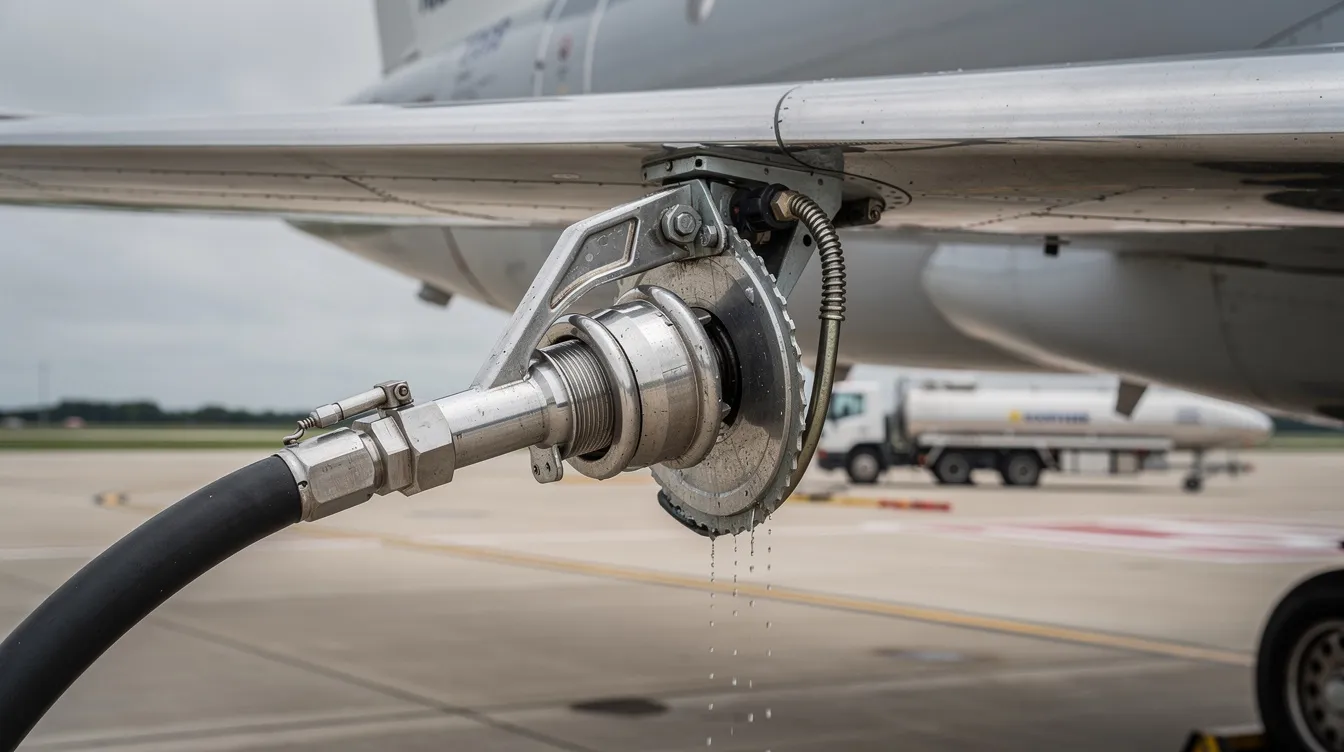
The USAF codified JP-4 in 1951, and it quickly became the standard across NATO under the F-40 designation. Operational reasons for its popularity were clear: reliable cold-weather performance for high-altitude and northern-theater missions, compatibility across many jet and turboprop engines, and simplified logistics for large-scale air operations.
Safety concerns emerged as combat and accident reports revealed that JP-4's low flash point led to devastating fires when fuel tanks ruptured or during ground refueling. The transition to JP-8 occurred in a gradual phase through the late 1980s and 1990s. JP-8 (NATO code F-34) is closer to Jet A-1, supports "single fuel on the battlefield" logistics, and has a much higher flash point. The change was complete by the end of 1995. JP-4 was phased out for safety reasons and has been largely replaced by JP-8 in U.S. military applications.
JP-5, used primarily on aircraft carriers under NATO code F-44, illustrates how naval aviation prioritized fire safety aboard ships with an even higher flash point. Today, only a few legacy operations may still encounter JP-4.
Health effects from JP-4 exposure are part of a broader discussion about occupational risks among service members, particularly individuals in maintenance, refueling, and flight line jobs. Common exposure pathways include:
Inhaling JP-4 vapors
Skin contact during fueling or spills
Ingestion via contaminated water or food
Combined exposure with solvents and burn pits emissions
Breathing high levels of JP-4 causes nervous system effects such as headache, dizziness, and nausea. Skin contact with JP-4 can cause skin irritation and has been linked to skin cancer in animal studies. Occupational exposure data shows that approximately 4,866 workers may have been exposed to JP-4. Critically, no medical test exists to confirm exposure to JP-4, complicating diagnosis and claims for affected veterans.
Long-term health outcomes remain less clearly defined. Research from the Agency for Toxic Substances and Disease Registry (based in Atlanta) and other studies indicate possible effects on the nervous system, immune function, and respiratory health. A 2025 VA systematic review of 28 studies found "slight evidence" linking jet fuel exposure to neurologic, cognitive, respiratory, and cancer outcomes, though findings acknowledged confounding factors and data gaps. A follow-up report to congress is expected after March 2026.
The PACT Act of August 2022, signed by the department of Veterans Affairs and the Veterans Health Administration, broadened access to health care and disability benefits for veterans exposed to toxic substances-including jet fuels like JP-4, JP-5, JP-8, and Jet A-during military service. Veterans should read current VA resources and stick with accredited veterans service organizations when filing claims. For private aviation passengers, including those chartering flights via Jettly, exposure to JP-4 is not a concern. Most exposure risk historically falls on ground crews and members who handled large quantities of fuel during service.
JP-4 can enter the environment through spills or leaks from storage tanks, pipelines, or aircraft fueling operations. It has been found in at least 4 hazardous waste sites listed on national priority registries, and cleanup at these locations can take years.
When a spill occurs, JP-4's lighter gasoline-range components behave differently from its heavier fractions. Most chemicals in JP-4 evaporate when spilled in water, but some components may dissolve in water during spills. JP-4 can remain in soil for a long time after spills, with heavier aromatics persisting in groundwater plumes. For example, contamination at Camp Lejeune between the 1950s and 1980s exposed thousands of individuals and families to jet fuel components in drinking water. Groundwater was contaminated by JP-5 jet fuel leaks in 2021 at the Red Hill facility in Hawai'i, illustrating how fuel storage failures affect entire communities.

Veterans or families who suspect exposure via contaminated water should review VA and DoD environmental health resources on that page, as some bases and time periods carry specific presumptive conditions and benefits.
For modern private jet travelers, environmental risks stem more from the carbon footprint and local air emissions of fuels like Jet A-1. Responsible charter platforms increasingly discuss carbon offsetting, affordable private jet charter options, and fuel-efficient routing, though this does not involve legacy fuels such as JP-4.
The most important distinction is safety. JP-4's flash point sits around −18°C; modern Jet A and Jet A-1 blends flash at approximately 38°C. That single difference is why civil aviation phased in kerosene-based fuels decades ago.
|
Feature |
JP-4 |
JP-8 / Jet A / Jet A-1 |
|---|---|---|
|
Flash Point |
≈ −18°C |
≈ 38°C |
|
Vapor Pressure (38°C) |
14–21 kPa |
~0.3 kPa |
|
Primary Use Period |
1951–1995 |
Current standard |
|
Fire Risk |
High |
Much lower |
|
Type |
Wide-cut (gasoline + kerosene) |
Kerosene-based |
Key implications for private jet travelers:
Airports and operators use Jet A or Jet A-1, not JP-4 or Jet B (except in rare extreme-cold regions)
Modern fuel standards incorporate strict quality control, filtration, and contamination checks
Passengers face minimal exposure risk compared to historical military use
Fuel type also connects to trip planning:
Aircraft range, payload, and fuel burn influence route selection and cost estimates
Military fuel specifications do not affect private jet charter operations
Environmentally conscious travelers can ask about sustainable aviation fuel (SAF) availability and private jet safety standards
Legacy fuels like JP-4 are now mainly a concern for environmental cleanup and veteran health policy, while private jet customers experience a safer, modern fuel ecosystem. Anyone considering private aviation more regularly should first understand how much a private jet really costs, including ownership, leasing, and charter options.
Modern private jet travelers are more affected by the carbon footprint and local air emissions of Jet A-1 than by legacy fuel risks
Responsible charter platforms offer carbon offsetting and fuel-efficient routing
Sustainable aviation fuel (SAF) is increasingly available as a supplement to conventional jet fuels
Ready to experience private travel on your terms? You can browse private charter aircraft across more than 20,000 jets worldwide, choose from flexible private jet memberships, or even crowdsource private jet flights and share empty seats to lower per-seat costs. If you prefer to compare providers, explore how Jettly works as a NetJets alternative for flying private within the broader global fleet of private jets, and see how operators such as JET-A, LLC. function within Jettly's charter marketplace. For deeper industry context, you can review leading private plane manufacturers for every budget and a complete breakdown of private jet operating costs, along with a guide to affordable aeroplane rental options or top planes for a family of four. Cost-conscious travelers can explore Jettly's jet card program and use the jet card flight cost estimator, then compare overall jet card costs and NetJets card prices against on-demand charter. Before booking, it also helps to understand typical private jet charter prices and how a single private flight cost is calculated. To round out the experience, consider the ultimate list of charter airlines and private flight options, arrange bespoke in-flight dining through Jettly Eats catering, or plan a route to specific destinations such as private jet charter to Abuja in Nigeria's Federal Capital Territory. Finally, explore flight options or request a quote at jettly.com.
These questions address common concerns from veterans researching past JP-4 exposure and travelers curious about how jet fuel issues intersect with modern private aviation through services like Jettly.
JP-4 was primarily a military fuel under U.S. and NATO standards. Its civil counterpart, Jet B, saw limited commercial use in extremely cold regions such as parts of Canada and Alaska. By the 1980s–1990s, most commercial carriers had shifted fully to kerosene fuels (Jet A / Jet A-1). Contemporary airline and charter passengers are highly unlikely to encounter JP-4 or Jet B today.
Veterans should gather service records showing duty locations, dates, and roles involving aircraft fueling, maintenance, or operations at bases known to use JP-4. Contacting a VA Environmental Health Coordinator or accredited veterans service organization helps link exposure history to current health conditions. Information about the body of evidence required for claims continues to evolve as more research becomes available.
Routine passengers on private jets rarely have direct contact with fuel. Exposure is limited to brief odors during refueling-far below occupational levels. Occupational exposure remains more relevant for ground crew and technicians who work under strict protective guidelines managing Jet A and Jet A-1.
SAF is engineered as a drop-in replacement for modern kerosene-based jet fuel, reducing lifecycle carbon emissions. It does not replicate or relate to legacy wide-cut fuels like JP-4. SAF availability is growing but not yet universal, and current approved blend limits mean it supplements rather than fully replaces conventional Jet A / Jet A-1.
Charter pricing factors in the cost of Jet A / Jet A-1 per gallon, aircraft efficiency, route distance, and airport fees-not military fuel designations. For detailed cost breakdowns or greener routing options, explore charter choices and request a customized quote at jettly.com.
JP-4 fuel played a significant role in military aviation history due to its performance advantages in cold climates, but its high volatility and associated safety and health risks led to its phase-out. Today, private jet travelers using platforms like Jettly encounter modern, safer kerosene-based fuels such as Jet A and Jet A-1, which offer improved handling, lower fire risk, and reduced exposure concerns. While JP-4 remains relevant primarily in environmental cleanup and veteran health discussions, ongoing advancements in fuel technology and sustainable aviation practices continue to enhance the safety and convenience of private air travel. Understanding the differences between legacy fuels like JP-4 and current standards helps travelers appreciate the evolution of aviation fuel and the commitment to safer, more efficient flights.
Share this post:
Jay Franco Serevilla
Jul 29, 2026
|
5
min read
Discover tips and trends in the industry.

5
min read
Travel Insurance Airfare: How Flight Insurance Works for Private and Commercial Air Travel
Travel insurance for airfare is crucial for protecting your investment in non-refundable tickets against cancellations and delays. Whether you're flying commercially or chartering a private jet, understanding the nuances of flight insurance can save you from significant financial loss. This guide covers what flight insurance entails, its benefits, and when it's worth purchasing.
Read More
5
min read
Vonlane vs. Private Jet Charter: How Luxury Motorcoach Travel Compares to Jettly
This article compares Vonlane, a luxury motorcoach service in Texas, with Jettly, a private jet charter platform. While Vonlane offers a comfortable and convenient ground travel experience, Jettly provides flexibility and privacy for air travel. Discover which option suits your travel needs best.
Read MoreStay updated with our latest insights and tips to elevate your journey with us.
MEMBERSHIPS AND ASSOCIATIONS



Disclaimer: Jettly operates as a charter broker, offering access to a global digital jet charter marketplace. Jettly is not a direct air carrier and does not own or operate aircraft. All advertised flights are conducted by third-party air carriers that are fully licensed and hold the appropriate Part 135 or Part 121 certifications issued by the Federal Aviation Administration (FAA) or equivalent regulatory authorities under U.S. or foreign law. Jettly complies fully with the U.S. Department of Transportation's Part 295 and Part 298 Charter Broker regulations. Jettly does not carry additional liability insurance. Passengers are covered by aircraft operator insurance. TICO: 50023770


