


Login
Get Instant Pricing On 23,000+ Aircraft

>
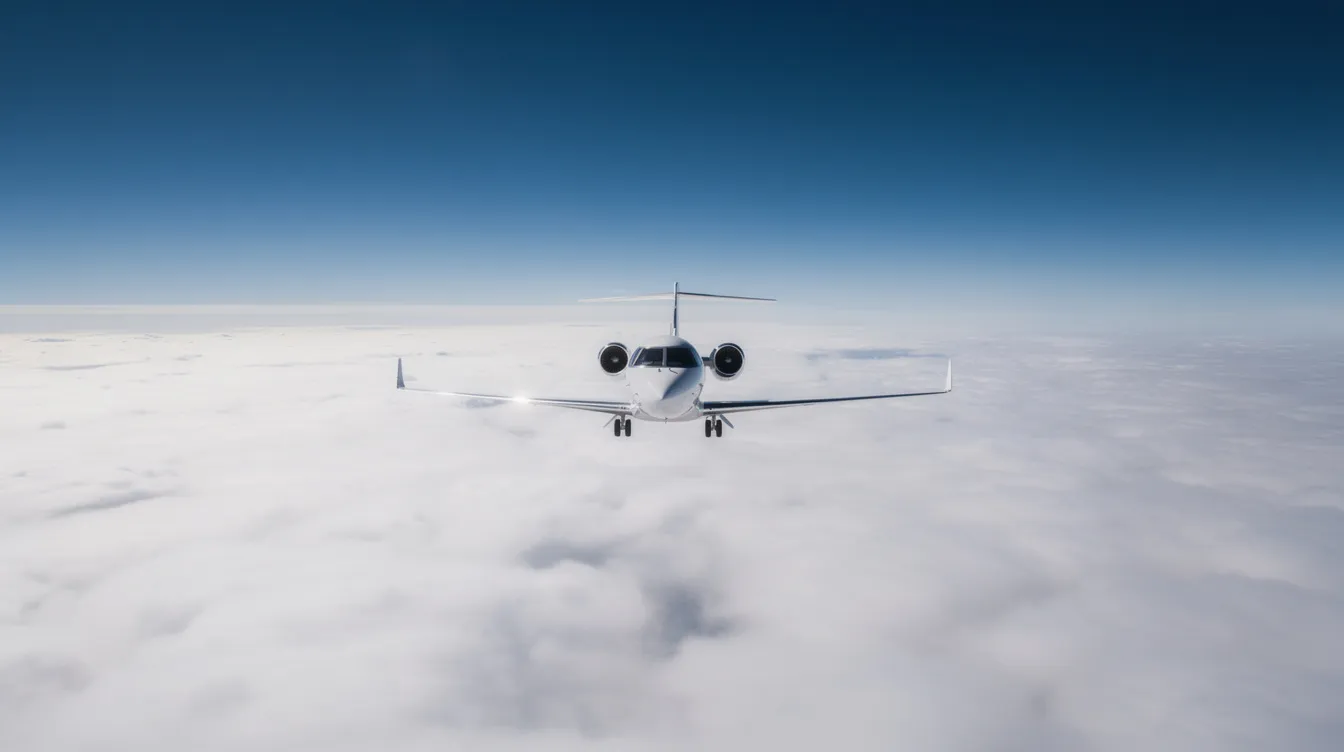
Jet stream turbulence is one of the most common sources of discomfort at cruising altitude, and it catches even experienced fliers off guard. Unlike storm-related bumps, it strikes in clear skies with no visual warning. For anyone who flies privately on a regular basis, understanding how jet streams create turbulence — and what can be done about it — makes a real difference in how smooth and safe each flight feels.
This article breaks down the science behind jet stream turbulence in plain English, explains how it affects popular routes, and covers the practical ways private charter travelers can manage it.
Jet stream turbulence is a type of clear air turbulence caused by strong wind shear near fast-moving jet streams at high altitude. It occurs in cloud-free skies and cannot be detected by conventional onboard weather radar.
Modern business jets are designed to withstand significant turbulence without structural damage. The real danger is to unsecured passengers and loose objects in the cabin.
Private jet charters, including flights booked through Jettly, can route above, below, or around jet streams to reduce discomfort and delays — a flexibility that scheduled airlines rarely have.
Better forecasting tools, flexible departure times, and aircraft choice (such as larger cabin jets with higher service ceilings) help frequent flyers manage bumpy routes more effectively.
Climate change may increase jet stream instability by up to 150% by 2050, making route planning and aircraft selection even more important for private travelers in the years ahead.
Turbulence, in the simplest terms, is irregular airflow that causes an aircraft to bump, jolt, or shift altitude unexpectedly. Most travelers have felt it at some point — a sudden drop, a sharp rattle of the cabin, a bit of coffee that nearly spills from its cup. While storms and mountain waves can generate significant vertical atmospheric turbulence when air flows over large mountain ranges, a less obvious but equally disruptive source is the jet stream itself.
A jet stream is essentially a narrow river of fast-moving air near the top of the troposphere, typically flowing west to east at altitudes between 30,000 and 40,000 feet. These air currents form along the boundaries of large air masses — specifically where cold polar air meets warm subtropical air, and differences in temperatures between those masses help form the jet stream. Temperature contrasts between these masses create unstable mixing zones, and the result is a concentrated band of winds that can reach speeds over 150 miles per hour.
Jet streams can reach core wind speeds of 80 to 150 knots under normal conditions, with peaks exceeding 200 knots during winter over corridors like the North Atlantic or Eastern Pacific. They also help steer mid-latitude cyclones and storms across the Earth's atmosphere and surface, which is why weather patterns in North America and Europe shift so dramatically between seasons.
The turbulence itself occurs at the edges of jet stream cores, not usually within the center. Wind shear causes rapid changes in wind speed and direction over short distances - both vertically and horizontally. When an aircraft crosses these shear zones, the sudden shift in air movement generates clear air turbulence. Clear air turbulence (CAT) often occurs near the jet stream, and it happens in completely clear skies with no clouds or storm cells in sight. That means onboard weather radar, which is designed to detect moisture, cannot identify it.
Jet streams are strongest and most erratic in the colder months across mid-latitudes. Winter flights often experience turbulence due to sharp temperature boundaries between polar and subtropical air. That is why routes like New York to London or Toronto to Vancouver tend to be bumpier during the holiday travel season, a factor that also influences affordable private jet charter pricing when operators must plan around stronger winds and potential delays.
From a passenger's perspective, turbulence ranges from light (minor seatbelt tugging) to severe (items thrown around the cabin). Modern aircraft are designed to withstand significant turbulence without structural damage — the wings flex, the airframe absorbs the load. The real risk is to passengers who are not wearing seat belts and to unsecured items in the cabin. To learn more about how private jets handle rough air compared to commercial planes, refer to Jettly's guide on turbulence on private jets.
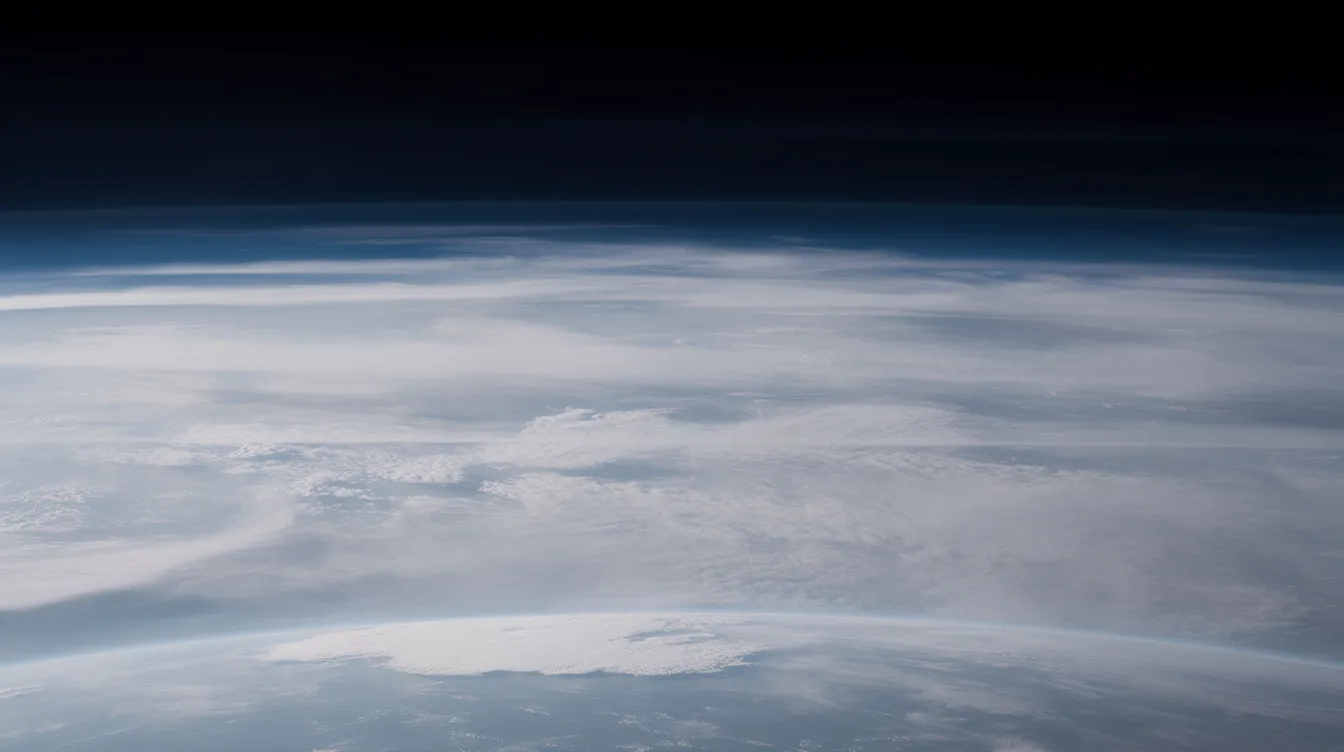
Jet streams are both a benefit and a challenge for aviation. They can shorten or extend flight times significantly, but they also generate clear air turbulence along popular business and leisure corridors. Understanding this trade-off helps private fliers make smarter decisions about when and how they travel.
West-to-east flights frequently ride the jet stream to save time and fuel. For example, commercial and private flights from Los Angeles to New York, or from Chicago to Paris, can gain ground speeds exceeding 750 to 800 miles per hour when a strong tailwind lines up with the route. Some transatlantic crossings have broken records with arrival times 30 to 60 minutes ahead of schedule during peak winter jet stream events.
East-to-west flights face the opposite problem. Strong headwinds in the jet stream core add time, burn more fuel, and increase exposure to turbulence. Airlines and charter operators often route these flights away from the strongest core - sometimes shifting latitude - to avoid the worst of it.
Flying through the core of a strong jet stream can shave significant time off a crossing, but the boundaries of that core - where wind speed drops off sharply - are where turbulence is most intense. The area of strong wind shear sits above, below, and to the sides of the jet stream center, stretching 2,000 to 5,000 feet vertically and 50 to 100 nautical miles wide.
Pilots frequently adjust cruising altitude to find smoother air outside turbulent jet stream boundaries. This is one reason why aircraft with higher service ceilings matter. A long-range jet capable of cruising above 45,000 feet can sometimes "step over" the roughest band entirely. For a deeper look at how altitude affects the ride, see Jettly's article on how high planes fly.
Winter 2022–2023 and 2023–2024 saw notable polar jet stream shifts over the North Atlantic. These shifts contributed to some of the fastest eastbound crossings on record - and some unusually slow, rough westbound flights. The direction of travel mattered enormously during those seasons.
Looking ahead, climate-driven changes in temperature gradients are expected to increase average wind shear within jet streams. Research published in Nature Climate Change projected that moderate-or-greater clear air turbulence events could increase by 40 to 170% under high-emissions scenarios by mid-century. Jet stream instability may increase severe turbulence by 150% by 2050. Climate change is not just a surface-level concern - it is reshaping the atmosphere at flight level in ways that will affect every traveler.
|
Feature |
Description |
|---|---|
|
Altitude Range |
30,000 to 40,000 feet (typical cruising altitudes for jet streams) |
|
Wind Speeds |
80 to 150 knots normally; can exceed 200 knots in winter corridors |
|
Cause |
Wind shear at boundaries of fast-moving jet streams formed by temperature contrasts |
|
Visibility |
Occurs in clear skies; invisible to onboard weather radar |
|
Common Affected Routes |
North Atlantic (e.g., New York to London), cross-continental (e.g., Toronto to Vancouver) |
|
Seasonal Variation |
Stronger and more erratic in winter due to sharper temperature gradients |
|
Aircraft Impact |
Modern jets withstand turbulence structurally; main risk is unsecured passengers and cabin items |
|
Mitigation Strategies |
Flexible routing, alternative altitudes, timing adjustments, aircraft selection |
|
Climate Change Impact |
Expected increase in turbulence severity by up to 150% by 2050 |
Private charter itineraries can be adjusted closer to departure time than most commercial schedules, and in some cases, travelers can further optimize comfort and cost through crowdsourced private jet flights and shared empty seats. That means operators can plan around the worst-forecast turbulence bands while still taking advantage of favorable jet stream tailwinds when the conditions allow it. This kind of flexibility, combined with on-demand access to a wide range of private charter aircraft, is one of the strongest practical advantages of flying privately on turbulence-prone routes.
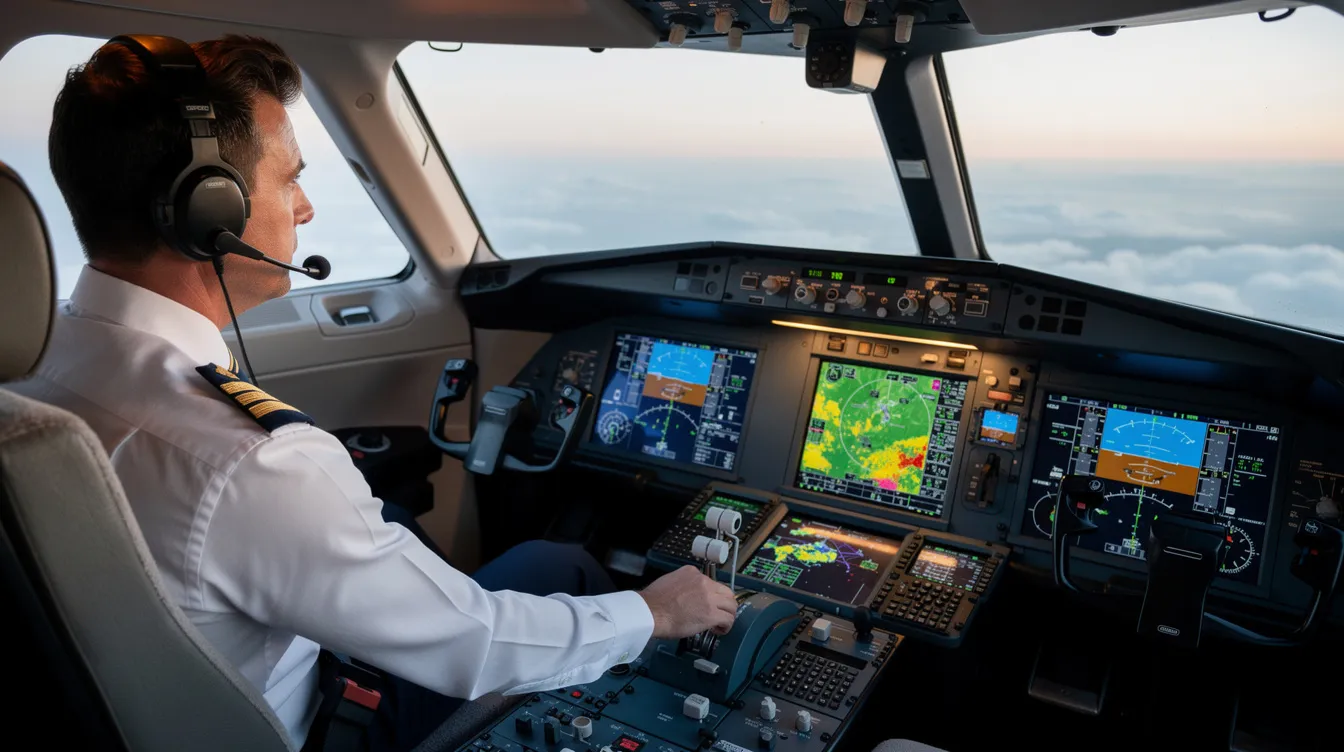
Knowing what jet stream turbulence is and where it occurs is helpful. But for business travelers and families booking private jets through platforms like Jettly, the more pressing questions are practical: what can be done about it, and who handles those decisions?
Forecasting models and pilot reports are essential for predicting and managing jet stream turbulence. Dispatchers and charter operators use high-resolution wind and turbulence forecasts, SIGMETs (Significant Meteorological Information bulletins), real-time pilot reports from other aircraft, and tools like Jettly's airport locator to build a picture of conditions along proposed routes.
These forecasts are updated continuously, but the most critical planning window is the 12 to 24 hours before departure. That is when routing, altitude, and timing decisions are refined based on the latest information from satellites, weather models, and live reports from pilots already in the air.
Private flyers have several tools to reduce their exposure to jet stream turbulence:
Departure timing. Shifting a departure slot by a few hours on a turbulence-prone day can mean the difference between a rough ride and a smooth one. Jet stream patterns move and evolve - a band of strong shear at noon may weaken or shift by late afternoon.
Alternative routings. On days when the polar jet is sitting directly over the standard track, a more southerly path across the U.S. or a different North Atlantic track can avoid the worst turbulence. The route may be a bit longer, but the comfort gain is significant, whether you opt for shared charter flights or full charters.
Aircraft selection. Choosing a midsize or large-cabin jet instead of a very light jet on windy winter days makes a measurable difference. Heavier aircraft with larger wingspans ride through choppy air more smoothly. Jets with higher ceilings can climb above the turbulent layers entirely. Jettly's private jets comparison guide, along with resources on finding the best cross-country plane for your travel journey, can help travelers identify the right class of aircraft for their route and season.
Pilots utilize forecasts and reports to avoid turbulent areas and secure cabin safety during flights, but turbulence can still arrive with little warning. Standard protocols include:
Keeping seat belts loosely fastened whenever seated - maintaining seat belt usage is crucial for passengers during unexpected turbulence.
Securing laptops, ho— drinks, and any loose items before entering known rough areas.
Professional crews briefing passengers before departure when strong jet stream turbulence is expected on the route.
Suspending cabin service (hot beverages, meal trays) during anticipated turbulent segments to avoid a spill or injury.
For medical flights or board-level meetings that cannot tolerate delays, flexible private operations can delay departures slightly, adjust cruising levels in real time, or pre-position aircraft at a different airport to minimize disruptions from high-wind jet stream patterns. These are the kinds of adjustments that commercial airlines simply cannot make for individual passengers, which is why many travelers turn to platforms highlighted in guides to the ultimate list of charter airlines.
Jettly's digital marketplace is designed to give travelers practical control over these decisions, and it complements broader strategies on how to get a seat on a private jet easily:
Aircraft range. With access to over 20,000 aircraft globally, clients can select jets better suited to long, high-altitude segments influenced by jet streams. A private jet model guide on the platform helps match aircraft type to route conditions and highlights leading private jet manufacturers for different budgets and needs.
Transparent pricing. When reroutes or fuel-burn changes are needed due to high winds aloft, Jettly provides clear pricing, supported by tools such as a private jet charter cost estimator, so there are no surprises.
Quick rebooking. If a client prefers to avoid a particularly turbulent time window on a busy business corridor, the platform facilitates fast schedule changes, especially for members enrolled in Jettly's private jet memberships.
Cabin comfort, including tailored in-flight dining through services like Jettly Eats catering for private jets, also matters more than usual in turbulent air. Newer jets with quieter cabins, better seat design, and in-flight connectivity (Wi-Fi, power outlets) allow passengers to remain seated yet productive during a bumpy segment - continuing to work rather than white-knuckling an armrest.

These FAQs address common questions that go beyond what is covered in the main body of this article. They are aimed at private jet travelers who want a clearer understanding of risks, detection, and planning strategies.
Structurally, modern jets are built with large safety margins for both storm-related and jet stream turbulence. The aircraft itself is not the concern - a plane can handle forces well beyond what even severe turbulence produces.
The main danger is to unbelted passengers or loose items in the cabin. Clear air turbulence linked to jet streams can be more surprising than storm turbulence because it is often invisible. There are no clouds, no lightning, no visual cues. Crews rely heavily on forecasts, pilot reports, and turbulence indices rather than what they can see outside the window. That element of surprise is what makes seat belt discipline so important.
No. Onboard weather radar is designed to detect moisture - rain, hail, storm cells. It cannot "see" dry air movements, which means most clear air turbulence caused by wind shear at jet stream boundaries is invisible to radar, which is one reason many frequent flyers compare options like NetJets with Jettly as a flexible NetJets alternative when deciding how they want their flights managed.
Instead, pilots use upper-wind charts, turbulence models, satellite data, and reports from other aircraft to anticipate rough segments. When a plane ahead reports moderate or severe chop at a specific flight level, that reading is shared quickly across the network, and following aircraft adjust altitude or routing accordingly.
Routes such as North Atlantic crossings (New York to London), cross-continental flights (Los Angeles to New York, Toronto to Vancouver), and trans-Pacific segments can be seasonally prone to jet stream turbulence, especially in winter when temperature boundaries between air masses are sharpest.
That said, conditions change daily. Some days are perfectly smooth on the same route that was rough the day before. Private charters can sometimes take alternative tracks or altitudes that scheduled airlines cannot, which is a meaningful advantage for travelers who prioritize comfort on these corridors.
Larger, heavier aircraft - super-midsize and large-cabin jets - generally feel more stable in choppy air than very light jets or sm—ll turboprops at the same altitude. —he added mass dampens the bumps.
Long-range jets capable of cruising in the high-40,000-foot range can sometimes avoid the core of the jet stream altogether, depending on the day's atmosphere, which is an important consideration when evaluating the best personal plane for your needs. For travelers who fly frequently on turbulence-prone routes, Jettly's guide to the best private jets for business travel and its overview of top private jet charter companies are worth reading.
Start by booking with enough flexibility to shift departure times if forecasts show strong jet stream activity. Discuss your comfort preferences and any concerns with the charter team ahead of time. Be open to slightly longer routings if the shortest path runs directly through a high-shear zone.
The most effective approach is working with a platform that monitors conditions and offers multiple aircraft options matched to the route, including structured solutions such as jet card programs for frequent private flyers.
Ready to experience private travel on your terms? You can use tools like Jettly's jet card flight cost estimator to understand pricing, or even join their high-ticket affiliate program if you plan to refer other travelers. Explore flight options or request a quote at https://www.jettly.com for tailored routing and aircraft recommendations based on current jet stream forecasts.
Jet stream turbulence is a significant factor in high-altitude flight comfort and safety, especially on popular private jet routes during winter months. Understanding the nature of jet streams and their impact on wind shear helps travelers anticipate and manage turbulence effectively. Private jet charters booked through platforms like Jettly offer unique advantages—flexible routing, aircraft choices, and timing adjustments—that can minimize exposure to turbulent zones.
As climate change is expected to increase jet stream instability and turbulence severity by 150% by 2050, these flexible, tech-driven solutions become even more valuable for frequent private fliers. Staying informed, choosing the right aircraft, and working with knowledgeable operators ensures a smoother, safer journey through the skies.
Ready to experience private travel on your terms? Explore flight options or request a quote at https://www.jettly.com
Share this post:
Jay Franco Serevilla
Oct 1, 2026
|
5
min read
Discover tips and trends in the industry.
5
min read
Selling a Private Jet: How to Maximize Value and Unlock Flexible Private Travel
Selling a private jet requires careful preparation and understanding of market dynamics to maximize its value. This guide outlines key strategies, including realistic pricing, thorough documentation, and the benefits of transitioning to on-demand charter services like Jettly for continued private travel flexibility.
Read More
5
min read
Gulf Coast Airlines & Private Jet Charter: How to Fly the Gulf Shores Region
Traveling to Gulf Shores and the Gulf Coast has become more convenient with options ranging from budget airlines like Allegiant to private jet charters via Jettly. This guide helps vacationers and business travelers choose the best air travel method based on their needs, whether it's cost-effectiveness or flexibility. With Gulf Shores International Airport now offering direct flights and private charters providing quick access to smaller airports, reaching this popular destination is easier than ever.
Read MoreStay updated with our latest insights and tips to elevate your journey with us.
MEMBERSHIPS AND ASSOCIATIONS



Disclaimer: Jettly operates as a charter broker, offering access to a global digital jet charter marketplace. Jettly is not a direct air carrier and does not own or operate aircraft. All advertised flights are conducted by third-party air carriers that are fully licensed and hold the appropriate Part 135 or Part 121 certifications issued by the Federal Aviation Administration (FAA) or equivalent regulatory authorities under U.S. or foreign law. Jettly complies fully with the U.S. Department of Transportation's Part 295 and Part 298 Charter Broker regulations. Jettly does not carry additional liability insurance. Passengers are covered by aircraft operator insurance. TICO: 50023770


