



Login
Get Instant Pricing On 23,000+ Aircraft

>
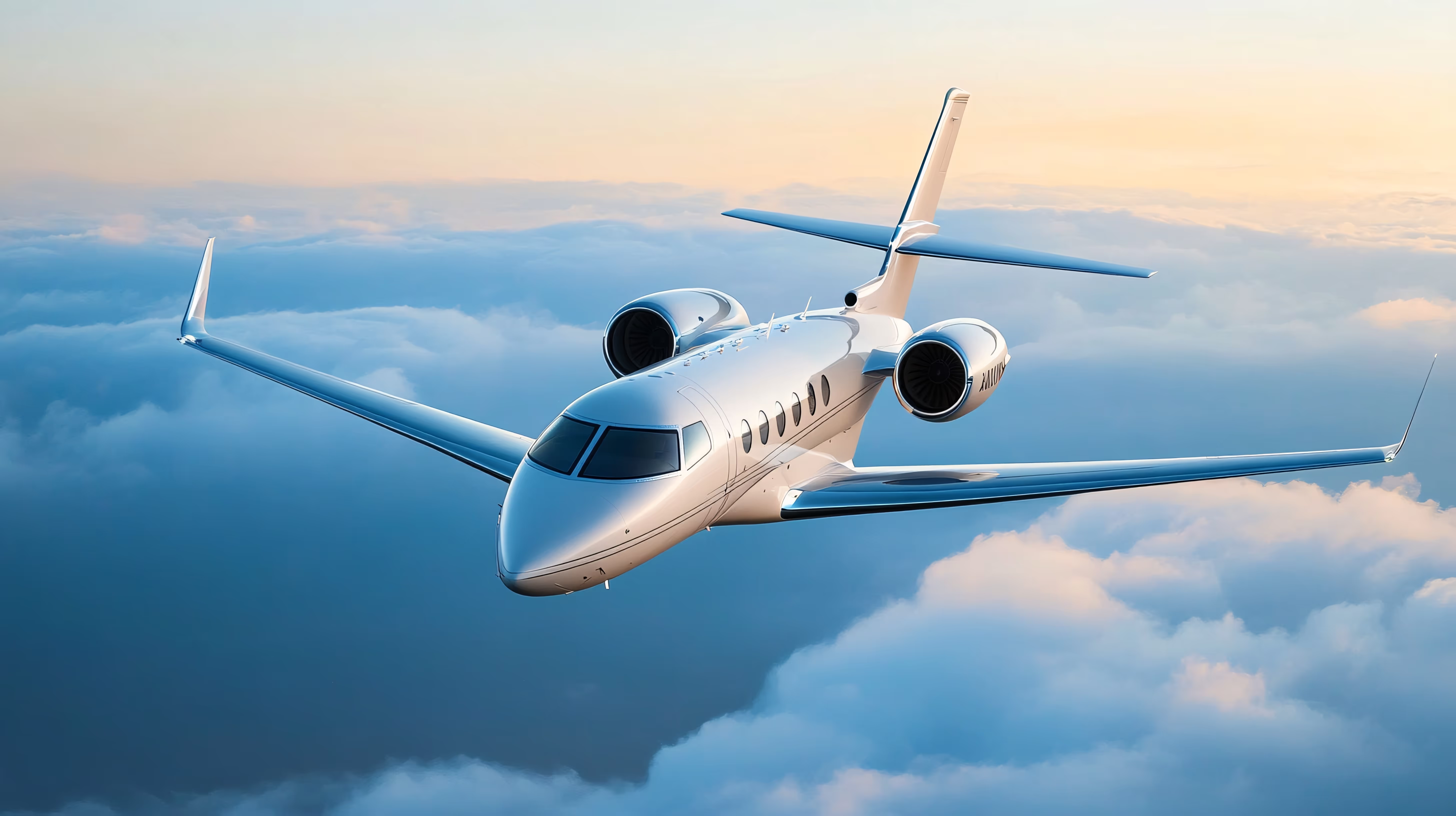
When you own a private jet and are part of the 1%, you can literally wake up one morning, decide you want to fly from LA to Paris in the afternoon, and actually do it. No security lines, no airport madness, and minimal possibility of a delayed flight. You’ll fly in the utmost comfort, land fully rested and ready to go on a shopping spree.
All of these sound amazing if you ignore the environmental costs of such actions. Ultra-rich individuals (celebrity or not) are often criticized for not taking responsibility for their contributions to climate-related consequences.
Since flight-tracking data is public record, people started calling out high flyers for their destructive habits. This is how public figures like Elon Musk, Mark Zuckerberg, Jeff Bezos, and Taylor Swift have come under public scrutiny for their habit of popping on their private jet even when the trip could’ve been a car ride. Jettly looks into the phenomenon here.
The practice of tracking celebrities’ private jet habits began to grow around 2018, as people started analyzing the carbon footprint of the ultra-rich. The first one to get the world’s attention on this topic was Stefan Gössling, a Swedish professor who ran the @CelebJets Twitter account.
As public interest grew, he was joined by activist groups like Oxfam and journalists. Nowadays, the most notorious private jet tracker is Jack Sweeney, an American entrepreneur who started his public career by tracking Elon Musk’s flight habits. He also tracked celebrities like Taylor Swift, Kim Kardashian, and Kylie Jenner.
Of course, he and similar accounts have faced a lot of backlash from the ultra-rich. Elon Musk has blocked Sweeney’s X (formerly Twitter) account, Taylor Swift’s legal team has threatened to take action for what they consider stalking and harassment, and most recently, Mark Zuckerberg has also suspended his Meta accounts.
All this upheaval has led to new legislation that allows private jet owners to anonymize their registration information. This makes tracking harder, but not illegal.
But let’s get back to the initial question: Is this cancel culture?
It depends. If it’s done solely for clout and aimed only at specific ultra-wealthy individuals, then it might be. However, when it focuses on the environmental factor, jet-shaming is a form of public pressure meant to raise awareness of this issue.
Unlike cancel culture, which often aims to ostracize individuals from public life, flight-shaming's primary goal is to influence behavior and promote more sustainable choices.
The global size of the air charter services market is on the rise. The industry was valued at over $48 billion in 2024 and is expected to surpass $80 billion by 2032. While this also raises environmental concerns, it hasn’t been as scrutinized as high-flyer celebs and wealthy individuals.
Why is that?
It may be because of how these resources are used. People might perceive that celebs and the ultra-rich tend to use their private planes more frivolously. These individuals may ignore other means of transportation (cars, trains, commercial flights) out of sheer convenience, and their jets are often not fully occupied.
For instance, Elon Musk used his private jet about every other day in 2022. As a result, he produced 2,112 tons of carbon dioxide emissions, which is 132 times more than the average American’s carbon footprint in a year.
A prominent reason for jet-shaming celebrities and the ultra-rich is that the public perceives their actions as inconsiderate, unsustainable use of resources that impact us all.
Share this post:
Jay Franco Serevilla
Nov 23, 2025
|
5
min read
Discover tips and trends in the industry.
5
min read
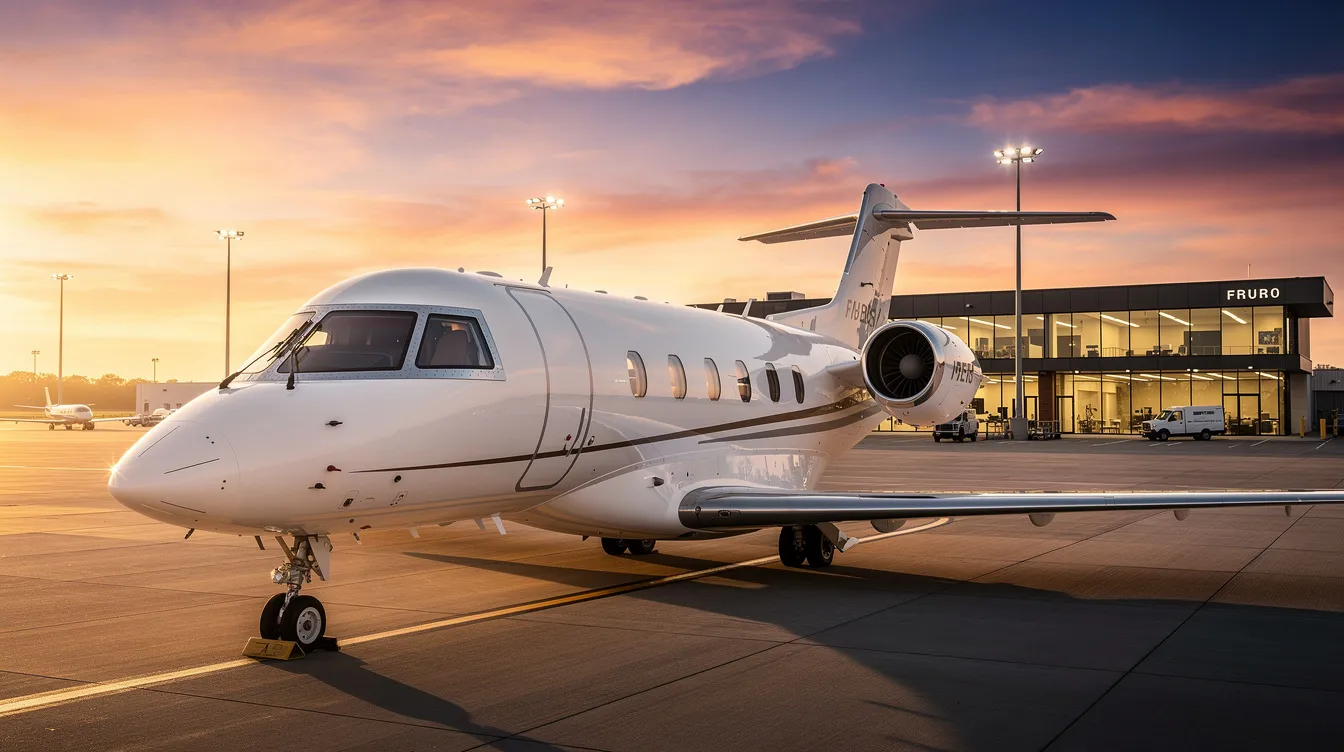
Direct Operating Cost of Aircraft: What It Is, What Drives It, and How It Shapes Private Jet Decisions
Understanding the direct operating cost (DOC) of aircraft is crucial for making informed private jet decisions. This guide details what DOC includes, its variability across aircraft types, and its impact on ownership versus chartering. By breaking down costs such as fuel, maintenance, and crew expenses, travelers can better assess their options in private aviation.
Read More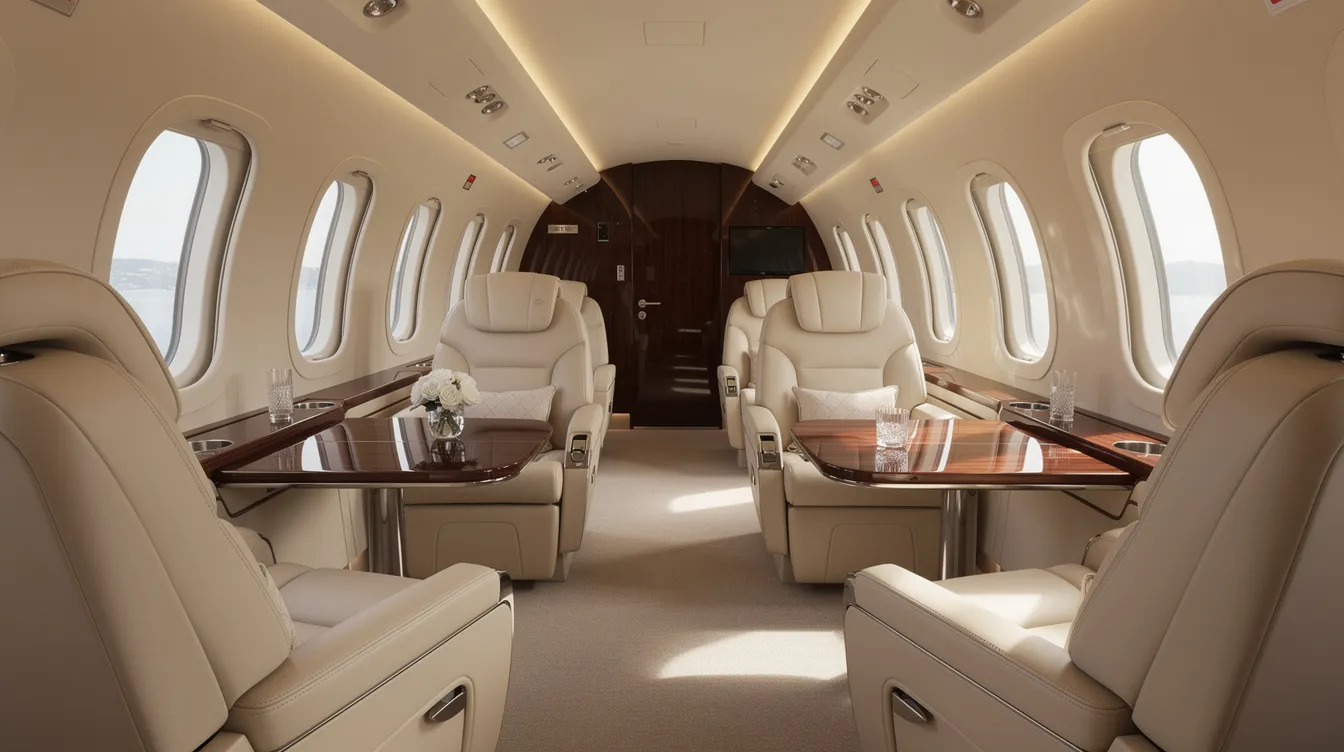
5
min read
Luxury Personal Jet: Ultimate Guide to High-End Private Aviation
The luxury personal jet market is rapidly evolving, offering travelers access to high-end private aviation without the need for ownership. This comprehensive guide covers various categories of jets, from light jets to VIP airliners, and highlights key features, pricing, and the benefits of chartering through platforms like Jettly. Discover how to select the right aircraft for your mission and explore the future of luxury aviation.
Read MoreStay updated with our latest insights and tips to elevate your journey with us.
MEMBERSHIPS AND ASSOCIATIONS



Disclaimer: Jettly operates as a charter broker, offering access to a global digital jet charter marketplace. Jettly is not a direct air carrier and does not own or operate aircraft. All advertised flights are conducted by third-party air carriers that are fully licensed and hold the appropriate Part 135 or Part 121 certifications issued by the Federal Aviation Administration (FAA) or equivalent regulatory authorities under U.S. or foreign law. Jettly complies fully with the U.S. Department of Transportation's Part 295 and Part 298 Charter Broker regulations. Jettly does not carry additional liability insurance. Passengers are covered by aircraft operator insurance. TICO: 50023770


