


Login
Get Instant Pricing On 23,000+ Aircraft

>
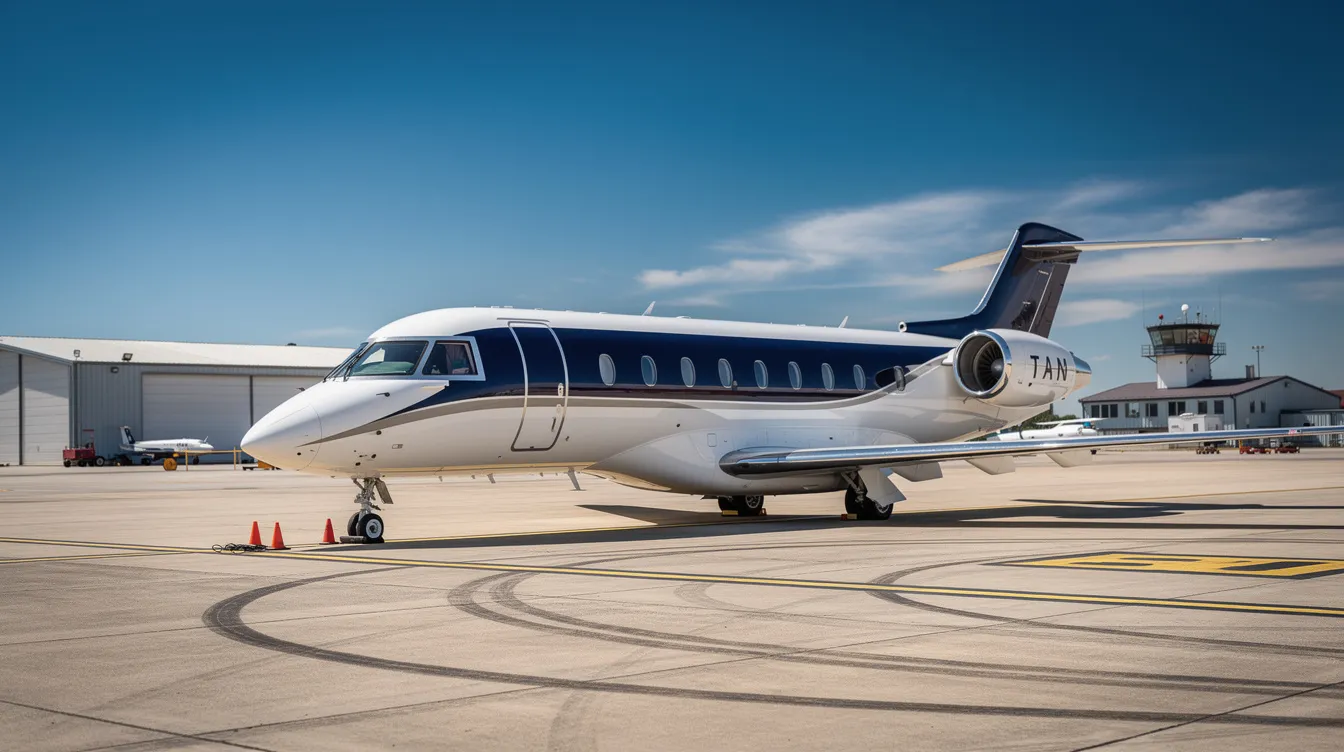
Figuring out jet it cost can feel overwhelming, but in 2026 private jet rental typically runs from about $2,000 to $24,000 per flight hour, with most standard charter missions falling closer to $2,300 to $17,000 depending on the aircraft, route, and trip structure.
For frequent flyers, corporate executives, and high-net-worth individuals or families who want the flexibility of private aviation without the burden of ownership, this guide breaks down the numbers that matter: hourly charter rates by aircraft category, what drives total cost, where hidden fees show up, and how charter compares with ownership, memberships, and jet cards. You’ll also see practical ways to save and how Jettly’s digital marketplace helps you compare instant pricing and book with more transparency, so you can choose the right access model for your budget and travel needs.
Private jet rental prices in 2026 vary between $2,000 and $24,000 per hour, influenced by the type of aircraft and the flight route. Standard charter missions typically cost between $2,300 and $17,000 per flight hour, while including turboprops at the lower end and VIP-configured ultra-long-range jets at the higher end, costs can range from $1,500 to over $20,000 per flight hour. Chartering costs range from $2,300 to $17,000 per flight hour for most standard missions, while costs typically range from $1,500 to over $20,000 per flight hour when including turboprops at the low end and VIP-configured ultra-long-range jets at the top.
Here are typical hourly charter rates by category:
Very light jets: ~$2,000–$3,000/hr
Light jets: ~$3,000–$4,500/hr
Midsize jet: ~$4,500–$7,000/hr
Large cabin and ultra-long-range jets: ~$8,000–$15,000+/hr
Private jet chartering generally involves renting the entire aircraft, not individual seats. That means a group of four travelers splitting a $3,000/hr light jet on a two-hour flight pays roughly $1,500 each, which can rival last-minute business-class fares on certain US domestic flight legs while offering more flexibility than commercial airlines.
Jettly is a digital private jet rental marketplace that shows instant pricing across 20,000+ aircraft globally. The sections below break down what drives cost, including flight hour totals, aircraft type, route structure, annual operating costs, and the purchase price vs. charter decision, building on broader insights into affordable aeroplane rental costs and options.
Every private jet charter quote is built from a few core elements: aircraft category, billable flight hours, route structure, and date or season. Here is how each one affects the final number:
Flight hours and billable time:
A flight hour measures wheels-up to wheels-down. Billable flight time often includes taxi and repositioning from the aircraft's base to the departure airport. Most charter quotes enforce a minimum number of hours per day, often two hours on smaller private aircraft. Even a 45-minute hop gets billed at the minimum. The total price for chartering a private jet is influenced by flight duration as well as aircraft repositioning.
Aircraft type:
Larger jets burn more fuel, need more crew, and carry higher maintenance reserves, so the hourly rate climbs with size and range. Categories span turboprops, very light jets, light jets, midsize, super midsize jets, heavy jets, and ultra-long-range jets. Private jets typically require two pilots for safe operation, and private jet charter costs vary significantly based on aircraft size and capability.
Route and airport choice:
One-way versus same-day round trip, domestic versus international flights, and the use of major hubs versus regional airports all affect cost. Airport landing and handling fees vary by location. A shorter runway at a smaller airport may require a smaller jet, which can actually lower your bill compared to flying a larger jet into a busy hub with higher landing fees.
Timing and demand:
Flight demand and seasonality affect pricing for private jet charters. Peak dates like Christmas–New Year weeks, Super Bowl weekend, or major events in Miami and Las Vegas push prices up due to limited supply. Booking during peak travel times increases charter prices significantly. Overnight crew costs and weekend surcharges can also increase the total bill.
Extra services:
Catering, ground transport, and special requests lead to additional charges for charter flights. Premium Wi-Fi, de-icing, and flight attendants for cabin service on larger jets can add several hundred to several thousand dollars per trip.
Each aircraft class serves different missions. Here is what each costs in 2026 and where it fits best.
Very light jets seat 4 to 5 passengers and suit hops under two hours, such as Los Angeles–Las Vegas. Typical rate: about $2,000–$3,000 per flight hour.
Light jets accommodate 6 to 8 passengers and handle routes like New York–Washington, DC. Light jets cost between $2,500 and $4,500 per hour, making them an ideal split among a small group looking for the cheapest private jet option in the jet category.
Midsize jets typically seat 7 to 9 passengers with ranges around 2,000–3,000 miles. Super midsize jets can carry 8 to 12 passengers on longer legs like Chicago–Los Angeles. The cost band runs roughly $4,500–$8,000 per hour depending on age and configuration.
Large cabin jets accommodate 10 to 19 passengers. Heavy jets can cost from $12,000 to $22,000 per hour. Ultra-long-range jets can fly over 6,000 miles nonstop and cost between $16,000 and $24,000 per hour for top-tier models like the Gulfstream G650 and Bombardier Global 7500.
Charter pricing on Jettly reflects real aircraft, operators, and dates in its global inventory rather than theoretical averages.
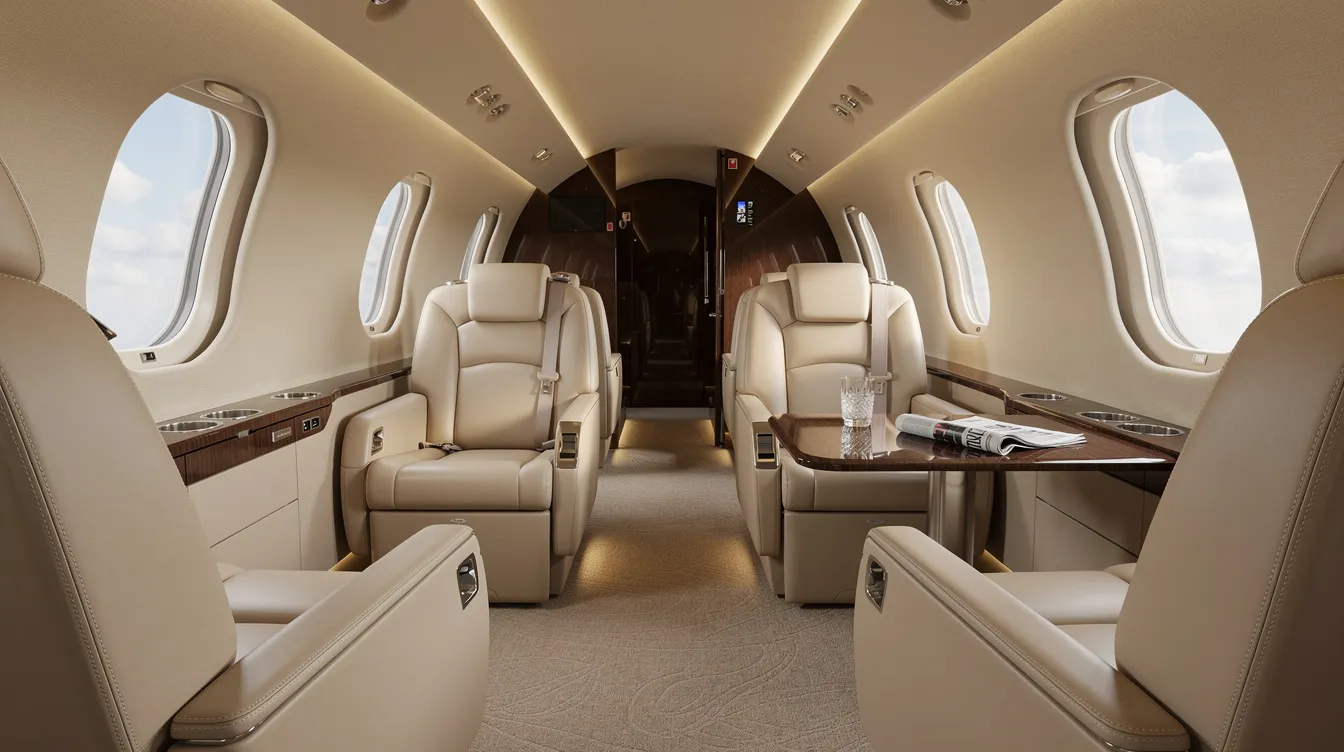
Wondering how much it costs for a specific mission? Here are sample 2026 itineraries with estimated all-in ranges.
|
Route |
Aircraft Class |
Flight Time (one way) |
Estimated Cost |
|---|---|---|---|
|
New York (TEB) – Miami (OPF) |
Light jet |
~2.5 hrs |
$15,000–$20,000 round trip |
|
Los Angeles (VNY) – Las Vegas (HND) |
Very light/light jet |
~1 hr |
$6,000–$9,000 same-day round trip |
|
London (LTN) – Nice (NCE) |
Light or midsize jet |
~2 hrs |
£8,000–£14,000 one way |
|
New York (TEB) – London (LHR) |
Ultra long-range jet |
~7–8 hrs |
$120,000–$180,000 round trip |
The London–Nice route can cost significantly less when booked as an empty leg flight. Jettly's charter cost estimator can show instant estimates for similar trips, giving travelers a quick feel for jet cost before speaking to support.
These two categories sit closest in price but differ meaningfully in cabin space and passenger capacity.
Very light jets
Best for 2–4 passengers with light luggage on flights under roughly 1.5–2 hours.
Lowest charter rates in the jet category, but limited cabin height and baggage space.
Average cost: $2,000–$3,000 per flight hour in North America.
Light jets
More comfortable cabin space, better baggage capacity, and often a private lavatory.
Ideal for 4–6 passengers on routes up to about 1,800 miles; a better fit for client meetings or family short trips.
Average cost: $3,000–$4,500 per flight hour, a modest premium for noticeably more room.
Choose very light jets for quick hops or solo business travelers. Pick light jets where comfort, bags, and extra seats matter more than saving a few hundred dollars per hour. Jettly's interface can compare multiple light jets and very light jets side by side so travelers can weigh market price versus cabin size instantly, drawing from its database of private charter aircraft across all major categories.
Ultra long range means 6,000-plus miles and 10–15-hour long-haul flights without a fuel stop. Aircraft like the Gulfstream G650/G700, Bombardier Global 7500/8000, and Dassault Falcon 8X/10X define this category and serve nonstop intercontinental missions.
Cost profile
Hourly rates commonly $10,000–$15,000+ in 2026, with some VIP-configured tails reaching $18,000–$24,000.
A 10-hour New York–Dubai leg might price between $120,000 and $170,000 one way, including crew and fuel but excluding local government taxes.
Additional costs
International handling, overflight permits, landing permits, catering at premium FBOs, and the 7.5% US federal excise tax on applicable domestic flight legs.
Crew duty limits may require augmented crew on very long legs, increasing crew-related charges for international travel.
Decision tips
Ultra long range jets are most cost-effective when they eliminate extra fuel stops, hotel nights, or lost business days. Travelers weighing cost versus productivity can ask Jettly's team to compare one ultra-long-range nonstop private flight versus two shorter segments on a smaller jet. Learn more about these aircraft in Jettly's ultra long-range business jet guide.
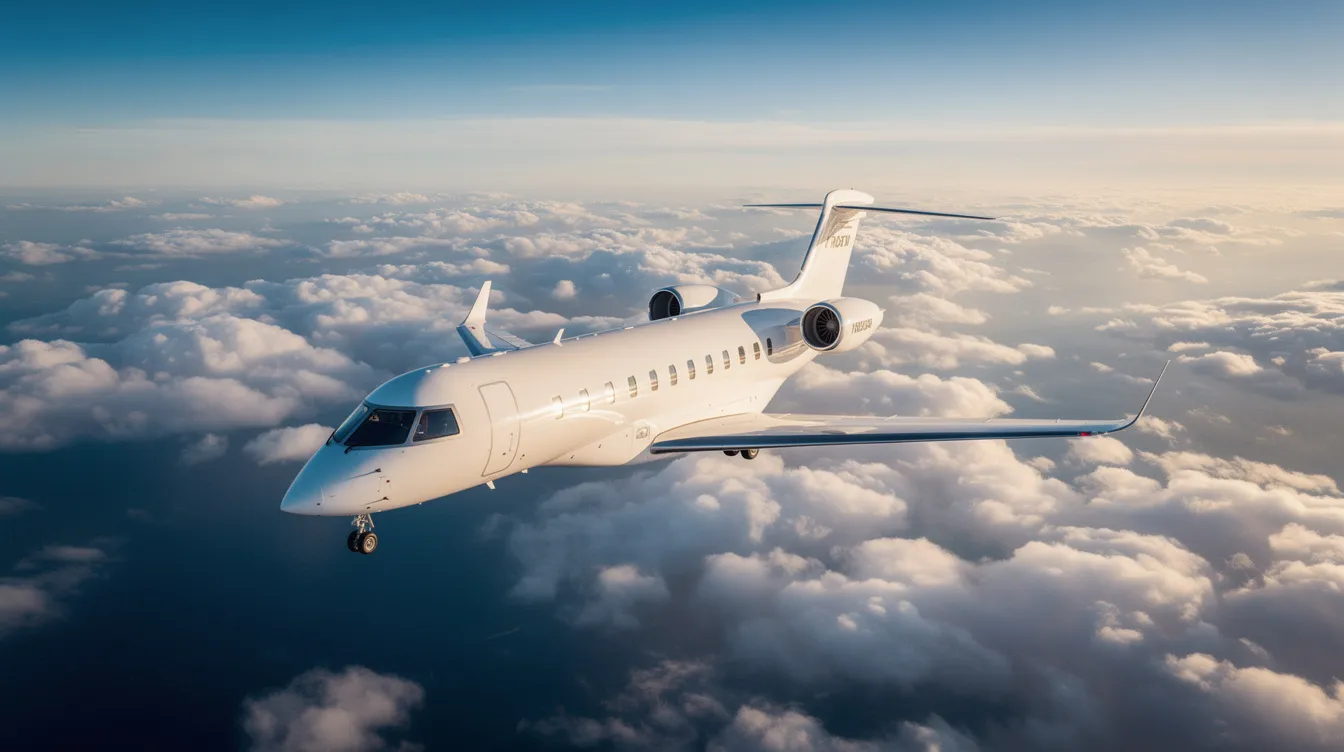
Buying a private aircraft is a fundamentally different financial commitment than chartering one. Private jet ownership incurs major ongoing costs beyond the acquisition price, and anyone considering ownership should understand the full private jet operating cost breakdown before committing capital.
Purchase price ranges for new jets in 2026:
Very light jets: roughly $3.5M–$7.5M
Light jets: ~$8M–$14M
Midsize / super midsize: ~$18M–$30M
Large and ultra long range: ~$40M–$85M+
Annual operating costs for full ownership:
Major fixed costs include crew salaries, insurance, and hangar fees. Fixed costs account for approximately 40% to 60% of total ownership costs and can total $500,000–$2M+ per year depending on jet size.
Variable costs per flight hour, including fuel, maintenance costs, and engine reserves, typically run $1,000–$5,000+.
Jet fuel costs represent a significant ongoing expense, typically between $720 and $3,000+ per flight hour, and changing fuel prices can raise or lower per-flight operating expense.
Total annual operating expenses for private jets can range from $500,000 to over $3.6 million.
Maintenance and engine reserves are essential financial considerations for jet owners, and aircraft size and age significantly affect operational costs.
The depreciation of private jets generally ranges from 5% to 8% annually, often making it the single largest line item over a five-year hold.
Private jet management companies assist with operational oversight and regulatory compliance, adding another layer to the total annual cost.
Break-even
Full ownership usually only makes sense above roughly 200–250 flight hours per year for smaller jets and 300+ for larger jets. Below that, charter, jet cards, or membership plans are generally more cost-effective, and a broader look at how much a private jet really costs can clarify which access model best fits your budget.
Charter and marketplace model
With a platform like Jettly, there is no purchase price, no long-term contracts, and no annual costs tied to hangar fees, crew salaries, or insurance. Travelers pay only for actual flight hours and direct trip expenses while accessing 20,000+ aircraft through Jettly's operation worldwide. A broader guide to charter airlines and private flight options can help put this model in context. Standard quotes for private jet charter often exclude federal excise taxes and other fees, so travelers should always confirm total cost before booking.
The headline hourly rate is only part of the final jet cost. The total cost of chartering a private jet includes extra operational and logistical fees that can catch first-time flyers off guard.
Common hidden fees
Repositioning costs are incurred if the aircraft is not at the departure airport. These charges can add thousands depending on how far the jet must travel empty.
Airport fees for landing, ramp, and handling vary widely between airports. Choosing alternate airports can lower ramp and handling fees considerably.
Overnight crew fees, including hotel and per diem, are added when trips extend beyond duty limits.
Seasonal and environmental costs
De-icing charges in winter often run $500–$2,000+ per event depending on aircraft size.
Hangar fees during storms or extreme weather when indoor parking is requested.
Onboard and service extras
Premium in-flight Wi-Fi, bespoke catering, pet cleaning fees, and special equipment add to the bill.
International customs and immigration handling charges apply on some routes.
Jettly's quotes aim to be transparent, itemizing anticipated extras and flagging variable items like de-icing in advance. Always ask for an all-inclusive estimate and clarification on what is and is not included before confirming any private flight, and review a full primer on understanding one private flight cost so you know which line items to expect.
Three main access models exist for people who fly private regularly. Each fits a different usage profile, and understanding what a jet card is and how it works is key to comparing these options.
On-demand charter (via Jettly's marketplace)
Alongside on-demand options, many travelers also compare the best jet card programs on the market to balance flexibility with predictable hourly pricing.
Best for occasional travelers or those with highly variable fixed schedules. No upfront capital, pay only per trip, and choose from many aircraft each time. This is the most flexible way to experience the private jet experience without commitment.
Memberships and jet cards
Jet cards provide fixed hourly rates for guaranteed availability. A jet card program typically requires a deposit or annual fee in exchange for locked-in private jet pricing and priority access, and tools like Jettly's jet card flight cost estimator help travelers benchmark expected pricing by route. Memberships can offer unlimited flights for a monthly fee on certain tiers. These programs suit frequent flyers logging roughly 25–100+ hours per year who value predictable private jet cost per flight hour. Some programs roll in repositioning and reduce the risk of hidden fees.
Fractional ownership
Travelers comparing this route often look at brand-name providers; for example, NetJets is widely known as an industry leader in fractional private aviation with robust service and safety standards.
Buying a share, such as a 1/16th interest, comes with monthly management fees plus hourly charges. Fractional ownership typically requires a minimum of 50 flight hours per year. It is more capital-intensive but offers strong guaranteed availability commitments.
When each makes sense
Under ~25–30 hours/year: on-demand through a platform like Jettly is usually most economical.
Around 50–150 hours/year: membership plans or jet cards are often competitive, but it's important to review a detailed guide to jet card costs and pricing structures before committing funds.
200+ hours/year on consistent missions: full ownership or a large fractional share can be justified, but with high annual operating costs.
Empty leg flights are repositioning flights without passengers. These flights can be discounted up to 75% off standard rates and are often available on short notice. Travelers with flexible schedules can save significantly on costs, though empty legs are typically fixed in route and timing. Repositioning or "empty leg" flights can reduce costs but limit scheduling flexibility, and some travelers also lower their per-trip spend by using Jettly to share empty seats on private jet flights. Browse available empty leg flights on Jettly to find options that match your plans.
Jettly operates as a tech-driven charter marketplace focused on cost transparency and flexibility, giving travelers all the benefits of private aviation without the burdens of ownership, and it appears alongside other top private jet charter companies in industry comparisons.
Digital marketplace benefits
Access to 20,000+ unique private aircraft from vetted operators globally, spanning turboprops through ultra-long-range jets. Real-time pricing allows travelers to compare multiple options on a route by jet size, age, and hourly rate.
Transparent pricing
No opaque "call for price" barrier. Instant estimates are visible before speaking to a human, with clear line items for taxes, airport fees, and extras.
Membership options
Jettly offers membership tiers that can reduce per-flight costs for frequent users while avoiding the complexity of full ownership, positioning the platform as a compelling NetJets alternative for flying private at lower cost.
Operational expertise
Jettly's support team can advise whether a light jet, midsize jet, or ultra-long-range jet is the most cost-effective choice for a specific route and passenger capacity. Only certified operators meeting local regulatory standards (FAA, EASA, etc.) are included, which protects travelers from operators cutting corners on safety.
Learn more about Jettly's charter options at https://www.jettly.com.
Be flexible on dates and times. Booking at off-peak times can cut costs by 15%. Avoid peak Fridays/Mondays and holiday weekends where possible; mid-week departures often price lower.
Choose the smallest effective aircraft. Pick very light jets or light jets for 2–4 passengers on sub-two-hour flights when baggage is light. Avoid over-sizing into a heavy jet or ultra-long-range jet when range and seats are not needed. Even the Cirrus Vision Jet fits certain short trips for one or two passengers.
Optimize routing. Use smaller airports closer to your origin or destination to lower landing fees and reduce costs on repositioning time, and leverage tools like Jettly's airport locator tool to identify convenient options. Combine multiple meetings into one itinerary rather than booking separate flights.
Leverage empty legs. Empty leg flights can reduce costs by up to 75%. Sign up for empty leg alerts to find discounted flights if timing and route are flexible. These steep discount opportunities appear regularly on Jettly's platform.
Book round trips. Round trips can avoid repositioning fees entirely because the aircraft is already at your destination for the return leg flights.
Plan reasonable lead times. Booking 7–14 days in advance provides better choice and pricing than short notice requests during busy seasons.
Limit onboard extras. Clarify what Wi-Fi and amenities are included in the quote before adding premium catering or services, and consider specialized options like Jettly Eats in-flight catering for private jets when you do choose to upgrade.
Q1: What is the cheapest private jet option available? The cheapest private jets are very light jets (VLJs), which typically seat 4 to 5 passengers and cost around $2,000 to $3,000 per flight hour. These jets are ideal for short regional trips under two hours.
Q2: How does a jet card program affect the cost of flying private? A jet card program offers fixed hourly rates and guaranteed aircraft availability, which can simplify budgeting and reduce surprises in pricing. Jet cards are best suited for frequent flyers who log 25–100+ flight hours per year.
Q3: Can empty leg flights really reduce private jet costs? Yes, empty leg flights are repositioning flights sold at steep discounts, often up to 75% off standard charter rates. They are a great option for travelers with flexible schedules willing to accept fixed routes and timing.
Q4: Are there hidden fees when chartering a private jet? Common additional fees include repositioning costs, airport landing and handling fees, overnight crew charges, catering, and international taxes. Always ask for a detailed, all-inclusive quote to avoid surprises.
Q5: When does it make sense to buy a private jet instead of chartering? Ownership generally makes financial sense if you fly more than 200–250 hours per year. Below that, chartering, jet cards, or memberships typically offer better value and flexibility without the burden of maintenance and crew management.
Q6: How can I reduce the cost of flying private without sacrificing comfort? Be flexible on travel dates and times, choose the smallest suitable aircraft, use regional airports, book round trips to avoid repositioning fees, and consider empty leg flights or membership plans for better rates.
Learn more about Jettly’s charter options at https://www.jettly.com.
Jet It cost depends mainly on aircraft type, total flight hours, route, and access model, whether that is on-demand charter, a membership, or full ownership.
Private jet travel can range from a few thousand dollars for short light jet hops to six figures for ultra-long-range intercontinental flights. Ownership adds purchase price plus substantial annual operating costs on top of every flight.
Jettly serves as a transparent, digital platform that helps travelers compare options, avoid hidden fees, and align private jet cost with actual travel needs, all without tying up capital or managing crews, maintenance, or regulatory responsibilities.
Ready to experience private travel on your terms? Whether you're booking a whole aircraft or simply looking to buy a seat on a private jet at shared-cost pricing, it's easier than ever to get a seat on a private jet through modern platforms and programs. If you already have an audience interested in premium travel, you can also explore Jettly's ULTRA high-ticket affiliate program to earn by referring new members. Explore flight options or request a quote at https://www.jettly.com.
Share this post:
Jeff Ryan Serevilla
Oct 8, 2026
|
5
min read
Discover tips and trends in the industry.
5
min read
When Air Tickets Are Cheaper: Best Time to Buy Flights and How Jettly Helps
Knowing when air tickets are cheaper can significantly reduce travel costs. This guide outlines optimal booking windows for domestic and international flights while highlighting how Jettly's private jet charter services provide a reliable alternative to fluctuating airline prices.
Read More
5
min read
When Do Flights Have Sales? Timing, Patterns, and How to Catch the Best Deals
Understanding flight sales can lead to significant savings for travelers. Airlines typically offer promotions during specific months and weekdays, with the best deals often found for off-peak travel. By being flexible with travel dates and monitoring sales, both commercial and private jet travelers can secure the best prices.
Read MoreStay updated with our latest insights and tips to elevate your journey with us.
MEMBERSHIPS AND ASSOCIATIONS



Disclaimer: Jettly operates as a charter broker, offering access to a global digital jet charter marketplace. Jettly is not a direct air carrier and does not own or operate aircraft. All advertised flights are conducted by third-party air carriers that are fully licensed and hold the appropriate Part 135 or Part 121 certifications issued by the Federal Aviation Administration (FAA) or equivalent regulatory authorities under U.S. or foreign law. Jettly complies fully with the U.S. Department of Transportation's Part 295 and Part 298 Charter Broker regulations. Jettly does not carry additional liability insurance. Passengers are covered by aircraft operator insurance. TICO: 50023770


