


Login
Get Instant Pricing On 23,000+ Aircraft

>
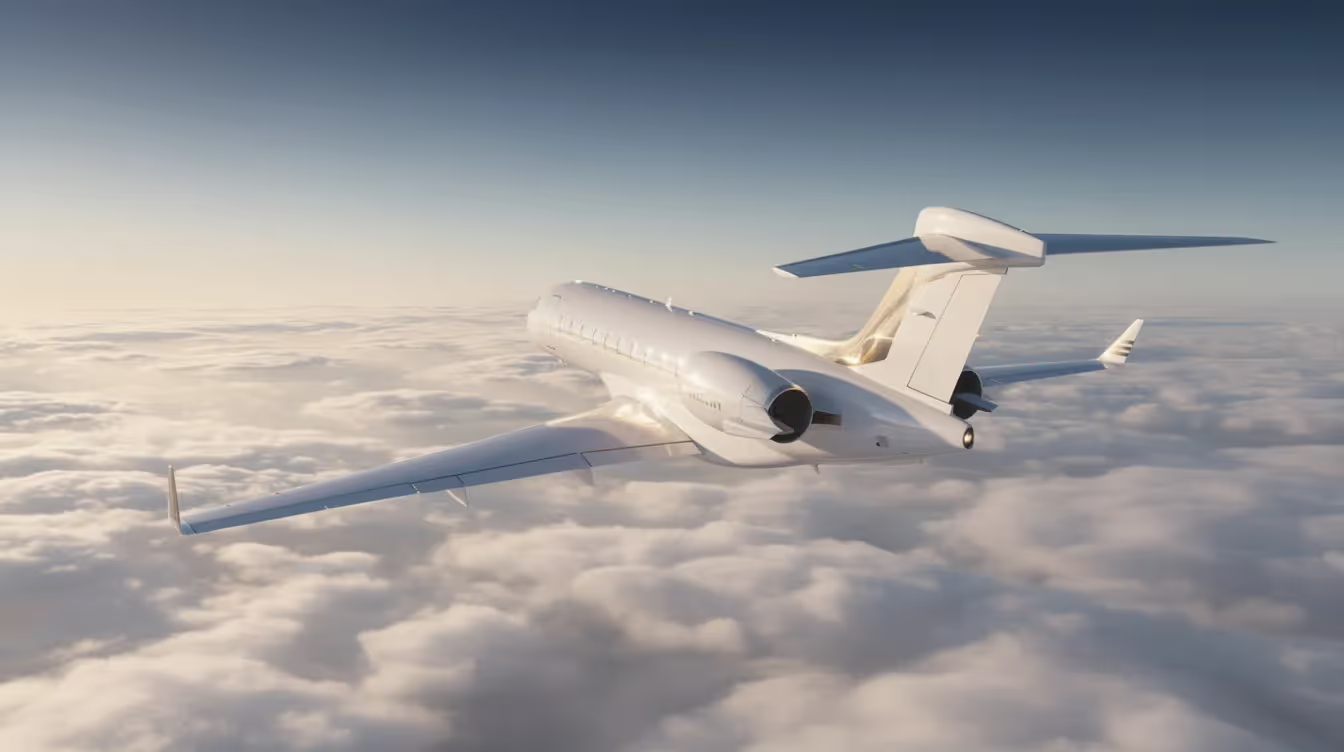
The Gulfstream Commander 690C, also known as the Jetprop 840, is a high-performance twin-turboprop aircraft from the late 1970s to early 1980s that continues to serve regional charter and special-mission operators today. For travelers seeking efficient private aviation on shorter routes, this aircraft category offers a compelling balance of performance and operating cost.
The Gulfstream Commander 690C is a pressurized twin-turboprop seating 6–9 passengers, cruising at 280–290 KTAS with a practical range exceeding 1,500 nm.
Part of the Turbo Commander family, the 690C serves corporate travel, cargo, and special missions, including NOAA aerial surveys.
Jettly can arrange on-demand charter flights on comparable twin commander aircraft through its global network of 20,000+ aircraft.
Compared to light jets, turboprops like the 690C offer better fuel efficiency on shorter legs, access to shorter runways, and generally lower hourly operating costs.
The 690C’s primary advantages include superior speed, high-altitude performance, and range, combined with lower acquisition costs compared to contemporaries, making it attractive for operators focused on budget-friendly aircraft choices.
The Gulfstream Commander 690C is a high-winged twin, pressurized turboprop aircraft developed from earlier Aero Commander designs. Introduced in the late 1970s as an upgraded Turbo Commander variant, this airplane was produced under Gulfstream’s ownership of the Commander line through the early 1980s.
The Commander series was originally conceived by Ted Smith at the Douglas Aircraft Company, with the first prototype, designated Model L3805, completing its final configuration in July 1946 and first flying on April 23, 1948. This rich heritage laid the foundation for the aircraft’s enduring design and performance qualities.
The Gulfstream Turbo Commander (AC-690) is utilized for various missions, including aeronautical surveys and airborne snow surveys. NOAA's AC-690 Turbo Commander conducts airborne snow surveys using a gamma detection system to measure soil moisture and snow water equivalent, providing critical data that aids flood forecasts and water supply predictions. The 690C features a high-wing configuration that provides excellent visibility for pilots and reduces foreign object damage. This makes it well-suited for regional business travel, air taxi operations, and special missions such as aerial survey and maritime patrol.
Jettly provides access to private charter aircraft, including similar twin-turboprop models, for charter across North America, Europe, and other major regions, connecting travelers with efficient aircraft for regional missions through platforms like Zenflight instant-book private jet charter.
The Commander series traces its history to Ted Smith at the Douglas Aircraft Company, with the first prototype, designated Model L3805, completing its final configuration in July 1946 and first flying on April 23, 1948. The production model, named the Commander 520, was certified on June 30, 1950, after nearly 10,000 hours of redesign work, featuring more powerful engines than the prototype.
Gulfstream acquired the Commander line in the 1960s, refining it into high-performance corporate turboprops. The 690C introduced an extended wing span with increased fuel capacity, giving it a substantial range advantage over many competitors. Development milestones included improved pressurization, avionics options, and structural refinements addressing wing-spar fatigue concerns present in earlier Commander models between 1961 and 1993.
The aircraft was designed to maintain the family’s reputation for solid one-engine performance and high-altitude capability while offering lower operating costs than early business jets of that era, a focus that aligns with modern Part 135 charter companies and their emphasis on safety and efficiency, and with leading private plane manufacturers like Gulfstream and others.
The 690C features a high-wing, T-tail layout with robust landing gear suitable for shorter and less-prepared runways. Note that the 690C uses a unique combination of pneumatic, hydraulic, and gravity systems for its landing gear, which can be viewed as more complex than typical light aircraft systems.
Powered by two Honeywell (formerly Garrett) TPE 331 5 turboprop engines, each producing roughly 700–840 shaft horsepower, the 690C delivers reliable performance. The Garrett TPE 331 engines typically have a longer Time Between Overhaul of 5,400 hours compared to 3,600 hours common for PT6 engines used in King Airs.
Key performance specifications include:
Maximum cruise speed: 280–290 KTAS
Service ceiling: approximately 28,000–31,000 feet
Practical range: 1,500–1,700 nm with standard reserves
Takeoff distance: 2,500–3,000 feet at typical gross weight
Rate of climb: competitive for the class at sea level conditions
The 690C is noted for its exceptional short-field performance and “fighter-like” handling, making runway access at regional airports straightforward.
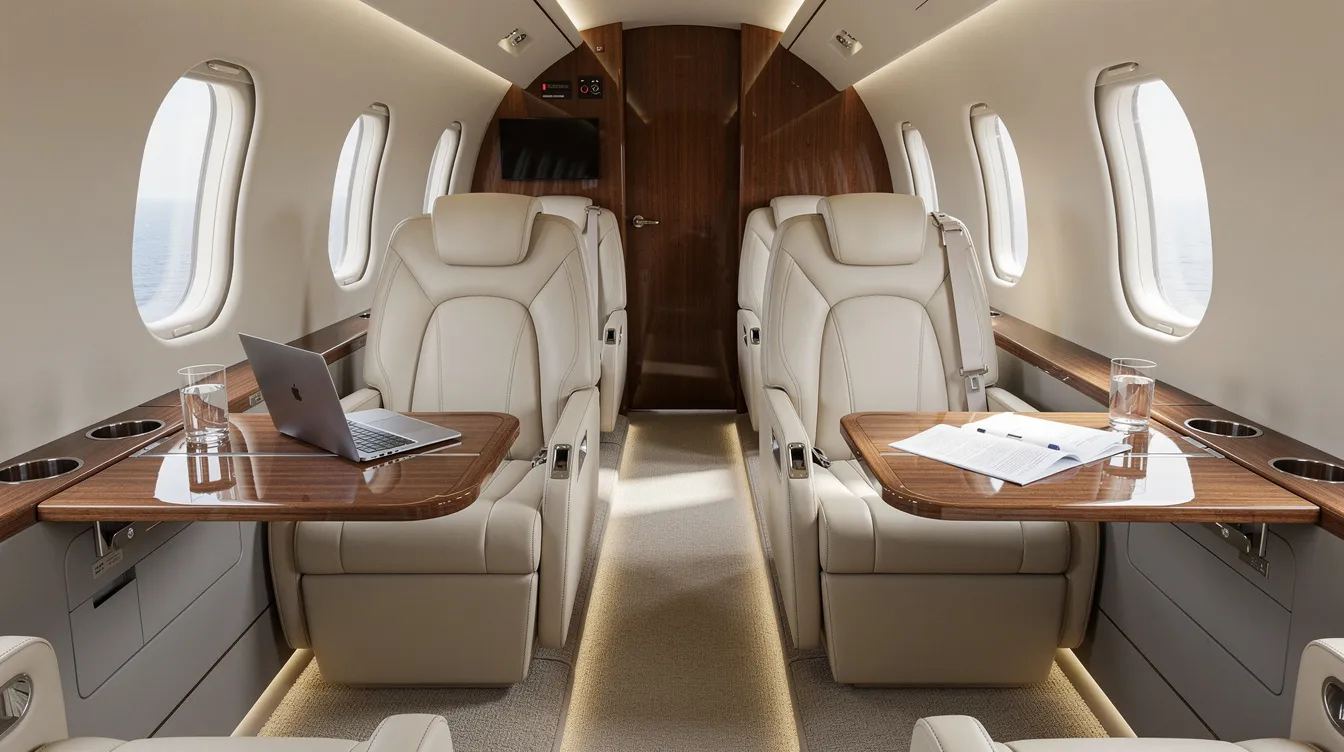
The pressurized, climate-controlled cabin typically features club seating with facing seats plus additional individual seats toward the rear. Cabin dimensions measure approximately 14 ft in length, around 4–4.5 ft in height, and 4.5–5 ft in width. Passengers can move within the cabin but may not stand fully upright.
Standard seating accommodates 6–8 passengers in executive configuration. The cabin of the 690C is generally considered smaller and less luxurious than that of the Beechcraft King Air 200, though it remains comfortable for regional flights. The Garrett engines are generally louder and produce a different cabin sound profile compared to PT6 engines, though improved soundproofing in later variants addresses this.
Common amenities include leather seats, fold-out work tables, and basic refreshments, which can be complemented by in-flight catering for private jets. Through Jettly, travelers can tailor flight options on similar turboprops with preferred catering and ground transportation integration.
Beyond executive transport, the Gulfstream Turbo Commander (AC-690) is utilized by NOAA for airborne snow surveys, measuring natural terrestrial gamma radiation to determine soil moisture and snow water equivalent. The National Operational Hydrologic Remote Sensing Center has maintained an Airborne Gamma Radiation Snow Survey Program for over 20 years, utilizing the AC-690 for real-time measurements across the U.S.
The AC-690 is equipped to accommodate mission equipment, two pilots, and up to five scientists or technicians, making it versatile for different operational needs. The AC-690 Turbo Commander is capable of flying at altitudes ranging from 1,000 to 24,000 feet above ground level, depending on the scale of imagery required.
Common special-mission roles include:
Coastal mapping and photogrammetry
Pipeline and powerline inspection
Environmental monitoring
Maritime patrol
Air ambulance conversions
Jettly users seeking charter solutions for survey or specialized operations can find comparable turboprops within the platform’s inventory, subject to regulatory and equipment availability, or opt for long-range, large-cabin jets like the Gulfstream G-550 private jet for rent and the Gulfstream G-V private jet charter, and can explore a broader overview of private and charter airlines to understand how these operators fit into the wider market.
The broader Commander series experienced historical wing-spar fatigue issues between 1961 and 1993, resulting in accidents and subsequent FAA airworthiness directives. Later variants like the 690C benefited from structural inspections, modifications, and increased operator awareness.
Twin turboprop Commanders have historically shown better engine-failure rates than their piston predecessors, with data from NTSB studies in the 1970s demonstrating significantly fewer engine-failure accidents per 100,000 flight hours. Many 690C aircraft flying today have undergone avionics upgrades, structural inspections, and engine overhauls.
Aircraft made available through Jettly must be operated by certified air carriers complying with FAA Part 135, EASA Part-CAT, or equivalent frameworks. Jettly emphasizes audited operators, maintenance standards, and pilot experience when sourcing aircraft for private charter, positioning itself as a flexible NetJets alternative for private flyers for those comparing against industry leader NetJets and its fractional model.
While the exact availability of the Gulfstream Commander 690C varies by region, Jettly typically offers comparable twin-turboprop aircraft for on-demand charter. Travelers can use Jettly’s digital platform to enter route, dates, and passenger count, then receive instant pricing estimates using a dedicated private jet charter cost estimator.
Ideal use cases for 690C-class turboprops, especially for travelers analyzing how much a private jet really costs:
Regional business hops (Dallas–Houston, Toronto–Montreal)
Access to secondary airports west of major hubs
Trips where operating cost matters more than maximum speed, especially for travelers researching affordable private jet charter and wanting a clearer breakdown of one-off private flight cost factors
Mixed passenger-cargo missions
Jettly offers both membership and on-demand booking models, including flexible private jet memberships and its structured Jet Card Program with fixed hourly rates, which can be compared against other top jet card programs on the market. Learn more about charter options at jettly.com.
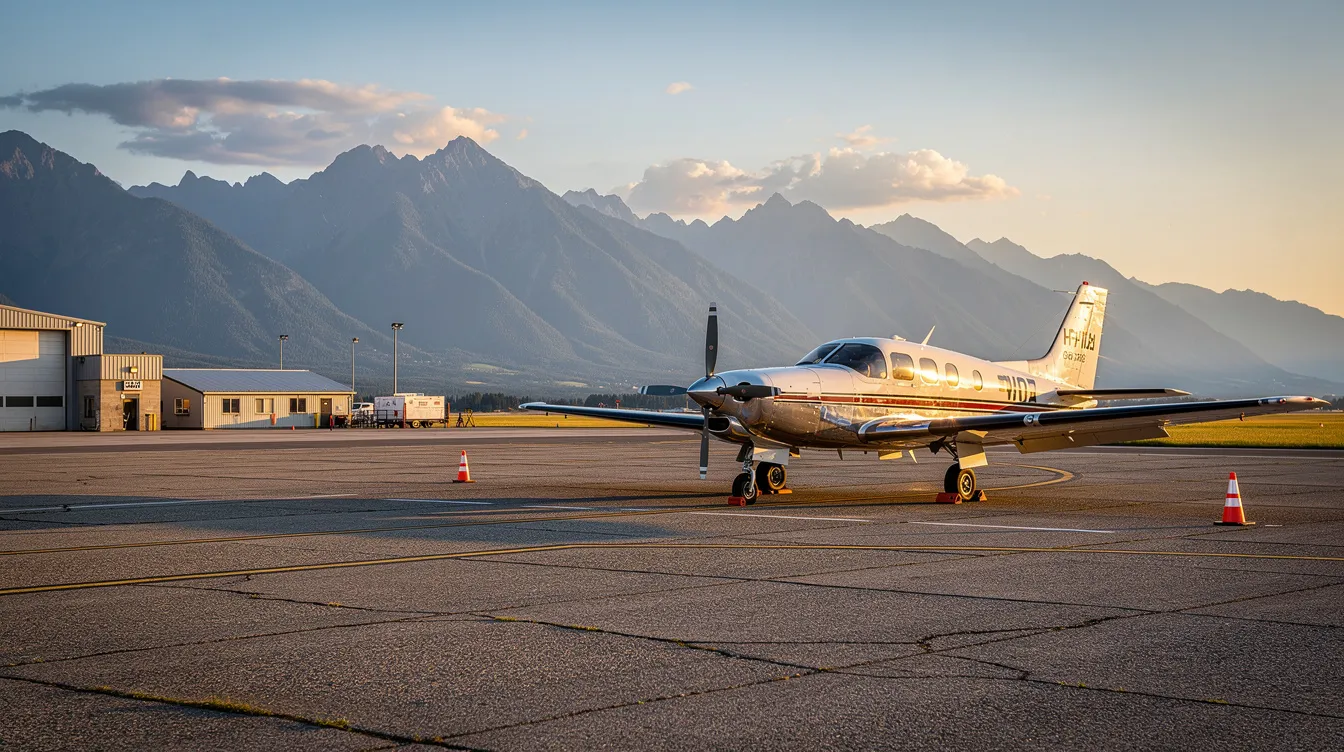
The following data represents typical 690C specifications, subject to variation by operator and modification:
Crew: 1–2 pilots
Seating: 6–9 passengers
Overall length: approximately 44 ft
Wing span: roughly 46–49 ft
Height: 14 ft 11 in
Empty weight: approximately 6,900 lb
Maximum takeoff weight: 10,325 lb
Maximum cruise: 280–290 KTAS
Normal cruise: slightly lower for fuel economy
Range: 1,500–1,700 nm with reserves
Service ceiling: 28,000–31,000 ft
Fuel type: Jet A
Typical fuel burn: 75–90 gallons per hour
Actual consumption depends on weight, altitude, and power setting. This information serves as general guidance for charter planning, with a variety of individual aircraft configurations.
The Gulfstream Commander 690C competes directly with the Beechcraft King Air 200, Mitsubishi MU-2, and Cessna Conquest I. Each aircraft serves similar purpose categories while offering different trade-offs in cabin size, speed, and field performance.
|
Factor |
690C |
King Air 200 |
Light Jet (CJ1) |
|---|---|---|---|
|
Cruise Speed |
280–290 KTAS |
~280 KTAS |
400+ KTAS |
|
Range |
1,500–1,700 nm |
~1,500 nm |
1,200–1,500 nm |
|
Cabin Height |
~4.5 ft |
~4.7 ft |
~4.8 ft |
|
Hourly Cost |
Lower |
Similar |
Higher |
|
Runway Needs |
Shorter |
Similar |
Longer |
The 690C’s advantages over jets become evident on routes under 500–700 nm, where turboprop efficiency and short-field capability changed the value equation. Propeller-driven aircraft burn less fuel hourly, making them cost-effective for regional missions.
Jettly users can view multiple aircraft quotes side by side to decide whether a turboprop or light jet better fits their priorities, or use a dedicated jet card flight cost estimator when comparing membership-style flying, complemented by guidance on jet card costs and pricing structures. This resulted in more informed decisions based on actual route requirements rather than assumptions about what private travel must cost
Turboprops like the 690C are generally more fuel-efficient on short-haul routes than comparable jets, found to burn less fuel per hour while reaching jet-like cruise altitudes. This translates to lower emissions for the same mission profile and can further improve total trip value when you understand overall private jet cost drivers.
Operating from airports closer to final destinations reduces ground-transfer time, which can indirectly lower total trip emissions. Many modern charter operators offer carbon-offset programs, and Jettly can connect environmentally conscious travelers to operators with sustainability options when making flight requests, supported by tools such as its airport locator platform to identify convenient airfields.
The 690C usually carries 6–8 passengers in a standard executive interior, though some configurations accommodate up to 9 depending on seating layout. Available seats on a specific charter depend on how the operator configured the cabin and baggage requirements. Jettly users should review seating options with the charter specialist before booking, and consider whether shared charter flights or full charters better fit their group size and budget.
Yes. The high-wing design, powerful turboprop engines, and relatively low takeoff distances make the 690C well-suited for regional airports. Performance depends on runway length, elevation, temperature, and aircraft weight—all factors operators assess when planning missions. Provide exact origin and destination airports to Jettly for appropriate aircraft matching, whether you’re flying between major hubs or booking private jet charter in Kolkata, West Bengal, or other Indian gateways such as Bangalore, Karnataka, Chennai, Tamil Nadu, Hyderabad, Telangana, Jaipur, Rajasthan, Lucknow, Uttar Pradesh, Mumbai, Maharashtra, and New Delhi, Delhi, and nearby regions.
Availability of a specific 690C depends on regional operator fleets and current scheduling. If unavailable, Jettly proposes comparable twin-turboprop alternatives with similar cabin size and cost profile. Customers with strong model preferences should mention this in their quote request so the platform can prioritize matching that aircraft type.
The 690C generally accommodates several small to medium suitcases for 6–8 passengers using rear cabin space and dedicated baggage areas. Exact limits vary by configuration and weight-and-balance requirements. Bulky items like golf bags may need special planning—share detailed luggage information during booking.
On a per-hour basis, 690C-class turboprops often cost less than light jets, particularly on short regional flights. While a light jet completes routes faster, the total charter price for a turboprop is typically more favorable for cost-conscious travelers. Use Jettly’s instant pricing tools to compare quotes side by side for your specific route, or explore crowdsourced private jet flights and shared empty seats when looking to reduce per-passenger costs.
The Gulfstream Commander 690C remains a capable twin-turboprop suited to regional business travel, aerial survey, and mixed passenger-cargo operations. Its combination of short-field performance, pressurized cabin, and competitive operating costs marks it as practical for travelers focused on efficiency.
Key benefits include the ability to use shorter runways, comfortable seating for small groups, and generally lower costs than comparable jet solutions on shorter sectors. The flaps and handling characteristics provide flexibility that jets cannot match at smaller airports.
When planning trips between regional cities or to airports underserved by airlines, consider the Gulfstream Commander 690C class. Travelers can explore Jettly’s charter options and aircraft types at jettly.com and review insights on top private jet charter companies to compare providers.
Ready to experience private travel on your terms? Explore flight options or request a quote at https://www.jettly.com, Jettly’s broker platform that connects you with operators like Dexter Air Taxi private jet services and offers strategies for getting a seat on a private jet easily, while also supporting partners through its ULTRA high ticket affiliate program.
Share this post:
Jay Franco Serevilla
Apr 24, 2026
|
5
min read
Discover tips and trends in the industry.
5
min read
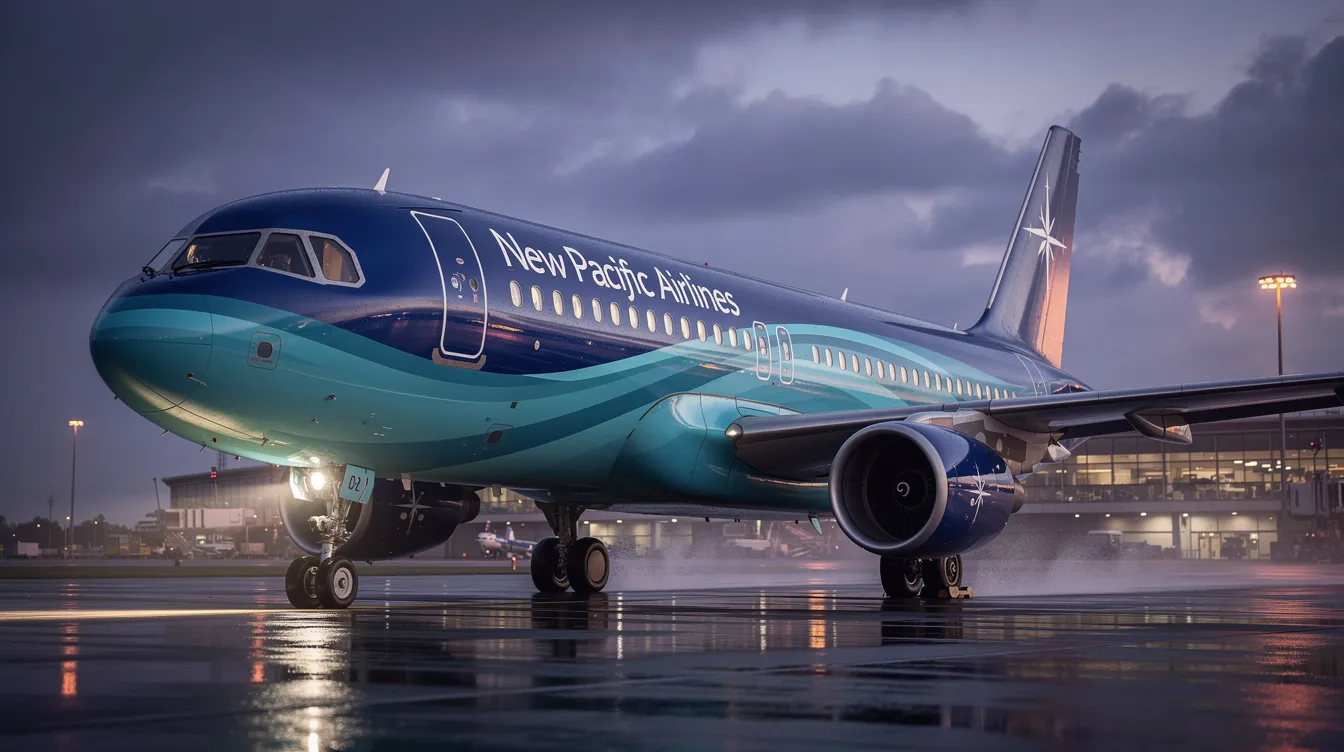
New Pacific Airlines: What Happened to the Former Northern Pacific Airways?
New Pacific Airlines, previously known as Northern Pacific Airways, launched in July 2023 but failed to establish sustainable transpacific routes, leading to its closure in November 2025. The airline faced significant operational and financial challenges, ultimately filing for Chapter 11 bankruptcy. This article explores the airline's rise and fall, highlighting the difficulties of launching long-haul services and the growing interest in private charter alternatives like Jettly.
Read More
5
min read
Marsh Harbor Flights: Private Charters, Routes, and How to Find the Best Options
Planning flights to Marsh Harbor offers various options, including commercial airlines and private charters. This guide details routes, pricing, and tips for finding the best travel solutions to the Abacos. Whether you prefer the convenience of direct flights or the flexibility of private jets, there are numerous ways to reach this beautiful destination.
Read MoreStay updated with our latest insights and tips to elevate your journey with us.
MEMBERSHIPS AND ASSOCIATIONS



Disclaimer: Jettly operates as a charter broker, offering access to a global digital jet charter marketplace. Jettly is not a direct air carrier and does not own or operate aircraft. All advertised flights are conducted by third-party air carriers that are fully licensed and hold the appropriate Part 135 or Part 121 certifications issued by the Federal Aviation Administration (FAA) or equivalent regulatory authorities under U.S. or foreign law. Jettly complies fully with the U.S. Department of Transportation's Part 295 and Part 298 Charter Broker regulations. Jettly does not carry additional liability insurance. Passengers are covered by aircraft operator insurance. TICO: 50023770


