


Login
Get Instant Pricing On 23,000+ Aircraft

>
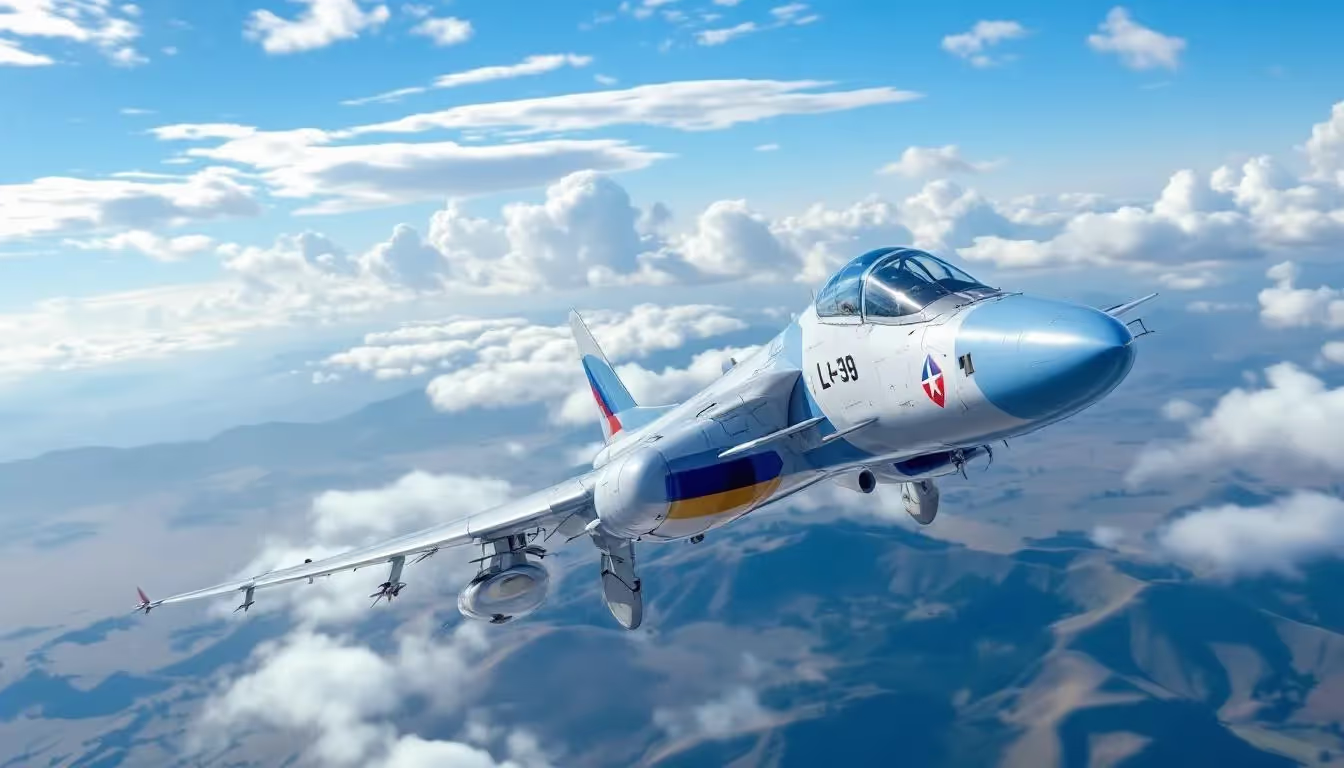
Jet flying isn’t just for military pilots or movie stars—it’s an adventure now available to everyday thrill-seekers. With companies like Jettly offering immersive jet flying experiences, you can step into the cockpit and feel the rush of soaring through the skies in a real fighter jet. Civilian experiences of flying in a fighter jet can include flights on aircraft like the L-39, T-33, and MiG-29. Whether you’re a lifelong aviation enthusiast or just looking for a one-of-a-kind experience, jet flying offers a unique blend of adrenaline, education, and awe-inspiring speed.
Jet flying is an amazing adventure that delivers an unforgettable thrill and excitement, making it a truly extraordinary experience for anyone seeking something out of the ordinary.
In this guide, we’ll cover everything you need to know to prepare for your first jet flight—from the types of aircraft available and the history behind them to what you can expect before, during, and after your flight.
Jet flying involves taking the controls—or riding along—as a co-pilot in a real military or aerobatic jet aircraft. Unlike commercial aviation, jet flying is all about speed, maneuverability, and thrill. You're not just sitting back—you’re participating.
Why try jet flying?
It’s a unique bucket list experience.
You’ll gain a firsthand understanding of aviation dynamics.
You’ll fly alongside experienced military or aerobatic pilots.
It’s available in major cities like Los Angeles and Tampa.
This adventure offers more than just an aerial view—it’s a deep dive into the world of high-performance aircraft.
Imagine strapping into a cockpit, feeling the engine roar to life, and slicing through the clouds at hundreds of miles per hour. Fighter jet flights are more than rides—they’re experiences.
The initial moments can deliver a shock to your senses, as the intensity and surprise of high-speed maneuvers and rapid altitude changes hit you with the physical and emotional impact that only jet flying can provide.
With certified instructors guiding every flight, you’ll participate in real aerobatic maneuvers. Loops, rolls, and high-speed turns await. Flying in a fighter jet often includes performing maneuvers like loops, rolls, and high-speed turns. This isn’t a simulator—it’s the real deal.
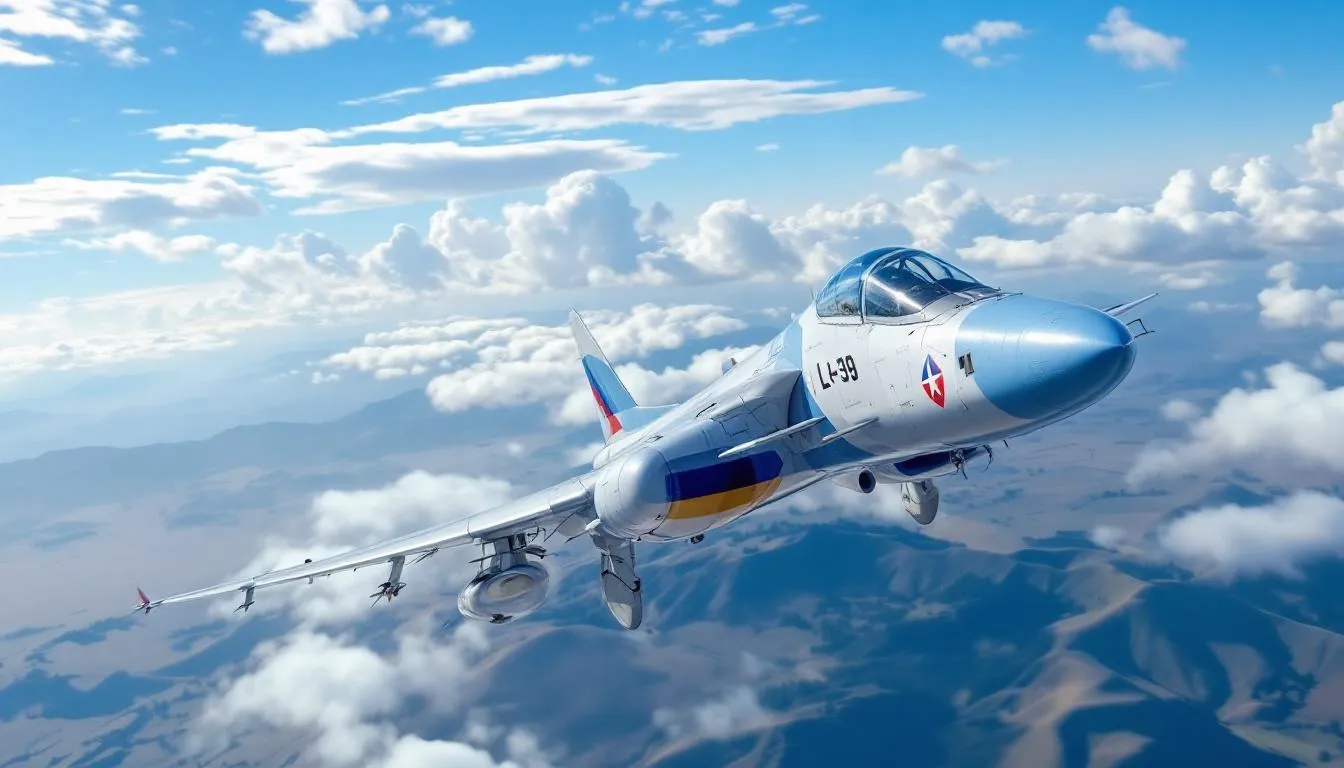
The L-39 Albatros is a favorite among jet flying programs. Originally used for training Soviet fighter pilots, this subsonic jet offers: It is mainly operated in civilian fighter jet training programs. The S-211 jet is also used in flight training programs for civilian fighter pilots.
Dual controls for pilot and passenger
G-force capability up to +8g
Ejection seats (disabled during tourist flights for safety)
Aerobic agility is perfect for beginner experiences
Impressive climb rate, enhancing its ability to intercept, gain tactical advantage, and maintain air superiority
For those seeking a supersonic experience, the MiG-29 can exceed Mach 2. It features:
Afterburners
Vertical climb capabilities
Advanced radar and weapon systems
A legacy in air-to-air combat training
The ability to break the sound barrier marked a significant milestone in fighter jet performance
While rarer in civilian experiences, the F-16 is a legend:
Single-engine supersonic jet
Fly-by-wire controls that give the pilot precise control and enhance maneuverability
Advanced agility and thrust-to-weight ratio
A classic example of modern air superiority design
Air Superiority Fighters: Focused on dominating enemy aircraft (e.g., F-15, MiG-29)
Ground-Attack Fighters: Specialized for bombing and support (e.g., A-10 Thunderbolt II)
Trainer Jets: Designed for safe but dynamic training flights (e.g., L-39 Albatros)
Modern fighter aircraft often have secondary capabilities, such as ground attack roles.
These fighter jet classes are distinct from other aircraft, such as transport or civilian planes, which serve different purposes and roles. Fighter aircraft are designed primarily for air-to-air combat, making them highly specialized for engaging enemy aircraft and achieving air superiority.
Each aircraft varies in performance, but all offer an unforgettable adventure.
Jet flying is part of a long lineage of aviation innovation. From the Wright brothers’ first powered flight in 1903 to the modern stealth aircraft, fighter jets have evolved dramatically. Achieving air superiority has been essential for victory in conventional warfare since World War I. The evolution of fighter jets has seen a progression from early biplanes with limited capabilities to today's advanced fifth-generation fighters, featuring stealth, sensor fusion, and multifunction radars. Fifth-generation fighters utilize stealth technology to reduce radar cross-section. The global combat aircraft market value is projected to reach $47.2 billion by 2026, driven by modernization programs and aircraft purchases.
During World War I, aircraft were used almost exclusively for reconnaissance before being armed for combat roles. The first effective use of fighter aircraft occurred during World War I, marking a pivotal moment in aerial warfare. The introduction of the gun as a primary weapon system marked a turning point in aerial warfare. As technology advanced, the combination of guns, cannons, bombs, and rockets enhanced the effectiveness and versatility of fighter aircraft. Fighter technology advanced rapidly during World War II, with improvements in armament and construction materials.
Additionally, World War II saw a significant shift in air superiority, with the development of night fighters capable of operating at night and in all weather conditions. The integration of airborne radar systems during this period allowed for improved targeting and interception in low-visibility environments.
The world's first operational jet fighter, the Messerschmitt Me 262, marked a global milestone, achieving unprecedented speeds and influencing the design of future generations. Over the decades, increasing speeds, improved fuel capacity and efficiency, and the continuous evolution of armament have defined the development of fighter jets, leading to the advanced aircraft in service today. World War II saw significant advancements in fighter technology, including the development of turbojet engines, which revolutionized aerial combat and set the stage for modern jet-powered aircraft.
1940s: First operational jet fighters used in WWII (e.g., Messerschmitt Me 262)
1950s-60s: Cold War rivalry spurs innovations like the MiG-21 and F-4 Phantom, including the introduction of air-to-air missiles that transformed fighter combat
1970s-80s: Fly-by-wire systems and multi-role fighters introduced
Modern Era: Advanced stealth (F-22, F-35), AI-assisted targeting, and precision systems
Today, you can fly aircraft that once trained real military pilots—a thrilling nod to aviation history.
The thrill of flying a fighter jet is no longer reserved for the elite—adventure-seekers across the globe can now experience the rush of a real jet flight. With experienced flight instructors at your side and a range of legendary aircraft like the L-39 available, you can step into the world of air combat and high-speed maneuvers in some of the world’s most exciting locations. Most civilian fighter jet experiences do not require previous flying experience from the participants.
In the United States, the Sunshine State of Florida offers jet fighter flights that soar above the sparkling Gulf of Mexico, giving you a breathtaking view as you slice through the skies. California, with its LA-based operations, lets you fly over dramatic coastlines and mountain ranges, while Texas provides the wide-open airspace perfect for pushing the limits of speed and agility. Each destination delivers a unique backdrop, but all guarantee the same heart-pounding excitement and expert guidance.
Europe is home to some of the world’s most iconic fighter jet experiences. In Germany, you can take to the air above historic cities and rolling countryside, while France offers the chance to fly over the majestic Alps. The Czech Republic, birthplace of the L-39, invites you to experience the jet’s full capabilities in its native skies. No matter where you choose, you’ll be flying with seasoned pilots who bring the world of fighter aircraft to life.
Beyond North America and Europe, jet flight adventures await in Canada, Russia, and even Australia. Whether you dream of flying over the vast Canadian wilderness, the storied Russian landscape, or the sun-drenched skies Down Under, there’s a fighter jet flight ready to make your dream a reality.
The cost of a fighter jet flight varies depending on location and aircraft, but with prices starting around $4,000, this once-in-a-lifetime experience is more accessible than ever. The cost of a fighter jet ride can vary significantly, starting at around $4,500 for a 30-minute flight. Whether you’re looking to fulfill a lifelong dream, celebrate a milestone, or simply crave the thrill of air combat, there’s a jet fighter adventure waiting for you.
Ready to take off? Visit our website to explore available locations, select your preferred date, and book your flight. With a world of options and experienced flight instructors guiding every moment, your journey into the skies is just a click away. Don’t wait—discover the world of fighter jets and make your next adventure unforgettable.
Booking a fighter jet flight is easier than you might think. Through platforms like Jettly, you can explore available aircraft, locations, and packages. The booking process is straightforward and you can't go wrong when scheduling your experience. Fighter jet flights can also be booked as gift vouchers, offering flexibility to change flight dates or locations.
Pricing: Varies by aircraft and duration; L-39 flights may start around $2,500.
Locations: Tampa, FL, and Los Angeles, CA, are common hubs.
Flight Options:
Aerobatic Flights: Loops, rolls, and G-force maneuvers.
Scenic Flights: High-speed but smooth rides.
Air Combat Simulations: Two jets engage in mock dogfights.
All flights include pre-flight training and are led by licensed, experienced instructors—often former military pilots. You’re never alone in the cockpit.
Critical communication between the pilot and the passenger is essential for safety and comfort during the flight.
Before you can fly:
Medical screening ensures you're fit for G-forces.
Briefings cover aircraft basics and emergency procedures, including how to use the ejection seat.
Waivers are signed acknowledging the inherent risks.
Participants, out of concern for motion sickness, are advised to stay hydrated and eat a light meal before the flight.
Lightweight clothing and closed-toe shoes
No metal accessories
Camera (optional, but ask in advance)
Flight suits and helmets provided
Oxygen masks and comm systems are included
G-suits are provided to help pilots manage the high G-forces experienced during the flight maneuvers
The ejection seat system is present but deactivated for tourists
Fighter jet training programs often require wearing a G-suit to handle high G-forces during flight.
Here’s what your flight might look like:
Experienced instructors are dedicated to creating a memorable and safe flight experience for every participant.
You’ll feel the power instantly. Acceleration pushes you back into your seat. Altitude climbs rapidly—faster than any commercial jet.
You may try:
Split S
Barrel rolls
Hammerhead turns
Flying at low altitudes, which presents unique challenges and excitement as you maneuver close to the ground
Your instructor will demonstrate, then let you try if you’re up for it.
You’ll wear a headset to stay in constant contact with your pilot. They guide every move and check in regularly about how you’re feeling.
Typical flights last 25 to 45 minutes, depending on your chosen package.
Jet flying is thrilling—but safety is paramount.
All safety measures are in place to protect both the pilot and the aircraft during every flight.
Pre-flight inspections of all aircraft
Certified instructors with thousands of flight hours
Onboard safety systems, including oxygen and radio backup
Briefings to help you recognize early signs of disorientation or G-force stress
Even during advanced maneuvers, your pilot adjusts based on your comfort level.
“Having flown the L-39, I can say it was a dream come true. The barrel roll made my stomach flip—in the best way possible!” – Mark J., Los Angeles
“I was nervous about safety, but the team made me feel completely secure. Highly recommend the combat flight package!” – Sarah K., Tampa
“It was the best birthday gift ever. Now I want to get my pilot’s license.” – Jamal B., Houston
People book jet flights for birthdays, retirements, bucket list goals, or just to push personal limits. It’s not just a thrill ride—it’s an achievement.
Jettly’s “pilot for a day” experience gives you a behind-the-scenes look at what it’s like to be in the military. Participants may also have the opportunity to fly in formation with other jets, experiencing the coordinated flight patterns that enhance realism and situational awareness.
Dress in a real flight suit
Undergo mission briefings
Fly a fighter jet with instructions
Complete aerial maneuvers
It’s the closest you can get to being a military pilot—without enlisting. No flight experience is required to participate in a fighter jet training program with the L-39 jet.
Some jet flying packages offer air combat flights, where you and another jet engage in simulated dogfights. These air combat maneuvers often simulate close-range dogfighting, requiring quick reflexes and strong visual tracking skills.
Lead and lag pursuit
High-G turns
Defensive spirals
The instructor teaches basic strategies and lets you take the stick (under supervision). These maneuvers showcase the complexity of real air-to-air combat—now available to civilians.
Jet flying is more than a ride—it’s an adventure, a history lesson, and a personal achievement all rolled into one.
Whether you're breaking the sound barrier in a MiG-29, looping through the sky in an L-39, or dogfighting in a mock aerial battle, the experience leaves you with lasting memories and a new appreciation for the power of flight. Sixth-generation fighters are currently under development by several countries.
With safety protocols, experienced instructors, and a variety of locations and aircraft to choose from, booking your flight is easier than ever.
Explore your options and book your unforgettable Jet Card jet flying experience with Jettly today.
Share this post:
Jay Franco Serevilla
Aug 21, 2025
|
5
min read
Discover tips and trends in the industry.

5
min read
Private Jet Charter Colorado Springs: Fly Smarter with Jettly
Private jet charter in Colorado Springs offers a convenient and flexible travel solution for business and leisure travelers. With access to over 20,000 aircraft through Jettly, booking a flight is quick and hassle-free, allowing you to bypass commercial airline delays and enjoy tailored services. Experience the benefits of private aviation, including direct airport access and personalized itineraries.
Read More
5
min read
Boise Charter Flights with Jettly: Private Jets, Pricing & Top Routes
Boise charter flights with Jettly offer travelers a flexible and efficient way to fly in and out of Idaho's capital. With access to over 20,000 aircraft, Jettly provides personalized scheduling, enhanced privacy, and direct routing to numerous destinations, making it ideal for both business and leisure travel.
Read MoreStay updated with our latest insights and tips to elevate your journey with us.
MEMBERSHIPS AND ASSOCIATIONS



Disclaimer: Jettly operates as a charter broker, offering access to a global digital jet charter marketplace. Jettly is not a direct air carrier and does not own or operate aircraft. All advertised flights are conducted by third-party air carriers that are fully licensed and hold the appropriate Part 135 or Part 121 certifications issued by the Federal Aviation Administration (FAA) or equivalent regulatory authorities under U.S. or foreign law. Jettly complies fully with the U.S. Department of Transportation's Part 295 and Part 298 Charter Broker regulations. Jettly does not carry additional liability insurance. Passengers are covered by aircraft operator insurance. TICO: 50023770


