



Login
Get Instant Pricing On 23,000+ Aircraft

>

Choosing between on-demand charter and a jet card depends on how often—and how predictably—you fly.
On-demand charter allows travelers to book flights individually, paying per trip. It works well for:
A jet card typically provides:
Jet cards are designed for repeat flyers seeking predictability.
Jet cards are best suited for:
On-demand remains ideal for:
Compare options to see which model fits your travel profile.
Share this post:
Jay Franco
Dec 12, 2025
|
5
min read
Discover tips and trends in the industry.
5
min read
Delta Comfort Plus Seat Width: What to Expect (and When to Upgrade)
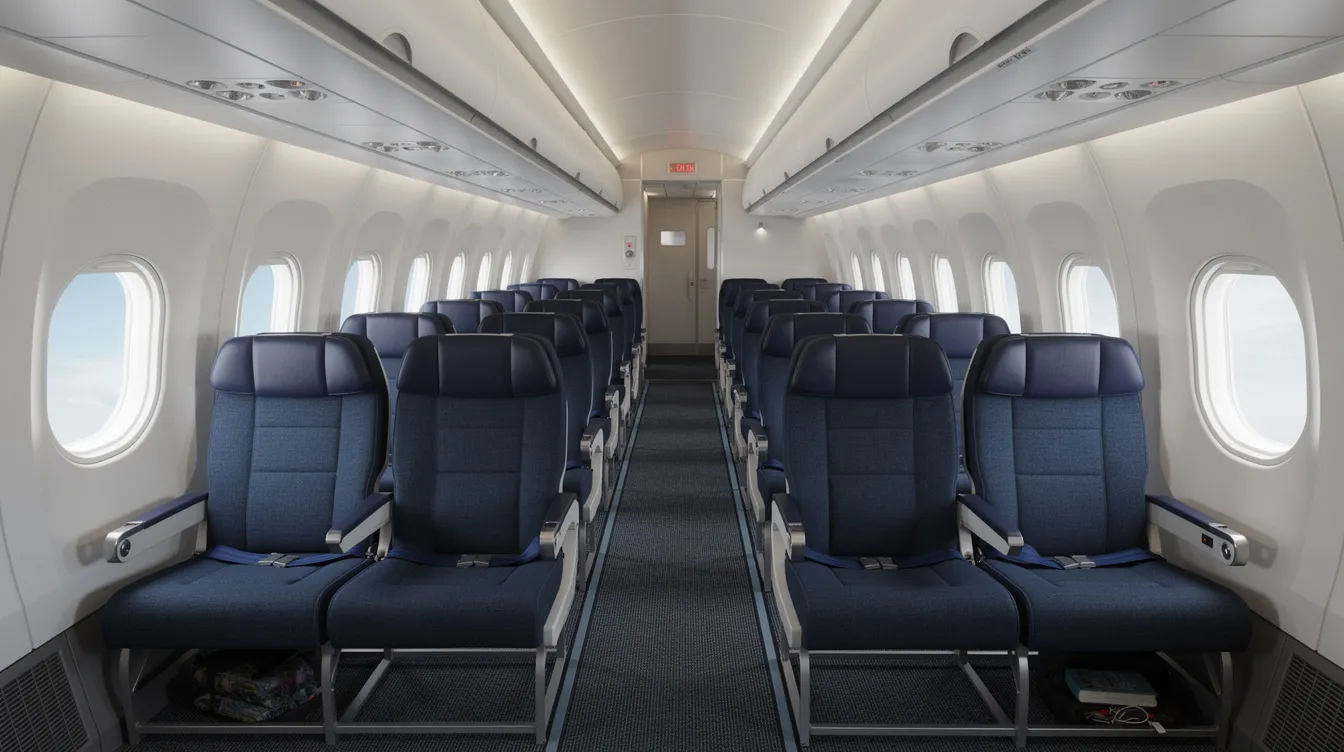
Delta Comfort Plus seats typically range from 17.2 to 18.6 inches in width, similar to Main Cabin seats. The primary benefits include extra legroom, priority boarding, and enhanced service rather than a wider seat. For those needing more space, options like Delta Premium Select or private jet charters may be more suitable.
Read More
5
min read
What’s Included in Private Jet Catering & Ground Transportation
Private jet catering and ground transportation are essential components of a charter flight experience, ranging from basic snacks to gourmet meals and various vehicle options. This guide provides detailed timelines, dietary accommodations, and a checklist to streamline the booking process, ensuring a smooth and luxurious travel experience. Understanding what's included and how to coordinate these services can help avoid surprises on departure day.
Read MoreStay updated with our latest insights and tips to elevate your journey with us.
MEMBERSHIPS AND ASSOCIATIONS



Disclaimer: Jettly operates as a charter broker, offering access to a global digital jet charter marketplace. Jettly is not a direct air carrier and does not own or operate aircraft. All advertised flights are conducted by third-party air carriers that are fully licensed and hold the appropriate Part 135 or Part 121 certifications issued by the Federal Aviation Administration (FAA) or equivalent regulatory authorities under U.S. or foreign law. Jettly complies fully with the U.S. Department of Transportation's Part 295 and Part 298 Charter Broker regulations. Jettly does not carry additional liability insurance. Passengers are covered by aircraft operator insurance. TICO: 50023770


