


Login
Get Instant Pricing On 23,000+ Aircraft

>
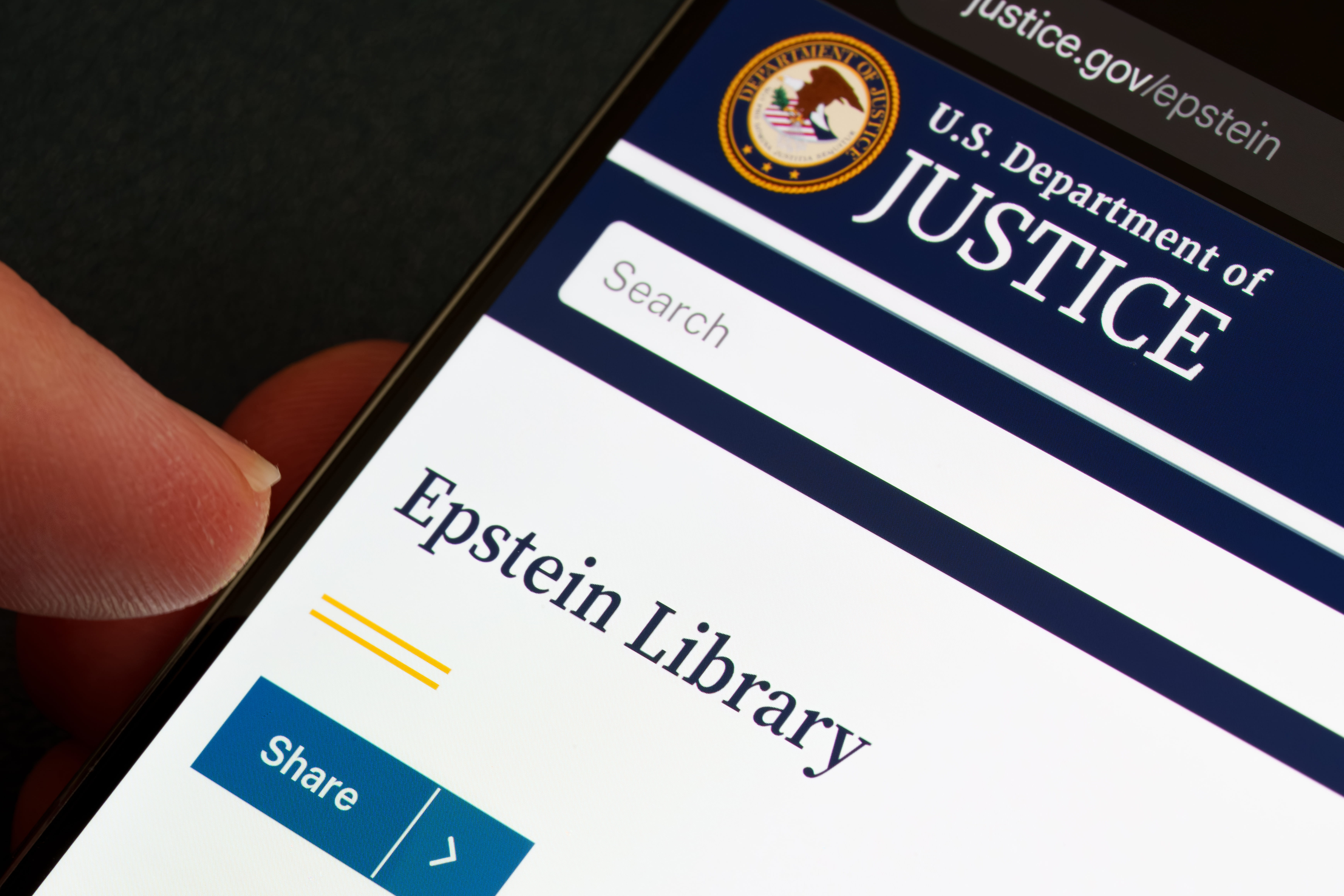
Tabloid headlines regarding Jeffrey Epstein have finally hardened into a permanent shift in aviation law. The Epstein Files Transparency Act (EFTA), which cleared its final hurdle in November 2025, effectively ended the era of the "ghost flight."
For decades, the global C-suite operated under the assumption that private manifests were essentially off-limits to the public. That assumption is now a legal relic. Under the "Epstein Precedent," the right to be forgotten while airborne has been downgraded from an ironclad guarantee to a conditional privilege—one that can be pierced the moment a public interest is established, Jettly reports.
The release of more than 3.5 million documents, photos, and videos by the Department of Justice in compliance with the EFTA includes specific details on flight itineraries, pilot records, and a wide range of other travel logs. The reasoning behind this deluge of data being made public is that Epstein’s crimes relate to sex trafficking, and his use of a private jet to transport children to locations where they suffered abuse is patently pertinent in this context.
Subsequent research into the files has investigated the global implications of the act, not just the domestic fallout. This paper argues that the case has created a policy conflict between statutory transparency and the privacy rights of private aviation users. It notes that the Epstein case established a precedent where public interest in criminal investigations outweighs the traditional “right to be forgotten” in private travel.
Indeed, ongoing investigations into the flights Epstein took himself or arranged for third parties are taking place in the U.K. and other parts of the world. British police, in particular, are reviewing details of 87 flights involving Epstein that originated from or terminated in the U.K.
The transparency ripple effect has reached even more sensitive ground than commercial airports. In February 2026, the investigation expanded into a review of military flight records. Evidence suggested that Epstein’s private aircraft had landed at Royal Air Force (RAF) bases, including RAF Marham and RAF Northolt, and this development is a pivot point for aviation transparency.
Historically, landings at military installations were considered the black boxes of flight logs, often exempt from FOIA requests, as were civilian FBOs. However, the 2026 British Ministry of Defence review indicates that the Epstein precedent is stripping away the immunity of even state-adjacent flight data. For private jet users, this means that discreet arrivals at noncivilian airfields no longer guarantee anonymity.
The transparency enforced by the Epstein case has changed private aviation in another vital way: the withholding of information to avoid embarrassment and/or reputational harm. Under section 2(b)(1) of the act, it’s made clear that information cannot be redacted just because it might damage the reputation of an individual, or prove politically sensitive.
What this really feeds into is the fact that the Epstein case is exceptional, and while the act it inspired has led to unique legal powers being granted, and the subsequent exposure of vast volumes of sensitive data that would usually be covered by privacy laws, it does not necessarily represent the “new normal” for private aviation. Journalists may have been able to use Freedom of Information Act requests to access files relevant to the case, and federal subpoenas used during the SDNY investigations into Epstein and Maxwell might have made public information that would typically be kept from broad access. But that doesn’t mean every other flight log and travel itinerary related to the rest of the world’s C-suite executives will be similarly exposed and scrutinized.
While the EFTA represents a high-water mark for public disclosure, the aviation industry has not remained passive. In a direct counter-response, the FAA Reauthorization Act of 2024 introduced Section 803 (Data Privacy). The FAA implemented new protocols through the Civil Aviation Registry Electronic Services (CARES) portal in 2025, allowing private aircraft owners to proactively request that their registration and personally identifiable information be withheld from public view by default.
This has created a two-track legal reality. On one track, the EFTA proves that no amount of privacy protection can withstand a federal mandate tied to a high-profile criminal investigation. On the second track, standard operators are using Section 803 and the proposed Pilot and Aircraft Privacy Act (PAPA) to shield their day-to-day movements from tail spotters and automated tracking bots. For the average executive, the "right to be forgotten" is actually becoming stronger, provided their flight logs don't become evidence in a federal case.
Share this post:
Jay Franco Serevilla
Apr 17, 2026
|
5
min read
Discover tips and trends in the industry.

5
min read
Helicopter Flying Time: How Long Your Flight Should Really Be
This guide provides insights into helicopter flying times, helping travelers understand what to expect when booking a flight. Factors such as distance, weather, and aircraft type influence the duration of flights, with typical airborne times ranging from 15 to 60 minutes. Knowing these details allows for better planning and a more enjoyable charter experience.
Read More5
min read
Helicopter Flying Time: How Long Your Flight Should Really Be
This guide provides insights into helicopter flying times, helping travelers understand what to expect when booking a flight. Factors such as distance, weather, and aircraft type influence the duration of flights, with typical airborne times ranging from 15 to 60 minutes. Knowing these details allows for better planning and a more enjoyable charter experience.
Read MoreStay updated with our latest insights and tips to elevate your journey with us.
MEMBERSHIPS AND ASSOCIATIONS



Disclaimer: Jettly operates as a charter broker, offering access to a global digital jet charter marketplace. Jettly is not a direct air carrier and does not own or operate aircraft. All advertised flights are conducted by third-party air carriers that are fully licensed and hold the appropriate Part 135 or Part 121 certifications issued by the Federal Aviation Administration (FAA) or equivalent regulatory authorities under U.S. or foreign law. Jettly complies fully with the U.S. Department of Transportation's Part 295 and Part 298 Charter Broker regulations. Jettly does not carry additional liability insurance. Passengers are covered by aircraft operator insurance. TICO: 50023770


