


Login
Get Instant Pricing On 23,000+ Aircraft

>
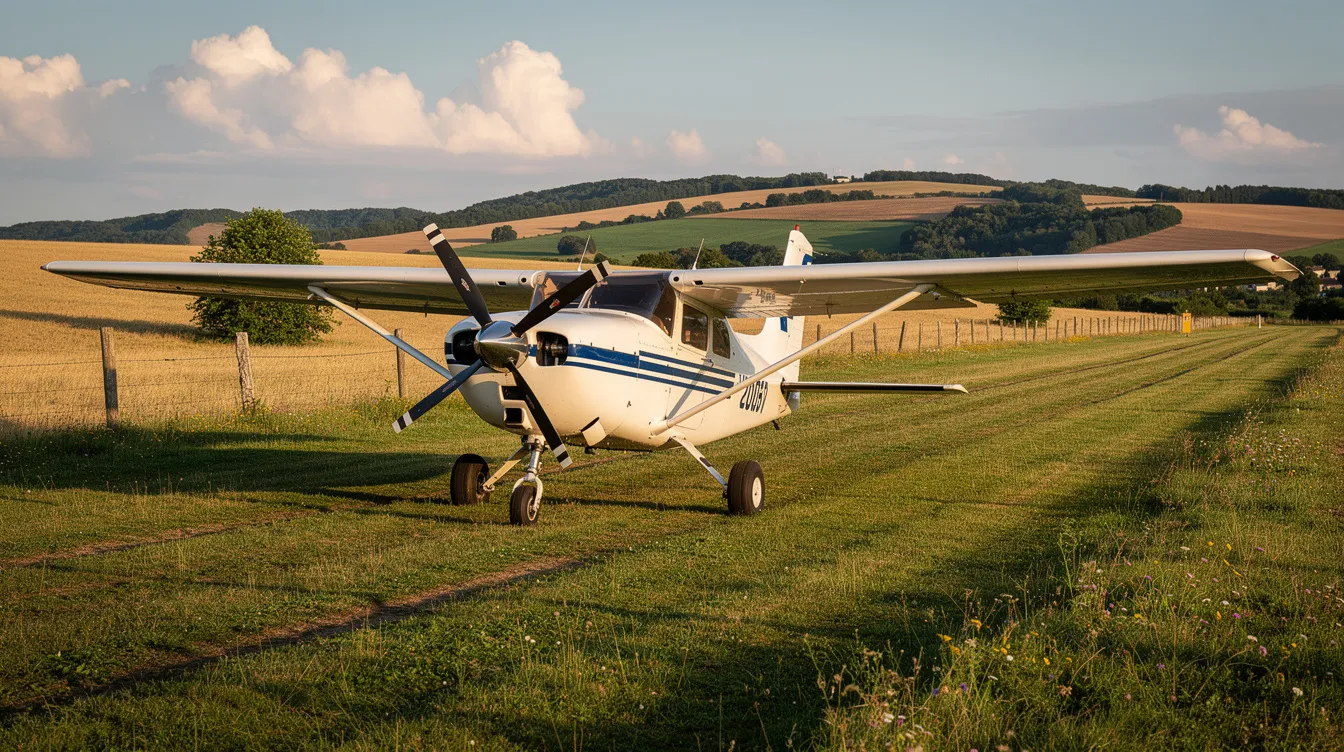
If you've ever wondered how much the cheapest private plane is, the short answer is this: in 2026, older piston aircraft can start around $20,000, many entry-level used private planes fall closer to $25,000 to $70,000, basic used turboprops often run about $300,000 to $600,000, and the cheapest very light jets typically start at roughly $1 million. For frequent flyers, corporate executives, high-net-worth individuals, and families weighing private aviation for business or leisure, that headline price is only part of the decision.
This guide breaks down private plane price tiers by aircraft type—from piston planes and turboprops to very light jets and larger jets—along with the ongoing costs most buyers underestimate, including maintenance, fuel, crew, storage, and insurance. It also compares ownership with private charter, including empty leg flights and other lower-cost ways to fly, so you can decide when buying makes sense and when a platform like Jettly offers the flexibility of private travel without the burden and expense of owning an aircraft.
The cheapest private plane you can own in 2026 starts at roughly $25,000–$70,000 for an older piston aircraft, $300,000–$600,000 for a basic used turboprop, and around $1 million or more for the cheapest very light jets. The entry point for private jets varies significantly between new and pre-owned markets.
Cheapest piston aircraft: Used piston aircraft are generally the most affordable route for ownership. Models like the Cessna 150/152 sell for $25,000–$45,000, though they are slow, unpressurized, and carry only 1–2 passengers.
Cheapest true jets: The Eclipse 500 costs $1 million to $1.5 million pre-owned, making it one of the most affordable private jets with jet performance. The Cirrus Vision Jet is priced around $2 million new. The Cessna Citation Mustang sits at $1.5 million to $2.5 million on the used market.
Operating costs matter more than sticker price: Operating costs for jet operations can run $1,500 to $3,000+ per flight hour, and annual fixed costs for smaller piston planes range from $8,500 to $30,000. Purchase price is only part of the total cost of aircraft ownership.
Charter is often cheaper: For anyone flying under roughly 150 flight hours per year, private jet charter through a platform like Jettly - with access to turboprops from about $1,200/hour and light jets from about $2,000/hour - typically costs less than owning even budget-friendly jets.
What's ahead: The rest of this article compares aircraft types, real price ranges, direct operating costs, and how Jettly's charter marketplace offers an affordable private jet experience without buying a plane.
The phrase "cheapest private plane" can mean three very different things depending on who's asking. Some people want the lowest-cost airworthy airplane they can legally fly. Others want the cheapest turbine-powered private aircraft suitable for business travel. And many are specifically looking for the cheapest private jet - a pressurized, jet-powered plane with a cabin that feels like a business jet.
Here's how each tier breaks down in 2026:
Basic used piston aircraft: A Cessna 150/152 or similar two-seat trainer from the 1960s–1980s, priced from about $25,000–$45,000. Simple four-seat singles like the Piper Cherokee run $30,000–$60,000.
Older single or twin turboprop planes: Capable of carrying more passengers at higher speeds, with prices starting around $200,000–$500,000 for vintage models like the Beechcraft King Air 90.
Entry-level very light jets: Pre-owned very light jets can start from around $1 million (Eclipse 500), with more modern options like the Cirrus Vision Jet closer to $2 million–$2.9 million.
Most people searching this topic want private jets or at least turbine-powered planes suitable for fast regional travel - not a 1970s trainer. And for many travelers, the cheapest way to fly private is not buying at all. It's chartering through a digital platform like Jettly, which provides access to thousands of aircraft without the financial commitment of aircraft ownership.
The lowest entry point into private ownership is not a jet. It's an older piston aircraft - a propeller-driven plane that can still provide private flight capability for one to three passengers on short regional flights.
Here are specific examples with real 2026 price ranges:
Cessna 150/152: Typically $25,000–$45,000 for 1960s–1980s models in flyable condition with acceptable logbooks.
Piper Cherokee 140/180: About $30,000–$60,000, depending on avionics upgrades and engine time remaining before overhaul.
Beechcraft Bonanza (older models): Often $80,000–$140,000 for a well-maintained V35 or A36, at the high end of the under-$100,000 bracket.
Used two-seat trainers: Used two-seat piston airplanes can cost around $20,000 at the very bottom of the market, though buyers should expect higher maintenance risk and limited capability.
These are "private planes" in the strict sense, but they're slower (100–160 knots), unpressurized, and not what most passengers picture when they think of private aviation. They lack the cabin space, speed, and weather capability of turboprop aircraft or business jets.
Approximate annual costs for a $60,000–$100,000 piston: $8,000–$15,000 per year in fixed costs (insurance, hangar, annual inspection), plus $80–$150 per flight hour for fuel and maintenance when owner-flown with no crew. Annual ownership expenses for these aircraft can exceed $10,000 to $20,000 depending on location and usage.
While the purchase price is low, these aircraft are less practical for business travel between major cities. That's why many travelers still choose to charter through platforms like Jettly, where a small private plane or turboprop can be booked for a specific trip without the complexity of ownership.
Turboprop aircraft represent the least expensive way to own a cabin-class private plane capable of handling real business or family trips. They offer more speed, range, and cabin space compared to pistons - and they often beat jets on both purchase price and low operating costs.
Here are concrete examples with realistic 2026 pre-owned prices:
1960s–1970s Aero Commander 500/680 series: Sometimes $80,000–$200,000, but often with higher maintenance needs and fewer available parts.
Beechcraft King Air 90/100: About $350,000–$700,000 for older models. A 1965 King Air 90 was recently listed for $229,000, though units at that price typically require significant investment.
Pilatus PC-12 (early 2000s): Around $3.5 million–$5.5 million for well-maintained aircraft - more expensive but extremely versatile as an efficient aircraft for diverse missions.
Performance is a significant step up from pistons: cruise speed around 260–300 knots, ranges from 1,000–1,800 nautical miles, and cabins seating six to nine passengers with good baggage space. These turboprop planes can also access smaller airports that larger jets cannot.
Estimated operating costs run roughly $700–$1,200 per flight hour for smaller legacy turboprops and $1,000–$1,600 per hour for aircraft like the PC-12, assuming professional maintenance. Fixed costs add insurance, hangar storage, and crew fees on top.
For private jet owners or prospective owners flying 150–250 annual flight hours, older turboprops can be a cost-effective alternative to light jets. But they still involve significant complexity compared with simply chartering such affordable aircraft through Jettly on demand.
Very Light Jets are the smallest aircraft category in the private jet world. They typically seat four to six passengers, are certified for single-pilot operation, and are designed for missions under roughly 1,200 nautical miles. Very Light Jets (VLJs) are the most affordable private jets that still deliver true jet performance.
Here are the key contenders in the very light jet category:
Eclipse 500: Eclipse 500 prices range from $1 million to $1.5 million pre-owned, depending on year and avionics condition. Range is approximately 1,100–1,200 nautical miles, seating four to five passengers. It remains among the most economical private jets to acquire.
Cirrus Vision Jet SF50: The Cirrus Vision Jet costs around $2 million new. Pre-owned examples trade for roughly $2 million–$2.9 million. It offers about 1,200 nautical miles of range, seating for five adults plus up to two children, and a whole-aircraft parachute system. The Vision Jet is notable for its single-engine fuel efficiency and low fuel burn.
Cessna Citation Mustang: Pre-owned Cessna Citation Mustang prices range from $1.5 million to $2.5 million for 2008–2016 aircraft. Range is 1,000–1,150 nautical miles with seating for four passengers plus crew. The Cessna Citation family benefits from strong manufacturer support.
Operating cost guidance for these aircraft: approximately $800–$1,200 per flight hour for the Eclipse 500, around $900–$1,400 per hour for the Vision Jet, and roughly $1,000–$1,200 per hour for the Citation Mustang - excluding fixed costs like hangar and insurance.
VLJs are attractive as budget-friendly jets, but maintenance complexity, support network strength, and residual value vary widely. Cessna and Embraer products typically offer stronger long-term support than orphaned types with inconsistent manufacturer backing.
Many of these aircraft are available in charter fleets that Jettly can access, allowing customers to experience private aviation at VLJ performance levels without committing millions to a private jet outright.
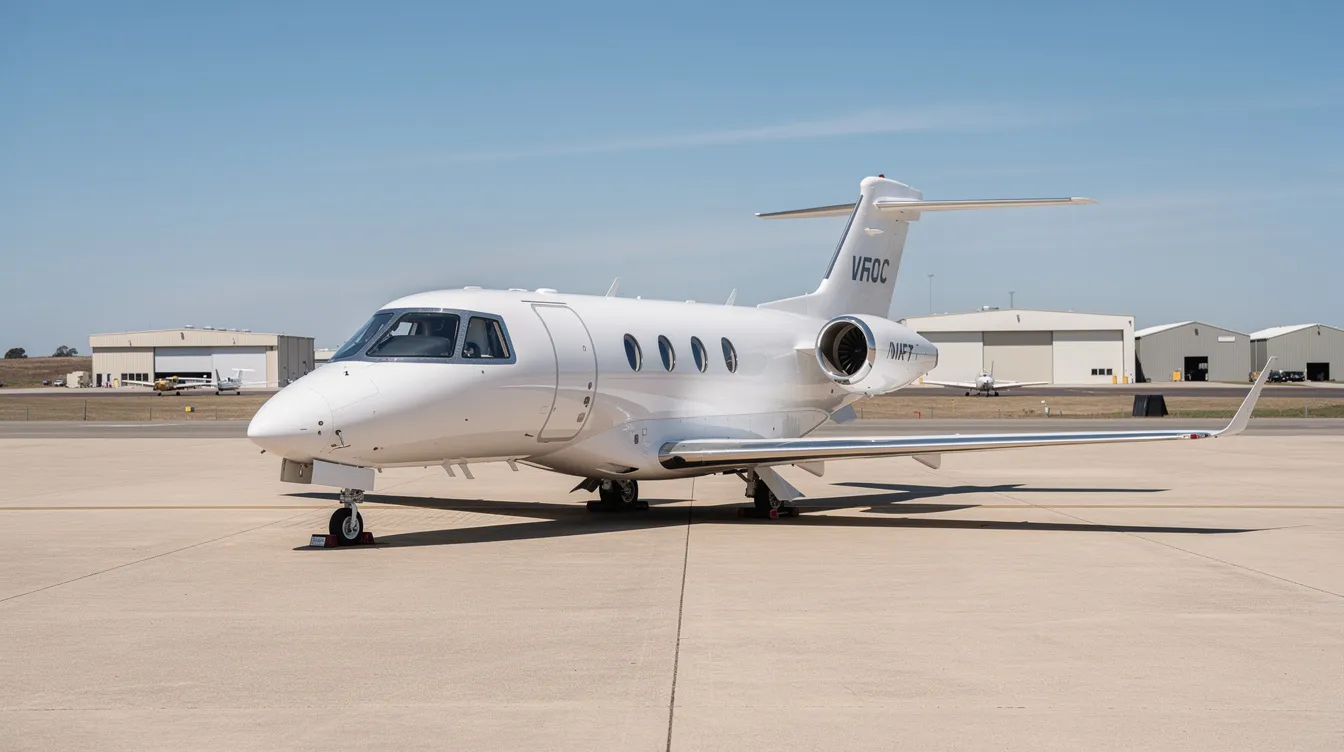
Light jets are the next step up from VLJs, offering more range, faster cruise speed, and additional cabin space compared to the smallest jets. The initial purchase price is higher, but per-seat economics can be better on certain routes - especially when the aircraft flies with more passengers.
Here are several well-known light jets with realistic 2026 pre-owned price ranges in the light jet category:
Embraer Phenom 100: The Embraer Phenom 100 can be found for about $2 million used, with prices for newer examples ranging up to $3 million. It seats four to seven passengers with a spacious cabin and has a range of 1,178 nautical miles. The Embraer Phenom 100 is powered by efficient twin Pratt & Whitney engines and is known for cabin volume that exceeds its class.
HondaJet HA-420: Produced by the Honda Aircraft Company, the HondaJet HA-420 costs between $2.5 million and $3.5 million pre-owned. Its distinctive over-the-wing engine mounts reduce cabin noise, and range reaches 1,200–1,400 nautical miles.
Cessna Citation CJ3: Older CJ3s run around $5 million–$7 million. They offer 2,000+ nautical miles of range, seat six to eight passengers, and are appreciated for strong short-field performance.
New entry-level private jets typically start between $2.5 million and $3.5 million, which places models like the HondaJet and recent Cirrus Vision Jets at the floor of new-build pricing.
While these are not the absolute cheapest private jet options by sticker price, they deliver better comfort and flexibility for both charter and ownership - especially on routes like New York to Miami or Los Angeles to Denver where range and cabin space matter.
Typical direct operating costs for these light jets run $1,200–$1,800 per flight hour, depending on fuel prices and engine program enrollment.
Jettly's marketplace frequently features these aircraft types for charter, so travelers can choose them trip by trip instead of being locked into a single model. Learn more about how much it costs to rent a private jet for specific routes.
Some older large jets - such as the Dassault Falcon 50 or early Gulfstream and Global models - can appear relatively inexpensive to purchase. But large cabin aircraft are rarely "cheap" once ongoing costs are factored in.
Concrete examples:
Dassault Falcon 50 (1980s vintage): Older Falcon 50 jets can be purchased for as low as $1 million pre-owned. Large jets like the Dassault Falcon 50 can fly over 3,000 nautical miles and seat eight to ten passengers. The Dassault Falcon line remains popular for its range and three-engine reliability.
Learjet 60: 1990s models sometimes list under $1 million for airframes needing work, while later ones run $4 million–$6 million. Range is 2,200+ nautical miles, seating seven passengers to eight.
Early Gulfstream IV or Global 5000: These ultra-long-range aircraft may seem attractively priced compared with new-build large jets, but they carry proportionally high maintenance and crew burdens.
Despite low sticker prices, operating costs for these heavy jets and large jets easily exceed $3,000–$5,000 per flight hour. Annual operating costs for a mid-size jet can exceed $800,000, and large jets cost even more. High fuel burn, complex inspections, avionics upgrade requirements, and two-pilot crew fees make them impractical for most individuals asking about affordable private jets.
For most private aviation enthusiasts and small businesses, chartering large jets through Jettly when needed is far more logical than owning them. Jettly connects travelers with large private jets globally on a charter basis, providing access without bearing the fixed costs of private ownership.
The purchase price is often only 30–40% of the total cost of owning a private jet over a 10-year period. The rest is consumed by operating costs, maintenance, and depreciation. Ongoing expenses for aircraft include inspections, insurance, and hangar storage - and they add up fast.
Typical annual fixed costs for a small jet (e.g., Citation Mustang or Phenom 100) in 2026:
Hangar fees can cost between $1,000 and $3,000 per month at many U.S. or European airports.
Insurance costs typically range from $15,000 to $30,000 annually, depending on hull value and pilot experience.
Crew (if not owner-flown): For a two-pilot light jet, crew fees run $180,000–$260,000 per year inclusive of salary and benefits.
Variable costs scale with flight hours:
Fuel costs for jets range from $300 to $700 per hour, depending on aircraft size and mid-2026 Jet-A prices of roughly $6.00–$6.50 per gallon.
Maintenance costs can range from $50,000 to $200,000 annually, varying with age, cycles, and engine program enrollment.
Landing fees, handling, and navigation charges add a few hundred dollars per leg at smaller fields and rise sharply at major airports.
Utilization changes everything. A light jet flying only 75 flight hours per year can cost $7,000–$10,000 per hour fully burdened when you spread those fixed costs across so few trips. At 300+ hours per year, the same aircraft drops to $2,500–$3,500 per hour all-in.
For anyone flying fewer than roughly 150 hours per year, chartering via a platform like Jettly is generally cheaper and far simpler than owning even the most affordable aircraft in the jet category, and broader analyses of how much a private jet really costs reinforce how dramatically ownership expenses add up over time.
The three main models for accessing private jets are full ownership, fractional ownership, and on-demand charter. The "cheapest" option depends on annual flight hours, capital preferences, and how much flexibility you need.
Full ownership:
Best suited to 200–300+ flight hours per year.
Requires large upfront capital and acceptance of depreciation risk, but offers maximum control over schedule and aircraft configuration.
Works for corporations or individuals with regular, predictable travel patterns.
Private jet ownership carries the highest ongoing costs but lowest marginal cost per hour at high utilization.
Fractional ownership:
Shares range from 1/16th to 1/2 of an aircraft, typically locked via multi-year contracts.
Reduces capital outlay compared with full ownership but still demands monthly management fees and hourly charges.
Good for flyers in the 50–200 hours/year range who want guaranteed availability, and resources outlining fractional jet ownership costs and FAQs can clarify whether this model fits your usage.
Learn more about fractional jet ownership vs. charter to evaluate trade-offs.
Charter (including jet cards and memberships):
No long-term capital commitment. Pay per trip.
Ideal for occasional travelers or those with highly variable schedules who may also benefit from guides on affordable aeroplane rental options when comparing charter to other access models.
On-demand charter via Jettly lets customers pick from over 20,000 aircraft - turboprops, light jets, midsize jets, and large jets - with transparent pricing.
Chartering allows flexible scheduling and destinations without the complexity of ownership.
Rule-of-thumb breakpoints:
|
Annual Flight Hours |
Recommended Model |
|---|---|
|
Under 50 hours |
Pure charter |
|
50–150 hours |
Charter or membership/jet cards |
|
150–250 hours |
Evaluate fractional ownership |
|
250+ hours |
Ownership (case-by-case) |
Jettly's team can help compare options based on specific travel patterns - an alternative to private jet ownership that doesn't require sacrificing convenience, especially for travelers seeking a NetJets alternative that lets them fly private for less.
Chartering is the cheapest way to access a broad range of private jets and turboprops without buying an aircraft. Chartering a private jet eliminates ownership costs entirely - no depreciation, no hangar, no crew salaries during idle months- and guides to affordable private jet charter pricing can help set realistic budget expectations.
Typical 2026 charter hourly rate ranges by aircraft category:
|
Aircraft Type |
Hourly Charter Rate |
|---|---|
|
Turboprops (King Air 200, PC-12) |
$1,200–$2,200/hr |
|
Very light jets & light jets (Vision Jet, Phenom 100, Citation Mustang) |
$2,000–$3,500/hr |
|
Midsize jets (Learjet 60, Citation XLS+) |
$3,500–$5,500/hr |
|
Large jets & long-range (Falcon 50, Gulfstream IV) |
$5,000–$9,000+/hr |
Chartering costs typically range from $2,000 to $14,000 per hour across all categories. Chartering provides access to a variety of aircraft types without being locked into one model.
Additional cost elements include repositioning legs, overnight crew fees, de-icing, in-flight catering services like Jettly Eats, and ground transportation. Jettly presents these transparently at the quote stage through its charter cost estimator and dedicated jet card flight cost estimator.
Trip examples to ground expectations:
New York to Miami on a light jet: Roughly $15,000–$25,000 for the whole aircraft (not per person).
Los Angeles to Las Vegas on a turboprop: Approximately $5,000–$9,000 total.
Because charter rates are per aircraft, splitting the cost among four to eight passengers can make flying private surprisingly competitive with last-minute business-class fares on scheduled airlines. The cost of private jet travel split between passengers often surprises first-time jet owners who assumed private flight was out of reach, especially once they compare options across the wider charter airline landscape.
Explore Jettly's instant-pricing tools at https://www.jettly.com to see real-time estimates for your specific routes.

Empty leg flights are repositioning flights where an aircraft must move without passengers. They represent one of the most affordable ways to sample private aviation - often at steep discounts, especially when combined with platforms that crowdsource private jet flights and share empty seats.
How empty legs work:
They occur when a jet drops passengers at one airport and must fly empty to another airport for its next booked mission.
Charter operators may list these flights at significant discounts to recover some costs. Empty leg flights can offer discounts up to 75% off standard rates.
Routes and times are fixed, flights are usually one-way, and there's a higher risk of schedule changes or cancellations.
Realistic example pricing:
A very light jet empty leg on a short route (e.g., Dallas to Houston) might be offered for $2,000–$4,000 total.
A mid-size jet empty leg (e.g., London to Nice) could appear at $6,000–$10,000, depending on availability and timing.
Other cost-saving tactics:
Fly on off-peak days and times (mid-week departures are often cheaper).
Choose turboprop aircraft over jets on routes under 400–500 nautical miles where the speed difference is minimal.
Use closer secondary airports to reduce repositioning and landing fees.
Book further in advance when possible to allow more operator competition for your trip.
Jettly's platform can surface empty leg opportunities, highlight practical tips on how to get a seat on a private jet easily, and provide competitive quotes on short notice, making it one of the most affordable ways to experience private aviation without owning even the cheapest private plane.
Global private jet fleet size directly influences both purchase and charter prices through supply and demand. Understanding how many private jets exist helps contextualize why some aircraft are cheaper than others.
As of mid-2024, industry data indicates roughly 24,000–25,000 business jets in operation worldwide across all categories - very light jets, light jets, midsize jets, super-midsize, and large jets. This represents the broadest inventory in the history of private aviation.
A large and mature fleet for models like the Cessna Citation family, Embraer Phenom series, and Dassault Falcon line helps keep pre-owned prices competitive. Strong fleets mean robust support networks, readily available parts, and more pre-owned jets on the market at any given time.
Market comparisons:
North America hosts the majority of private jets, resulting in more inventory, stronger resale markets, and often lower charter rates than other regions.
Europe has fewer jets per capita but dense demand, which increases pressure on airport slots and peak-time pricing.
New aircraft deliveries - including the Cirrus Vision Jet, newer Cessna Citation models, and updated HondaJets - increase the flow of older airframes onto the used market. This occasionally pushes down prices for previous-generation most affordable private jets and creates opportunities for first-time jet owners.
A large global fleet means Jettly can match travelers with the right aircraft category - from very light jets to large jets with operation worldwide - at competitive prices on a trip-by-trip basis.
The most affordable aircraft is not always the one with the lowest sticker price. It's the one that fits the mission profile: route length, passenger count, baggage needs, and how frequently you travel.
Scenario-based guidance:
Solo traveler or couple, 300–600 nm hops a few times a year: Charter a turboprop or VLJ through Jettly rather than buying a plane. The total annual spend will typically be a fraction of what ownership costs - even for the cheapest aircraft.
Small team (3–5 people) flying regional business routes monthly (e.g., New York to Chicago, Toronto to Vancouver): Charter light jets like the Phenom 100 or Citation CJ series. Consider private jet memberships if hours accumulate past 50–75 per year.
Larger groups or longer routes (e.g., Los Angeles to Hawaii, London to Dubai): Charter midsize or large jets occasionally instead of owning a heavy jet that sits idle most of the year.
Airport access matters. Many light jets and turboprop planes can access smaller airports closer to final destinations, dramatically cutting ground time even if cruise speed is slightly lower. This is a major advantage over scheduled airlines, which require routing through congested hubs.
Jettly's advisors can help compare multiple aircraft types and pricing options for any given trip, drawing on market knowledge similar to comprehensive guides to the best private jet charter companies. The goal is ensuring customers don't overspend on cabin space, capacity, or range they don't need - the most practical definition of an affordable private flight.
Below are answers to common questions that first-time private flyers and prospective buyers often raise beyond what's covered above; those actively shopping for an airplane may also appreciate a dedicated guide to choosing the best personal plane.
In 2026, the Eclipse 500 is typically the cheapest twin-engine jet option, with some aircraft trading from about $1 million to $1.5 million. The Cessna Citation Mustang and Embraer Phenom 100 generally start closer to $1.5 million–$2 million on the pre-owned market, though condition and avionics vary widely.
The Cirrus Vision Jet, at around $2 million new, is widely considered the most affordable modern, factory-supported private jet - though it uses a single engine. For many first-time jet owners, the support network and modern avionics of slightly more expensive jets can outweigh saving a few hundred thousand on the initial purchase price. A well-supported aircraft holds value better and costs less in unscheduled maintenance over its lifetime.
For most travelers flying once a month - often under 50–75 flight hours per year - chartering through a platform like Jettly is almost always cheaper and far simpler than owning. Even affordable private planes require ongoing costs that accumulate whether the aircraft flies or not.
Ownership of a small jet can require $200,000–$400,000+ in annual fixed and variable costs even with light usage. Chartering 12–15 trips per year on light jets or turboprops might total far less - especially when compared with the federal excise tax, crew fees, insurance, hangar, and maintenance burden of ownership, or even with other affordable aeroplane rental arrangements.
Buying a basic piston aircraft can make sense if the owner is also the pilot and flies short leisure trips. But this is a very different use case from using business jets for travel between major cities.
VLJs like the Eclipse 500 or Citation Mustang generally have lower fuel burn and can be operated for around $800–$1,200 per flight hour in direct operating costs. Larger light jets such as the Phenom 300 or Citation CJ3 typically run $1,400–$1,900 per hour due to larger engines and greater cabin volume.
VLJs may sacrifice some cabin space compared to their larger counterparts, along with baggage capacity and range. This can push travelers into larger aircraft on longer or more heavily loaded missions - even if hourly costs are higher.
On a per-seat-mile basis, a fuller light jet carrying seven passengers can sometimes be as economical as a VLJ carrying four. That's why charter clients often compare both categories for each trip using Jettly's pricing tools.
Smaller and more efficient aircraft - such as very light jets, turboprops like the Pilatus PC-12, and the Cirrus Vision Jet - tend to have lower fuel burn per flight hour. But any form of private aviation still carries an environmental footprint larger than commercial alternatives on a per-passenger basis.
Many charter operators and platforms, including Jettly's partner operators, can arrange carbon offsetting programs and, where available, the use of sustainable aviation fuel (SAF) to reduce net emissions. Travelers who value sustainability should discuss aircraft choice, routing efficiency, and offset options when requesting quotes - balancing cost with environmental responsibility.
With modern digital platforms like Jettly, travelers can often obtain instant or near-instant charter pricing online and confirm bookings in a matter of hours, subject to aircraft and crew availability. The days of needing a broker to spend days sourcing quotes are largely over, especially with services focused on affordable private jet charter.
For the best pricing - especially on empty leg flights or off-peak departures - some flexibility with departure time, airport choice, and aircraft type helps charter operators offer more competitive quotes, and flight-sharing tools that crowdsource private jet flights and share empty seats can further reduce costs for flexible travelers. For urgent or last-minute travel such as medical or critical business trips, Jettly can typically coordinate an aircraft on short notice, though prices may be higher than bookings made several days in advance.
The cheapest private plane you can own might be a $25,000–$60,000 single-engine piston, a $300,000–$600,000 used turboprop, or roughly a $1 million or more very light jet like the Eclipse 500. But the true cost of any private aircraft must include operating expenses, maintenance, insurance, and utilization - not just the sticker.
For most individuals and companies flying fewer than about 150–200 flight hours per year, chartering remains the most economical and flexible way to fly private. Whether the mission calls for very light jets, light jets, turboprops, midsize jets, or large jets, understanding aircraft categories, purchase price, and ownership costs helps travelers decide whether to own, share, or simply charter.
Jettly serves as a global digital private jet charter platform offering instant pricing, access to over 20,000 aircraft, and transparent cost breakdowns. It makes it straightforward to experience private aviation without owning an aircraft outright - and without the long-term financial commitment and complexity of private ownership.
Ready to experience private travel on your terms? Explore flight options or request a quote at https://www.jettly.com.
Share this post:
Jay Franco Serevilla
Aug 5, 2026
|
5
min read
Discover tips and trends in the industry.
5
min read
How Much Does It Cost to Build an Airplane Hangar?
Building an airplane hangar can cost between $25 and $600+ per square foot, influenced by size, materials, and location. This guide outlines key cost factors, including hangar size, structure type, and necessary utilities, helping aircraft owners budget effectively for their hangar construction.
Read More
5
min read
How Much Does Private Flight Cost? (2026 Guide to Private Jet Pricing)
This comprehensive guide details private flight costs in 2026, highlighting factors that influence pricing for various travelers. From hourly rates to hidden fees, it provides insights into budgeting for private jet travel, making it easier to compare quotes and understand total expenses.
Read MoreStay updated with our latest insights and tips to elevate your journey with us.
MEMBERSHIPS AND ASSOCIATIONS



Disclaimer: Jettly operates as a charter broker, offering access to a global digital jet charter marketplace. Jettly is not a direct air carrier and does not own or operate aircraft. All advertised flights are conducted by third-party air carriers that are fully licensed and hold the appropriate Part 135 or Part 121 certifications issued by the Federal Aviation Administration (FAA) or equivalent regulatory authorities under U.S. or foreign law. Jettly complies fully with the U.S. Department of Transportation's Part 295 and Part 298 Charter Broker regulations. Jettly does not carry additional liability insurance. Passengers are covered by aircraft operator insurance. TICO: 50023770


