



Login
Get Instant Pricing On 23,000+ Aircraft

>
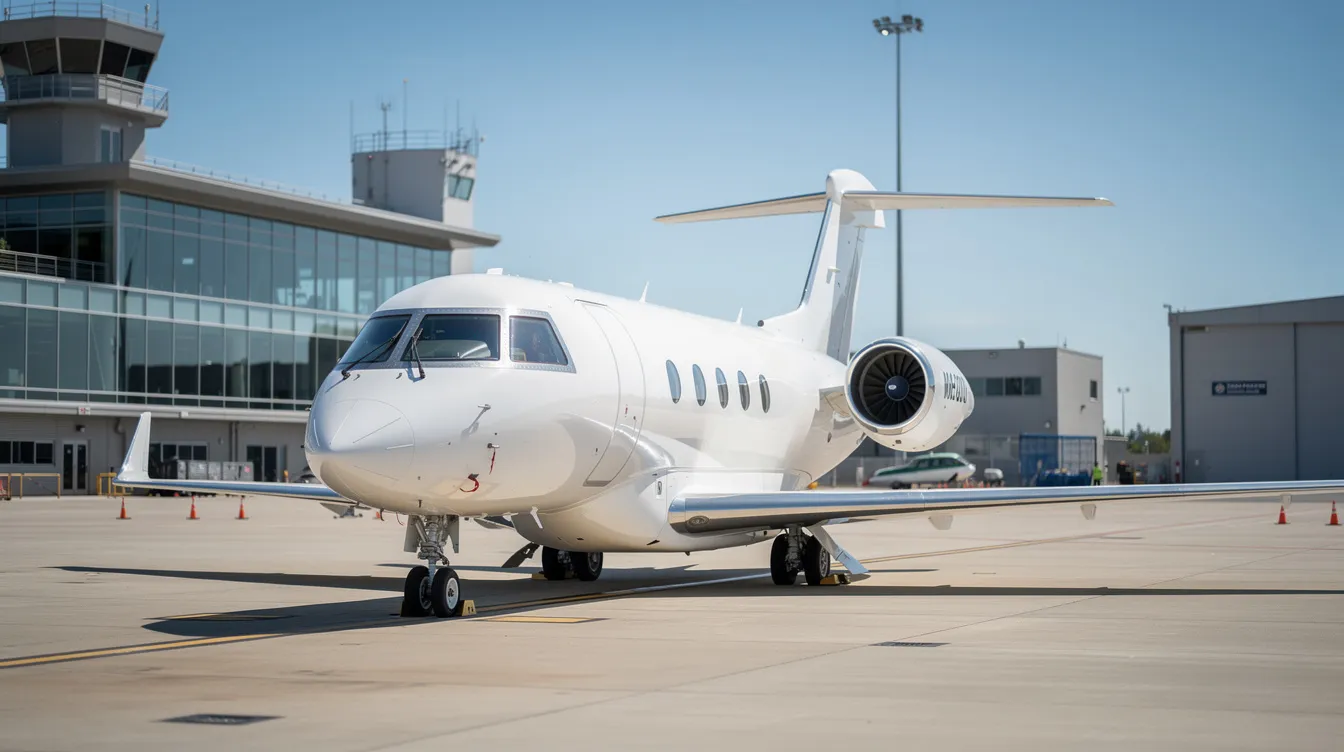
How much is it to purchase a private jet? In 2026, the realistic range starts around $2 million for an older, very light jet and climbs past $100 million for an ultra-long-range flagship like the Gulfstream G700, with annual operating costs that often add another $500,000 to $2 million or more, depending on the aircraft and how often you fly.
This guide is for executives, high-net-worth individuals, and families considering private jet ownership or alternatives. Understanding the true costs helps buyers avoid unexpected expenses and make informed decisions.
For corporate executives, high-net-worth individuals, and families weighing private jet ownership against charter, that headline number is only part of the decision. Owning a private jet means budgeting for operating costs per flight hour, fixed costs like crew and insurance, and unplanned maintenance events that can run into hundreds of thousands of dollars annually.
The price of a private jet is influenced by its size, age, condition, and performance capabilities, and the gap between acquisition cost and total ownership cost catches many first-time buyers off guard.
Jettly, a digital private aviation platform, often recommends charter access as an alternative for travelers who do not fly enough hours to justify owning a private plane outright, positioning itself as a flexible NetJets alternative for flying private without long-term fractional commitments.
This article breaks down concrete prices for aircraft from the Cirrus Vision Jet and Cessna Citation Mustang through Bombardier Global models, then walks through recurring operating costs, value drivers, pre-purchase inspections, financing, tax considerations, and when charter or fractional ownership may make more financial sense than buying.
Private jet ownership costs range from $2 million to $100 million.
This broad range covers all categories, from entry-level very light jets to ultra-long-range large jets.
Cost breakdown by jet category:
Very light jets: $2 million–$5 million (new)
Light jets: $3.5 million–$9 million (new)
Midsize jets: $5 million–$30 million (new and used combined)
Large jets: $25 million–$100 million (new)
Pre-owned aircraft typically cost 20–50% less than new models.
However, a pre-purchase inspection, engine program status, and avionics upgrades heavily influence true value.
Annual ongoing costs (crew salaries, hangar fees, private jet insurance, maintenance, and fuel) commonly run $500,000 to $2 million or more, depending on jet size and flight hours.
Operating costs for light jets are about $1,000 to $1,100 per flight hour, while annual operational costs for larger jets can exceed $1 million. Variable costs can reach $5,000 per flight hour.
Full ownership is economical for 200+ flight hours per year.
Below that threshold, on-demand charter access through platforms like Jettly is usually the more cost-effective option.
Operating and maintenance expenses accumulate over the aircraft's lifetime, making the total cost of ownership far more than just the purchase price.
Alternatives to ownership include charter, jet cards, fractional ownership, leasing, and membership programs.
These options provide flexibility and can be more cost-effective for those flying fewer hours annually.
Private jets are grouped by cabin size, passenger count, and range. The main categories are very light jets, light jets, midsize and super-midsize jets, and large cabin or ultra-long-range jets. Each aircraft class carries a distinct price band for both new and used aircraft.
|
Jet Category |
New Price Range |
Used Price Range |
|---|---|---|
|
Very light jets |
$2 million–$5 million |
$1 million–$3 million |
|
Light jets |
$3.5 million–$9 million |
$2 million–$6 million |
|
Midsize jets |
$5 million–$30 million |
$5 million–$30 million |
|
Large cabin/ultra-long |
$25 million–$100 million |
$20 million–$50 million |
New aircraft typically command a premium compared to older models of the same type.
Pre-owned jets can offer strong value, but condition, flight hours, and maintenance status can move the price by several million dollars in either direction.
Regional availability and post-pandemic fleet tightness still influence asking prices across the light jet market and other segments.
Next, let’s look at the entry point to jet ownership: very light jets.
The very light jet (VLJ) category covers private aircraft seating 4–6 passengers, often single-pilot capable, and suited to trips under roughly 1,000–1,200 nautical miles. Very light jets cost between $2 million and $5 million, making them the entry point for many private jet owners considering their first purchase.
These aircraft are popular because they combine lower purchase prices with simpler systems and relatively low operating costs per flight hour. They can also access smaller airports that larger aircraft cannot, saving ground travel time, especially when you use an airport locator tool to plan efficient routes and identify convenient local fields.
However, even VLJs require hangarage, insurance, routine maintenance, and pilot training. Annual budgets for a VLJ typically reach the low six figures at modest utilization.
The Cirrus Vision Jet is one of the cheapest private aircraft on the market. A new SF50 G2+ in 2026 generally lists for around $3.2–$3.6 million, depending on options. Pre-owned 2017–2020 examples trade around $2.1–$2.8 million.
Seating: 5 adults plus 2 small children
Range: ~1,200 nm
Single-engine design with whole-aircraft parachute system
Estimated direct operating cost: roughly $800–$1,000 per flight hour (fuel, routine maintenance, and engine reserves)
The Vision Jet appeals to owner-operators looking for a cost-effective option to enter jet ownership without the complexity of larger aircraft.
Pre-owned Eclipse 500s in 2026 commonly trade for around $1–$1.5 million, positioning them among the cheapest twin-engine private jets available. However, very low acquisition cost can be offset by more maintenance needs, including avionics updates and interior refreshes.
Buyers should verify parts availability and maintenance support on any older jets in this segment. The Eclipse's support network has stabilized over the years, but due diligence here matters more than on higher-production models. A Cessna Citation Mustang, by comparison, benefits from broader Cessna models' parts and service infrastructure.
For those needing more range and capacity, light jets offer a step up in both performance and price.
Light jets seat 6–8 passengers with ranges of around 1,500–2,000 miles, making them a core segment of business jets for regional and short cross-continental travel. New light jets cost between $3.5 million and $9 million, while well-maintained 5–10-year-old examples often sit in the $2–$5 million range.
Operating costs for light jets are about $1,000 to $1,100 per flight hour for fuel and routine items on simpler models, rising to $2,000–$3,000 per hour all-in for larger light jets. The Embraer Phenom 100 is a popular light jet option in this category, known for its balance of economy and cabin comfort, and it regularly appears in curated guides to the best charter airlines and private flight options for business travelers.
The Cessna Citation Mustang sits at the border of very light jets and light jets. Production ended in 2017, so all examples are pre-owned. In 2026, expect to pay roughly $1.5–$2.5 million, depending on the year, avionics, and engine program status.
Capacity: 4 passengers plus pilots
Range: ~1,150 nautical miles
Operating costs: ~$1,000–$1,100 per flight hour
The Mustang is known for simplicity, strong parts availability, and the ability to access smaller airports. Its lower pilot workload and manageable crew costs make it a favorite among owner-operators stepping up from turboprops.
A late-model Cessna Citation CJ3+ listed in North America in June 2026 was priced around $6.5–$7.7 million for well-equipped examples, illustrating the upper end of the new light jet pricing range.
Seating: 7–8 passengers
Range: ~2,000 nm (coast-to-coast with one fuel stop, or most intra-European missions nonstop)
Many CJ3+ aircraft are enrolled in engine and parts programs (e.g., TAP Blue, ProParts), which raise the acquisition price but stabilize long-term maintenance costs.
Jettly's charter marketplace frequently sources Citation models for clients who want light jet performance without full ownership costs. For a detailed look at private jet charter costs, buyers can compare charter rates against ownership budgets before committing.
If you require even more range, cabin space, and comfort, midsize and super-midsize jets are the next logical step.
Midsize and super-midsize jets offer 8–10 seats, stand-up cabins, and transcontinental capability with 2,000–4,000+ nm range. Midsize jets range from $5 million to $30 million, depending on whether buyers shop new or used. New models like the Cessna Citation Longitude or Embraer Praetor 600 typically list from $18–$25+ million, while older midsize aircraft can be found from $5–$15 million used.
Operating costs per flight hour rise into the $2,500–$4,000+ range for midsize jets, and fluctuating fuel prices are a major reason those hourly costs move upward from year to year, along with higher crew salaries and more complex maintenance schedules. Larger jets with greater passenger capacity cost more than smaller jets across every cost line item.
The Embraer Praetor 600 is a super-midsize jet with ~4,000 nm range and 8–10 passenger capacity. New-build list prices in 2026 hover around $24.5 million, while recent pre-owned examples command high-teens to low-$20 million prices.
Warranty status and inspection currency affect value significantly. A Praetor 600 available under full warranty will sell at a premium over one approaching its first major inspection.
These jets are popular with corporates doing regular intercontinental travel, where the spacious cabin and range justify the higher acquisition and operating costs.
The Challenger 300 family sits in the super-midsize segment with a robust fleet in North America and Europe. Pre-owned Challenger 300s in 2026 typically trade for $9–$15 million depending on age, engine programs, and avionics.
Aircraft with fresh pre-purchase inspections and Starlink connectivity command premiums over those needing work.
Buyers comparing options in this segment often weigh the Challenger 300 against similar jets like the Gulfstream G200 or Cessna Citation Latitude.
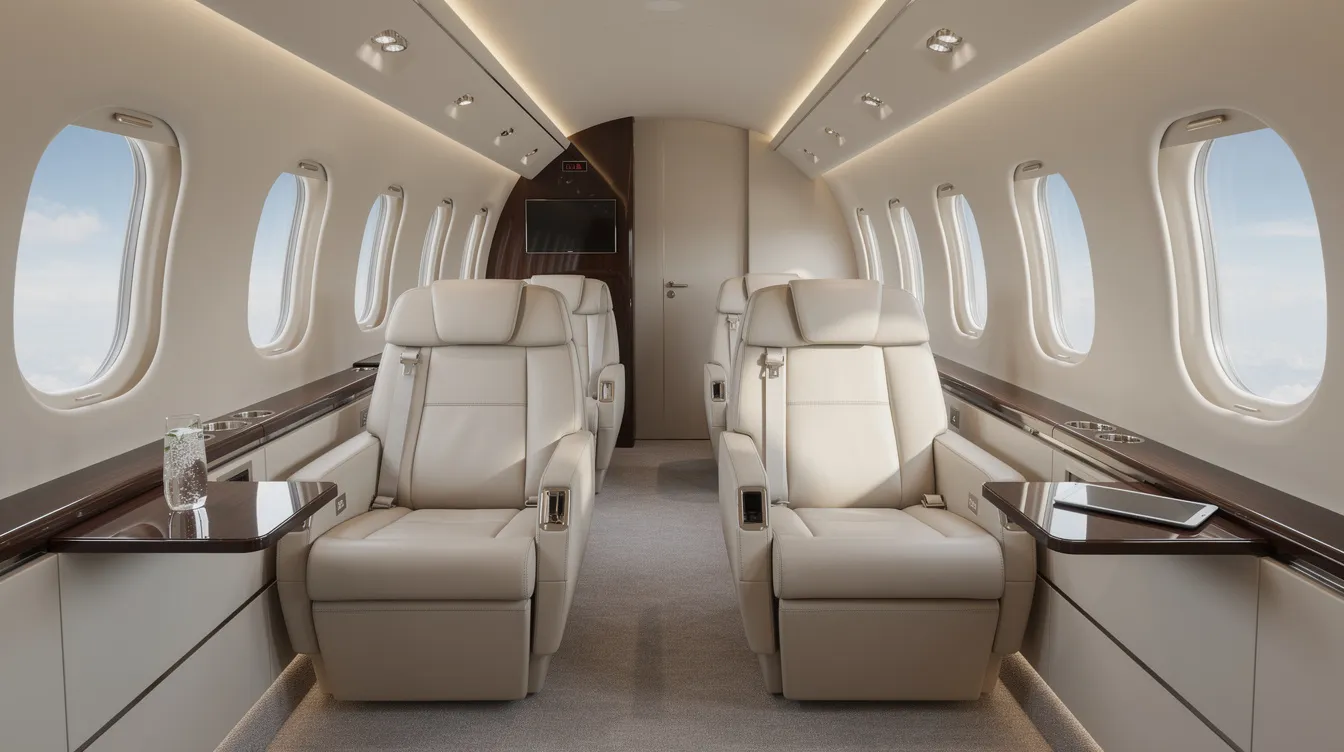
For those who demand the ultimate in range, luxury, and capacity, large cabin and ultra-long-range jets represent the pinnacle of private aviation.
This is the top tier of private jets: 12–19 passengers, full stand-up cabins, luxury amenities, and ranges of 6,000–7,500 nm. Large jets can cost between $25 million and $100 million new, with the most advanced ultra-long-range models exceeding that. Private jet ownership can exceed $100 million for large jets when interior customization and options are factored in.
Annual fixed costs alone for this category can exceed $2 million for active private jet owners, covering crew salaries, insurance, hangar fees, and management. These aircraft are typically purchased by large corporations, governments, or ultra-high-net-worth individuals who fly internationally hundreds of flight hours per year.
A 2026 listing for a Gulfstream G650 in the low-$40 million range with a recent 144-month inspection and modern connectivity (Starlink, KA-band) illustrates current pre-owned pricing. A new Gulfstream G700 commonly lists at about $75–$81 million, depending on interior and options.
Major inspections and enrollment in engine programs like Rolls-Royce CorporateCare have a substantial impact on resale value.
These aircraft can fly longer distances nonstop—New York to Tokyo, London to Buenos Aires—which is central to their value proposition for frequent flyers requiring global operation worldwide.
A Bombardier Global 6000 listed in the UAE in June 2026 carried an asking price of around $21 million with intercontinental capability. Newer Bombardier Global 7500s, especially low-time units, are frequently priced above $70 million.
Many Globals are enrolled in comprehensive maintenance programs (e.g., JSSI Complete), raising acquisition cost but protecting against large future maintenance bills, which is a key theme in any detailed guide to private jet maintenance costs.
These jets suit jet owners who need global reach and high cabin comfort, and who can justify the investment with consistent utilization. The Dassault Falcon 8X and 10X also compete in this segment at similar price points.
Next, let’s explore the key factors that influence private jet pricing beyond just size and brand.
Two jets of the same model can differ in price by millions. The primary drivers include:
Airframe age and pressurization cycles
Engine program enrollment and overhaul status
Avionics suite (compliance with FANS 1/A+, CPDLC, ADS-B)
Interior condition, connectivity, and customization level
Market demand and timing
Maintenance history significantly impacts the value of a private jet. Most jets depreciate 20–30% over their first five years, though aircraft staying current on engines and avionics depreciate more slowly.
Lower total flight hours and fewer pressurization cycles increase value. Well-documented maintenance with reputable service centers can make a 15-year-old midsize aircraft more attractive than a newer private aircraft with patchy records.
A rough rule of thumb: budget around 2% of the original aircraft price per year for routine maintenance on older pre-owned jets. Engine overhauls on larger aircraft often run $1–$2 million per engine and are factored into pricing and negotiation.
Modern avionics suites help jets hold value. Retrofitting old cockpits can cost hundreds of thousands to over a million dollars, so buyers often pay a premium for already-upgraded aircraft. High-speed internet packages and interiors refreshed in 2024–2026 add strong buyer appeal and can offset depreciation on the original purchase price.
Now that you know what drives the purchase price, let’s break down the ongoing costs of owning a private jet.
The total cost to own a private jet may include fixed and variable operating costs. Fixed costs are expenses that remain constant regardless of usage, such as hangar fees and insurance, while variable costs depend on flight hours, such as fuel and maintenance. Variable costs can reach $5,000 per flight hour.
Fixed costs:
Hangar rental fees: $30,000–$100,000 per year
Insurance: $20,000–$300,000 annually
Crew salaries and training: $200,000–$500,000+ for larger jets
Aircraft management fees: low to mid six figures annually
Subscriptions, charts, and compliance software: several thousand dollars annually
Annual fixed costs range from $500,000 to $2 million, depending on aircraft type and management structure.
Variable costs:
Fuel highest variable cost)
Maintenance (routine and unscheduled)
Maintenance reserves
Landing fees
Navigation charges
In-flight catering
Variable costs can reach $5,000 per flight hour for larger jets.
Operating costs for light jets are about $1,000 to $1,100 per hour.
Annual operational costs can exceed $1 million for larger jets.
Annual maintenance costs for midsize jets range from $1.25 million to $1.5 million.
Understanding these costs is essential before committing to ownership, as they can significantly impact your total budget over the aircraft's lifecycle.
|
Fixed Cost Item |
Annual Range |
|---|---|
|
Hangar fees |
$30,000–$100,000 |
|
Insurance |
$20,000–$300,000 |
|
Crew salaries & training |
$200,000–$500,000+ |
|
Aircraft management fees |
Low to mid six figures |
|
Subscriptions & compliance |
Several thousand dollars |
|
Total Fixed Costs |
$500,000–$2 million |
|
Jet Category |
Variable Cost Per Hour |
Annual Example (200 hrs/year) |
|---|---|---|
|
Very light jets |
$1,000–$1,500 |
$200,000–$300,000 |
|
Light jets |
$1,000–$1,100 |
$200,000–$220,000 |
|
Midsize jets |
$2,500–$4,000 |
$500,000–$800,000 |
|
Heavy jet / large cabin |
$3,500–$5,000+ |
$700,000–$1,000,000+ |
Maintenance reserves, landing fees, navigation charges, and in-flight catering also scale with mission profile. Higher fuel costs and more maintenance on larger aircraft push per-hour expenses significantly above VLJ levels. Recurring costs and variable costs together determine whether an aircraft flies economically at a given utilization rate.
With a clear understanding of ongoing costs, let’s discuss the importance of pre-purchase inspections and due diligence.
A thorough pre-purchase inspection (also called a pre-buy inspection) by an independent, certified maintenance organization is non-negotiable before buying a private jet outright. Key items reviewed include:
Airframe condition (corrosion, fatigue)
Engines and APU status
Landing gear and systems
Avionics compliance and functionality
Complete logbook and maintenance record review
Inspections typically cost tens of thousands of dollars but may reveal issues worth millions, making them essential for risk management and for keeping long-run private jet maintenance costs predictable. Title searches, lien checks, and regulatory compliance verification also form part of the transaction process for any private aircraft purchase.
Once you’ve completed due diligence, it’s time to determine if buying a jet is right for your usage profile.
Full jet ownership tends to become economical only beyond a certain annual utilization. For light jets, the break-even threshold often starts around 200–250 flight hours per year. For large jets, break-even may require 300+ hours.
Below these levels, fixed costs dominate. Consider: 100 hours per year on a chartered light jet through Jettly might cost $250,000–$350,000 total, while owning the same aircraft at 100 hours still means absorbing $400,000–$600,000 in fixed costs plus variable spend. Chartering a jet provides flexibility without ownership commitments, and for many travelers flying specific city pairs—for example, arranging a private jet charter in Kolkata, West Bengal—that math makes the decision straightforward.

If full ownership isn’t the right fit, there are several flexible alternatives to consider.
Many travelers who ask how many private jets they need—or whether to buy at all—end up favoring flexible alternatives. The main options include:
On-demand charter: Pay per trip, no capital outlay via a broad network of private charter aircraft
Jet cards: Pre-paid hours at fixed or capped rates with defined usage hours, which can be modeled using a jet card flight cost estimator
Fractional ownership: Purchase a share of an aircraft for guaranteed access while following a structured fractional jet ownership cost model
Leasing: Avoid the full purchase price while retaining regular access under customized private jet lease cost arrangements, with overall private jet lease costs shaped by aircraft type, term length, and usage
Membership programs: Subscription-based fleet access, often paired with predictable jet card programs and other perks
Jettly is a digital private jet charter marketplace giving instant pricing and booking across a wide range of aircraft, from very light jets to large cabin jets, effectively operating as a global catalog of private charter aircraft. Charter customers pay only for actual flight time and selected services, with no responsibility for maintenance, crew employment, or hangar costs, and can compare top private jet charter companies to find providers that match their safety and service expectations. Chartering a private jet eliminates ongoing ownership costs entirely.
The platform allows customers to choose the perfect aircraft size and aircraft type per trip. Flexibility is one of the key advantages of chartering, letting travelers book only when needed without the commitment of ownership. It can also reduce congestion and delays at airports through private-terminal access and more direct trip planning. Jettly also features empty-leg flights, one-way flights with no passengers on board that occur when jets return to base after a charter, and supports crowdsourced private jet flights that share empty seats to further reduce costs for price-sensitive travelers. Empty-leg flights offer discounts of up to 75% off regular rates, providing a cost-effective option for flying private on popular routes and illustrating how shared charter flights compare with full charters in terms of value and flexibility.
Ready to explore? Request a quote at https://www.jettly.com.
Fractional ownership allows sharing costs with 1/16th to 50% shares of an aircraft, granting a set number of flight hours per year plus monthly fees and hourly charges; a full overview of fractional jet ownership pros, cons, and costs can help clarify whether this model fits your flying profile. It distributes the burden of owning a private jet among multiple fractional jet owners, and an in-depth look at fractional private jet ownership advantages and drawbacks can highlight how it compares with full ownership or charter.
Leasing a private jet avoids high upfront costs and depreciation risks but still carries responsibility for many operating costs. It suits medium-term, high-usage flyers who want consistent access without committing several million dollars to acquisition.
Jet cards and membership programs offer pre-paid or subscription access at fixed hourly rates, and structured jet card programs with fixed hourly pricing can bridge the gap between ad hoc charter and owning an aircraft. Jettly's membership options deliver similar flexibility with transparent pricing and fewer long-term commitments, bridging the gap between scheduled airlines and full private jet ownership; tools like a jet card flight cost estimator make it easier to benchmark those options against ownership budgets.
Still have questions? The following FAQs address common concerns about private jet costs and ownership.
Most private jet owners and corporate flight departments operate a single primary jet, sometimes with charter access for backup during maintenance downtime or special missions. Very large corporations may hold a small fleet of 2–5 aircraft for different mission profiles, but this is the exception. A practical approach: start with one aircraft if utilization justifies it and use on-demand charter through Jettly to cover overflow or when the aircraft flies to maintenance.
Yes. Many buyers use financing or operating leases with terms of around 5–10 years. Interest rates for aircraft financing typically range between 6% and 8%, depending on credit quality and aircraft age. Financing adds interest expense on top of the purchase price and operating costs but preserves cash for other investments. Lenders may require stricter maintenance and insurance standards, which slightly increase ongoing costs but protect asset value.
In some jurisdictions, business use of a private jet can enable accelerated depreciation or other tax deductions, significantly reducing the net cost of ownership. Rules differ by country and region, and personal vs. business use must be tracked carefully. Consulting an aviation-savvy tax advisor before purchase is essential to structuring ownership in a compliant, tax-efficient way.
Airframes are designed for decades of use. Many private aircraft fly safely for 30+ years with proper routine maintenance to the manufacturer's and regulatory standards. In practice, corporate fleets typically refresh aircraft every 10–20 years, driven by technology updates, cabin preferences, or changing operating costs rather than structural limits. High total flight hours, cycles, or outdated avionics can reduce resale value and push owners to upgrade earlier.
For short regional trips under 1,000 miles, a light jet or very light jet is technically well-suited. But if total annual flight hours stay under 150–200 hours, on-demand charter through Jettly is usually more cost-efficient than bearing fixed ownership costs. Prospective buyers should track their travel for a year, price equivalent charter missions using Jettly's charter cost estimator, and compare those totals with ownership budgets before making a purchase decision.
Let’s wrap up with a summary of the key decision points for buying versus chartering a private jet.
How much is it to purchase a private jet? Anywhere from about $2 million for an entry-level very light jet to over $100 million for a large, ultra-long-range aircraft, with substantial ongoing costs on top. The right decision depends on annual flight hours, route patterns, preferred aircraft category, and appetite for managing complex recurring costs.
For many executives and families flying under 200 hours a year, charter access via a platform like Jettly offers most of the benefits of flying private without the burdens of owning a private plane, whether they’re booking regional trips or longer routes such as private jet charter in New Delhi. Jet owners flying above that threshold may find ownership or fractional ownership more economical, particularly for those with consistent schedules and predictable mission profiles.
Ready to experience private travel on your own schedule? Explore charter options, compare aircraft, or get an instant quote at https://www.jettly.com.
Share this post:
Jay Franco Serevilla
Jul 3, 2026
|
5
min read
Discover tips and trends in the industry.
5
min read
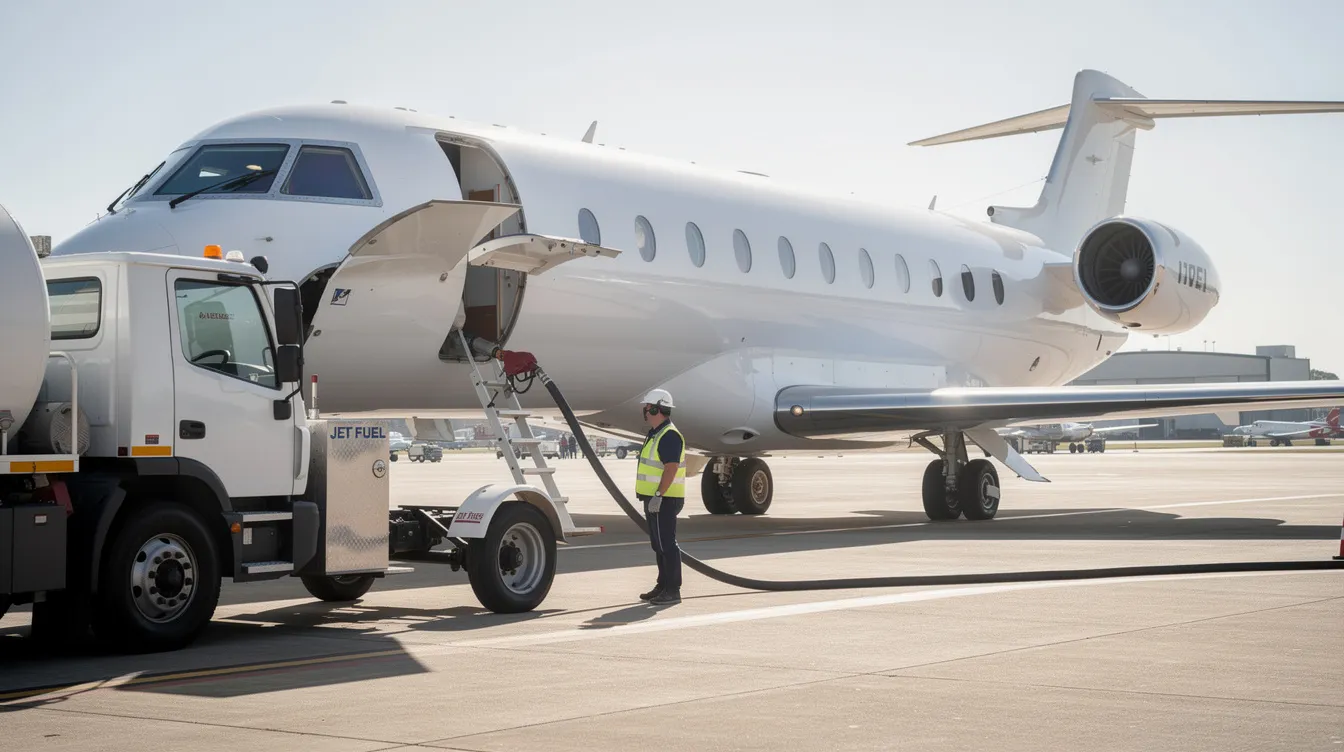
Aviation Fueling: Jet Fuel, Avgas, and How Safe Refueling Works for Private Jets
Aviation fueling is a critical process for private jets, ensuring safety and efficiency through stringent regulations and quality checks. This guide explores the types of aviation fuels, the fueling process, and the importance of proper fuel management for charter flights. Understanding these elements is essential for travelers to appreciate how they impact flight safety, range, and costs.
Read More
5
min read
How Far Out Should You Book International Flights? (And When It Really Pays Off)
Knowing when to book international flights can save you significant money. Generally, aim to book 3 to 6 months in advance for economy fares, and 6 to 9 months for peak seasons. Understanding the best booking windows and seasonal trends is crucial for securing the best deals.
Read MoreStay updated with our latest insights and tips to elevate your journey with us.
MEMBERSHIPS AND ASSOCIATIONS



Disclaimer: Jettly operates as a charter broker, offering access to a global digital jet charter marketplace. Jettly is not a direct air carrier and does not own or operate aircraft. All advertised flights are conducted by third-party air carriers that are fully licensed and hold the appropriate Part 135 or Part 121 certifications issued by the Federal Aviation Administration (FAA) or equivalent regulatory authorities under U.S. or foreign law. Jettly complies fully with the U.S. Department of Transportation's Part 295 and Part 298 Charter Broker regulations. Jettly does not carry additional liability insurance. Passengers are covered by aircraft operator insurance. TICO: 50023770


