



Login
Get Instant Pricing On 23,000+ Aircraft

>
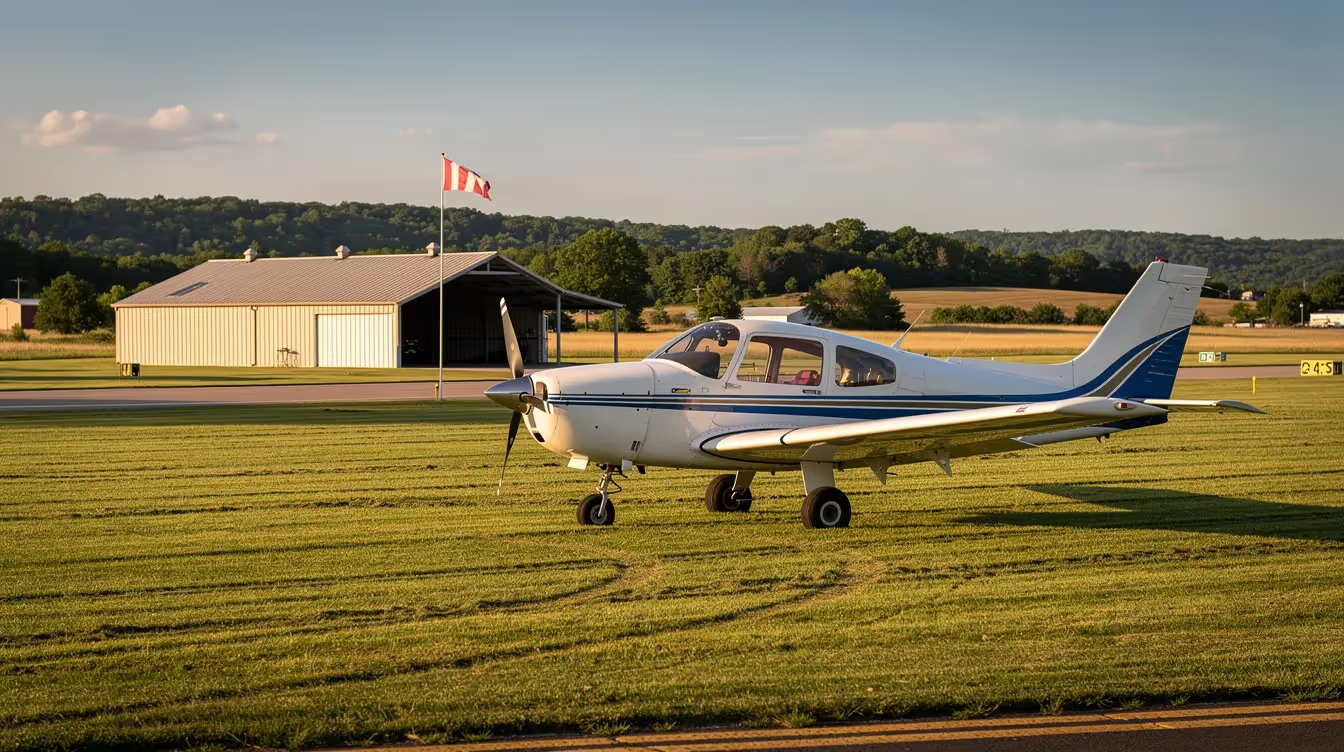
If you’ve ever wondered how much a plane costs, the answer depends heavily on what you’re looking for. A used two-seat trainer can start around $15,000 to $25,000, such as the popular Cessna 150, known for its ease of maintenance and fuel efficiency, while a brand-new large business jet can exceed $75 million. Between those extremes sits a spectrum of aircraft types—airplanes ranging from ultralight aircraft priced between $8,000 and $15,000 new, small piston planes costing $15,000 to $100,000, to turboprops and private jets—each with its own purchase price, operating requirements, and long-term financial implications. Financing options with terms up to 20 years and down payments as low as 15–20% are available to help buyers manage the purchase cost of airplanes, with lenders considering factors such as credit score, aircraft type, and intended use.
This article breaks down 2026 aircraft pricing by category, highlights several factors that influence the total cost of buying and owning a plane, explains the ongoing expenses that many buyers underestimate, and explores when on-demand charter through platforms like Jettly makes more financial sense than ownership.
Used small planes like Cessna 150/152 trainers typically cost $15,000–$80,000 in 2026, while new single-engine pistons like the Cirrus SR22 approach $1 million.
Light jets commonly range from $3 million used (about 50% less than new) to $12 million new; large business jets like the Gulfstream G650ER can exceed $75 million.
Ownership costs, including fuel, maintenance, insurance, crew salaries, and hangar fees, often equal or exceed the initial purchase price over 5–10 years, with annual operating costs for private airplanes often ranging from $500,000 to over $1 million.
Higher total flight hours on an aircraft generally indicate more wear and tear and lead to a decrease in value, making detailed and organized maintenance logbooks essential for maintaining an aircraft’s value.
For travelers flying under 150 hours annually, on-demand charter through Jettly frequently proves more cost-effective than full ownership.
The article compares buying versus chartering with real-world examples and budgets to help readers make informed decisions.
The question “how much is a plane to buy?” has no single answer. A basic two-seat trainer can be yours for under $30,000, while commercial airliners trade at $50 million or more. Most buyers fall somewhere between these extremes, targeting four-seat pistons, turboprops, or light jets depending on their mission and budget. Other aircraft, such as gliders and ultralights, are often chosen for recreational flying and are significantly more affordable, though they offer less range and are more weather dependent compared to powered aircraft.
Aircraft prices are heavily influenced by factors such as age, maintenance history, avionics upgrades, and supply and demand dynamics; economic growth can lead to higher prices due to increased demand. Depreciation of new jets creates a strong market for pre-owned models, with popular light jets starting around $1.5–$2.5 million, while new large cabin jets can exceed $75 million.
Here are typical 2026 price ranges by aircraft category:
Used two-seat trainers (Cessna 150/152): $15,000–$80,000 for airworthy trainers with mid-time engines
Used four-seat pistons (Cessna 172, Piper Cherokee): $60,000–$300,000 depending on avionics and engine time; these are popular for family travel, with cabin space being a key factor for comfort and functionality
New single-engine pistons (Cirrus SR22): $600,000–$1,000,000
Turboprops (Pilatus PC-12, King Air 250): $1 million–$4 million new; $1 million+ used
Light jets (Citation CJ3+, Phenom 300E): $3 million–$12 million new; ~$1.5 million–$3 million used
Large-cabin jets (Gulfstream G650ER, Global 7500): $55 million–$80 million+ new
Commercial airliners (Boeing 737 MAX, Airbus A320neo): $50 million–$120 million list price
Used single-engine planes generally range from $15,000 to $80,000, making them accessible for budget-conscious buyers. Fractional ownership shares can start around $500,000–$850,000, offering a lower entry point into private aviation by sharing costs and responsibilities; comparing the best fractional jet ownership companies and understanding fractional private jet ownership pros and cons helps determine if this model fits your needs.
Most buyers enter aircraft ownership through piston-powered single-engine planes. These small aircraft serve personal recreation, pilot training, and short cross-country flights. The market for used models remains active, with many options for budget-conscious buyers considering a small plane purchase, which also involves taxes, registration requirements, and financing options.
Typical 2026 used prices for popular models:
Cessna 150/152: $15,000–$80,000 for airworthy trainers with mid-time engines
Cessna 172 (legacy models): $70,000–$200,000 depending on engine hours and avionics
Piper PA-28 Cherokee 140/180: $60,000–$150,000
Vintage singles (Stinson 108, Ercoupe, Luscombe 8A, Cessna 140): $25,000–$50,000 for many examples
The initial purchase price tells only part of the story. Buyers should budget for:
Pre-purchase inspection: $1,000–$3,000
Immediate maintenance catch-up if deferred work exists
Avionics modernization (ADS-B compliance, GPS upgrades)
Maintenance and inspection costs are an important factor in the total cost of ownership, as they can significantly impact ongoing budgeting and aircraft selection decisions. Maintenance costs for small aircraft typically range from 10% to 45% of the total yearly operating expenses, depending on the type and class of the aircraft.
Newer used four-seat pistons with IFR-capable glass cockpits can approach $250,000–$300,000. According to Pilot Institute, factors like total airframe hours, recent annual inspections, and installed avionics significantly influence pricing.
For most buyers, getting a Private Pilot License first and renting different types helps clarify whether the intended use is local fun flights or serious cross-country family travel, and resources outlining affordable airplane rental costs and options can further inform those decisions.
Turboprops and light jets represent the next tier for business purposes and longer-range private travel. These aircraft offer 250–350 knot cruise speeds and ranges exceeding 1,000 nautical miles.
Typical 2026 prices for turboprops and light jets:
Single-engine turboprops (Pilatus PC-12 NGX, Daher TBM 960): $4 million–$6 million new; $2 million–$4 million used
Twin turboprops (Beechcraft King Air 250/350): $7 million–$9 million new; $2 million–$6 million used
Very light jets (HondaJet, Cirrus Vision Jet SF50, Phenom 100): $3 million–$6 million new
Light jets (Cessna Citation CJ3+, Embraer Phenom 300E): $9 million–$12 million new; $3 million–$8 million used
Beyond the purchase price, these aircraft require:
Professional crews for some models
Higher insurance premiums (2–5% of hull value annually)
Intensive maintenance programs with engine reserves of $300,000+ per year
Annual operating budgets for jets often include fixed costs like insurance and crew salaries, which can total $350,000 to $500,000 or more per year. Fuel costs can represent up to 70% of variable operational costs, making fuel efficiency a critical factor in ownership expenses.
Many business travelers at this level choose charter memberships or jet cards instead. Platforms like Jettly offer private jet memberships with access to multiple aircraft types without maintenance risk or crew management responsibilities.
Large-cabin business jets and commercial airliners represent corporate or fleet purchases rather than individual acquisitions. These specialized planes serve ultra-high-net-worth families, corporations, and governments.
2026 pricing for large jets:
Super-midsize jets (Challenger 3500, Citation Longitude): $23 million–$30 million new
Large-cabin long-range jets (Gulfstream G650ER, G700, Global 7500, Falcon 8X): $55 million–$80 million+ new
Used large-cabin jets (2000s-era Gulfstream IV/V, Global Express): $15 million–$35 million
Commercial airliner pricing:
Narrow-body (Boeing 737 MAX, Airbus A320neo): $50 million–$120 million list price
Wide-body (Boeing 787, Airbus A350): $150 million–$350 million list price
These aircraft require multi-person flight crews, cabin attendants, and dedicated maintenance teams, as well as robust security measures to safeguard them from theft or vandalism, especially when stored in hangars or outdoor areas. Operating costs climb to $8,000+ per hour for large-cabin jets, with annual operating costs for private airplanes often ranging from $500,000 to over $1 million.
For individuals or small companies needing occasional large-group travel, chartering through a marketplace like Jettly proves far more practical than purchasing, especially when leveraging its private charter aircraft network and broader insights from a guide to charter airlines and private flights.
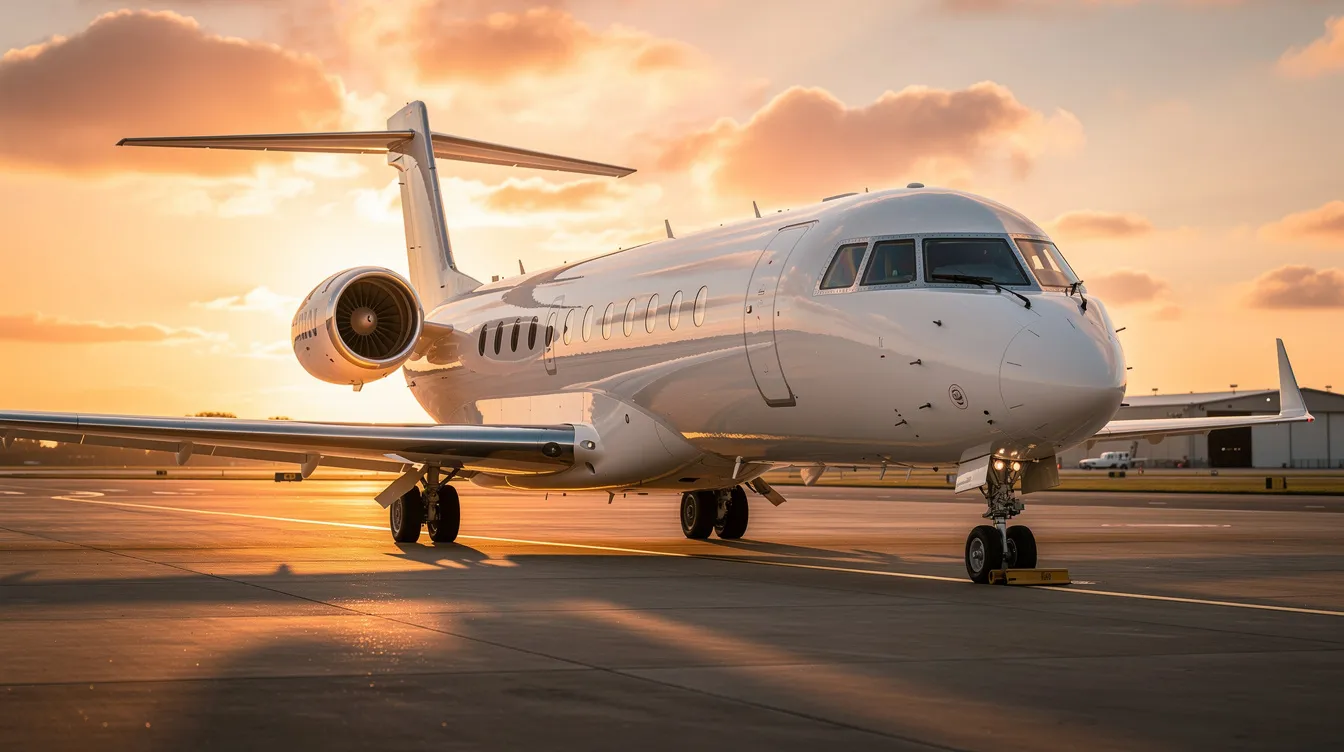
The sticker price represents only part of how much a plane really costs. Ongoing costs, maintenance costs, and capital expenses often dominate the overall cost over time.
Annual ownership costs for a modest four-seat piston (100 hours/year):
|
Cost Category |
Typical Annual Range |
|---|---|
|
Hangar/tie-down |
$1,200–$8,400 |
|
Insurance |
$800–$3,000 |
|
Annual inspections |
$800–$2,000 |
|
Fuel (100 hrs at 8–10 gph) |
$4,000–$8,000 |
|
Oil changes, routine maintenance |
$500–$1,500 |
|
Total before reserves |
$7,300–$22,900 |
Fixed costs: Storage costs at rural airports run $100–$200/month; urban FBOs charge $700–$2,000+
Inspection costs: Required annual inspections verify airworthiness and AD compliance
Variable costs: Fuel burn rates, oil changes, tires, and unexpected repairs
Reserve funds: Engine overhaul ($25,000–$40,000 for pistons; $300,000+ for turbines)
Many owners set aside $25–$80 per flight hour as reserves for engine and major maintenance. This additional costs buffer prevents financial surprises when overhaul time arrives and ties into broader considerations covered in detailed breakdowns of how much a private jet costs.
For jets and turboprops, hourly all-in costs range from $2,000–$2,500 for light jets to $8,000+ for large-cabin aircraft once crew, fuel costs, and maintenance programs are included, making tools like a private jet charter cost estimator and guides on how much to rent a private jet useful for budgeting specific trips.
Higher total flight hours on an aircraft generally indicate more wear and tear and lead to a decrease in value. Aircraft values are heavily tied to regulated maintenance intervals and documented care, often called 'pedigree.' Detailed and organized maintenance logbooks are essential for maintaining an aircraft's value.
Aircraft ownership provides maximum control—you choose maintenance schedules, customizations, and availability. However, this control comes with capital risk, depreciation, and substantial other expenses.
On-demand charter flips this equation. Travelers pay per trip, access different aircraft types, and avoid asset risk entirely, while resources explaining how much to rent a private jet can clarify expected per-trip budgets.
Annual utilization exceeds 150–250 flight hours
The aircraft serves consistent business routes
Pilots' association or company structure supports full-time crew
Annual flying totals 20–80 hours
Route flexibility matters (different destinations, varying passenger counts)
Capital could be better deployed elsewhere
A traveler flying New York–Miami and Toronto–Vancouver 10–15 times annually in a light jet faces significant ownership costs. Between acquisition, depreciation, hangar fees, crew salaries, and maintenance, the total cost can exceed $1.5 million annually for a light jet.
That same travel pattern through Jettly’s charter marketplace might cost $250,000–$350,000 in total charter spend—with no depreciation risk, no crew management, and no maintenance surprises.
Benefits of charter platforms like Jettly include, in addition to offering affordable private jet charter:
Access to 20,000+ aircraft worldwide
Ability to match aircraft to mission (turboprops for short hops, heavy jets for groups)
Transparent, trip-based pricing
Digital booking with instant quotes
Jettly operates as a digital private jet charter marketplace, not an aircraft seller. The platform connects travelers with private aviation benefits without the burden of buying a plane.
On-demand access to over 20,000 aircraft, from small planes to long-range jets
Transparent pricing for specific routes, eliminating ownership overhead guesswork
Empty-leg flight options offering discounts on repositioning segments
Membership tiers for frequent flyers reduce per-trip costs
Executives needing flexible schedules on routes like New York–Miami, Los Angeles–Las Vegas, or Toronto–Vancouver
Families planning a few annual leisure trips who cannot justify multimillion-dollar aircraft ownership
Travelers who want private terminal access and shorter check-in times without long-term financial commitments
The platform eliminates scheduling hassles of fractional ownership while providing more flexibility than owning a single aircraft type.
Learn more about charter options and get instant pricing at Jettly.

Fractional ownership divides acquisition and operating costs among multiple aircraft owners. For example, four pilots purchasing a $1.6 million aircraft each contribute $400,000 plus shared annual costs of around $100,000 total.
This model reduces individual financial burden but requires rigid scheduling coordination among owners. Shared ownership still carries maintenance, insurance, and storage costs that charter customers avoid entirely.
For pilots flying only occasionally, charter or flying club membership often provides more flexibility than fractional ownership while eliminating asset responsibilities, especially when considering shared charter flights versus full charters or using platforms that let you crowdsource private jet flights and share empty seats.
Pilot training for a Private Pilot License in North America typically costs $12,000–$20,000 in 2026. This includes ground school, aircraft rental, instructor time, examination fees, and checkride costs.
Most students log 50–70 flight hours even though legal minimums are lower. Additional ratings like Instrument (IFR) or multi-engine planes certification commonly add $5,000–$12,000 each, but improve safety margins and may reduce insurance premiums.
Those who only want to fly as passengers require no license—simply book through a charter platform like Jettly.
New aircraft and ultralight aircraft typically depreciate fastest in the first 5–10 years, with models range losing 30%–40% of value within five years, depending on market demand.
Aircraft condition matters significantly. Older airframes with modern avionics upgrades and fresh engines can maintain resale appeal, while high-time engines and damage history reduce value sharply.
Charter users avoid depreciation risk entirely—they pay trip-based rates without holding an asset that loses value, and can use guides explaining one private jet flight cost to understand what drives those trip-based prices.
Common upgrades include glass cockpit avionics, ADS-B transponders, GPS navigators, autopilots, and interior refurbishments. These improvements enhance safety, performance, and flight comfort.
Budget considerations:
Avionics upgrades: $10,000–$50,000
Interior refresh: $5,000–$20,000
Engine overhaul: $25,000–$40,000 for pistons
For some older airframes, the combined purchase plus upgrade costs approach the price of newer used aircraft with upgrades already completed. A thorough pre-purchase inspection reveals whether a “project” airplane makes financial sense versus buying a flight-ready one.
For a handful of trips annually, owning a plane is rarely cost-effective. Fixed expenses like hangar fees, insurance, and annual inspections accrue regardless of how many hours you fly.
On-demand charter through Jettly provides private aviation access without capital investment, maintenance responsibilities, or pilot training requirements. Travelers simply book specific flights when needed, and some may also explore private jet lease costs as a middle ground between ownership and pure on-demand charter.
Occasional flyers can also take advantage of empty-leg deals, which offer 30–70% savings on repositioning flights. Travelers comparing programs like NetJets with on-demand charter may find that a NetJets alternative like Jettly delivers similar flexibility at lower overall cost. Compare your estimated annual ownership budget with several charter quotes to see the financial difference clearly.
Understanding how much a plane costs requires looking beyond the purchase price tag:
Basic used personal aircraft start under $50,000; modern single-engine pistons approach $1 million
Turboprops and light jets typically range from $1 million to over $12 million
Large business jets and airliners exceed $60 million–$100 million+
Operating expenses over a decade can match or exceed the initial purchase price
The real decision isn’t just about cost—it’s whether ownership or chartering delivers better value for your actual flying hours and typical routes. For most buyers flying under 150 hours annually, or those wanting flexibility across aircraft types, on-demand charter through Jettly offers private aviation benefits without the financial burden.
Ready to experience private travel on your terms without owning a plane? Explore flight options or request a quote at Jettly.
Share this post:
Jay Franco Serevilla
Apr 18, 2026
|
5
min read
Discover tips and trends in the industry.
5
min read
Private Jet Membership: How Modern Jet Memberships Work (and When Jettly Makes More Sense)
Private jet memberships offer travelers flexible access to private aviation without the hefty costs of ownership. Jettly provides a modern alternative with transparent pricing and no large deposits, making it ideal for frequent flyers. Understanding the different membership models can help you choose the best option for your travel needs.
Read More
5
min read
Private Jet Membership: How to Choose the Right Membership for the Way You Fly
Choosing the right private jet membership is crucial for maximizing value and flexibility in private aviation. This guide outlines the different membership structures, including jet cards, fixed-fee subscriptions, and deposit-based programs, helping travelers make informed decisions based on their flying habits. Jettly's on-demand charter service offers a compelling alternative, allowing users to avoid large upfront commitments while enjoying transparent pricing.
Read MoreStay updated with our latest insights and tips to elevate your journey with us.
MEMBERSHIPS AND ASSOCIATIONS



Disclaimer: Jettly operates as a charter broker, offering access to a global digital jet charter marketplace. Jettly is not a direct air carrier and does not own or operate aircraft. All advertised flights are conducted by third-party air carriers that are fully licensed and hold the appropriate Part 135 or Part 121 certifications issued by the Federal Aviation Administration (FAA) or equivalent regulatory authorities under U.S. or foreign law. Jettly complies fully with the U.S. Department of Transportation's Part 295 and Part 298 Charter Broker regulations. Jettly does not carry additional liability insurance. Passengers are covered by aircraft operator insurance. TICO: 50023770


