


Login
Get Instant Pricing On 23,000+ Aircraft

>
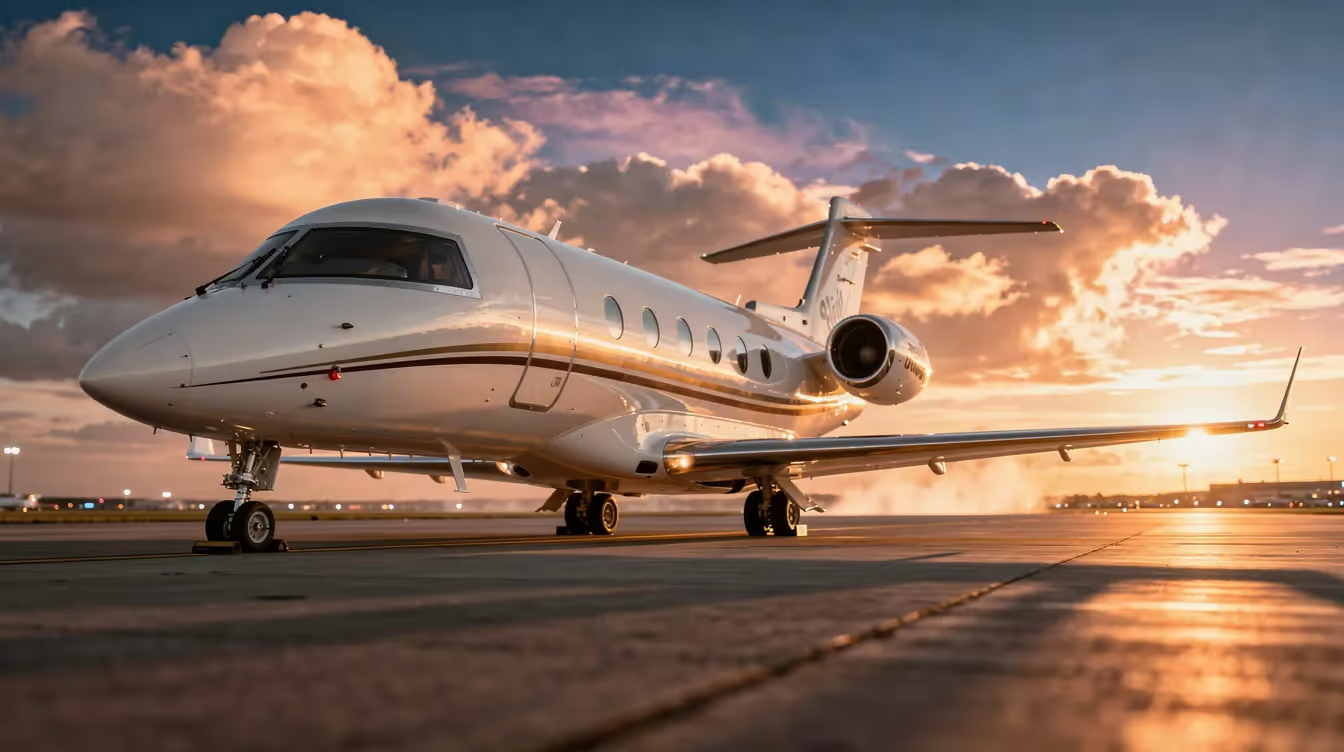
Understanding how much fuel a private jet uses is essential for anyone considering charter flights or evaluating operating costs in private aviation. Whether planning a quick regional hop or a transcontinental business trip, fuel consumption directly shapes charter pricing and aircraft selection. This guide breaks down the numbers, factors, and real-world examples that help travellers make informed decisions.
The average fuel burn for private jets varies by class: light jets typically burn around 120–260 gallons per hour, midsize jets consume approximately 220–350 gallons per hour, and heavy or ultra-long-range jets use roughly 340–500+ gallons per hour, depending on conditions.
Private jets typically consume between 77 and 672 gallons of fuel per hour, depending on size, with smaller private jets typically consuming about 100–200 gallons per hour, while larger jets can consume between 300–500 gallons per hour.
A practical example: a 2-hour New York–Miami flight on a midsize jet might use approximately 450–600 gallons of Jet A fuel, depending on winds and aircraft type.
Fuel represents one of the highest operating costs in private aviation, with fuel expenses often ranging from $500 to over $2,000 per hour, depending on aircraft size and fuel consumption rates (fuel cost per hour is a key metric for trip planning and cost comparison).
Modern, fuel-efficient jets and smart routing help reduce both average fuel burn and environmental impact—Jettly focuses on matching travellers with the right-sized aircraft for each mission.
How much fuel does a private jet use? The answer depends on several key factors: aircraft category (light, midsize, heavy, or ultra-long-range), flight time, total weight, and weather conditions. A very light jet might burn 80–150 gallons per hour, while an ultra-long-range jet could consume over 500 gallons per hour during cruise.
Total fuel burn isn’t simply about distance on a map. Fuel planning covers all phases of flight: taxi out, takeoff, climb, cruise, descent, approach, taxi in, and mandatory legal reserves for diversions and holding. The two main types of jet fuel are Jet A and Jet A-1, which are produced to standardised international specifications. Jet A fuel has a freezing point of -40°C (-40°F), while Jet A-1 has a lower freezing point of -47°C (-53°F), making Jet A-1 more suitable for international flights in colder climates. Jet B is a lighter fuel with a lower freezing point than both, primarily used in extremely cold environments such as Alaska or Canada during the winter months. In contrast, small piston aircraft use a different fuel, such as Avgas, which has distinct properties and cost considerations compared to jet fuel.
Jet fuel must adhere to stringent quality standards, including properties like freezing point, flash point, and thermal stability, to ensure safety and efficiency in aircraft operations. Dispatchers calculate “block fuel” for each mission, which includes trip fuel, alternate airport fuel, regulatory reserves (typically 30–45 minutes), and operator comfort margins. Jettly’s technology and partner operators handle this planning in the background, delivering all-in quotes rather than requiring clients to perform raw fuel math.
Implementing fuel efficiency strategies is crucial for private jet owners and operators to minimise fuel costs and reduce their environmental impact. These strategies include optimising flight planning and routing, reducing aircraft weight, adopting fuel-efficient operational procedures, and investing in modern, fuel-efficient aircraft technologies.
Different jet classes carry vastly different amounts of fuel, which translates directly into nonstop range and hourly fuel burn rates. Understanding fuel capacity helps explain why certain aircraft can fly coast-to-coast while others excel on regional routes, and why Jettly’s broad selection of private charter aircraft spans everything from very light jets to ultra-long-range models.
Approximate fuel capacity by category:
|
Aircraft Category |
Typical Fuel Capacity |
Approximate Range |
|---|---|---|
|
Very Light/Light Jets |
2,000–4,000 lbs (300–600 gallons) |
1,500–2,500 nm |
|
Midsize Jets |
7,000–12,000 lbs (1,000–1,800 gallons) |
2,500–4,000 nm |
|
Heavy/Long-Range Jets |
20,000–35,000+ lbs (3,000–5,200+ gallons) |
5,000–7,500+ nm |
Fuel capacity is typically specified in pounds or kilograms by manufacturers, with an approximate conversion of 6.7–7.0 lbs per US gallon for Jet A. Well-known models like the Embraer Phenom 300 (light jet) carry around 2,200 lbs, the Cessna Citation XLS+ (midsize) holds approximately 5,700 lbs, the Bombardier Challenger 650 carries roughly 13,000 lbs, and the Gulfstream G650ER can hold over 44,000 lbs for maximum range missions.
Jettly uses aircraft size and fuel capacity to recommend appropriate options for missions like Toronto–Vancouver, New York–Los Angeles, or London–Dubai, ensuring clients fly on aircraft optimised for their specific route, similar to how travellers might evaluate the best cross-country plane for their travel journey.
Fuel consumption is usually expressed as gallons per hour (GPH) or pounds per hour (PPH) and varies significantly by aircraft class. The average fuel burn for each jet class serves as a useful benchmark: light jets typically consume around 120–200 gallons per hour, midsize jets average 200–300 gallons per hour, and heavy jets can use 300–500 gallons per hour or more. The fuel consumption of private jets varies significantly based on their size and type, with light jets being the most fuel-efficient and heavy jets consuming the most fuel per hour.
Understanding these ranges helps travellers anticipate running costs and explains why some aircraft quote higher hourly rates than others on Jettly’s platform. The following breakdown uses typical ranges based on published data and real-world charter experience from 2023–2026.
Very Light and Light Jets are the most fuel-efficient private aircraft, burning 120–220 gallons per hour in typical operations. More broadly, very light and light jets generally consume around 77–239 gallons per hour, depending on model and conditions. Turboprops are the most fuel-efficient in private aviation, typically consuming 58–100 gallons per hour.
Modern light jets typically burn roughly 140–200 gallons of fuel per hour, compared to 160–220 gallons for older models. Concrete examples include:
Embraer Phenom 300: approximately 183 GPH
Cessna Citation CJ4: approximately 209 GPH
HondaJet Elite: approximately 118–120 GPH
Cessna Citation Mustang: approximately 90 GPH
These aircraft usually seat 4–8 passengers and excel on routes like Los Angeles–Las Vegas, London–Geneva, or New York–Boston. Lower fuel burn makes light jets attractive for frequent regional travellers seeking cost-conscious private jet options through Jettly. However, while hourly burn is lower, fuel per mile on very short segments can be relatively high because takeoff and climb phases are fuel-intensive.
Midsize and Super-Midsize Jets consume approximately 200–336 gallons per hour in cruise operations, with higher burn during climb. These aircraft represent the workhorse category for charter travel, balancing cabin space, range, typical private jet passenger capacity, and overall private jet rental costs.
Example models and typical cruise fuel burns:
Gulfstream G150: approximately 230–260 GPH
Hawker 800XP: approximately 250–300 GPH
Cessna Citation XLS+: approximately 220–260 GPH
Bombardier Challenger 350: approximately 297 GPH
Embraer Praetor 500: approximately 248 GPH
These jets commonly seat 7–10 passengers and handle trips such as New York–Miami, Chicago–Los Angeles, or Paris–Dubai (with or without a fuel stop depending on type). Midsize jets balance cabin comfort, range, and fuel economy, often becoming Jettly’s recommended choice for cross-country business travel.
Cost example: At $6.50 per gallon, a 3-hour flight burning 280 GPH uses 840 gallons and roughly $5,460 in fuel alone—before crew, maintenance, and other operating costs.
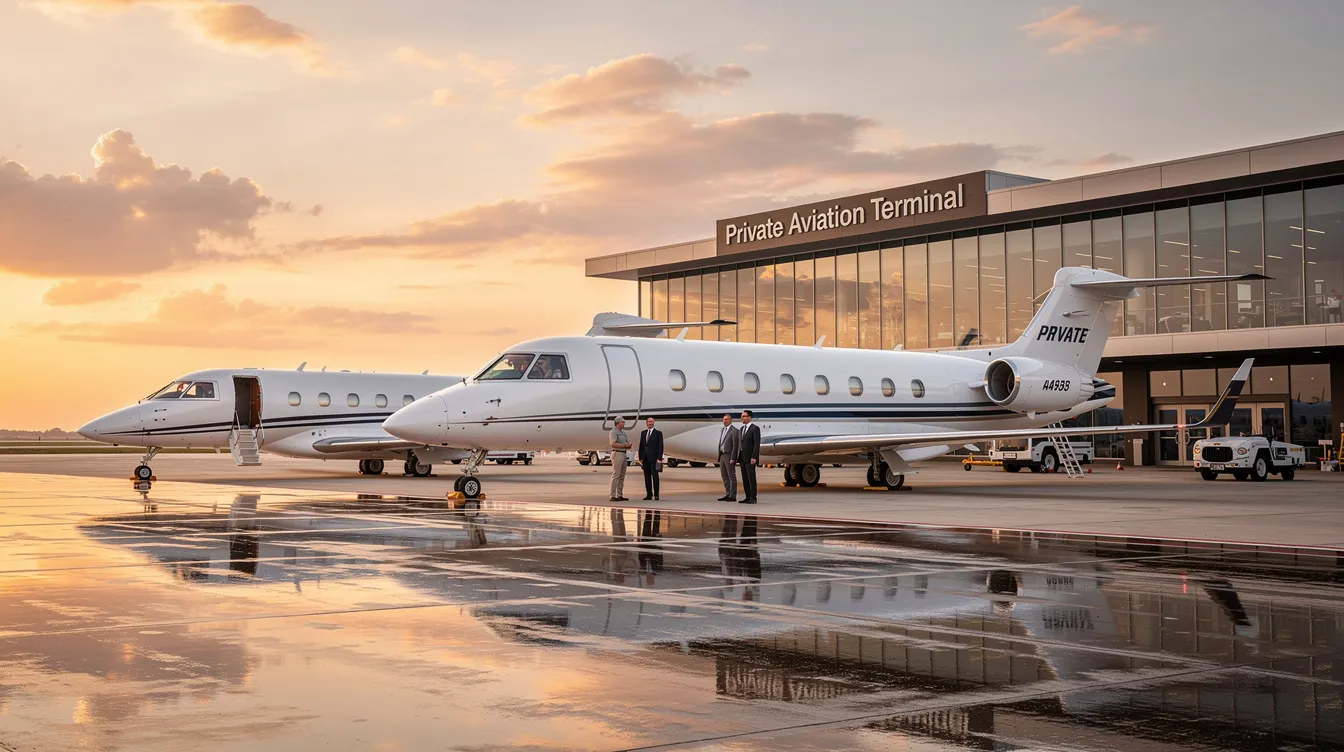
Large/Long-Range Jets have fuel consumption rates from 300 to 672 gallons per hour, reflecting their size and intercontinental mission profiles. Larger private jets generally consume more fuel than smaller jets, leading to higher fueling costs, especially for long-haul flights.
Specific examples include:
Bombardier Global 7500: approximately 528 GPH
Bombardier Global 6000: approximately 400–450 GPH
Gulfstream G650/G650ER: approximately 380–430 GPH (long-range cruise)
Dassault Falcon 7X: approximately 300–350 GPH at efficient settings
Large cabin jets often carry 10–16 passengers and connect city pairs like New York–London, Los Angeles–Tokyo, or Dubai–Singapore nonstop. While hourly fuel burn is high, fuel per seat can become competitive when the cabin is well utilized—especially for corporate groups splitting costs across multiple travelers.
Jettly typically surfaces larger jets for long-haul and multi-city itineraries where nonstop capability and onboard workspace justify the additional fuel usage.
Total fuel burn is not fixed—it changes with aircraft weight, distance, weather conditions, routing, and operational decisions. Planning tools account for these variables in real time, allowing Jettly’s partner operators to refine fuel loads and reduce unnecessary extra fuel.
Heavier aircraft require more thrust, especially on takeoff and climb, which directly increases hourly fuel burn. Total weight, including passengers and luggage, impacts aircraft efficiency throughout every phase of flight.
Weight sources include:
Airframe and engines (empty operating weight)
Usable fuel
Passengers and crew
Baggage and cargo
Catering and optional equipment
Reducing aircraft weight is a key strategy for improving fuel efficiency, as every pound of excess weight increases fuel consumption. One extra passenger on a short charter leg typically adds only a few gallons of extra burn, but near maximum range missions can force an additional fuel stop if weight limits are reached.
Dispatchers sometimes don’t “top off” tanks because carrying extra fuel (additional fuel weight) can paradoxically increase overall consumption. Practical tip: travelling light with optimised baggage and catering can slightly improve fuel economy on the margins.
Short flights often have higher fuel consumption per mile because they spend more time climbing and descending—fuel burn is highest during takeoff and climb. A 1-hour flight might spend 30+ minutes in these inefficient phases.
Longer flights tend to be more fuel efficient per mile due to extended cruising at efficient speeds and optimal altitudes. On long-range missions, “step climbs” help maintain efficiency: as the aircraft’s weight decreases from fuel burn, pilots climb to higher altitudes where thinner air reduces drag.
Jettly’s itineraries often optimise stage lengths (choosing strategic tech stop cities) to balance fuel capacity, payload, and passenger preferences, frequently using its airport locator tool and network data to identify the most suitable airfields. Clients planning back-to-back legs should factor in where and when refuelling is most efficient and cost-effective.
Strong headwinds increase total fuel burn by extending flight time, while tailwinds can decrease fuel usage for the same route. A well-optimised flight plan, which takes into account weather conditions, wind patterns, and air traffic control restrictions, can greatly enhance fuel efficiency by determining the most fuel-efficient route.
A westbound transcontinental flight encountering 60-knot jet stream headwinds may need several hundred extra gallons compared with the same route eastbound with tailwinds. Cold temperatures at high altitude generally improve engine efficiency, but extreme cold or icing conditions require anti-ice systems that add to the burn.
Convective weather reroutes around storms can add track miles and additional fuel, especially in busy North Atlantic or North American corridors during the summer months. Dispatchers monitor forecast winds aloft and storm systems to select altitudes and routes that minimise fuel consumption.
A clean, well-maintained airframe with smooth surfaces, intact seals, and properly functioning winglets reduces drag and fuel burn. Retrofits such as winglets on older jets can reduce fuel consumption by several percentage points on longer flights.
Engine health strongly influences specific fuel consumption over the aircraft’s life cycle. Compressor efficiency degradation increases progressively until overhaul. Professional charter operators working with Jettly typically maintain aircraft to high standards, keeping fuel use closer to published values.
Continuous improvement in OEM designs from 2010–2025 has improved fuel efficiency by 20–30% compared to legacy jets from the 1980s–1990s. Modern business jets incorporate lighter materials, advanced aerodynamics, and fuel-efficient engines that deliver more range per gallon, especially across models from the best private plane manufacturers for every budget and need.
Beyond hardware, the way crews fly has a material impact on how much fuel a private jet uses. Operational decisions around cruise speed, altitude strategy, and ground procedures affect both cost and environmental footprint of each Jettly-arranged flight.
Flying at maximum speed usually increases fuel burn per mile. Slightly slower “long-range cruise” settings save fuel while adding modest flight time. Typical business jet cruise Mach numbers range from 0.75–0.90, with fuel-efficient long-range settings near the lower end.
Private jets often fly at altitudes up to 51,000 feet, where thinner air reduces drag and improves fuel economy. Continuous climb and descent profiles, where allowed by air traffic control, minimise level-offs and help reduce fuel consumption.
Professional crews on Jettly-sourced flights often select profiles balancing passenger timing requirements with sensible fuel efficiency—business travellers on tight schedules may prefer faster cruise, while cost-conscious clients appreciate economical settings given how private jet fueling costs fluctuate with burn rate, route, and market prices and how modern tools for tracking private jets efficiently and accurately provide real-time data for these decisions.
Taxi fuel is a small but noticeable part of shorter flights, especially at large, congested airports with delays. At a busy hub, 20–30 extra minutes of taxi and holding can easily add tens of gallons to a light jet’s fuel burn.
Adopting fuel-efficient operational procedures, such as single-engine taxiing and continuous descent approaches during landing, can lead to notable fuel savings while still supporting premium onboard services like in-flight catering for private jets with Jettly Eats. Additional practices include:
Minimising APU use on the ground
Using ground power units (GPUs) instead of onboard systems
Coordinating with ground handlers for timely clearances
Good coordination helps avoid wasting fuel while idling or waiting for departure slots—efficiency practices that save fuel across thousands of annual operations.
Fuel is often the single largest variable cost on a private flight and heavily influences charter pricing. Fuel expenses can account for a significant portion of the overall private jet operating cost for private jet owners and charter clients, often ranging from $500 to over $2,000 per hour, depending on aircraft size and fuel consumption rates. The cost of fueling a private jet is influenced by several key factors, including aircraft size, fuel efficiency, flight distance, and market conditions. For travellers comparing different types of flying, guides to affordable aeroplane rental costs and options can provide additional context. Private jet fuel cost can fluctuate significantly based on crude oil prices, seasonal demand, and geopolitical events, impacting overall fueling costs, all of which are reflected when using Jettly’s private jet charter cost estimator. Fuel prices for private jets can fluctuate due to market conditions, geopolitical events, and seasonal demand, which can significantly impact the overall operating costs of private aviation.
Simple fuel cost formula: Hourly burn × Flight hours × Local Jet A price + Buffer for taxi/reserves = Estimated fuel cost per hour
In 2024–early 2026, typical jet fuel prices in North America have ranged roughly from $5.00 to $8.00 per US gallon, depending on airport and market conditions. Here are practical route examples:
|
Route |
Aircraft Class |
Est. Flight Time |
Fuel Burn |
Fuel Cost (at $6.50/gal) |
|---|---|---|---|---|
|
Los Angeles–San Francisco |
Light Jet |
1.2 hours |
~180 gallons |
~$1,170 |
|
New York–Miami |
Midsize Jet |
2.5 hours |
~700 gallons |
~$4,550 |
|
Toronto–Vancouver |
Super-Midsize |
4.5 hours |
~1,350 gallons |
~$8,775 |
The cost to fuel a private jet can vary significantly based on factors such as aircraft size, fuel efficiency, flight distance, and current fuel market prices, with larger jets generally incurring higher fuel costs. Calculating the fuel cost per hour is essential for accurate trip planning and cost comparison. Fuel surcharges may apply during periods of price volatility.
Jettly’s quotes already incorporate fuel, positioning, and related charges, so clients see a transparent total fuel cost rather than tracking gallons per hour and jet fuel cost separately, aligning with broader principles of understanding one private flight cost before booking and evaluating options such as private jet lease cost or longer-term access models.
Every gallon of jet fuel burned produces CO2 and other emissions, making fuel usage central to aviation’s climate impact. Private jets burn large amounts of fuel, which significantly contributes to environmental issues such as greenhouse gas emissions, global warming, and air pollution, especially at high altitudes. Burning 1 gallon of Jet A emits roughly 9–10 kg (about 20–22 lbs) of carbon dioxide, so long-range missions can generate several tonnes per flight.
Private jets are 5 to 14 times more carbon-intensive per passenger-kilometre compared to commercial flights, mainly because they carry fewer people per trip. A midsize jet burning 840 gallons on a 3-hour flight generates approximately 7,500–8,400 kg of CO2.
Implementing fuel efficiency strategies is crucial for private jet owners and operators to minimise fuel costs and reduce their environmental impact, and many of the same tactics overlap with booking the cheapest private jet flights from a traveller’s perspective across the global fleet of private jets. Industry efforts include:
More efficient airframes and engines
Winglet retrofits on older aircraft
Improved operational procedures
Adoption of Sustainable Aviation Fuels (SAF) blends where available
Investing in modern, fuel-efficient engines and aircraft technologies, such as advancements in aerodynamics like winglets, can lead to significant fuel savings for private jet owners and operators.
Jettly can route clients onto more fuel-efficient aircraft types and supports discussions around carbon offsetting or lower-emission options when clients request them, while also helping travellers find affordable private jet charter options that align with their budget.
Business jet efficiency has improved significantly from the early 2000s to 2026 due to better design and technology. Modern features driving improvements include:
Advanced wing aerodynamics with natural laminar flow
High-bypass turbofan engines with lower specific fuel consumption
Lighter composite materials replacing metal structures
Optimised avionics enabling precision flight planning
Aircraft families known for efficiency include the Embraer Praetor series, Gulfstream G500/G600, and Dassault Falcon 8X—all delivering long-range capability with improved fuel burn per nautical mile versus predecessors, which has a major impact on the total cost of owning or operating a private jet.
Sustainable aviation fuels represent a “drop-in” solution that can reduce lifecycle CO2 emissions by 50–80% (depending on feedstock) without changing gallons consumed for a given mission. However, SAF availability varies by airport, and pricing premiums remain significant as of 2025–2026, and major operators like NetJets, the industry leader in private aviation, are increasingly active in sustainability initiatives.
Jettly’s broad network includes newer, more efficient aircraft that help environmentally conscious travellers reduce their footprint while maintaining the convenience of private aviation, especially for members using its private jet memberships or comparing the best jet card programs today to fly frequently.
The following questions address practical concerns about private jet fuel usage, refuelling logistics, ownership costs, and comparisons with commercial travel. For a broader perspective on hourly pricing and budgeting beyond fuel alone, see Jettly’s in-depth guide on how much it costs to rent a private jet. Exact figures depend on specific aircraft, route, and market fuel prices at the time of travel. Choosing slower cruise speeds, lighter materials, and optimised flight paths can help use less fuel, improving efficiency and reducing costs. Additionally, larger private jets generally consume more fuel than smaller jets, leading to higher fueling costs, especially for long-haul flights.
Refuelling cost equals total gallons taken on board multiplied by the local price per gallon at that airport. Practical examples:
Light jet taking 500 gallons at $6.00/gal: approximately $3,000
Midsize jet taking 1,000 gallons at $6.50/gal: approximately $6,500
Long-range jet taking 5,000 gallons at $7.00/gal: approximately $35,000
Charter clients on Jettly generally pay an all-inclusive trip price rather than paying for each refuelling event separately. Discounts may be available at certain FBOs or through fuel programs, which charter operators may factor into their bids, and frequent flyers can also explore Jettly’s jet card flight cost estimator alongside broader guides to jet card costs and pricing for predictable, pre-quoted pricing.
Private jet ownership typically involves negotiated contract fuel rates or membership in fuel programs, which can reduce the per-gallon price versus retail. Charter customers effectively pay for fuel through hourly or trip-based rates that include operator fuel costs and margins.
On Jettly, competitive market pressure between operators often keeps effective fuel cost per flight aligned with real-time wholesale pricing. While owners see fuel as a line item expense, charter clients mainly see a single charter price that includes it.
Per passenger, private jets generally burn more fuel than commercial airliners because they carry far fewer people per flight. A large commercial airliner may spread several thousand gallons over 150–300 passengers, while a business jet serves 4–12 passengers for a similar stage length, though sharing empty seats on crowdsourced private jet flights can improve utilisation and spread fuel burn over more travellers.
High-load corporate or shuttle missions on larger business jets can narrow this gap by spreading fuel burn over more seats. Travellers concerned about emissions can choose efficient aircraft types and maximise load factors when possible through Jettly, using strategies such as getting a seat on a private jet easily and following detailed guidance on how to buy a seat on a private jet via empty legs, shared charters, and memberships.
Refuelling frequency depends on the aircraft's maximum range with reserves, winds, and payload. Many modern long-range jets can fly 11–13 hours nonstop. Some midsize jets may require a fuel stop on routes like New York–Honolulu or London–Dubai, while ultra-long-range jets typically fly them nonstop—details that also appear in broader overviews like Jettly’s ultimate list of charter airlines and private flight options and its guide to the best private jet charter companies.
Pilots always plan to land with legal reserves and often discretionary fuel, which sometimes makes a planned tech stop the safer choice. Jettly trip proposals typically indicate whether a chosen aircraft will require fuel stops on a given routing.
SAF does not significantly change how many gallons are burned for a given mission—it primarily reduces lifecycle CO2 emissions by 50–80%, depending on feedstock and production method. SAF is a “drop-in” fuel blended with Jet A and used in existing engines without modifications.
Availability and price of sustainable aviation fuels vary by airport and region, and not all FBOs consistently stock SAF as of 2025–2026. Environmentally focused travellers can ask Jettly’s team about SAF availability or carbon offset options when planning long-haul missions, especially when evaluating Jettly as a flexible, cost-effective NetJets alternative or considering its jet card programs for recurring travel.
To summarise the main ranges: light jets typically burn approximately 120–260 gallons per hour, midsize and super-midsize jets consume around 220–350 gallons per hour, and heavy or ultra-long-range jets use roughly 340–500+ gallons per hour, depending on conditions and specific aircraft type—figures that also inform decisions about affordable planes and budget-friendly aircraft choices for ownership.
How much fuel a private jet uses depends on aircraft choice, route length, weather conditions, and operational decisions. These factors also drive charter pricing, which is why private jet-based travel costs vary significantly between missions and between city pairs, such as private jet charter in Kolkata, West Bengal, even when underlying operating costs are similar. For domestic flights on light jets, fuel economy favours shorter segments, while medium-haul flights and long-haul flights benefit from efficient cruise at altitude.
Jettly focuses on matching each trip with appropriately sized and efficiently operated aircraft to manage both cost and environmental impact, whether customers book traditional charters or discounted empty leg flights. The platform’s transparent pricing means clients see total costs without calculating hourly fuel burn or tracking fluctuating jet fuel prices, and those sharing Jettly with their audiences can benefit from its ULTRA high ticket affiliate program.
Ready to experience private travel on your terms? Explore flight options or request a quote at https://www.jettly.com.
Share this post:
Jay Franco Serevilla
Apr 22, 2026
|
5
min read
Discover tips and trends in the industry.

5
min read
Private Plane Flight Times: How Long Your Charter Really Takes
Private plane flight times are significantly shorter than commercial travel, influenced by factors like distance, aircraft type, and weather conditions. Understanding these variables is crucial for efficient scheduling and cost management, especially for corporate travelers and families. Jettly offers tools to provide accurate flight time estimates, enhancing the private flying experience.
Read More
5
min read
Private Jet Cost Comparison: Light Jets vs. Heavy Jets
This article compares the costs of light jets and heavy jets for private travel, highlighting key factors such as hourly rates, passenger capacity, and trip efficiency. Light jets are more cost-effective for shorter domestic flights with smaller groups, while heavy jets excel in long-range travel and larger passenger capacities. Understanding these differences can help travelers make informed decisions based on their specific needs and budgets.
Read MoreStay updated with our latest insights and tips to elevate your journey with us.
MEMBERSHIPS AND ASSOCIATIONS



Disclaimer: Jettly operates as a charter broker, offering access to a global digital jet charter marketplace. Jettly is not a direct air carrier and does not own or operate aircraft. All advertised flights are conducted by third-party air carriers that are fully licensed and hold the appropriate Part 135 or Part 121 certifications issued by the Federal Aviation Administration (FAA) or equivalent regulatory authorities under U.S. or foreign law. Jettly complies fully with the U.S. Department of Transportation's Part 295 and Part 298 Charter Broker regulations. Jettly does not carry additional liability insurance. Passengers are covered by aircraft operator insurance. TICO: 50023770


