


Login
Get Instant Pricing On 23,000+ Aircraft

>

Fueling up a private jet? It's not exactly like filling your car at the local gas station. In 2024, the average cost of Jet-A fuel in the U.S. is around $6.20 per gallon, and in some regions, it can soar over $8.00, according to GlobalAir. With prices like that, you're probably wondering; just how much does it cost to fuel a private jet, and why do the numbers fluctuate so much?
We'll break down why fuel prices vary and share a few tips for managing these expenses on your next trip. So, let's take off.
Few costs are as unpredictable as fuel. With market changes happening constantly, it's no wonder travelers want to understand the factors driving these fluctuations.
Let's break it down and see what you're paying for, from the type of fuel to the impact of geopolitics.
Not all jet fuel is the same, and the type of fuel your private jet needs impacts both performance and cost.
Generally, private jets use Jet-A or Jet-A1 fuel. Jet-A fuel, common in North America, works efficiently in a wide range of temperatures but is often slightly pricier in regions with colder climates. Jet-A1, more prevalent internationally, has a lower freezing point, making it ideal for long-haul flights in colder regions, but sometimes comes at a premium due to its global demand.
On average, Jet-A fuel in 2024 costs around $6.20 per gallon across the U.S., but some high-demand areas see prices spiking up to $8.00 per gallon. That may not seem like a lot until you factor in that even small jets can burn up to 200 gallons per hour.
It's clear why knowing these types and price points matters, especially when jetting across multiple regions with vastly different price tags.
It might surprise you how much jet fuel prices change between airports, even within the same region. Here's why: each airport's fuel price depends on its:
Airports in popular destinations or remote areas, like Jackson Hole or urban hubs like New York, charge higher fuel rates due to the cost of getting fuel there. Conversely, airports in central regions may have lower transportation costs and more competitive prices, especially if they serve fewer private flights.
Geopolitics also plays a huge role. A tense global event or change in oil supply routes can raise fuel costs unexpectedly. For instance, regional conflicts or shipping restrictions often mean jet fuel prices spike without warning.
Fuel costs can shift significantly based on several factors. Let's dive into what makes up the bulk of these expenses for private jet owners and charter clients.
One of the biggest factors in fuel expense is simply the size of the jet. Larger jets consume more fuel per hour than smaller ones.
For example, light jets burn around 150-200 gallons per hour, while heavy jets can consume between 400-600 gallons. So, if you're planning a coast-to-coast trip, the jet you choose has a direct impact on your total fuel cost.
Fuel efficiency also varies by model; newer jets often boast advanced engines designed to be more economical, potentially saving you thousands over the course of a year.
How far you're flying and the route you take both have a big impact on fuel costs. Long-haul flights obviously burn more fuel, but the specific route, including any necessary refueling stops, can also add costs.
If a jet needs to refuel at an airport with higher-than-average prices, it can increase your total bill. Private pilots and charter operators often work to optimize routing to limit these expenses, but ultimately, fuel costs for longer trips will outpace shorter ones.
Seasonal changes and weather patterns can also impact fuel needs. For instance, flights during colder months in certain areas may burn more fuel due to the added weight of de-icing fluids or longer climb times to reach cruising altitude.
Heavy winds and unexpected weather events can push jets off their intended path, increasing the flight time and fuel burn.
Finally, the decisions made by your pilot can impact fuel use more than you might think. A skilled pilot will know how to choose flight altitudes and adjust cruising speeds for optimal fuel efficiency, often saving fuel by reducing drag.
Some pilots might also choose to take a more direct route when possible or adjust altitude to avoid strong headwinds. These seemingly minor adjustments can result in noticeable fuel savings, especially on long-haul flights.
Domestic flights can sometimes avoid the need for refueling stops, but for international flights, refueling is almost inevitable. Each refueling stop adds both time and cost to the trip. Beyond the actual cost of fuel, additional fees come into play, such as:
For instance, if you're flying from New York to Paris and need to make a refueling stop in Newfoundland, that stop might cost you anywhere from a few hundred to a few thousand dollars in additional fees, depending on the airport.
International flights often require more detailed budgeting because refueling costs and fees can fluctuate greatly based on the:
Fueling a private jet isn't as straightforward as just paying per gallon. Many airports add extra fees, like fuel surcharges, which compensate for high delivery or operational costs. These surcharges can tack on an extra few hundred dollars to your bill, especially in high-demand airports like those in New York or Los Angeles.
In addition to surcharges, there are often airport-specific fees related to refueling stops.
These are all some common examples. They're especially common at international airports where taxes can be high. Knowing which airports have significant additional fees can help you select refueling stops that align better with your budget.
Now that we've unpacked the direct costs of jet fuel, let's look at how to effectively budget for it -- especially for frequent flyers or business travelers who often fly private. With the right approach, fuel costs can become a manageable part of your travel expenses.
For those frequently traveling on similar routes, it's helpful to calculate an average fuel cost per trip. For instance, a New York-to-Miami route might cost around $4,000 in fuel for a mid-sized jet. Using this estimate allows you to set a baseline budget and plan tripswith a clearer understanding of what each journey will cost.
It's also worth checking seasonal fluctuations on your regular routes. In peak travel seasons, fuel surcharges and higher demand can increase costs. Planning around these peak times can often reduce overall fuel expenses on familiar routes.
Today's technology offers excellent tools to help you get real-time estimates of fuel prices in different regions. Platforms like GlobalAir provide updated pricing at airports worldwide, and our app at Jettly simplifies cost comparisons across multiple airports. You can use these resources to choose the best airports for refueling based on current fuel rates, potentially saving thousands over time.
At Jettly, for example, we provide transparent pricing data on our platform, giving you access to real-time rates so you can better plan each flight.
Fueling a private jet doesn't have to be a headache. With Jettly's tools, budgeting fuel costs becomes manageable, allowing you to plan flights efficiently without compromising comfort.
Start by planning around airports with lower fuel fees. Not all airports price fuel the same way, and some come with fewer surcharges than others. Using Jettly's app, you can search and compare options to locate the airports with the best rates along your route.
Another useful tactic is optimizing refueling stops. Rather than stopping at a high-demand airport, consider smaller hubs when possible.
For those with flexible schedules, fuel price alerts are a great asset. Many fuel-tracking tools and apps now offer alerts for price dips, allowing you to plan around lower rates when they appear.
Also, carefully consider the size of the aircraft you need. Opting for a smaller, fuel-efficient model for short trips can save thousands, especially when heavy jets aren't necessary.
Understanding the question: "How much does it cost to fuel a private jet" is essential for anyone looking to manage private aviation expenses intelligently. Fuel is a key factor in trip budgeting, but with the right approach, it doesn't have to be overwhelming.
Jettly is here to make it simple, quick, and luxurious, with tools that help you budget seamlessly and flights that fit your needs precisely. Book with Jettly, where you're always in control.
Share this post:
Justin Crabbe
May 6, 2025
|
5 minutes
min read
Discover tips and trends in the industry.
5
min read
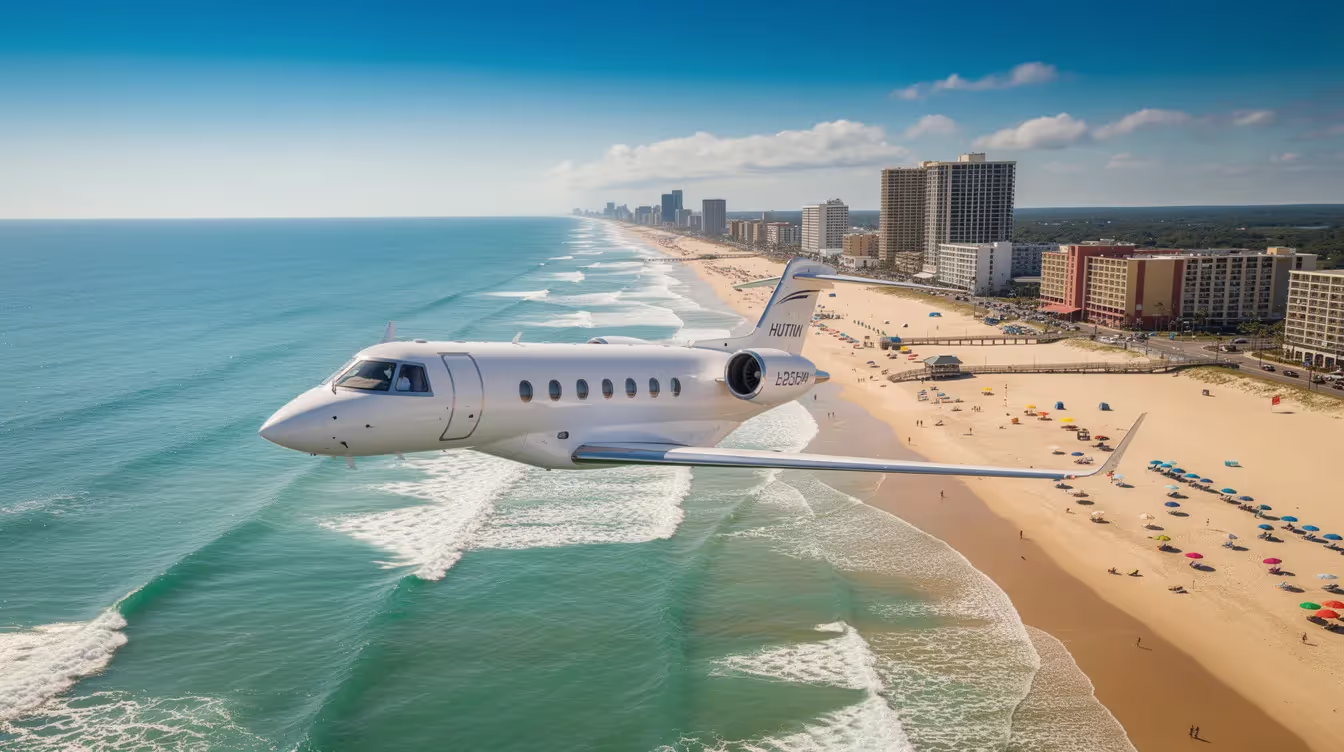
Virginia Beach by Private Jet: Coastal Getaway on the East Coast
Virginia Beach is an attractive coastal destination on the East Coast, offering 38 miles of beachfront and a vibrant boardwalk, making it ideal for both leisure and business travelers. Accessible via private jet through Jettly, the city is conveniently located near major business hubs and provides a streamlined travel experience with flexible scheduling and quick airport access. Visitors can enjoy diverse beach zones, outdoor activities, and a growing cultural scene, along with various accommodation options that cater to different traveler needs. Jettly enhances the travel experience by offering instant pricing and tailored itineraries, making Virginia Beach an effortless getaway.
Read More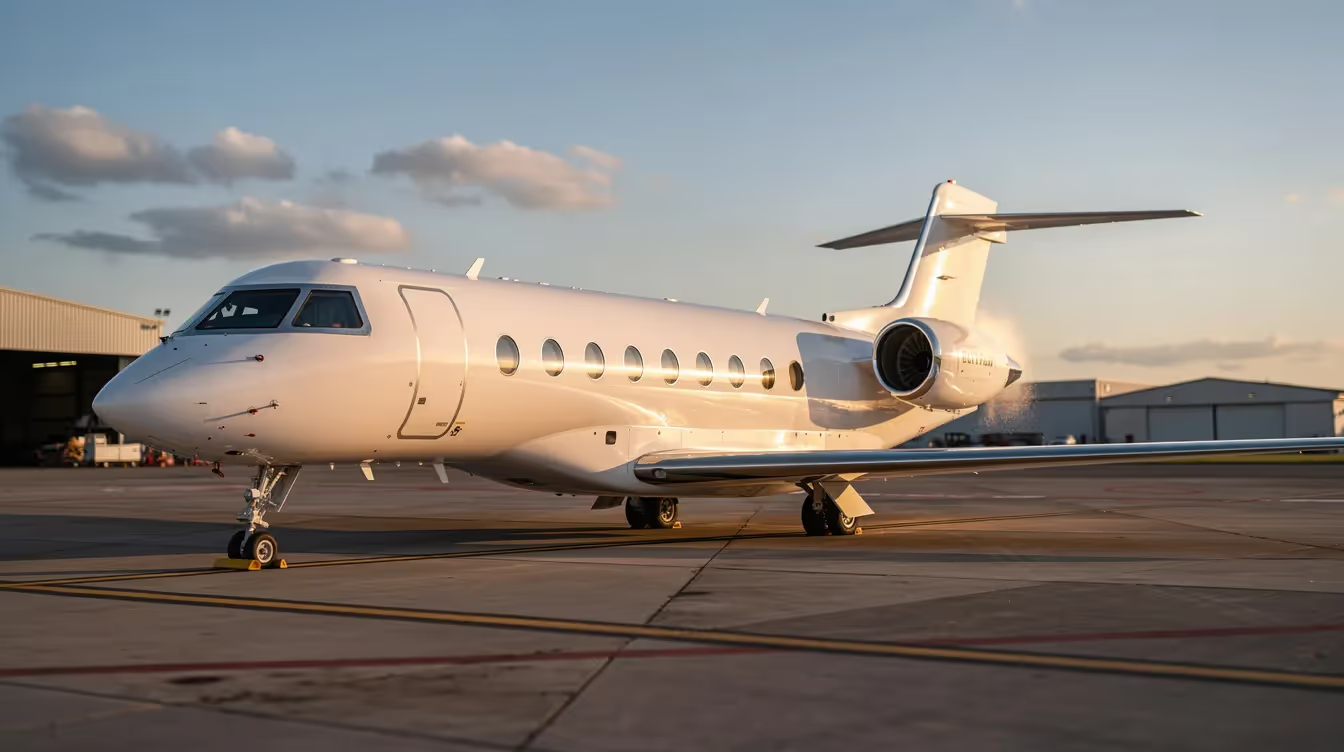
5
min read
Gulfstream V: Ultra Long Range Business Jet Charter Guide
The Gulfstream V is a highly regarded ultra-long-range business jet, capable of non-stop intercontinental flights with a range of 6,250 to 6,500 nautical miles and accommodating 12 to 16 passengers in a spacious cabin. It features advanced avionics and performance capabilities, making it suitable for various applications, including corporate travel and government operations. Chartering through platforms like Jettly offers a cost-effective alternative to ownership, with transparent pricing and flexible access to the aircraft without long-term commitments. The Gulfstream V remains a popular choice for travelers seeking comfort, efficiency, and reliability in private aviation.
Read MoreStay updated with our latest insights and tips to elevate your journey with us.
MEMBERSHIPS AND ASSOCIATIONS



Disclaimer: Jettly operates as a charter broker, offering access to a global digital jet charter marketplace. Jettly is not a direct air carrier and does not own or operate aircraft. All advertised flights are conducted by third-party air carriers that are fully licensed and hold the appropriate Part 135 or Part 121 certifications issued by the Federal Aviation Administration (FAA) or equivalent regulatory authorities under U.S. or foreign law. Jettly complies fully with the U.S. Department of Transportation's Part 295 and Part 298 Charter Broker regulations. Jettly does not carry additional liability insurance. Passengers are covered by aircraft operator insurance. TICO: 50023770


