



Login
Get Instant Pricing On 23,000+ Aircraft

>
.avif)
This year's Super Bowl between the Kansas City Chiefs and the San Francisco 49ers was one of the biggest sporting (and indeed cultural) events on the calendar here in the United States. As such, it was no surprise that a huge number of private jets flew into Las Vegas, the host city, over the game weekend.
According to reports, 882 private jets flew into Sin City, following on from a record number of private jets at last year's Super Bowl in Glendale (931). While it's clear that there is a significant number of these aircraft, it begs the question: How many private jets in the US exactly?
Well, in this blog post, we'll answer that question and take a closer look at the private aircraft industry, including common myths. We'll also highlight how you can fly private jets more often thanks to Jettly. Let's get started.
According to statistics, there are more than 15,000 private jets in the United States. This number represents around two-thirds of all private jets in the world, underscoring the U.S. as the leading market for luxury air travel.
Looking elsewhere, there are only around 3,000 private jets in Europe and LATAM/Caribbean respectively, with Asia, Africa, and other regions having far fewer still.
There are a number of factors that drive the high U.S. ownership, including the country's economic structure, which supports a significant base of net-worth individuals, business executives, and corporations that rely on private jets for convenience and flexibility.
Also, the size and geography of the U.S. lend themselves to domestic private air travel, making it an efficient option for both business and leisure. There are a number of common ownership models, too, including:
All of this makes private jets more accessible to a wider range of people and organizations. Given that there is a growing interest in private aviation as a premium travel solution, it's likely that the number of private jets in the country will continue to rise steadily year on year.
All of this leads us to an interesting question: Who owns the 15,000-plus private jets in the U.S.? There are several groups here, so let's break them up into different categories.
Private jets are commonly owned by high-net-worth individuals (HNWIs), including:
These individuals often have demanding travel schedules and value privacy, flexibility, and time savings. For example, one of those who flew to Las Vegas on a private jet for the last Super Bowl was music sensation Taylor Swift, who, as we all know, does an incredible amount of flying due to her career and tour demands.
HNWIs typically either own jets outright or invest in fractional ownership and jet card programs, depending on how frequently they travel and their specific needs.
Many large corporations also invest in private jets to facilitate business travel for executives and high-level employees, allowing flexibility and saving time in industries where face-to-face meetings are essential.
Corporate-owned jets are often justified as essential for maintaining productivity, enabling seamless travel to remote locations or multiple cities within tight timeframes,
Another option is fractional jet ownership programs, which allow individuals and businesses to buy a share of an aircraft, giving them access without the cost of outright ownership.
Owners of fractional shares typically get a set number of flying hours annually, based on their percentage ownership. This model is popular among those who need regular access to a jet but want to avoid the expenses of full ownership.
Jet card programs offer prepaid hours for private jet travel, making them popular among those who may not need regular access but prefer the convenience of private travel over commercial flights.
These programs typically have lower upfront costs than fractional ownership and offer flexibility in aircraft choice, which appeals to occasional private travelers or smaller businesses.
Some affluent families or family offices (financial organizations that manage the wealth of high-net-worth families) own private jets for both business and leisure travel. These owners prioritize privacy and security, especially when traveling with children or sensitive business information.
For families, private jets are often seen as a way to make travel more efficient, comfortable, and secure, with the added benefit of avoiding crowded commercial airports.
Furthermore, some professional sports teams and groups, such as musical tour groups, lease or own jets for team and crew transport, often because of demanding schedules that require travel to multiple cities within short timeframes.
For sports teams, owning or leasing private jets ensures comfort and convenience, allowing players and staff to rest and recuperate during flights.
Finally, various governments around the world own private jets to transport government officials, VIPs, and diplomats. The U.S. government, for example, maintains a fleet of jets for use by high-ranking officials and security personnel.
These jets are often equipped with advanced security features and are used to enable confidential discussions and safeguard important travel needs.
So we know that demand for private jets is increasing in the U.S., but the next question is why? Here, we'll break down some of the common reasons why more people are opting to skip commercial air travel and go private.
The first point to make is that there is a growing number of wealthy people across the country, which in turn has led to higher demand for private jet travel. This group seeks convenience, privacy, and time savings, something which they can achieve thanks to private jets.
Following the COVID-19 pandemic, travelers prefer private jets for perceived safety and control over their environment.
There is a notable shift away from commercial airlines as people seek to minimize contact with others. Private jets are perfect for those who wish to travel without the crowds of airport terminals and commercial airliners.
As touched upon above, many companies are turning to private jets as a strategic tool to boost productivity. With private travel, executives and teams can attend multiple meetings across cities in a single day, a necessity in fast-paced industries like finance, technology, and entertainment.
This option ensures they can maximize their time and focus on important engagements without being bound by commercial flight schedules.
Private jets are a major asset for saving time, enabling passengers to cut down travel hours significantly compared to commercial flights. With Jettly's streamlined booking process, travelers can secure flights at the last minute, a crucial benefit for business professionals who often face tight schedules or sudden itinerary changes.
By minimizing layovers and delays, private jet travel helps passengers arrive on time and ready to work.
Private jets offer unparalleled access to regional and remote airports that are beyond the reach of most commercial airlines. Such access is essential for business travel to locations with limited or no commercial flight options, ensuring travelers can reach destinations closer to their final stop.
Flying directly to smaller airports means passengers can avoid the hassle of connecting flights and long drives from major hubs.
Private jet travel allows passengers to fully personalize their experience, from choosing in-flight dining options to adjusting departure times. This flexibility means that passengers can adapt flight plans to their schedules and needs, avoiding the rigid timelines of commercial airlines.
Jettly's platform lets travelers pick from a vast selection of aircraft, ensuring each flight aligns perfectly with their requirements and comfort preferences.
The last point is make here is that there's a growing trend in private group travel for:
Private jets are particularly appealing for larger groups, as they offer spacious cabins and a more intimate setting for travelers to enjoy together.This option provides not only convenience but also a unique shared travel experience that is hard to achieve on commercial flights.
Private jet travel is often surrounded by misconceptions, but the reality is far more accessible and flexible than many realize. With companies like Jettly breaking down traditional barriers, flying private is now a practical option for a wide range of travelers.
One of the biggest misconceptions about private jets is that they're exclusive to celebrities and billionaires. While private jets have traditionally been associated with luxury, options like on-demand booking and jet card programs have opened private jet travel to a broader audience.
For example, Jettly makes private flying more accessible by offering flexible booking options that don't require long-term financial commitments or ownership. This flexibility means that professionals, frequent travelers, and even families can find affordable private flight options that suit their needs.
Private jet travel isn't always pricier than first-class tickets, especially for groups or those who travel frequently. When booking as a group, the per-person cost of a private jet flight can sometimes match or even undercut first-class fares.
Additionally, private jets eliminate the costs associated with long layovers, unexpected delays, and the need for overnight stays, all of which add up in both time and expense. Jettly's model enables clients to book flights based on their budget and schedule, making it a valuable solution for travelers seeking both luxury and cost efficiency.
Safety concerns around private aviation often stem from unfamiliarity with industry standards and practices. In reality, private jets operate under stringent safety regulations and require experienced, certified pilots.
We work with vetted operators who meet industry-leading standards, including certifications like ARGUS, to ensure passengers have the best safety measures in place. Travelers can rest assured that private aviation standards are rigorous, often even exceeding those in the commercial airline sector.
There's a misconception that private jets are limited to small cabins and can't accommodate larger groups, but private aviation offers a wide variety of aircraft sizes. From smaller jets suited for solo business travelers to large jets and even cargo options that can accommodate large parties or equipment, private travel is versatile.
Jettly, for example, offers access to thousands of aircraft types worldwide, so travelers can choose one that fits their group size and travel needs, whether it's a small team or an extended family.
Many people believe private jets follow a set schedule like commercial airlines. In reality, one of the greatest advantages of private jet travel is the flexibility it provides.
Passengers have the freedom to set their departure times, adjust routes if necessary, and even plan multi-leg trips without worrying about rigid schedules. Our on-demand platform supports this flexibility, enabling travelers to select from thousands of flights globally with schedules tailored entirely to them.
While private jets do use fuel, many operators are working to offset their carbon footprint. Sustainable initiatives include carbon offset programs, efficient routing to reduce fuel consumption, and investment in newer, more fuel-efficient jet models.
Some private jet companies are also adopting biofuels and exploring alternative energy sources, making strides towards more eco-friendly travel options.
With the answer to how many private jets in the US now topping 15,000, private air travel is becoming more accessible than ever. Jettly is here to connect you with an extensive network of these jets, making it easy to book a private flight that fits your schedule and budget.
Whether you're traveling for business or leisure, Jettly offers a seamless booking experience that gives you the freedom to avoid crowded airports and commercial limitations.
Book your next private jet through Jettly and discover the convenience and luxury of private jet travel.
Share this post:
Justin Crabbe
May 7, 2025
|
5 minutes
min read
Discover tips and trends in the industry.

5
min read
Delta Boarding Zones: How Delta Air Lines Boarding Works (and What It Means for Private Flyers)
Delta Air Lines utilizes a structured boarding system with eight numbered zones plus pre-boarding, determining the order in which passengers board based on cabin class, fare type, and loyalty status. Understanding this system is crucial for travelers considering commercial flights versus private jet charters, as it impacts overhead bin space and wait times. For those seeking a more streamlined experience, private jet options like Jettly eliminate the complexities of boarding zones altogether.
Read More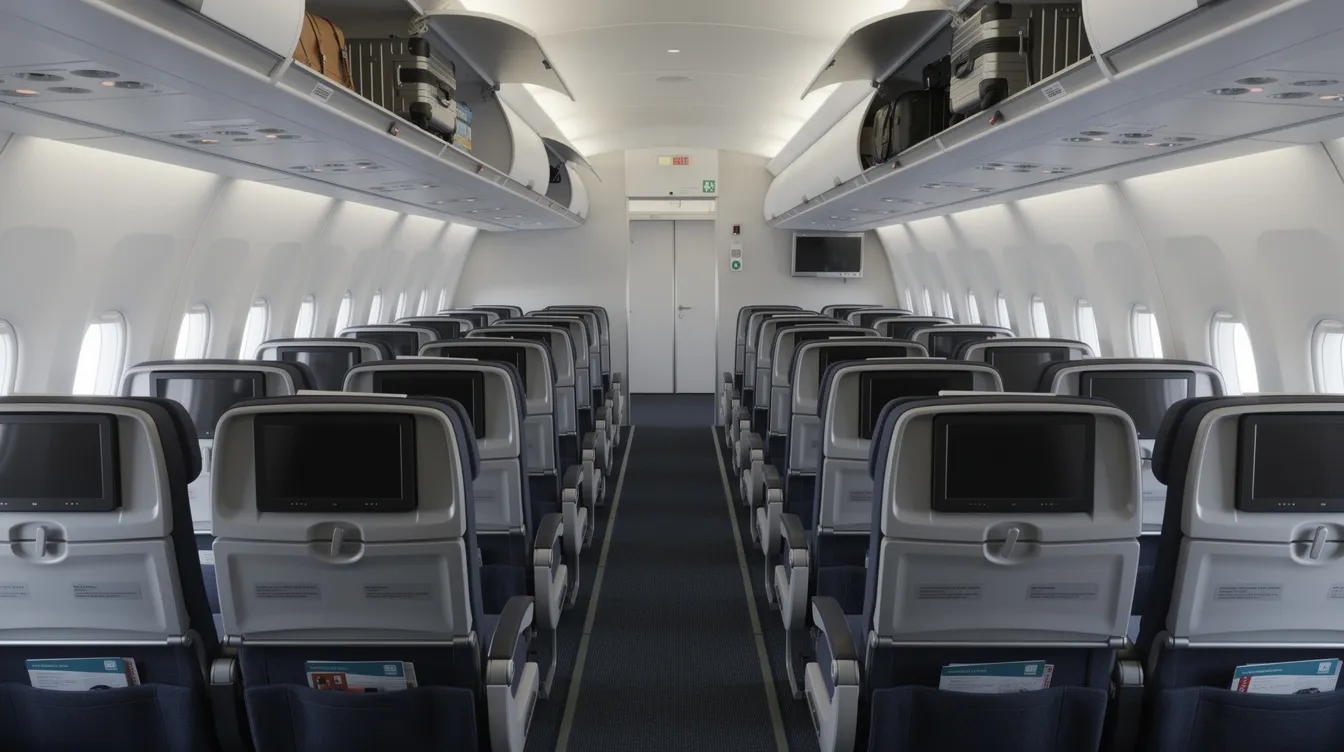
5
min read
Delta Basic Economy: What Changed, What It Includes, and When to Avoid It
Delta Air Lines has rebranded its Basic Economy fare to Delta Main Basic as of October 1, 2025, maintaining its core restrictions while altering the booking experience. This fare class is the most restrictive in Delta's lineup, making it suitable primarily for solo travelers on short flights who prioritize low prices over flexibility. For most travelers, considering higher fare options like Delta Main Classic or private jet charters may provide better value.
Read MoreStay updated with our latest insights and tips to elevate your journey with us.
MEMBERSHIPS AND ASSOCIATIONS



Disclaimer: Jettly operates as a charter broker, offering access to a global digital jet charter marketplace. Jettly is not a direct air carrier and does not own or operate aircraft. All advertised flights are conducted by third-party air carriers that are fully licensed and hold the appropriate Part 135 or Part 121 certifications issued by the Federal Aviation Administration (FAA) or equivalent regulatory authorities under U.S. or foreign law. Jettly complies fully with the U.S. Department of Transportation's Part 295 and Part 298 Charter Broker regulations. Jettly does not carry additional liability insurance. Passengers are covered by aircraft operator insurance. TICO: 50023770


