



Login
Get Instant Pricing On 23,000+ Aircraft

>
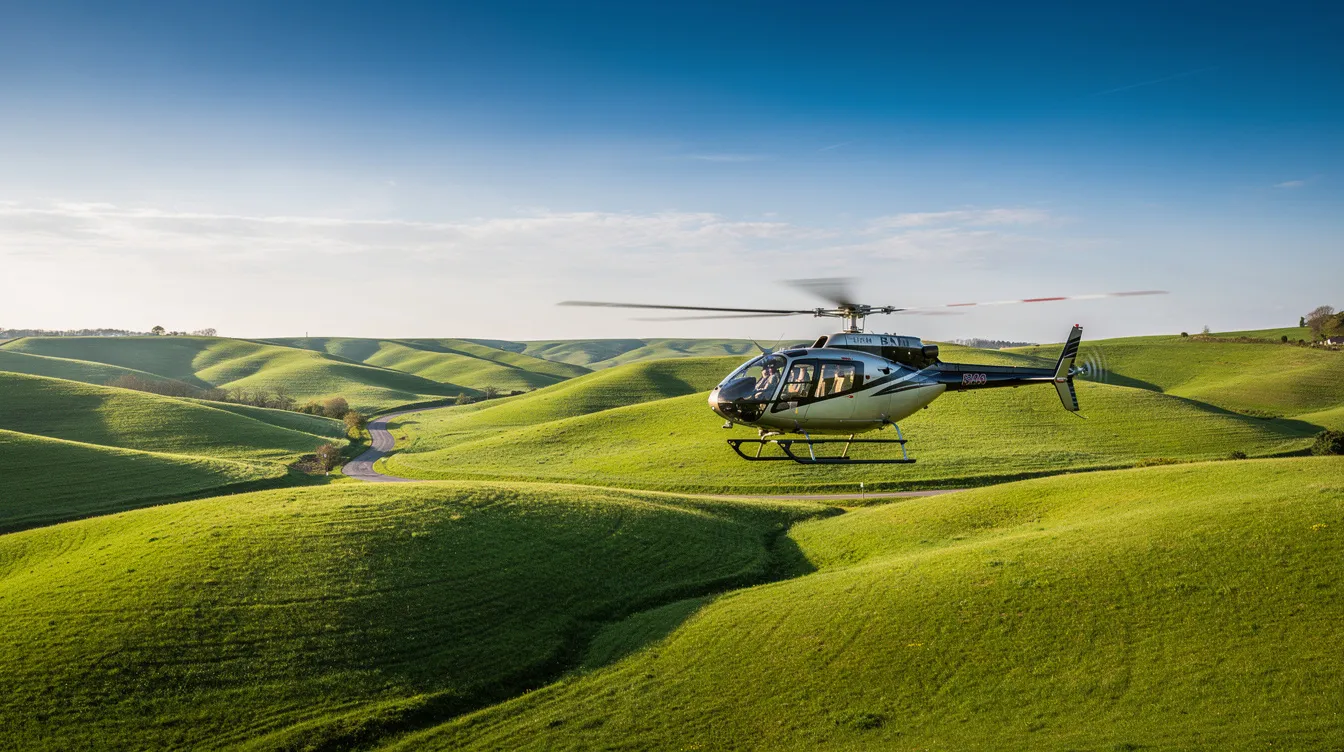
Becoming a helicopter pilot is one of the most exciting - and time-intensive - commitments in aviation. If you're wondering how long it takes to get a helicopter license, the short answer is anywhere from two months to two years, depending on the license type, your schedule, and how often you can fly. This guide breaks down every variable that shapes your timeline, from FAA minimums to real-world training durations, costs, and career paths.
How long does it take to get a helicopter license? For most students, a private pilot license takes 3 to 12 months, while a commercial pilot license takes 12 to 24 months from zero flight experience. Here are the key numbers to keep in mind:
The FAA mandates a minimum of 40 flight hours for obtaining a private pilot license (PPL-H) and 150 flight hours for a commercial pilot license (CPL-H).
Most students log an average of 50 to 80 hours before passing their checkride for a private license, well above the 40-hour minimum.
Full-time helicopter flight training (3–5 days per week) can yield a private license in about 2–4 months; part-time training typically takes 6–12 months.
Progressing from zero experience to a commercial helicopter license usually takes 12–24 total months, depending on training frequency and weather conditions.
Many Jettly charter customers choose to fly privately by chartering helicopters and jets instead of pursuing a pilot license themselves - getting immediate access without months of training.
The question "how long does it take to get a helicopter license?" is really a question about three things: time, money, and training intensity. The Federal Aviation Administration sets the eligibility and training minimums - 40 hours for a private license, 150 for commercial - but the calendar time varies dramatically.
Key variables that shape your timeline:
Training schedule: Full-time students flying 3–5 times per week finish months faster than part-time students flying once or twice a week.
Weather and location: Schools in Florida or Arizona have far more flyable days per year than those in northern or mountainous states.
Aircraft and instructor availability: Maintenance downtime, instructor scheduling conflicts, and examiner backlogs all add calendar days.
Ground school pace: Completing theoretical study and passing the knowledge test early prevents bottlenecks before the checkride.
Skill retention: Long gaps between lessons force instructors to re-teach previously mastered material, adding hours and cost.
Choosing the right flight school and a structured flight training program can shorten the overall timeline by reducing cancellations and repeated lessons. Age, English proficiency, and medical requirements rarely add significant time once planned correctly, since the Federal Aviation Administration sets the medical and pilot eligibility standards students must meet before solo and licensing milestones.
Meeting eligibility requirements early prevents delays once helicopter training begins. Getting a helicopter pilot license in the U.S. involves multiple steps, including ground school and practical exams, so clearing prerequisites first keeps the clock from starting and stopping.
Age requirements:
16 years old to fly a solo flight in a helicopter
You must be at least 17 years old for a PPL
You must be at least 18 years old for a CPL or certified flight instructor certificate
Language and medical:
Pilots must understand English for communication - reading, writing, speaking, and understanding it for radio calls, charts, and emergency procedures.
A third-class medical certificate is needed for a PPL. Commercial pilots need a second-class medical certificate.
You need a valid FAA medical certificate to fly solo. Schedule your aviation medical examiner appointment early to avoid surprises - undisclosed vision or cardiac issues can stall your timeline by weeks.
A student pilot certificate and FAA medical exam should be completed before your first solo flight. Most flight schools help coordinate this during early dual instruction sessions.
The private pilot certificate is the first major milestone, allowing you to fly helicopters for personal use - not for compensation. A PPL allows non-commercial flying without compensation, making it the foundation for every helicopter pilot.
If you’re wondering how many hours, the FAA requires a minimum of 40 flight hours for a PPL. However, most students average 50 to 60 flight hours to obtain a PPL, and many log 60 to 80 hours before they feel ready for the private pilot checkride.
Full-time path: Flying 4–5 days per week, most students earn a private helicopter pilot license in about 2–4 months. Training can be completed in as little as 16 weeks for a PPL under ideal weather and scheduling conditions.
Part-time path: Flying 1–2 times per week, part-time students may take 6 to 8 months for private pilot training, and some need up to 12 months. Private pilot license training typically takes 6 to 12 months for this group.
Consistent flying - avoiding gaps longer than two weeks - greatly reduces both total flight time and overall training cost.
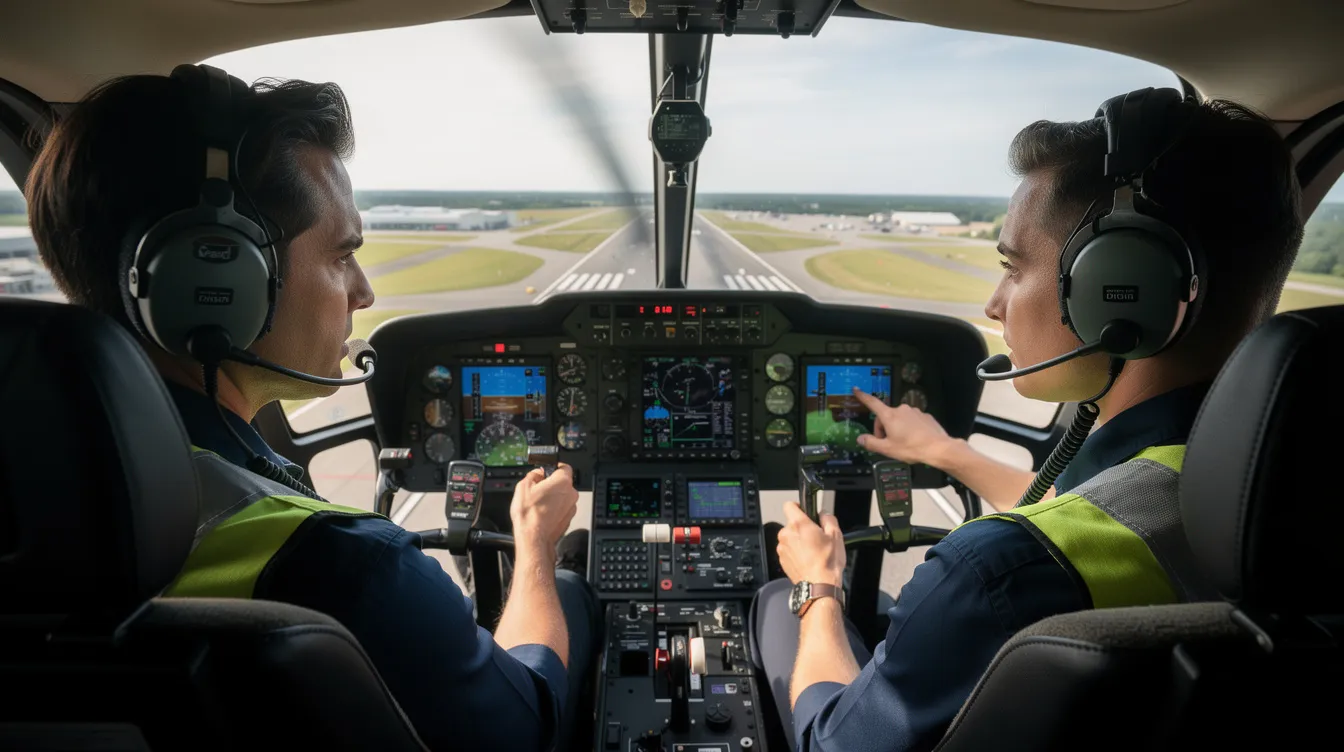
The difference between an accelerated academy approach and a flexible weekend schedule can mean the difference between a 3-month and a 12-month journey for a private helicopter pilot.
Full-time training (3–5 lessons per week):
Private license: approximately 8–16 weeks
Commercial license: 6–12 additional months after private
Best suited for career-changers or those with dedicated training budgets
Part-time training (1–2 lessons per week):
Private license: commonly 6–12 months
Commercial pilot license: 12–24 months total from zero flight experience
More realistic for professionals with day jobs
Training intensity affects how long it takes to complete pilot licensing. Flight training duration can vary significantly based on training frequency and goals. Bad weather, maintenance downtime, and holidays can extend either path by several weeks.
For readers who travel often for business, charter solutions like Jettly offer immediate access to a private charter aircraft or jet while training at a slower pace, and its platform can even help crowdsource private jet flights and share empty seats to reduce costs. There is no need to put travel plans on hold for months of pilot training.
Earning a commercial pilot certificate is the key step for pilots who want to be paid to fly. A CPL allows pilots to be paid for flying, opening doors to professional helicopter pilot roles across multiple industries.
The FAA sets the minimum at 150 total flight hours for a commercial helicopter license, including specific cross-country, night, and instrument flight time requirements. A commercial pilot license requires 150 flight hours, though most students end up with 180–200+ hours before the commercial checkride.
How hours typically accumulate:
|
Phase |
Hours |
Calendar Time (Full-Time) |
|---|---|---|
|
Private license |
50–80 |
2–4 months |
|
Hour building & advanced maneuvers |
40–60 |
2–4 months |
|
Commercial training & checkride prep |
30–50 |
2–3 months |
|
Total |
150–200+ |
6–12 months |
Commercial helicopter training usually takes 12 to 24 months from zero. Pilots aiming for roles in emergency medical services, offshore support, or utility work often need 1,000+ hours of total flight time, which adds several more years of active flying after the commercial checkride.
Progress in becoming a helicopter pilot is measured by milestones, not just total hours. Each step can add or save weeks depending on how well a student prepares.
Major milestones for a helicopter pilot:
Introductory/discovery flight - first exposure to flight controls
First solo flight - typically after 15–25 hours of dual instruction
Solo cross-country - builds pilot-in-command time and navigation skills
Night flying - required for both private and commercial certificates
Knowledge test - the FAA requires at least a 70% score to pass the written knowledge test
Checkride preparation - polishing maneuvers and emergency procedures
Practical flight test - students must complete an oral examination and practical flight test to earn their license, demonstrating the judgment and handling skills needed to operate the helicopter safely during both portions.
Delays in passing the written test for the private license or commercial pilot license often push the entire schedule back. Adding an instrument rating or transitioning between helicopter models can briefly slow progress but pays off in long-term capability. Coordinating ground instruction and simulator sessions during bad-weather days keeps the overall timeline tight.
Ground school is the classroom and self-study component covering aerodynamics, weather, navigation, federal aviation regulations, and the Federal Aviation Administration's operating rules. It is a critical part of proper training that many pilots underestimate.
Most students spend 40–60 hours in formal ground school or equivalent self-study before attempting the FAA knowledge test for a private license. Simulator training costs about $125 per hour and can supplement ground instruction effectively.
Typical ground school timelines:
Intensive format: 2–4 weeks full-time
Part-time format: 2–4 months (evenings and weekends)
Passing the written test early clears the way for scheduling the practical test as soon as the required helicopter rating flight hours are logged. Use ground school during downtime - travel days, evenings, rainy weeks - so that flight lessons remain focused on hands-on flying and do not extend the total training period.
Budget and training speed are directly linked. Flying more often usually shortens both calendar time and overall cost because you spend less time relearning old material.
Typical cost ranges:
|
License |
Cost Range (USD) |
Flight Hours |
|---|---|---|
|
Private (PPL-H) |
$20,000–$45,000 |
50–80 |
|
Commercial (CPL-H) |
$70,000–$90,000+ |
150–200+ |
|
Full pro track (zero to CFI) |
$70,000–$100,000+ |
200+ |
Helicopter PPL training costs range from $20,000 to $45,000 USD. Commercial helicopter training costs typically range from $70,000 to $90,000 USD. Students who can pre-fund larger blocks of training often book more frequent lessons and finish faster than those who pay lesson-by-lesson.
Repeating maneuvers after long breaks adds extra hours beyond the FAA minimum, effectively increasing both the time and money required. Certain flight hour requirements can vary based on the training program structure - Part 141 programs may have slightly lower minimums than Part 61.
For those weighing the cost of owning a private helicopter against simply booking flights, Jettly's on-demand charter platform offers transparent helicopter rental pricing and a private jet charter cost estimator to clarify one flight cost for private aviation without capital, maintenance, or insurance commitments.
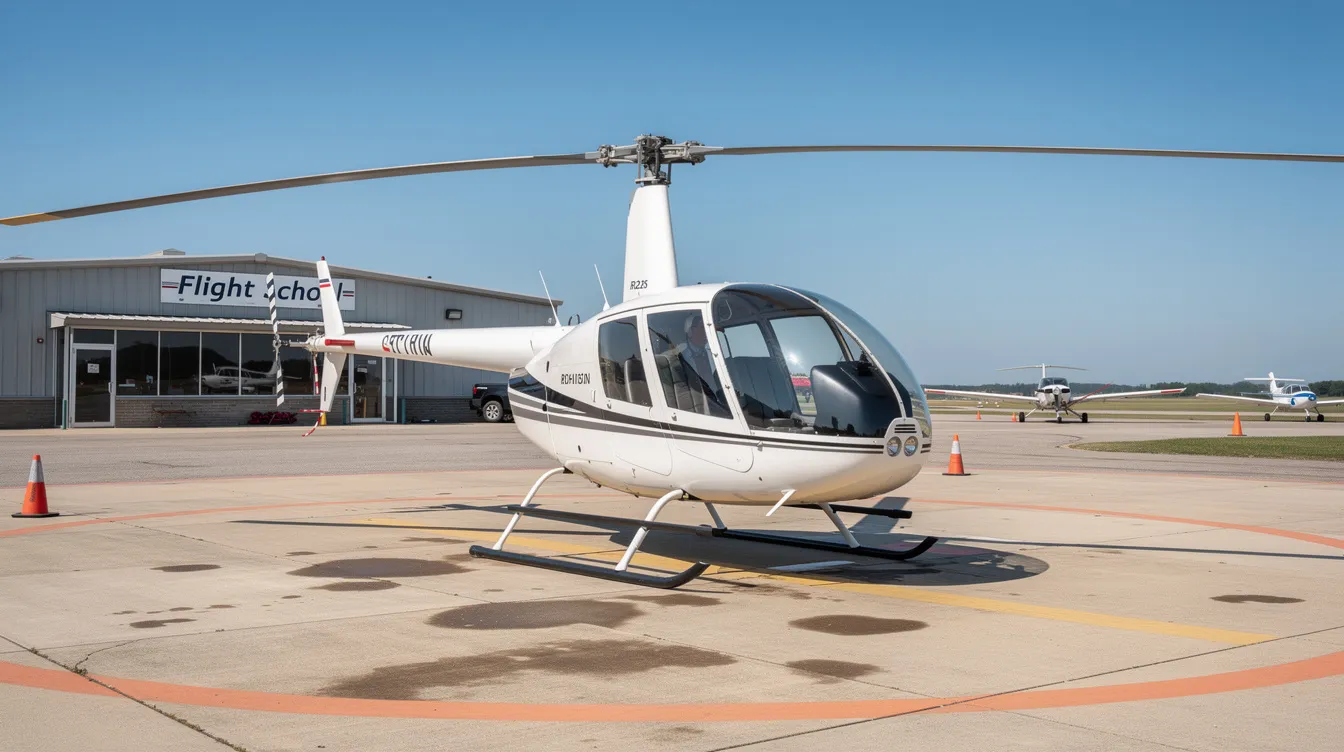
The right flight school can shave months off the process and improve safety and outcomes. Not all training programs are equal.
Selection criteria to evaluate:
Safety record and accident history
Instructor experience - look for an experienced pilot with strong student pass rates
Helicopter fleet size and diversity (R22, R44, turbine options)
Checkride pass rates among former students and other students
Scheduling flexibility for professionals needing evening or weekend slots
Visit schools in person. Ask about typical "time to private license" and "time to commercial license" for recent students. Check references from new pilots who completed training recently. A school in a favorable-weather state like Florida or Arizona will naturally offer more flyable days.
While a flight school provides pilot training, platforms like Jettly and other leading private jet charter companies provide practical access to helicopters and jets for business or leisure travel long before a pilot license is completed; you can also consult a broader guide to private and charter airlines when comparing options.
The journey from first lesson to working as a commercial helicopter pilot spans several years of active flying. Here is the typical sequence:
Private pilot license - 2–12 months
Instrument rating - 2–4 additional months
Commercial pilot license - 6–12 months after private
Certified flight instructor (CFI/CFII) - 1–3 additional months
Hour building - 1–3 years as a flight instructor or tour pilot
Commercial pilots often start as flight instructors to build the hours needed for specialized roles. Many helicopter pilots work in emergency medical services, law enforcement, and firefighting. Pilots can also perform aerial surveying, aerial photography, and utility lifts. Some pursue airline transport pilot certification for the highest-level roles.
Rough experience thresholds for common jobs:
250+ hours: Entry-level tour, agriculture, or utility jobs
1,000–2,000+ hours: Emergency medical services, offshore, or law enforcement
Management: Many pilots transition to management roles in flight operations after accumulating significant flight experience
For professionals who rely on helicopters for business logistics but don't want to spend years building hours, Jettly's charter marketplace offers immediate helicopter or jet transport without a commercial license.
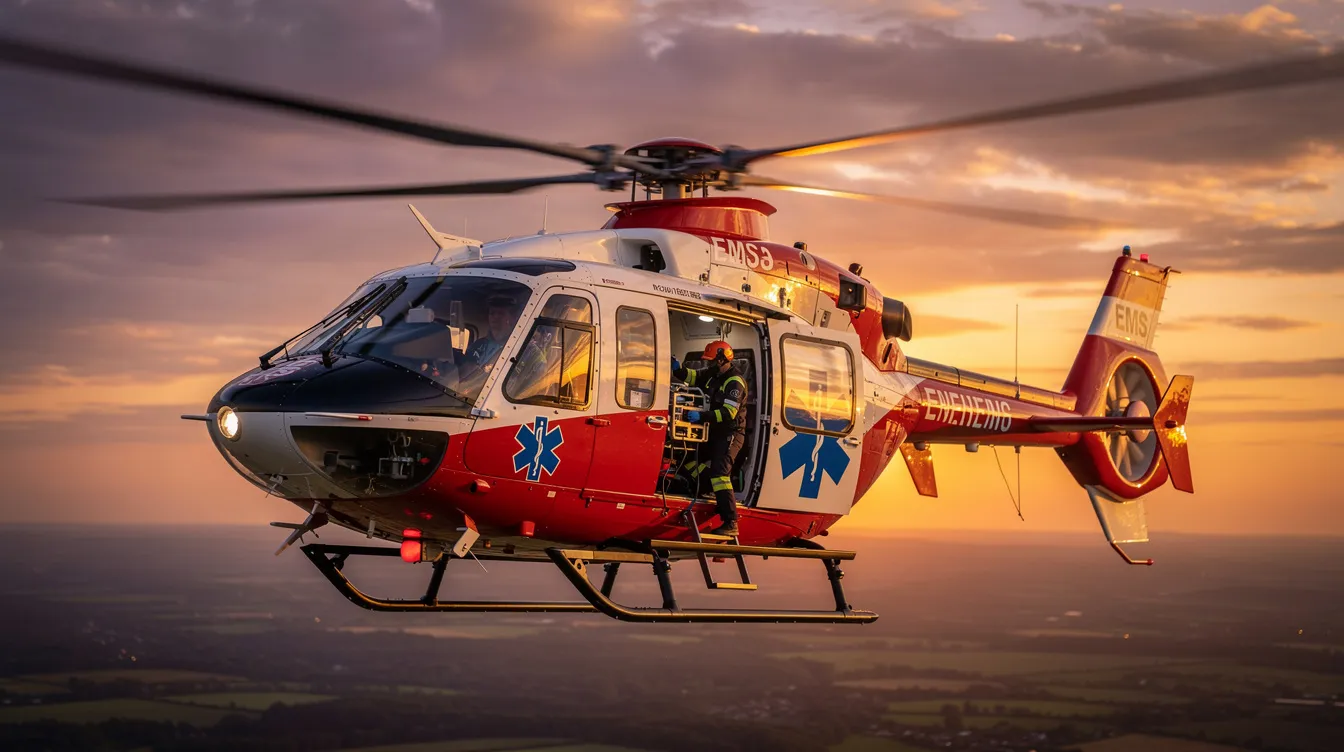
This is a practical comparison - not everyone who wants to fly helicopters needs to earn a license.
Getting a license makes sense if you:
Want a career as a professional helicopter pilot
Plan to fly regularly as a serious long-term hobby
Need total autonomy over when and where you fly
Chartering makes sense if you:
Need immediate helicopter or jet access for business or leisure
Fly occasionally (a few trips per year) and want cost efficiency
Value flexibility without ongoing training, insurance, or aircraft rental costs
Private jet charter services offer access to a variety of aircraft globally for on-demand travel. A digital private aviation platform like Jettly allows for instant pricing and booking of flights - from helicopters to turboprops to heavy jets- and its resources explain how much it costs to rent a private jet, as well as affordable private jet charter options. Learn more about helicopter flight costs to compare.
A common middle ground: train slowly toward a private pilot helicopter license while relying on charter flights for time-critical business meetings, resort transfers, or emergency family travel.
Accelerated programs sometimes advertise "30-day" private licenses, but in practice this requires perfect weather, daily flying, prior ground school preparation, and strong aptitude. Most new helicopter pilots should expect closer to 8–16 weeks even with a very intensive schedule. The national average sits well above the 40-hour FAA minimum, and regulators still require all minimum flight hours and proficiency demonstrations. There is no shortcut around the legal standards - every student must pass both a written test and a practical flight test.
No airplane license is required. Many helicopter pilots start with zero fixed-wing experience in other aircraft. Fixed-wing time does not count directly toward helicopter minimums but can help with general aviation knowledge, radio skills, and instrument training fundamentals. Pilots who already hold an airplane private pilot certificate can pursue an add-on helicopter rating with a slightly reduced ground school load, since some aeronautical knowledge overlaps.
Fly at least twice per week during the core of private license training to keep skills fresh and avoid repeating material. Long gaps - over two weeks - can force a flight instructor to review previously learned advanced maneuvers, adding extra hours and months. Plan your budget and schedule so that the first 40–60 hours of solo flight time and dual instruction can be flown within a consistent 3–9 month window.
Flight training is tied to a specific flight school and local airspace, but chartering through Jettly is location-flexible and global. Many students train at their home base while using charter flights for business trips, vacations, and airport transfers in other regions. Think of charter as a complementary tool: training builds helicopter flight skills, while Jettly delivers immediate, professional helicopter or jet transport anywhere you need to go. Explore the aircraft charter guide for details.
Earning a private helicopter license and renting aircraft typically makes financial sense for frequent recreational flying or a planned career in aviation. For occasional trips - a few business or leisure flights per year - on-demand charter via a platform like Jettly is often more cost-effective than the combined training cost, ongoing aircraft rental, insurance, and currency requirements. Check helicopter ride pricing and compare it with shared charter flights versus full charters to see how charter compares to the $20,000–$45,000+ investment in a private license alone.
The time it takes to get a helicopter license varies widely based on your training schedule, location, and personal goals. Most students earn a private pilot license within 3 to 12 months and a commercial license within 12 to 24 months. Consistent flying, choosing the right flight school, and preparing thoroughly for ground school and exams can shorten your timeline and reduce costs.
For those who need immediate access to helicopters or jets without the time and expense of training, platforms like Jettly offer flexible, transparent charter options worldwide. Whether pursuing a career or flying for personal enjoyment, understanding the timeline and investment helps you plan your path to the skies with confidence.
Ready to experience private travel on your terms? Explore flight options or request a quote at https://www.jettly.com.
Share this post:
Jay Franco Serevilla
Oct 20, 2026
|
5
min read
Discover tips and trends in the industry.
5
min read
What Airlines Have Had Crashes? Major Airline Accidents, Safety Records, and What They Mean for Air Travel
Many major airlines, including American Airlines and Japan Airlines, have experienced fatal crashes throughout their histories. While these incidents are significant, they must be viewed in context, as air travel remains one of the safest modes of transportation today. Understanding the historical data and safety improvements can help travelers make informed decisions about their flight options.
Read More
5
min read
Elon Musk Aircraft: Inside Elon Musk's Private Jets, Fleet History, and How to Fly Similar Jets with Jettly
Elon Musk's private jet fleet, primarily consisting of Gulfstream models, showcases the intersection of luxury and necessity in modern aviation. This guide explores Musk's aircraft history, the evolution of his fleet, and how platforms like Jettly provide access to similar jets for those who seek the convenience of private travel without ownership. Discover the details of Musk's jets and how they reflect his dynamic lifestyle and business needs.
Read MoreStay updated with our latest insights and tips to elevate your journey with us.
MEMBERSHIPS AND ASSOCIATIONS



Disclaimer: Jettly operates as a charter broker, offering access to a global digital jet charter marketplace. Jettly is not a direct air carrier and does not own or operate aircraft. All advertised flights are conducted by third-party air carriers that are fully licensed and hold the appropriate Part 135 or Part 121 certifications issued by the Federal Aviation Administration (FAA) or equivalent regulatory authorities under U.S. or foreign law. Jettly complies fully with the U.S. Department of Transportation's Part 295 and Part 298 Charter Broker regulations. Jettly does not carry additional liability insurance. Passengers are covered by aircraft operator insurance. TICO: 50023770


