



Login
Get Instant Pricing On 23,000+ Aircraft

>
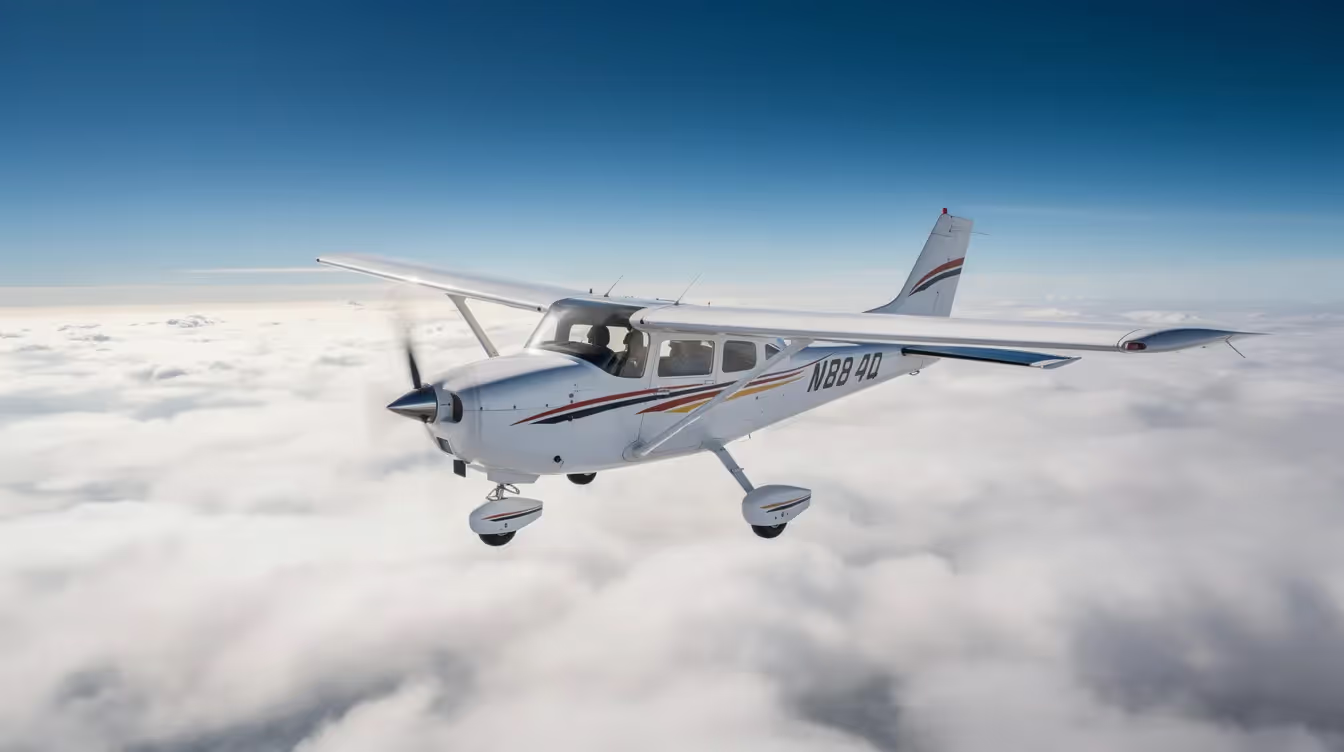
The Cessna 182 Skylane remains one of the most popular four-seat piston aircraft in general aviation. Whether you’re a pilot planning cross-country flights or a traveler comparing private aviation options, understanding this aircraft’s speed capabilities helps with realistic trip planning and informed decisions about when faster charter aircraft make sense.
Jettly is a private jet charter platform offering on-demand access to private flights globally. It connects travelers with a network of aircraft for business and leisure trips, making private aviation simple, transparent, and tech-driven. While Jettly focuses on private jet charters, understanding piston aircraft like the Cessna 182 provides valuable context for travelers weighing options between different aircraft types.
A standard Cessna 182 Skylane typically cruises at approximately 145 knots (167 mph / 269 km h) at 75% power and 8,000 feet altitude.
Turbocharged models like the Turbo Skylane can reach about 165 knots (190 mph / 306 km h) at higher cruise altitude around 20,000 feet.
Actual speed depends on model year, engine condition, weight, altitude, and weather conditions—published figures serve as planning benchmarks rather than guarantees.
The Cessna 182 offers strong performance for regional trips up to 400 nautical miles, though business travelers with time-critical schedules often benefit from faster turboprop or jet charter options and should understand how much it costs to rent a private jet for those missions.
Jettly differentiates itself with transparent pricing, instant booking, membership options, and access to a wide range of aircraft, providing convenience and flexibility for travelers seeking time savings beyond piston aircraft capabilities.
So how fast does a Cessna 182 fly in typical operations? A normally aspirated Cessna 182 cruises around 140–145 knots (160–167 mph / 258–269 km h) in level flight at 65–75% power setting. This makes it meaningfully faster than training aircraft while remaining economical to operate.
Maximum cruise, sometimes called high-speed cruise, pushes slightly higher but increases fuel burn significantly. Economy cruise runs a bit slower with better fuel efficiency—a trade-off pilots regularly make based on trip requirements.
The aircraft’s max speed sits at approximately 175 knots, though this represents a structural limit (Vne) rather than a routine operating speed. Pilots rarely approach this figure during normal flight operations. The stall speed ranges from approximately 49–54 knots with full flaps, giving the airplane a wide speed envelope for different phases of flight.
For context, these speeds are strong for a piston general aviation airplane but considerably slower than the 380–450-knot cruise typical of light jets available through private charter aircraft platforms like Jettly, which offer big time savings in travel duration, flexibility, and comfort.
Different Cessna 182 versions produce slightly different cruise speeds due to variations in engine power, turbocharging systems, and landing configuration. The Cessna Aircraft Company has produced numerous variants since the model’s first flight in 1956.
|
Variant |
Engine |
Cruise Speed (Knots) |
Cruise Speed (mph) |
Cruise Altitude (feet) |
Max Takeoff Weight (lbs) |
Service Ceiling (feet) |
Fuel Capacity (Gallons) |
Notes |
|---|---|---|---|---|---|---|---|---|
|
Classic Skylane (1960s–80s) |
Various carbureted/injected |
~140 |
161 |
8,000 |
~3,100 |
~18,000 |
~92 |
Older models slightly slower |
|
Cessna 182T Skylane |
Lycoming IO-540 AB1A5 |
145 |
167 |
8,000 |
3,100 |
18,000 |
92 |
Current production, fuel-injected |
|
Turbo Skylane / Turbo 182T |
Turbocharged Lycoming TIO-540 |
165 |
190 |
20,000 |
3,100 |
>18,000 |
92 |
Turbocharger maintains sea level pressure |
|
TR182 (Retractable Gear) |
Lycoming IO-540 |
150–155 |
173–178 |
8,000–10,000 |
3,100 |
18,000 |
92 |
Retractable gear reduces drag |
These figures assume standard atmospheric conditions, a clean airframe with wheel pants installed, and proper engine setup. Experienced pilots consult the pilot's operating handbook for detailed speed tables organized by altitude, weight, and power setting.
The range for standard models sits at approximately 915–930 nautical miles with long-range tanks, making the 182 capable of substantial cross-country missions, and providing a useful reference point when comparing affordable airplane rent costs and options across different aircraft types.
Cruise speed refers to the typical speed maintained in level flight once the aircraft completes its climb and before beginning descent. However, several different speed measurements matter for flight planning.
Indicated Airspeed (IAS): What the cockpit flight instruments display, based on dynamic pressure measured by the pitot tube.
True Airspeed (TAS): The aircraft’s actual speed through the air mass. This increases with altitude for the same indicated airspeed because air density decreases at higher elevations.
Ground Speed (GS): The actual speed over terrain, directly affected by headwinds and tailwinds.
Consider this practical example: A Cessna 182 cruising at 145 knots true airspeed with a 20-knot headwind achieves only about 125 knots ground speed. A 300-nautical-mile trip that should take 2.1 hours now requires approximately 2.4 hours—a significant planning difference.
Published cruise figures for the Cessna 182 typically reference TAS under standard conditions. Pilots use these numbers to estimate realistic flight times and fuel burn, then adjust for forecast winds and select suitable departure and arrival points, often using an airport locator tool for private operations.
This distinction matters when comparing aircraft categories. Jets maintain higher TAS and spend less total time in cruise on equivalent routes, reducing the proportional impact of winds. A 30-knot headwind represents 20% of a 145-knot aircraft’s speed but only 7% of a 420-knot jet’s speed.
Real-world Cessna 182 speed almost never matches brochure figures exactly. Several controllable and uncontrollable factors influence actual performance-wise outcomes.
|
Factor |
Effect on Speed and Performance |
|---|---|
|
Altitude |
Higher altitude increases true airspeed for the same indicated airspeed; turbocharged models fly higher (service ceiling) |
|
Weight |
Higher gross weight reduces climb rate and can slightly reduce cruise speed; max gross weight is 3,100 lbs |
|
Power Setting |
Throttle and manifold pressure adjustments trade speed for fuel efficiency; typical cruise at 65–75% power |
|
Temperature/Weather |
Hot, high, humid conditions reduce engine power; cross wind affects ground track; headwinds reduce groundspeed |
|
Airframe Condition |
Clean airframe and landing lights fairings reduce drag; missing fairings or dirt increase drag and reduce speed |
Typical fuel burn for the Cessna 182 Skylane runs 12–14 gallons per hour, depending on power settings. This affects not just operating cost but also weight reduction during flight as fuel depletes.
Pilots rely on careful flight plan development using POH charts to predict realistic block times rather than simply using headline cruise numbers.
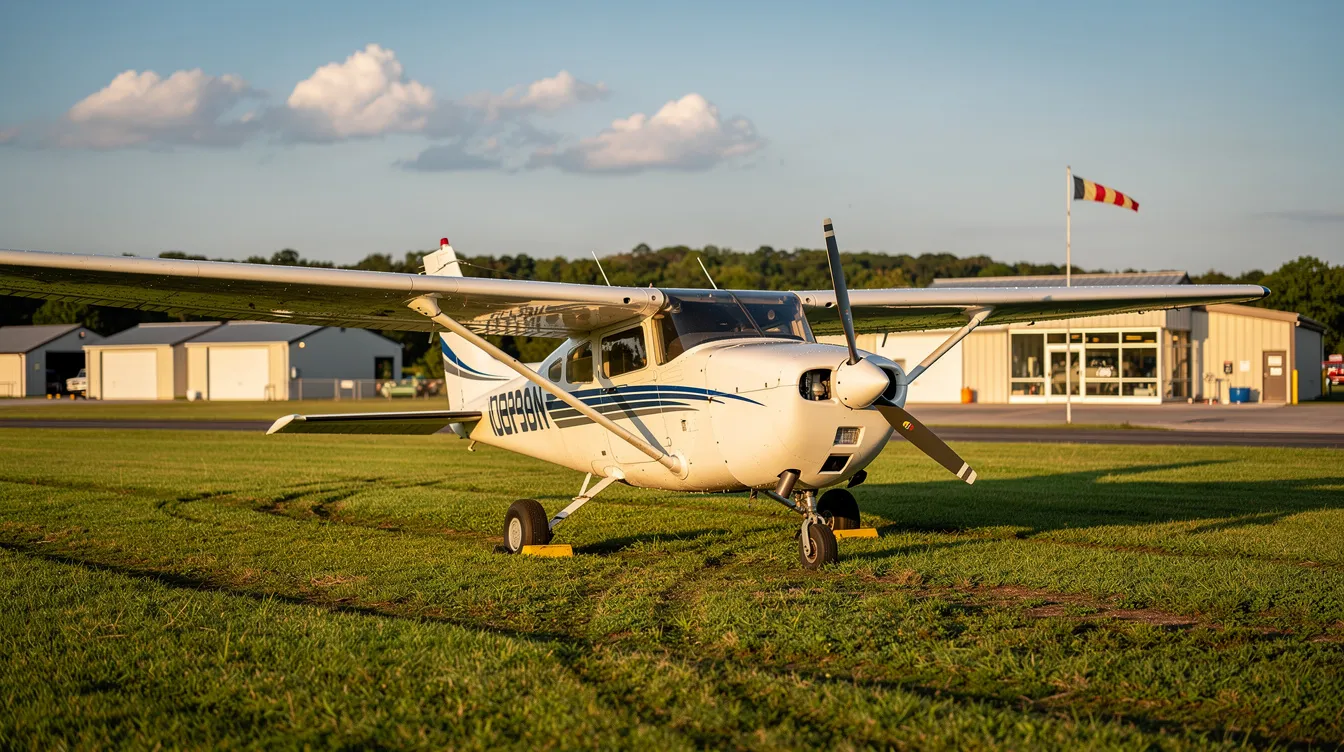
The Cessna 182 occupies the “fast, four-seat piston” niche in general aviation. Comparing it with other common aircraft helps illustrate where it fits in the speed spectrum.
|
Aircraft Type |
Cruise Speed (Knots) |
Cruise Speed (mph) |
Typical Role |
|---|---|---|---|
|
Cessna 172 Skyhawk |
~120 |
138 |
Training, basic GA |
|
Cessna 182 Skylane |
140–145 |
161–167 |
Fast piston, regional trips |
|
Beechcraft Bonanza |
165–175 |
190–201 |
High-performance single |
|
Turboprop Aircraft |
250–300 |
288–345 |
Regional charter, cargo |
|
Light Jets |
380–450 |
437–518 |
Business, long-range charter |
For a concrete example, consider a 300-nautical-mile business trip, where some travelers might instead compare the Cessna 182’s performance with faster pressurized options like the Cessna 340 or review the cheapest private aircraft options across categories:
Cessna 172: Approximately 2.5 hours
Cessna 182: Approximately 2.1 hours
Light jet: Approximately 45 minutes
The 182 offers a strong balance of speed, useful load, and runway performance. Takeoff distance is roughly 1,514 feet to clear a 50-foot obstacle, while landing distance runs approximately 1,350 feet over a 50-foot obstacle. Installing a STOL kit can further improve the Cessna 182's short-field performance and versatility, making it even more suitable for operations from shorter or unimproved runways. These capabilities make it popular among private owners and flying clubs for regional operations.
While not matching jet speeds, the Cessna 182’s cruise capabilities suit specific mission profiles where its 140–165-knot range delivers practical value.
Regional Business Trips (200–400 NM): A pilot flying a 300-nautical-mile business trip achieves significant time efficiency compared to commercial alternatives. At a realistic ground speed of 135–145 knots, the trip requires approximately 2.1–2.3 hours. Factoring in departure from smaller airports without security lines, total door-to-door time often rivals airlines for shorter routes.
Family Getaways: Weekend flights to vacation destinations within a 2–3 hour radius work well in the 182. The aircraft’s load-carrying capacity supports four adults and substantial baggage comfortably, thanks to its roomy cabin. The versatile aircraft handles vacation trips with room for luggage that airlines would charge fees to transport.
Training and Time-Building: Flight schools and commercial students building instrument ratings benefit from higher cruise speeds than the 172. Cross-country legs that might take 4+ hours in a trainer complete in roughly 3 hours in a 182, maintaining training efficiency. The instrument panel accommodates advanced GPS units for modern navigation training.
Special Operations: The Civil Air Patrol, aerial survey companies, and patrol operations value the 182’s stable cruise and strong climb performance. Mountain flying missions benefit from the aircraft’s rate of climb capability. The model’s reliability and versatility make it a popular choice among pilots for various flight operations.
Even in these roles, some customers prefer chartering faster turboprops or light jets for time-critical travel—an area where platforms like Jettly offer on-demand options with affordable private jet charter and detailed cost guidance, transparent pricing, and instant booking, especially when travelers apply tips for booking the cheapest private jet flights.
Route Example: A 250-nautical-mile trip takes approximately 1.8 hours in a Cessna 182 versus roughly 40 minutes in a typical light jet, demonstrating how mission requirements drive aircraft selection.

The Cessna 182’s capabilities provide useful context within the broader private aviation landscape, including digital charter platforms.
While the 182 serves owner-flown missions well, its performance creates a benchmark for understanding aircraft categories:
|
Aircraft Category |
Cruise Speed (Knots) |
Typical Use Case |
Operating Cost (per hour) |
|---|---|---|---|
|
Piston Singles (Cessna 182 class) |
130–150 |
Short regional flights, owner-flown |
$150–200 |
|
Turboprops |
250–300 |
Regional charter, short runways |
Higher than piston, varies |
|
Light and Midsize Jets |
380–450 |
Business/leisure travel, longer trips |
$2,000+ |
A booking platform such as Jettly helps travelers transition from piston performance expectations to faster aircraft by offering a private jet charter cost estimator, a dedicated jet card flight cost estimator, and showing instant pricing and aircraft choices matched to specific routes and missions. This tech-driven approach adds transparency and convenience to private aviation.
Concrete Comparison: A 500-nautical-mile trip requires roughly 3.5 hours in a Cessna 182 (accounting for winds and climb/descent) versus approximately 1.5 hours in a typical light jet—not counting additional ground time savings at private terminals.
Understanding how fast a Cessna 182 flies gives context for deciding when upgrading to chartered turboprops or jets makes sense for time-sensitive travel, especially when comparing it with the broad range of private and charter airlines and aircraft types and the best private plane manufacturers for different budgets and needs available today. The 182 equipped with modern avionics serves regional missions well, but big time savings come from faster aircraft on longer routes.
These questions address common points about Cessna 182 speed that pilots and travelers frequently ask.
Most pilots report seeing about 135–145 knots indicated airspeed, translating to roughly 140–150 knots true airspeed depending on altitude, temperature, and loading conditions. Slightly lower numbers than brochure specifications are common due to real-world factors like less-than-perfect rigging, minor aerodynamic drag from accumulated wear, and conservative power settings that extend engine life.
These speeds remain strong for a four-seat piston aircraft flown by general aviation pilots. Many choose smoother, more economical cruise settings rather than chasing maximum performance. A well-maintained plane with proper engine configuration typically achieves close to published figures.
At a realistic cruise ground speed of 135–145 knots, a 300-nautical-mile trip usually takes about 2.1–2.3 hours in the air, not counting taxi and run-up procedures. Adding ground operations, the total block time runs approximately 2.5–3 hours.
Strong headwinds can add 20–40 minutes while tailwinds shorten trips by similar margins. When thinking door-to-door, even at 182 speeds, using smaller airports closer to origin and destination often saves time compared to airline travel on short routes, and some travelers further reduce costs by sharing private jet flights and empty seats or choosing between shared charter flights and full charters. Charter flights in faster aircraft can further reduce total time through streamlined private terminal processes.
Differences in cruise speed between older and newer models are modest, typically just a few knots. The biggest performance jumps come from turbocharging or retractable gear variants rather than model year alone.
Modern 182T Skylanes feature refined aerodynamics, updated engines like the Lycoming IO 540, and precision avionics that help pilots achieve optimal speeds consistently. However, condition and maintenance often matter more than manufacturing date. A well-maintained 1970s Skylane with a freshly overhauled engine performs close to its original specifications. Buyers should review specific aircraft maintenance records and recent performance data for accurate planning.
For regional business routes within roughly 300–400 nautical miles, a Cessna 182’s 140–145-knot cruise handles the mission well, particularly when using smaller airports closer to meetings and avoiding airline congestion. Passengers appreciate the direct routing and schedule flexibility.
For longer routes or schedules requiring multiple same-day meetings, many travelers choose turboprops or light jets, cruising two to three times faster, often leveraging flexible private jet memberships to control costs and secure reliable access, and consulting guides on how much a private jet really costs to own or charter. Digital platforms like Jettly help compare aircraft categories and pricing, enabling businesses to determine when Cessna-class speed suffices versus when jet-level speed provides better value. Time-sensitive executives often see a clear return on investment when upgrading to faster charter aircraft for critical trips, particularly when using jet card programs with predictable hourly rates to manage travel budgets.
Winds dramatically change ground speed outcomes. A 30-knot headwind reduces a 145-knot true airspeed to just 115 knots over the ground, potentially adding 30+ minutes to a 300-nautical-mile flight and increasing fuel consumption substantially.
Tailwinds produce opposite effects, sometimes delivering higher-than-expected ground speeds and shorter flight times. Pilots routinely check weather forecasts and winds aloft data, adjusting cruise altitude or routing to find favorable conditions where possible.
This sensitivity affects all aircraft, but slower planes like the Cessna 182 feel proportionally greater impact than high-speed jets. The slow relative speed means wind represents a larger percentage of total velocity—another factor favoring faster charter aircraft for time-critical missions and underscoring the importance of choosing reputable Part 135 charter companies that meet strict safety standards.
A typical Cessna 182 flies at around 140–145 knots in cruise, with turbo models reaching approximately 165 knots. This performance delivers a strong combination of speed, range, and utility for personal flying, training, and regional travel missions.
Understanding how fast a Cessna 182 flies helps pilots and travelers estimate realistic trip times and compare piston performance against turboprop and jet alternatives. The aircraft remains a capable choice for flights up to 400 nautical miles, where schedule flexibility matters more than maximum speed.
For those requiring faster, longer-range, or more comfortable travel, private charter solutions offer turboprops and jets through Jettly’s digital platform that dramatically compress travel time on longer routes, positioning the service as a compelling NetJets alternative for flexible private flying and a useful comparison point alongside an overview of NetJets as the industry leader in private aviation.
Learn more about Jettly’s charter options and how it compares with top private jet charter companies and operators like Dexter Air Taxi’s global private jet services at https://www.jettly.com.
Ready to experience private travel on your terms? Explore flight options, whether you want to buy a seat on a private jet through shared or semi-private options, or get a seat on a private jet easily using modern booking strategies, or request a quote at https://www.jettly.com.
Share this post:
Jay Franco Serevilla
Apr 24, 2026
|
5
min read
Discover tips and trends in the industry.

5
min read
Delta Boarding Zones: How Delta Air Lines Boarding Works (and What It Means for Private Flyers)
Delta Air Lines utilizes a structured boarding system with eight numbered zones plus pre-boarding, determining the order in which passengers board based on cabin class, fare type, and loyalty status. Understanding this system is crucial for travelers considering commercial flights versus private jet charters, as it impacts overhead bin space and wait times. For those seeking a more streamlined experience, private jet options like Jettly eliminate the complexities of boarding zones altogether.
Read More
5
min read
Delta Basic Economy: What Changed, What It Includes, and When to Avoid It
Delta Air Lines has rebranded its Basic Economy fare to Delta Main Basic as of October 1, 2025, maintaining its core restrictions while altering the booking experience. This fare class is the most restrictive in Delta's lineup, making it suitable primarily for solo travelers on short flights who prioritize low prices over flexibility. For most travelers, considering higher fare options like Delta Main Classic or private jet charters may provide better value.
Read MoreStay updated with our latest insights and tips to elevate your journey with us.
MEMBERSHIPS AND ASSOCIATIONS



Disclaimer: Jettly operates as a charter broker, offering access to a global digital jet charter marketplace. Jettly is not a direct air carrier and does not own or operate aircraft. All advertised flights are conducted by third-party air carriers that are fully licensed and hold the appropriate Part 135 or Part 121 certifications issued by the Federal Aviation Administration (FAA) or equivalent regulatory authorities under U.S. or foreign law. Jettly complies fully with the U.S. Department of Transportation's Part 295 and Part 298 Charter Broker regulations. Jettly does not carry additional liability insurance. Passengers are covered by aircraft operator insurance. TICO: 50023770


