



Login
Get Instant Pricing On 23,000+ Aircraft

>
.avif)
The current fastest jet in the world is NASA's X-43 experimental plane, which reaches a speed of Mach 9.6 (or 11,854 Km/h) according to BBC Science Focus. However, private jets also exhibit noteworthy performance and efficiency, whether exploring cutting-edge designs or record-breaking achievements.
Speed is often one of the most prized attributes that people consider when searching for a private jet, and it's one that should never be overlooked. In our guide below, we'll take a closer look at the key information you should know about private jet speed.
The speed of a jet depends on various factors that affect its performance. Engine power plays a significant role in determining how quickly a jet can accelerate and maintain its velocity.Aerodynamics is another crucial aspect, as the design of the aircraft impacts how air flows around it during flight. Weight distribution also influences velocity, with lighter jets often achieving higher speeds.External conditions, such as altitude and air pressure, further affect the jet's ability to reach its maximum potential. Key elements influencing jet velocity include:
Manufacturers often focus on balancing these elements to enhance private jet performance.
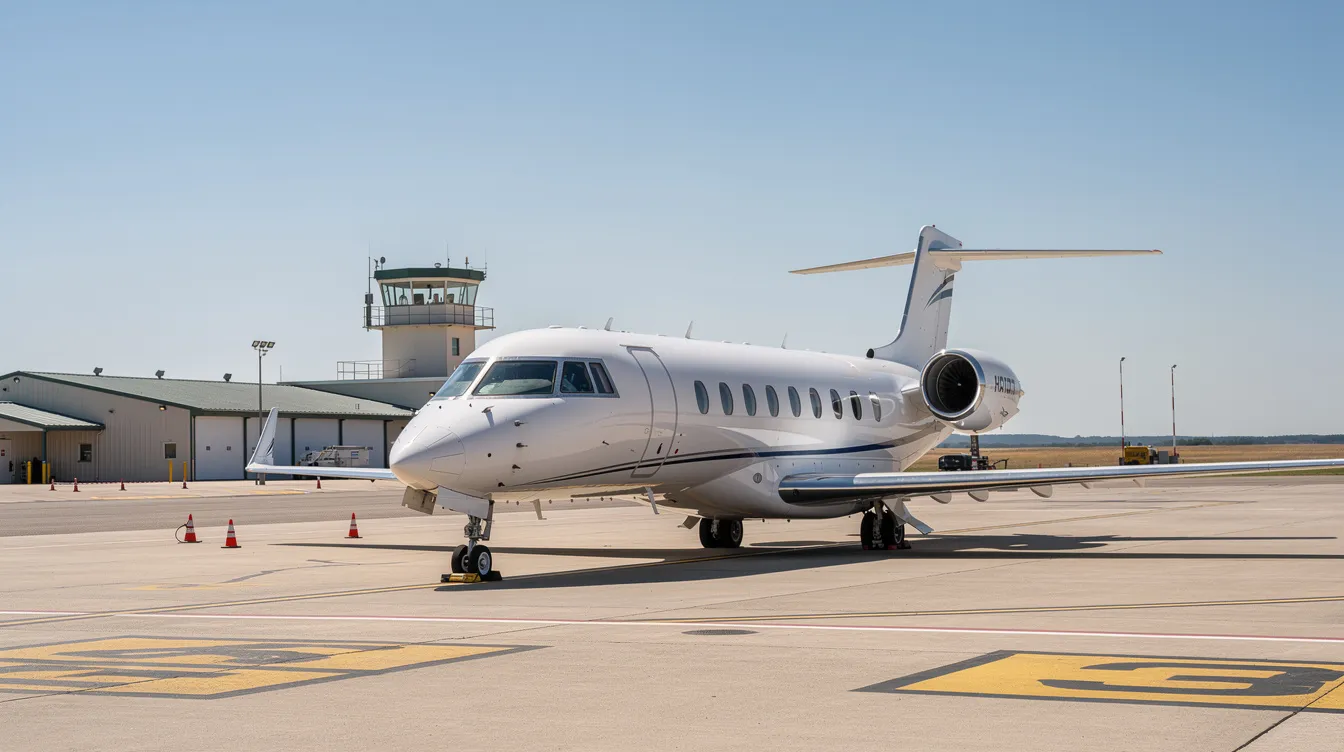
Private jets designed for top speeds redefine what's possible in luxury travel. Some of the fastest private jets, like the Gulfstream G700, can cruise at speeds that far exceed other models of similar size.
The Bombardier Global 8000 and Cessna Citation X are also known for their remarkable speed capabilities. These aircraft often come equipped with advanced engines and lightweight materials to achieve such impressive speeds.
Beyond just speed, their interiors are tailored for unparalleled comfort and style. While these jets represent cutting-edge technology, they also highlight the growing demand for efficiency in the aviation industry.
In aviation, jet speed comparison often considers the trade-off between speed and range. Faster jets typically consume more fuel, which can limit their travel distances. For business travelers, the range becomes a critical factor when planning international flights.Aircraft manufacturers address these challenges by designing jets that balance cruising speeds and range efficiency. The compromise between speed and distance often depends on the intended use of the aircraft. Travelers must weigh the importance of time savings against the practicality of longer flights without refueling stops.
Modern technology significantly enhances the performance of private jets. Advanced materials, such as carbon composites, make jets lighter and more durable.Sophisticated engine designs improve fuel efficiency and allow jets to reach higher altitudes. Enhanced avionics systems provide pilots with real-time data to optimize flight paths and conserve energy.Noise reduction technology is also a growing priority, making flights quieter for passengers and surrounding communities. The constant innovation in aviation technology ensures that private jets deliver top-tier performance for their owners. Key technologies driving advancements include:
Each improvement contributes to making private jets more efficient and capable in various travel scenarios.
Private jets and commercial planes differ significantly in their design and purpose. Private jets are tailored for smaller groups, offering more personalized experiences and flexibility.Commercial planes, on the other hand, prioritize capacity and cost efficiency for mass transit. Private jets often feature higher cruising speeds, reducing travel time for shorter distances.Passengers on private jets also enjoy direct routes and access to smaller airports, avoiding delays at major hubs. While commercial planes dominate the skies, private aviation continues to grow in popularity among those seeking convenience and exclusivity.
Weather conditions can have a profound impact on jet cruising speeds. Strong tailwinds can increase velocity, helping flights reach destinations faster. Conversely, headwinds can significantly slow down a jet and require more fuel to maintain speed.Turbulence and storms not only affect speed but also influence the safety and comfort of the flight. Pilots rely on advanced weather forecasting systems to navigate these challenges effectively.
By understanding weather patterns, they can plan routes that optimize performance while prioritizing passenger safety. Key weather factors that impact jet speeds include:
Despite weather challenges, aviation technology helps minimize disruptions. As time passes, it will likely become commonplace for luxury travel speed to be only marginally impacted by inclement weather. Of course, there will likely always be scenarios where weather conditions prohibit safe travel.
Balancing speed and fuel efficiency is essential in aviation. Jets that prioritize fuel efficiency often operate at optimal cruising speeds to minimize consumption.Advanced engine technologies and aerodynamic designs contribute to reducing fuel costs without sacrificing performance. Efficient flight planning also plays a role, as direct routes and favorable altitudes help conserve fuel. Pilots monitor data throughout the flight to make adjustments and maintain efficiency during travel.
The future of jet speed advancements promises exciting developments. Hypersonic technology, which enables speeds over Mach 5, is under active research for commercial and private applications. Sustainable aviation fuels are another area of focus, aiming to reduce emissions without compromising speed.Autonomous navigation systems may further optimize flight paths and reduce delays. These innovations not only aim to make flights faster but also safer and more environmentally friendly.
The world of private aviation continues to push boundaries in private jet speed, performance, and technology. From record-breaking jets to advancements in fuel efficiency, private aviation offers unmatched possibilities for travelers.Jettly redefines private aviation by providing access to over 23,000 private aircraft globally. With a focus on affordability and transparency, we eliminate traditional costs associated with jet cards and fractional ownership.
Our user-friendly platform offers instant booking, catering to business and luxury travelers seeking efficiency and convenience in private jet travel. You can get an instant quote today to learn more about how we can help.
Share this post:
Justin Crabbe
May 7, 2025
|
5 minutes
min read
Discover tips and trends in the industry.
5
min read
Aircraft Charter Guide: How to Choose, Book, and Fly with Confidence
This comprehensive aircraft charter guide provides essential insights on how to choose, book, and fly with confidence using Jettly's digital platform. It covers various jet categories, the charter process, and highlights the benefits of private aviation for both personal and business travel. With access to over 20,000 aircraft and transparent pricing, Jettly simplifies the charter experience for travelers.
Read More
5
min read
Who Owns a Jet? A Guide to Private Jet Owners, Boeing BBJ Operators, and Smarter Ways to Fly
This guide explores the landscape of private jet ownership, highlighting famous owners like Oprah Winfrey and Prince Al Waleed bin Talal. It also discusses the advantages of private jet charter services, such as Jettly, which provide flexible access to a wide range of aircraft without the burdens of ownership. Understanding the different models of private jet access can help travelers make informed decisions about their flying needs.
Read MoreStay updated with our latest insights and tips to elevate your journey with us.
MEMBERSHIPS AND ASSOCIATIONS



Disclaimer: Jettly operates as a charter broker, offering access to a global digital jet charter marketplace. Jettly is not a direct air carrier and does not own or operate aircraft. All advertised flights are conducted by third-party air carriers that are fully licensed and hold the appropriate Part 135 or Part 121 certifications issued by the Federal Aviation Administration (FAA) or equivalent regulatory authorities under U.S. or foreign law. Jettly complies fully with the U.S. Department of Transportation's Part 295 and Part 298 Charter Broker regulations. Jettly does not carry additional liability insurance. Passengers are covered by aircraft operator insurance. TICO: 50023770


