



Login
Get Instant Pricing On 23,000+ Aircraft

>
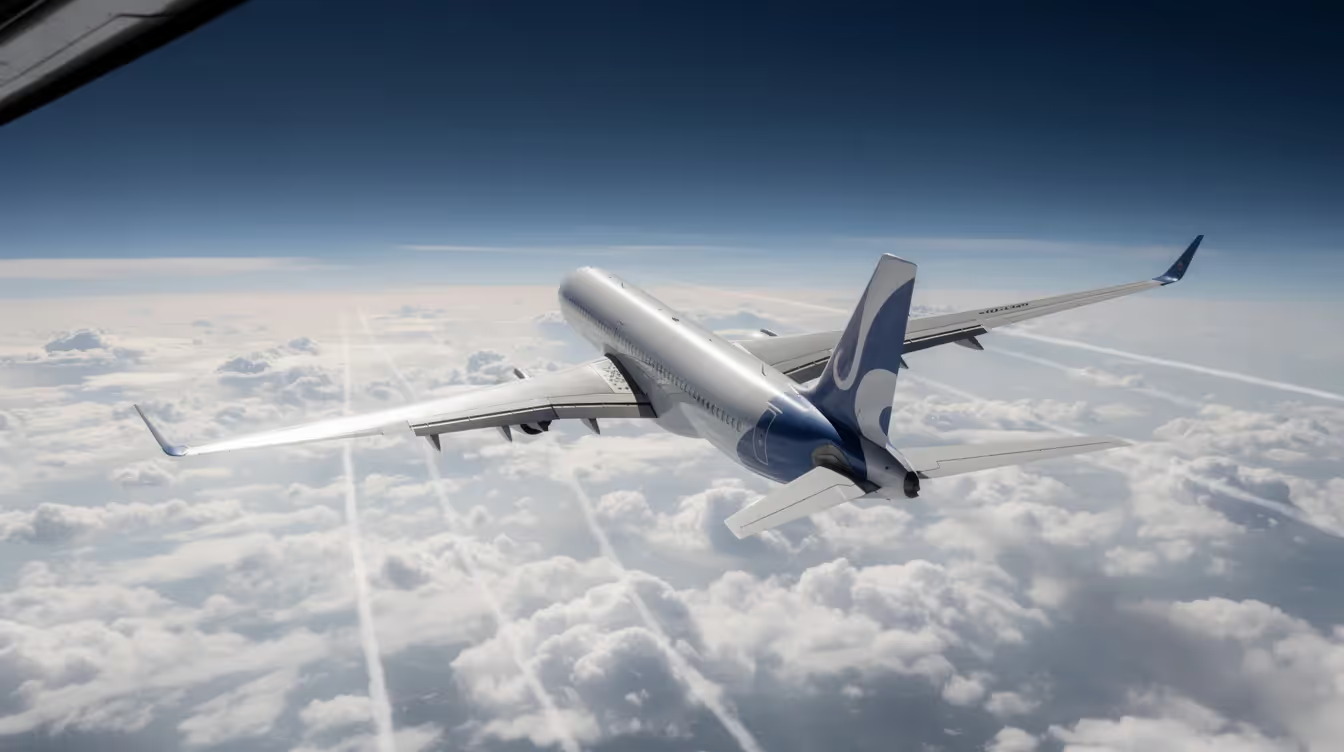
Jet airliners are a cornerstone of modern global transportation, connecting cities and continents with remarkable speed and efficiency. Understanding how fast these aircraft fly is essential for travelers, aviation enthusiasts, and industry professionals alike. This article explores the typical speeds of jet airliners, the factors influencing their velocity, and how these speeds compare to other types of aircraft, including private jets. By examining cruising speeds, flight phases, and regulatory limits, readers will gain a clear picture of what determines the pace of commercial air travel today.
Most modern jet airliners cruise between 550 and 600 mph (478–521 knots, 885–965 km/h), typically at Mach 0.85 to Mach 0.90, approximately 85% to 90% of the speed of sound.
How fast do commercial planes fly? Most commercial planes operate within this speed range, but historically, supersonic jets like the Concorde flew much faster (over Mach 2). Today, new developments such as Boom Supersonic's Overture aim to bring back faster, more efficient supersonic travel, though current commercial speeds are limited by technical, economic, and environmental factors.
Specific aircraft speeds: Boeing 737-800 cruises near Mach 0.79 (~515–540 mph), Airbus A320 around Mach 0.78 (~515 mph), and Boeing 787/Airbus A350 at Mach 0.85 (~561–575 mph).
Private jets available through platforms like Jettly cruise at similar or slightly higher speeds, but save more total travel time by avoiding hub airports and long ground delays.
Factors including altitude, wind conditions, aircraft design, and safety regulations all affect actual airplane speed and flight time.
Understanding how fast jet airliners fly helps travelers make informed decisions about commercial flights versus private aviation options.
When asking how fast commercial planes fly, the answer depends on which speed metric matters most. Cruising speed, ground speed, and Mach number each tell a different part of the story.
This article focuses on commercial jet airliners like the Boeing 737, 787, and Airbus A320 and A350 families rather than turboprops or small trainers. The baseline is straightforward: average cruising speed on real-world routes like New York–London and Los Angeles–Tokyo in 2026.
Commercial jets spend most of their flight time at a steady cruise at higher altitudes around 30,000–41,000 feet. Private jets accessed via Jettly’s private charter aircraft typically cruise in the same speed band as commercial aircraft, sometimes slightly faster for top-tier business jet aircraft.
Cruise speed is the number most travelers care about because it determines how fast planes fly over long distances.
Modern commercial airliners maintain a typical cruising speed of about 550–600 miles per hour, which translates to 478–521 knots or 885–965 km/h. This corresponds to a Mach number between 0.85 and 0.90 at cruising altitude, approximately 85% to 90% of the speed of sound.
Here are specific examples:
Boeing 737-800 and 737 MAX 8: Cruise near Mach 0.79 (~450–470 knots, ~515–540 mph)
Airbus A320neo family: Typical cruise around Mach 0.78 (~450 knots, ~515 mph)
Boeing 787-9 Dreamliner: Cruise around Mach 0.85 (~488 knots, ~561 mph)
Airbus A350-900: Cruise around Mach 0.85 (~488–500 knots, ~561–575 mph)
Long-haul widebodies like the 787 and A350 generally fly faster than short- and medium-haul narrowbodies. Later sections compare these aircraft speeds to private jets and other aircraft types.
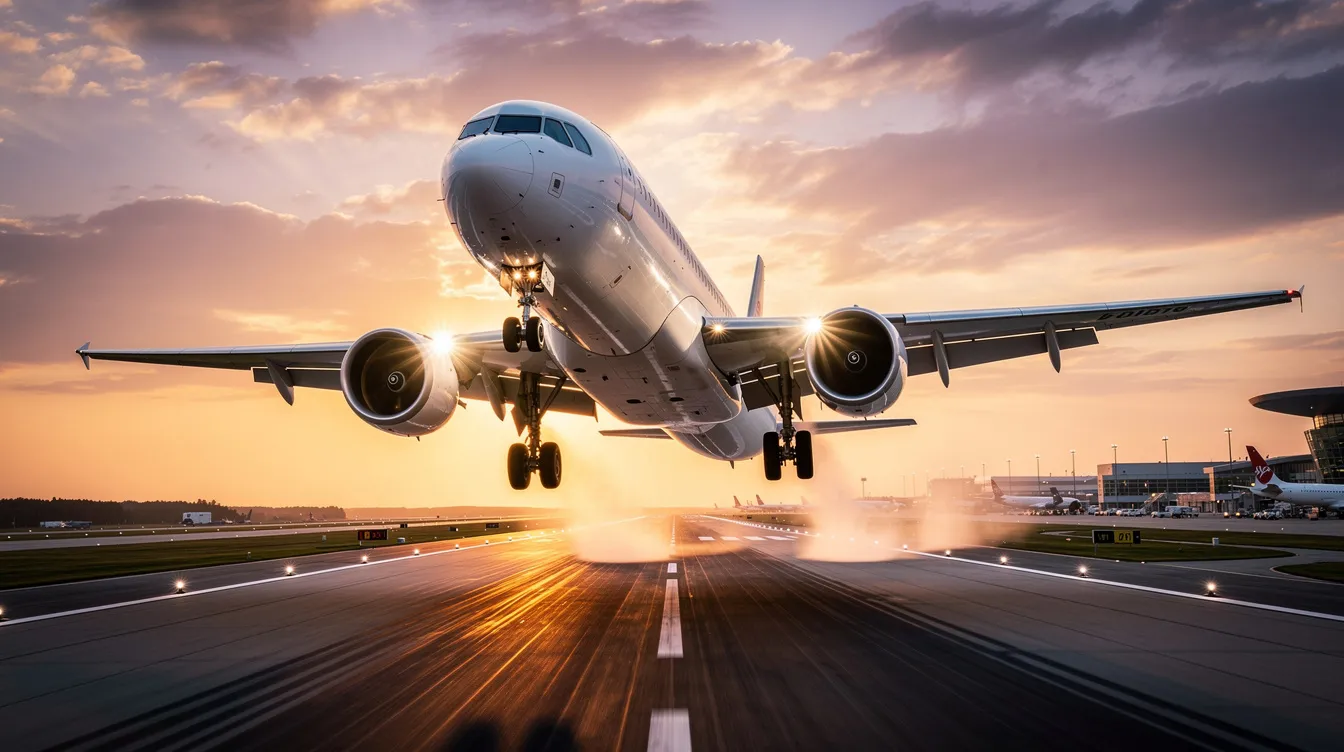
Pilots and engineers talk about different speeds for specific purposes. Understanding these measurements clarifies why commercial airlines report aircraft speed in various units.
Knots: One nautical mile per hour. Most airline performance data and flight plans use knots and nautical miles. One knot equals approximately 1.15 mph or 1.852 km/h. Airspeed is typically measured in knots and is crucial for determining lift and performance during flight.
Mach Number: The ratio of an aircraft’s true airspeed to the local speed of sound. The Mach number is a dimensionless unit used to express the speed of an aircraft relative to the speed of sound, with Mach 1 indicating the speed of sound and higher values indicating supersonic speeds. The speed of sound varies with temperature and air density—roughly 660 mph at sea level, but slower at cruise altitudes due to colder surrounding air. Most airliners cruise between Mach 0.78 and 0.85.
Key airspeed types include:
Indicated Airspeed (IAS): What the cockpit gauge shows via the pitot tube and pitot-static system, measuring dynamic pressure. IAS is less accurate at altitude and requires correction for temperature and pressure.
True Airspeed (TAS): IAS corrected for altitude and temperature, representing actual speed through the air mass. True Airspeed (TAS) is the most accurate measure of an aircraft's speed as it accounts for air temperature and density, while Indicated Airspeed (IAS) is less accurate and requires correction for altitude and temperature.
Ground Speed (GS): Speed over the Earth’s surface, directly affecting arrival time and what passengers see on moving map displays.
While jet aircraft have published cruise and maximum speed ratings, real commercial flights rarely operate at theoretical maximum operating limits. Several factors determine actual aircraft speed.
Aircraft design and aerodynamics: Swept wings and high-bypass turbofan engines define optimum cruise Mach. Engine power and thrust capabilities establish what speeds the aircraft reaches efficiently.
Altitude: Higher altitudes provide thinner air and lower air density, reducing drag. This allows higher true airspeed for the same fuel burn—one reason commercial airplanes cruise at FL350–FL410.
Weight: Heavier takeoff weights affect climb profiles and cruise speeds, especially on ultra-long-haul routes.
Wind: Tailwinds on routes like New York–London can boost ground speed to 650–700 mph when the air moves in the same direction as the aircraft. Strong headwinds can reduce it to 450–500 mph.
Air traffic control and routing: Speed limits for sequencing, holds near busy airports, and non-direct routings extend journey times even at identical cruise speeds.
Airlines select cruise speeds to balance time and fuel costs. Many cruise slightly slower than the absolute fastest efficient speed to reduce fuel consumption on routes like London–Singapore.
Private charters through platforms like Jettly, supported by an airport locator tool, allow optimization of departure times and routes, reducing total door-to-door time even when raw speed matches airline jets.
Jet airliners don’t travel at a single fixed speed. They accelerate, climb, cruise, descend, and land at different speeds for safety and travel efficiency.
Regulatory speed limits shape how fast jet planes can fly near airports. Under FAA and similar rules, jets face a 250-knot limit below 10,000 feet. Additionally, when operating at or below 2,500 feet above the surface and within four nautical miles of the main airport in Class C or D airspace, aircraft must maintain a speed under 200 knots unless authorized otherwise by air traffic control.
The following subsections break down typical speed ranges for each flight phase, referencing common aircraft like the Boeing 737 and Airbus A320 families.
Takeoff speeds vary by weight, runway conditions, and configuration. For medium jet airliners:
Boeing 737-800 or Airbus A320: Rotation speeds around 140–155 knots (about 160–180 mph)
Heavier widebodies (Boeing 777-300ER, Airbus A350-1000): Rotation speeds in the 150–170 knot range (about 173–196 mph)
After liftoff, the jets accelerate to climb speeds while retracting flaps and drag devices. The 250-knot limit below 10,000 feet caps indicated airspeed during early climb.
After the initial climb, jets use a combination of a set indicated airspeed (280–300 knots) and then a target Mach (0.78–0.80) above roughly 28,000 feet.
Narrowbody airliners climb through mid-20,000-foot levels at 280–300 knots IAS
Transition to Mach around 0.78–0.79, approaching cruise altitude
Heavy long-haul jets may use different climb schedules to balance fuel burn and time
Passengers see this as steady groundspeed increases on in-flight maps, even as cockpit indicated airspeed stays managed within performance limits.
Cruising is when commercial jets reach speeds at their highest and most efficient levels, typically for hours on long-haul routes.
|
Aircraft |
Cruise Mach |
Knots |
MPH |
|---|---|---|---|
|
Boeing 737-800 |
0.78–0.79 |
450–470 |
515–540 |
|
Airbus A320 |
0.78 |
~450 |
~515 |
|
Boeing 777-300ER |
0.84–0.85 |
480–490 |
550–565 |
|
Airbus A350-900 |
0.85 |
488–500 |
561–575 |
Private jets like the Gulfstream G650ER cruise around Mach 0.90–0.925, providing marginally shorter airborne times on long nonstop flights; you can explore how fast private jets fly compared with airline jets when considering specific private jets that can fly to Europe booked through Jettly.
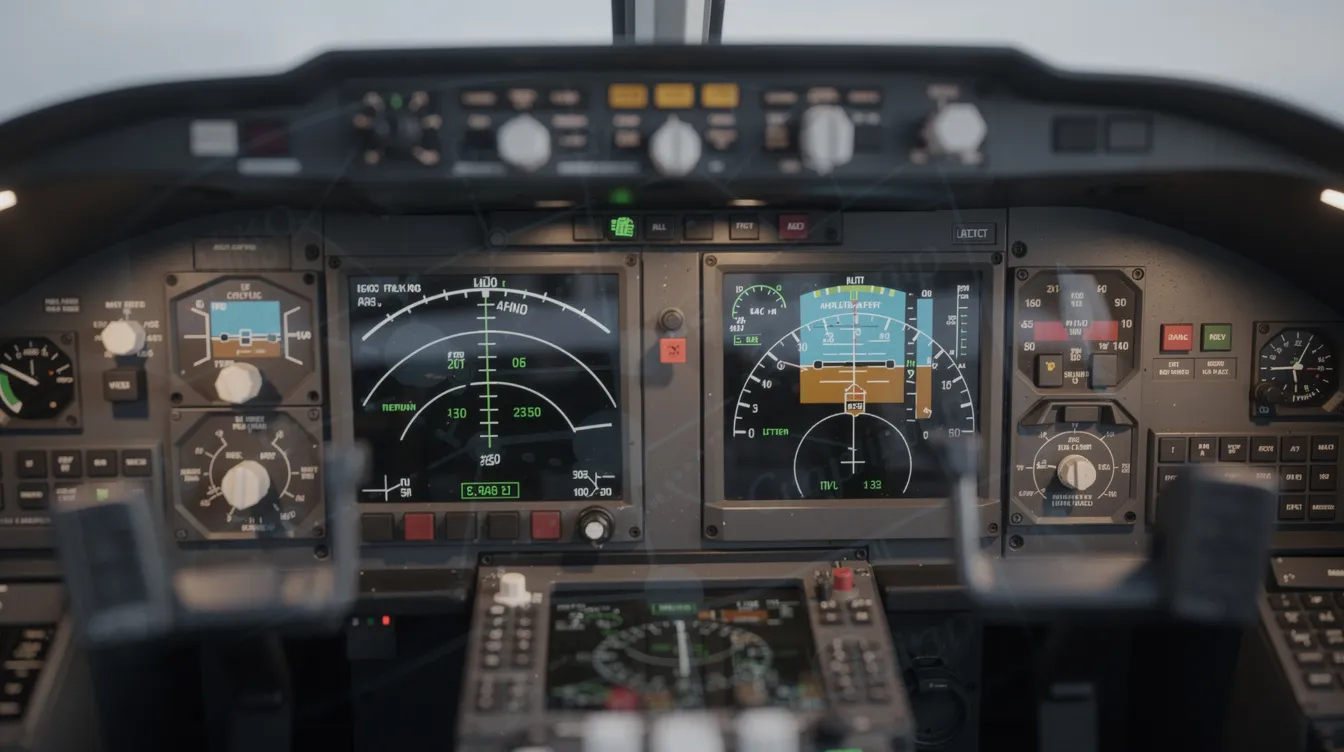
Descent typically begins hundreds of miles from the destination:
High-altitude descent starts around Mach 0.78–0.80
Converts to 280–300 knots indicated through upper flight levels
Below 10,000 feet, jets reduce to 250 knots or less under normal conditions
Further slowing occurs near the terminal airspace
Typical approach and landing speeds:
Boeing 737 or Airbus A320: 130–150 knots (150–170 mph) on final approach
Heavier widebody jets: 140–160 knots (161–184 mph) at higher landing weights
High-lift devices allow jets to fly safely at these lower speeds while generating more lift. Passengers notice this when flaps extend and engine noise changes.
Commercial jets are fast but not the fastest aircraft ever built. Their speeds sit in a specific band optimized for fuel efficiency and carrying capacity.
Business jets: Modern aircraft like the Gulfstream G700 (max Mach 0.935) and Cessna Citation X+ can match or exceed airliner cruise speeds on long legs, as highlighted in our guide to fast personal planes and high-speed aircraft.
Turboprop airliners: Aircraft like the ATR 72 and Dash 8-Q400 cruise more slowly at 270–360 knots (~310–415 mph), trading speed for fuel efficiency on short routes using lightweight materials and efficient propeller designs.
Military aircraft: Fighters like the F-22 exceed Mach 2, and the historic SR-71 reached supersonic speeds beyond Mach 3+. However, these aren’t comparable to daily commercial aviation operations.
Many travelers wonder why airliners in 2026 fly at similar speeds to those from the late 20th century despite technological progress.
Core reasons commercial airliners haven’t broken the sound barrier:
Fuel efficiency: Flying faster than about Mach 0.85 sharply increases drag and fuel burn, requiring more fuel and raising emissions.
Structural limits: Transonic effects near Mach 1 cause shock waves requiring complex, expensive designs. The Maximum Mach Number (Mmo) is the speed limit for commercial aircraft, which they cannot exceed to avoid uncontrollable shockwaves along the wing.
Passenger comfort: Higher speeds mean higher turbulence loads.
Economics: Saving minutes on medium-haul flights rarely justifies extra operating costs at higher speeds.
Concorde (1976–2003) flew at Mach 2 on routes like London–New York in under 3 hours but was retired due to high operating costs and sonic boom restrictions preventing supersonic flight over land.
Modern supersonic projects like Boom’s Overture target Mach 1.7+ for premium routes but remain in development—not routine airline service.
For many travelers, optimizing door-to-door time via better airports and direct routes through private aviation has more impact than marginally higher cruise speeds.
Average speed is only one component of total journey time. Ground handling, connections, and routing significantly affect how long trips actually take.
Route examples:
New York (JFK) to London (LHR): About 6–7 hours westbound, often shorter eastbound due to tailwinds, at Mach 0.80–0.85.
Los Angeles (LAX) to Tokyo (HND/NRT): About 10–12 hours depending on wind conditions and routing.
Even when American Airlines and other carriers use similar aircraft and cruise speeds, variations in wind patterns and ATC constraints can change flight time by 30–60 minutes.
Private jet charters, which can be priced and optimized using Jettly’s resources on affordable private jet charter and additional guidance on booking the cheapest private jet flights, reduce door-to-door time by:
Using smaller, less congested airports closer to city centers.
Avoiding long security and boarding queues.
Flying nonstop point-to-point without connections.
Learn more about how Jettly optimizes total travel time at https://www.jettly.com.
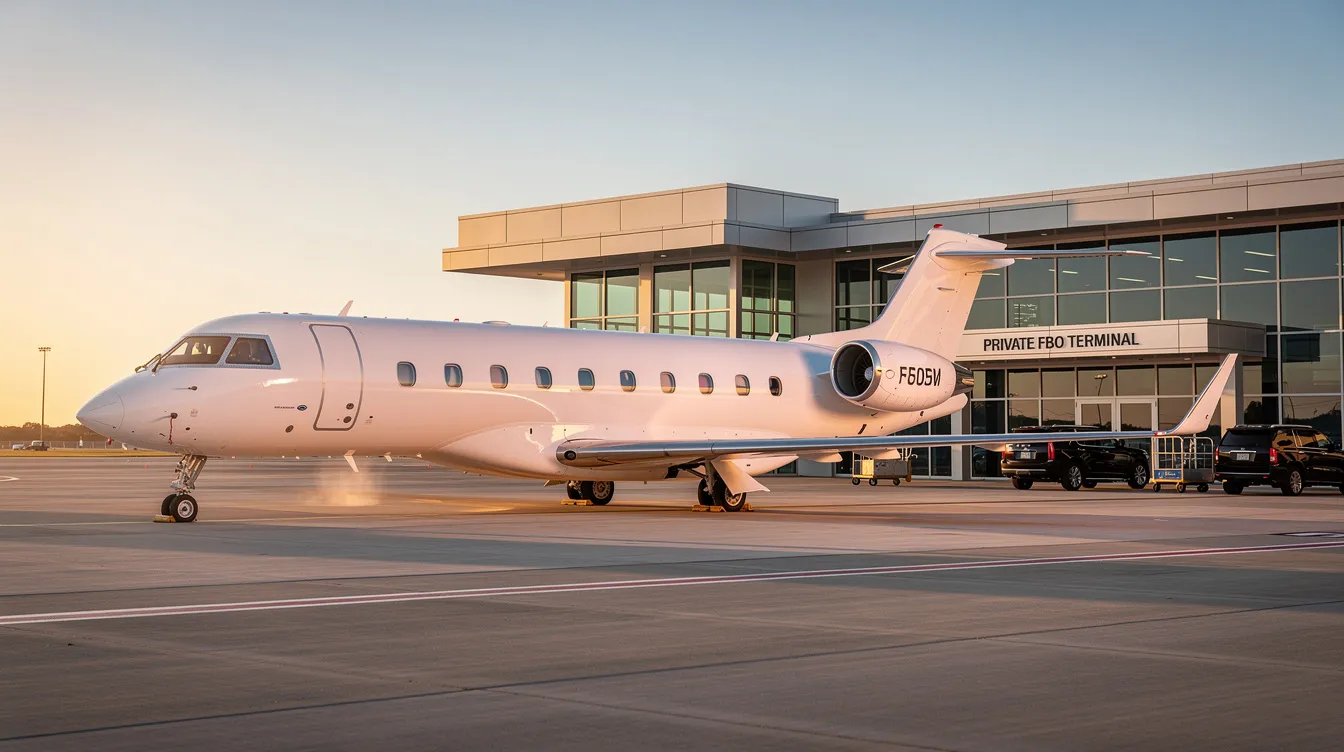
Many readers considering Jettly’s services wonder how private jet speeds compare with standard commercial jets on similar routes, especially when evaluating private jets for international flying across oceans and between continents, or researching how much it costs to rent a private jet for those missions.
|
Category |
Example Aircraft |
Speed (Knots) |
Speed (MPH) |
Mach |
|---|---|---|---|---|
|
Light jets |
Embraer Phenom 300, Cessna Citation CJ3 |
380–450 |
440–515 |
0.70–0.77 |
|
Super-midsize |
Bombardier Challenger 3500, Gulfstream G450 |
450–480 |
515–552 |
0.80–0.83 |
|
Ultra-long-range |
Gulfstream G650ER, Bombardier Global 7500 |
488–530 |
515–610 |
0.90–0.925 |
While absolute cruise speed differences might only be 20–40 knots faster, real advantages of private jets include a variety of accessible booking paths, outlined in our guide to getting a seat on a private jet, and expanded on in our overview of how to buy a seat on a private jet
Shorter taxi and ground delays.
Direct routing without connections.
Ability to depart closer to desired times from secondary airports.
Jettly’s marketplace provides on-demand access to these jet categories worldwide, allowing travelers to match speed, range, and budget to each trip, and tools like the private jet charter cost estimator help forecast total mission costs.
Airline speeds aren’t determined solely by technology. Aviation regulations impose hard ceilings on how fast commercial aircraft fly in specific airspace, just as fleet size and distribution shape how the global fleet of private jets operates within regulated skies.
250 knots indicated airspeed below 10,000 feet (FAA rules).
200-knot limits in certain terminal areas near busy airports, typically within 4 nautical miles and at or below 2,500 feet in Class C or D airspace.
Maximum operating Mach number (Mmo) for each aircraft—Mach 0.89 for some Boeing 777 variants, Mach 0.90 for certain Airbus models.
These limits ensure safe separation, manageable transonic effects, and acceptable structural loads even in turbulence. Modern avionics and flight management systems help crews stay within speed envelopes automatically.
As of 2026, mainstream jet airliners haven’t increased top speed significantly in decades. Advances focus on fuel burn, emissions, and cabin comfort instead.
Anticipated developments: travelers choosing their own aircraft for long missions can also consult guidance on finding the best cross-country plane when range, speed, and efficiency all matter.
Next-generation aircraft prioritize lower fuel consumption at similar cruise Mach (0.78–0.85).
Supersonic projects like Boom’s Overture aim for Mach 1.7+ on long overwater routes, targeting premium markets.
Sustainable aviation fuels and hybrid-electric concepts focus on efficiency, not raw speed.
Regulatory frameworks and sonic boom concerns will likely keep widespread supersonic operations limited in the near term. The fastest aircraft for daily travelers may not change dramatically.
For many, the future of “faster” flying may come from streamlined booking, airport processes, and point-to-point service—areas where private aviation platforms like Jettly provide significant advantages, especially when compared with other top private jet charter companies.
Commercial jet airliners do not fly faster than Mach 1 in routine operations due to aerodynamic, structural, and regulatory constraints. While high-altitude tailwinds can push ground speed above 700 mph, true airspeed through the surrounding air remains below supersonic speeds. Concorde previously offered supersonic flight, and future aircraft like Boom’s Overture may return this capability, but neither operates in mainstream service in 2026.
Differences in wind, air traffic control routings, holding patterns, and airport congestion can change gate-to-gate times by 30 minutes or more. Airlines may also adjust cruise speed slightly for fuel-saving or schedule reasons. Travelers seeking predictable, optimized schedules often prefer private charter solutions where departure times and routes can be tailored, or commit to structured access through programs like Jettly’s jet card corporate programs for frequent flying.
While cruise speeds are often similar, private jets can save 1–3 hours on many trips by departing from smaller airports closer to origins, avoiding security lines, and flying nonstop without connections. A business traveler flying from Teterboro near New York to a secondary airport near Chicago bypasses major hubs entirely, and can further cut per-seat expense by using Jettly’s platform to crowdsource private jet flights and share empty seats. Explore sample itineraries and instant pricing at Jettly to see realistic savings for specific routes, while our guide on how much a private jet costs explains the long-term economics behind those choices.
Each aircraft has an optimal cruise speed where fuel burn per mile is minimized. Flying significantly faster or slightly slower than this point typically increases total fuel use. Reducing cruise from Mach 0.78 to Mach 0.74 can noticeably cut fuel burn on medium-haul sectors with minor time impact. Airlines and Jettly’s partner operators routinely balance time and fuel costs when planning missions.
New-generation jets like the Boeing 787 or Airbus A350 aren’t dramatically faster than older commercial airplanes. Average cruising speed has remained in roughly the same band for decades. Improvements focus instead on fuel efficiency, range, noise reduction, and cabin comfort. For travelers, the biggest differences appear in reliability, comfort, and route availability rather than raw speed.
Understanding how fast jet airliners fly helps put modern air travel in perspective:
Modern commercial airliners cruise between 550 and 600 mph (478–521 knots, 885–965 km/h) at Mach 0.85–0.90, approximately 85% to 90% of the speed of sound.
Technology allows similar or slightly higher speeds, but economic, environmental, and regulatory factors maintain this established speed band.
Private jets through Jettly cruise at comparable or slightly higher speeds while significantly reducing total travel time through optimized logistics.
Total door-to-door time, flexibility, and productivity matter more than cruise Mach alone when comparing commercial airlines versus private charter.
Ready to experience private travel on your terms? Explore flight options or request a quote at https://www.jettly.com.
Share this post:
Jay Franco Serevilla
Apr 18, 2026
|
5
min read
Discover tips and trends in the industry.

5
min read
Delta Boarding Zones: How Delta Air Lines Boarding Works (and What It Means for Private Flyers)
Delta Air Lines utilizes a structured boarding system with eight numbered zones plus pre-boarding, determining the order in which passengers board based on cabin class, fare type, and loyalty status. Understanding this system is crucial for travelers considering commercial flights versus private jet charters, as it impacts overhead bin space and wait times. For those seeking a more streamlined experience, private jet options like Jettly eliminate the complexities of boarding zones altogether.
Read More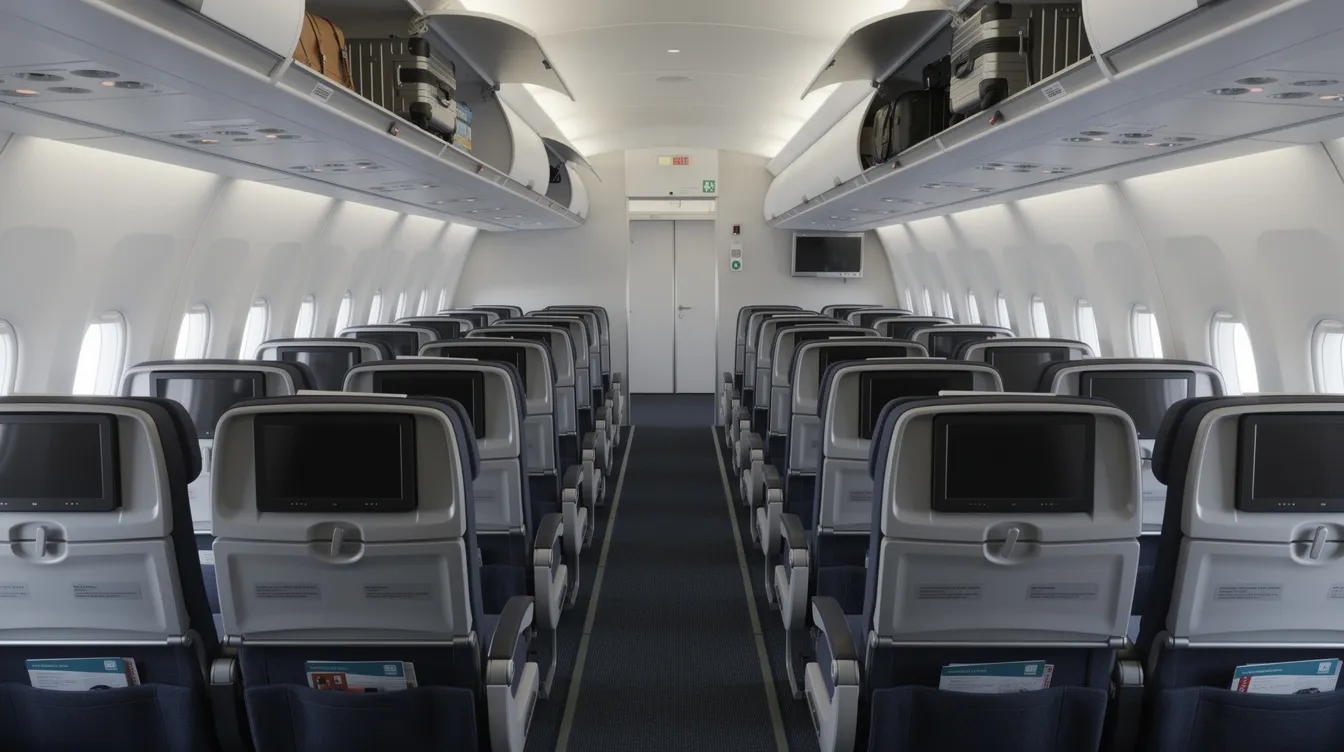
5
min read
Delta Basic Economy: What Changed, What It Includes, and When to Avoid It
Delta Air Lines has rebranded its Basic Economy fare to Delta Main Basic as of October 1, 2025, maintaining its core restrictions while altering the booking experience. This fare class is the most restrictive in Delta's lineup, making it suitable primarily for solo travelers on short flights who prioritize low prices over flexibility. For most travelers, considering higher fare options like Delta Main Classic or private jet charters may provide better value.
Read MoreStay updated with our latest insights and tips to elevate your journey with us.
MEMBERSHIPS AND ASSOCIATIONS



Disclaimer: Jettly operates as a charter broker, offering access to a global digital jet charter marketplace. Jettly is not a direct air carrier and does not own or operate aircraft. All advertised flights are conducted by third-party air carriers that are fully licensed and hold the appropriate Part 135 or Part 121 certifications issued by the Federal Aviation Administration (FAA) or equivalent regulatory authorities under U.S. or foreign law. Jettly complies fully with the U.S. Department of Transportation's Part 295 and Part 298 Charter Broker regulations. Jettly does not carry additional liability insurance. Passengers are covered by aircraft operator insurance. TICO: 50023770


