


Login
Get Instant Pricing On 23,000+ Aircraft

>

If you’ve ever asked yourself, “How does renting a plane work?” you’re not alone. In a world where flexibility and convenience are increasingly valued, more individuals and businesses are exploring aircraft rentals as an alternative to commercial flying. Whether you’re flying for business, planning a family getaway, or simply enjoy the freedom of flight, renting a plane offers unique benefits compared to traditional airline travel.
Airplane rental work refers to the process and requirements involved in renting an aircraft, including pilot qualifications, rental types, and the steps needed to secure a plane for your trip. Most rental companies offer aircraft from flight schools, fixed base operators (FBO), and flying clubs, providing a variety of options for renters. Fixed base operators (FBOs) conduct business out of a wide range of public-use airports and typically have several aircraft available for rent.
This guide will walk you through everything you need to know about aircraft rentals—from how to find a reputable rental service to what to expect before takeoff. Whether you’re a certified pilot looking to log hours, a student pilot training for your license, or someone who needs to charter a jet for a specific purpose, this article will help demystify the process of airplane renting.
Air travel has revolutionized the way we connect with the world, offering unmatched speed, comfort, and flexibility for both personal and business trips. Renting a plane opens up a world of possibilities, allowing pilots and passengers to experience the excitement of flying without the long-term commitment or high cost of owning an aircraft. Renting an aircraft allows you to avoid expenses related to ownership such as maintenance and storage. Whether you’re planning a quick business meeting in another city or a weekend getaway to a remote destination, renting a plane gives you the freedom to choose from a wide range of aircraft, including nimble single-engine planes and sleek jets. This flexibility means you can select the right aircraft for your needs, budget, and flying experience, making every trip efficient and enjoyable. For pilots, renting a plane is a practical way to stay current and explore new horizons, while for newcomers, it’s an accessible entry point into the world of aviation.
Renting a plane offers benefits that commercial air travel simply can’t match:
Flexible scheduling
Direct flights to remote destinations
Privacy and comfort
Customizable travel experience
Control over departure times and layovers
Renting can also help you save money compared to owning an aircraft, since you avoid expenses like maintenance, insurance, and storage.
For certified pilots, plane rentals also allow you to stay current without the long-term commitment and cost of aircraft ownership, and renting is often cheaper than owning a plane, especially for those who fly infrequently. And for non-pilots, services like Jettly make private jet charters accessible and easy to manage.
So, how does renting a plane work from the start? First, you’ll need to find a company or provider that offers aircraft rental or private jet charter services. Most rental companies maintain high standards for aircraft maintenance and safety, so you can expect a reliable and well-maintained fleet when evaluating providers. You must pay any required booking deposit and the final rental fee, which may include fuel, pilot fees, and taxes.
You can find aircraft rentals through:
Flight schools – Often rent out their aircraft to certified pilots. Flight schools typically have an inventory of multiple trainer aircraft available for rent.
Flying clubs – Provide discounted access to members.
Aircraft rental companies – Offer a wide range of services including jet charters. Most rental companies offer models with up to four seats for group travel needs.
Online platforms – Like Jettly, which connect travelers with available aircraft quickly and efficiently.
When evaluating providers, take into account:
Fleet variety (types of aircraft)
Availability and scheduling system
Pilot requirements (if you’re flying yourself)
Costs, including hidden fees
Maintenance practices
Insurance and liability coverage (providers may offer different insurance options to suit various needs)
Customer reviews or referrals
A reputable provider will be transparent about rates, include safety protocols, and offer excellent customer support.

Let’s break down how the process to rent airplanes actually works, including the requirements, types of rentals, and key considerations. Rental companies may require pilots to complete a checkout flight with an instructor if they are unfamiliar with the aircraft, ensuring safety and proficiency before flying. Renters must also bring their pilot certifications and logbooks to verify their flying experience. Cessna 172 is a commonly recommended aircraft for training purposes due to its reliability.
From small single-engine planes to luxurious private jets, the type of plane you rent should align with your:
Distance to travel
Number of passengers
Preferred speed and comfort level
Budget
For instance, short-haul trips with one or two passengers might call for a small Cessna, while cross-country business travel could justify a light jet or turboprop.
If you’re planning to fly the plane yourself, you typically need:
A private pilot license (PPL) or higher
A valid pilot certificate (rental companies will verify your pilot certificate before allowing you to rent)
A current medical certificate
A check-out flight (also known as a rental checkout) to demonstrate proficiency with the aircraft type
A type rating for jets, as specific training is required to operate each type of jet.
If you’re not a pilot, you’ll be booking a chartered flight with a qualified crew—something companies like Jettly specialize in.
Most aircraft rental contracts outline:
Hourly rate (dry or wet)
Fuel costs (some rentals require you to pay for fuel separately)
Time minimums (e.g., 2-hour minimum per day)
Insurance obligations
Cancellation policies
It’s critical to read the rental agreement carefully so you know exactly what you’re responsible for. The rental cost may include or exclude items such as fuel (wet vs. dry rates), insurance, landing fees, and other additional expenses, so be sure to check what is covered. Rental agreements outline all aspects of your liability to the aircraft and any expenses incurred.
For certified pilots, renting a plane offers the opportunity to fly without the high cost of ownership. Many rental services also provide special programs or discounts for new pilots who are just beginning their flying careers. Rental companies take care of maintenance and repairs, which are the owner's responsibility when you own a plane.
No maintenance headaches
No hangar or tie-down fees (including the cost of hangar space for aircraft storage)
No insurance payments
Access to a fleet of different aircraft models
Wet rental includes fuel and oil costs
Dry rental requires the renter to cover fuel separately
Some providers may also add fuel surcharges to account for fluctuating fuel prices, which can increase the total cost of your rental.
Choosing the right rental type depends on your preferences and intended use.
Some rental services and flying clubs offer membership programs for club members, which include:
Lower hourly rates
Priority access to aircraft
Free or discounted training
Group events and seminars
Additional benefits exclusive to club members
If you fly frequently, joining a club or a service like Jettly’s membership program can be a cost-effective solution, especially for club members seeking discounted rates and extra perks.
Even if you’re not a pilot, you can still enjoy private air travel through charter services. Many charter providers offer additional services such as catering, ground transport, or concierge support to enhance your experience.
Submit your trip details – Origin, destination, dates, passengers, and select the most convenient airport. Choosing between major city airports and smaller regional airports can impact your rental costs, airport fees, and travel time.
Review available aircraft – Choose based on comfort, speed, and pricing.
Book your flight – Often includes catering, ground transport, and baggage handling.
Show up and fly – No TSA lines, no crowds, no delays.
Services like Jettly simplify this process by handling logistics, providing transparent pricing, and even offering concierge support.
When considering how renting a plane works, it’s helpful to understand the types of airplanes available for rental:
Single-Engine Plane: Best for local flights, pilot training, and short trips. Piper Cub and Cessna 150 are light, single-engine airplanes that are often the cheapest to rent.
Multi-Engine Plane: Suitable for cross-country travel and offers more power
Turboprops: Ideal for regional business travel and operations on small runways
Light Jets: Designed for executive travel, accommodating up to 8 passengers
Midsize/Heavy Jets: Perfect for long-range flights, multiple passengers, and enhanced comfort
Each category has trade-offs in terms of speed, range, passenger capacity, and cost.
Private jet rental is the gold standard for those seeking the ultimate in air travel comfort and convenience. With a private jet, you’re in control of your schedule—depart when you want, skip the crowds, and fly directly to your destination. This level of flexibility is especially valuable for business travelers who need to maximize productivity and minimize downtime, whether it’s for a quick business trip or a multi-city tour. Private jets also elevate special occasions, turning milestones, celebrations, or family vacations into unforgettable experiences. With a variety of jets available, from compact, efficient models to spacious, luxurious aircraft, you can tailor your flying experience to your group size and preferences. Larger jets are often rented through charter services, which include the cost of the crew and operation. Private jet rental services make it easy to enjoy personalized service, privacy, and a seamless journey from start to finish, ensuring every trip is as comfortable and efficient as possible.
A well-managed aircraft rental or charter company will provide:
Pre-rental inspection – To ensure the aircraft is safe and airworthy.
Safety briefing – Safety procedures, emergency procedures, and equipment use.
Maintenance records – Transparent documentation of recent servicing.
Support services – Booking assistance, flight planning, concierge, etc.
Providers like Jettly often go further by offering on-demand support, mobile apps, and member perks such as empty leg deals and premium upgrades.
Joining a flying club is a great way for pilots to access aircraft at a lower cost. Membership benefits both you and the club by sharing costs and responsibilities, making flying more affordable and sustainable for everyone involved.
Discounted hourly rates
Shared operational costs
Community learning and mentorship
Group flight events and seminars
Access to certified instructors
These clubs may also offer insurance pooling, which often covers damage to the aircraft and liability for members, significantly reducing liability and expenses. Clubs are especially useful for student pilots and recreational flyers.
Safety is a top priority in any aircraft rental process.
Before each flight, it is essential to perform a thorough pre-rental inspection. The preflight checklist should be tailored to the specific aircraft being rented, ensuring that all components are properly inspected and relevant documentation is reviewed for safety. A pre-flight briefing may be provided by the rental company or an instructor regarding the aircraft's systems and operating limitations. Rental agreements often require pilots to perform a pre-rental inspection of the aircraft before flying.
Visual check of the aircraft (tires, oil levels, control surfaces)
Review of flight logs and maintenance status
Fuel quantity and quality check
Avionics system check
Some rental companies may also require that you have already flown the same or a similar aircraft model before renting, to ensure you have the necessary experience and familiarity.
If you’re renting as a pilot, you’ll typically conduct the preflight yourself—with the rental company verifying the essentials.
For charters, the provider handles everything, ensuring the aircraft is safe and ready before passengers arrive.
Renting a plane isn’t cheap—but it can be cost-effective depending on your needs. Rental rates and the cost to rent vary widely depending on aircraft type and provider. Rental costs can also vary between different planes even within the same model or class. Multiengine aircraft rentals typically cost more than single-engine rentals, often exceeding $200 an hour.
When budgeting for your flight, consider these key expenses:
Hourly rental fees (wet or dry)
Fuel surcharges
Maintenance reserves
Landing and ramp fees
Insurance costs, which can be a significant part of your total outlay
Taxes and administrative charges
The total amount of money you might spend on a typical rental depends on the price structure set by the provider. Prices can fluctuate based on aircraft type, rental duration, and whether you choose a wet or dry rental. Renting a plane typically costs between $100 and $500 per hour depending on the type and size of the aircraft. Always compare the price and cost to rent different aircraft to find the best value for your needs.
Finally, paying attention to all fees and charges will help you avoid surprises and ensure you stay within your budget. Many rental companies may require you to gain non-owned aircraft insurance to cover liability for bodily injury and property damage.
Hourly rental rate (varies by aircraft type)
Fuel costs (note: fuel prices can fluctuate and significantly impact your total rental expense)
Insurance coverage
Landing fees or ramp fees (at some airports)
Pilot costs (for charters). Smaller planes generally cost less to rent than larger planes with more amenities.
Expect to pay anywhere from $120/hour for a single-engine aircraft to $2,500+/hour for a private jet.
Always get a full quote in advance—including taxes and fees—to avoid surprises.
Book early, especially during peak travel seasons.
Plan your rental in advance to secure the best rates, schedule, and insurance coverage.
Double-check your pilot credentials if flying yourself.
Compare multiple providers for pricing and flexibility.
Ask about cancellation policies and refund options.
Keep weather conditions in mind—it can impact availability.
Consider travel insurance for peace of mind.
If you’re flying through a platform like Jettly, they handle many of these steps for you.
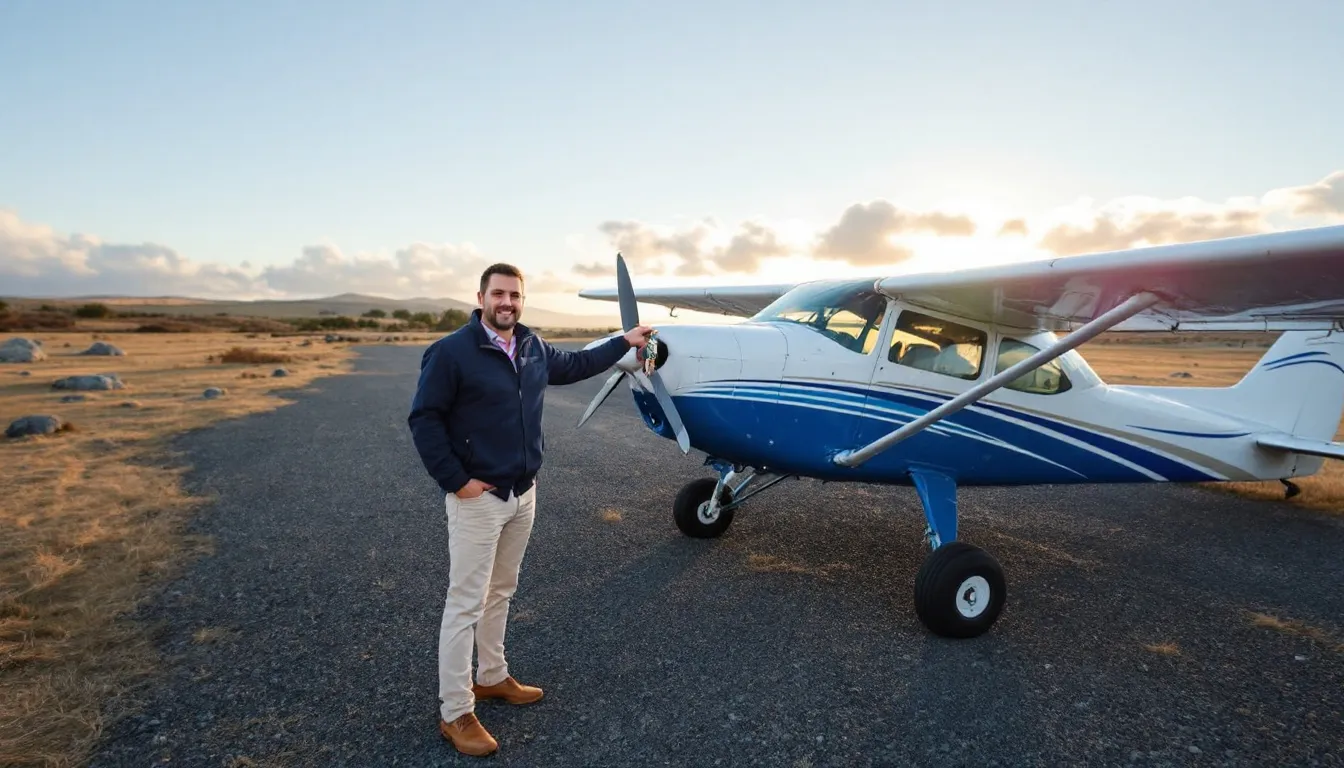
There’s nothing quite like the thrill of taking to the skies in your own rented plane. Renting a plane gives both new and experienced pilots the chance to enjoy the freedom and adventure that flying offers, without the responsibilities of owning a plane. Whether you’re looking to fly a single-engine aircraft for a scenic tour, try your hand at more advanced maneuvers, or simply log some hours for fun, renting a plane puts the controls in your hands. With a wide selection of planes and jets available, you can match your rental to your skill level and the type of flying you want to do. For many pilots, the ability to rent a plane means more opportunities to fly, explore new destinations, and share the joy of aviation with friends and family. So why wait? Rent a plane and experience the excitement, freedom, and pure enjoyment that only flying can provide.
So, how does renting a plane work? It’s simpler than you might think. Whether you’re a seasoned pilot looking to explore new horizons or a business traveler seeking convenience, renting a plane offers unmatched flexibility and comfort. From understanding the rental process to selecting the right aircraft, having the right information ensures your experience is smooth and safe.
Renting is a great alternative to having your own plane, especially for those who want flexibility for personal reasons, need to travel to different regions, or require an aircraft for longer trips. For many users, renting can also be more cost-effective in the long run compared to ownership.
If you’re ready to experience personalized air travel on your terms, consider using Jettly. As one of the leading platforms for private jet charters and aircraft rental, Jettly offers a wide selection of aircraft, transparent pricing, and top-tier customer service—making it easy for both pilots and passengers to take flight. For those seeking added flexibility, Jettly also offers jet card programs that provide access to a large fleet with convenient, fixed pricing.
Visit Jettly.com today to book your next flight or learn more about aircraft rentals.
Share this post:
Jay Franco Serevilla
Sep 19, 2025
|
5
min read
Discover tips and trends in the industry.

5
min read
Bell 505 Jet Ranger X: Performance, Operations, and Charter Use
The Bell 505 Jet Ranger X is a versatile light helicopter designed for various missions, including training, corporate transport, and tourism. With modern avionics and a spacious cabin, it offers efficient short-range travel options for up to four passengers. Its strong market presence and proven performance make it a popular choice among charter operators and aviation enthusiasts alike.
Read More
5
min read
Small Private Jet Price: What It Really Costs to Fly vs Own in 2026
In 2026, the cost of small private jets varies significantly based on whether you choose to charter or own. Charter rates for very light jets range from $2,000 to $3,000 per hour, while ownership costs can exceed $1 million annually. This guide provides a comprehensive breakdown of purchase prices, operating costs, and the advantages of chartering versus owning a private jet.
Read MoreStay updated with our latest insights and tips to elevate your journey with us.
MEMBERSHIPS AND ASSOCIATIONS



Disclaimer: Jettly operates as a charter broker, offering access to a global digital jet charter marketplace. Jettly is not a direct air carrier and does not own or operate aircraft. All advertised flights are conducted by third-party air carriers that are fully licensed and hold the appropriate Part 135 or Part 121 certifications issued by the Federal Aviation Administration (FAA) or equivalent regulatory authorities under U.S. or foreign law. Jettly complies fully with the U.S. Department of Transportation's Part 295 and Part 298 Charter Broker regulations. Jettly does not carry additional liability insurance. Passengers are covered by aircraft operator insurance. TICO: 50023770


