


Login
Get Instant Pricing On 23,000+ Aircraft

>
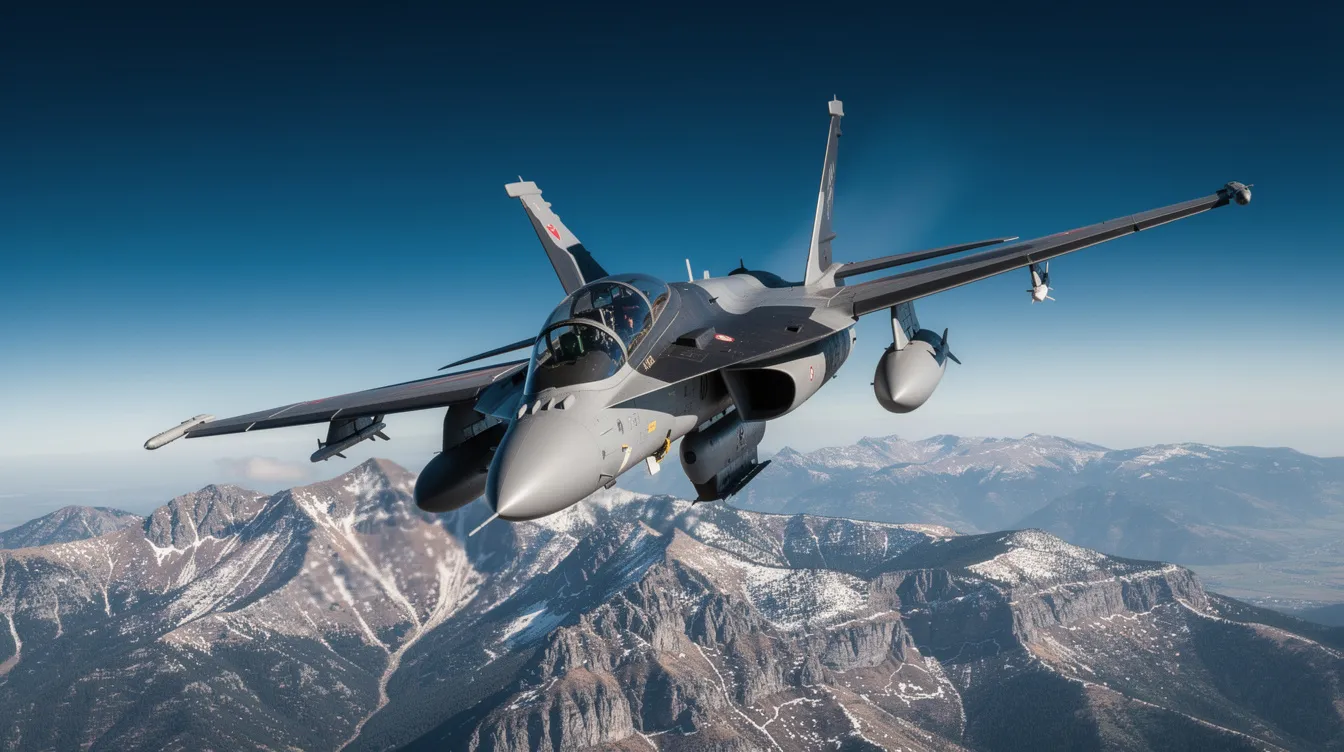
If you've ever watched a jet scream across the sky and thought, "I want to be in that cockpit," you're not alone. The good news: you don't need to enlist in the military to make it happen. Civilian fighter jet rides are real, available in dozens of locations worldwide, and open to anyone who meets basic health requirements. This guide covers how to book a fighter jet ride, what the experience actually feels like, where to find operators, and what it costs.
The fastest way to get a fighter jet ride is to book through a specialist civilian operator that flies ex-military jet trainers like the L-39 Albatros, MiG-15, or BAC Strikemaster. Modern front-line fighters such as the F-35 or F-22 are not available to civilians.
Fighter jet flights are offered in locations including Florida, California, Texas, the UK, Germany, Czechia, New Zealand, and Australia. Prices range from roughly $3,500 for a short L-39 flight to over $35,000 for rare supersonic profiles.
All legitimate fighter jet rides are conducted by certified professional pilots and include a detailed safety briefing, medical screening, and strict regulatory oversight. No prior aviation experience or pilot license is required.
Civilian ride experiences include aerobatic flights, tactical maneuvers, and simulated air combat missions. Flight experiences typically last 25 to 45 minutes airborne, with G forces reaching 3–6g in standard packages.
Travelers who want to simplify logistics—especially getting to remote airfields—can explore private jet charter options through Jettly's digital platform at jettly.com.
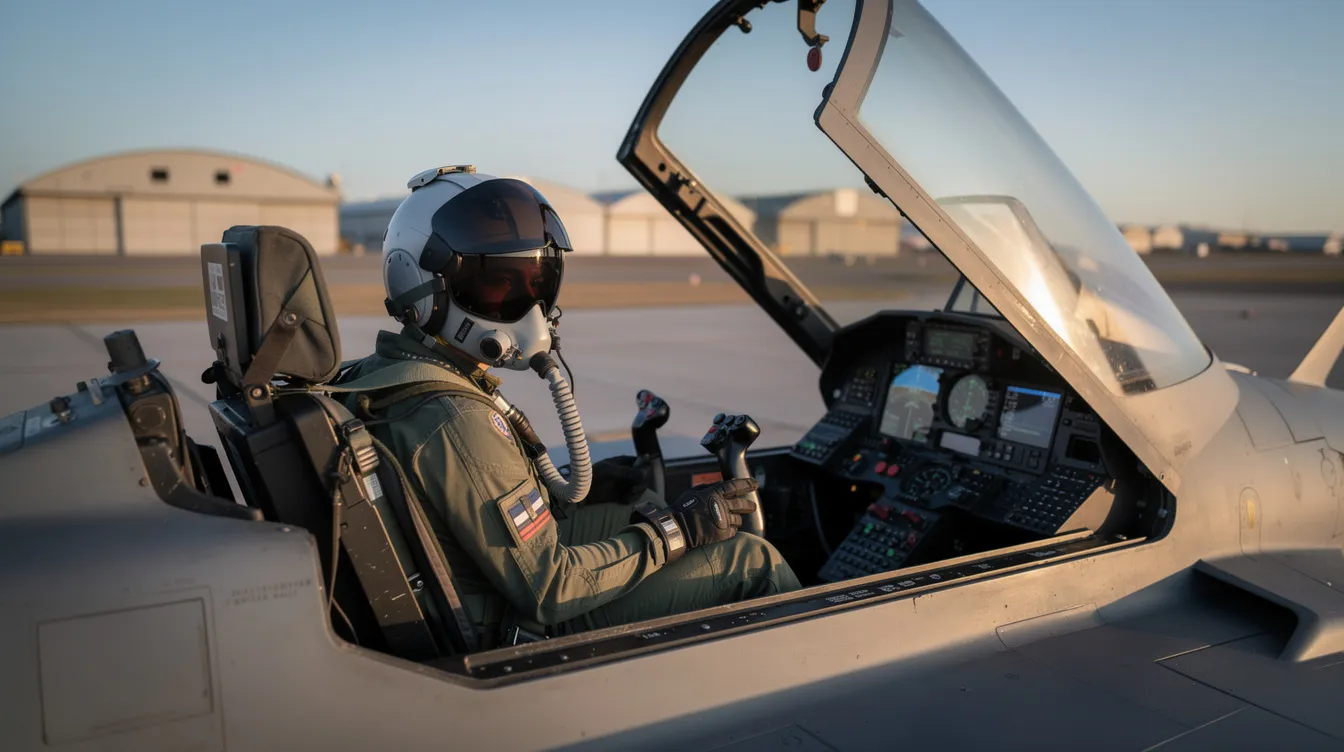
The most realistic way to fly a fighter jet as a civilian is to book a ride in a retired military jet or advanced trainer aircraft operated by a licensed civilian company. Civilian jet experiences typically do not require a pilot's license, and no prior aviation experience is required. You sit in the rear seat while an experienced fighter pilot handles the controls up front. In standard experiences, civilians participate as passengers with certified pilots operating the aircraft; they do not fly the jet themselves.
There are three main paths to a fighter jet ride:
Dedicated fighter jet experience providers that operate aircraft like the L-39 Albatros in Florida, California, or Germany.
Jet warbird operators at historic airfields offering flights in aircraft such as the BAC Strikemaster in the UK or T-33 Shooting Star in Canada.
Air combat simulation companies that use two jets flying together to recreate dogfight scenarios and high-speed maneuvers.
Civilians can experience rides in retired military fighter jets under regulated conditions, and participants fly with certified pilots—they do not fly the aircraft themselves in standard experiences. Current operational jet fighter types like the F-16, F-18, Typhoon, and F-35 are not legally available for public rides. However, Cold War-era fighters and trainers deliver similar aerobatic maneuvers and G forces.
Popular locations and aircraft often book up weeks or months ahead, so start inquiries early. For readers exploring their options, Jettly's platform can serve as a starting point for comparing high-performance aviation options and arranging private jet legs to the airfield where the ride operates.
The entire experience begins long before takeoff. You check in at a specialist airfield, complete paperwork, then move through a carefully structured sequence designed to keep you safe and maximize the thrill.
Here's the typical flow:
Arrival and paperwork - sign waivers, confirm identity, review regulations.
Medical screening - participants must complete a medical questionnaire before flying.
Pre-flight briefing - covers safety procedures, aircraft systems, ejection seat operation, and cockpit communication protocols.
Gear-up - you're fitted with a flight suit, helmet, and sometimes a G suit.
Cockpit entry and strap-in - the pilot walks you through instruments, dual controls, and emergency procedures.
Takeoff - often at full throttle on a dedicated runway.
Aerobatic maneuvers - loops, rolls, Split-S, vertical climbs, and possibly air combat simulations.
Landing and debrief - a post-flight session where the pilot reviews the mission.
Many operators let guests take the controls for part of the flight under supervision, offering genuine hands-on flying rather than a passive ride. Flights typically last around 30 minutes, including 20 minutes airborne, though extended packages push airborne time to 45 minutes or more. Total on-site time runs about 2–3 hours.
G forces of 3–6g are typical during tight turns and rapid pull-ups—dramatically more intense than anything experienced on a commercial airliner.
"Fighter jet experience" can mean very different things depending on the provider. The aviation industry offers various package options depending on the flight experience desired. Here's how they break down:
These are introductory jet flight packages focused on feeling the raw power and speed of a real fighter jet. Expect basic aerobatics, a few moderate-G turns, and an overall gentle introduction. Aircraft like the L-39 Albatros or BAC Strikemaster are common here. Ideal if you're a first-timer or prone to motion sickness.
For thrill seekers, these packages dial up the intensity. You'll experience aerobatic maneuvers including loops, barrel rolls, Cuban eights, and vertical climbs with unlimited aerobatics at the pilot's discretion. High G turns and sustained G forces make these physically demanding—and an exhilarating experience.
Two aircraft fly together to simulate dogfights, lead-lag pursuit, and basic air combat tactics. These are often marketed as "fighter pilot for a day" and are the closest civilian equivalent to a real Top Gun mission. Logistically complex, more expensive, but deeply immersive.
These blend sightseeing with moderate aerobatics—think coastline runs in California, canyon flights in Arizona, or Alpine passes in Germany. Less G stress, more visual spectacle, and a good fit for those who want adventure without maximum intensity.
Fighter jet rides are concentrated in countries with active warbird communities and favorable aviation regulations. Here's a location guide to help you narrow your search.
Tampa, Florida - L-39 flights in the Sunshine State, with operators offering packages from roughly $4,900 to $7,750 depending on duration. Florida's flat terrain and reliable weather make it a year-round destination.
Los Angeles, California - L-39 aerobatics over mountains and the coastline. A 45-minute flight runs about $6,400, with 60-minute packages around $7,750.
Texas - L-39 programs including advanced stick time for licensed pilots, plus warbird rides at museums.
Nevada/Arizona - High-performance air combat simulations and desert terrain flights.
Fighter jet experiences are available in locations like Los Angeles and Tampa, among more locations across the country.
Germany and Czechia - The historic home of the L-39 Albatros and the S.211. MiGFlug offers flights over the Bavarian Alps starting at €3,850 for 30 minutes.
United Kingdom - BAC Strikemaster and classic jets from historic RAF airfields, with strong aviation history and well-maintained warbird fleets.
Switzerland and Italy - Alpine jet flights with dramatic scenery at altitude.
T-33 Shooting Star warbird flights near Toronto and Waterloo give North American travelers an option without crossing the border into the U.S.
New Zealand - L-39 flights out of Tauranga over stunning coastal routes.
Australia - L-39 operations along the coastline near Sydney.
Jettly's global private jet marketplace can help travelers charter convenient private flights into regional airports near these fighter jet locations, especially when commercial schedules don't align with briefing times.
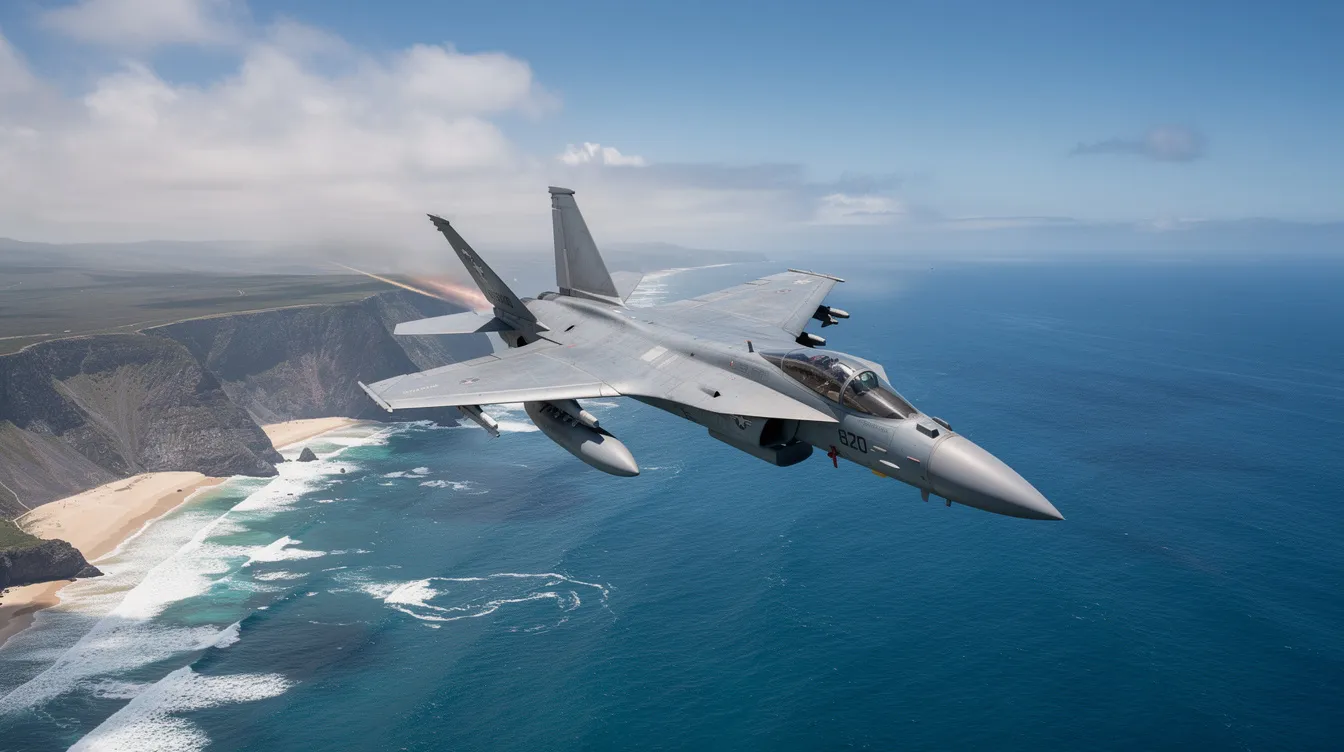
Safety is the top priority for operators, and most fighter jet rides use proven advanced trainers or retired fighters with dual controls so experienced flight instructors can supervise safely. Civilian operators use decommissioned military trainers or vintage warbirds for flights. All aircraft are maintained in strict compliance with aviation regulations.
The L-39 Albatros is the world's most widely used military jet trainer. Czech-designed, subsonic (approximately Mach 0.8), agile, and dual-seated, it's the backbone of the civilian fighter jet experience industry. It handles aerobatics well and is forgiving enough for passengers with no previous flying experience.
The MiG-21 can reach speeds of Mach 2, making it one of the few available aircraft that can break the sound barrier on a civilian flight. Fighter jet flights can exceed Mach 2 in speed with the right aircraft. The MiG-29 can exceed Mach 2 and features afterburners, delivering a truly extreme ride. Both are rare and expensive to operate.
The BAC Strikemaster is a weaponized light attack aircraft originally designed for counter-insurgency operations. Popular with UK-based operators, it offers a distinctly British flavor of fighter jet heritage flight with solid aerobatic capability.
Aircraft like the de Havilland Vampire, T-33 Shooting Star, and P-51 Mustang offer more of a World War and Cold War era heritage experience. Less extreme G forces, but rich in aviation history.
The F-16 Fighting Falcon is a single-engine supersonic jet, but like the F-18 Hornet and Eurofighter Typhoon, it is almost never available to civilians. When access exists, it's extremely limited, expensive, and controlled under specific national programs.
Safety in fighter jet flights is tightly managed. Every legitimate operator employs a professional pilot, follows strict operating procedures, and applies clear medical guidelines.
Most civilian flight experiences require passengers to be at least 18 years old, though some operators accept younger participants with parental consent.
Height and weight restrictions are strictly enforced for cockpit safety. Common limits are around 6'5" and 250 lbs.
Typical exclusions: serious heart conditions, uncontrolled high blood pressure, history of seizures, recent major surgery.
Participants must complete a medical questionnaire before flying. Some operators require a doctor's note. The screening focuses on cardiovascular health, vertigo history, and conditions that could be worsened by high G forces or rapid altitude changes.
All flights include thorough safety briefings by experienced flight instructors covering safety procedures and ejection seat operation.
Pre-flight training includes ejection seat procedures and cockpit communication.
Constant radio communication between co-pilot (passenger) and pilot throughout the flight.
The FAA regulates private aviation and has specific rules for former military aircraft in the United States. European operators follow EASA standards.
Stay hydrated, get enough sleep, avoid alcohol for at least 24 hours, eat a light meal, and be honest about any motion sickness history. Following these steps makes the entire experience safer and more enjoyable.
Fighter jet rides are premium experiences. Pricing for civilian fighter jet experiences varies widely based on aircraft and flight duration, and costs can vary significantly by location and aircraft.
|
Experience Type |
Aircraft |
Duration |
Approximate Cost |
|---|---|---|---|
|
Introductory ride |
L-39 Albatros |
30 min |
$3,500–$4,900 |
|
Standard aerobatic |
L-39 / S.211 |
45 min |
$5,000–$6,400 |
|
Extended aerobatic |
L-39 / S.211 |
60-65 min |
$6,000–$7,750 |
|
Supersonic flight |
MiG-21 |
30- 45 min |
From $35,000 |
|
Air combat simulation |
Two L-39s |
45 min |
$10,000–$15,000+ |
Fighter jet flights start around $3,500 for L-39 Albatros, while supersonic flights in MiG-21 start from $35,000. Most fighter jet rides cost between $5,000 and $10,000 for 30 minutes, and prices for fighter jet rides can start around $4,500 for 30 minutes at certain locations.
Pre-flight briefing, safety gear (flight suit, helmet, G suit), the instructor fighter pilot, airport fees, fuel, and post-flight debrief. Extras like HD video, photos, or extended maneuvers may cost more.
Consider the total trip cost—flights, hotels, transfers—when budgeting. Using a private jet charter platform like Jettly can simplify connecting flights, especially when the ride happens at a smaller regional airport. Check private flight cost estimates to plan accordingly.
Booking a fighter jet flight is straightforward online. Flights are generally booked through specialized private contractors or aviation organizations. Here's a practical roadmap:
Step 1: Define the experience. Decide whether you want an orientation ride, an aerobatic maneuvers focus, simulated air combat, or a scenic high-speed tour. Think about how much G-force and airtime you want.
Step 2: Choose a location. Align dates with weather seasonality—winter in Florida, summer in the Alps. Factor in local attractions if you're building a broader trip.
Step 3: Research operators. Look for regulatory approvals, aircraft maintenance records, pilot biographies (ex-military or high-time aerobatic professionals), and independent reviews. Confirm they carry appropriate insurance.
Step 4: Contact and confirm. Ask about health requirements, weight and height limits, and whether you can get stick time during the flight. Confirm pricing and available aircraft.
Step 5: Secure the booking. Pay the deposit, request add-ons like in-flight video, and arrange ground transport. Fighter jet flights can be booked as gift vouchers, making them ideal for milestone celebrations. If you need a private jet charter leg to the airfield, this is the time to arrange it.
G forces are one of the most intense parts of a fighter jet ride. Simple preparation makes the difference between an unforgettable experience and a rough one.
During a high G turn, your body feels several times its normal weight. At 4g, your 10-pound head effectively weighs 40 pounds. Vision may narrow into tunnel vision ("grey-out"), and moving your arms takes real effort. Participants can experience G-forces up to +8g during extreme maneuvers, though most civilian packages stay in the 3–6g range.
Most fighter pilots teach guests the basics before takeoff:
Tense leg and core muscles to prevent blood from pooling in your lower body.
Use controlled, forceful breathing—short inhales, strong exhales.
Follow the pilot's cues about when to brace for a pull-up or tight turn.
Keep your head still during rapid rolls, look at the horizon when possible, and signal the pilot early if you feel unwell. It's perfectly acceptable to request a short break from aerobatics.
Many operators provide a G suit, which squeezes the legs and abdomen to keep blood in the upper body. This gear significantly extends your tolerance during the fighter jet flight.
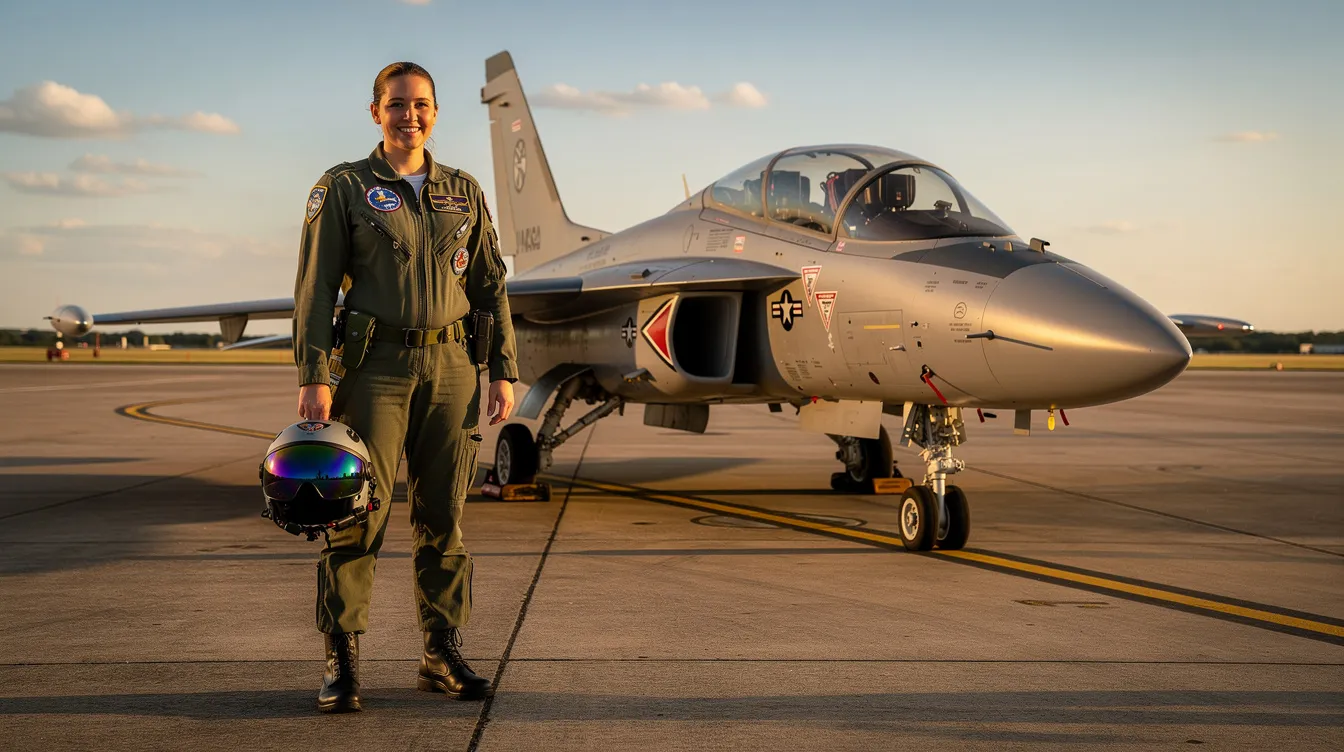
A fighter jet ride is often a once-in-a-lifetime adventure that deserves proper trip planning. Many fighter jet flights operate from specialist or historic airports that lack frequent commercial airline service, making private jet charter an efficient way to align arrival with fixed briefing and takeoff times.
A platform like Jettly helps by offering instant pricing for private jet legs, access to turboprops, light jets, and helicopters that can land at smaller airports, and the ability to coordinate multi-city trips around a key experience date.
Example itinerary: Fly by private jet from New York to Tampa on a Friday, complete an L-39 fighter jet ride on Saturday morning, then reposition by private jet to Miami for onward travel or vacation.
Travelers can also use empty leg flights or on-demand private charters via Jettly to optimize cost when building a larger trip around a fighter jet experience.
Military training is the only path to operating a modern front-line fighter jet as pilot in command. That means years of training, strict medical requirements, and a national service commitment. For most readers asking "how do I get a ride in a fighter jet," the civilian route is the practical answer.
Civilian flight experiences deliver many of the core sensations—high-G turns, rapid climbs, aerobatic maneuvers, and air combat style profiles—without joining the armed forces. The real thing, in terms of raw physical sensation, is remarkably close. For a deeper comparison, see Can a Civilian Fly a Fighter Jet?
Those who fall in love with the sky after a fighter jet ride might pursue a private pilot license, aerobatic instruction, or additional advanced flight experiences. A fighter jet flight is a realistic, time-efficient "fighter pilot for a day" option that fits into normal work and travel schedules—and it might just change your life.
These FAQs address common concerns not fully covered above, with specific, practical answers.
In most countries, time spent as a passenger in a fighter jet or warbird experience does not count as pilot-in-command time for a private pilot license. Some advanced programs for already-licensed pilots—particularly L-39 courses in Texas—may allow logged instruction time if conducted under the correct regulatory framework with a qualified instructor. If you're working toward a license, ask both the operator and your local aviation authority whether any portion of the flight qualifies as dual instruction.
Four to eight weeks' notice is often sufficient for many locations. However, popular aircraft, weekends, and peak seasons (summer in Europe, winter in Florida) can sell out months ahead. Booking early is especially important if the ride is a milestone gift—a 40th birthday, retirement celebration, or similar dream occasion—or if you need to coordinate international flights or private jet charter around a fixed date. Building flexibility into travel dates helps absorb weather or maintenance delays.
Safety-first operators will postpone or cancel flights in poor weather conditions affecting visibility, cloud base, or wind speed, especially for aerobatic maneuvers. Most providers offer alternative dates or vouchers if flights cannot proceed, but refund policies vary. Review terms carefully before paying a deposit, and schedule your ride early in a multi-day trip to leave room for rescheduling on the ground if needed.
Many airfields allow guests in designated viewing areas to watch takeoff, landing, and some low-level passes, but only the booked passenger boards the plane. Spectators should bring cameras, though photography rules near active runways differ by airport. Onboard camera packages typically provide the best record of high-speed maneuvers, since the jet moves too fast for ground cameras to capture everything.
Private jet charter is not required, but it's a smart option for travelers with tight schedules, remote fighter jet locations, or multi-city itineraries. Using Jettly's platform allows travelers to see instant pricing for flights into nearby airports, align departure times with briefing schedules, and combine business or leisure travel around the experience. Ready to plan the trip around your fighter jet ride? Explore flight options or request a quote at jettly.com.
Getting a ride in a fighter jet is an extraordinary adventure that blends history, technology, and pure adrenaline. With civilian options available worldwide, you can experience the power, speed, and aerobatic thrills of a real military jet without a military career. Whether you choose a beginner-friendly L-39 Albatros flight, a high-speed supersonic ride, or an immersive air combat simulation, these experiences offer unforgettable memories and a unique perspective on aviation.
Safety is paramount, with all flights conducted by certified pilots and supported by thorough medical screening and pre-flight training. Booking early and considering private jet charter options through platforms like Jettly can simplify your journey and enhance convenience.
Ready to experience private travel on your terms? Explore flight options or request a quote at https://www.jettly.com.
Share this post:
Jay Franco Serevilla
Oct 11, 2026
|
5
min read
Discover tips and trends in the industry.
5
min read
Jet Deals: How to Find the Best Private Jet Prices with Jettly
Discover how to find the best private jet prices with Jettly, where jet deals make luxury travel more accessible. From empty leg flights to membership benefits, Jettly offers significant savings and real-time comparisons across 20,000+ aircraft.
Read More
5
min read
Semi Private Flights Oakland: How to Fly Smarter via Oakland International Airport
Semi-private flights from Oakland International Airport provide a convenient and cost-effective alternative to traditional commercial air travel. With access to private terminals and reduced wait times, travelers can enjoy a more comfortable flying experience to popular destinations like Los Angeles and Las Vegas. Platforms like Jettly simplify the booking process, allowing for quick comparisons of flight options and pricing.
Read MoreStay updated with our latest insights and tips to elevate your journey with us.
MEMBERSHIPS AND ASSOCIATIONS



Disclaimer: Jettly operates as a charter broker, offering access to a global digital jet charter marketplace. Jettly is not a direct air carrier and does not own or operate aircraft. All advertised flights are conducted by third-party air carriers that are fully licensed and hold the appropriate Part 135 or Part 121 certifications issued by the Federal Aviation Administration (FAA) or equivalent regulatory authorities under U.S. or foreign law. Jettly complies fully with the U.S. Department of Transportation's Part 295 and Part 298 Charter Broker regulations. Jettly does not carry additional liability insurance. Passengers are covered by aircraft operator insurance. TICO: 50023770


