



Login
Get Instant Pricing On 23,000+ Aircraft

>

Every flight begins with fuel. The fuel for jets that powers commercial aviation and private charter alike is a carefully engineered product, and its properties directly shape how far, how high, and how safely an aircraft can fly. Here is what travelers need to know about the different types of jet fuel, how they perform, and why it all matters when booking a private flight.
Aviation fuel for jet engines is primarily kerosene-based. The two dominant grades are Jet A (used mainly in the United States, with a freezing point of -40 °C) and Jet A-1 (the international commercial standard for aviation, with a lower freezing point of -47 °C). Fuel choice is critical for aircraft safety, performance, and operating cost.
Jet B is reserved for extreme cold regions like Northern Canada and parts of Russia. It is a blend of kerosene and gasoline with an exceptionally low freezing point of -60 °C. Types of jet fuel include Jet A, Jet A-1, Jet B, JP-8, and JP-5, each serving distinct operational needs.
Aviation gasoline (AvGas) is different from jet fuel and is used in piston aircraft, not in turbine-powered jets typically chartered via Jettly.
Key technical specs like flash point, freezing point, and specific energy determine how fuel behaves at extremely high altitudes and low temperatures.
When travelers charter a private jet through Jettly, fuel type, sourcing, and handling are managed by certified operators. Understanding the basics helps passengers make informed decisions on routes and aircraft.
Aviation fuel is a specialized type of fuel formulated for aircraft operations, optimized for safety, reliability, and performance at high altitude and speed. Jet aircraft require fuels that pack a massive amount of energy into small volumes and weight, and fuel must meet strict international quality specifications before it reaches any aircraft.
|
Jet Fuel Type |
Freezing Point (6C) |
Flash Point (6C) |
Primary Use |
Key Characteristics |
|---|---|---|---|---|
|
Jet A |
-40 |
38 |
U.S. civilian aviation |
Widely available, standard kerosene-based fuel |
|
Jet A-1 |
-47 |
38 |
Global commercial aviation |
Lower freezing point, international standard, static dissipator additives |
|
Jet B |
-60 |
-23 |
Extreme cold regions |
Blend of kerosene and gasoline, very low freezing point, higher volatility |
|
TS-1 |
< -50 |
38 |
Russia, Eastern Europe |
Cold-weather optimized, very low freezing point |
|
JP-8 |
-47 (similar to Jet A-1) |
38 |
Military |
Additives for corrosion, icing inhibition, anti-static |
There are two broad categories:
Kerosene-based turbine fuels (Jet A, Jet A-1, Jet B, and military grades) power jet engines and turboprops. These are what the aviation industry calls aviation turbine fuel.
Aviation gasoline (AvGas) fuels piston engines in smaller training and recreational planes. It is not suitable for turbine engines.
Modern commercial aviation and most private jets on platforms like Jettly are powered almost exclusively by kerosene-based jet fuels, thanks to their energy density and safety characteristics.
Kerosene-based aviation fuels are the global standard for turbine-powered aircraft. They balance high energy content, manageable volatility, and good cold weather performance in a single product. Energy density across standard kerosene grades is remarkably similar, which is why aviation fuel specifications focus heavily on safety thresholds and cold-flow behavior.
Jet A is primarily used in civilian aviation in the U.S. It was standardized under ASTM D1655 in the mid-20th century and is widely available at major airports. Its freezing point sits at -40 °C.
Jet A-1 is the international commercial standard, with a lower freezing point of -47 °C. This makes it the preferred choice for long-haul flights, high-altitude cruise, and polar routes. It is recognized under DEF STAN and ICAO specifications adopted globally in the late 20th century.
Some regions reference equivalent fuels under different codes, but for private charter customers the main difference remains Jet A versus Jet A-1.
Both grades are clear to straw-colored kerosene products with a higher flash point than gasoline, enhancing safety during ground handling. Kerosene is also cheaper than gasoline on a per-gallon basis, which helps reduce airline costs.
Kerosene maintains low viscosity even in cold conditions, preventing engine clogging and protecting fuel systems. Its low freezing point of -47 °C (Jet A-1) keeps it flowing reliably through pumps and filters.
Jet A and Jet A-1 are generally interchangeable for most modern jet engines. Operators follow each aircraft's flight manual and check regional fuel availability when planning flights.
Certain climates demand aviation fuel with enhanced cold weather performance beyond what Jet A or Jet A-1 can deliver. Winter operations in Northern Canada, Alaska, and Siberia push conventional jet fuels to their limits.
Jet B is a wide-cut aviation fuel blending kerosene and naphtha (a gasoline-range hydrocarbon). It has an exceptionally low freezing point of -60 °C, allowing it to remain fluid in very cold climates where standard grades would begin forming ice crystals and wax.
TS-1 jet fuel, used widely in Russia and parts of Eastern Europe, is another specialized type tailored for cold-weather performance, with a freezing point below -50 °C.
Jet B is more volatile, with a lower flash point than Jet A, which increases handling complexity and the risk of vapor ignition. Its use is limited mainly to specialized fleets, military, and research aircraft.
Operators flying to extremely cold destinations plan fuel loading carefully, sometimes uplifting Jet B at specific airports in northern Canada or Alaska where it is stocked for regional operations, while using Jet A-1 on more temperate legs.
From a Jettly customer perspective, the choice between fuels will rarely be visible, but it directly underpins reliable aircraft performance and fuel flow on winter charter flights into remote regions.

Aviation gasoline and jet fuel serve fundamentally different engine types and cannot be used interchangeably. Misfueling is a serious safety risk.
AvGas (typically 100LL since the 1970s) is a highly refined gasoline with a 100-octane rating and lead additives (about 2.12 grams per gallon). It powers piston engines in many training planes, aerobatic aircraft, and legacy light aircraft.
AvGas has a lower flash point and higher vapor pressure than kerosene-based jet fuel, making it unsuitable for turbine engines and more sensitive during storage.
Jet fuels (Jet A, Jet A-1, Jet B) are kerosene-type aviation fuels designed for jet engines and turboprops, with higher flash points and lower freezing points than automotive gasoline or diesel.
JP-8 is a military-grade jet fuel with specific additives for improved performance and safety, used across NATO forces. JP-5 features a high minimum flash point of 60 °C for enhanced safety aboard aircraft carriers. Neither is typically found in civilian operations.
Environmental and regulatory pressure is driving a move away from leaded AvGas. The FAA's EAGLE initiative targets elimination of leaded aviation gasoline by the end of 2030, with unleaded alternatives like G100UL now certified for many piston aircraft.
Most private jet charter flights arranged via Jettly use turbine-powered aircraft and rely on jet fuel. AvGas appears more often in small piston aircraft charters or air taxi services.
Several physical and chemical properties govern aviation fuel safety and performance. The most critical are flash point, freezing point, viscosity, energy content, and stability. Fuels must remain usable at extremely low temperatures during high-altitude flight.
Flash point is the lowest temperature at which fuel vapors can ignite. Turbine fuels have a flash point of 38 °C or higher, reducing ignition risks during storage and ground handling compared with automotive gasoline. This higher flash point is a core reason kerosene won out over gasoline for jet propulsion.
Freezing point is the temperature at which wax crystals form and fuel may stop flowing. Jet A's freezing point is -40 °C; Jet A-1's is -47 °C. That seven-degree gap matters on long-haul flights crossing polar airspace or flying at extremely high altitudes.
Viscosity measures how easily fuel flows through pumps, filters, and injectors. Turbine fuels are specified to maintain low viscosity in cold conditions so that fuel flow to the combustion chamber remains consistent.
Jet fuels provide high specific energy per unit mass and volume-roughly 43 MJ/kg for standard kerosene grades. This energy density is what allows transcontinental and transoceanic range from a single fuel load. For details on how much fuel a private jet uses, energy content per kilogram is the starting point.
Fuel stability and contamination resistance are essential for long-term storage and reliable aircraft operations. Oxidation stability, resistance to water and microbial growth, and control of static electricity through additives like static dissipator agents all fall under stringent requirements set by ASTM and DEF STAN specs.
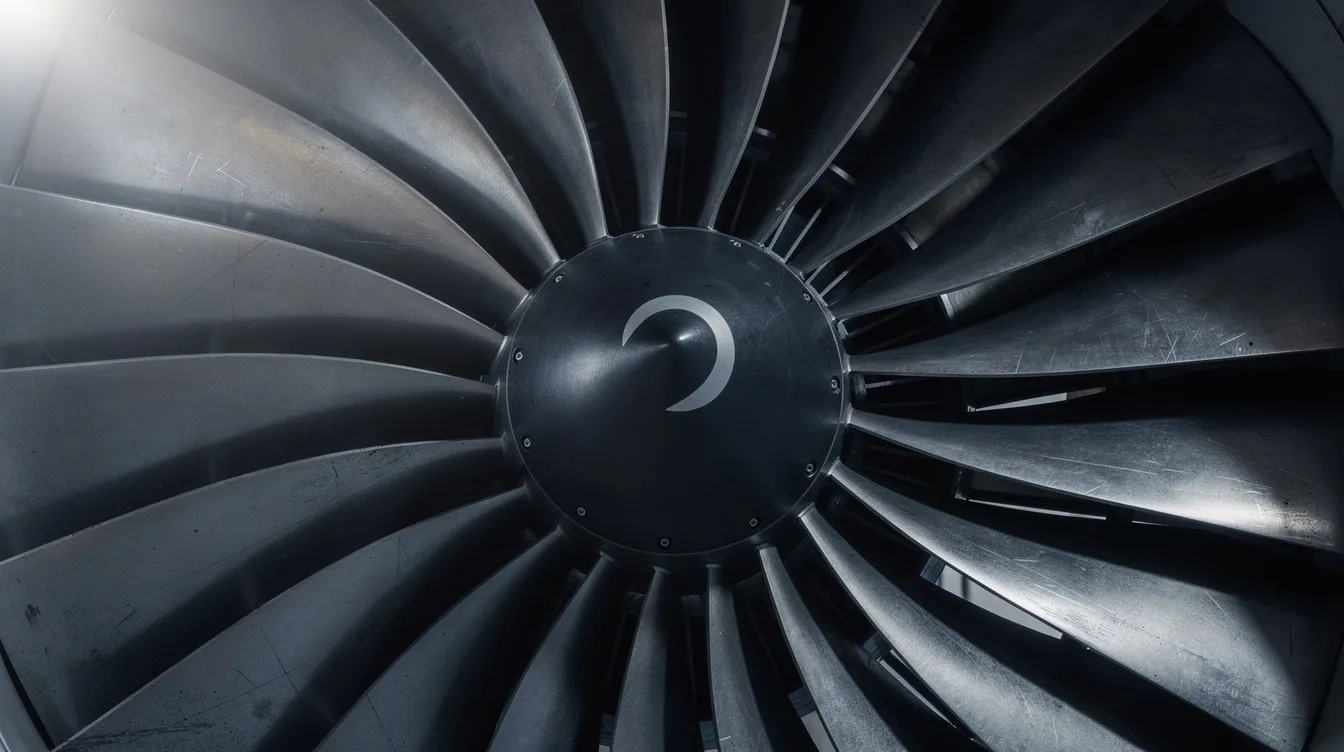
Fuel characteristics sit at the center of aircraft performance, influencing climb rates, cruise altitude, range, and dispatch reliability for charter and airline operations alike. Jet fuel is one of the largest operational expenses for airlines and charter operators.
Freezing point determines maximum achievable altitude and route choices on very cold days. Many airlines and operators flying polar routes (North Atlantic, Arctic tracks used since the 1990s) select Jet A-1 to keep fuel temperature safely above the fuel's ability to crystallize.
Operators consider fuel availability and quality standards at departure, destination, and alternate airports. Remote airfields may stock different types of jet fuel or charge premium jet fuel spot prices due to logistics.
For long-range business jets flying between cities like New York and London or Toronto and Zurich, operators typically select Jet A-1 to ensure margin above the freezing point at cruise. The cost of aviation fuel at each stop also factors into route planning.
Aircraft performance manuals assume specific fuel types. Using an alternative (e.g., Jet B when the manual specifies only Jet A-1) involves checks, limitations, and sometimes temporary procedures to protect jet engines and fuel systems.
Jettly's partnered operators incorporate fuel planning into their dispatch process, ensuring each charter complies with regulatory fuel reserves and performance rules without the customer needing to manage technical details.
Aviation fuel basics connect directly to the private jet charter experience. Fuel type affects cost, routing, and seasonal performance-but certified operators handle every detail behind the scenes.
Most light, midsize, and large-cabin jets available on Jettly's platform-such as the Cessna Citation series, Embraer Phenom, Bombardier Challenger, and Gulfstream models-run on Jet A or Jet A-1 depending on region.
Fuel pricing at different airports influences charter quotes. Larger hubs and high-traffic business aviation airports typically offer more competitive pricing than very small or remote airfields.
Some turboprop aircraft listed on Jettly, like the Pilatus PC-12 or Beechcraft King Air, also use turbine fuel-not aviation gasoline-making them suitable for shorter regional routes with the same fuel standards as business jets.
During winter charter flights into colder destinations such as Calgary, Aspen, or Reykjavik, operators closely monitor cold weather performance limits and fuel temperature, especially with Jet A at a higher freezing point.
Jettly emphasizes working with operators that comply with international fuel quality standards (ASTM D1655 and DEF STAN specifications) and regulatory oversight from authorities like the FAA, Transport Canada, and EASA.
The aviation industry is moving toward lower-emission fuels, with sustainable aviation fuel (SAF) leading the shift. Traditional Jet A and Jet A-1 will remain dominant for many years, but alternative fuels are gaining ground at major airports worldwide.
SAF is typically a drop-in replacement blended with conventional jet fuels (30–50% blends have been used in real flights since around 2011). It meets the same core specs for flash point, freezing point, and energy content as standard turbine fuel.
Sustainable aviation fuels are derived from renewable or waste resources-used cooking oil, agricultural residue, or synthetic hydrocarbons produced via electrolysis. SAF can reduce lifecycle greenhouse gas emissions by up to 70–80% compared with fossil-based aviation fuel, depending on feedstock and production method.
Some business aviation operators now offer SAF on selected routes from hubs like Los Angeles, London, and Amsterdam. Cost premiums remain significant (often two to three times the price of fossil-based fuel), but carbon emissions transparency is growing.
Charter customers using platforms like Jettly may increasingly see SAF options, carbon offset programs, or emissions data included alongside instant pricing in coming years. For a deeper look at environmental sustainability in private flying, explore Jettly's guide to green private jet travel.
Below are common questions travelers ask about aviation fuel, jet engines, and private jet charter.
Standard jet engines and turboprops are certified for aviation turbine fuel like Jet A, Jet A-1, or Jet B-not regular road gasoline or diesel. While some experimental engines have burned diesel in ground tests, commercial and private aircraft operations must follow approved fuel specifications for safety and certification. The unique properties of aviation turbine fuel-controlled combustion behavior, thermal stability, and resistance to freezing at altitude-make it irreplaceable in certified planes.
Many medium and large airports primarily serve turbine-powered aircraft and airlines, so demand for jet fuel far exceeds demand for AvGas. Stocking aviation gasoline requires separate storage and handling infrastructure, which adds cost. Some airports leave AvGas supply to nearby general aviation fields or regional aerodromes that specialize in piston-engine flying.
Passengers will not notice a direct comfort difference between Jet A and Jet A-1, as both deliver similar thrust and engine behavior under normal conditions. Indirectly, the right fuel type allows higher cruise altitudes and more efficient routing in cold air travel, which can contribute to smoother flights and optimal travel times on long-haul or polar routes.
In very cold air, fuel temperature can approach its freezing point, so operators monitor it closely and may adjust cruise altitude or routing to stay within safe limits. Using fuels like Jet A-1 with a lower freezing point-and, where needed, additives from refineries or specialized fuels like Jet B-enhances dispatch reliability for winter flights to ski destinations and northern cities.
Readers who want to explore aircraft categories, routes, and pricing can visit Jettly's platform to see real-world charter options powered by the aviation fuels discussed above.
Understanding the different types of fuel for jets is essential for safe, efficient, and reliable private jet travel. Kerosene-based fuels like Jet A and Jet A-1 dominate the industry due to their energy density, safety features, and cold weather performance. Specialized fuels such as Jet B and TS-1 serve extreme cold climates, while military-grade fuels like JP-8 offer enhanced additives for operational demands. Fuel characteristics like freezing point, flash point, and static charge management directly influence aircraft performance, route planning, and safety.
As private jet travelers book flights through platforms like Jettly, these technical details are expertly managed by certified operators to ensure seamless experiences. Meanwhile, the industry is advancing toward sustainable aviation fuels to reduce environmental impact without compromising performance.
For travelers seeking convenience, flexibility, and transparency in private air travel, understanding jet fuel basics adds confidence to their journey. Ready to experience private travel on your terms? Explore flight options or request a quote at https://www.jettly.com.
Share this post:
Jay Franco Serevilla
Oct 13, 2026
|
5
min read
Discover tips and trends in the industry.

5
min read
Airplanes: How They Work, Evolve, and Power Modern Private Travel
Airplanes have transformed global travel, enabling rapid movement of people and goods. This guide explores how airplanes work, their evolution, and the advantages of private jet travel. Understanding the mechanics and types of aircraft can help travelers make informed decisions for their journeys.
Read More
5
min read
Empty Weight of Cessna 172: What It Is, Why It Matters, and How to Use It
The empty weight of a Cessna 172 is crucial for pilots as it influences the aircraft's load capacity, center of gravity, and overall flight safety. Understanding how to calculate and utilize this weight is essential for effective preflight planning, especially for varying models of the 172. This guide provides insights into the significance of empty weight and its impact on flight operations.
Read MoreStay updated with our latest insights and tips to elevate your journey with us.
MEMBERSHIPS AND ASSOCIATIONS



Disclaimer: Jettly operates as a charter broker, offering access to a global digital jet charter marketplace. Jettly is not a direct air carrier and does not own or operate aircraft. All advertised flights are conducted by third-party air carriers that are fully licensed and hold the appropriate Part 135 or Part 121 certifications issued by the Federal Aviation Administration (FAA) or equivalent regulatory authorities under U.S. or foreign law. Jettly complies fully with the U.S. Department of Transportation's Part 295 and Part 298 Charter Broker regulations. Jettly does not carry additional liability insurance. Passengers are covered by aircraft operator insurance. TICO: 50023770


