


Login
Get Instant Pricing On 23,000+ Aircraft

>

Fractional ownership of Cirrus aircraft has become one of the most practical ways to access high-performance personal aviation without shouldering the full financial weight of owning an airplane outright. Whether the goal is a Cirrus SR22 for weekend trips or a Vision Jet for regional business travel, shared ownership programs are reshaping how pilots and non-pilot owners approach aircraft ownership.
This guide breaks down how fractional ownership Cirrus programs work, what they cost, and when on-demand charter might be the smarter play.
Fractional ownership programs let multiple owners share one Cirrus aircraft's costs. Purchasing a share typically ranges from 1/8 to 1/2 ownership, with owners receiving 50 to 200 guaranteed flight hours annually based on share size.
Cirrus fractional ownership includes SR22 and Vision Jet models. A management company handles maintenance coordination, scheduling, insurance, and pilot services.
The cost structure involves three layers: an initial share buy-in (starting at $125,000 for a 1/8 share), monthly management fees ($2,500–$4,000), and hourly operating costs ($200–$400). Fractional ownership typically costs 30–45% less than sole ownership.
Fractional Cirrus ownership suits owner-pilots flying roughly 50 to 120 hours per year on predictable regional routes. For sporadic or long-haul travel, on-demand charter through a platform like Jettly is often a better fit.
Many fractional Cirrus owners still use Jettly's global charter marketplace for missions their piston or Vision Jet share cannot cover, such as international flights or large-group travel.
Fractional ownership Cirrus programs allow multiple individuals or businesses to purchase equity in a specific Cirrus aircraft, whether it is an SR22, SR22T, or Vision Jet. Each owner holds a defined share (commonly 1/8, 1/4, or 1/2) and shares the acquisition price, fixed costs, and variable costs proportionally.
This is real aircraft ownership, not a club membership. Owners typically hold airplane title directly or through an LLC, and they may be able to claim depreciation and tax benefits subject to local regulations. Fractional ownership includes insurance, maintenance, and hangar fees baked into the program's monthly structure.
A professional management company or operator handles maintenance coordination, scheduling, compliance, and record-keeping, making the whole experience more turnkey than a traditional two- or four-person partnership. Unlike informal partnerships, fractional ownership programs use standardized contracts, documented usage rights, and formal scheduling rules.
Here is how fractional ownership plays out in practice. An owner selects a share size based on projected flying habits: a one-eighth share provides roughly 50 hours per year, while a 1/4 share delivers around 100 hours. Larger shares scale accordingly up to about 200 hours for a 1/2 share.
Owners reserve their Cirrus through online or app-based booking systems. Standard booking requires 24–48 hours' advance notice for guaranteed aircraft availability. Most fractional programs enforce advance booking to ensure fair access among all owners. Usage is tracked via Hobbs or flight time meters, and hours are debited from the annual allocation. Some providers allow limited rollover of unused hours to the following year, while others expire them.
A concrete example: an owner books a Cirrus SR22T from a home field on a Tuesday morning. The airplane is pre-fueled and inspected. After a two-hour round trip, billing is automatic. The allotted hours decrease accordingly, and the aircraft is available for other owners the next day.
Most fractional ownership programs focus on a few core Cirrus models optimized for personal aviation and regional business travel. Fractional shares are available across the full Cirrus lineup.
The Cirrus SR22 and SR22T serve as the primary piston options. The SR22 has a range of 1,000–1,200 nautical miles, seats 4–5, and cruises around 180 knots. Both models feature the Cirrus Airframe Parachute System (CAPS), Garmin Perspective+ glass cockpits, and envelope protection, features that matter to owner-pilots and non-pilot owners alike.
The Vision Jet (SF50) is the world's first single-engine personal jet. It cruises at roughly 300 knots, can carry up to 7 passengers, and handles missions up to approximately 1,000 nautical miles. It also includes Safe Return, an emergency autoland system. Hourly operating costs for the Vision Jet run significantly higher than for the SR22, reflecting fuel burn, jet maintenance complexity, and insurance rates.
In simple terms: the SR22 covers regional trips at moderate speed and lower cost, while the Vision Jet delivers small-jet performance for owners needing greater range and speed.
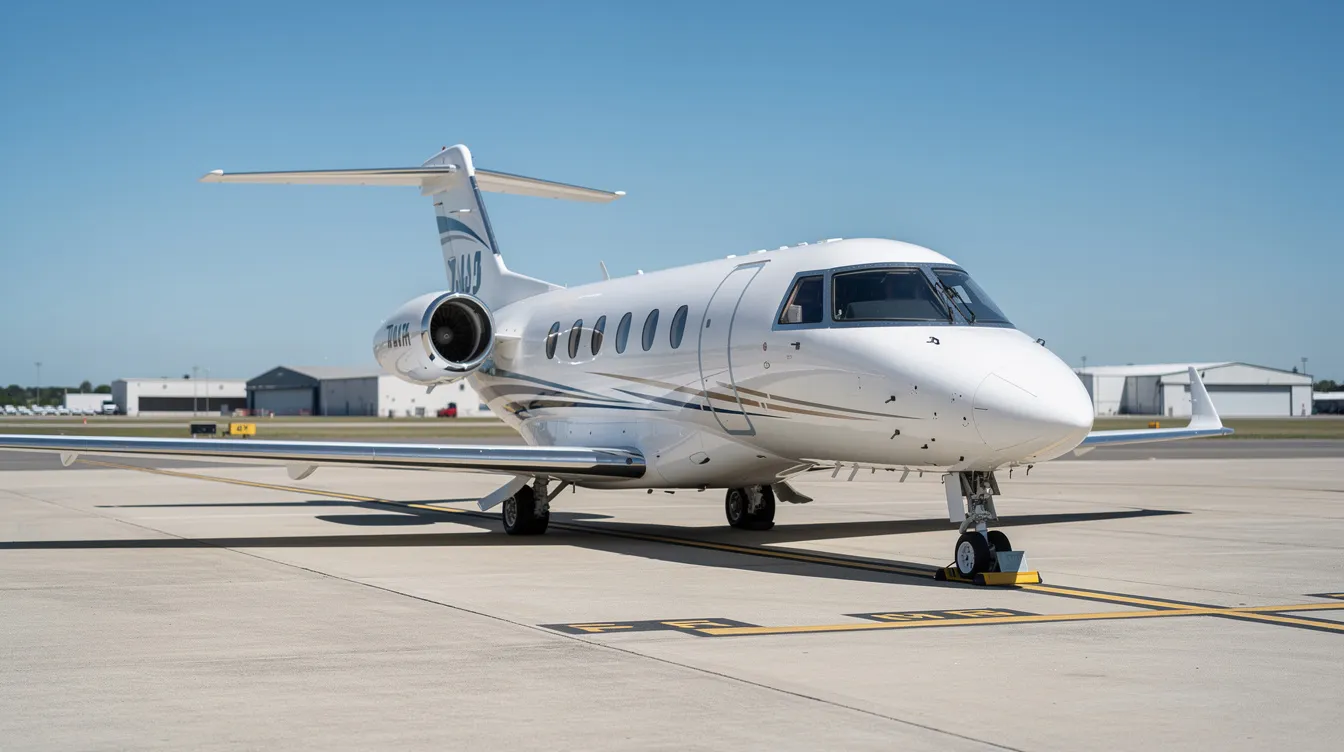
Fractional ownership replaces unpredictable repair bills with a more defined cost structure: initial buy-in, monthly management fees, and hourly operating charges. For those comparing models across aircraft types, a detailed breakdown of fractional jet ownership costs can help frame the numbers. Monthly fees for fractional ownership vary by region and usage, but the framework is consistent.
|
Share Size |
Initial Investment |
Annual Flight Hours |
Monthly Management Fee Range |
Hourly Operating Cost Range |
|---|---|---|---|---|
|
1/8 |
$125,000+ |
50 |
$2,500 - $4,000 |
$200 - $400 |
|
1/4 |
$250,000+ |
100 |
$4,000 - $5,000 |
$200 - $400 |
|
1/2 |
$500,000+ |
200 |
$7,000 - $8,000 |
$200 - $400 |
SR22 or SR22T example ranges (2024–2025):
Initial investment for a 1/8 share starts at $125,000
Monthly fees range from $2,500 to $4,000 for a 1/8 share
Hourly operating costs range from $200 to $400
1/4 and 1/2 shares scale proportionally, with increasing scheduling priority
Vision Jet example ranges:
1/5 share buy-ins start around $275,000 (JetSafe Shared Visions), while 1/4 share resales can reach $625,000
Monthly management fees run into mid-four-figures
Occupied hourly rates vary widely by provider
Monthly fees cover insurance, maintenance, and pilot services. They also wrap in hangar rental, database updates, and administrative support. Fractional ownership includes fixed monthly fees covering all operational costs regardless of whether the airplane flies that month.
Some programs offer financing for the initial share purchase and may structure ownership through LLCs for tax and liability planning. An aviation-savvy CPA can help owners determine the right approach, especially when comparing Cirrus shares with other options outlined in Jettly's guide on how much a private jet really costs. For a deeper cost breakdown, Jettly's pricing guide is a useful reference.
A new Cirrus SR22 G7 now often exceeds $900,000. Full aircraft ownership gives unlimited access, full control over upgrades, and the ability to charter the airplane under Part 135 to offset costs.
But sole ownership also means absorbing 100% of depreciation, maintenance surprises, avionics upgrades, hangar fees, insurance, regulatory compliance, and pilot currency training. That burden is substantial for someone flying under 200 hours per year.
Fractional ownership reduces upfront capital requirements significantly and spreads depreciation costs among multiple owners, reducing individual financial exposure. A management provider keeps the aircraft flight-ready and compliant. For a broader look at the pros and cons of fractional private jet ownership, including cost and flexibility tradeoffs, many of the same principles apply here. Fractional ownership costs 30–45% less than sole ownership for 100 hours of annual flying.
Rule of thumb: for someone flying under roughly 75 hours per year, charter might be smarter. Between 50 and 250 hours, fractional ownership often beats buying outright, depending on usage consistency. Above 250 hours, full ownership starts to pencil out.
Fractional programs also provide access to newer aircraft with advanced technology. For a broader comparison of ownership models, Jettly's guide covers the tradeoffs in detail.
Fractional Cirrus ownership suits travelers flying predictable regional missions, such as the same city pairs every month, who want consistent access to their premium aircraft. Looking at a comparison of leading fractional jet ownership companies can also clarify how Cirrus-focused offerings sit alongside larger jet programs. Guaranteed aircraft access eliminates the uncertainty common in charter services.
On-demand charter through platforms like Jettly works better for travelers who want flexible access to a broad range of private charter aircraft types without the commitments of ownership:
Long-haul and international trips beyond any Cirrus aircraft's range
Larger groups needing midsize or heavy jets with more cabin space, where fixed-rate jet card-style solutions can complement or replace ownership and access to a broad selection of private charter aircraft
Occasional travelers flying fewer than 30–40 hours per year, who are often better served by on-demand charter or broader fractional jet ownership programs rather than aircraft-specific shares
Anyone wanting flexible travel solutions without capital commitment, including those open to crowdsourced private flights and shared empty seats to lower trip costs
Fractional owners commit capital up front but enjoy fixed hourly rates and scheduling priority. Charter customers pay per trip with no long-term obligations or asset risk. The aviation consumer who values both approaches often combines them: holding a Cirrus fractional share for regional missions while booking larger aircraft types through Jettly for trips like Toronto to London or multi-city U.S. roadshows.
Scheduling rules are central to how fractional ownership works. Share size directly determines flexibility and booking priority.
Typical annual hour allocations:
1/8 share: approximately 50 hours per year
1/4 share: approximately 100 hours per year
1/2 share: approximately 200 hours per year, usually with the highest scheduling priority
Fractional ownership can introduce scheduling conflicts during peak travel periods, especially holiday weekends and major events. Most programs handle peak periods through priority rules tied to share size or booking timestamp. If an owner is displaced, compensation mechanisms such as additional hours or credits typically apply.
Multi-aircraft programs in dense markets like the U.S. Southeast or Northeast often maintain backup aircraft or fleet interchange policies. If an owner's primary airplane is in maintenance, a sister-base aircraft can substitute.
Fractional owners can fly 50–250 hours annually with guaranteed availability, provided they follow booking procedures. Owners who want truly unlimited access with zero scheduling concerns should consider sole ownership or supplement with charter services or jet card programs offering fixed hourly rates for peak periods.

Professional management is what separates modern Cirrus fractional ownership from informal partnerships and flying clubs. Professional management handles all operational details in fractional programs.
Maintenance coordination includes work at Cirrus-authorized service centers, scheduled inspections (100-hour and annual), AD/SB compliance, and proactive component replacement to minimize unscheduled downtime. Aircraft are replaced every four years to minimize maintenance issues and keep the fleet current with the latest avionics and safety systems.
Flight coordination teams provide extended-hours support for weather checks, flight plans, performance calculations, and alternates. This is especially valuable for owner-pilots flying IFR in challenging conditions.
Pilot services for non-pilot owners include access to qualified pilots experienced on Cirrus aircraft types on a per-trip basis. These pilots maintain ongoing proficiency through recurrent training. Some programs also offer mentoring flights where owners build flight time alongside instructors.
Fractional ownership can involve ongoing monthly fees regardless of aircraft usage, which is worth factoring into the total cost even in months with light flying. By contrast, on-demand charter through Jettly automatically includes a fully crewed aircraft operated by vetted Part 135 charter companies, so non-pilots may compare the simplicity of pure rental versus the equity benefits of fractional ownership.
Not all fractional offerings are identical. Some focus on specific regions or a single aircraft model, with AirShares Elite being a well-known example of a Cirrus-focused fractional program; others offer broader fleets and more flexible terms. Evaluating the right program matters as much as choosing the right airplane.
AirShares Elite was a pioneering SR22-centric fractional ownership company that ran from the late 1990s through 2014. It offered one-eighth share buy-ins around $48,000–$50,000 with roughly 75 hours per year and fixed monthly fees covering maintenance and insurance. While AirShares Elite is no longer active, it set the template that modern programs still follow: online reservations, fleet rotation, and standardized contracts.
Key evaluation criteria for any program:
Home-base proximity to the owner
Fleet age and mix (SR22 vs SR22T vs Vision Jet)
Contract length and exit provisions
Safety record, training standards, and insurance limits
Regional operators with localized expertise, for example, a provider focused on the U.S. Southeast, often deliver better service on issues like weather patterns, ATC relationships, and busy GA airport access. Readers evaluating fractional ownership should also compare it with on-demand charter and consider flexible private jet membership options, especially if their flying patterns might change within a few years.
Fractional ownership is a medium- to long-term commitment, typically structured around 3–5 year contract terms matching aircraft replacement cycles.
Common exit mechanisms:
Program-managed buyback with remarketing fees (some providers, like JetCorp, offer guaranteed buyback based on independent appraisal)
Owner-to-owner resale, subject to operator approval and pilot qualification review
Contractual hold periods before shares can be sold; net proceeds depend on market timing and aircraft condition
Newer Cirrus aircraft lose value fastest in the first few years. Sharing depreciation across several fractional owners reduces individual impact, but exit liquidity can be constrained in fractional ownership, making it difficult to sell shares quickly. The market for a Cirrus fractional share is smaller than the market for a whole used SR22, so resale timing matters.
Some owners transition strategies over time: starting with an SR22 share, later upgrading to a Vision Jet, or switching entirely to charter-based NetJets alternatives like Jettly as personal transportation needs evolve.
Fractional Cirrus ownership fits a specific slice of the personal aviation market rather than every business executive interested in flying privately.
Ideal profiles for fractional ownership: Many of these travelers also weigh fractional Cirrus shares against other access models like flying clubs, rentals, and charter, topics covered in Jettly's guide to affordable aeroplane rental costs and options.
Owner-pilots flying 50–200 hours per year on predictable regional routes
Business owners regularly visiting customers within 500–800 nm
Families splitting time between two homes, both near GA airports with a nearest suitable airport that supports Cirrus operations, such as those near major hubs like Atlanta private jet airports and services
Profiles better suited to charter via Jettly: Those leaning toward pay-as-you-go flying may find value in Jettly's overview of affordable private jet charter pricing.
Travelers flying sporadically or less than 30 hours per year
Those needing frequent international or transcontinental flights
Groups routinely traveling with 6–12 passengers plus luggage who may benefit from shared charter flights versus full charters depending on budget and privacy needs
Many clients adopt hybrid strategies: holding a Cirrus fractional share for regional missions while using Jettly's on-demand network for long-distance or large-group itineraries, one of several easy ways to get a seat on a private jet without long-term commitments. Before committing to any aircraft ownership model, quantify likely annual hours and trip patterns during a testing period to avoid overpaying for access that does not match actual usage.
Most dedicated Cirrus fractional programs cap ownership at 4–8 owners per aircraft, depending on whether shares are sold in 1/8, 1/6, 1/4, or 1/2 increments. Programs targeting frequent business users tend to limit co-owners for better availability, while cost-focused structures may allow more small shares per airplane. Buyers should confirm the maximum number of shares sold on their specific tail number, since the count directly affects both aircraft availability and shared costs per owner.
Many Cirrus fractional programs welcome non-pilot investors, provided flights are operated by approved professional pilots. Non-pilot owners typically request pilot services for each trip, paying either a day rate or per-hour fee on top of the aircraft's variable costs. Travelers who never plan to fly themselves should compare these ongoing pilot costs against simply booking on-demand charter through Jettly, where crew costs are included in the trip price and can be modeled in advance using a private jet charter cost estimator.
Fractional ownership contracts include a fixed annual hour allocation per share, but most do not force a minimum number of flown hours. Unused hours often expire at the end of the contract year, though some providers allow limited rollovers or selling hours to other owners. Low-utilization risk is a key reason light flyers should compare fractional ownership against on-demand charter, where no pre-purchase of hours is required.
Many fractional owners use their Cirrus for legitimate business travel and may deduct certain costs or claim depreciation. Rules differ between the U.S., Canada, and the EU, and depend on how the ownership company is structured (individual vs. corporate, LLCs). Consult an aviation-savvy CPA before assuming any tax treatment. Some providers can refer clients to specialists in aircraft tax planning.
Jettly is a digital private jet charter marketplace, not a fractional provider. It offers on-demand access to more than 20,000 aircraft worldwide and tools such as an airport locator for planning private flights. A Cirrus fractional owner might still use Jettly for long-range or international flights beyond the Cirrus range, missions requiring larger jets or turboprops, or backup trips when their Cirrus share is unavailable, similar to how many travelers use modern charter airline and private aviation platforms for on-demand access. Travelers uncertain about committing to ownership can explore on-demand charter or other access models first to understand their true flying patterns before buying any share, using resources such as Jettly's guide to affordable aeroplane rental options as a starting point. Operational efficiency improves when owners match the right tool to each mission.
Fractional ownership of Cirrus aircraft significantly lowers the barriers to personal aviation by sharing capital costs among multiple owners, while management firms handle maintenance coordination, pilot services, and scheduling.
This model best suits travelers flying 50–200 hours annually on consistent regional missions who value flying the same SR22, SR22T, or Vision Jet regularly.
On-demand charter through platforms like Jettly remains a flexible alternative or complement for international routes, larger groups, or anyone still in a testing period to see whether aircraft ownership makes sense.
Ready to compare fractional ownership with on-demand private charter? Explore aircraft options or request a quote at https://www.jettly.com.
Share this post:
Jay Franco Serevilla
Oct 1, 2026
|
5
min read
Discover tips and trends in the industry.

5
min read
Who Owns a Gulfstream G700? Inside the World of the Newest Flagship Business Jet
The Gulfstream G700 is the largest and most advanced private jet, appealing to ultra-high-net-worth individuals, corporations, and charter operators. With a price tag of around $75 million, ownership is often discreet, utilizing LLCs for privacy. This article explores who owns the G700, including notable figures like Elon Musk, and how travelers can access this elite aircraft through charter services.
Read More
5
min read
Selling a Private Jet: How to Maximize Value and Unlock Flexible Private Travel
Selling a private jet requires careful preparation and understanding of market dynamics to maximize its value. This guide outlines key strategies, including realistic pricing, thorough documentation, and the benefits of transitioning to on-demand charter services like Jettly for continued private travel flexibility.
Read MoreStay updated with our latest insights and tips to elevate your journey with us.
MEMBERSHIPS AND ASSOCIATIONS



Disclaimer: Jettly operates as a charter broker, offering access to a global digital jet charter marketplace. Jettly is not a direct air carrier and does not own or operate aircraft. All advertised flights are conducted by third-party air carriers that are fully licensed and hold the appropriate Part 135 or Part 121 certifications issued by the Federal Aviation Administration (FAA) or equivalent regulatory authorities under U.S. or foreign law. Jettly complies fully with the U.S. Department of Transportation's Part 295 and Part 298 Charter Broker regulations. Jettly does not carry additional liability insurance. Passengers are covered by aircraft operator insurance. TICO: 50023770


