



Login
Get Instant Pricing On 23,000+ Aircraft

>
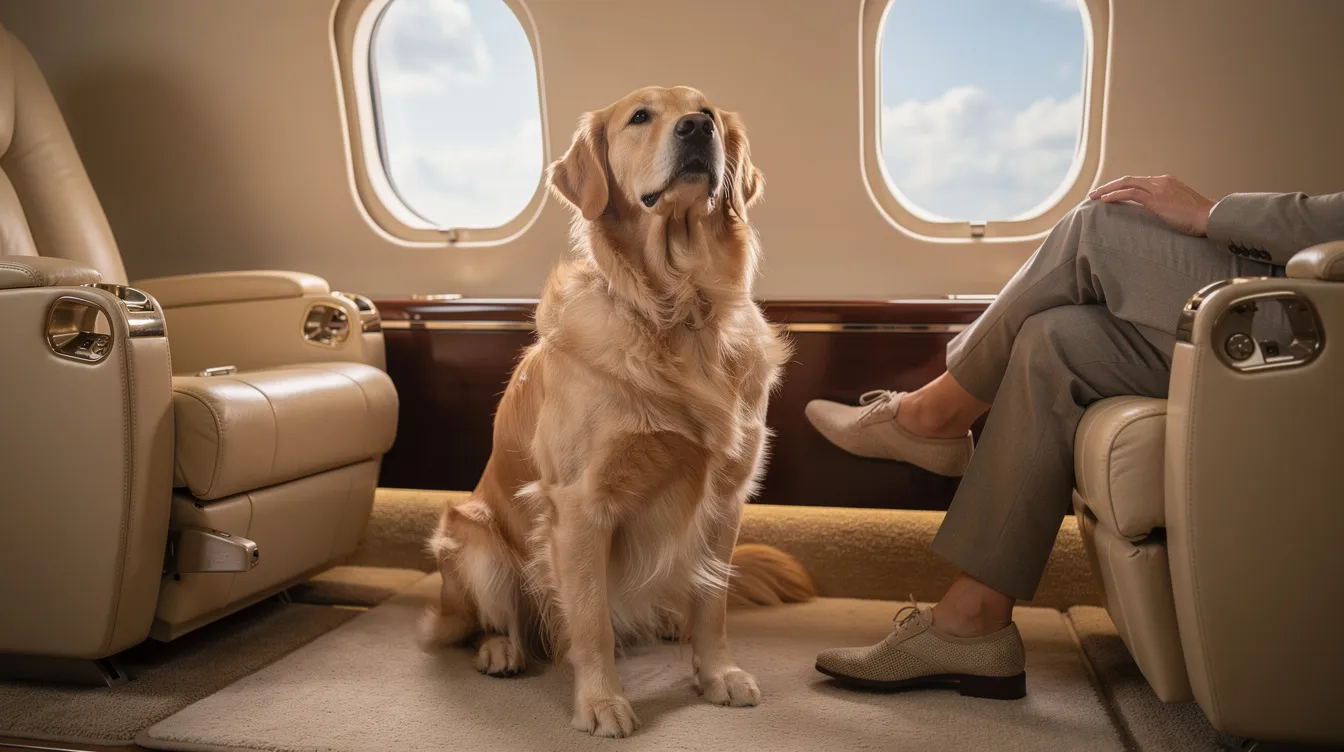
Flights for dogs on private jets allow animals of any size to travel in the cabin alongside their owners, avoiding the stress and risk of cargo holds.
Service dogs fly under specific legal protections, while emotional support animals and family pets follow standard pet policies on most charters.
Aircraft selection depends on your dog's size, number of pets, and the combined weight of passengers, pets, and baggage.
Operators may charge cleaning fees of $250–$1,000 per leg on top of the base charter price—costs that vary by aircraft and trip length.
Jettly provides instant quotes for dog-friendly flights at jettly.com.
Flights for dogs on private charters work differently from commercial air travel. Instead of squeezing a small pup into a carrier under the seat—or worse, sending a larger dog into a cargo hold—private jet passengers bring their animals into the cabin, where owners maintain direct control throughout the flight.
Most U.S. airlines allow in-cabin dog travel, but dogs over 20 pounds typically cannot fly in-cabin and often must fly in cargo. Cargo travel options for larger dogs have become severely restricted by many major airlines, and some airlines do not allow dogs to travel in cargo at all. Airlines also often restrict travel for brachycephalic breeds due to respiratory risks. Driving is a common alternative for pet transport, though pet transport on land typically takes longer than flying. Dedicated pet shipping companies ensure safe transport but can extend timelines by days or weeks.
Private charters eliminate most of these constraints. Jettly, a digital private jet charter marketplace and broker, connects travellers to certified third-party operators that regularly accommodate dogs on board—regardless of breed or size.
Owners typically weigh two options: a commercial airline ticket or a private jet charter. Here is how the experience compares from a dog's perspective.
|
Factor |
Commercial Airlines |
Private Jet Charter |
|---|---|---|
|
Cabin access |
Dogs under ~20 lb in a soft-sided carrier under the seat; larger dogs go to cargo |
Dogs of all sizes usually allowed in the cabin |
|
Pet slots |
Airlines may limit pet slots per flight; major airlines require advance reservations |
Entire plane is yours—no slot limits |
|
Temperature control |
Cargo travel can expose dogs to extreme temperature swings |
Climate-controlled cabin throughout |
|
Security |
Pets must be removed from their carriers during TSA security checks |
Private jets bypass standard TSA lines at FBO terminals |
|
Stress level |
Crowded terminals, long waits, noise |
Quiet boarding, minimal handling |
For a broader view of how private aviation works beyond pet policies, consult a comprehensive guide to private and charter airlines. Each airline has specific requirements regarding pet carriers and sizes for in-cabin travel. Airlines categorise pet-friendly travel options based on the dog's size and carrier fit, and policies vary widely—even between carriers like JetBlue and others. In 2022, airlines reported 9 injuries and deaths in 188,223 transported animals, a small percentage but a real concern for owners of large breeds with no cabin option.
Soft-sided carriers are preferred for travelling with pets to accommodate varying aircraft dimensions, but on a private plane, a dog can sit on a blanket at the owner's feet or rest on a travel bed without being confined. Commercial tickets cost less, but private charters offer a different way to fly: full control, zero layovers, and a calm cabin for anxious animals.
The rules for flying with a dog depend on whether the animal is a trained service dog, an emotional support animal, or a regular pet. Understanding the distinction matters for documentation, fees, and cabin access.
Service dogs must be individually trained to assist disabled individuals—this is the legal definition under U.S. DOT rules. Airlines cannot prohibit service dogs based on breed, and service dogs may fly in the cabin at no charge if requirements are met. Handlers should submit the DOT Service Animal Air Transportation Form 48 hours before flying.
On private charters, most operators follow similar guidance. The dog travels at the handler's feet, leashed or harnessed, without a crate. Vaccination records and, for international flights, import documentation such as EU pet passports are still required. Disruptive behaviour—lunging, aggression, uncontrolled barking—can lead to denial of boarding even for service animals.
Airlines are not required to accommodate emotional support animals under current U.S. rules, and most charter operators mirror this approach. ESAs and therapy dogs are treated as standard pets for policy purposes, meaning normal cleaning fees, carrier expectations, and breed or size restrictions may apply. A passenger flying from Los Angeles to Denver with an ESA on a midsize jet would find the dog allowed in the cabin—but under pet rules, not service animal protections.
Family dogs on private jets typically travel leashed during boarding and landing. During cruise, many owners let their dog rest on a soft-sided crate or dedicated blanket on the cabin floor. Operators may limit the number of animals—for example, two large dogs or three small dogs—based on cabin size and exit access.
Cleaning fees or refundable deposits are common, especially on newer interiors. Before boarding, owners should walk their dog, limit food intake, and bring familiar toys or a bed to reduce anxiety. Cats follow similar rules, though carriers are more commonly required for felines.
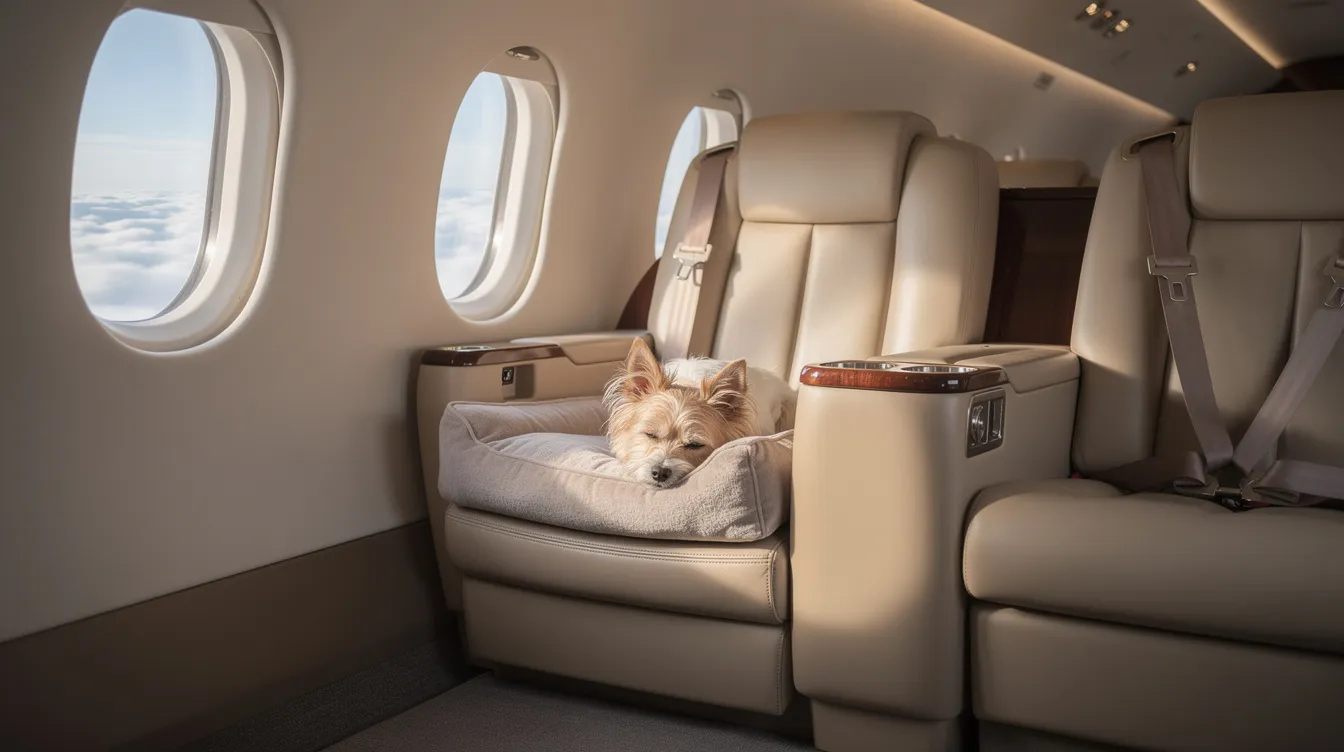
Aircraft choice directly affects cabin space, noise, and comfort for dogs. Jettly's marketplace spans turboprops to large-cabin jets—here is a quick guide:
|
Aircraft Class |
Best Dog Use Case |
|---|---|
|
Turboprop |
Short hops, one small breed |
|
Light jet |
1–2 medium dogs, domestic flights under 3 hours |
|
Midsize jet |
Multiple dogs or large breeds, 3–5 hour flights |
|
Heavy jet |
Families with multiple large dogs, long or international routes |
The combined weight of passengers, dogs, crates, and baggage determines what plane fits. A Cessna Citation CJ3+ suits 2–4 people with one medium dog on a short domestic leg. A Gulfstream G450 handles a family with two large dogs on transcontinental routes. Flat-floor cabins with divan seating give dogs more room to sit and settle. If you're also weighing human seating needs, a separate guide explains how many passengers different private jet sizes can carry. For more detail on aircraft categories, see Jettly's breakdown of private jet types.
Advance planning is crucial for flying with dogs to ensure compliance with regulations. Airlines can require a health certificate within 14 days of travel, and airlines may require documentation 10-14 days before travel. Many airlines do not require health certificates for domestic travel but may ask for vaccination proof; private operators generally follow the same standard.
For international flights, CDC rules apply to dogs entering the U.S. from high-risk rabies countries, and EU/UK entry requires microchips plus rabies documentation. A vet visit within two weeks of your departure date is standard practice.
Brachycephalic breeds like Bulldogs and Pugs need extra monitoring even in pressurised cabins. During taxi, takeoff, and landing, dogs should be secured by leash or in a carrier.
If you plan to feed your dog in flight, coordinate timing with any human meals ordered through Jettly's in-flight catering service. Keep aisles and exits clear at all times.
Schedule a vet appointment and obtain a health certificate
Walk your dog thoroughly before departure
Pack collapsible water bowls, medication, and familiar comfort items
Limit food 3–4 hours before the flight
Leave the carrier open at home for days before travel—comfort in the carrier can be enhanced by leaving it open at home prior to travel
Bring vaccination records and any import paperwork
While you organise paperwork, it can also be smart to look at tips for booking the cheapest private jet flights, so pet-friendly travel fits your budget.
Jettly is a charter broker and digital marketplace—not an airline. It simplifies arranging flights for dogs through a single platform with access to over 20,000 private charter aircraft.
Use Jettly's airport locator tool or route search to find convenient departure and arrival points for you and your dog, then follow these steps:
Enter your origin, destination, and date
Specify the number of passengers and dogs, including breed, size, and weight so the private jet charter cost estimator can return accurate quotes
Receive instant quotes filtered for pet-friendly operators, or explore private jet memberships if you fly with your dog frequently
Confirm operator-specific pet policies, paperwork, and fees
Once submitted, your request is verified and matched with operators that accept pets. When booking flights into or out of EU jurisdictions, travellers may encounter portal confirmations like "je verzoek wordt geverifieerd" (your request is being verified). If a page loads slowly, prompts such as "vernieuw deze pagina niet" (don't refresh) or "een paar seconden doorgaan" (continue in a few seconds) are normal—je kunt over een paar momenten expect confirmation, and kunt over een paar seconden further, the system will confirm availability.
Jettly can also coordinate ground transportation and post-flight cleaning. Members get more predictable pricing through tools like the jet card flight cost estimator; on-demand users still receive transparent, upfront quotes.
Ready to fly with your dog? Explore options or request a quote at jettly.com.
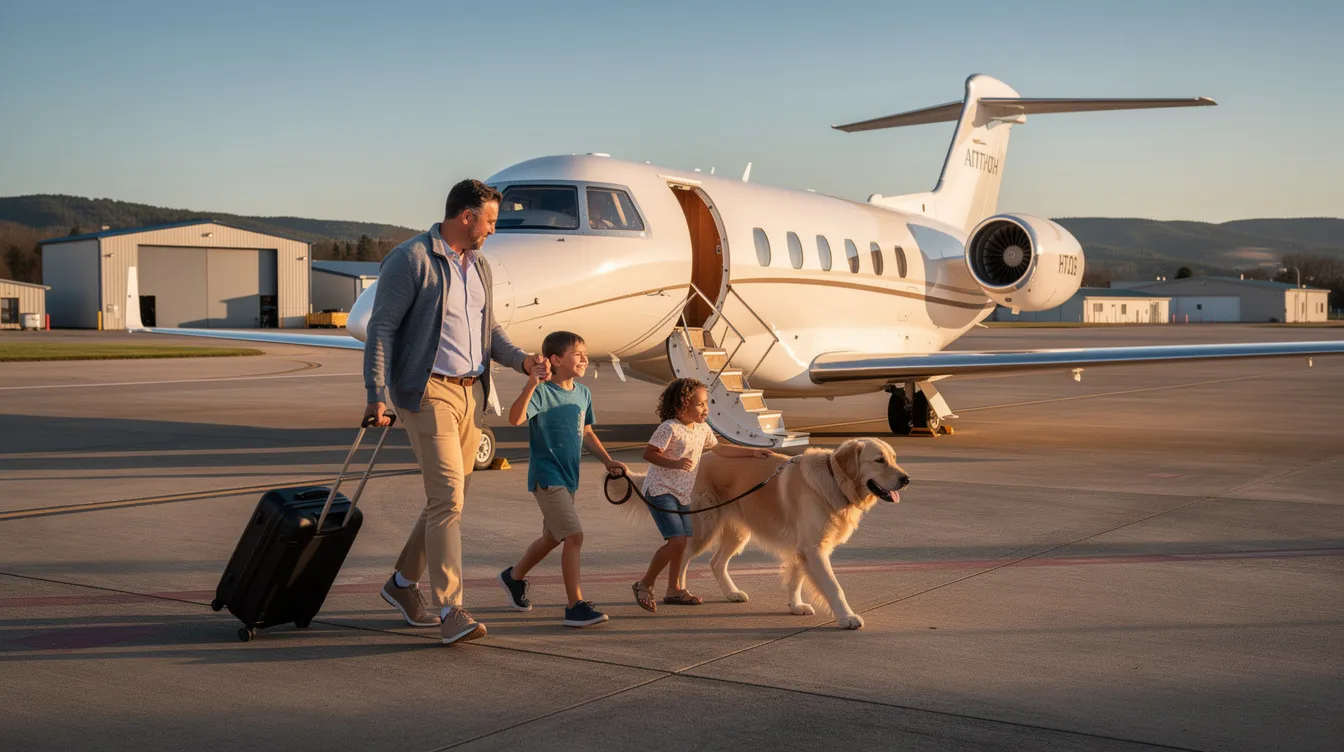
These questions cover practical details that people ask most often. If you travel with pets regularly, you may also benefit from Jettly's jet card programs for frequent private flyers. Specific rules vary by operator and route—contact Jettly for tailored guidance.
The base charter price typically stays the same.
Operators may add pet or cleaning fees ranging from $250 to $1,000 per leg depending on cabin size and flight length.
If you're new to private aviation, an overview of how private jet charter pricing works can help you budget for both you and your dog.
Ask for these costs upfront in your Jettly quote. You don't buy a separate ticket for your dog—the entire aircraft is already yours.
Limits depend on aircraft size, exit access, and operator policy.
A light jet may allow one large dog or two small ones.
A large-cabin jet can handle multiple pets.
Guides to how many passengers different jet types can carry also give a sense of space for dogs and humans together.
Jettly filters options based on group and pet count so you book the right fit.
Dogs should remain leashed or on a bed near the owner during taxi, takeoff, and landing.
During cruise, some crews allow dogs to move in a small area with approval, provided aisles and exits stay clear.
If cost is a concern, you can compare shared charter flights versus full charters to decide which setup gives your dog enough space.
This experience is far more relaxed than commercial travel, where animals must stay in a carrier the entire flight.
Book at least 7–14 days ahead to allow time for health certificates, international paperwork, and operator confirmation.
Months of lead time help for complex international routes.
You may be able to save on your trip by using Jettly's platform to crowdsource private jet flights and share empty seats with other travellers.
Last-minute domestic trips are sometimes possible if documentation is already in place—check Jettly's empty leg flights for dogs for short-notice options.
Many operators do not strictly require crates for well-behaved dogs on shorter flights.
A soft-sided crate or travel kennel is advisable for anxious dogs, puppies, or long flights to help them feel secure.
Travellers looking to limit costs might book individual seats on semi-private services; a guide on how to buy a seat on a private jet explains how that works.
For overnight or extended journeys, a familiar crate can make a lot of difference in keeping your pup calm and settled.
Researching the best private jet charter companies can also give you confidence that crews are experienced with pets and willing to accommodate your dog's routine.
Flying with dogs on private jets offers unmatched convenience, safety, and comfort compared to commercial alternatives. Private charters allow dogs of all sizes to stay close to their owners in a climate-controlled cabin, eliminating the risks and stress associated with cargo travel. With tailored aircraft options, clear documentation requirements, and flexible policies, private jet charters provide peace of mind for pet owners. Jettly’s platform simplifies booking pet-friendly flights with instant pricing and access to a broad network of certified operators. Whether traveling for business or leisure, private jet flights for dogs make pet travel safer and simpler.
Ready to experience private travel on your terms? Explore flight options or request a quote at jettly.com.
Share this post:
Jay Franco Serevilla
Oct 31, 2026
|
5
min read
Discover tips and trends in the industry.
5
min read
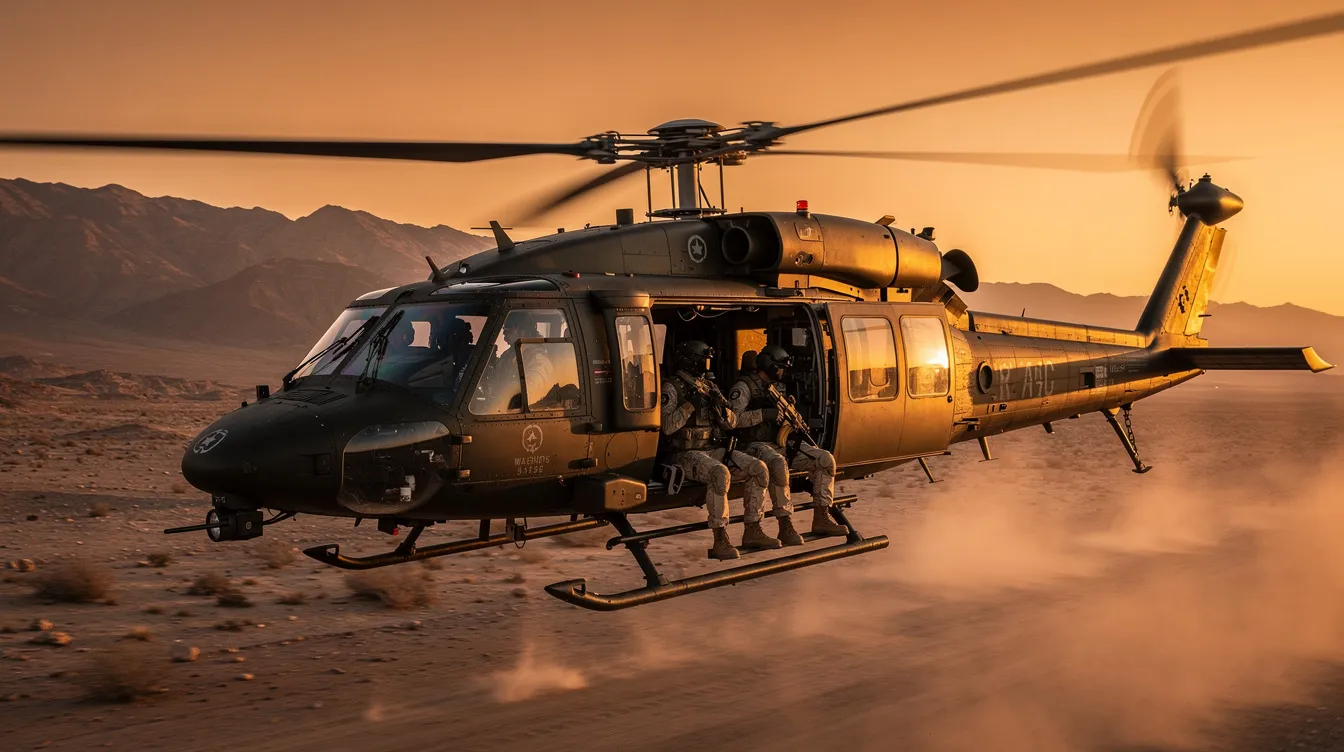
Black Hawk Helicopter: History, Variants, and Modern Mission Roles
The UH-60 Black Hawk is a versatile military utility helicopter developed by Sikorsky, serving since 1979. With variants designed for various missions, it has proven essential in combat and humanitarian operations worldwide. Its design emphasizes survivability and adaptability, making it a benchmark in both military and civilian aviation.
Read More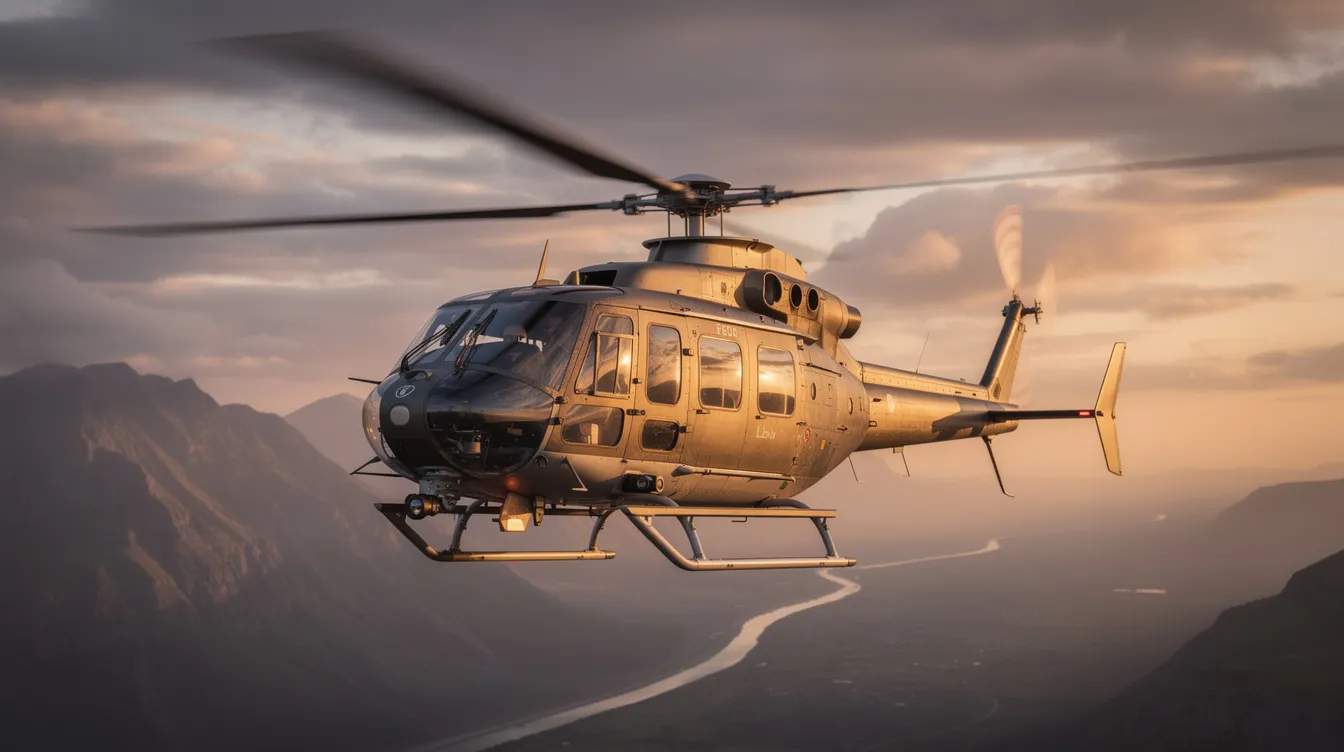
5
min read
Fortnite Helicopter Guide: Hammerhead Choppa Locations, Controls, and Tips
The Hammerhead Choppa in Fortnite offers players unparalleled aerial mobility, allowing for quick repositioning and strategic advantages in battle. This guide details its spawn locations, flight controls, and effective strategies to maximize its use during gameplay. Additionally, it draws parallels between in-game tactics and real-world private aviation solutions.
Read MoreStay updated with our latest insights and tips to elevate your journey with us.
MEMBERSHIPS AND ASSOCIATIONS



Disclaimer: Jettly operates as a charter broker, offering access to a global digital jet charter marketplace. Jettly is not a direct air carrier and does not own or operate aircraft. All advertised flights are conducted by third-party air carriers that are fully licensed and hold the appropriate Part 135 or Part 121 certifications issued by the Federal Aviation Administration (FAA) or equivalent regulatory authorities under U.S. or foreign law. Jettly complies fully with the U.S. Department of Transportation's Part 295 and Part 298 Charter Broker regulations. Jettly does not carry additional liability insurance. Passengers are covered by aircraft operator insurance. TICO: 50023770


