



Login
Get Instant Pricing On 23,000+ Aircraft

>
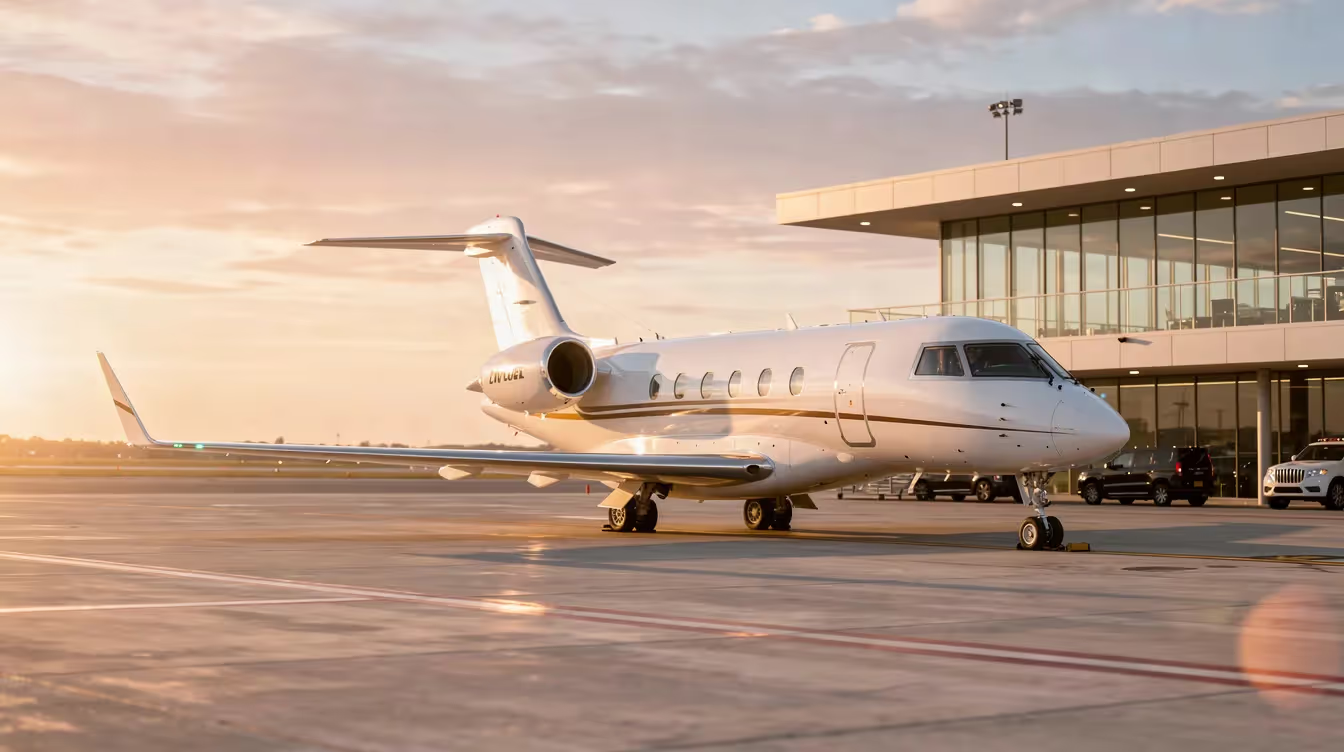
Flying private for the first time can seem daunting, but it offers a unique blend of convenience, comfort, and control over your travel experience. Private flying is a seamless, gate-to-gate experience that eliminates traditional airport procedures such as boarding passes, emphasizing efficiency and convenience for travelers. Whether you are a business traveler seeking efficiency or a leisure traveler wanting a stress-free journey, understanding what to expect on your first private jet flight is key. This guide walks you through the essential aspects of booking and flying private with Jettly, highlighting how private charter travel makes private jet travel accessible and straightforward for first time flyers. From the booking process to onboard etiquette and cost considerations, you will gain practical travel tips to ensure your first private flight is seamless and enjoyable.
First time private jet travelers typically arrive just 15–30 minutes before departure at a private terminal (Fixed Base Operator), not a commercial gate.
Jettly’s digital platform provides instant pricing, access to 20,000+ aircraft globally, and on-demand booking without long-term commitments.
Realistic cost ranges for 2026: light jets often start around $3,000–$5,500 per flight hour in North America, with main cost drivers being aircraft type, flight distance, and positioning.
This guide covers booking steps, private jet etiquette, packing tips, and how the onboard experience differs from commercial first class.
For many travelers, the decision to book a first private jet flight comes down to one thing: time. Flying private allows travelers to skip long security lines and crowded terminals, significantly reducing wait times and enhancing the overall travel experience.
Private aviation offers a level of personalization and flexibility that commercial flights cannot match, allowing travelers to set their own schedules and customize their in-flight experience. Unlike commercial airlines, which serve fewer than 500 airports in the United States, private jets can access around 5,000 airports, enabling more direct travel to destinations.
Here are the core reasons people book their first private jet trip:
Time savings: Bypass TSA queues, arrive 15–30 minutes before departure, and use smaller airports closer to city centers
Schedule control: Depart when you need to, not when an airline decides
Access to more airports: Fly into Teterboro (TEB) near Manhattan instead of JFK, or OPA-Locka (OPF) near Miami instead of MIA, cutting 45–90 minutes of ground travel
Privacy and productivity: No adjacent strangers, reliable Wi-Fi on most midsize jets, and room to work or relax. Private jet travel is ideal for a business meeting, as it allows for confidential discussions during the flight, saves time on ground transportation, and ensures travelers arrive prepared for important business engagements.
High-stakes situations: Same-day business roundtrips, family vacations with pets or children, or tight connections that commercial travel can’t reliably handle, where knowing how to get a seat on a private jet easily can make last-minute planning much smoother
Common first private jet routes for business and leisure include New York–Miami, Toronto–Vancouver, and Los Angeles–Las Vegas. Compared to commercial first class, private jet travel offers similar seating comfort but far more privacy, flexibility, and the ability to tailor every detail.
Jettly functions as a charter marketplace that lets new flyers test private aviation without buying a jet card, fractional share, or long-term contract, providing access to a wide selection of private charter aircraft tailored to different trip profiles.
Understanding the main private aviation models helps first-time private flyers make informed decisions.
Three main models:
On-demand charter: Pay per trip with no upfront capital. On-demand charters allow travelers to book flights as needed without long-term commitments, making it a flexible option for those who fly occasionally.
Jet cards/Membership programs: Jet cards or membership programs typically require a pre-funded account and offer fixed hourly rates, making them suitable for frequent flyers who prefer predictability in their travel costs.
Fractional ownership: Buy a share of a specific aircraft (1/16th to 1/2), typically requiring $500K+ entry for 50–800 flight hours annually.
Most first-time private jet travelers start with on-demand charter through a broker or marketplace like Jettly, since there is no upfront capital outlay. Jettly aggregates 20,000+ aircraft globally and provides instant pricing, allowing users to compare aircraft options in real time instead of contacting multiple operators manually.
The platform emphasizes transparent, itemized quotes that separate the aircraft hourly rate, airport fees, de-icing, and optional concierge services such as catering or chauffeured ground transportation, and travelers can use Jettly’s private jet charter cost estimator to understand how these factors influence pricing before they book.
When selecting an aircraft, first-timers should focus on safety credentials. Only book with private jet operators that hold a Part 135 certificate and have third-party safety ratings from organizations like ARGUS or WYVERN. Operators with an air operator certificate undergo ongoing crew training requirements and maintenance schedules comparable to commercial airlines, and guides like the ultimate list of charter airlines can help you understand how different operators compare.
Chartering a private jet typically involves several steps, including initiating contact with a provider, defining travel needs, evaluating aircraft options, customizing the journey, and confirming the flight details.
The booking process for a private jet charter generally includes reaching out to a provider with trip details, receiving aircraft options, and finalizing the details with a quote and payment. Here’s how it works on Jettly:
Enter your itinerary: Start on Jettly’s website or app, input your route (e.g., Los Angeles–Las Vegas), dates, passenger count, and luggage needs to receive instant pricing options.
Compare aircraft: Review options by category (turboprop, light jets, midsize jet, large jet), examining range, cabin volume, manufacture year, and typical hourly rate.
Customize and confirm: Select your option, confirm passenger names, catering requests, pet travel arrangements, and ground transportation needs, and use tools like Jettly’s airport locator to choose the most convenient departure and arrival points.
Secure with payment: Complete payment according to Jettly’s terms and receive confirmation with FBO address, show-time, and document requirements.
Jettly’s support team can clarify details such as baggage capacity, Wi-Fi availability, and seating layout before commitment.
Clear communication streamlines the booking process, and understanding broader aeroplane rental costs and options can help you set realistic expectations before you finalize your charter details:
Pin down date or date range, departure and arrival cities (including preferred private airports if known)
Specify the number of adults/children and any mobility needs
Common first-time use cases: same-day New York–Chicago business roundtrip, London–Nice weekend, Dallas–Aspen ski trip
Flexibility tip: Being flexible by a few hours or by airport (e.g., Van Nuys vs. LAX) can reduce cost 15–25% or improve aircraft selection, especially when working with providers that focus on affordable private jet charter and personalized quotes.
It’s important to communicate with your flight provider about any specific requests or needs you have before your trip, such as catering preferences or luggage requirements, to ensure a personalized experience. Customization options for private flights, including catering and transportation, should be requested at least 48 hours in advance for optimal service.
Declare pets, golf clubs, skis, and special dietary preferences at this early stage.
Different aircraft suit different missions. Here’s a breakdown:
Turboprops (e.g., Pilatus PC-12, King Air 350)
$2,000–$3,500/hour
Best for short hops under 500–700 miles
Access short runways like Aspen
6–9 passengers
Very Light Jets and Light Jets (e.g., Citation CJ3, Learjet 45)
$3,300–$5,700/hour
4–7 passengers
Regional routes: LA–Vegas, London–Geneva
1,500–2,000 nm range
Midsize and Super-Midsize Jets (e.g., Hawker 800XP, Challenger 350)
Travelers flying to specific regions, such as private jet charter in Kolkata, West Bengal, often find midsize and super-midsize jets a practical balance of comfort and range.
$4,800–$8,000/hour
7–9 passengers
Coast-to-coast US, Western Europe–Middle East
2,500–3,500 nm range
Heavy Jets and Long-Range Jets (e.g., Gulfstream G550, Global 6000)
$9,000–$14,000+/hour
10–16 passengers
Transatlantic routes: NYC–London, Dubai–Zurich
6,000+ nm range, full amenities including showers
Not all private jets offer the same amenities—many private jets include Wi-Fi and full lavatories, while smaller aircraft may have limited features. Explore Jettly’s searchable inventory at https://www.jettly.com to compare real aircraft examples by category.
Most private flights surprise first-timers with their speed and simplicity. When chartering a private jet, it is recommended to arrive at the Fixed Base Operator (FBO) about 15 to 30 minutes before the scheduled departure to ensure a smooth boarding process, especially if you’ve booked just a single seat using step-by-step seat purchase guides for private jets.
A fixed base operator like Signature Flight Support at Teterboro or Atlantic Aviation at Dallas Love Field functions as a quiet private jet terminal with lounges, coffee, Wi-Fi, and minimal formalities—nothing like a crowded commercial airport.
The process:
Present government-issued photo ID (or passport for international flights)
Relax while the staff handles luggage
Walk or ride a golf cart directly to the aircraft
The flight crew greets passengers by name
A quick safety briefing precedes takeoff
Security remains strict but is handled discreetly. Unlike commercial counterparts, there’s no removing shoes, unpacking laptops, or standing in long security lines. The invasive security checks typical of commercial travel simply don’t apply here.

Travelers do not need a boarding pass for private flights, but a government-issued photo ID for domestic flights or a passport for international flights is mandatory.
Domestic flights (US or EU): Valid photo ID required
International flights: Passport and any required visas—submit 72+ hours ahead for customs
Jettly or partner operators can advise on entry rules for destinations like the Schengen Area, UK, or the US
Security screening at the FBO is faster and more private than commercial checkpoints but still complies with national regulations. Provide full passenger names and date of birth ahead of time so manifests and clearances are ready.
Private jet travel offers unparalleled convenience, allowing passengers to arrive at the airport just 15 to 30 minutes before departure, bypassing long security lines and crowded terminals.
Standard: 15–30 minutes before scheduled departure
Early morning or international: Closer to 45 minutes
Flexibility: If running late, call ahead so the crew can adjust departure within air traffic control and crew duty constraints
Example timeline: For a 09:00 departure from Miami OPA-Locka, passengers arrive at 08:35, walk to the jet at 08:50, and take off by 09:05.
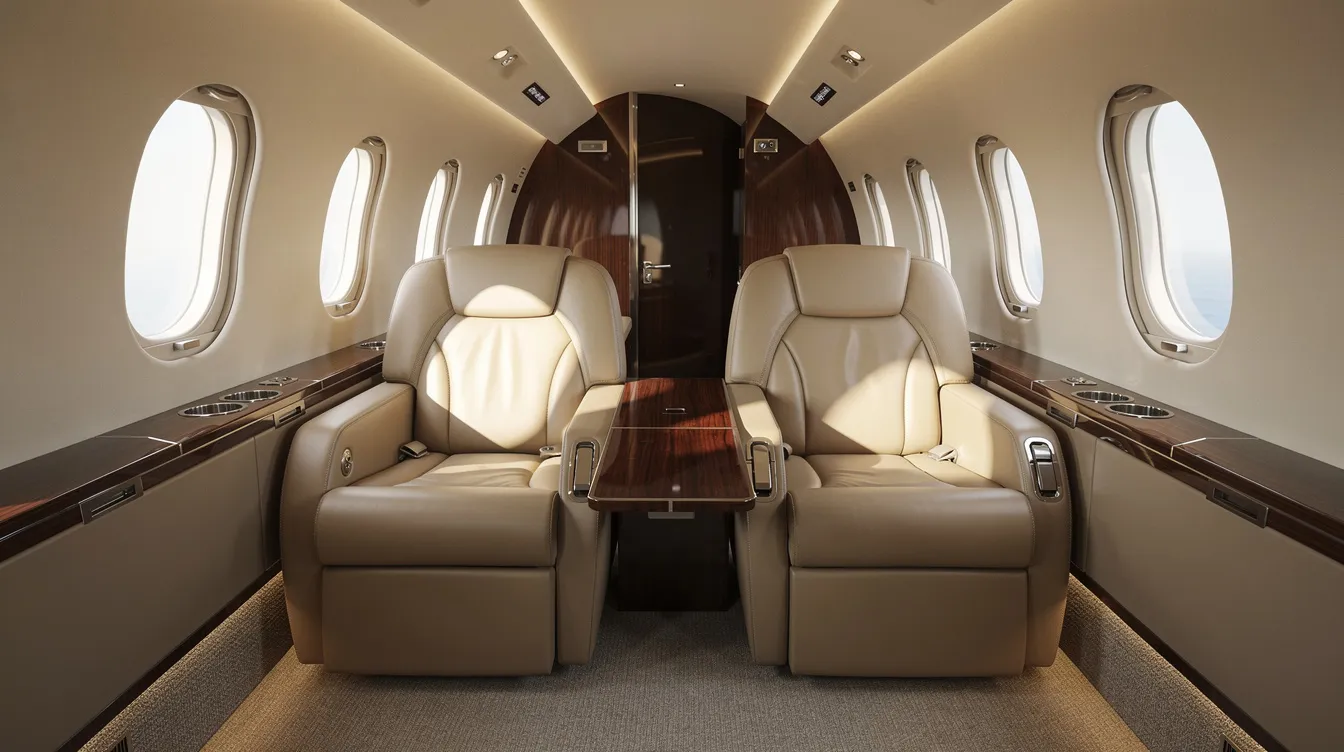
Flying privately provides a level of luxury that surpasses first-class commercial travel, with spacious cabins, high-quality seating, and personalized service tailored to individual preferences.
Even smart private jets in smaller categories typically offer:
Club-four seating: Facing pairs, fully reclining, with 6–7 feet of legroom
Divans: Flat surfaces for naps on longer flights
Power outlets everywhere: Keep devices charged
Wi-Fi: Available on 70–80% of midsize+ jets
Entertainment screens: 24–40” displays on larger aircraft
Reduced noise: 50–60% quieter than commercial jets
Catering ranges from continental breakfasts to gourmet meals from local restaurants, pre-ordered through the platform via services like Jettly Eats in-flight catering. The cabin attendant or flight attendants (on larger aircraft) provide attentive but discreet service throughout the private flight.
The atmosphere adapts to your needs: executive work environment with conference tables, relaxed family setting with adjusted temperature and lighting, or celebratory flights with champagne.
Tips for first-time travelers on private jet etiquette:
Arrive on time: Slots and crew duty times are planned around your scheduled departure
Dress code: Smart casual or business casual unless the trip requires business attire—comfort over formality
Respect crew and staff: Exceptional service is personalized and informal, but professional courtesies apply
Footwear: Remove or wipe dirty shoes when boarding from a rainy or snowy ramp
Devices: Phones and laptops are acceptable once permitted by the crew
Consideration: Quiet behavior is appreciated if some passengers wish to sleep or work
Private air travel offers flexibility that commercial flights cannot match:
Pets: Many charter operators are pet-friendly, allowing dogs or cats in the cabin with proper vaccination records. No crates required in most cases.
Children: Parents can keep car seats on board, move around freely with young children, and adjust cabin temperature and lighting for naps. Flight distance becomes less stressful without commercial restrictions.
Larger groups: For 8–12 friends flying from Los Angeles to Cabo San Lucas, a midsize or large-cabin jet improves comfort with 400+ lbs baggage capacity. Confirm allergies, mobility constraints, and special dietary needs in advance.
Charter flight costs are influenced by several factors, including aircraft size and type, flight distance and duration, airport landing and handling fees, and any special requests such as catering or pet accommodations, and understanding one‑flight private jet cost breakdowns helps first-timers budget accurately.
Main cost components:
|
Component |
Typical Share |
|---|---|
|
Aircraft hourly rate |
70–80% |
|
Airport/handling fees |
10–20% |
|
Extras (catering, de-icing, ground transport) |
5–15% |
|
Positioning (if one-way) |
Adds 20–50% |
|
Hourly rates for charter flights can vary widely, generally ranging from $2,000 for a nimble turboprop to upwards of $20,000 for a spacious, ultra-long-range jet, depending on the aircraft selected and the specific trip requirements; deeper guides on how much a private jet really costs can clarify where chartering fits among other ownership options. |
2026 estimated ranges (North America):
Turboprops: $2,200–$3,300/hour
Light jets: $3,300–$5,700/hour
Midsize jets: $4,800–$7,500/hour
Heavy jets: $8,500+/hour
Sample itinerary: NYC–Washington, D.C., same-day round-trip on a light jet:
Flight time: ~2.5 block hours (including positioning)
Estimated cost: $11,000–$14,000 total for 4 passengers (~$3,000/seat vs. ~$1,500 commercial business class)
Jettly’s platform provides instant, upfront pricing with line-item breakdowns so first-timers see exactly what they’re paying for before confirming.
Empty leg flights occur when a private jet is returning to its base or repositioning for another flight without passengers, allowing travelers to book these flights at significantly reduced rates, sometimes up to 75% off the normal charter price.
Key points about empty legs and shared options:
Significant discounts: Often 50–75% off standard rates, with additional savings when you crowdsource private jet flights and share empty seats
Fixed parameters: Timing and route are predetermined or only partially flexible
Best for leisure: Ideal for spontaneous getaways on popular corridors like LA–Vegas or Miami–NYC
Less reliable for business: Potential last-minute schedule changes make them risky for time-critical meetings
Jettly users can browse empty leg flights within the platform when plans are flexible.
|
Model |
Best For |
Commitment |
|---|---|---|
|
On-demand charter |
Testing private aviation, <25 hours/year |
Pay per trip |
|
Jet card/Membership |
25–50+ hours/year, peak period priority |
Prepaid deposit |
|
Travelers considering this route can explore Jettly’s jet card programs and use the jet card flight cost estimator to compare expected pricing with on-demand charter. |
| Fractional ownership | 50–800+ hours/year | $500K+ capital | On-demand charter through Jettly suits occasional travelers or those testing private aviation—pay only when you fly, avoid large upfront deposits.
Jettly offers private jet memberships focused on lower or zero commission structures and enhanced support, reducing per-hour costs for regular users.
Recommendation: Start with an on-demand charter, review your annual flying pattern, then consider membership if you exceed 25 flight hours annually.
While private jets offer more flexibility with luggage compared to commercial airlines, it’s still essential to check the specific baggage capacity of the aircraft you are flying on, as it can vary significantly.
Practical packing guidance:
Soft-sided luggage: Preferred for light jets and turboprops with compact baggage holds
Hard cases and sports gear: May require larger aircraft or advance notice
Essentials bag: Keep medications, documents, valuables, and electronics within easy reach in the cabin
Liquids and electronics: Generally less restrictive than commercial security, but hazardous materials remain prohibited
Dress in layers: Cabin temperatures vary during climb/descent, and destinations may have contrasting climates
Generous baggage allowances exist on larger jets, but light jets typically accommodate 200–300 lbs total.
Common items on leisure routes:
Skis, snowboards, golf clubs: Standard on routes to Aspen, Jackson Hole, St. Moritz—declare when requesting quotes
Musical instruments: Typically accommodated, but confirm dimensions
Sensitive equipment: Camera gear, prototypes, medical devices—discuss storage and handling with Jettly support before booking
Large or heavy cargo might require upgrading from a light jet to a midsize or large jet, affecting overall trip cost. One benefit of private travel is reduced risk of damage and loss, since luggage travels on the same aircraft and is loaded by a small, briefed ground team.
Choosing the right aircraft and operator is not only about comfort and price—safety culture and operational reliability matter equally, and resources outlining the best private jet charter companies can help you evaluate leading providers.
Safety standards:
Reputable operators hold an air operator certificate and undergo ongoing safety audits
Crew training requirements and maintenance schedules are comparable to those of commercial airlines
Jettly works with vetted operators and encourages reviewing safety ratings, aircraft age, and audit statuses
Environmental considerations:
Some travelers choose to offset emissions or select more fuel-efficient aircraft types for shorter segments, while others compare models such as NetJets with Jettly as a flexible NetJets alternative to balance cost, fleet efficiency, and sustainability priorities
20–30% of operators offer carbon offset programs ($5–15/ton CO2)
Efficient routing—flying direct to private airports closer to final destinations—can reduce fuel consumption 15–40%
Jettly can help connect travelers with carbon offset programs or advise on more efficient routing options.
Security checks are still mandatory, but are handled at the FBO. You won’t face long queues, shoe removal, or unpacking laptops. Passengers typically present ID, have bags scanned as required, and proceed directly to the private aircraft. The process is faster, more private, and far less invasive than commercial security checks.
Private aviation is more flexible than commercial travel, but same-day changes depend on aircraft availability, crew duty limits, and airport slots. Contact Jettly or the operator as early as possible if timing needs to shift. The team can advise on options and any additional costs, though last-minute changes may be limited.
Private jets follow the same air traffic control and weather safety rules as commercial airlines. Flights may be delayed, rerouted, or rescheduled if conditions require. Pilots and operations teams monitor forecasts and will propose alternatives, such as adjusting departure time or diverting to a nearby airport with better conditions at cruising altitude or on the ground.
Tipping is not mandatory but is common in some regions, particularly North America, when service is exceptional. Discretionary cash or envelope gratuities of $20–100 per person are typical. If uncertain about local norms, ask your Jettly flight advisor discreetly for guidance before the trip.
Booking 3–7 days ahead is often sufficient for many routes. Peak periods (Christmas, New Year’s, major events like the Super Bowl or Art Basel Miami) benefit from earlier planning. Jettly can often arrange short-notice charters—sometimes within a few hours—but aircraft selection may be more limited and pricing higher than trips booked in advance.
Your first private jet experience offers significant time savings, privacy, and flexibility compared with commercial flying—especially on busy business and leisure routes. Understanding booking steps, cost drivers, private jet etiquette, and FBO procedures removes uncertainty and allows you to enjoy the first private jet experience fully.
Jettly’s digital marketplace, transparent pricing, and global aircraft access make it straightforward to gain access to the right jet for your first trip without committing to fractional ownership or long-term contracts.
Ready to experience private travel on your terms? Explore real-time options or request a quote at https://www.jettly.com.
Share this post:
Jay Franco Serevilla
Apr 22, 2026
|
5
min read
Discover tips and trends in the industry.
5
min read
Southwest Status Flights: How to Check Flight Status, Stay Updated, and When to Consider Private Alternatives
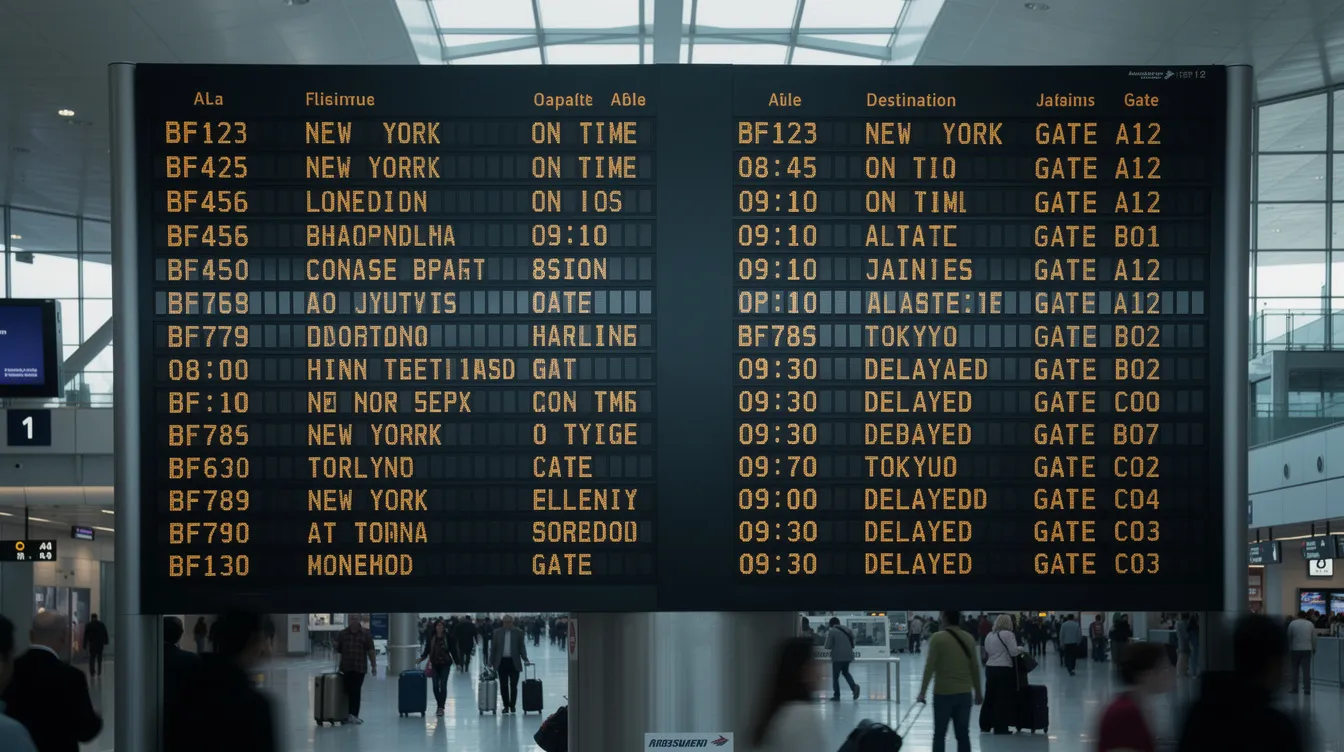
Staying updated on Southwest Airlines flight status is essential for a smooth travel experience. This guide explains how to check flight status using the Southwest app, website, and airport displays, while also discussing when private jet charters through Jettly may be a better option for time-sensitive travelers. Understanding flight status terms and utilizing real-time updates can help avoid delays and ensure timely arrivals.
Read More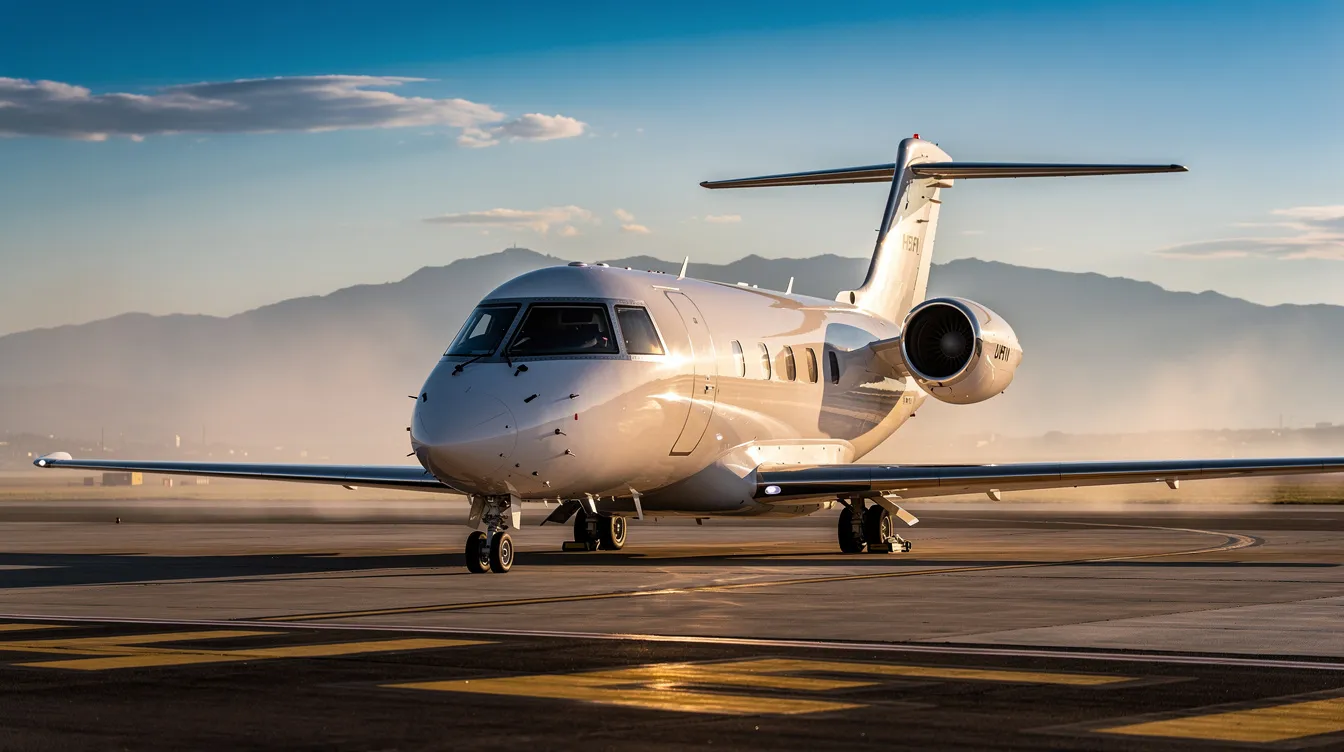
5
min read
How Much Is Private Jet Hire? A Practical Cost Guide for 2026
Private jet hire costs in 2026 range from $2,300 to over $22,000 per hour, influenced by aircraft type, route, and timing. This guide provides a comprehensive breakdown of costs, including hidden fees and savings opportunities, helping travelers budget effectively for their private jet experience.
Read MoreStay updated with our latest insights and tips to elevate your journey with us.
MEMBERSHIPS AND ASSOCIATIONS



Disclaimer: Jettly operates as a charter broker, offering access to a global digital jet charter marketplace. Jettly is not a direct air carrier and does not own or operate aircraft. All advertised flights are conducted by third-party air carriers that are fully licensed and hold the appropriate Part 135 or Part 121 certifications issued by the Federal Aviation Administration (FAA) or equivalent regulatory authorities under U.S. or foreign law. Jettly complies fully with the U.S. Department of Transportation's Part 295 and Part 298 Charter Broker regulations. Jettly does not carry additional liability insurance. Passengers are covered by aircraft operator insurance. TICO: 50023770


