



Login
Get Instant Pricing On 23,000+ Aircraft

>
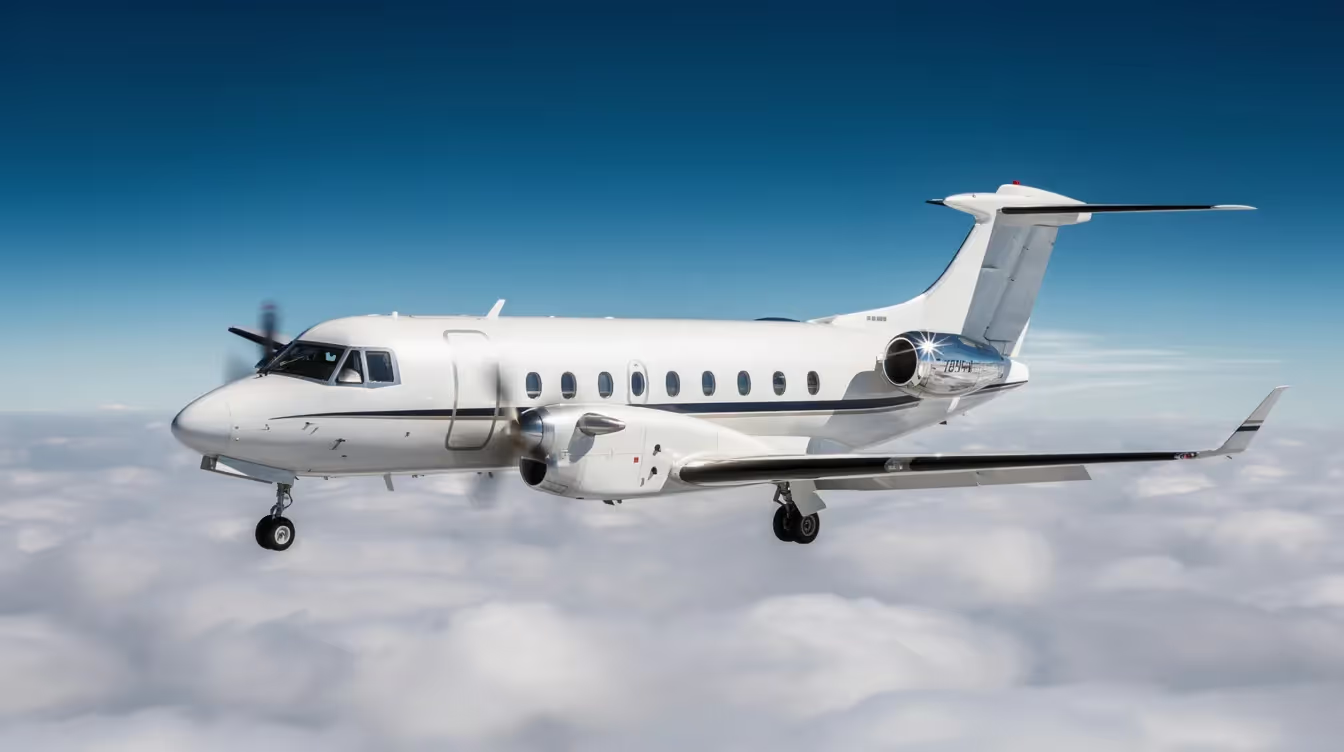
The Falcon 20 holds a special place in aviation history as the aircraft that launched Dassault into the business jet market. First flown in 1963, this French twin-engine jet established the foundation for an entire family of corporate aircraft. While production ended decades ago, the type’s influence continues to shape private aviation today.
This guide is designed for private jet travelers, aviation enthusiasts, and charter customers interested in the Falcon 20’s legacy, technical features, and its place in today’s charter market. Whether you’re considering chartering a midsize jet, exploring aviation history, or comparing aircraft for your next trip, understanding the Falcon 20’s story and capabilities provides valuable context for making informed decisions in the modern private aviation landscape.
The Falcon 20 was Dassault Aviation’s first production business jet, with its maiden flight on May 4, 1963, from Bordeaux-Mérignac Airport in France.
Originally named Mystère 20, it was renamed Falcon 20 for the North American market through a distribution deal with Pan Am.
The aircraft typically seats 8–10 passengers with a twin-engine layout and medium-range performance suited to regional business routes.
Key historical milestones include FedEx’s cargo operations starting in April 1973, US Coast Guard HU-25 Guardian patrol missions, and the 2012 first civil jet flight on 100% biofuel.
Jettly typically connects travelers with newer-generation equivalents, though some upgraded Falcon 20s remain available in specific markets.
The Dassault Falcon 20 is a French twin-engine business jet developed by Dassault Aviation in the early 1960s. The Mystère 20 prototype achieved its first flight on May 4, 1963, with test pilot René Bigand at the controls. Certification and further test flights took place in June 1963, followed by a review of the aircraft's design and performance. It was later renamed Falcon 20 for the American market.
This aircraft marked Dassault’s first production aircraft for corporate use and launched the Falcon family that now includes models like the Falcon 2000 and Falcon 7X. The low-wing design features rear-mounted engines and a pressurized cabin configured for around 8–10 passengers plus crew. The cabin is spacious for its class, typically accommodating 8 to 10 passengers comfortably.
The Falcon 20's structure is derived from military design, contributing to its robust and durable construction. It features hydraulic flight controls that provide exceptional handling characteristics, enhancing pilot control and safety. A highly swept wing design equipped with leading-edge slats improves slow-speed performance and reduces stalling speed, supporting safer takeoffs and landings on shorter runways.
While production ended in 1988, aircraft remain in service worldwide in corporate, special-mission, and training roles.
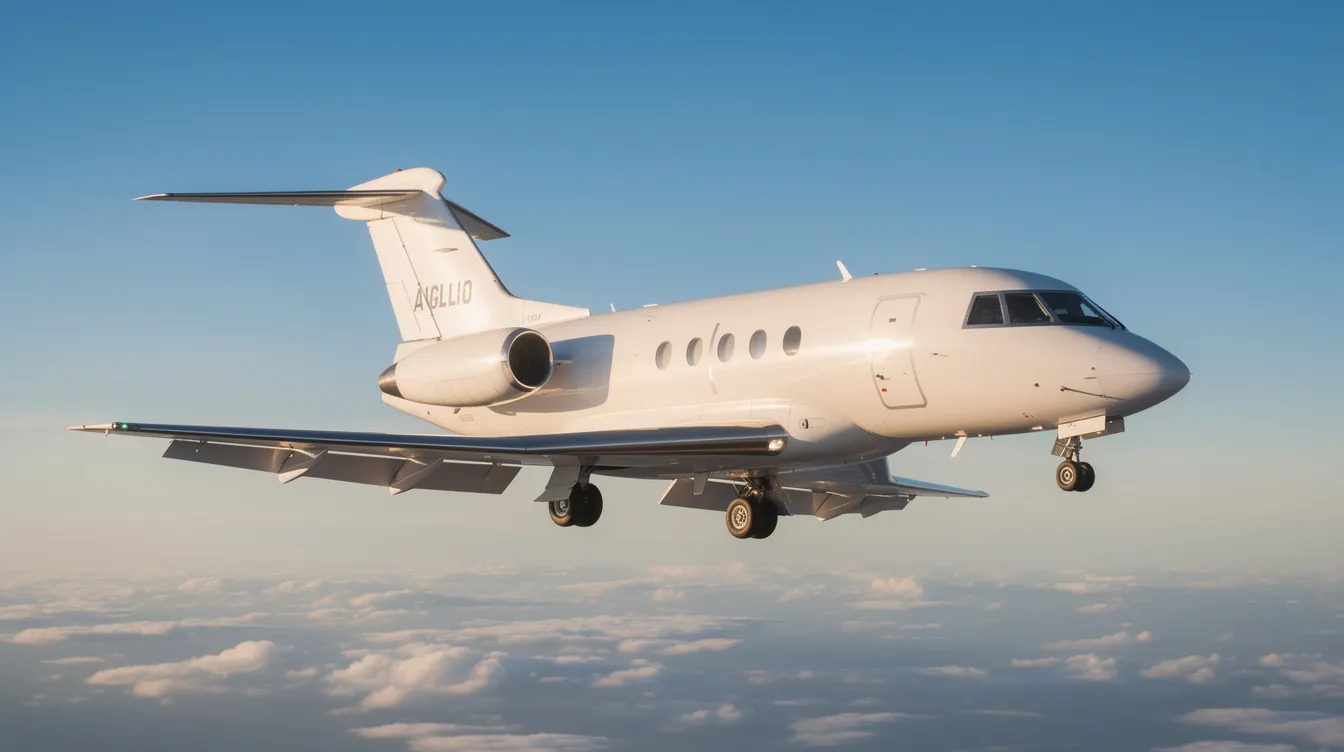
Dassault’s move from fighters into business aviation was led by visionary leadership that guided the transition from military to business aircraft, drawing directly from its military heritage. The company applied swept-wing technology and hydraulically boosted controls derived from the Mystère IV fighter-bomber and early Mirage programs, helping solidify its reputation among the best private plane manufacturers.
Design studies included the Méditerranée concept, incorporating know-how from Concorde development work in France. The French government’s interest in a twin-turbofan liaison aircraft provided initial momentum.
The strategic focus targeted the U.S. market early. Serge Dassault canvassed American interest at the 1962 NBAA convention in Pittsburgh, and discussions with key stakeholders and executives shaped the aircraft's development, leading to range targets exceeding 2,000 km for transcontinental missions with fuel stops.
Pan American World Airways evaluated the aircraft and marketed it in the U.S. as the “Fan Jet Falcon.” Pan Am placed an order approaching 160 units by 1967, with deliveries to their Burbank outfitting facility beginning in summer 1965.
Production peaked at seven aircraft per month during the late 1960s at Dassault’s Bordeaux-Mérignac facility. In total, over 500 Falcon 20s were sold to a wide range of clients, including corporations, charter operators, and government agencies, with total output reaching approximately 473 Falcon 20s and 35 Falcon 200s by line closure in 1988. The Falcon 20 was also awarded several certifications, including FAA and French DGAC type certificates, underscoring its recognized safety and performance standards.
The aircraft features a strengthened floor to support cargo versatility, allowing it to be configured for passenger or cargo transport. This adaptability supported uses such as FedEx’s fleet of modified Falcon 20s with oversized cargo doors for rapid package delivery starting in April 1973. At its peak, FedEx operated 33 Falcon 20s, establishing a nationwide air express network.
The aircraft’s reputation for comfort, sturdy construction, and dependable performance made it popular with corporations, charter operators, and government agencies across the world.
The Falcon 20 exhibits classic 1960s business jet lines: swept wing, T-tail configuration, and rear-mounted engines on lateral struts. The fuselage design promised durability with an unlimited-life airframe, and these features were thoroughly tested during development to ensure optimal performance and safety.
Key airframe features include:
Hydraulically powered flight controls for precise handling
Leading-edge slats for short-field performance and stall reduction
Thrust deflectors instead of conventional reversers
Retractable tricycle landing gear with dual wheels
The aircraft has a maximum cruising speed ranging from approximately 492 to 536 mph (Mach 0.8) and operates at a maximum altitude of 42,000 feet. Its range exceeds 2,000 kilometers, making it suitable for regional and some transcontinental missions and illustrating Dassault’s place among the best private plane manufacturers for balanced performance and comfort.
The cabin layout typically offers 8–10 executive seats with stand-up height (around 5 ft 9 in) in the central aisle. Options included club seating and work tables. For its era, the rear-engine placement delivered a relatively quiet ride.
Compared to later midsize jets that Jettly customers charter today, the Falcon 20’s cabin is comparable to classic midsize categories but smaller than modern super-midsize jets such as the Falcon 7X long-range business jet.
Several Falcon 20 variants emerged over its production life, driven by engine upgrades, noise rules, and mission specialization.
|
Variant |
Engines |
Key Features |
|---|---|---|
|
20C/D/F |
GE CF700 |
Baseline turbofans, ~4,000 lbf thrust each |
|
20-5 |
Garrett TFE731 |
20-30% better fuel economy, Stage 3 compliant |
|
Falcon 200 |
Garrett ATF3-6 |
More fuel capacity, extended range, Falcon 50 styling |
Performance can vary by model, particularly with variants retrofitted with more efficient engines. Early CF700-equipped aircraft suffered modest fuel efficiency and noise issues under later Stage 2/3 regulations. The -5 re-engine program addressed these limitations, extending the range beyond 2,500 nm. The Falcon 200 added more fuel capacity and hot/high-performance capability, though only about 35 were produced. Proposed PW305 upgrades saw minimal uptake.
The Falcon 20 operated across diverse roles: corporate transport, charter flights, cargo operations, maritime patrol, and test platforms. Many aircraft were based at key airfields to support these missions, with some previously serving in military and government fleets before transitioning to civil or specialized roles, much like the variety of operators profiled in comprehensive charter airline guides.
Early corporate use focused on fast point-to-point travel between secondary airports. Short runway performance (takeoff ~4,500 ft, landing ~3,000 ft) suited regional routes like New York–Chicago or Paris–Berlin, especially when operators could choose from a wide network of suitable airports using an airport locator tool.
Frederick W. Smith’s Federal Express acquired surplus airframes during the early 1970s. On April 17, 1973, a cargo-converted Falcon 20 carried FedEx’s first air package, forming the backbone of its overnight network and foreshadowing the modern ecosystem of best private jet charter companies that support time-critical travel today.
The US Coast Guard procured 96 HU-25A Guardian variants from 1982 to 1984 for maritime patrol, search-and-rescue, and drug interdiction operations. These aircraft were based at several coastal air stations along U.S. shores and operated into the 2010s before retirement.
Additional uses included:
NASA’s acquisition of a former Coast Guard HU-25C Falcon 20 in 2011 for Operation IceBridge, equipped with a scanning laser altimeter to collect Arctic surface topography data
French Navy and Canadian government service, with Canada operating Falcon 20s for various missions
Electronic warfare training by Cobham (now Draken International) in the UK
Adversary air training and radar-jamming simulations for UK and NATO forces over 30 years
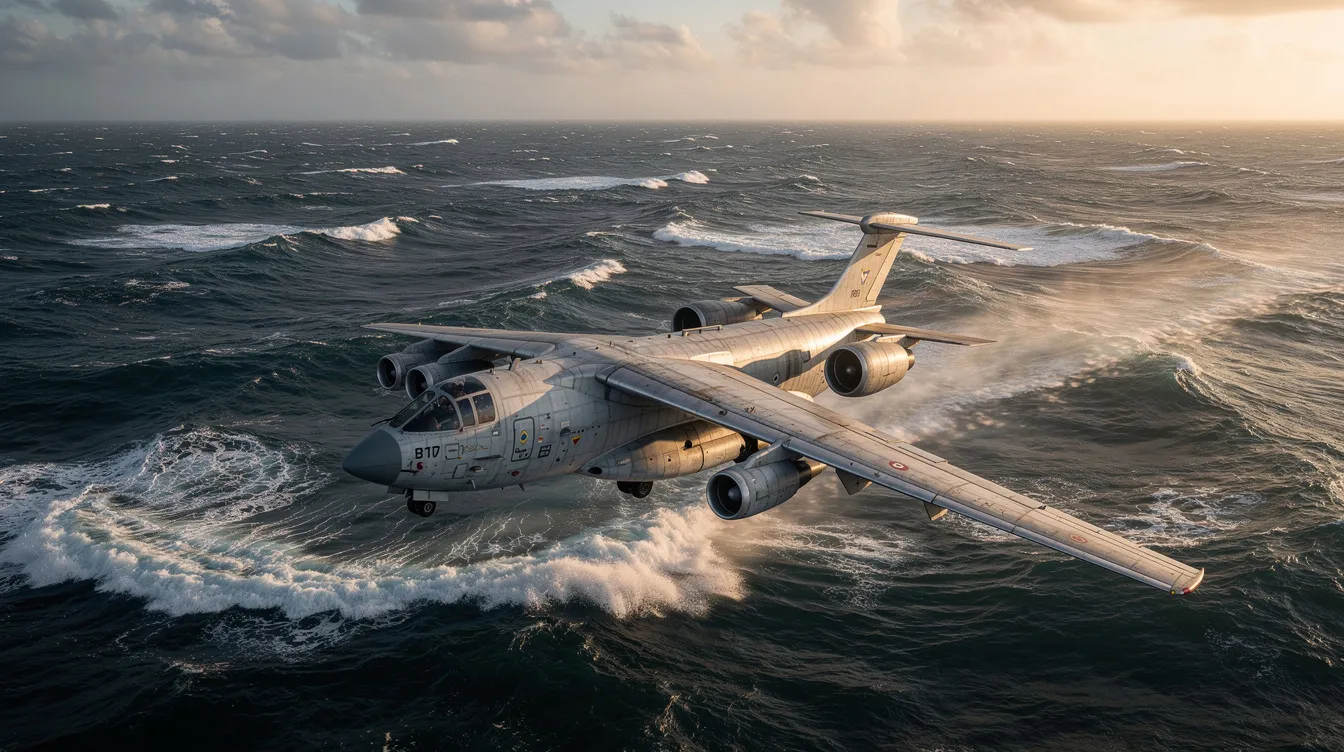
The Falcon 20 played a pioneering role in sustainable aviation research. In 2012, a Falcon 20 became the first civil jet to complete a flight using 100% biofuel, paving the way for newer aircraft such as the Falcon 8X, often cited among the safest private jets in the world.
The fuel, derived from hydroprocessed esters and fatty acids (HEFA) from plant oils, matched conventional Jet A performance while slashing lifecycle CO2 by up to 80%. This test validated drop-in compatibility and influenced regulatory approvals of higher SAF blends.
This milestone matters today because it informed how modern fleets incorporate sustainable fuel options. Jettly works with operators who offer carbon offsetting and SAF options where available, building on this legacy—similar to how leading providers like NetJets in private aviation approach sustainability and safety.
Data below references Jane’s All the World’s Aircraft for the Falcon 20F variant.
|
Specification |
Value |
|---|---|
|
Length |
17.15 m (56 ft 3 in) |
|
Wingspan |
18.86 m (61 ft 10 in, extended) |
|
Height |
5.98 m (19 ft 7 in) |
|
Typical capacity |
8–10 passengers |
|
Max takeoff weight |
13,860 kg (30,550 lb) |
|
Baggage |
~1,000 kg |
|
Max cruise speed |
Mach 0.82 (538 mph) |
|
Long-range cruise |
Mach 0.75 (~450 knots) |
|
Range |
3,395 km (2,110 mi, 8 pax) |
|
Service ceiling |
13,725 m (45,000 ft) |
|
Takeoff distance |
1,372 m (4,500 ft) |
|
Landing distance |
914 m (3,000 ft) |
The aircraft is classified today as a legacy midsize jet. Actual figures vary by specific variant (20C, 20D, 20F, re-engined 20-5) and modification package.
While the Falcon 20 is no longer built, some upgraded, noise-compliant examples still fly in charter, training, and special-mission fleets worldwide.
Limitations for today’s travelers include higher fuel burn compared with newer designs, age-related maintenance costs, and noise regulations restricting non-upgraded aircraft in certain jurisdictions.
Platforms like Jettly typically route customers toward newer midsize jets such as Citation XLS, Hawker 800XP, or Challenger 300. These offer comparable capacity with better range, efficiency, and modern cockpit avionics, and can be compared side by side in Jettly’s private charter aircraft inventory.
Jettly’s global inventory may occasionally include legacy models where local operators maintain them to high standards with FAA compliance and modern safety equipment. Older airframes can offer lower hourly charter rates, but many travelers prioritize cabin comfort and connectivity found in newer types, especially once they’ve run a trip through a private jet charter cost estimator to compare options.
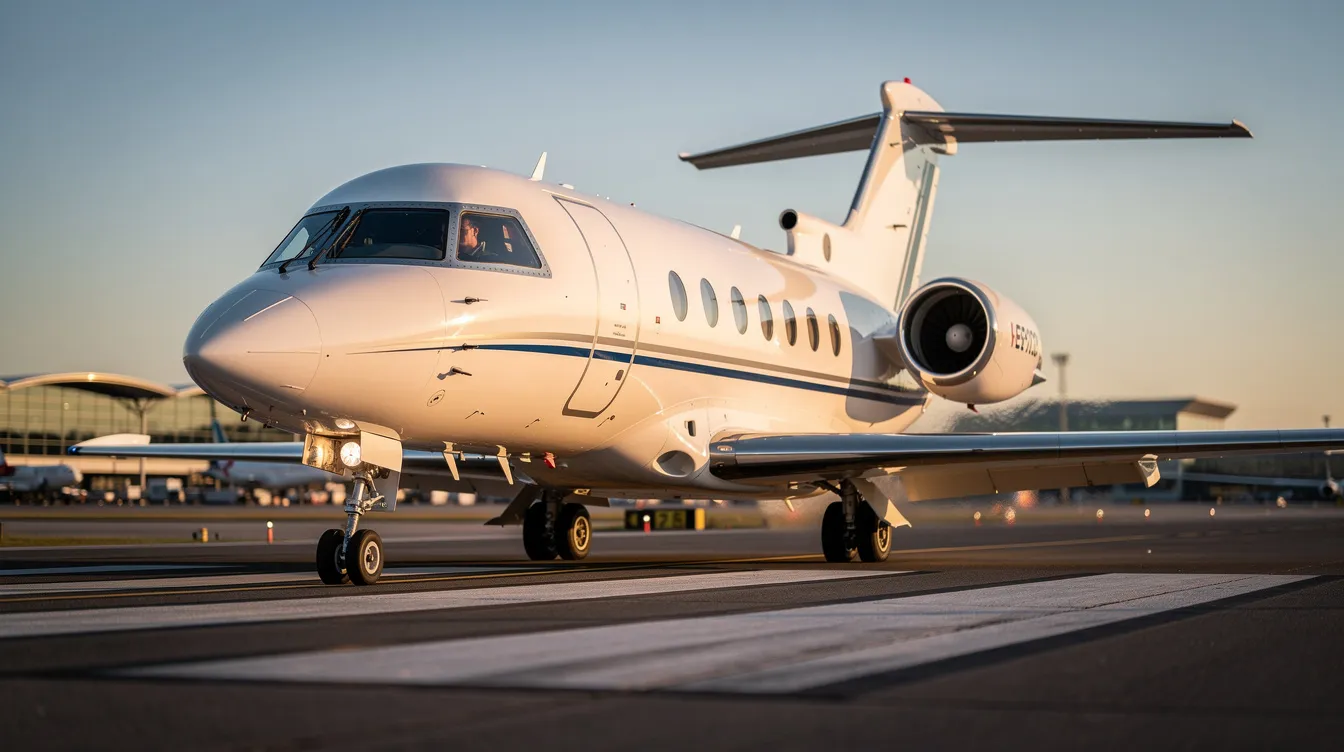
Transitioning from the Falcon 20’s history to practical charter decisions, Jettly serves as a digital private jet charter marketplace with on-demand access to over 20,000 aircraft, along with resources explaining how Jettly offers affordable private jet charter for different trip profiles.
The platform compares options similar to the Falcon 20 in size and mission profile, but typically among newer, more efficient models. Travelers who fly frequently can also take advantage of Jettly’s private jet memberships. Key features include:
Instant pricing without jet card commitments
Filtering by cabin size, range, and year of manufacture
Transparent quotes for direct comparison
For a 2–3 hour business hop like New York–Chicago or Paris–Madrid, Jettly recommends suitable midsize categories that match your passenger count and schedule flexibility, and also highlights strategies on how to get a seat on a private jet easily for different budgets.
Some Falcon 20s remain active, particularly those re-engined and upgraded for Stage 3 noise compliance. However, they form a small share of today’s charter market. Many operators have transitioned to newer midsize jets offering better fuel efficiency and modern cabins. Jettly’s platform primarily surfaces more recent aircraft for most itineraries.
The Falcon 20 typically seats a similar number of passengers as jets like the Citation XLS or Hawker 800XP. However, it lags in fuel economy, avionics integration, and connectivity features. Travelers focused on comfort and productivity usually prefer newer designs, which Jettly highlights in search results.
The 2012 100% biofuel flight proved compatibility in principle. Practical use depends on each aircraft’s certification and local SAF availability. Many modern business jets can operate on approved SAF blends. Travelers can ask operators via Jettly about SAF options on specific routes.
The aircraft suited 1.5–3 hour corporate flights such as Paris–Berlin, New York–Chicago, or Los Angeles–Denver. Its range and speed made it ideal for regional business trips with occasional fuel stops on longer journeys. Today’s midsize jets fulfill similar missions with extended nonstop capability.
Users can search Jettly by aircraft category (midsize jet), passenger count, and route to surface comparable aircraft. The platform displays key specs—range, seating, year of manufacture—for quick comparison. Visit https://www.jettly.com to explore aircraft and request an instant quote.
The Falcon 20 launched Dassault’s business jet line and influenced modern midsize jet design for decades. From its 1963 first flight through strong U.S. market success with Pan Am, roles with FedEx and the Coast Guard, and its 2012 100% biofuel milestone, this aircraft delivered on its early promise.
Today’s private jet travelers expect speed, flexibility, and comfort from newer models that build on the Falcon 20’s pioneering legacy. Prospective users often weigh these benefits against overall ownership and charter economics using guides on how much a private jet costs. The aircraft remains registered in static display collections and adversary training fleets, a testament to its enduring design.
Ready to experience private travel on your terms? Explore flight options or request a quote at https://www.jettly.com.
Share this post:
Jay Franco Serevilla
Apr 18, 2026
|
5
min read
Discover tips and trends in the industry.
5
min read
Types of Planes in Civil Aviation: From Commercial Airliners to Private Jets
Civil aviation encompasses a diverse range of aircraft types, from commercial airliners to private jets. Understanding these categories helps travelers and aviation enthusiasts make informed decisions about their flying needs. This guide details the various aircraft types, their missions, and how to choose the right plane for specific travel requirements.
Read More
5
min read
Real-Time Flight Tracking: How Jettly Brings Global Flight Data Into Your Trip Planning
In 2026, Jettly revolutionizes private jet travel with real-time flight tracking, providing travelers with live updates on aircraft positions, ETAs, and status notifications. This technology enhances trip planning, allowing for better coordination of ground transport and instant pricing based on current data. With over 20,000 aircraft available, Jettly ensures a seamless and predictable travel experience for its users.
Read MoreStay updated with our latest insights and tips to elevate your journey with us.
MEMBERSHIPS AND ASSOCIATIONS



Disclaimer: Jettly operates as a charter broker, offering access to a global digital jet charter marketplace. Jettly is not a direct air carrier and does not own or operate aircraft. All advertised flights are conducted by third-party air carriers that are fully licensed and hold the appropriate Part 135 or Part 121 certifications issued by the Federal Aviation Administration (FAA) or equivalent regulatory authorities under U.S. or foreign law. Jettly complies fully with the U.S. Department of Transportation's Part 295 and Part 298 Charter Broker regulations. Jettly does not carry additional liability insurance. Passengers are covered by aircraft operator insurance. TICO: 50023770


