



Login
Get Instant Pricing On 23,000+ Aircraft

>
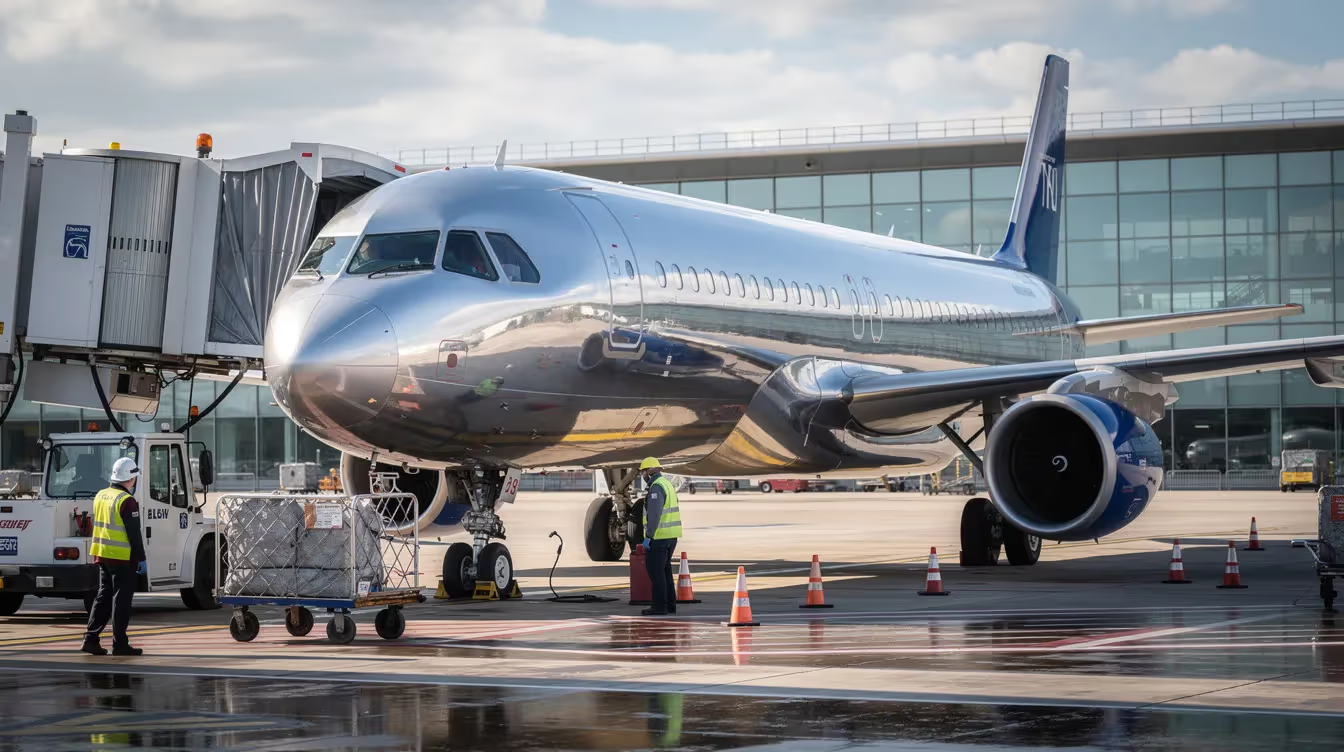
Empty planes—flights operating with few or no passengers—are a surprising but common aspect of modern aviation. Whether due to regulatory slot rules, aircraft repositioning, or maintenance requirements, airlines and private jet operators frequently fly planes that are not full. One means airlines use to maintain their position is to operate empty flights to keep valuable slots, ensuring they remain the dominant carrier when demand returns. While this might seem wasteful or strange to travelers, these flights serve important operational purposes. At the same time, they create unique opportunities for passengers seeking more space, flexibility, or discounted private jet travel.
This article explores why empty planes fly, what the experience is like, and how platforms like Jettly help travelers benefit from empty legs in private aviation. It also highlights the environmental impact of ghost flights and how smarter booking can improve efficiency. Understanding these factors helps travelers make informed choices and appreciate the complexities behind seemingly empty skies.
Empty planes—from ghost flights to private jet empty legs—are more common than most travelers realize, driven by slot rules, positioning needs, and maintenance requirements.
Airlines operate empty or near-empty planes to retain valuable airport slots, reposition aircraft for the next day’s passengers, and complete mandatory test flights after repair work.
Private aviation creates “empty legs” when jets reposition between charters, offering travelers discounted rates through platforms like Jettly.
Ghost flights in scheduled aviation waste fuel and generate significant emissions, while filling empty legs in private charter improves efficiency.
Travelers can use Jettly to search and book empty leg flights rather than letting those planes fly without passengers.
Empty planes and near-empty planes became highly visible during 2020–2022 when passenger demand collapsed, but airlines continued operating. The phenomenon spans several categories that serve different purposes. Sometimes, you might guess why a particular flight is so empty—perhaps due to last-minute cancellations or unusual scheduling—but often, travelers just luck into these experiences without knowing the reason.
In commercial aviation, empty planes often fly with cabin crew only, while private jets may carry just repositioning crew or no passengers at all.
Completely empty flights are usually non-revenue operations—positioning or maintenance movements—distinct from scheduled services running at low load.
Key terms: ghost flights refer to scheduled services flying nearly or totally empty to protect slots; ferry flights move aircraft between airports for operational needs; empty legs are one-way private charter sectors available for booking.
Ghost flights made headlines across Europe during the COVID-19 period, especially winter 2021/22, tied directly to “use it or lose it” slot rules at hubs like Heathrow, Frankfurt, and Paris Charles de Gaulle. EU law mandates that airlines must operate a percentage of flights—traditionally 80%—to retain valuable take-off and landing slots, leading to the phenomenon of ghost flights.
Under traditional EU regulations, airlines must use about 80% of allocated slots per season to retain them for the following year. This threshold dropped temporarily to 50–70% during crises, but pressure remained intense to maintain both take-off and landing slots.
Greenpeace reported that over 10,000 ghost flights took place across European airspace during the winter of 2021/22. Additionally, The Guardian cited Department for Transport analysis of Civil Aviation Authority data indicating that 15,000 such flights have occurred since March 2020, underscoring the magnitude of this issue in recent months.
Lufthansa acknowledged operating roughly 18,000 unnecessary flights in one winter season to protect slots. Most airlines require a break-even load factor of roughly 72% to 79% to make a profit on a single flight, making these empty planes especially uneconomical. Every empty seat on these flights represents a lost opportunity for revenue, rendering ghost flights highly unprofitable individually. However, the high value of retaining slots at busy airports often outweighs the costs of flying near-empty planes.
The environmental matter is stark. A single hour-long domestic ghost flight can emit approximately 2 tons of CO₂ for no practical passenger benefit. Greenpeace estimated these ghost flights emitted CO₂ equivalent to more than 1.4 million cars annually, conflicting with aviation’s net-zero 2050 goals announced by major carrier groups in October 2021. The practice of flying empty planes often creates extreme operational waste and has a high environmental cost. Flying empty planes can sometimes be cheaper than storing them, as it keeps crew and certifications active.
Many empty planes are not ghost flights but routine operational movements. Ferry flights and post-maintenance test flights serve direct safety and scheduling purposes.
Ferry flights reposition aircraft to where passengers actually need them. A Boeing 737 might move overnight from Cardiff to London Heathrow to cover a morning departure, or a widebody from New York JFK to Atlanta to pick up a sports team charter.
Airlines routinely ferry aircraft to maintenance, repair, and overhaul facilities. American Airlines sends aircraft to its Tulsa base; British Airways uses Cardiff for heavy checks when engineers require specialized equipment.
On crew-only flights, pilots may perform walk-throughs, checking emergency equipment and verifying door status—tasks usually handled by flight attendants when passengers are present.
Maintenance test flights follow major structural work, avionics changes, or engine replacement. These verify air data systems, pressurization, and flight control behavior across speeds and configurations. Regulations also require pilots to fly a certain number of hours to maintain their certifications, which can result in additional empty flights.
Empty flights can also occur as part of regulatory proving flights, which are necessary for airlines to demonstrate that new aircraft can be operated safely before they are put into service.
Airlines typically calculate takeoff weight and center of gravity by considering the operational empty weight of the aircraft, the weight of passengers, cargo, and fuel, following a standard weight course to ensure safe flight operations.
FAA and EASA requirements dictate when test flights are mandatory, regardless of cost. These flights serve a direct safety purpose and are not discretionary like some ghost flights.
|
Flight Type |
Purpose |
Typical Occupants |
Regulatory Reason |
Environmental Impact |
|---|---|---|---|---|
|
Ghost Flights |
Retain airport slots |
Cabin crew only or empty |
EU slot use-it-or-lose-it rules |
High CO₂ emissions, operational waste |
|
Ferry Flights |
Reposition aircraft for next service or maintenance |
Pilots and repositioning crew |
Operational necessity |
Moderate, essential for scheduling |
|
Maintenance Test Flights |
Verify airworthiness after repairs |
Pilots only |
FAA/EASA safety regulations |
Necessary, minimal additional impact |
|
Regulatory Proving Flights |
Demonstrate safe operation of new aircraft |
Pilots and cabin crew |
Certification requirements |
Necessary, minimal additional impact |
|
Empty Legs (Private Jets) |
Reposition aircraft between charters |
Pilots and crew; passengers if booked |
Commercial repositioning |
More efficient when booked |
Being on a nearly empty airliner feels uncannily spacious. During 2020, some transatlantic flights carried fewer than 50 passengers on widebodies built for 300+, with crew inviting travelers to sit almost anywhere. Empty planes also provide a rare opportunity for passengers or crew to take a clear photo of the cabin, capturing the unique emptiness.
With lower weight, takeoff decision speeds (V1, Vr, V2) are reduced, runway requirements shrink, and climb performance becomes striking. Pilots describe it as “climbing like a homesick angel.” Flying an empty aircraft offers pilots a 'rocket-like' experience due to the reduced weight, allowing for faster takeoffs.
On completely empty ferry flights, the flight deck door may stay open if regulations allow, since no passengers occupy the cabin. This changes crew dynamics entirely, and pilots or crew may have heard unusual noises or become more aware of the aircraft environment during these empty flights.
Near-empty cabins sometimes required moving passengers forward or adding ballast to baggage holds to keep the center of gravity within safe limits—particularly true on small regional jets.
The service feels like first class when the cabin crew outnumber the passengers. One returned story from a 2020 night flight described the crew delivering personalized attention typically reserved for premium cabins. Similar dynamics can occur on unusually short or lightly loaded repositioning sectors, like the shortest private jet flights and ultra-brief empty legs, yet the economics remain poor—low loads erode margins in an industry built on 85%+ occupancy.
Private jet operators face similar repositioning challenges, but the solution differs. When a jet drops passengers in Miami and must fly empty to New York for its next charter, that creates an empty leg—a bookable opportunity at reduced rates.
An empty leg (also called a deadhead or ferry leg) is a flight that must operate to position the aircraft for its next paying customer.
These legs can be discounted 25–75% below typical on-demand rates because operators recover marginal cost (fuel, crew) rather than full ownership expenses, making them one of several ways to buy a seat on a private jet affordably.
Platforms like Jettly aggregate thousands of aircraft and publish available empty legs in real time, with instant pricing and online booking, alongside options for shared charter flights versus full private charters. What used to be industry-insider knowledge is now public.
Popular empty leg corridors include New York–Miami, Los Angeles–Las Vegas, Toronto–Vancouver, and London–Nice during peak leisure seasons.
Benefits include access to private terminals, 20–30 minute airport arrivals, and a chance to experience private travel at a lower entry price, especially when you understand broader affordable aircraft rental costs and options.
Unlike ghost flights, filling empty seats through shared and crowdsourced flights improves aircraft utilization and reduces waste, an important lever in reducing the environmental impact of private jet emissions and inequality concerns.
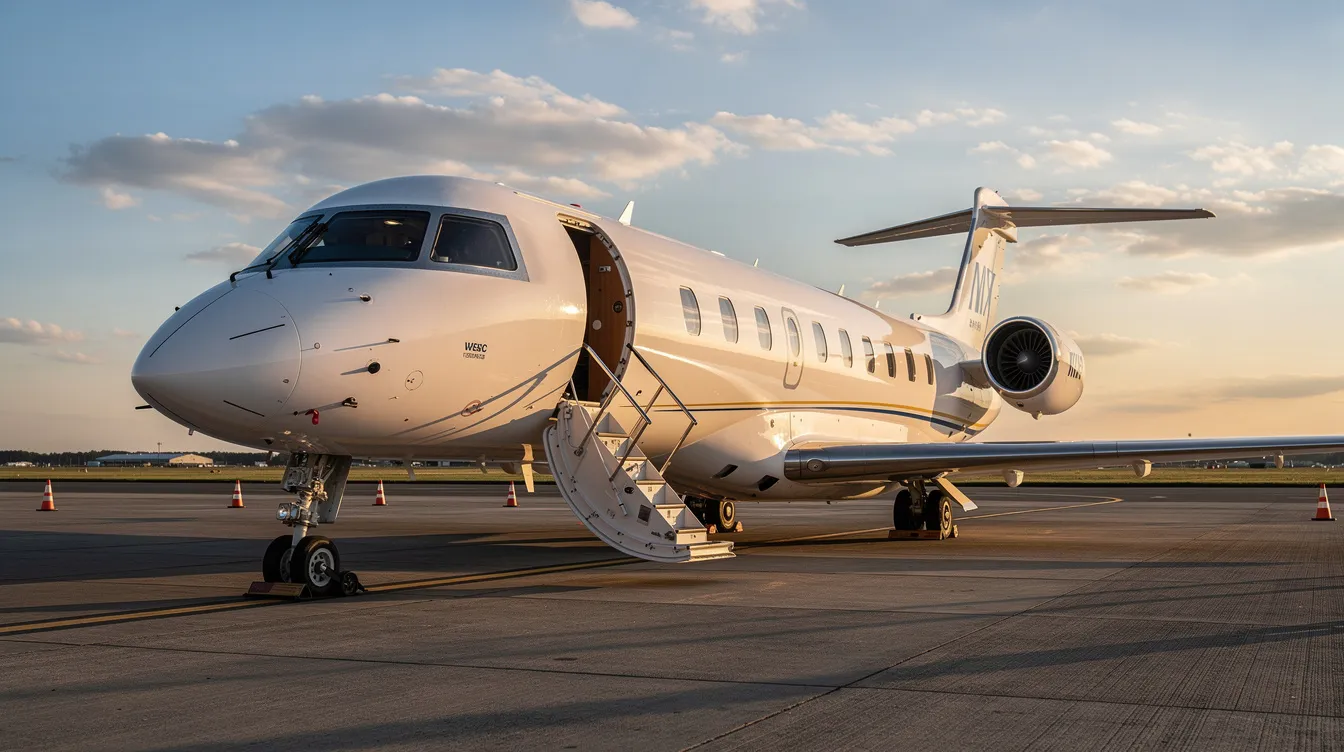
Jettly is a tech-driven private jet charter platform connecting travelers to more than 20,000 private charter aircraft worldwide. The focus is on transparent pricing, instant quotes, and digital booking without traditional friction.
The platform surfaces both standard on-demand charters and discounted empty leg opportunities, letting users compare by aircraft type, route, and schedule and use a private jet charter cost estimator to understand pricing drivers, or explore how a jet card works, including its costs and benefits.
Target customers include frequent business travelers, executive teams, and families seeking flexibility and privacy, many of whom prefer private jet membership options without long-term ownership over jet cards or fractional ownership commitments, but still want to understand overall private jet card pricing and cost drivers.
Jettly offers no long-term ownership burden, membership and on-demand models, transparent quote breakdowns, and access to a broad global aircraft inventory, complementing more structured jet card programs with fixed hourly rates and broader comparisons of the best jet card programs available today.
Safety remains central: Jettly partners only with licensed operators complying with FAA Part 135, EASA, and equivalent authorities. Safety audits cover aircraft and crew qualifications, much like the standards highlighted in comprehensive guides to charter airlines and private flight providers, and in comparisons of Jettly as a flexible alternative to NetJets fractional ownership.
Consider a corporate team chartering from Chicago to San Francisco, then using an empty leg on a different aircraft for a return via Los Angeles. This illustrates schedule flexibility and cost savings. Jettly converts necessary repositioning flights into revenue flights—seats filled instead of planes flying empty.
Ghost flights—scheduled jets flying mostly empty—differ significantly from private jet empty legs that can be filled. The environmental distinction matters.
Greenpeace estimated European ghost flights in one season emitted CO₂ comparable to more than 1.4 million cars. The industry announced net-zero 2050 goals in October 2021, yet these flights continue to depend on slot pressures.
While private jets emit more CO₂ per passenger than full commercial flights, filling an otherwise empty repositioning leg is more efficient than flying it with no passengers. Understanding the global fleet of private jets and industry growth trends and how major players like NetJets shape private aviation worldwide helps put this impact in context. Emerging mitigation measures include carbon offsets, sustainable aviation fuel adoption, and data-driven scheduling to reduce unnecessary repositioning.
Debates about private aviation’s climate impact continue. Jettly’s approach focuses on improving utilization and giving customers visibility to pick more efficient aircraft categories—turboprops for short hops, for example. Travelers should consider efficiency and routing when booking any trip.

Regular travelers might encounter near-empty commercial flights by chance, while savvy private fliers can actively search for empty legs on platforms like Jettly, use tools like a dedicated jet card flight cost estimator for one-way routes, or explore other easy ways to get a seat on a private jet.
Low loads on commercial flights are unpredictable but more common midweek, off-peak, or on newly launched routes. Sometimes, it’s worth pausing to remember a time when air travel felt less crowded and more relaxed, before today’s busy terminals. Embracing the unpredictable nature of travel can occasionally reward you with the rare experience of empty planes. Passengers can sometimes politely request seat changes once boarding is complete.
Travelers interested in private jet empty legs should use Jettly’s search tools, email alerts, or app notifications to catch last-minute deals, and tools like an airport locator for private jet departures and arrivals. Flexibility on exact departure times helps.
Standard charters offer full schedule control and round trips; empty legs offer lower prices but fixed direction and less flexible timings, and both are influenced by the underlying cost structure of affordable private jet charter and by how providers like NetJets structure their jet card pricing and program tiers.
A family booking a standard charter from London to Mallorca in August pays full rates for complete control, a decision that makes more sense when they understand how much a private jet really costs across different usage models. Another traveler might book an opportunistic empty leg on a similar route a few days later at a reduced rate—perhaps half the cost—if timing aligns.
Always confirm inclusive services (catering, ground transport, luggage handling) and safety credentials of the operator, including whether tailored in-flight catering for private jets is available. Jettly centralizes this information, making the process straightforward whether booking a full charter or an empty leg, whether through major partners or dedicated operators like Dexter Air Taxi’s private jet services.
This FAQ addresses common questions about empty planes, ghost flights, and private jet empty legs not fully covered above, building on broader comparisons of the best private jet charter companies and luxury options.
Services that feel “private” don’t always require booking an entire aircraft; marketplaces such as Zenflight’s instant-book private jet platform show how brokers can match travelers to existing capacity rather than operating extra flights.
Most ferry flights are restricted to crew and authorized personnel for regulatory and insurance reasons. Rare exceptions exist for staff positioning under special approvals, but these are not sold to the public. Airline employees sometimes list on internal systems for repositioning sectors, which gives rise to online stories about “truly empty” passenger flights. Regular travelers cannot buy tickets for such movements and should focus on low-load scheduled flights or private empty legs for a calm, spacious cabin experience.
Travelers can visit Jettly’s website, use search tools or empty leg listings, enter a departure region and approximate dates, and view live availability. Empty legs can often be booked on short notice—sometimes 24–72 hours before departure—but availability varies based on other customers’ charter itineraries. Creating an account with Jettly enables alerts and support to match traveler flexibility with upcoming empty legs, whether you’re departing from major hubs like Atlanta via private jet charter services or smaller regional airports.
Passenger rights—compensation rules, luggage handling, safety obligations—do not change based on how full the aircraft is. Regulations apply regardless of load factor. What changes is the onboard experience: more personal attention, easier seat changes, faster boarding. In cases of ghost flights operated during travel restrictions, eligibility for refunds depends on whether the airline officially canceled the flight, not on passenger count. Meanwhile, passengers flying privately into busy capitals such as New Delhi with dedicated private jet charter services still benefit from the same underlying aviation safety regulations.
Empty legs are often 25–75% less than the original charter cost, depending on route, aircraft category, timing, and operator motivation to recover costs. A one-way light jet charter that might typically cost a five-figure amount on a busy route could be priced substantially lower as an empty leg if dates align. Empty legs are usually one-way with fixed origin and destination, so flexibility helps travelers catch the best savings, whether you’re flying popular leisure routes or arranging a private jet charter to and from Lagos, Nigeria.
Commercial airline ghost flights and private jet operations run under different business models and regulations. Private empty leg bookings do not directly cancel scheduled ghost flights, but they do improve utilization of business aircraft that must reposition—one part of broader aviation efficiency. Technology platforms like Jettly show how better data and demand matching can reduce truly empty planes in the world, and even enable travelers and content creators to participate via an ultra-high ticket affiliate program promoting Jettly’s services, even if regulatory change is still needed on the commercial side.
Empty planes exist for operational, regulatory, and contractual reasons—from ghost flights protecting valuable slots to ferry legs repositioning aircraft for the next day’s passengers. Technology and marketplaces can reduce waste by matching travelers with empty legs.
When choosing how to fly, consider efficiency, flexibility, and environmental impact. Filling seats on necessary flights is always better than letting aircraft move empty.
Traveling on empty planes not only offers practical benefits but also provides a unique opportunity to experience new cultures and reflect on the meaning of home. Each journey can deepen your understanding of how different environments shape personal identity and broaden your perspective.
Ready to explore private travel options? Discover Jettly’s charter services and empty leg opportunities at https://www.jettly.com.
Share this post:
Jay Franco Serevilla
Apr 18, 2026
|
5
min read
Discover tips and trends in the industry.

5
min read
Worst Safety Record Aircraft: Deadliest Passenger Jets, Hull Losses, and What They Mean for Airline Safety
Certain aircraft have gained notoriety for their poor safety records, particularly the Fokker F28 and McDonnell Douglas MD-11, which exhibit high hull loss rates. While the Boeing 737 family has the highest total fatalities, this is largely due to its extensive use rather than inherent danger. Understanding these statistics is crucial for travelers assessing aviation safety.
Read More
5
min read
www trivago com flights: Cheap Flights vs. Private Jets with Jettly
This guide compares the use of Trivago for cheap flights and hotel deals with booking private jets through Jettly. While Trivago excels at finding budget-friendly options, Jettly offers flexibility and time savings for travelers needing efficient transportation. Understanding both platforms helps travelers make informed decisions based on their specific needs.
Read MoreStay updated with our latest insights and tips to elevate your journey with us.
MEMBERSHIPS AND ASSOCIATIONS



Disclaimer: Jettly operates as a charter broker, offering access to a global digital jet charter marketplace. Jettly is not a direct air carrier and does not own or operate aircraft. All advertised flights are conducted by third-party air carriers that are fully licensed and hold the appropriate Part 135 or Part 121 certifications issued by the Federal Aviation Administration (FAA) or equivalent regulatory authorities under U.S. or foreign law. Jettly complies fully with the U.S. Department of Transportation's Part 295 and Part 298 Charter Broker regulations. Jettly does not carry additional liability insurance. Passengers are covered by aircraft operator insurance. TICO: 50023770


