


Login
Get Instant Pricing On 23,000+ Aircraft

>
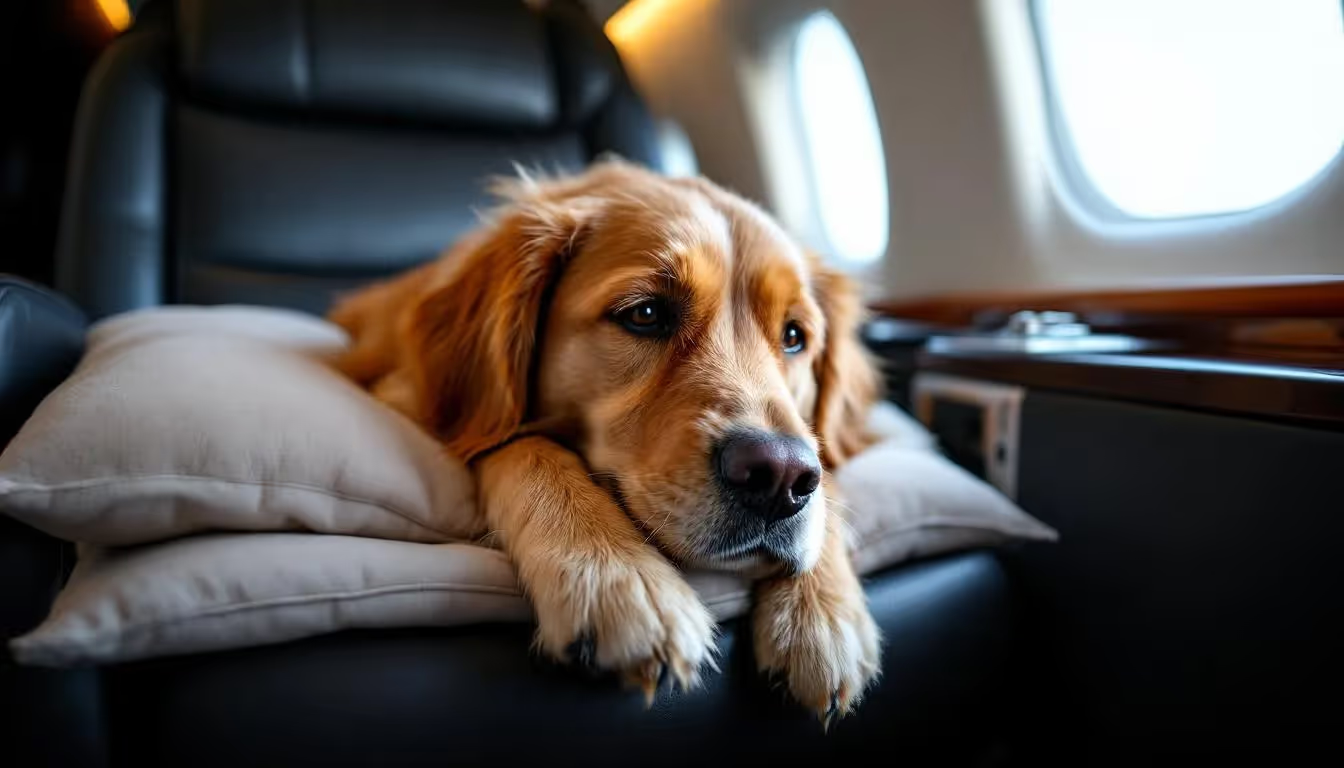
When your beloved pet needs to travel, the thought of cramming them into a cargo hold can be heartbreaking. Commercial airlines treat pets like checked baggage, subjecting them to temperature extremes, loud noises, and the very real risk of injury or worse. But what if you could give your four-legged friends a first-class flying experience for a fraction of the cost of a full private jet charter?
One of the biggest advantages of empty leg flights for dogs is the convenience they offer, making travel easy and stress-free for both pets and their owners.
Empty leg flights for dogs offer exactly this opportunity. These discounted private flights on private planes provide the same luxurious experience as full-price charters while delivering savings of 25-75% off regular rates. Your furry companion gets to ride in the pressurized cabin alongside you, avoiding the dangers and stress of commercial airline cargo holds entirely.
This complete guide will walk you through everything you need to know about empty leg flights for dogs, from understanding how these flights work to booking your first luxury journey. Whether you’re relocating across the country, planning a vacation, or need emergency transport for your pet, empty leg flights might be the perfect solution you’ve been searching for. Around the world, empty leg flights for pets are becoming a popular choice for luxury pet travel.
Empty leg flights offer discounted private jet travel for dogs at 25-75% less than regular charter costs
Dogs can travel in the cabin with owners, avoiding cargo hold risks and stress
Empty legs provide the same luxury amenities as full-price charters, including spacious cabins and personalized service
Booking windows are typically 2-14 days in advance with flexible departure times
No additional pet fees on most empty leg flights, unlike commercial airlines that charge $100-500 per pet
Perfect solution for relocations, vacations, or emergency pet transport when commercial options aren’t suitable
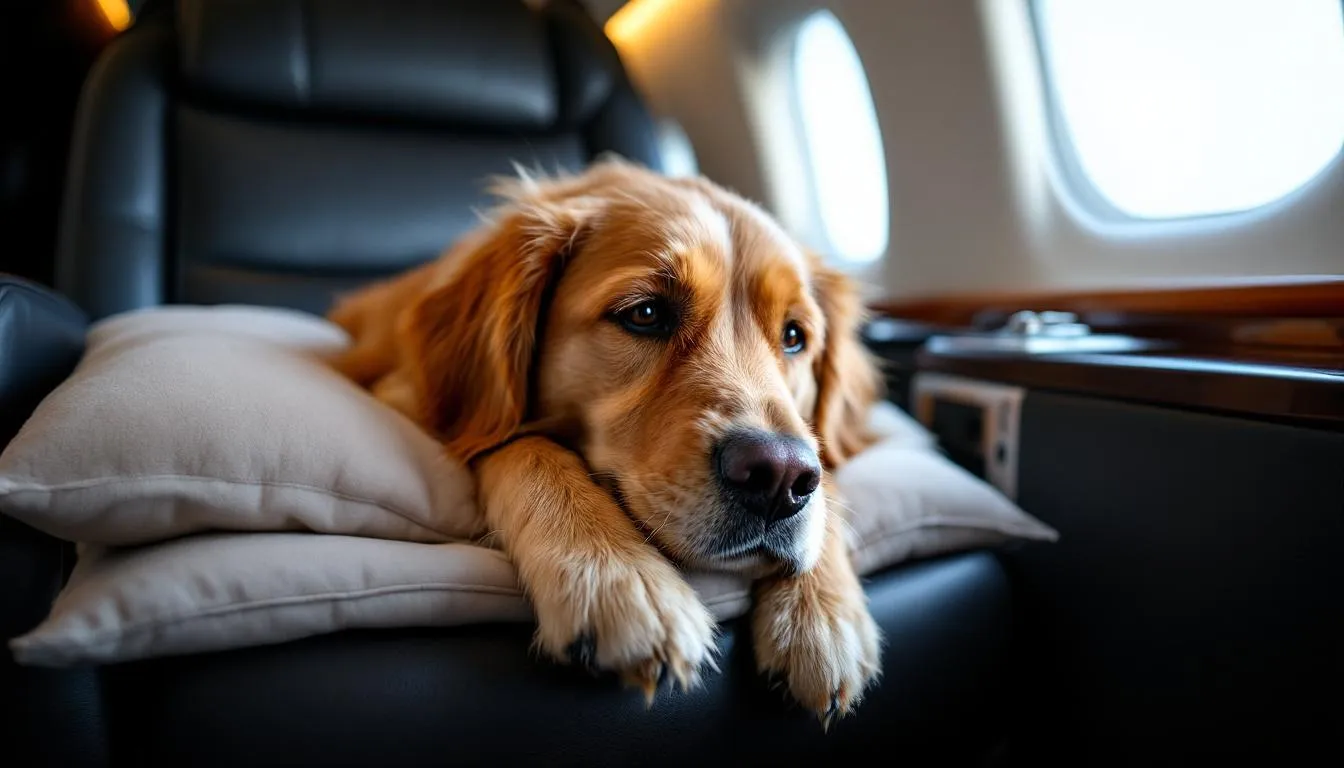
An empty leg flight occurs when a private jet needs to reposition itself after completing a one-way charter. Rather than fly empty back to its home base or to pick up the next set of passengers, operators offer these repositioning flights at significantly discounted rates to offset costs like fuel, crew wages, and landing fees.
These leg flights become available when private jets complete charters to destinations where they don’t have immediate return passengers. For example, if a private plane flies clients from New York to Miami for a weekend getaway, that aircraft needs to return to its base or reposition for another charter. Instead of flying empty, the operator can sell seats on this leg flight at a fraction of the normal cost.
The savings for pet owners are substantial. While a full private jet charter might cost $5,000-50,000 depending on aircraft size and distance, the same route on an empty leg could be available for $2,000-15,000. This represents typical discounts of 50-75% compared to regular private jet charter rates.
Popular routes like Teterboro to Miami, Los Angeles to Las Vegas, or New York to Florida see frequent empty leg availability due to high demand for one-way private air travel. The private jet industry has embraced technology to make these opportunities more accessible, with dedicated platforms aggregating empty leg inventory from multiple operators, and tools to locate the nearest airport for private jet charter.
For pet owners, this means access to the same luxury cabin environment, personalized service, and pet amenities that full-paying charter customers enjoy, but at a cost-effective price point that can actually compete with commercial flights when you factor in the superior experience and safety benefits. On a commercial flight, pets are often flown in the cargo hold, which can involve additional risks and stress compared to traveling in the cabin of a private jet.
The advantages of choosing empty leg flights over commercial airlines for your pet’s journey extend far beyond simple cost savings. Empty leg flights are designed with your pet's comfort in mind, offering tailored amenities and services to ensure a relaxing and enjoyable experience. When you fly private with your dog, you’re eliminating virtually every stressor and safety concern associated with traditional air travel by focusing on your pet's specific needs.
Unlike commercial flights, where pets fly in the cargo hold, empty leg flights allow your dog to ride in the pressurized, climate-controlled cabin with you. This eliminates exposure to extreme temperatures, loud engine noise, and the risk of mishandling that plagues commercial airline pet transport. Commercial flights typically charge additional fees for flying with pets, especially if they must be in the cargo area. Your furry friends experience the same safe and comfortable journey as human passengers. However, for shorter distances, traveling by car is often recommended as a more pet-friendly option compared to flying, as it allows for frequent breaks and minimizes stress for your pet.
Commercial airlines impose strict size restrictions and often ban certain breeds entirely. Private jets welcome dogs of all sizes, from tiny Chihuahuas to Great Danes. Multiple pets can typically travel together, and there’s no need to squeeze large dogs into undersized carriers. An airline-compliant crate may cost between $30 and $250 and must allow pets to stand and turn around. Your beloved companions can move freely around the cabin or rest comfortably in designated areas.
Private jets operate from private terminals called FBOs (Fixed Base Operators), which means avoiding crowded airports, long lines, and the chaos that can overwhelm sensitive pets. You and your dog can arrive just minutes before departure, walk directly to the aircraft, and begin your comfortable journey without the typical airport stress.
Empty leg flights eliminate layovers and connecting flights that add stress and increase the risk of pets being misrouted or lost. The nonstop nature of private flights means less time in transit and more predictable arrival times. Many operators can accommodate same-day or next-day departures when empty legs become available.
Flight crews on private jets often receive specialized training for handling pets, including emergency procedures and anxiety management techniques. They can cater to your pet’s specific needs, whether that means providing extra attention to nervous animals or accommodating special dietary requirements during longer flights.
Understanding the true cost difference between empty leg flights and other travel options requires looking beyond base ticket prices to include pet fees, hidden costs, and the value of the enhanced experience. When planning your trip, consider not only the base fare but also the total expenses and arrangements needed to ensure your pet's comfort and safety throughout the journey. The base cost of private jet rental can be significantly higher than commercial airline travel but offers distinct advantages, such as personalized service, flexible scheduling, and the ability to keep pets in the cabin.
Commercial Airlines: Base Cost (One Way) $125-500 per person; Pet Fees $100-500 per pet; Total Pet Cost $225-1,000+; Restrictions include size/breed limits and cargo only for large dogs.
Full Private Charter: Base Cost $5,000-50,000; Usually no additional pet fees; No restrictions.
Empty Leg Flights: Base Cost $2,000-15,000; Rarely any additional fee; No restrictions—cats and other pets can travel comfortably in the cabin.
Commercial airlines nickel and dime pet owners with numerous additional fees. Beyond the base pet transportation fee of $100-500, you’ll need an airline-approved carrier ($50-250), veterinary health certificates ($200-400), and potentially overnight accommodations if flights are delayed or cancelled. For international travel, add USDA endorsements, import permits, and potential quarantine costs.
Empty leg flights become particularly cost-effective when traveling with multiple pets or large dogs that would require cargo transport on commercial airlines. A family with two large dogs might pay $1,500+ in pet fees alone on commercial flights, while an empty leg accommodating the entire family plus pets could cost only marginally more than regular airline tickets.
The value proposition becomes even stronger when you factor in the peace of mind, time savings, and superior travel experience. For many pet owners, the ability to keep their beloved pet safe in the cabin throughout the journey justifies any price premium.
Consider a family relocating from New York to Austin with two Golden Retrievers:
Commercial Option: $800 in airline tickets + $600 in pet fees + $400 in carriers and health certificates = $1,800 total, with pets in cargo holds
Empty Leg Option: $8,000 for the entire family, including pets, with dogs riding comfortably in the cabin
While the empty leg costs more upfront, it provides a stress-free, safe experience that many pet owners find invaluable, especially for relocations or emergency situations where commercial airline restrictions could force delays or compromises.
Finding the right empty leg flight requires knowing where to look and understanding the booking windows that operators typically work within. Most empty leg deals are posted 2-14 days before departure, though last-minute opportunities can arise with as little as 24-48 hours' notice. A dedicated team of specialists is often available through brokers or operators to assist with pet travel arrangements, ensuring a smooth and personalized experience throughout the process.
Several specialized platforms consolidate empty leg inventory from multiple operators, making it easier to discover pet-friendly options:
XO, Villiers Jets, and PrivateFly are among the most comprehensive platforms, offering search filters that let you specify pet travel requirements. These platforms typically update their inventory daily and can send alerts when flights matching your criteria become available.
Mobile apps provide real-time notifications and allow you to book quickly when attractive options appear. Many include push notifications for specific routes you’re monitoring.
Specialized pet travel brokers maintain relationships with private jet operators and can often access empty leg inventory before it’s publicly listed. These professionals understand the unique requirements of pet travel and can help navigate international documentation requirements or arrange special requests like custom pet amenities.
Building relationships with charter operators in your region can provide access to exclusive empty leg opportunities. Smaller regional operators may not list their inventory on major platforms but are often willing to work directly with repeat customers, especially for pet travel, which requires specific accommodations.
The highest selection of empty leg flights typically appears 3-10 days in advance of departure dates. However, the most attractive deals often have the shortest booking windows. Successful empty leg travelers maintain flexible schedules and have backup plans in case their preferred flight gets cancelled due to changes in the originating charter.
Popular routes like New York to Florida or California to Nevada have the most frequent empty leg availability, particularly during peak seasons when demand for one-way private jet charters is highest.

Proper preparation ensures your pet’s comfort and meets all regulatory requirements for private air travel. When travelling internationally with your pet, it is important to understand country-specific regulations, vaccinations, and paperwork needed for the journey. While private jets have fewer restrictions than commercial airlines, certain documentation and preparation steps remain essential.
Health Certificates issued by a licensed veterinarian within 10 days of travel are standard for domestic flights and required for international destinations. This certificate confirms your dog is healthy enough for air travel and up-to-date on vaccinations.
Vaccination Records must include proof of rabies vaccination and core vaccines (DHPP - Distemper, Hepatitis, Parvovirus, Parainfluenza). International destinations may require additional vaccinations or blood titer tests, particularly for rabies-free countries. Pets must be microchipped to facilitate recovery if they escape during travel.
Microchip Identification is mandatory for most international travel and recommended for domestic flights. Ensure your contact information in the microchip database is current before departure.
Create a travel kit that includes your dog’s favorite comfort items:
Familiar bedding or blankets to help them feel secure
Favorite toys to provide distraction and comfort
Medications with clear dosing instructions for the crew
Food and water bowls (though most aircraft can provide these)
Leash and collar with updated ID tags
Waste cleanup supplies for emergencies
Adjust your dog’s feeding schedule so they travel on a partially empty stomach. Most veterinarians recommend not feeding 2-4 hours before departure to reduce the risk of motion sickness. However, ensure they’re well-hydrated and have had adequate exercise before the flight.
For dogs prone to travel anxiety, discuss natural calming aids or prescription medications with your veterinarian well before travel. Some pets benefit from pheromone sprays or anxiety wraps during the journey.
When booking, disclose any special requirements your pet might have:
Behavioral quirks or anxiety triggers
Medical conditions requiring attention
Size and weight for proper accommodation planning
Social behavior with strangers (crew members)
This information helps the crew prepare appropriate accommodations and ensures they can handle any situation that might arise during the flight.
The empty leg experience for pet travelers mirrors the luxury and attention to detail of full-price private jet charters, with crew members trained to accommodate both human and animal passengers throughout the journey. Before departure, pets are carefully prepared to board the aircraft, ensuring a smooth and comfortable transition onto the jet.
Upon arrival at the private terminal, you’ll receive a briefing that covers your dog’s specific needs, behavior patterns, and any special requests. The crew will want to meet your pet and understand their temperament before takeoff. Boarding happens through the aircraft’s main door, eliminating the need for your dog to navigate jetbridges or crowded gate areas.
Private jet cabins offer flexible seating arrangements that can accommodate pets of all sizes. Smaller dogs can remain with owners in standard seating areas, while larger breeds have space to lie down in designated areas or between seats. Many aircraft can be configured with removable seats to create more floor space for multiple or very large dogs.
The pressurized cabin maintains comfortable temperatures between 65-75°F throughout the flight, with noise-dampening features that create a calmer environment than commercial aircraft. Your pet can move freely during the cruise, though they’ll need appropriate restraint during takeoff and landing.
Crews on pet-friendly empty leg flights often provide specialized amenities:
Pet beds and blankets sized for your dog
Food and water bowls with non-slip bases
Waste cleanup kits for longer flights
Climate control adjustments based on your pet’s comfort
Crew attention and interaction if your dog enjoys socializing
For longer flights, crews can accommodate bathroom breaks using absorbent pads and cleaning supplies. The goal is to ensure both you and your beloved pet remain comfortable throughout the journey.
Private terminals typically allow direct vehicle access to the aircraft, meaning your dog can walk directly from the plane to your waiting car without navigating busy airport terminals. Ground crews at FBOs are accustomed to pet passengers and can assist with any special arrangements needed for your arrival.
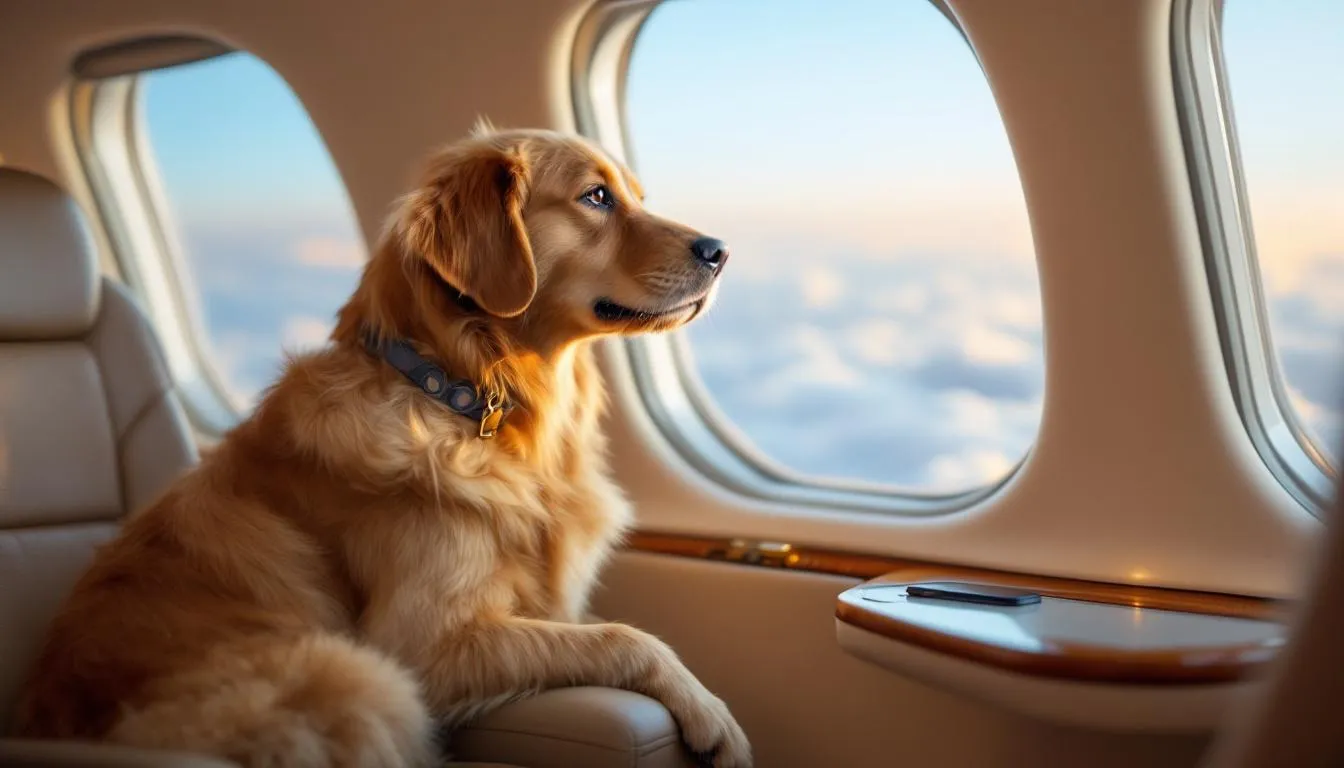
Flying internationally with your dog via empty leg flights involves additional documentation and planning, but the private jet experience often simplifies many aspects of the process compared to commercial airlines.
European Union: Requires pet passports, rabies vaccination certificates, and microchip identification. Some countries mandate blood titer tests proving rabies immunity levels.
United Kingdom: Maintains strict entry requirements, including advance notice periods of 30-60 days, specific vaccination protocols, and potential quarantine periods despite private aircraft entry.
Australia and New Zealand: Enforce some of the world’s most stringent pet import regulations, often requiring months of advance planning, government-approved quarantine facilities, and extensive health testing.
Hawaii: Despite being a US state, Hawaii treats mainland arrivals as international entries for pets, requiring extensive documentation and potential quarantine periods.
US travelers must often obtain USDA endorsement of veterinary health certificates for international destinations. This process can take 5-10 business days and requires coordination between your veterinarian, state veterinary offices, and federal agencies.
Import permits from destination countries may need to be secured weeks or months in advance, particularly for countries with restricted entry policies. Working with experienced pet travel brokers can help navigate these complex requirements.
Private aircraft often use smaller airports with dedicated customs facilities, potentially reducing processing times and stress for pets. However, the same documentation requirements apply regardless of how you arrive. Customs officers will inspect health certificates, vaccination records, and may require a physical examination of your pet.
Some destinations require advance notification of pet arrivals, even when flying private. Failing to provide proper notice can result in denial of entry or mandatory quarantine regardless of your pet’s health status.
Don’t forget that returning to the US also requires updated health documentation. Many pet owners get so focused on departure requirements that they overlook return entry needs, which can result in expensive delays or quarantine periods abroad.
Modern private jets incorporate numerous safety and comfort features designed to protect all passengers, including four-legged family members, throughout the journey. Many operators have a 'pets allowed' policy, ensuring that your pets can travel with you comfortably and safely.
Private jets maintain cabin pressure equivalent to 6,000-8,000 feet altitude, well within safe ranges for healthy pets. Temperature control systems can accommodate specific requests for pet comfort, with most crews happy to adjust settings based on your dog’s needs.
Advanced air filtration systems cycle cabin air every 2-3 minutes, maintaining air quality standards that exceed most commercial aircraft. This is particularly beneficial for pets with respiratory sensitivities or allergies.
Private jets typically generate less cabin noise than commercial airlines due to smaller engines and superior sound insulation. This creates a calmer environment that reduces anxiety for noise-sensitive animals.
Crews receive training in recognizing signs of pet distress and implementing calming techniques. They understand that a relaxed pet contributes to a better experience for all passengers and are motivated to ensure your furry companion remains comfortable.
Flight crews maintain emergency protocols specific to pet passengers, including access to veterinary consultation services via satellite communication. While serious medical emergencies requiring immediate landing are rare, crews can implement basic first aid and comfort measures for pets experiencing distress.
Aircraft first aid kits often include basic supplies suitable for pets, and crews can coordinate with ground-based veterinary services if concerns arise during flight.
Private jets undergo thorough cleaning between flights, with many operators using pet-safe disinfectants and deodorizers. This reduces the risk of disease transmission and eliminates odors that might distress sensitive animals.
HEPA filtration systems remove airborne pathogens and allergens, creating a cleaner environment than many commercial aircraft that handle hundreds of passengers daily.
Successfully securing empty leg flights for pet travel requires understanding the unique dynamics of this market and developing strategies that maximize your chances of finding suitable options.
The most successful empty leg travelers maintain flexible schedules and can make decisions quickly when attractive opportunities arise. Having backup dates and alternative destinations can significantly increase your options, particularly during peak travel seasons.
Consider multiple nearby airports for both departure and arrival. An empty leg flight from a smaller regional airport might offer better value and availability than waiting for flights from major commercial hubs.
Summer months and major holidays generate the highest volume of one-way private jet charters, creating more empty leg opportunities. However, these premium periods also see increased competition for available seats on a private jet, so booking quickly becomes essential.
Popular vacation routes like New York to Miami in winter or Los Angeles to Aspen during ski season regularly generate empty leg flights, but they book rapidly due to high demand.
Empty leg flights can be cancelled on short notice if the originating charter changes plans. Cancellation policies tend to be stricter than those of commercial airlines, with limited refund options unless the operator cancels the flight.
Smart travelers maintain refundable backup reservations on commercial flights when empty leg travel is essential rather than optional. This provides protection against last-minute cancellations while still allowing you to capture the benefits of private travel when available.
Most empty leg bookings require full payment within 24-48 hours of confirmation. Have your payment methods ready and your decision-making process streamlined to avoid losing opportunities while you deliberate.
Some operators offer brief hold periods (typically 24 hours) to allow time for payment processing, but popular routes may not offer this flexibility due to high demand.
While empty leg flights offer significant savings, operators can often accommodate special requests for pet amenities at a reasonable additional cost. Request custom items like specific bedding, specialized food bowls, or extra cleaning supplies when booking rather than hoping they’ll be available on the day of travel.
Document any special arrangements in writing to ensure all parties understand the expectations and arrangements for your pet’s comfort and safety.
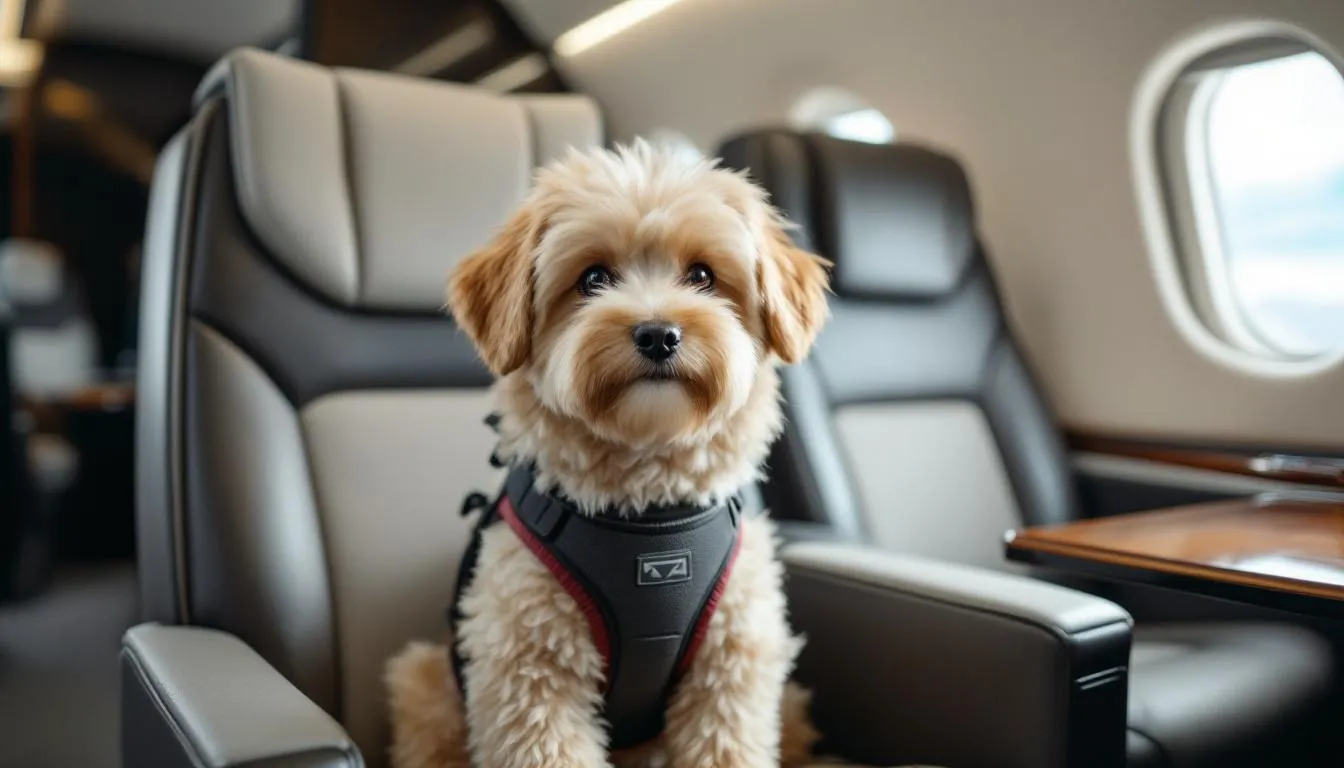
The stories of pet owners who have successfully used empty leg flights demonstrate both the potential benefits and practical considerations of this travel option.
A family relocating from New York to Austin faced a dilemma when their two Golden Retrievers were too large for commercial airline cabin travel. Commercial cargo options posed risks they weren’t willing to accept, while full private jet charters exceeded their relocation budget.
They found an empty leg flight for $12,000 that accommodated their entire family plus both dogs in the cabin. Compared to their estimated $2,500 in commercial airline costs (including pet fees, carriers, and potential overnight accommodations), the empty leg provided vastly superior value when considering the safety and comfort benefits.
The dogs traveled stress-free, arriving calm and comfortable rather than traumatized from hours in cargo holds. The family reported that the experience was so positive that they now monitor empty leg availability for their annual vacation travel.
When a 12-year-old German Shepherd in California required emergency surgery available only at a specialist facility in Colorado, commercial airline restrictions on senior pets and size limitations made traditional air travel impossible.
An empty leg flight departing within 48 hours provided the perfect solution. The $8,000 cost was substantial but far less than the $25,000 quote for a full private charter. More importantly, the gentle travel environment didn’t exacerbate the dog’s medical condition, and the flexible timing allowed them to reach the specialist while treatment remained viable.
The private jet crew accommodated special bedding and monitoring requirements during the flight, and the dog successfully underwent surgery and made a full recovery.
A professional dog breeder regularly transports show dogs to competitions across the country using empty leg flights when available. The elimination of cargo hold risks protects valuable breeding animals, while the cost savings compared to full charters make the business model more sustainable.
During a particularly successful booking period, they secured empty leg flights for three separate competition weekends, saving approximately $45,000 compared to full charter costs while ensuring their animals arrived in peak condition for showing.
The breeder reports that show dogs transported via private jets consistently perform better than those subjected to commercial airline stress, making empty leg flights not just a luxury but a competitive advantage.
A family with three rescue dogs of various sizes found commercial airline travel impossible due to breed restrictions and the impracticality of managing multiple pets through crowded airports. Empty leg flights transformed their vacation possibilities.
They discovered that monitoring multiple routes and maintaining flexible travel dates allowed them to secure empty leg flights for family vacations at costs competitive with commercial alternatives when pet fees were factored in. Their dogs now regularly accompany them on ski trips and beach vacations that would have been impossible with traditional air travel restrictions.
The family estimates they’ve saved over $20,000 in boarding costs over three years while providing their beloved companions with stress-free travel experiences.
Most empty leg flights become available 2-14 days before departure, though some last-minute opportunities arise with only 24-48 hours' notice. The booking window varies based on when the originating charter finalizes its plans. Popular routes may have more predictable availability during peak seasons.
Private jets typically have no breed or size restrictions that commonly plague commercial airlines. Giant breeds, multiple dogs, and breeds banned by airlines can all travel comfortably in private aircraft cabins. You should discuss your pet’s size and any special accommodation needs when booking.
Flight crews receive training in basic pet first aid and can access veterinary consultation services via satellite communication if needed. Aircraft carry basic medical supplies, and crews can implement comfort measures for pets experiencing distress. For serious emergencies, they can coordinate emergency landings and ground-based veterinary care.
Yes, most empty leg flights can accommodate multiple pets without additional fees. The specific number depends on aircraft size and cabin configuration. Discuss your requirements when booking to ensure adequate space and any special arrangements needed for multiple animals.
Requirements vary by operator and aircraft type. Many private jets allow medium and large dogs to be unrestrained in the cabin during cruise, with owner supervision. Specialized harnesses may be recommended for takeoff and landing. Carriers can often be provided by the operator if needed.
Domestic travel requires a veterinary health certificate issued within 10 days of departure and current vaccination records. International travel adds destination-specific requirements like import permits, USDA endorsements, microchip identification, and sometimes blood titer tests. Requirements vary significantly by country.
Empty leg cancellation policies tend to be stricter than those of commercial airlines since these flights depend on the originating charter’s plans. If the operator cancels, you typically receive a full refund. If you cancel, refund policies vary but are often less flexible than commercial options. Maintain backup plans for essential travel.
Most operators can accommodate reasonable requests for pet amenities like specialized bedding, specific food bowls, or extra cleaning supplies. These should be discussed and confirmed when booking rather than assumed to be available. Some custom requests may incur modest additional fees.
Empty leg flights typically offer 40-75% savings compared to full private jet charters on the same routes. While a full charter might cost $25,000, the same route on an empty leg could be available for $8,000-15,000. Exact savings depend on route, aircraft type, and market demand.
Unlike commercial airlines that charge $100-500 per pet, most empty leg flights include pets at no additional fee. Some operators may charge modest fees for extra cleaning or special accommodations, but these are typically minimal compared to commercial airline pet fees. Always confirm the total cost, including any pet-related charges, when booking.
Empty leg flights represent a game-changing opportunity for pet owners seeking safe, comfortable air travel for their beloved companions without the premium price tag of full private jet charters. By offering the same luxurious cabin environment, personalized service, and pet amenities at 25-75% below regular charter costs, empty legs make private air travel accessible to a broader range of families who prioritize their pets’ well-being. Many private jet charter companies, including Jettly, uphold high safety standards for pet travel, ensuring a secure and stress-free experience.
The benefits extend far beyond cost savings. When you choose empty leg flights for your furry friends through platforms like Jettly, you’re eliminating the risks and stress associated with commercial airline cargo holds while gaining access to flexible scheduling, personalized attention, and the peace of mind that comes from keeping your pet safely by your side throughout the journey.
Success with empty leg flights requires flexibility, quick decision-making, and understanding the unique dynamics of this market. The most satisfied customers maintain open schedules, monitor multiple routes via Jettly’s user-friendly platform, and have backup plans for essential travel. When these elements align, the result is a luxurious experience that transforms how you and your beloved pet travel together—with options like customized in-flight dining experiences from Jettly Eats further enhancing your journey.
Whether you’re planning a cross-country relocation, need emergency medical transport, or simply want to include your four-legged family members in your next vacation, empty leg flights offered through Jettly provide a perfect solution that prioritizes both your pet’s comfort and your budget considerations.
Start monitoring empty leg availability for your desired routes on Jettly and experience firsthand why so many pet owners are discovering that luxury air travel for their furry companions is more accessible than they ever imagined.
Share this post:
Jay Franco Serevilla
Aug 21, 2025
|
5
min read
Discover tips and trends in the industry.
5
min read
Best Time to Buy International Airline Tickets to Europe
Finding the best time to buy international airline tickets to Europe can save travelers hundreds of dollars. Booking 3 to 7 months in advance typically yields the best prices, especially during shoulder seasons. This guide offers insights on timing, fare tracking, and alternative airports to maximize savings and flexibility.
Read More
5
min read
When Do Plane Tickets Get Cheaper? Timing Your Booking for Better Flight Prices
Understanding when plane tickets get cheaper is essential for travelers looking to save on airfare. Generally, booking domestic flights 1 to 3 months in advance and international flights 2 to 8 months ahead yields the best prices. Factors like travel dates, day of the week, and seasonality significantly impact ticket costs, making it crucial to stay flexible and track fare changes.
Read MoreStay updated with our latest insights and tips to elevate your journey with us.
MEMBERSHIPS AND ASSOCIATIONS



Disclaimer: Jettly operates as a charter broker, offering access to a global digital jet charter marketplace. Jettly is not a direct air carrier and does not own or operate aircraft. All advertised flights are conducted by third-party air carriers that are fully licensed and hold the appropriate Part 135 or Part 121 certifications issued by the Federal Aviation Administration (FAA) or equivalent regulatory authorities under U.S. or foreign law. Jettly complies fully with the U.S. Department of Transportation's Part 295 and Part 298 Charter Broker regulations. Jettly does not carry additional liability insurance. Passengers are covered by aircraft operator insurance. TICO: 50023770


