


Login
Get Instant Pricing On 23,000+ Aircraft

>

Elon Musk's planes represent some of the most advanced aircraft in private aviation today, showcasing his commitment to innovation and technological advancement. From early turboprops to ultra-long-range Gulfstreams, Musk’s fleet has evolved alongside his expanding business empire. This article examines the history, specifications, and strategic purpose behind Musk’s aircraft—and explains how travelers can access similar jets through Jettly’s on-demand charter platform.
Elon Musk’s private jets currently center on the Gulfstream G650ER (N628TS), with a Gulfstream G700 expected to join the fleet in 2025, replacing older aircraft like the Dassault Falcon 900B.
Musk’s fleet evolved from early personal flying in the 2000s to a multi-jet corporate operation managed through entities like Falcon Landing LLC.
Ultra-long-range jets such as the Gulfstream G650ER (7,500 nm range) and G700 (7,750 nm range) enable rapid travel across time zones to manage Tesla, SpaceX, X, and xAI.
Readers do not need to own a private jet like Musk; Jettly’s on-demand charter marketplace provides access to similar aircraft and routes without the cost of ownership.
These aircraft function primarily as productivity tools, turning long-haul flights into mobile offices rather than wasted travel time.
Elon Musk obtained his private pilot's license in 2002, shortly after the PayPal sale, allowing him to fly small planes for leisure activities. His South African upbringing included exposure to aviation through family connections, nurturing an interest in flight long before the Gulfstream era.
In his early days of flying, Musk owned two notable aircraft:
Piper Meridian: A single-engine turboprop with approximately 1,000 nm range, suitable for regional hops across California
Aero L-39 Albatros: A Czech military-grade jet trainer that Musk described as “probably the most fun plane I’ve ever flown.”
The L-39 represented pure passion for aviation—a high-performance machine designed for aerobatics rather than business travel. However, in 2008, Musk reportedly experienced a near-fatal incident while piloting a private jet, which led him to step back from flying himself due to safety concerns and family responsibilities.
By 2003, after PayPal's exit, Musk’s focus shifted from hobby flying to using business jets as strategic tools to manage his growing companies.
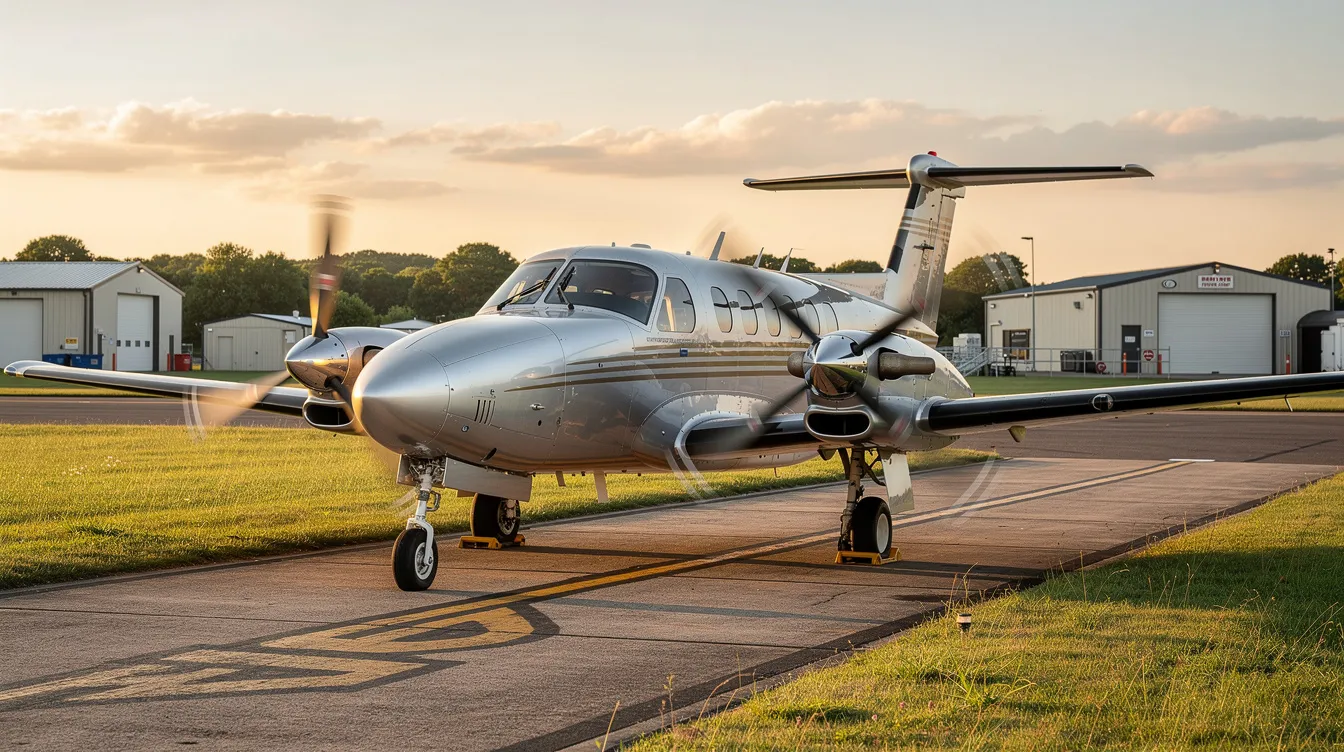
Over two decades, Musk's private jet fleet expanded from a single long-range Gulfstream to a multi-aircraft operation serving various roles, including models such as the Gulfstream G650ER, G700, and G550S. The progression reflects the scaling demands of Tesla, SpaceX, and later ventures.
Most jets are registered through corporate entities such as Falcon Landing LLC rather than in Musk’s personal name. By the mid-2010s, Musk had stepped back from acting as pilot in command, relying on professional pilots while working in the cabin during flights.
Musk’s first private jet was a Gulfstream G550, acquired in 2003 following the PayPal exit. The aircraft cost approximately $50 million at that time.
Key specifications:
Range: 6,750 nautical miles
Cruise speed: Mach 0.85
Passengers: Up to 20 in various configurations
Cockpit: PlaneView cockpit—an advanced, high-tech instrument panel designed for enhanced visibility and situational awareness, featuring Honeywell Primus Epic avionics
This business jet became a workhorse for early Tesla and SpaceX travel between Los Angeles, Silicon Valley, New York, and European capitals. The G550’s impressive range enabled overnight intercontinental flights, allowing Musk to cross multiple time zones while sleeping and working on board.
The Dassault Falcon 900B joined Musk’s fleet in the mid-2000s, registered as N900SX. This tri-jet offered distinct advantages:
Range: Approximately 4,000 nautical miles
Engines: Three Honeywell TFE731 turbofans
Field performance: Ability to land on shorter runways in remote locations, making it suitable for regional and international travel to less accessible airports
Service ceiling: 51,000 feet
Executives favor the Falcon 900B for missions where flexibility matters more than absolute range. It could reach factory sites, test facilities, and regional airports that larger jets cannot access. This aircraft was reportedly retired around 2016 as newer Gulfstreams assumed primary duties.
The acquisition of a second G550 (often associated with registration N272BG) signaled that one long-range jet was no longer sufficient for Musk’s busy schedule.
Typical missions for this aircraft included:
US coast-to-coast trips between California and New York
Shuttle flights between SpaceX launch facilities in Florida and Texas
Tesla factory visits across Nevada, Texas, and Europe
Both G550S aircraft operated under Falcon Landing LLC, configured with satellite communications to support continuous email, voice, and video conferencing. This redundancy ensured flexibility and the ability to keep teams synchronized across continents.
The Gulfstream G650ER, registered as N628TS, has served as Elon Musk’s jet since approximately 2016. Delivered at a price range of $70–78 million, this ultra-long-range aircraft represents the flagship of Musk’s fleet.
The G650ER is capable of flying 7,500 nautical miles non-stop at a cruise speed of Mach 0.925, making it one of the most advanced long-range business jets available. This aircraft frequently appears on flight-tracking platforms, attracting attention from aviation enthusiasts worldwide, and is recognized as an iconic private aircraft used by influential figures.
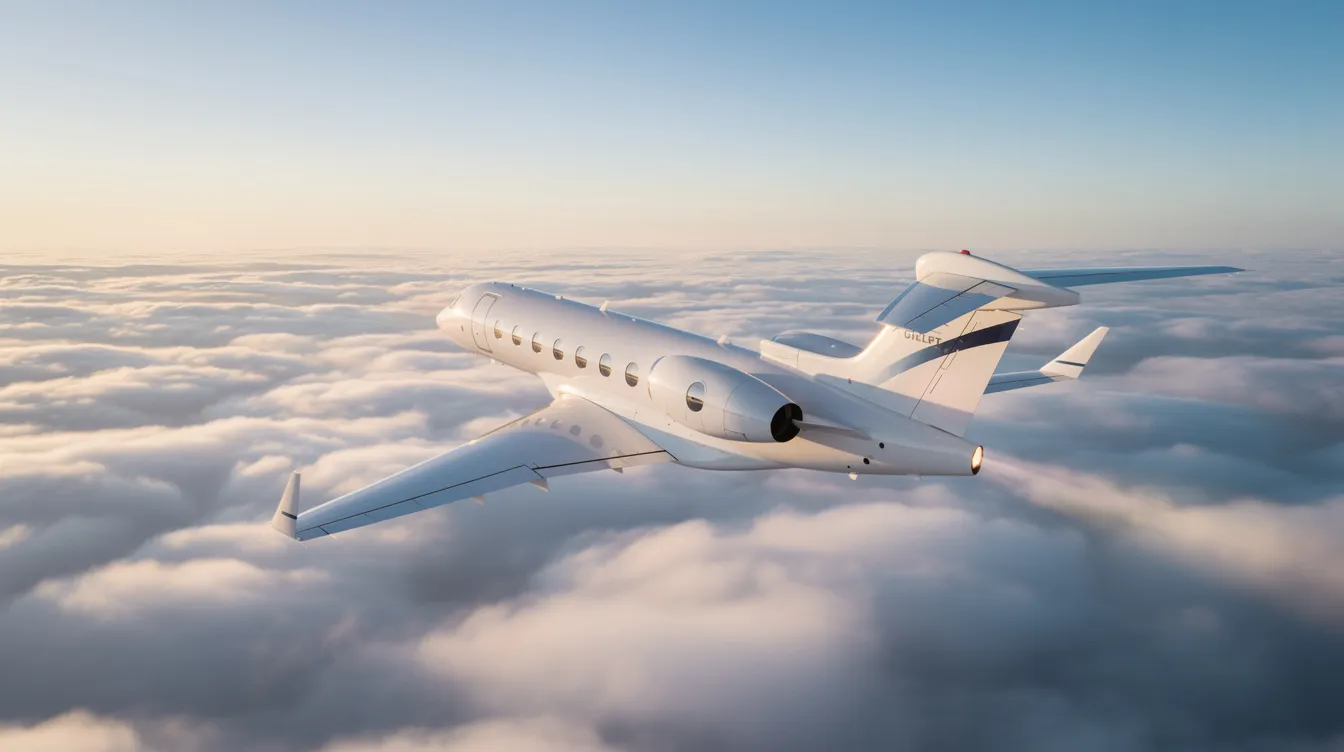
The G650ER’s 7,500 nm range enables nonstop flights across vast distances:
|
Route |
Approximate Distance |
|---|---|
|
Los Angeles – Tokyo |
4,800 nm |
|
Oakland – London |
4,700 nm |
|
New York – Hong Kong |
7,000 nm |
|
San Francisco – Dubai |
7,300 nm |
This capability lets Musk compress multi-stop commercial itineraries into single overnight segments. SpaceX launch support flights from California to Florida or Boca Chica can be combined with rapid returns, maximizing productive time.
The aircraft helps manage time zone jumps efficiently—arriving rested for morning meetings in Europe or Asia after sleeping in a flat-bed suite, with premium amenities such as customized in-flight catering services further enhancing long-haul comfort.
The Gulfstream G650ER cruises near Mach 0.90 and reaches a maximum speed of Mach 0.925. It operates at high altitude up to 51,000 feet above most commercial traffic and weather systems.
Performance advantages:
Reduced flight times compared to slower aircraft
Smoother flights above turbulence
Less congestion in upper air corridors
Record-breaking city-pair times (e.g., US West Coast to Europe in under nine hours)
This speed aligns with Musk’s preference for cutting-edge performance in business aviation.
This aircraft features a spacious cabin divided into four distinct zones: a lounge, work area, relaxation area, and a fully equipped galley, designed for maximum comfort during long flights.
The configuration includes:
Conference area: Board-style seating with screens for presentations
Private stateroom: Flat bed for rest during overnight flights
Full galley: Capability for cooked meals on long sectors
High-speed connectivity: Ku-band or Ka-band satellite Wi-Fi for encrypted calls and live video meetings
Starlink provides high-bandwidth internet connectivity to passengers on commercial aircraft, enhancing in-flight experiences—and similar satellite technology enables secure communications on private jets like Musk’s G650ER.
Owning a private jet allows business leaders like Elon Musk to maintain productivity while traveling, as the aircraft can be equipped with office-like amenities, enabling meetings and work to continue in a comfortable environment.
The G650ER is powered by two Rolls-Royce BR725 engines, which provide exceptional efficiency and reliability, crucial for the ultra-long-haul flights that Elon Musk frequently undertakes.
Engine characteristics:
Thrust: Approximately 17,000 lbf per engine
Design: Low-emissions combustor with high bypass ratio
Reliability: Engineered for long over-water segments with distant diversion options
Newer engine technology improves jet fuel burn per passenger compared with older large-cabin jets. Operators optimize flight levels and route planning to further reduce emissions and costs.
The Gulfstream G700 was ordered by Elon Musk in 2022 and is expected to be delivered in 2025, following delays due to certification policy changes. This aircraft will likely become Musk’s new flagship.
Top-line specifications:
Range: 7,750 nautical miles
Maximum speed: Mach 0.935
Cabin: Largest in Gulfstream’s lineup
The future fleet may include the G700 as primary, the G650ER for parallel missions, and the G550S for support or employee transport.
The Gulfstream G700 is expected to have a range of 7,750 nautical miles and a maximum speed of Mach 0.935, making it one of the fastest business jets available. This ultra-long-range business jet features five living areas, including a grand suite with a shower, and is designed to provide the largest cabin in business aviation.
Design highlights:
20 large panoramic windows
Advanced noise-reduction systems
Low cabin altitude (approximately 2,916 feet at cruise) to reduce fatigue
Dedicated crew rest zones
Updated avionics with fly-by-wire controls and enhanced vision systems
The G700 enables nonstop missions such as San Francisco–Dubai or New York–Johannesburg. Its speed near Mach 0.935 shaves minutes off already fast long-haul flights.
Sustainability features include:
Improved engine efficiency via Rolls-Royce Pearl 700 engines
Compatibility with Sustainable Aviation Fuel (SAF)
Aerodynamic refinements versus previous models
Musk believes an electric aircraft is mathematically impossible until battery technology achieves an energy density of at least 400 Watt-hours per kilogram (Wh/kg). Meanwhile, Musk has proposed using Starship for point-to-point global travel, potentially reducing travel times significantly by flying through suborbital space.
Musk has expressed interest in developing a supersonic VTOL electric jet that would obviate the need for runways, but no product has been officially announced. The conceptual Tesla electric jet relies on Vertical Takeoff and Landing (VTOL) capabilities, eliminating the need for traditional runways. Musk’s vision for aviation includes disrupting traditional air travel with both high-speed travel via SpaceX’s Starship and sustainable regional travel using eVTOL aircraft.
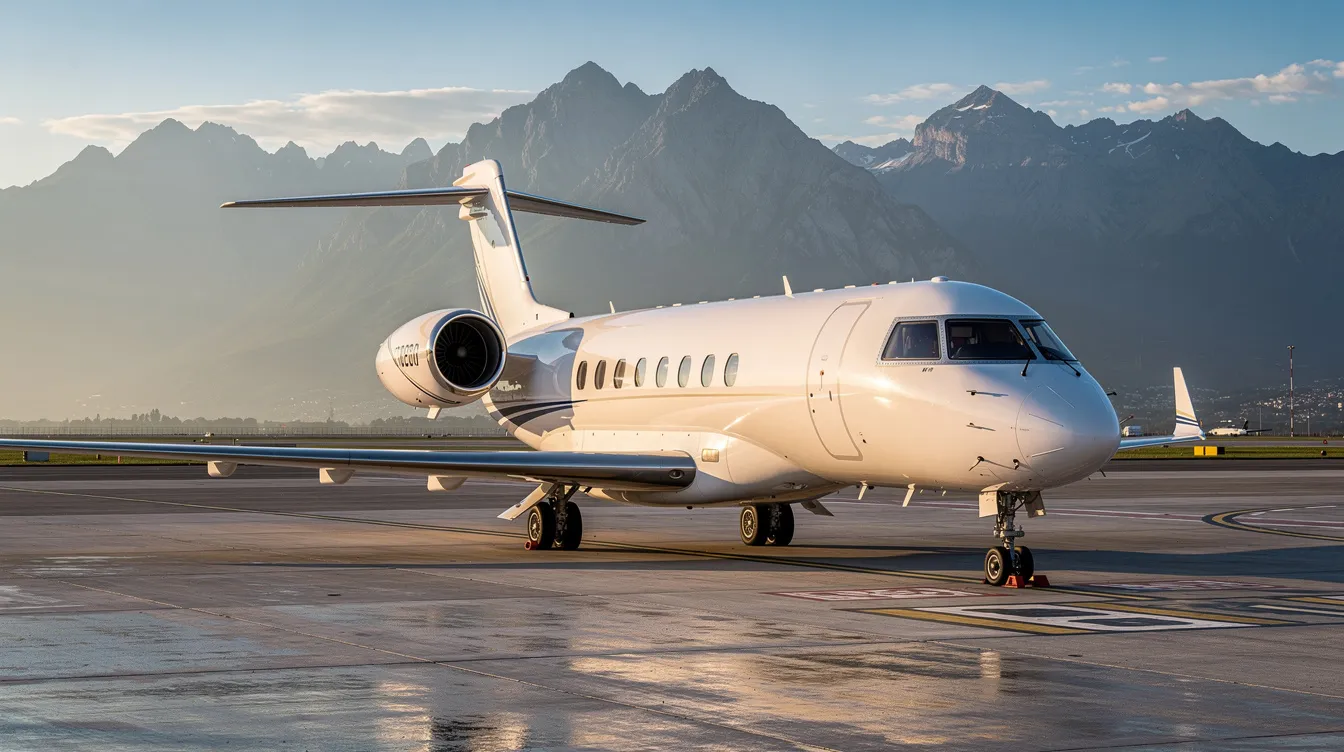
High-profile public figures like Elon Musk attract intense interest in flight-tracking data, leading to notable social media profiles, such as the @ElonJet Twitter account, that track his private jets.
The @ElonJet saga involved a college student using ADS-B and publicly available information to track Musk’s G650ER flights. In 2021, Musk offered $5,000 to have the account shut down, citing security concerns. After acquiring Twitter in 2022, Musk suspended the account following a stalking incident he linked to flight tracking. Similar accounts on social media platforms, including Meta, were later suspended in 2024.
The debate centers on transparency versus privacy: aviation transponder data is broadcast publicly for safety, but aggregating it for celebrity tracking raises legitimate security concerns for figures like Musk.
ADS-B technology requires aircraft to broadcast position data to air traffic control and safety authorities. Websites repackage this information for public use.
Privacy options include:
FAA LADD (Limiting Aircraft Data Displayed): Restricts how data appears on tracking sites
PIA (Privacy ICAO Address): Temporary addresses not tied to registration
Musk’s aircraft are listed under corporate entities such as Falcon Landing LLC rather than under his personal name—another layer of fleet management and privacy. However, determined enthusiasts can sometimes still correlate movements.
For leaders running global companies, private jets serve primarily as tools for time and security management—not status symbols.
Core reasons:
Hours saved versus commercial flying
Customizable schedules across time zones
Enhanced privacy and safety
Converting travel time into productive work
Private jets provide significant time savings for high-profile individuals, allowing them to bypass long airport queues and fixed commercial flight schedules, which is crucial for someone managing multiple global businesses.
Direct routing and on-demand departures cut door-to-door travel time dramatically. Consider this scenario:
SpaceX launch in Florida (morning)
Tesla factory meeting in Texas (afternoon)
Regulatory discussion in Washington (next morning)
A private jet enables this sequence within 24–36 hours, with rest and preparation on board. Commercial alternatives would require multiple connections and overnight hotel stays. Similar time-saving benefits apply to business leaders using digital platforms like Jettly, which include tools such as an airport locator for private jet flights to optimize routing and access to smaller airfields.
Security and discretion are major considerations for private jet ownership, as they allow individuals like Musk to control passenger manifests and routing, minimizing exposure to potential threats at commercial terminals. Notably, there was a widely reported incident involving Musk’s vehicle, which highlighted personal safety and legal issues related to private transportation.
Advantages include:
For travelers who do not own aircraft, modern platforms and strategies make it easier than ever to get a seat on a private jet through options such as on-demand charter, memberships, and shared flights.
Controlled passenger lists
Private terminals (FBOs) with discrete handling
Access to smaller airports near factories and launch sites
Secure environment for sensitive business discussions
Top Gun-style departures from military bases are not typical, but private aviation does offer routing flexibility that commercial options cannot match.
Musk’s Gulfstream G650ER and future G700 function as mobile boardrooms. On 10–14-hour flights, holding design reviews, investor calls, or operations briefings can be more valuable than the flight cost itself.
Features supporting productivity:
Conference seating with screens
Secure connectivity for document access
Rest areas minimize jet lag
Living areas configured for different activities
Many Jettly customers choose cabins specifically configured for work—not just leisure, leveraging a wide selection of private charter aircraft to match each mission’s range, cabin size, and budget.
Jettly operates as a digital private jet charter marketplace, letting travelers access aircraft similar to Musk’s private jets—Gulfstream G550, G650, and Dassault Falcon models—on demand.
The platform provides:
Access to a private jet charter cost estimator that helps you understand pricing before you book
Instant pricing with transparent cost breakdowns
Access to 20,000+ aircraft globally
Pay-per-flight model without ownership investment
Optional private jet membership plans for those who fly frequently and want additional benefits
Alternative to jet cards or fractional ownership
Imagine experiencing the same time savings and flexibility Musk enjoys, without the capital outlay. Tools that highlight affordable private jet charter options make it easier to align aircraft choice with your budget. Learn more at https://www.jettly.com. For personalized assistance with chartering private jets, contact Jettly’s aviation experts or team today.
Customers can request aircraft similar to Musk’s fleet for intercontinental flights:
|
Use Case |
Suggested Aircraft |
|---|---|
|
New York – London overnight |
Gulfstream G650ER |
|
Los Angeles – Tokyo launch |
Global 7500 or G650 |
|
Dubai – Singapore roadshow |
Falcon 8X |
Jettly’s team verifies operators for safety and regulatory compliance. Optional extras include in-flight catering, Wi-Fi, and ground transportation coordination, while vetted operators, such as Dexter Air Taxi private jet services, provide additional flexibility on certain routes.
Ownership of a Gulfstream G650ER or G700 costs tens of millions upfront plus several million annually in crew, maintenance, and insurance. Charter offers a different model:
Pay per trip: No fixed overhead or crew management
Flexible aircraft selection: Choose the right jet for each mission
Membership options: Better rates for frequent flyers, and the option to complement on-demand charter with jet card programs for predictable hourly rates
For many travelers, chartering delivers 80–90% of the benefits of owning Musk’s private jets at a fraction of the long-term cost, especially when you understand the full picture of how much a private jet really costs to buy and operate. Request a personalized quote at https://www.jettly.com.
Those interested in how other high-profile figures travel may also appreciate a broader look at the best celebrity private jets and their luxurious features, which place Musk’s fleet in a broader pop-culture and technology context.
While Elon Musk obtained his private pilot license in 2002 and flew smaller aircraft like the Piper Meridian and L-39 Albatros, reports suggest he now relies on professional crews for his Gulfstream jets. Large-cabin aircraft such as the G650ER require dedicated full-time crews due to operational complexity and regulatory requirements. Charter customers using Jettly similarly fly with professional, type-rated crews.
Public FAA registration data indicates Musk’s fleet has historically included multiple Gulfstream G550S, a Dassault Falcon 900B, the flagship G650ER (N628TS), and an ordered G700 expected around 2025. Many aircraft are registered to Falcon Landing LLC rather than personally. Fleet composition changes with sales, acquisitions, and new deliveries.
High utilization, like Musk’s, is one reason some travelers compare fractional ownership with newer, asset-light solutions such as Jettly, a flexible NetJets alternative that can offer similar access without long-term commitments.
Flight-tracking data has shown Musk’s primary jet operating several hundred flights annually during busy periods, crossing between US coasts and international destinations. Actual utilization varies with business needs, launch schedules, and personal commitments. Charter users through Jettly can choose utilization patterns that match their requirements.
Understanding the major private plane manufacturers behind aircraft like Gulfstream and Dassault can also help you choose the right type when you charter.
While Musk’s specific aircraft are not available for public charter, travelers can book identical aircraft types—Gulfstream G550, G650ER, and Dassault Falcon series—through Jettly. The platform connects customers to certified operators worldwide, providing access to the same speed, range, and cabin amenities without aircraft ownership.
If you run a travel or finance audience, you can even offset your flight costs by referring new flyers to Jettly through its ultra-high-ticket affiliate program, earning commissions when they book or join.
Regional pricing can vary; for example, private jet charter in Kolkata, West Bengal, will be influenced by local airport fees, operator availability, and common business routes.
The answer depends partly on your route and provider, and broader industry guides—such as a comprehensive list of charter airlines and private operators—can provide useful context when comparing options.
Charter costs for ultra-long-range jets typically run into several thousand dollars per flight hour, with total trip cost depending on distance, routing, airport fees, and positioning. Jettly provides instant pricing through its digital platform, allowing comparison across aircraft types and routes, and also covers leading fractional providers like NetJets in its in-depth overview of the NetJets private aviation model. Request a personalized quote for your specific itinerary at https://www.jettly.com.
Elon Musk’s private jet journey spans from early Piper and L-39 flying to a sophisticated fleet anchored by the Gulfstream G650ER and incoming G700. These aircraft are productivity tools—efficiently crossing time zones and converting long flights into working sessions.
The evolution of Musk’s fleet mirrors broader trends in the aviation industry: longer range, faster speeds, enhanced connectivity, and growing attention to privacy and sustainability. The skies have become an extension of the boardroom for executives who cannot afford to waste time.
Travelers today can access similar aircraft and capabilities through charter platforms like Jettly, gaining Musk-like flexibility without ownership burdens. Guides to the best private jet charter companies can help compare providers, safety records, and fleet options. Whether crossing the globe for a product launch or reaching Europe for investor meetings, on-demand charter opens doors previously reserved for aircraft owners.
Ready to experience private travel on your terms? Explore flight options or request a quote at https://www.jettly.com.
Share this post:
Jay Franco Serevilla
May 15, 2026
|
5
min read
Discover tips and trends in the industry.

5
min read
Jettly Launches Special Missions, Expanding On-Demand Access to Helicopters, Group Charter, Cargo, Medevac and VIP Airliners
Jettly has launched "Special Missions," integrating complex charter categories—including helicopters, group charter (18–200 seats), cargo freighters, medevac flights, and VIP airliners—into its instant-pricing digital marketplace. Supported by a network of over 23,000 aircraft and 24/7 flight operations, the feature replaces slow, offline sourcing with transparent digital access for high-stakes, specialized flying.
Read More
5
min read
Tom Brady's Aviation Habits After His Retirement From Pro Football
Tom Brady’s post-NFL career has transformed his travel needs from those of a professional athlete into those of a broadcaster, investor, and business executive. While he has long been associated with the Gulfstream G550, the economics of private aviation suggest that flexible access can be more efficient than whole-aircraft ownership for travelers flying fewer than several hundred hours per year. His evolving schedule illustrates why depreciation, fixed operating costs, productivity, and fleet flexibility increasingly shape how ultra-high-net-worth travelers approach private aviation.
Read MoreStay updated with our latest insights and tips to elevate your journey with us.
MEMBERSHIPS AND ASSOCIATIONS



Disclaimer: Jettly operates as a charter broker, offering access to a global digital jet charter marketplace. Jettly is not a direct air carrier and does not own or operate aircraft. All advertised flights are conducted by third-party air carriers that are fully licensed and hold the appropriate Part 135 or Part 121 certifications issued by the Federal Aviation Administration (FAA) or equivalent regulatory authorities under U.S. or foreign law. Jettly complies fully with the U.S. Department of Transportation's Part 295 and Part 298 Charter Broker regulations. Jettly does not carry additional liability insurance. Passengers are covered by aircraft operator insurance. TICO: 50023770


